Our Story
Learn our story, leadership, and mission shaping manufacturing in Mexico.

Tetakawi’s Manufacturing Campus model lets textile and sewn goods manufacturers operate their own plant in Mexico, with move-in-ready space, skilled talent and trade programs already in place. Your patterns, your specifications and your quality standards stay yours. Tetakawi runs the operating platform around them.
The Problem
Sewn goods are labor in its most direct form: every unit is minutes on a machine, and the cost of the product is the cost of those minutes. Cutting, stitching, binding, inspection and packing all sit on the same line, and the operators who hold a tolerance are the ones who have done it for years. Turnover does not just cost you a hire. It costs you the seam.
Mexico has the sewing operators, and the rules of origin help. But running a plant there takes more than industrial space. Whatever your plant runs, cutting, sewing, binding, heat sealing, inspection or packing, it needs three things:
You can build all that from scratch, or you can operate inside a Tetakawi Campus.
| Traditional Site Selection | Tetakawi Campus Model |
|---|---|
| Find a building and fit it out yourself | Move-in-ready space on an established Campus |
| Build HR, payroll, and labor systems from scratch | Recruiting, payroll, and benefits administered for your plant |
| Staff a ramp with no local recruiting network | Recruiters already working the market before you arrive |
| Coordinate recruiters, customs brokers, and advisors on your own | One partner for recruiting, customs, and administration |
| Establish your own Mexican entity, IMMEX, and customs process | Import and export in Mexico under Tetakawi’s IMMEX authorization |
| Manage a patchwork of vendors and their contracts | One U.S.-based agreement, with the work run on site |
Our Approach
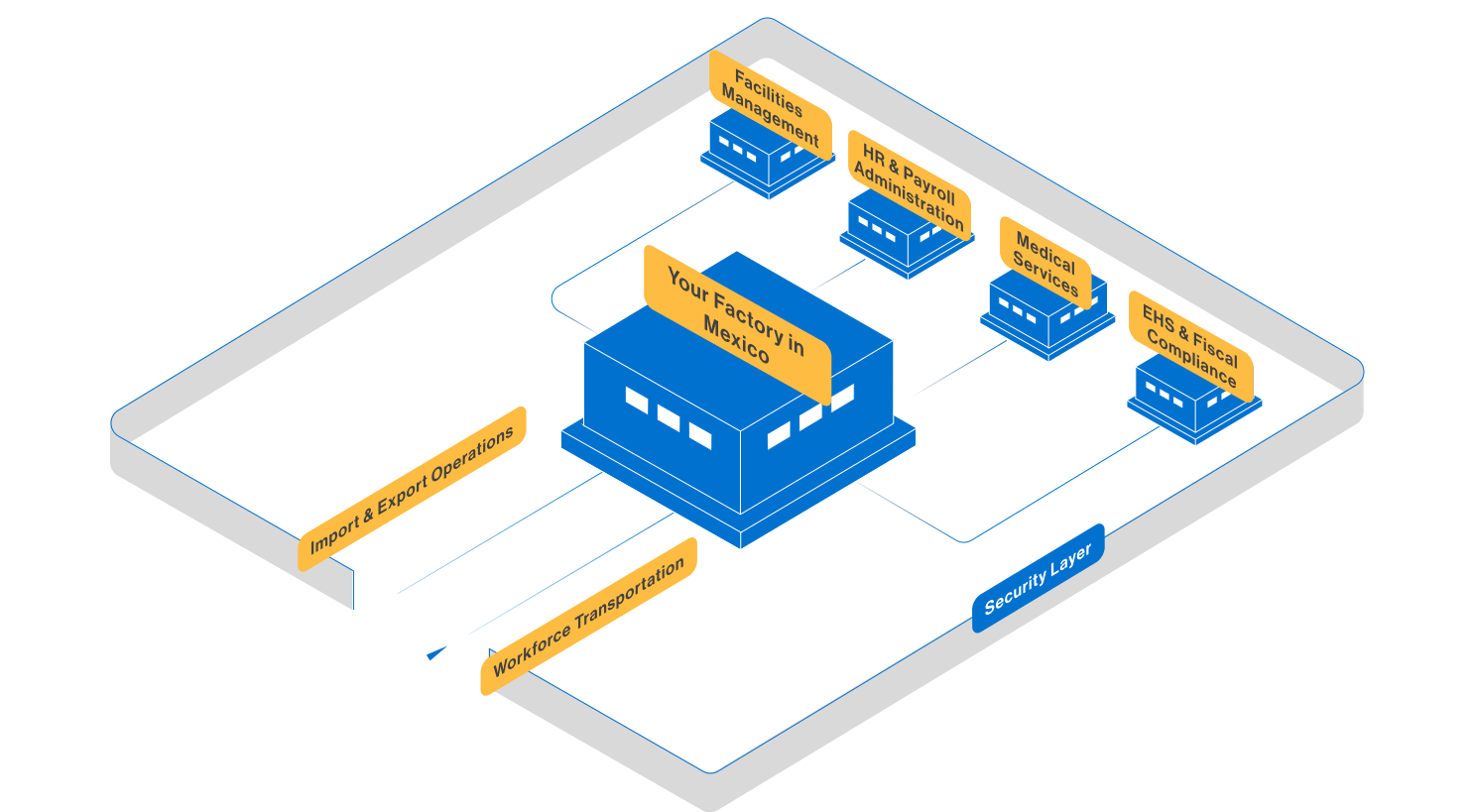
Every Campus sits in a region with an established manufacturing workforce. Three things run around your operation: the people, the building, and the movement of material across the border.
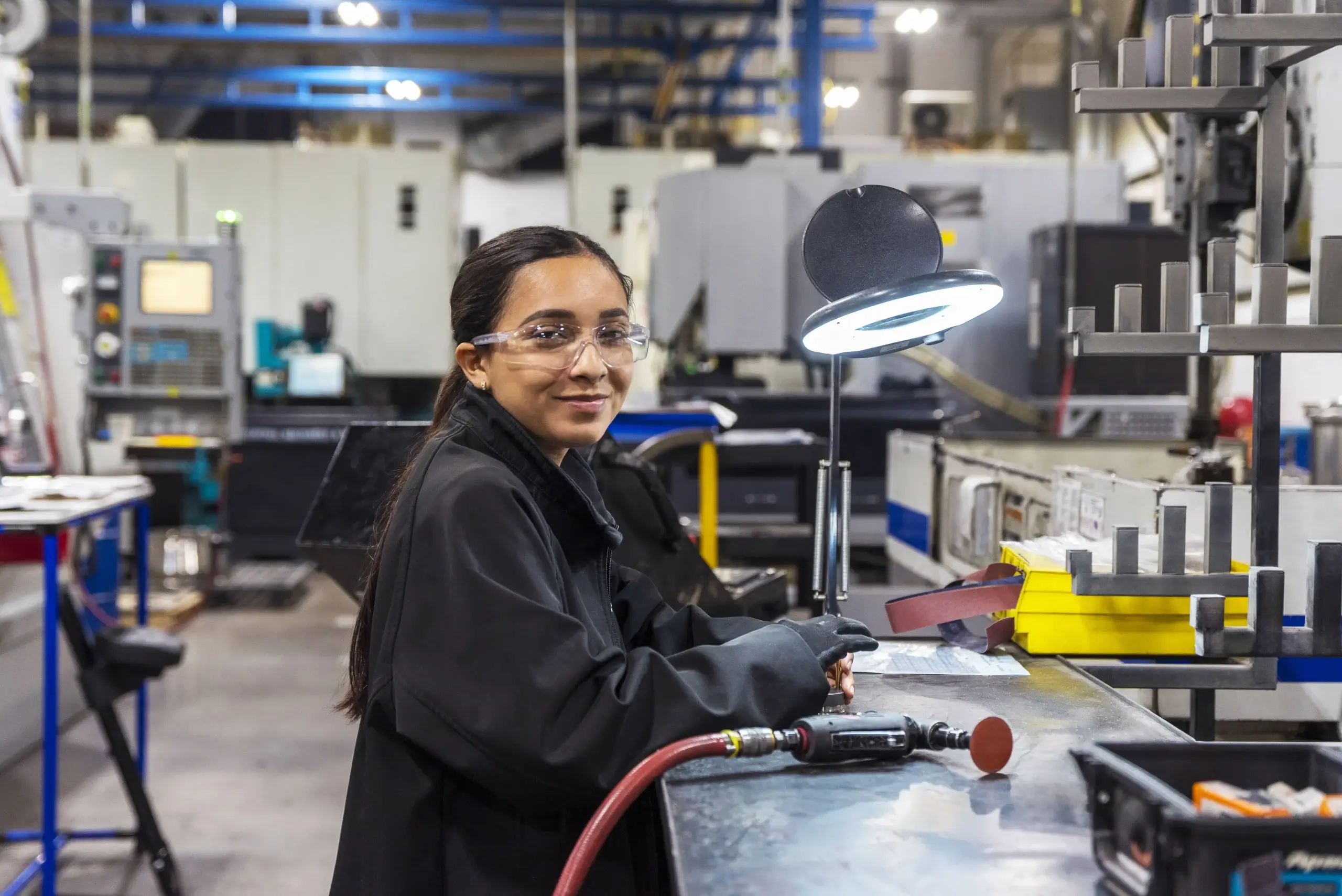
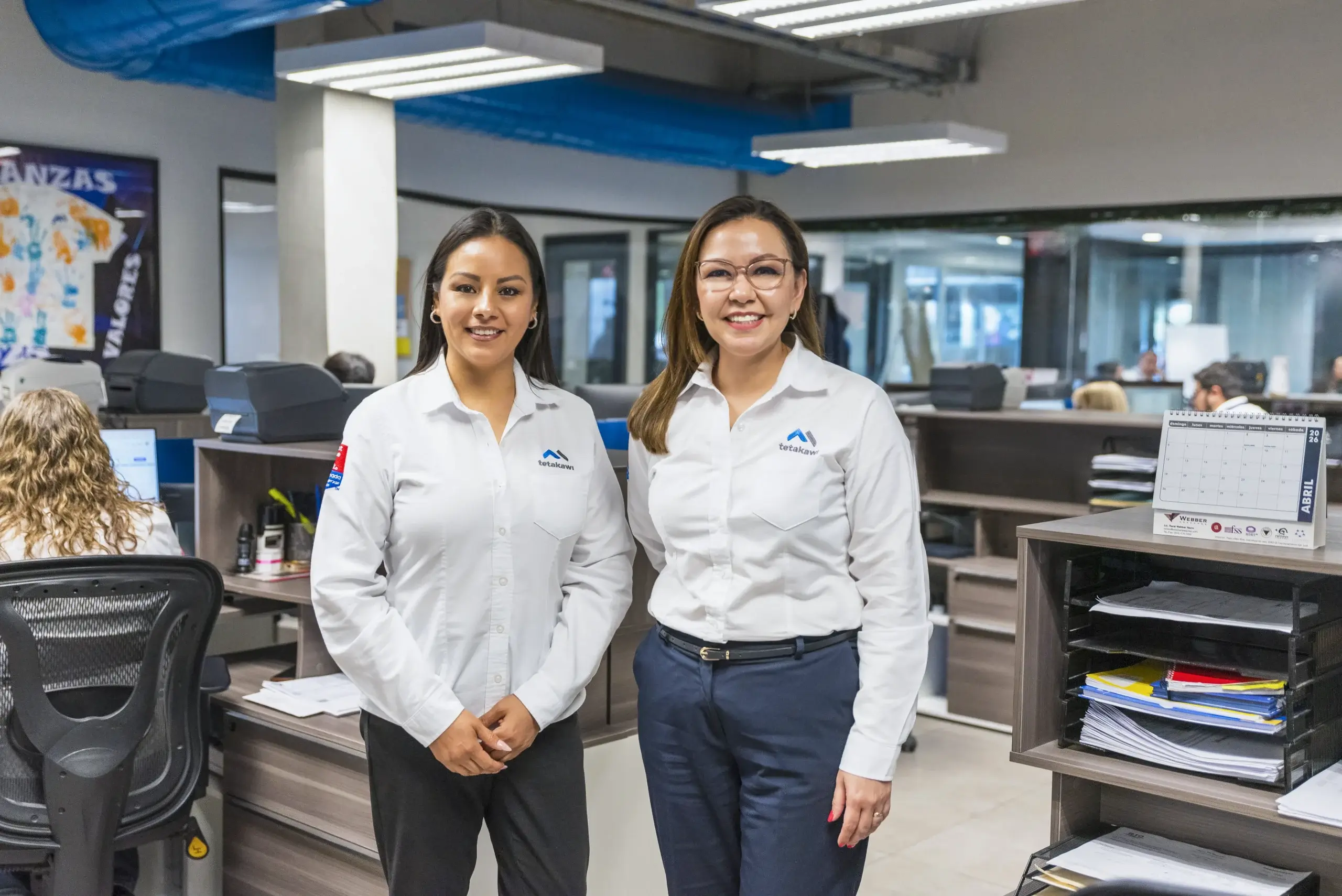
Operators, line leads and inspectors are recruited, and transport and on-site medical help them stay. On a sewing floor, experience is the difference between a first-quality unit and a second.
You control your patterns, your specs, and your customer approvals. Tetakawi manages the facility and operating environment around your plant: utilities, grounds and material flow.
In Mexico, Tetakawi is the importer and exporter of record; entering the United States, your company is. Tetakawi keeps the customs and inventory record, and a licensed Mexican broker files each entry.
Statistics
Formal textile and apparel jobs in Mexico
Of textile and apparel exports go to the U.S.
Apparel plants with more than 100 employees
Our Model
Sewn goods compete on cost per unit, delivery and first-quality rate. The Campus model can lower overhead by up to about 30% against a standalone plant. You run the plant.
What stays in your name:
Testimonials
Manufacturers who run their own plants on Tetakawi Campuses, in their own words.
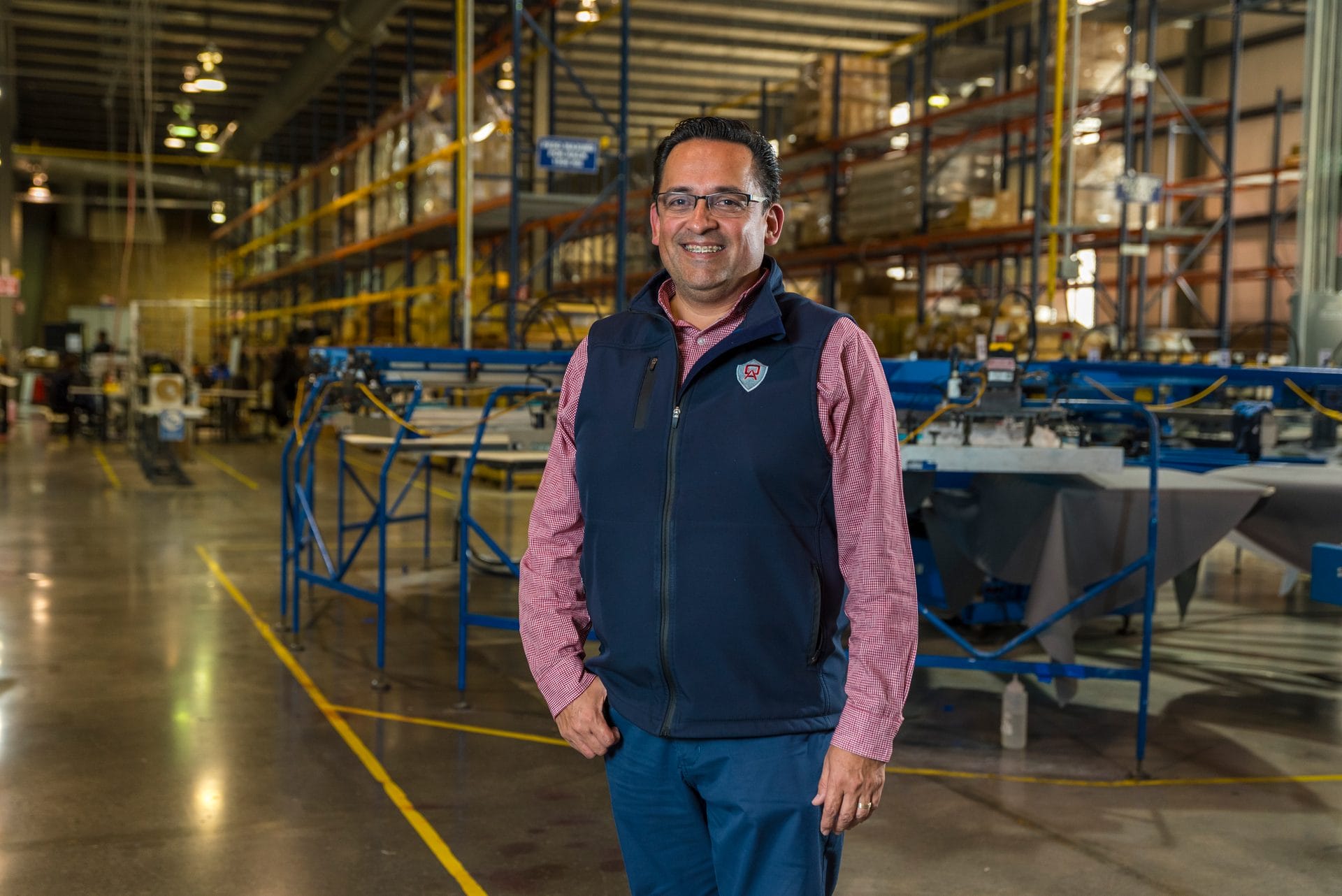

Agustín Mendoza, Plant Manager, Commercial Sewing
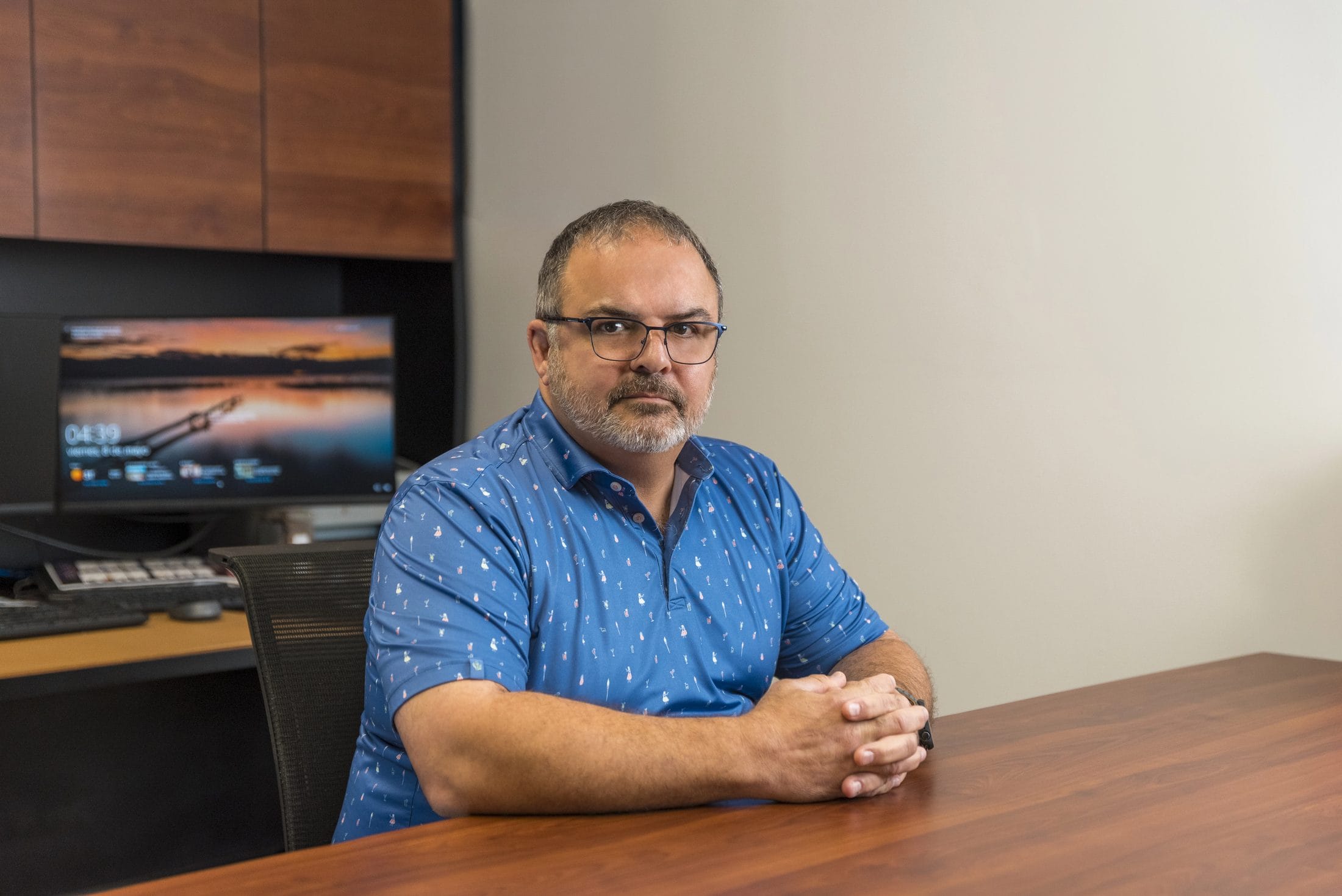

Brian Berich, Director of Operations, BAE Systems
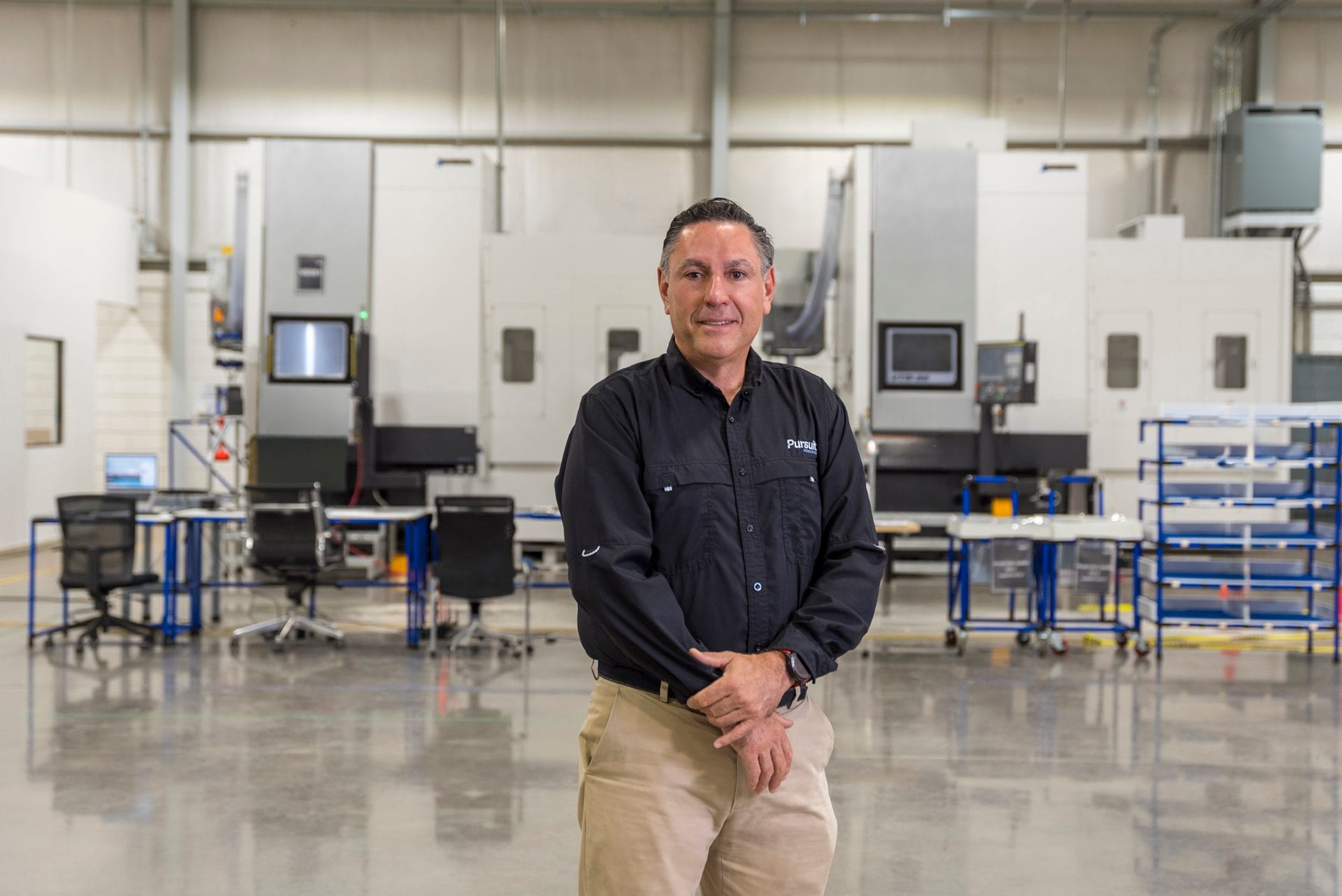

Enrique Vega, General Manager, Pursuit Aerospace
FAQs
The questions we get most often from textile manufacturers looking at Mexico.
You do.
Your patterns, your specifications, your material standards and your customer approvals stay in your name, and the plant runs to your work instructions. Tetakawi recruits and administers the workforce, runs the building and its utilities, and handles the Mexican side of customs and compliance around your operation. Tetakawi is not a contract manufacturer.
Two rules matter more than any rate: finished garments cannot enter temporarily, and fabric and yarn need an authorization first.
Mexico taxes textile and apparel imports that arrive outside its trade agreements, and the current rates have no expiry date. Goods that qualify under USMCA or another Mexican agreement, and claim the preference, keep it. Fabric, trim and components that come in to be cut and sewn into goods that leave the country are what the IMMEX program is built for, and that is the operation a client runs inside a Tetakawi Campus. On the U.S. side, yarn-forward rules of origin, with limited exceptions, decide whether a finished garment enters duty free. As part of our due diligence, we help you work it out.
Protective and industrial sewn goods, covers, automotive interiors, filtration, medical nonwovens, upholstery and technical textiles.
Mexican plants run cut and sew, binding, heat sealing, embroidery, inspection and packing across all of them. The case is strongest when direct labor content is meaningful, when the product is bulky relative to its value, and when the finished good can meet North American rules of origin.
A few hundred industrial-scale plants, exporting overwhelmingly north.
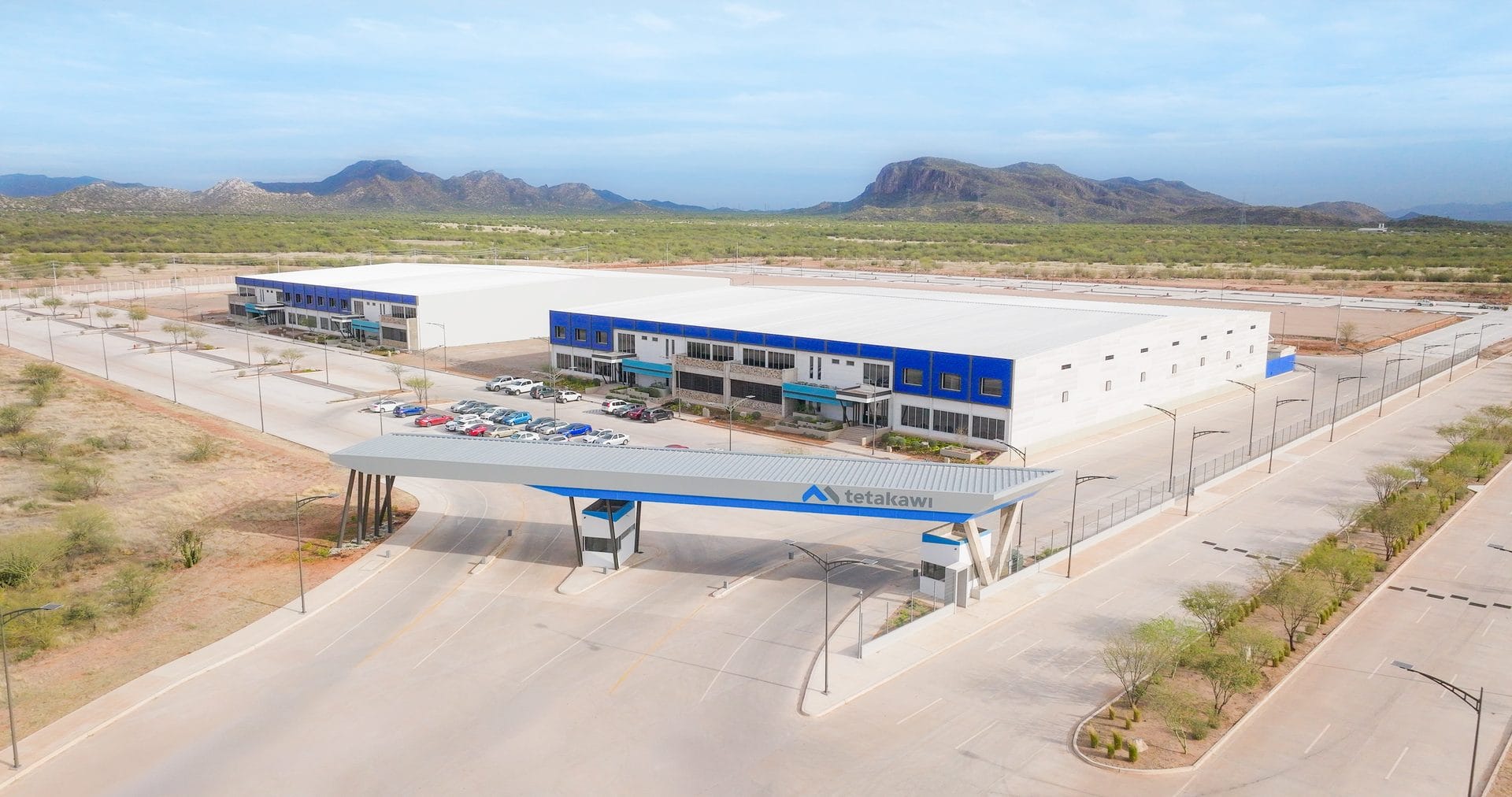
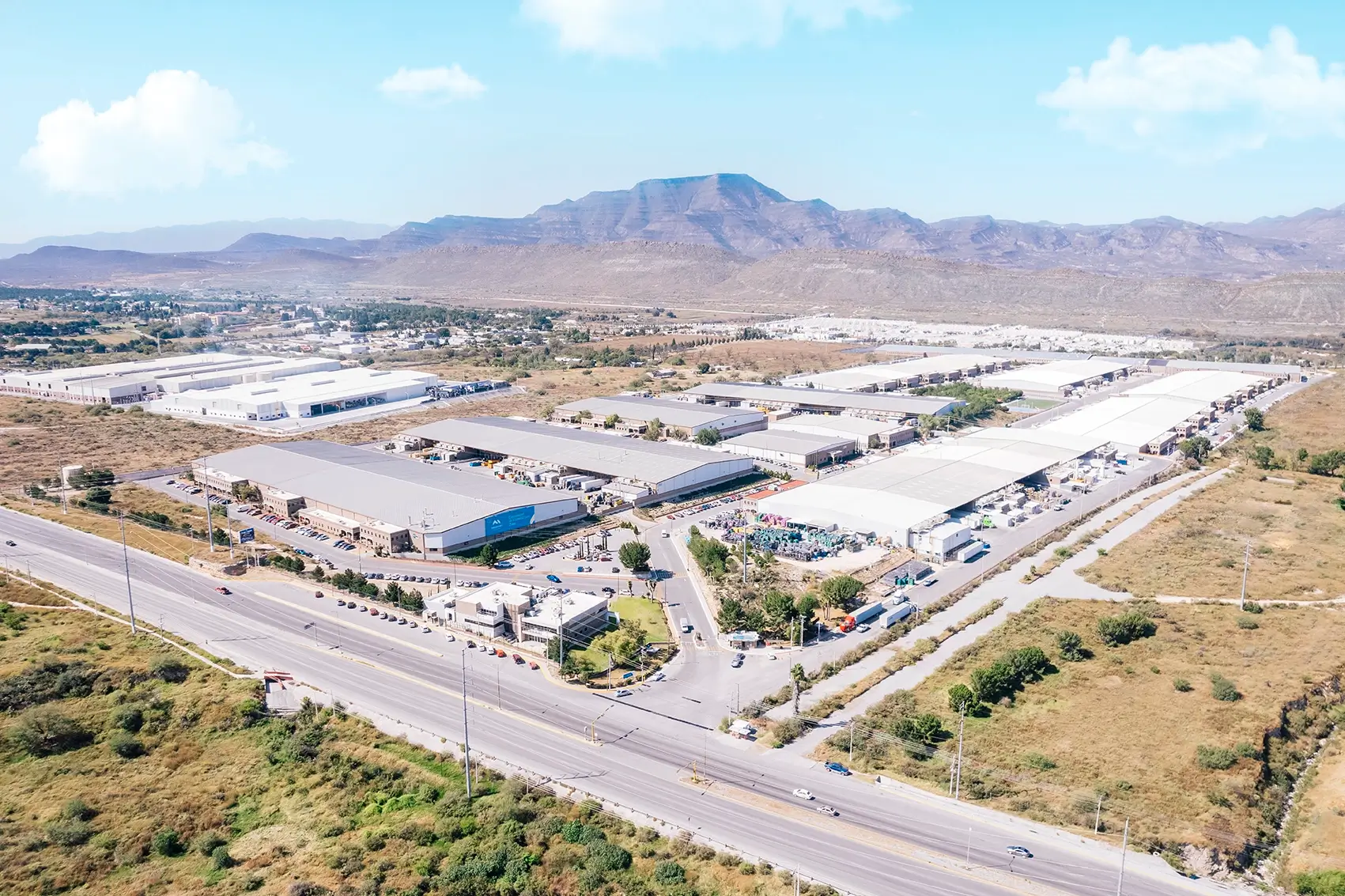
The textile chamber (CANAINTEX) reports about 340,000 formal jobs in Mexican textiles and apparel as of March 2026. INEGI’s business directory (DENUE) shows roughly 356 apparel plants above a hundred employees, so the industrial-scale segment is a few hundred plants rather than tens of thousands of workshops. Exports run about 90 percent to the United States. Tetakawi runs five Manufacturing Campuses, in Guaymas, Empalme, Hermosillo, Saltillo and Mazatlán.
A Tetakawi Manufacturing Campus is a turnkey operating environment: you run your own factory, and Tetakawi runs everything around it.
You keep full control of production, quality and your IP. Tetakawi is not a contract manufacturer.
Tetakawi provides the building, the workforce, the import and export operation, and the Mexican entity with its permits and registrations.
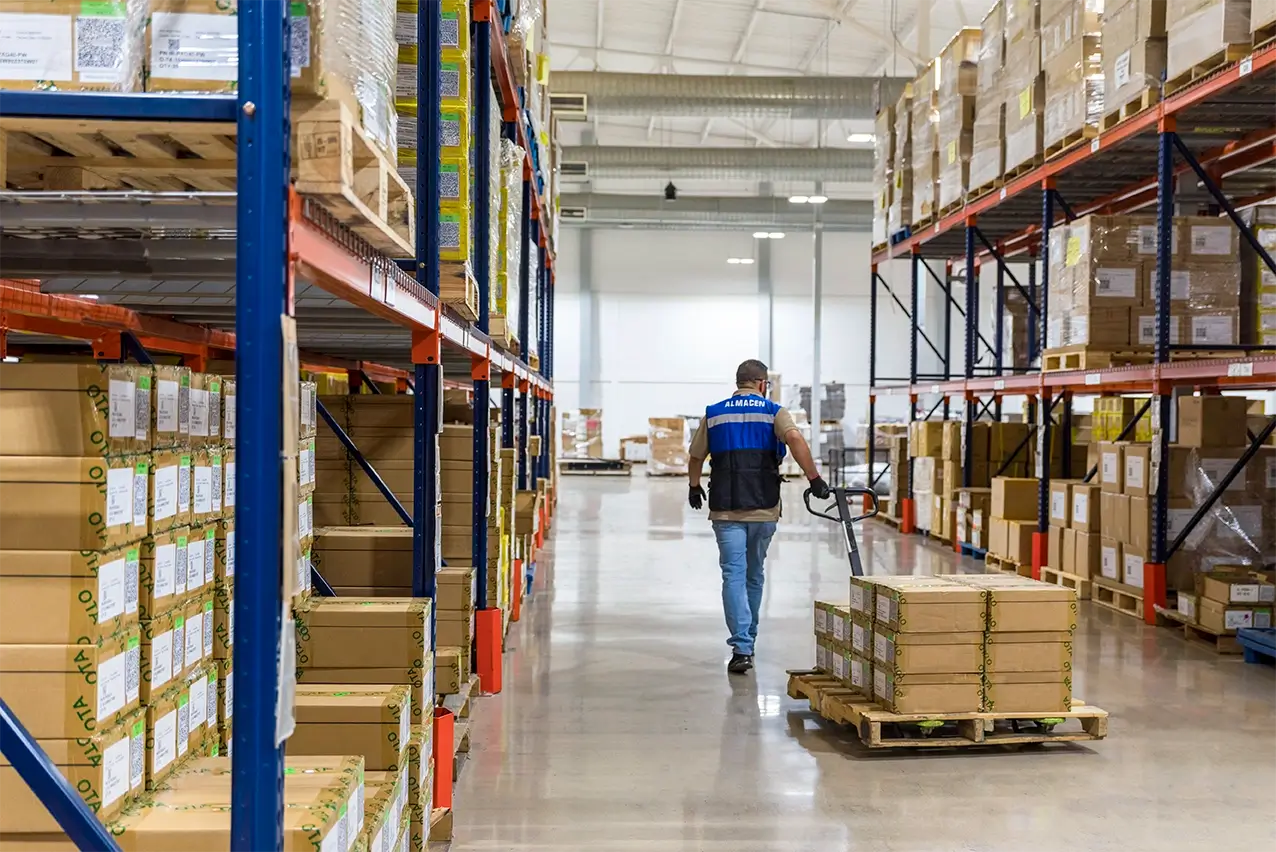
For a sewing floor, that means the people are recruited and kept, and fabric and trim move through our own cross-docks.
Four steps, in order.
1. Get in touch. A conversation about what you are hoping to achieve in Mexico, and why now.
2. Measure ROI. We build the business case with you: the full cost of running your operation on a Campus, the risks and the trade-offs, and which Campus fits. If more than one could work, we build both.
3. Site visit. Walk the Campus, meet the people who would run your account, and talk with manufacturers already operating there.
4. Launch and grow. When you give the green light, the same team that helped you build the case guides the launch.