Our Story
Learn our story, leadership, and mission shaping manufacturing in Mexico.

Explore where to manufacture in Mexico, from major industrial regions to workforce availability and long-term operating conditions.
Mexico Manufacturing
Mexico’s export manufacturing has a distinct map. As of May 2026, 59.9 percent of the country’s active manufacturing IMMEX establishments operated in the six states that border the United States: Baja California, Sonora, Chihuahua, Coahuila, Nuevo León, and Tamaulipas. These are the plants commonly called maquiladoras, and their concentration along the northern tier is the first thing anyone notices about the map of manufacturing plants in Mexico.
The concentration has a history. Mexico’s original maquiladora program, created in 1965, applied to the northern border region only; not until 1972 could export plants set up anywhere in the national territory. The border cities took a seven-year head start and compounded it for six decades, which is why the map looks the way it does.
That history matters for a site decision today: concentration tells you where manufacturing went, not where yours should go. The states with the most plants are also the markets with the most employers competing for the same workforce. The useful question is not which region has the most manufacturing; it is where your operation can hire, keep, and grow the team it needs.
Mexico is not a single manufacturing market. Site selectors commonly group its geography into five regions, each with its own character.
The Border: The industrial cities directly on the U.S. line, from Tijuana and Mexicali through Nogales and Ciudad Juárez to Nuevo Laredo, Reynosa, and Matamoros. This is the deepest export-manufacturing tradition in the country, strongest in electronics and medical devices: more than half of Mexico’s state-attributed electronics exports leave through Chihuahua, driven by Juárez. Border cities offer an adjacency to the United States that nothing else matches.
The Northeast: Monterrey, Saltillo, Torreón, and the city of Chihuahua, the interior industrial heartland of the border states. Metalworking, machinery, and automotive run deep here: Nuevo León and Coahuila together supplied more than a quarter of Mexico’s state-attributed transport-equipment exports in early 2026, and Monterrey ranks among the largest industrial markets in the country.
The Northwest: Hermosillo, Guaymas and Empalme, and Mazatlán, in Sonora and Sinaloa. Automotive, aerospace, and medical manufacturing anchor the region, and its aerospace footprint is the country’s largest by plant count: Sonora held 41 of Mexico’s 135 registered aerospace-product manufacturing units in May 2026. The region pairs highway access to Arizona with Pacific ports at Guaymas and Mazatlán.
The Bajío: The high-plateau corridor of Guanajuato, Querétaro, Aguascalientes, San Luis Potosí, and Jalisco. The automotive industry built the modern Bajío, with Guanajuato and San Luis Potosí together accounting for a quarter of the country’s transport-equipment exports in early 2026, Jalisco adding an electronics base of similar national weight, and Querétaro long established in aerospace. It is one of the most diversified manufacturing regions in Mexico.
Central Mexico: Estado de México, Puebla, and Mexico City, the country’s oldest and largest industrial base, built around the domestic market and anchored by OEM operations on the scale of Audi’s 460-hectare Puebla plant. Deep labor and deep suppliers, with the longest routes to the U.S. border of the five regions.
A distinction the rankings rarely make: a border state is not a border city. Sonora is a border state; Hermosillo, its industrial capital, sits a comfortable highway drive south of the crossing at Nogales. Three location patterns come out of that distinction.
The most industrialized border cities, west to east: Tijuana and Mexicali in Baja California; Nogales in Sonora; Ciudad Juárez in Chihuahua; and Nuevo Laredo, Reynosa, and Matamoros in Tamaulipas.
The most industrialized interior cities of the border states, west to east: Hermosillo and Guaymas-Empalme in Sonora; the city of Chihuahua; Monterrey in Nuevo León; and Saltillo and Torreón in Coahuila. Everything farther south, from the Bajío corridor to Central Mexico, is the third pattern: the interior proper.
The established border cities earned their standing, and for operations that depend on same-day border access they remain the right answer. They are also the most competed-for labor markets in Mexican manufacturing: a new plant recruits from the same experienced pool as the hundreds of plants that arrived first, and every operator you train has other offers within commuting distance. Official city data show the pressure is not uniform, which is the point: labor conditions are a city-level fact, not a geographic assumption.
An interior city in a border state changes the arithmetic. The border stays a few hours away by highway, close enough for daily truck departures, while the labor market gives a new plant the chance to become one of its leading employers, with room to hire. The first-mover advantage in Mexico did not disappear; it moved inland.
A disciplined site selection starts with the criteria that decide most of them:
Then weigh the second tier, which matters more than most checklists admit: security assessed site by site and route by route, ease of access for your leadership, housing and amenities that help you keep engineers, the types of facilities available, and the partners and services on the ground.
Three disciplines keep the process honest. Weigh retention as heavily as proximity, because a plant that cannot hold its trained workforce loses more than it saves on freight. Test everything at the level of the city, with current data: familiar locations may not match today’s labor realities, and the markets that led the last generation of site decisions carry the competition of every decision that followed. And judge each market over time, because the location has to fit not only the plant you open but the one you plan to be running in year five, as hiring grows and production scales.
The cost of a wrong choice surfaces slowly: turnover in a saturated labor market, utilities that lag your second shift, suppliers that cannot keep pace with your growth. So run the comparison against your operation: your occupations and shifts, your volumes and lanes, your growth plan. A region that is perfect for a neighbor’s product can be wrong for yours.
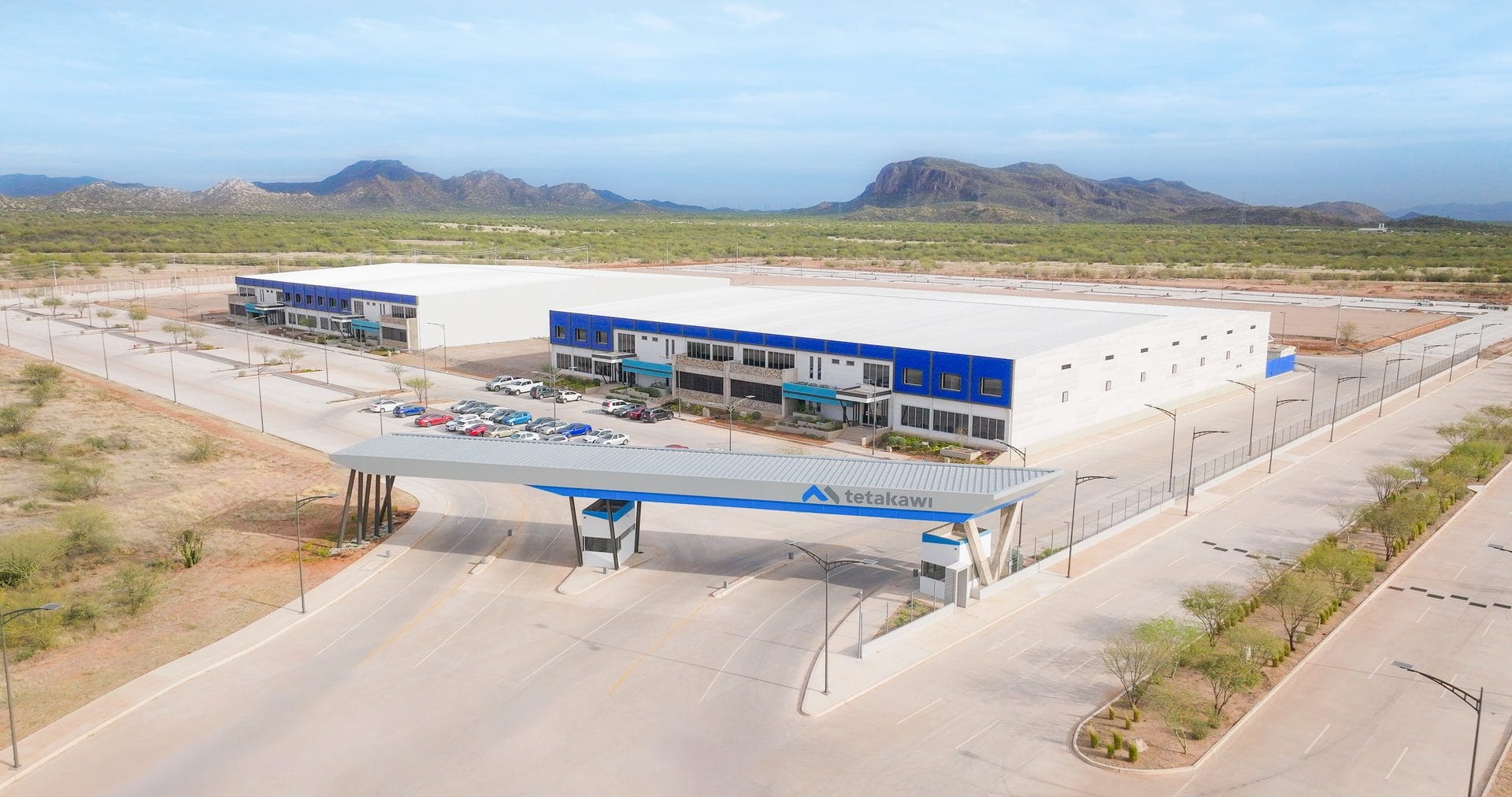
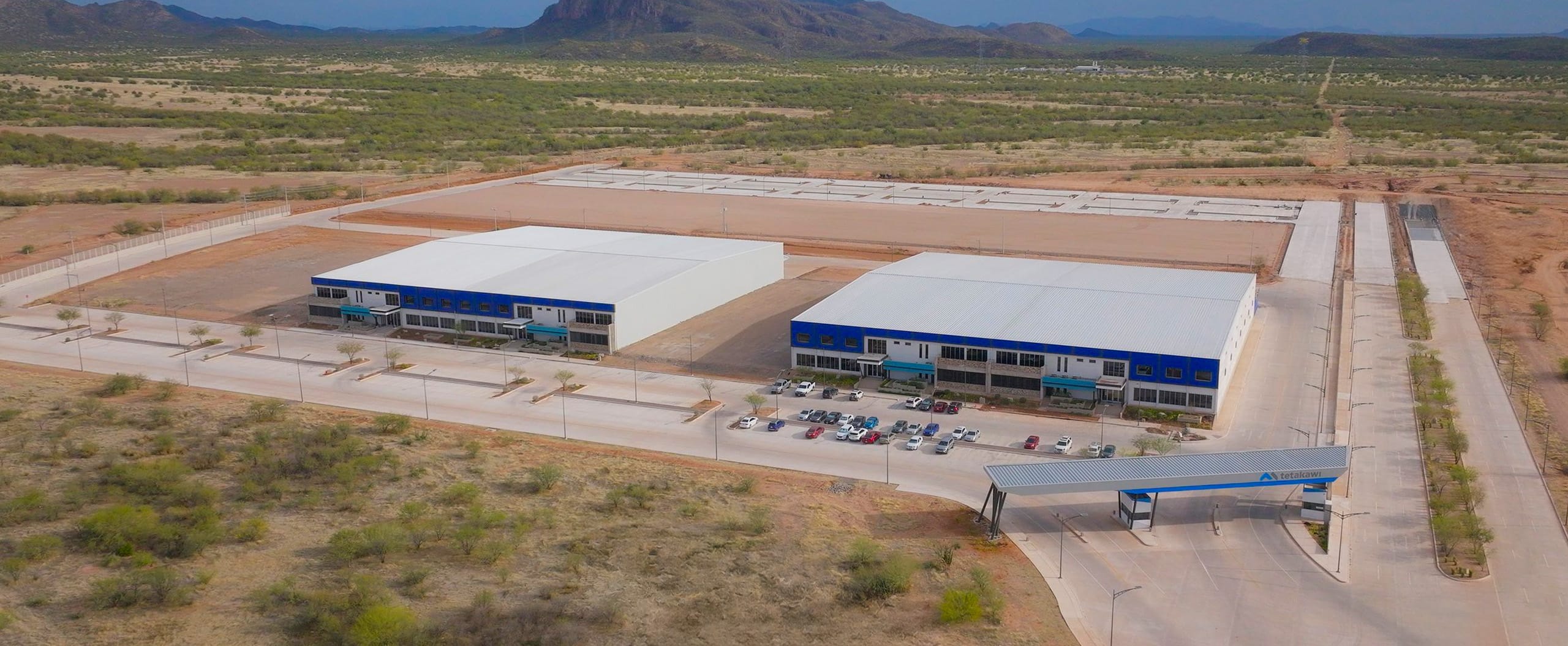
The location decision ends at a building, and buildings come in three patterns. A standalone site gives you full control of everything, and makes you the builder of everything: utilities, security, services, and relationships all start from zero. A building in an industrial park shares infrastructure and neighbors, with services contracted park by park. A Manufacturing Campus goes further, pairing the building with the operating model behind it: industrial space the provider controls, where workforce recruiting, logistics, trade compliance, and security operate on site as standing teams shared across the manufacturers operating there, on the legal foundation of an established entity and program.
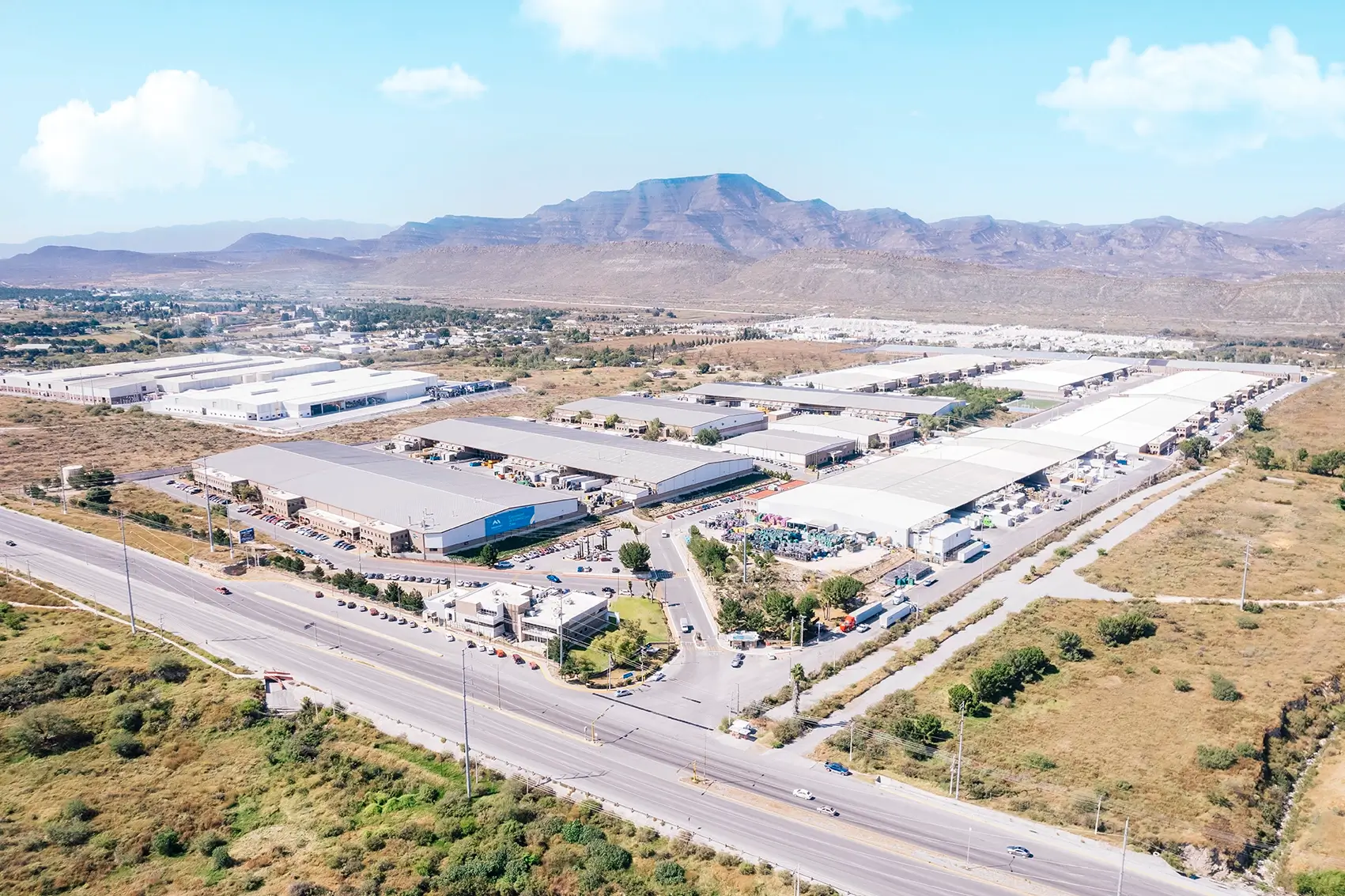
The venue choice is where the labor argument lands. Becoming a market’s employer of choice takes recruiting depth, retention programs, transportation, and a stable, secure environment, and a manufacturer can build all of that alone, in time. A Campus is the venue where that position comes built, which is why the model concentrates in regions selected for their workforce and operating conditions, where Tetakawi then built the Campus.
Our Ecosystem
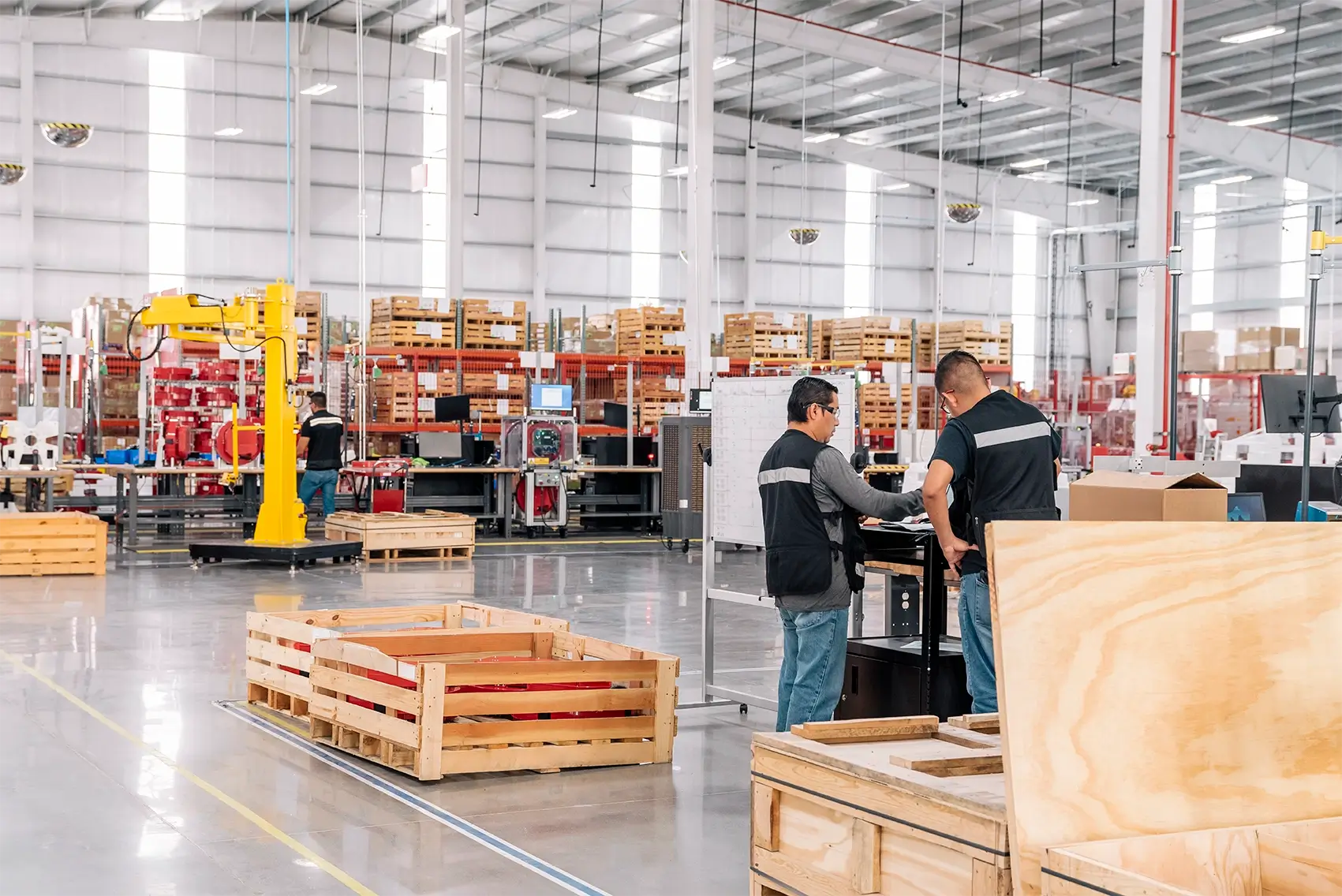
You aren’t coming to Mexico to coordinate vendors. You’re coming to launch, operate, and grow. An industrial park hands you an empty building. A Campus hands you a running environment, and the economies of scale that come with it.
Industries We Serve
We help companies expand efficiently, safely, and predictably in sectors with unique operational demands.
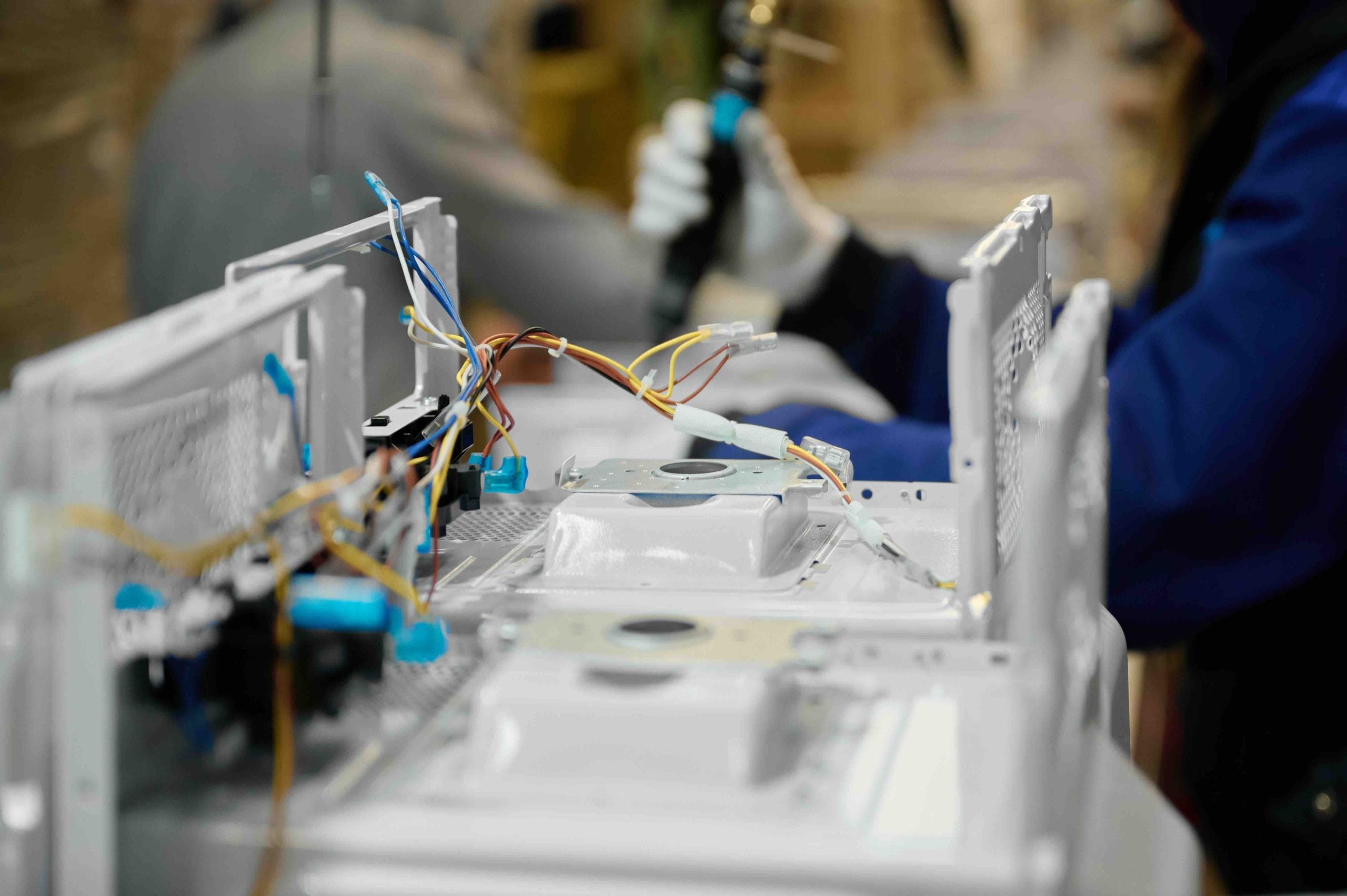
Component and assembly work held to OEM cost targets and safety certifications.

Assembly and test operations requiring tight process control and traceability.

Regulated production requiring validated quality systems and lot traceability.
Testimonials
From mid-sized manufacturers to global multinationals, these leaders asked the same questions you’re asking now. Their answers matter more than ours.
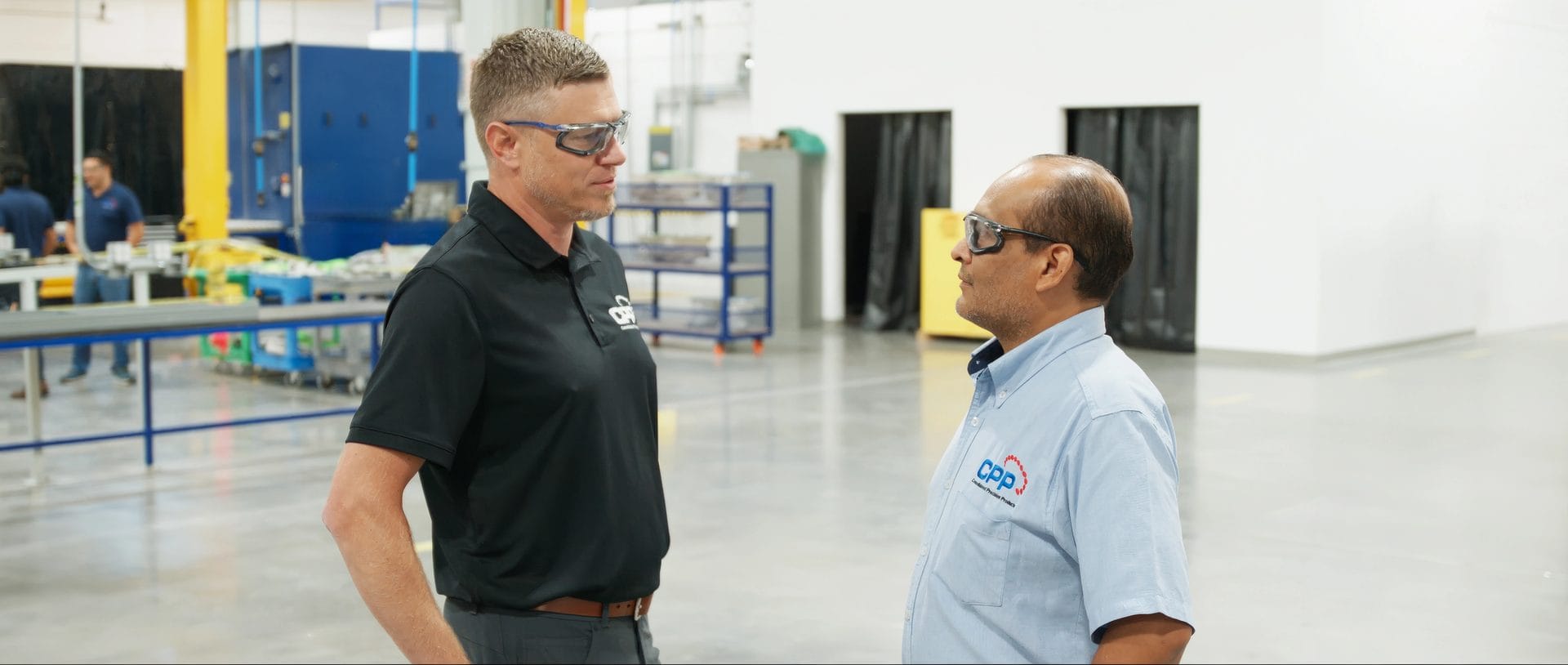

Jeremy Main, Senior Vice President, Consolidated Precision Products
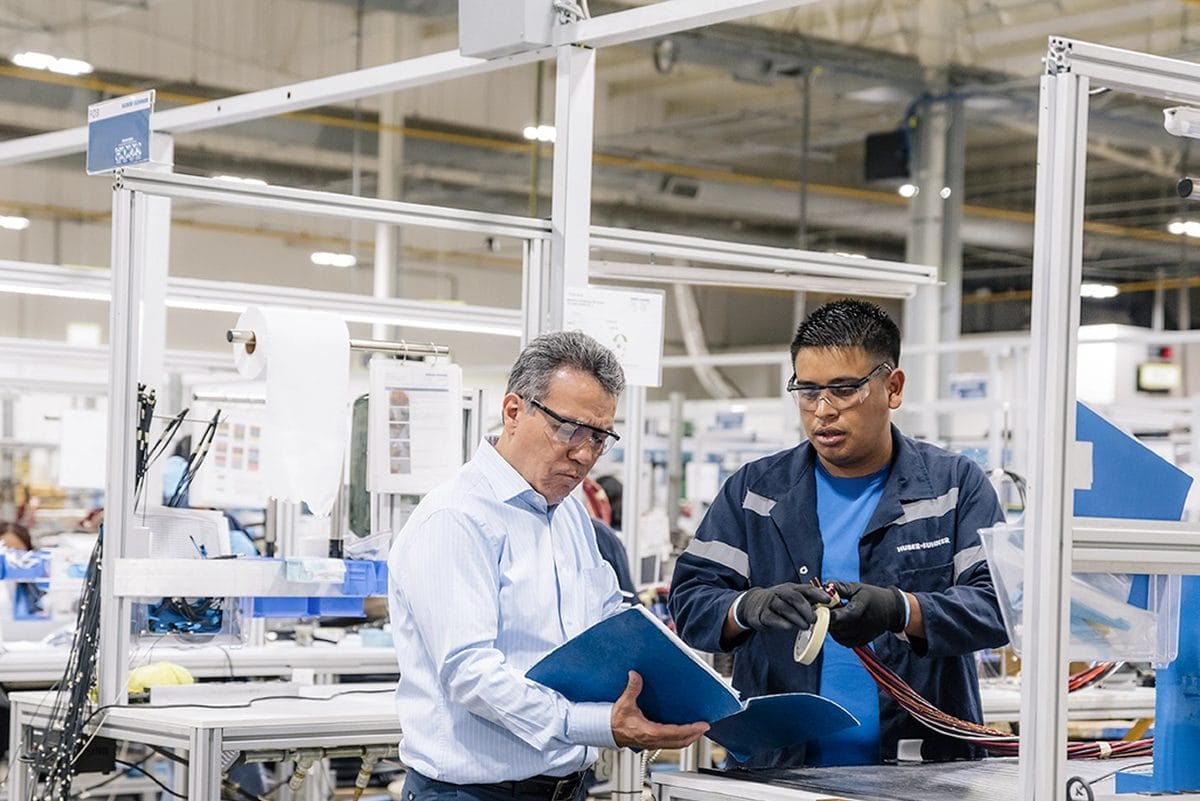

Carlos Rivera, Plant Manager, HUBER+SUHNER


Brian Berich, Director of Operations, BAE Systems


Ricardo Gómez, Director of Operations, TE Connectivity


Mauricio García, Plant Manager, Gemini Group

Jon Jensen, Manufacturing CEO, repeat Tetakawi client since 2001
How It Works

Talk with our team about your goals and questions around manufacturing in Mexico.

Work with our team to model costs, risks, and operational tradeoffs.
See how workforce, infrastructure, and operations come together on site.
Move forward with a clear plan to launch and scale with confidence.
FAQs
Answers to key questions about choosing the right manufacturing location in Mexico, including regions, workforce availability, and long-term operating conditions.
Along the northern border first.
The six border states held nearly 60 percent of Mexico’s active manufacturing IMMEX establishments as of May 2026, with Baja California home to more of them than any other state. The great interior hubs carry most of the rest: the Bajío corridor, Jalisco, Estado de México, and Puebla.
Where manufacturing is concentrated and where a new plant thrives are different questions. Mexico’s export-manufacturing base is mature, with about 5,200 active manufacturing IMMEX establishments holding steady by INEGI’s monthly count, so in the most crowded markets a new plant is competing for experienced workers, which is why a site decision should start from your product and workforce needs, with the density map second.
In the border cities and the interior industrial hubs.
The heaviest concentrations are in the border cities, led by Tijuana with 592 active manufacturing IMMEX establishments in May 2026, and in the interior industrial hubs from Monterrey and Saltillo down through the Bajío. Maquiladora is the traditional name for an export plant in Mexico; most operate today under the IMMEX program, its modern successor, and the geography still reflects the original program’s design, restricted to the border from 1965 until it opened to the whole country in 1972.
The opening mattered: IMMEX operations now run in every part of the country, and some of the country’s most capable manufacturing markets are interior cities that developed after the border’s head start.
It depends on which you need more: transit time or trained people.
A border city gives you adjacency, with same-day crossings, management that can live on the U.S. side, and the deepest pool of experienced export-manufacturing labor in the country, competed for by the largest number of employers. An interior location trades longer lanes for labor markets where a committed employer can stand out and keep the people it trains.
If your operation depends on multiple daily crossings, the border strip earns its premium. If it depends on holding a trained workforce for years, the interior of a border state often captures the best of both: highway access to the crossings with a steadier employment market around the plant.
There is no best state.
Any list that names one is answering a different question than the one that matters for your plant. States lead in different things: Baja California in the number of export plants, Nuevo León in industrial scale, Chihuahua in electronics exports, Coahuila and Guanajuato in transport equipment, Sonora in aerospace plant count, Jalisco in electronics. Every one of those is a real strength, and none of them makes a state right for your product.
The better question is which state fits your operation: where your occupations exist at your volumes, where your lanes run at your costs, where your plant can grow. Run that comparison with current, city-level data, and the best state names itself.
Electronics in Chihuahua and Jalisco; transport equipment in Coahuila, Nuevo León and the Bajío; aerospace led by Sonora.
Electronics is the sharpest concentration: Chihuahua accounted for 52.0 percent of Mexico’s state-attributed electronics exports in the first quarter of 2026 and Jalisco for 27.4 percent, with Baja California, Nuevo León, and Tamaulipas carrying most of the rest. Transport equipment spreads wider: Coahuila and Nuevo León together supplied 27.0 percent of those exports in the same quarter, with Guanajuato and San Luis Potosí combined close behind at 24.9 percent.
Aerospace concentrates in fewer, more specialized markets: official registries counted 135 aerospace-product manufacturing units in Mexico in May 2026, 41 of them in Sonora, ahead of Chihuahua and Baja California, with Querétaro long established in the sector. Medical-device manufacturing clusters in Baja California and Sonora. Concentration signals supplier depth and experienced labor, and it reads best alongside how contested each market is.
By having done the site selection already, and showing you the work.
Every Tetakawi Campus was chosen the way this page says a site should be: for a labor market that can staff a plant today and keep supplying it as the plant grows, for a proven corridor to a border crossing or a Pacific port, and for the local networks a new plant otherwise builds from zero. That is why the five Campuses sit in Sonora, Sinaloa and Coahuila rather than on the border strip: established industrial cities with their own labor pools, a few hours by highway from the crossing, where a committed employer can stand out and keep the people it trains.
Bella Vista in Empalme and Roca Fuerte in Guaymas sit inside the Sonora aerospace and precision cluster. Rio Sonora is in Hermosillo, the state capital. Zapa is in Saltillo, an hour from Monterrey’s automotive supply base. Mazatlán is on the Pacific coast, with a deep-water port. The standard is the same at all five: Tetakawi’s own teams on the property, Class A space, and one U.S.-based contract.
Tell us the occupations you need and the lanes your product runs. We put our five regions beside any city on your list, with current labor and freight data, and help you make the call.