


Labor Costs in Mexico vs. the U.S. by Role and State (2026)
10 min Read
Key Takeaways
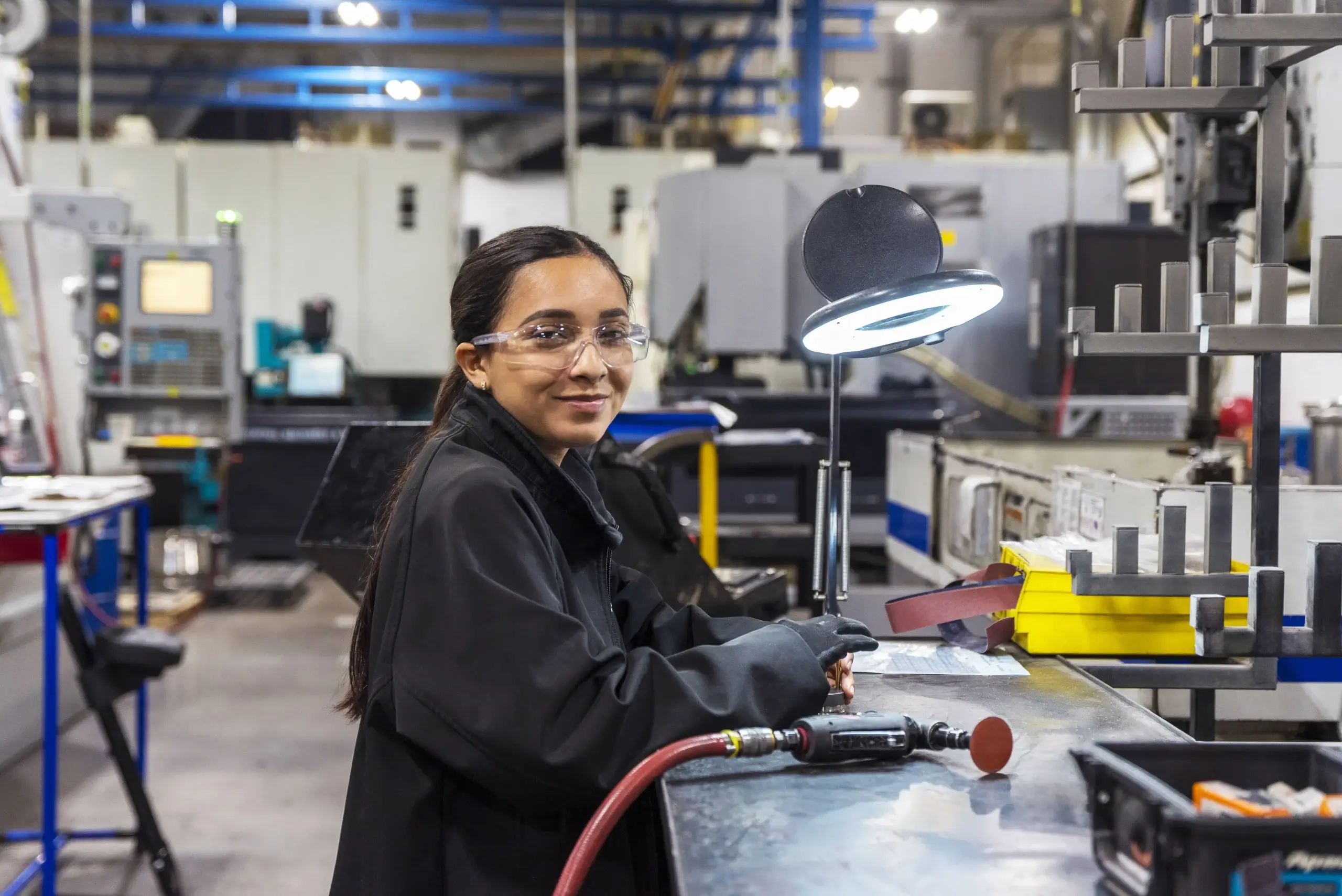
- A production operator costs about $32 an hour fully loaded in the United States and about $5.19 on a Manufacturing Campus in Mexico.
- The gap holds across the U.S.: the loaded operator runs from about $25 in El Paso to $35 in Detroit, and the Mexico operator is at least 79% lower in all 16 areas in the table.
- U.S. manufacturers have 522,000 jobs they cannot fill and need about 870,000 production hires a year through 2035, nearly all to replace workers who leave.
- The Mexico figures are new-hire rates and the U.S. figures are medians, so price your staffing plan role by role, not on one average.
Jump to Section
If you are adding capacity, the people are the first cost and the first constraint. A production operator costs about $32 an hour fully loaded in the United States and about $5.19 on a Manufacturing Campus in Mexico. That gap holds wherever in the U.S. you would add the line. What changes from state to state is whether you can hire the operator at all. Here are both countries, role by role, and the U.S. state by state.
Labor costs in Mexico vs. the U.S.: the same roles, fully loaded
Averages hide the mix. The table matches each Mexico role to the U.S. occupation that does the same work, both fully loaded.
| Role | Matching U.S. occupation (BLS) | Mexico: Campus average starting rate, fully fringed (USD/hr) | U.S., median wage fully loaded (USD/hr) | Mexico is lower by |
|---|---|---|---|---|
| Production operator (unskilled) | Assemblers and fabricators | $5.19 | $32.12 | 84% |
| CNC machine operator | CNC tool operators | $8.47 | $36.46 | 77% |
| Machinist | Machinists | $8.95 | $42.25 | 79% |
| Welder | Welders, cutters, solderers and brazers | $9.02 | $38.66 | 77% |
| CNC machinist | CNC tool programmers (setup and programming) | $11.17 | $48.99 | 77% |
| Material handler | Laborers and material movers | $6.22 | $28.95 | 79% |
| Shipping and receiving clerk | Shipping, receiving and inventory clerks | $6.59 | $32.55 | 80% |
| Quality control inspector | Inspectors, testers and sorters | $7.71 | $34.93 | 78% |
| Maintenance technician | Industrial machinery mechanics | $10.28 | $46.41 | 78% |
| Production supervisor | First-line supervisors of production workers | $12.65 | $53.54 | 76% |
| Manufacturing engineer | Industrial engineers | $18.84 | $73.68 | 74% |
| Quality control engineer | Industrial engineers | $19.94 | $73.68 | 73% |
| Production manager | Industrial production managers | $38.87 | $90.67 | 57% |
| Plant manager | Industrial production managers | $61.27 | $90.67 | 32% |
How the figures are built
Both sides are the employer’s full cost of an hour: the wage plus benefits. Mexico: Tetakawi’s October 2026 starting rates, averaged across the five Campuses, at 18.50 pesos to the dollar, based on a 46-hour week, fully fringed. United States: the Bureau of Labor Statistics’ May 2025 median wage for each occupation, times 1.496, because U.S. manufacturers paid $16.12 in benefits for every $32.50 in wages in June 2026 (BLS). That ratio covers all manufacturing jobs together; if you know your own burden rate, use it instead. U.S. manufacturing pay rose 3.3% in the year to June 2026 (BLS), so today’s U.S. figures run a little higher. Two Mexico roles, semi-skilled operator and team leader, have no BLS equivalent; they are on the manufacturing labor costs in Mexico page.
An operator in Mexico costs about a sixth of an operator in the United States. A welder, a machinist or an engineer costs about a quarter, a production manager a little under half, and a plant manager about a third less. The gap narrows as the role gets more specialized, because an engineer in Hermosillo competes for pay with engineers everywhere. It does not close at any role in the table.
U.S. manufacturing wages by state, and the labor shortage behind them
Say you need a second line running next year. Here is what an operator, a welder and a machinist cost, fully loaded, in the states and metros where U.S. manufacturers add capacity. The second column is how many of every 1,000 jobs in the area are already production jobs: the higher it is, the more plants you are hiring against.
| Area | Production jobs per 1,000 jobs | Operator, loaded | Welder, loaded | Machinist, loaded | Mexico operator ($5.19) is lower by |
|---|---|---|---|---|---|
| United States | 55 | $32.12 | $38.66 | $42.25 | 84% |
| Texas | 49 | $27.56 | $38.36 | $42.56 | 81% |
| El Paso, TX | 40 | $24.83 | $32.36 | $33.72 | 79% |
| Arizona | 39 | $32.42 | $39.99 | $43.94 | 84% |
| California | 41 | $34.32 | $41.75 | $41.13 | 85% |
| Michigan | 95 | $32.15 | $35.95 | $37.65 | 84% |
| Detroit-Warren-Dearborn, MI | 88 | $35.41 | $37.27 | $42.65 | 85% |
| Indiana | 110 | $32.76 | $35.77 | $41.57 | 84% |
| Elkhart-Goshen, IN | 325 | $33.78 | $36.64 | $35.90 | 85% |
| Ohio | 81 | $32.88 | $36.20 | $41.68 | 84% |
| Wisconsin | 100 | $32.85 | $42.01 | $42.52 | 84% |
| Illinois | 68 | $31.75 | $36.91 | $42.08 | 84% |
| Tennessee | 80 | $32.10 | $34.56 | $35.68 | 84% |
| South Carolina | 78 | $32.73 | $35.95 | $41.69 | 84% |
| Alabama | 102 | $30.71 | $34.87 | $39.96 | 83% |
| Georgia | 63 | $27.56 | $34.83 | $37.83 | 81% |
Three things stand out. If Texas is where you look first for new capacity, it is tied with Georgia as the cheapest state in the table: a loaded operator costs about $28, and in El Paso, the lowest we found, about $25. The Midwest pays about the national median and has the most production jobs per worker of any region here. In Elkhart, Indiana, for example, one job in three is a production job; across Indiana and Wisconsin it is about one in ten. So a new line there hires from the same pool as the plants around it. And the Southeast, where much of the new U.S. capacity is going, is no longer the low-cost alternative it was: an operator in South Carolina, Tennessee or Alabama costs within a couple of dollars of one in Michigan, and Alabama is as crowded with production jobs as Indiana. Georgia is the exception. So in most of the places you would add a line, the operator costs in the low thirties an hour. In Mexico, on a Manufacturing Campus, the same operator costs $5.19.
That wage is the price. The shortage is why it keeps rising, and why the line stays short-handed even when you pay it.
522,000
Open manufacturing jobs, Aug 2026
43.9 years
Median age in U.S. manufacturing
867,700
Production job openings a year
All three are Bureau of Labor Statistics figures: openings in August 2026, the median age in 2025, the projections through 2035. Those unfilled jobs were up by a quarter from a year earlier, and in durable goods, where most of the roles above sit, the openings rate was 4.6%. Yet employment in the sector was higher in September than a year earlier. So this is not an industry shedding jobs. It is plants that cannot fill the jobs they have, with a workforce in which one in four is 55 or older. And the states with the most production jobs are the states with the least slack. In August 2026, unemployment in Georgia, Wisconsin, Indiana, Ohio, Alabama and Tennessee ran between 3.2% and 3.4%, against 4.1% nationally. The loaded cost of an operator in Wisconsin is $33; the harder question is whether your twentieth operator shows up at all, and at what rate your twenty-first does.
What the tables do not tell you, and how to use them
- A starting rate against a median.
- The Mexico figure is what a Manufacturing Campus pays a new hire in the role; the U.S. figure is the median of everyone in the occupation, half of whom have been in it for years. A like-for-like figure would sit between the two, and the page does not estimate it.
- Scheduled hours against paid hours.
- The Mexico figure is per scheduled hour on a 46-hour week; the U.S. figure is per paid hour on 2,080 a year. Overtime, shift premiums, absenteeism and yield move the cost of an hour of output on both sides, and they are not in either number.
- The rate is one line of the cost.
- For many products labor is not the largest line. Materials, freight, duties, space and the cost of standing up the line decide the case, and a wage table has none of them.
So start with the staffing plan for the line you are deciding on, not with the operator rate: the roles, the shifts and the headcount at full output. What you save depends on your mix of roles. Take a line of 150 operators and a dozen technicians: it saves close to the operator figure, 84%. A cell that is half engineers lands nearer the engineer figure, 74%. Price each role on both sides from the tables above. Then add what the wage table leaves out: the space, the support services and freight to your customer. The result you want is delivered cost per good unit under each option, with the same products, volumes and quality requirements on each side.
Three pages carry the rest: the cost of manufacturing in Mexico guide walks through the other lines; manufacturing labor costs in Mexico has the full set of Mexican roles, including the ones with no clean U.S. match; Manufacturing in Mexico vs the USA: labor and capacity covers the country decision beyond labor.
How Tetakawi helps
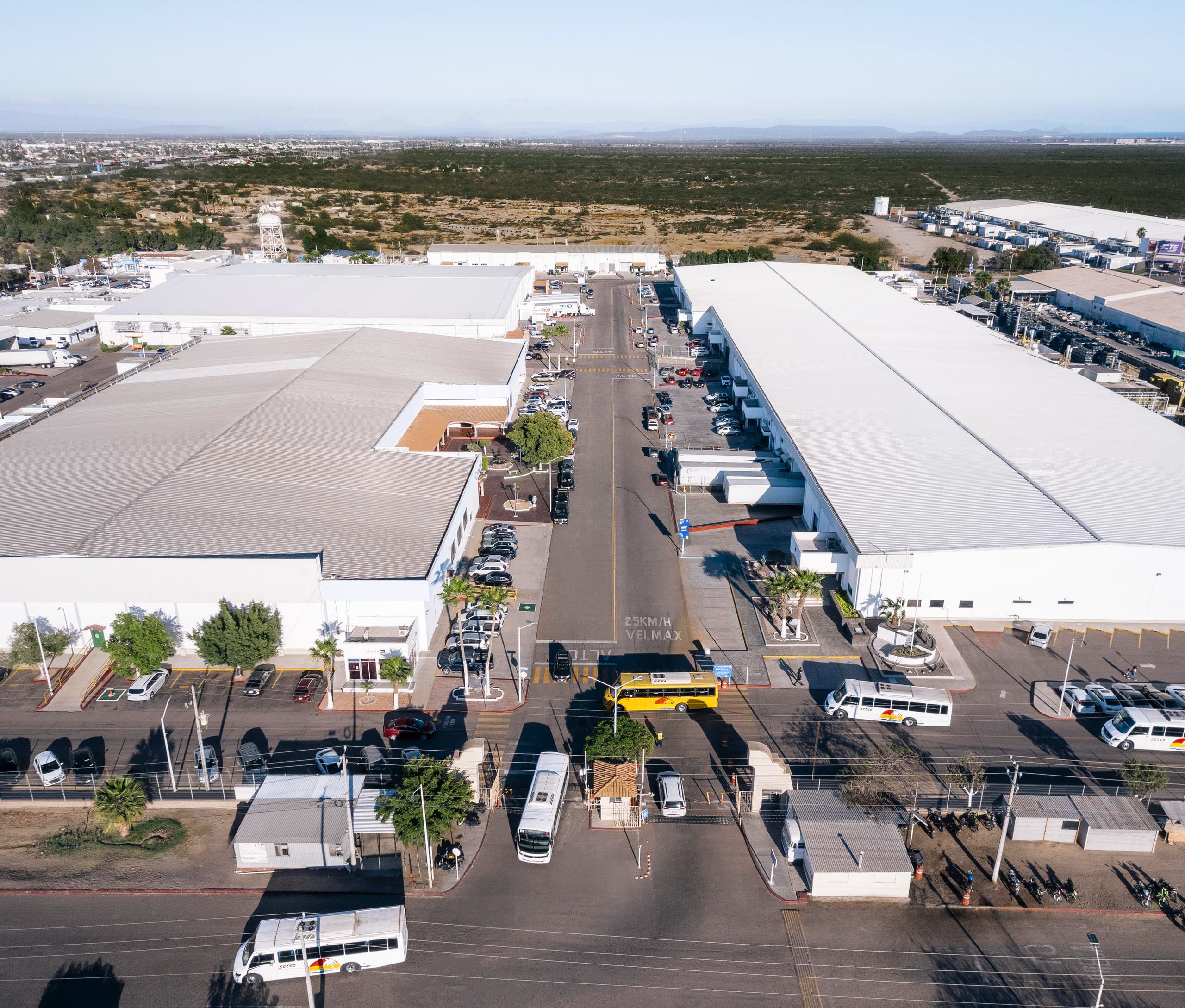
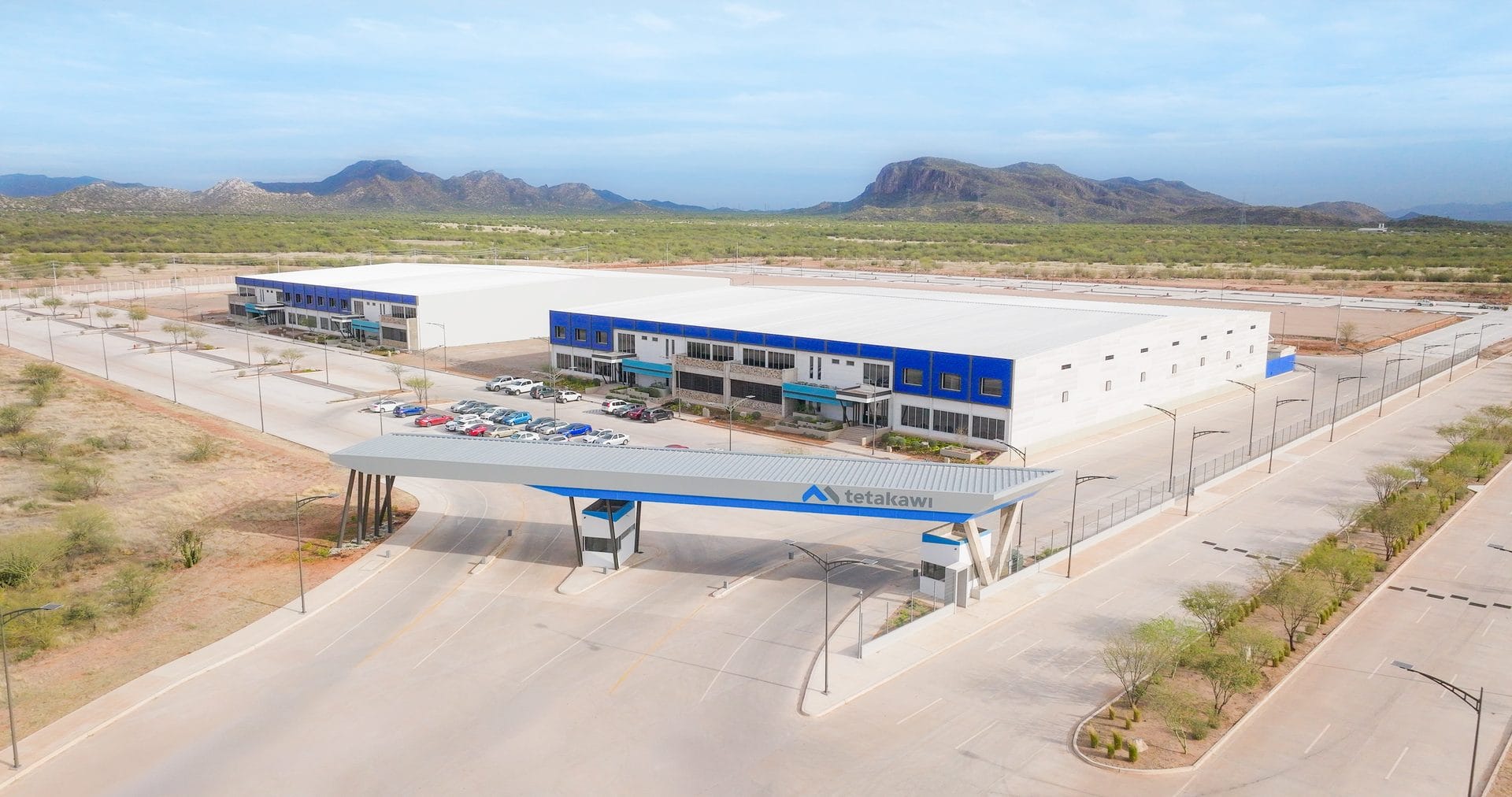
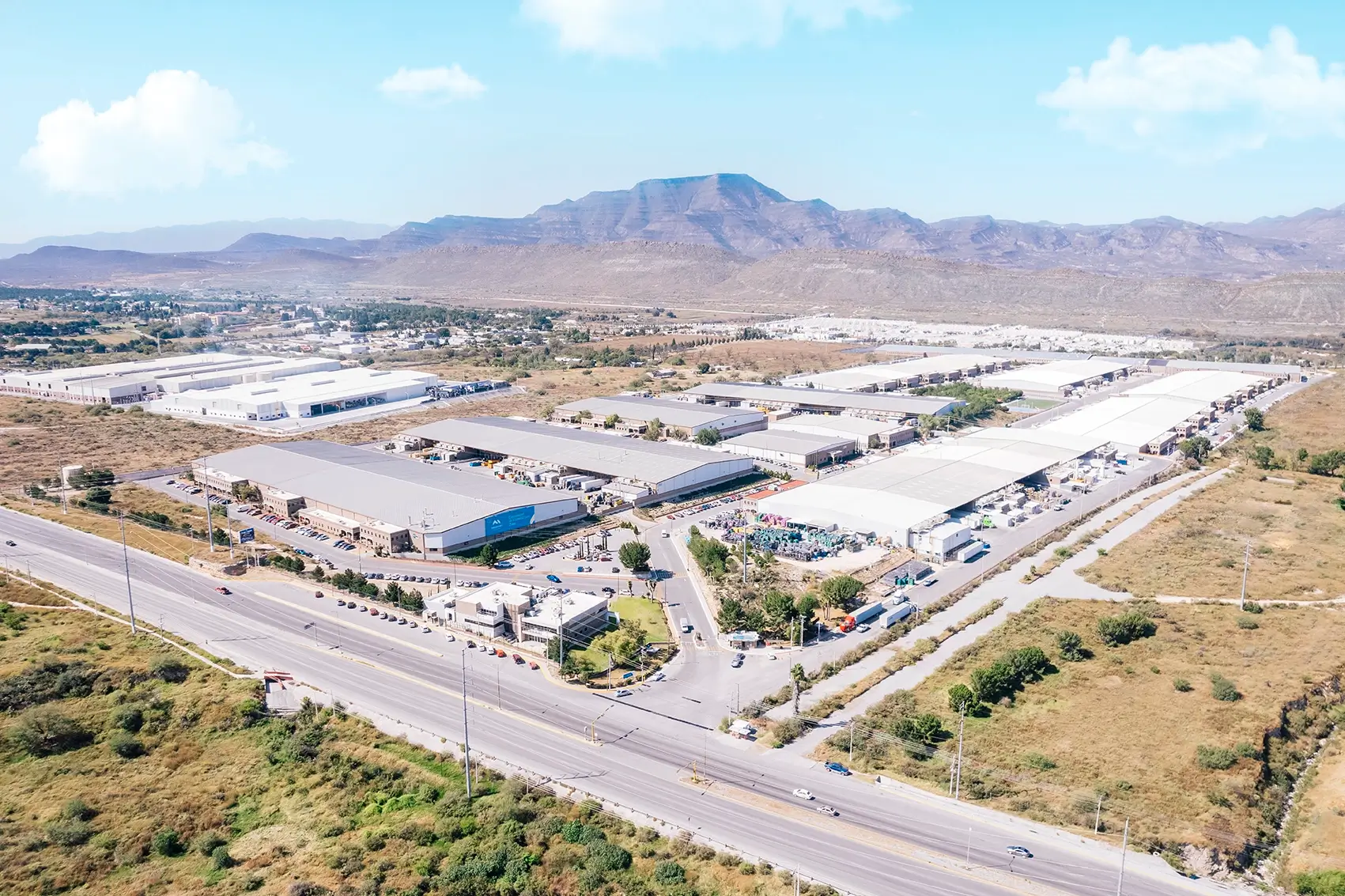
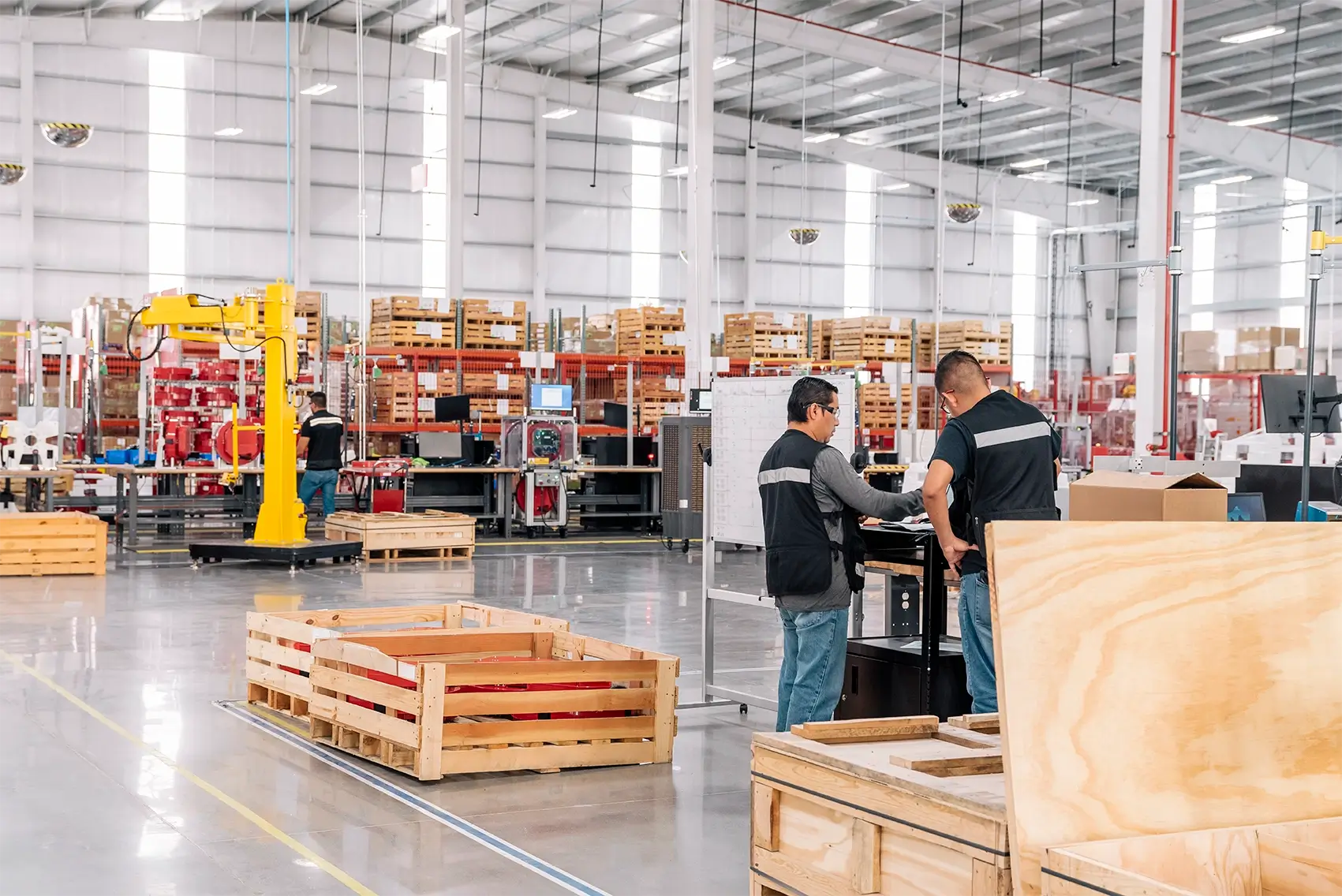
The U.S. workforce above is aging out faster than it is being replaced. Mexico’s runs the other way: 9% of Mexicans are 65 or older, against 18% of Americans (UNFPA, 2025). The $5.19 operator in the tables works on a Tetakawi Manufacturing Campus. A Campus adds established industrial space, shared infrastructure and an on-site support organization. Tetakawi recruits, employs and administers the workforce through its Mexican operations, and runs the space, the compliance and the logistics around each line. You control production, process and quality. You direct, supervise and train the team on your process. Tetakawi is not a contract manufacturer. For an example of a team built this way, see how CPP built a skilled aerospace workforce in Mazatlán.
Most operations go from deciding on Mexico to producing in Mexico in three to six months; a well-prepared operation can get started in as little as 30 days, meaning the space is ready for your equipment and the team is being hired. Tetakawi has helped companies manufacture in Mexico since 1986, and more than 60 manufacturers run their own plants on its five Manufacturing Campuses in Saltillo, Hermosillo, Guaymas, Empalme and Mazatlán. If you want these figures for your roles, your headcount and the Campus you would choose, that is a short conversation, and it is where most companies start.
Evaluating a U.S. expansion against Mexico?
Tell us the roles and your intended headcount, and we will help you estimate what it would cost to staff that operation in Mexico.
Frequently Asked Questions
Is labor cheaper in Mexico than in the United States?
Yes, on all fourteen roles in the table above. An unskilled production operator costs about $5.19 an hour fully fringed on a Tetakawi Manufacturing Campus in October 2026, against about $32 fully loaded for a U.S. assembler on the May 2025 BLS median. A machinist is about $9 against $42, a manufacturing engineer about $19 against $74. The gap is smallest at the top: a plant manager in Mexico costs about a third less than one in the United States.
How much do auto workers make in Mexico?
Automotive plants hire the same roles as the rest of manufacturing, at the rates in the table above: about $5.19 an hour fully fringed for an unskilled operator, $9.02 for a welder, $10.28 for a maintenance technician. The employer cost of each role on a Tetakawi Campus, hourly and monthly, is on the manufacturing labor costs in Mexico page this comparison draws from.
What is a fully burdened labor cost?
Fully burdened, fully loaded and fully fringed mean the same thing here: the employer’s total cost of an hour of work, not the wage alone. For Mexico, it is the wage plus the benefits and contributions. For the United States, it is the wage plus the paid leave, insurance, retirement and other benefits employers pay; in manufacturing, benefits were 33% of total compensation in June 2026 (BLS), which is why the wage is multiplied by 1.496 here.
How does the cost of labor in Mexico vary by state?
By Campus more than by state. The rates on this page are averages across Saltillo in Coahuila, Hermosillo, Guaymas and Empalme in Sonora, and Mazatlán in Sinaloa. Each Campus page carries that Campus’s own starting rates for the operator and skilled roles; if you are going to Saltillo or Hermosillo, price your roles for that Campus.
Subscribe to stay up to date with our latest insights