Our Story
Learn our story, leadership, and mission shaping manufacturing in Mexico.

Explore the benefits of manufacturing in Mexico, from cost savings to supply chain performance and long-term operational stability.
Why Mexico
Manufacturers have been moving production to Mexico for decades, and the reasons have changed more than once. In the early years the draw was mostly labor cost. NAFTA broadened the case to market access, and industries like automotive, aerospace, electronics, and medical devices put down roots that are now generations deep. Today they are shifting again. U.S. tariff measures have changed repeatedly over the past two years, long ocean supply chains have proven fragile, and many manufacturers in the United States are struggling to staff the plants they already run.
Those pressures have pushed nearshoring to the center of sourcing strategy. Nearshoring means producing close to the market you serve, and for North American manufacturers that has long meant Mexico: the United States’ largest goods trading partner in 2025, with $871.6 billion in goods crossing the border in both directions. The advantages extend beyond labor cost alone and are most evident when operations are designed for consistency and scale.
Market access is the broadest of those advantages. Mexico had 14 free trade agreements covering 52 countries as of June 2026, with USMCA at the center. When a product meets USMCA’s origin rules, it can enter the United States and Canada with preferential tariff treatment, under rules that reward production that genuinely happens in North America.
Efforts to bring production back to the United States keep running into the same constraint: the Bureau of Labor Statistics counted 580,000 open manufacturing jobs in July 2026. Building new capacity is hard when existing plants cannot be fully staffed, and labor availability now shapes more site decisions than any wage comparison.
Mexico, by contrast, has a manufacturing workforce at scale. INEGI counted 9.7 million people working in manufacturing in the second quarter of 2026, up from the year before, and the median age of the country is near 30, so the pipeline behind that workforce is young.
The workforce is skilled as well as large. Manufacturing is a well-established career path in Mexico, with technical schools and engineering programs built to feed the industry, and millions of those workers are already producing for export markets. Availability still differs from city to city and skill to skill, which is the question a good site-selection process answers for you.
The cost advantage of manufacturing in Mexico goes beyond lower wages. Mexican wages do remain well below U.S. manufacturing pay, but the size of the gap depends on occupation, region, shift pattern, benefits, and the exchange rate, and Mexico is not automatically the lowest-cost location for every product.
What holds up over time is total cost. A Mexico operation can combine:
Whether that combination beats a lower piece price somewhere farther away is a product-by-product answer, and it is exactly the analysis worth running before you choose a country.
The supply chain advantage comes down to distance. Trucks carried 73.6 percent of U.S.-Mexico bilateral freight by value in 2025, and for northbound lanes served by truck, that means your operation can skip the ocean leg, the port transfer, and the weeks of inventory floating between you and your customers.
Shorter routes help with more than transit days. They mean less inventory in transit, less exposure to port handoffs and ocean sailing schedules, and production that works overlapping North American business hours with the customers and engineers it serves. Transit times should always be quoted for your specific lane, but the geography does not change: Mexico serves the U.S. market by road.
Choosing a country for the next twenty years also means weighing who else is already there. A Mexico operation joins a mature industrial base. The country exported $608.8 billion in manufactured goods in 2025, built by longstanding automotive, electronics, medical device, and aerospace sectors, and manufacturing attracted $13.5 billion in foreign direct investment in the first half of 2026.
The country is planning forward as well. The federal government’s Plan México strategy, launched in 2025, calls for 100 new industrial parks, and the first 20 opened across ten states by March 2026, aimed at the same advanced manufacturing sectors that built the existing base. For a manufacturer thinking in decades, it matters that the industrial base you would join is the one the country itself is investing to deepen.
Our Ecosystem
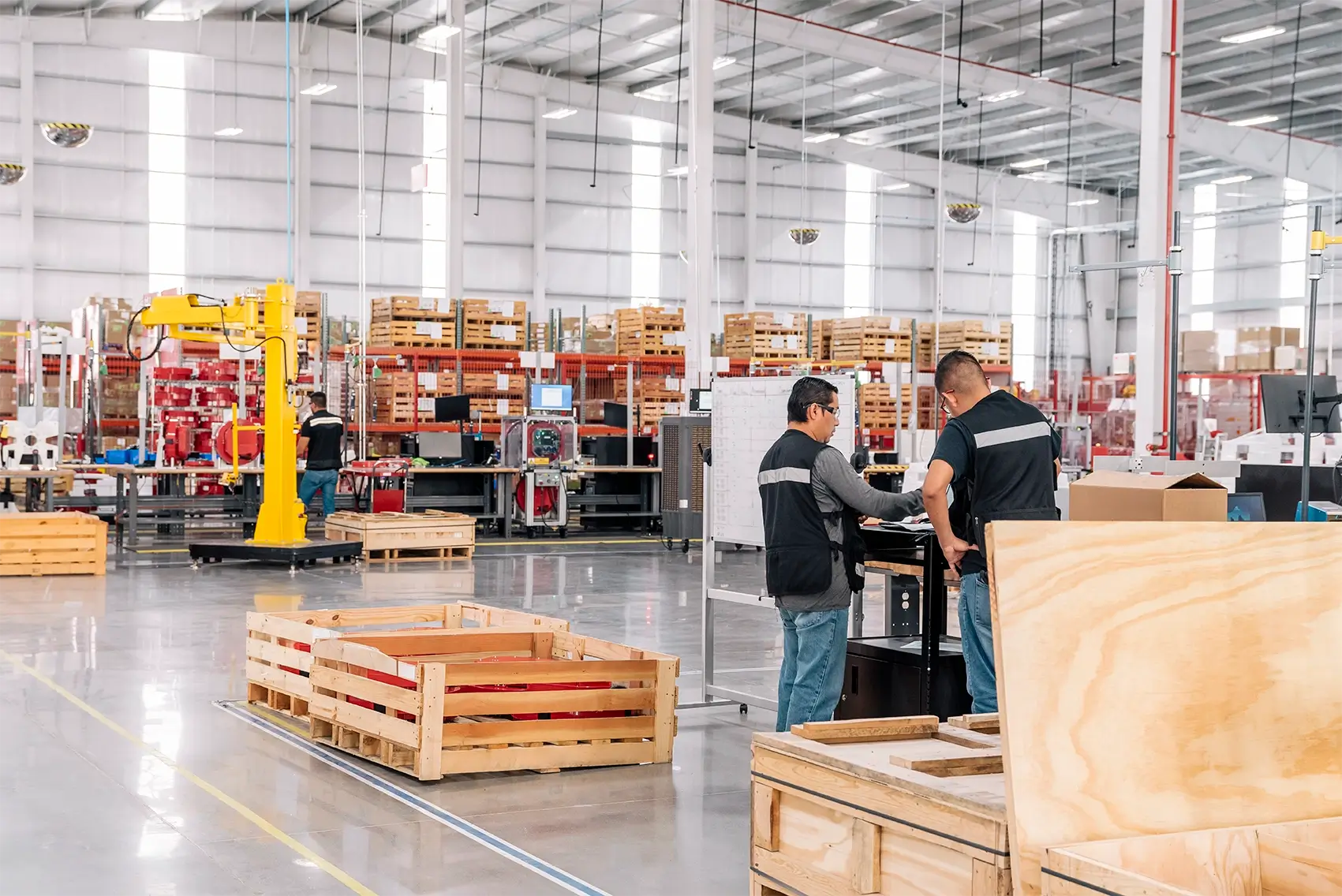
You aren’t coming to Mexico to coordinate vendors. You’re coming to launch, operate, and grow. An industrial park hands you an empty building. A Campus hands you a running environment, and the economies of scale that come with it.
Industries We Serve
We help companies expand efficiently, safely, and predictably in sectors with unique operational demands.
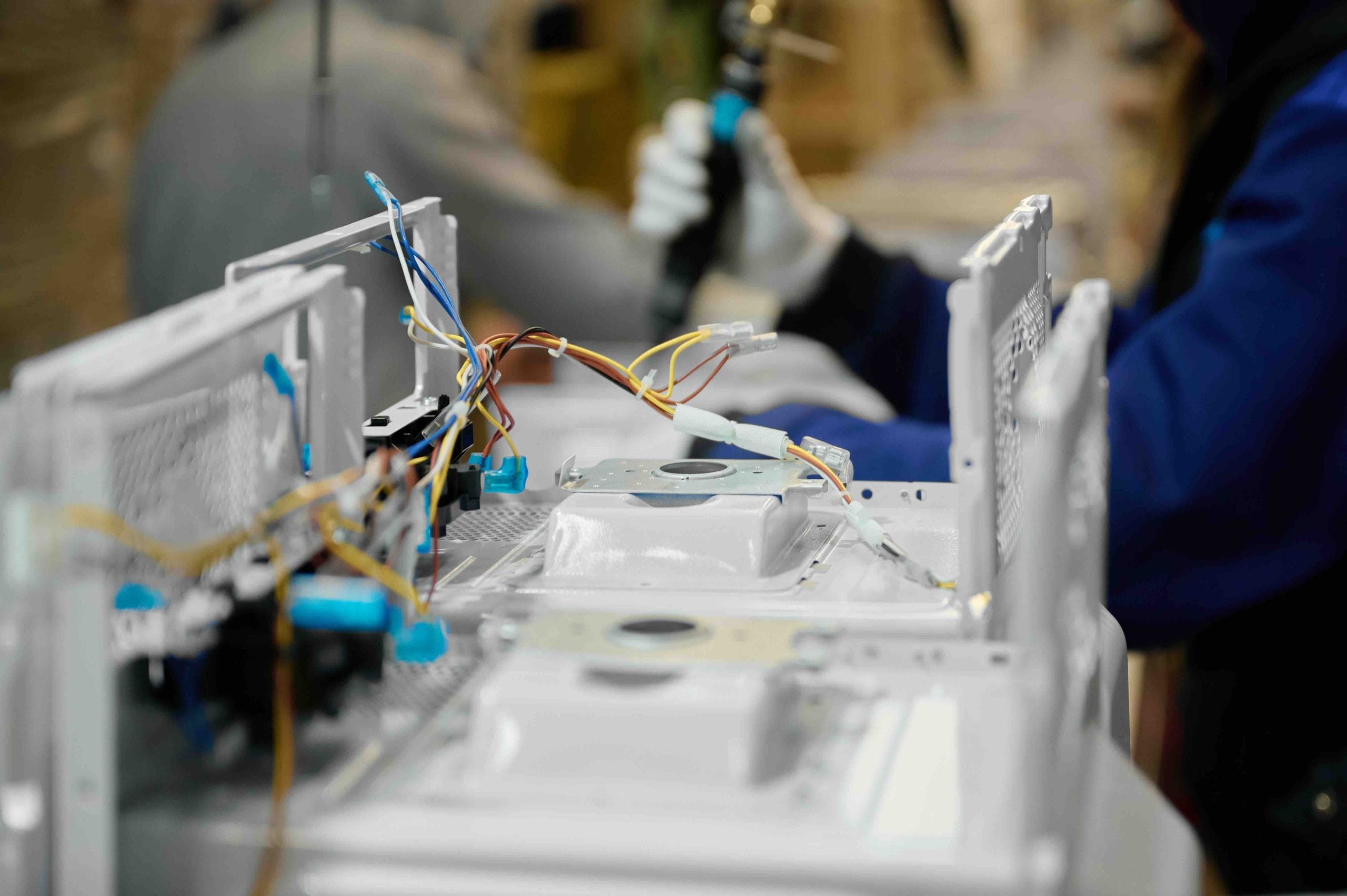
Component and assembly work held to OEM cost targets and safety certifications.
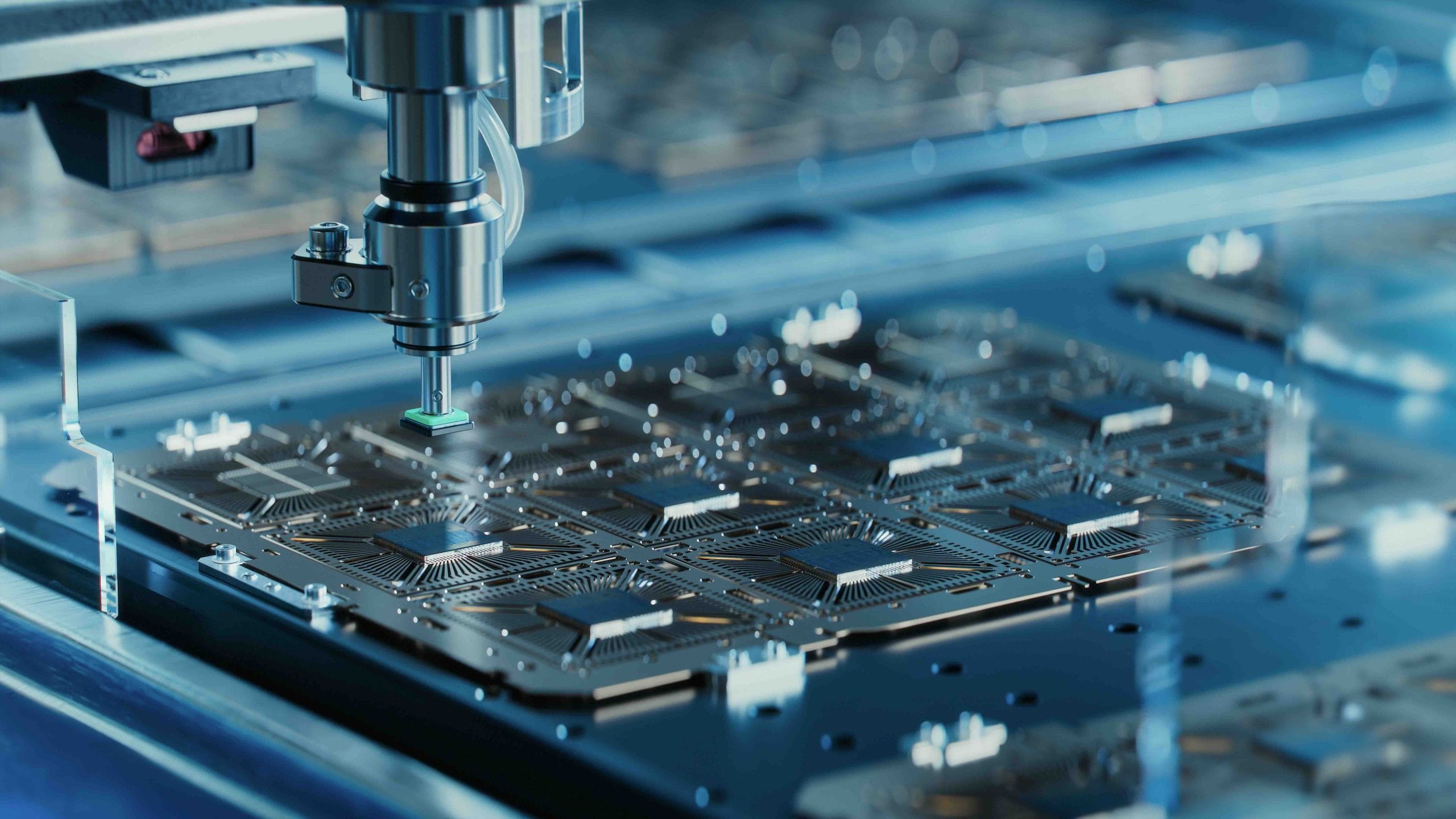
Assembly and test operations requiring tight process control and traceability.

Regulated production requiring validated quality systems and lot traceability.
Testimonials
From mid-sized manufacturers to global multinationals, these leaders asked the same questions you’re asking now. Their answers matter more than ours.
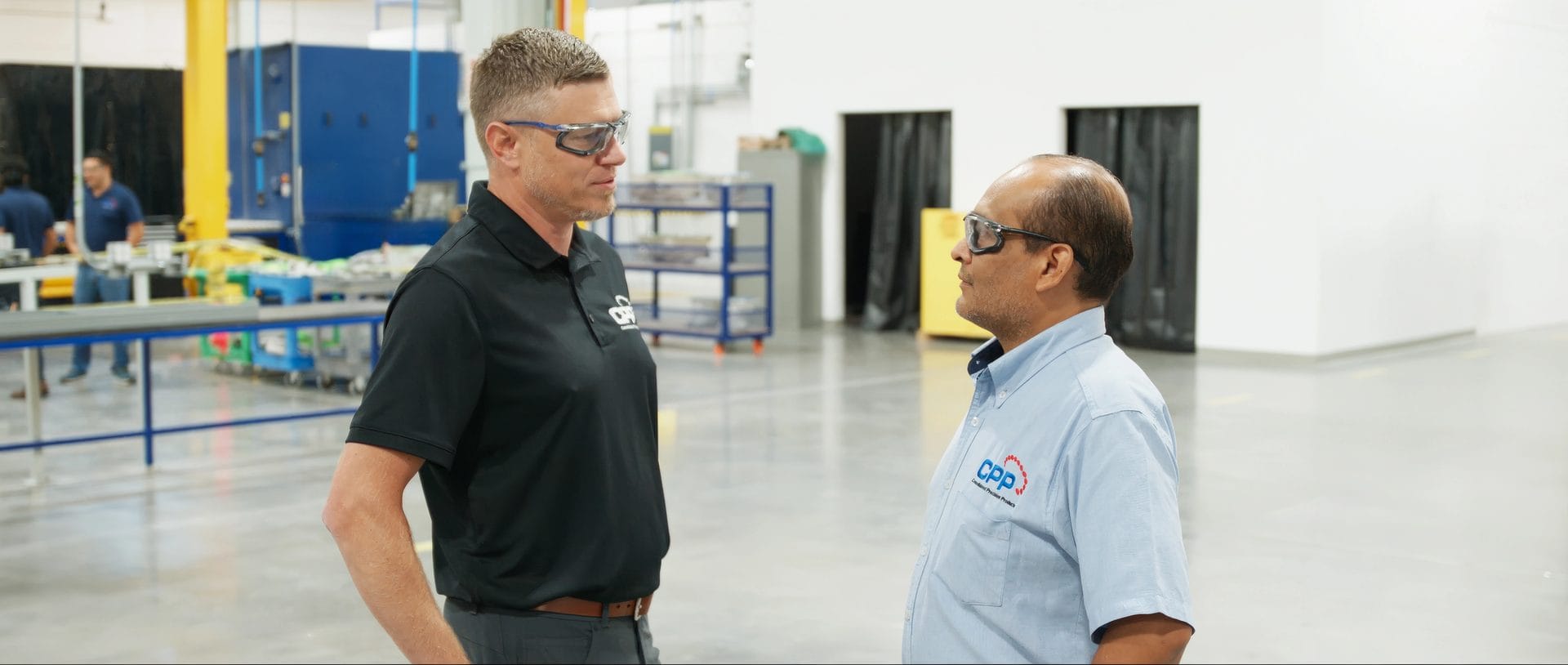

Jeremy Main, Senior Vice President, Consolidated Precision Products
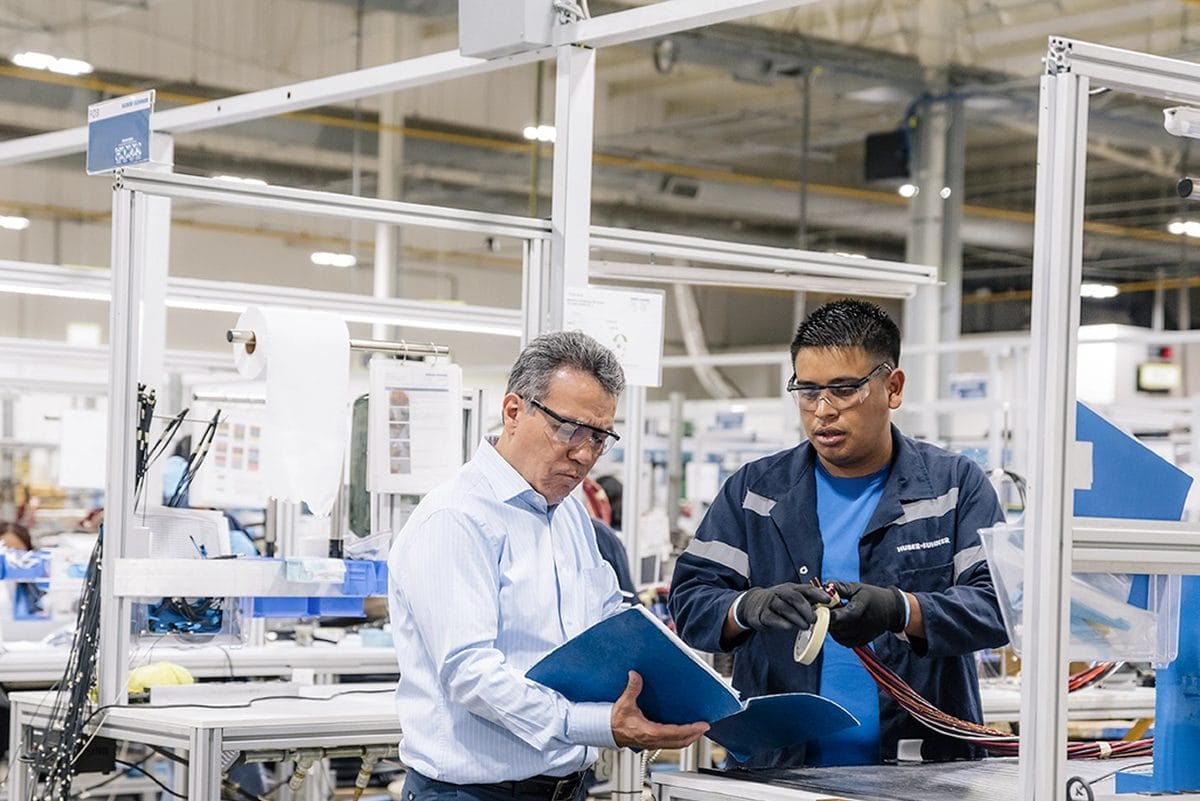

Carlos Rivera, Plant Manager, HUBER+SUHNER


Brian Berich, Director of Operations, BAE Systems
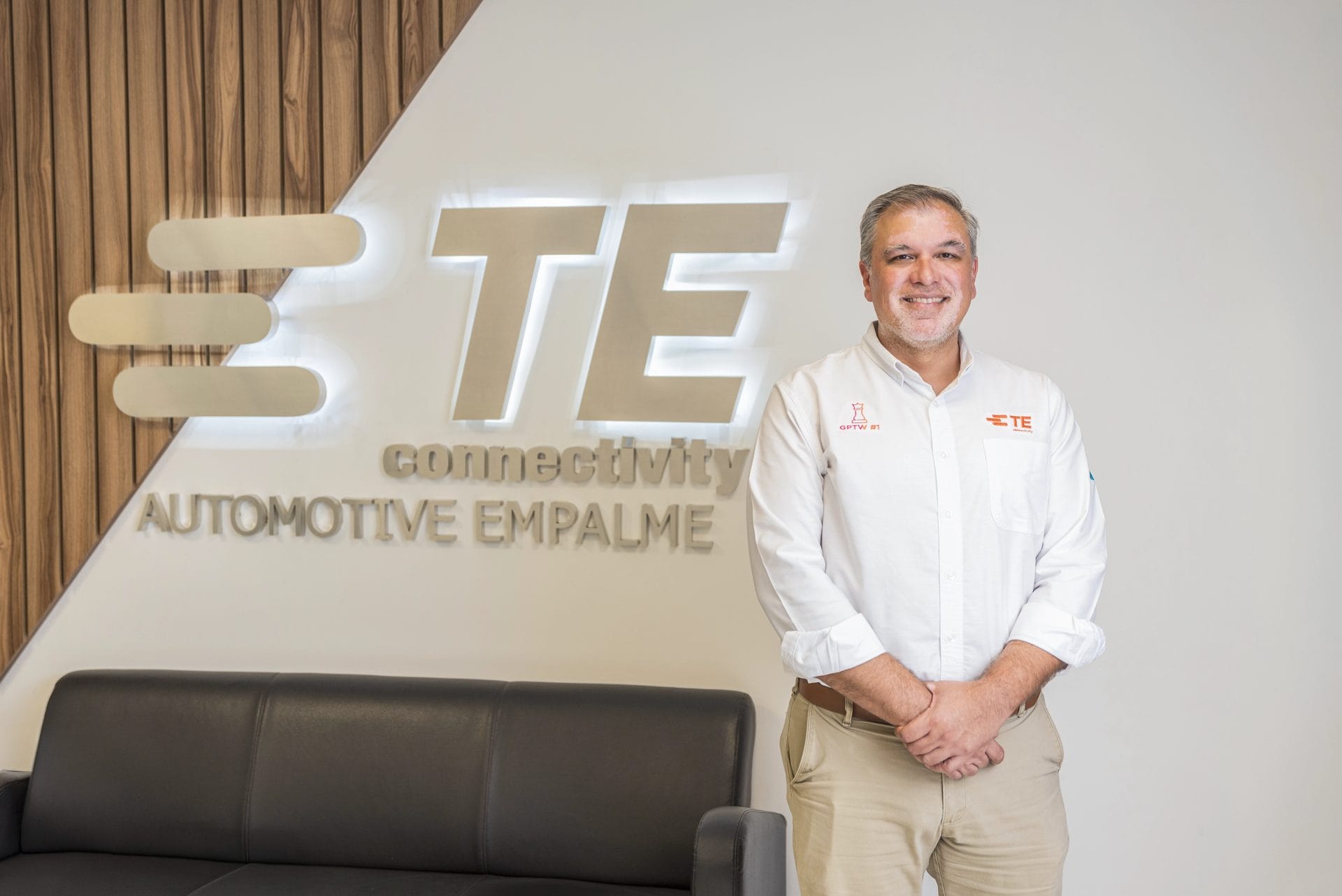

Ricardo Gómez, Director of Operations, TE Connectivity


Mauricio García, Plant Manager, Gemini Group

Jon Jensen, Manufacturing CEO, repeat Tetakawi client since 2001
How It Works

Talk with our team about your goals and questions around manufacturing in Mexico.
Work with our team to model costs, risks, and operational tradeoffs.
See how workforce, infrastructure, and operations come together on site.
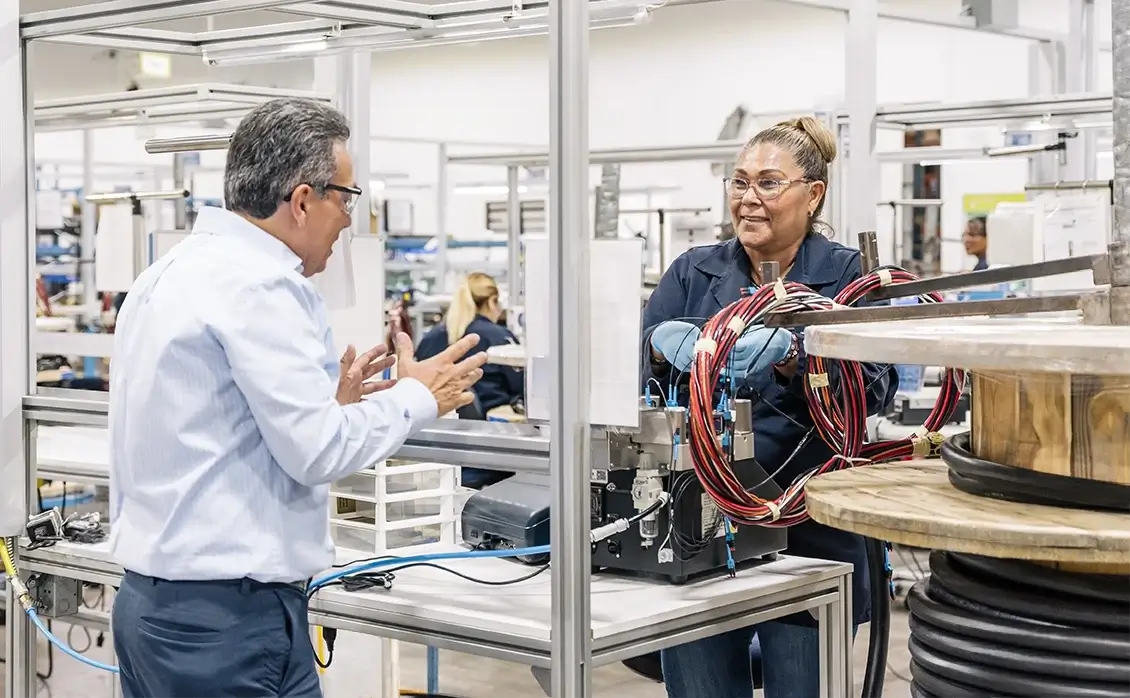
Move forward with a clear plan to launch and scale with confidence.
FAQs
Answers to common questions about manufacturing in Mexico, including trade agreements, workforce, logistics, and operational considerations.
Preferential tariff treatment, for goods that qualify.
Products made in Mexico that meet USMCA’s origin rules can claim preferential tariff treatment when they enter the United States or Canada. Being made in Mexico is not enough by itself: qualification depends on the product’s classification, inputs, and production process, with records to support the claim.
The preference is widely used: Mexico’s Secretaría de Economía estimated in 2026 that around 85 percent of Mexico’s export volume to the United States meets USMCA rules of origin. Separately, imports from Mexico entering the United States under USMCA preference totaled $260.3 billion in the first half of 2026. Some U.S. measures apply separately even to originating goods, such as Section 232 duties on covered metal products.
Yes. It is in force and runs through July 1, 2036.
The United States did not agree to extend the agreement at the July 1, 2026 joint review, so annual reviews now continue. The agreement is scheduled to run through July 1, 2036 unless all three parties extend it, and any party may separately withdraw on six months’ notice. No change to the agreement’s origin or documentation rules was announced as part of the July review, and keeping that documentation in order matters as the reviews continue.
Producing close to the market you serve. For North American manufacturers, that has long meant Mexico.
For a U.S. manufacturer, producing in Mexico is nearshoring and bringing production back home is reshoring; the two terms bracket the same decision about where production should sit relative to demand. Manufacturers have been nearshoring to Mexico for decades, and renewed tariff and supply-chain pressures have brought a new wave of attention. The practical advantage is that the foundation is already built: established industry, deep supplier networks, and a workforce experienced in export manufacturing.
Yes, and at scale.
9.7 million people worked in Mexican manufacturing in the second quarter of 2026 by INEGI’s count. Separately, 2.82 million people worked at export-focused IMMEX establishments in June 2026, in sectors from transportation equipment to electronics and medical devices.
A technical pipeline feeds that workforce: CONALEP enrolled 321,236 students nationwide in the 2025-26 school year, including 28,125 in industrial electromechanics and 17,108 in mechatronics. The right question for any specific plant is local: which region, which skills, at what volume. That is where site selection earns its keep.
Neither is better in the abstract. Mexico changes the operating model.
Quality and cost live at the level of a specific supplier, process, and product. What Mexico changes is the operating model: North American trade treatment for qualifying goods, truck routes instead of ocean freight, overlapping North American business hours, and an established export-manufacturing workforce. For products serving North American demand, weigh those structural differences before any wage comparison.
By handing you a running environment, not a building.
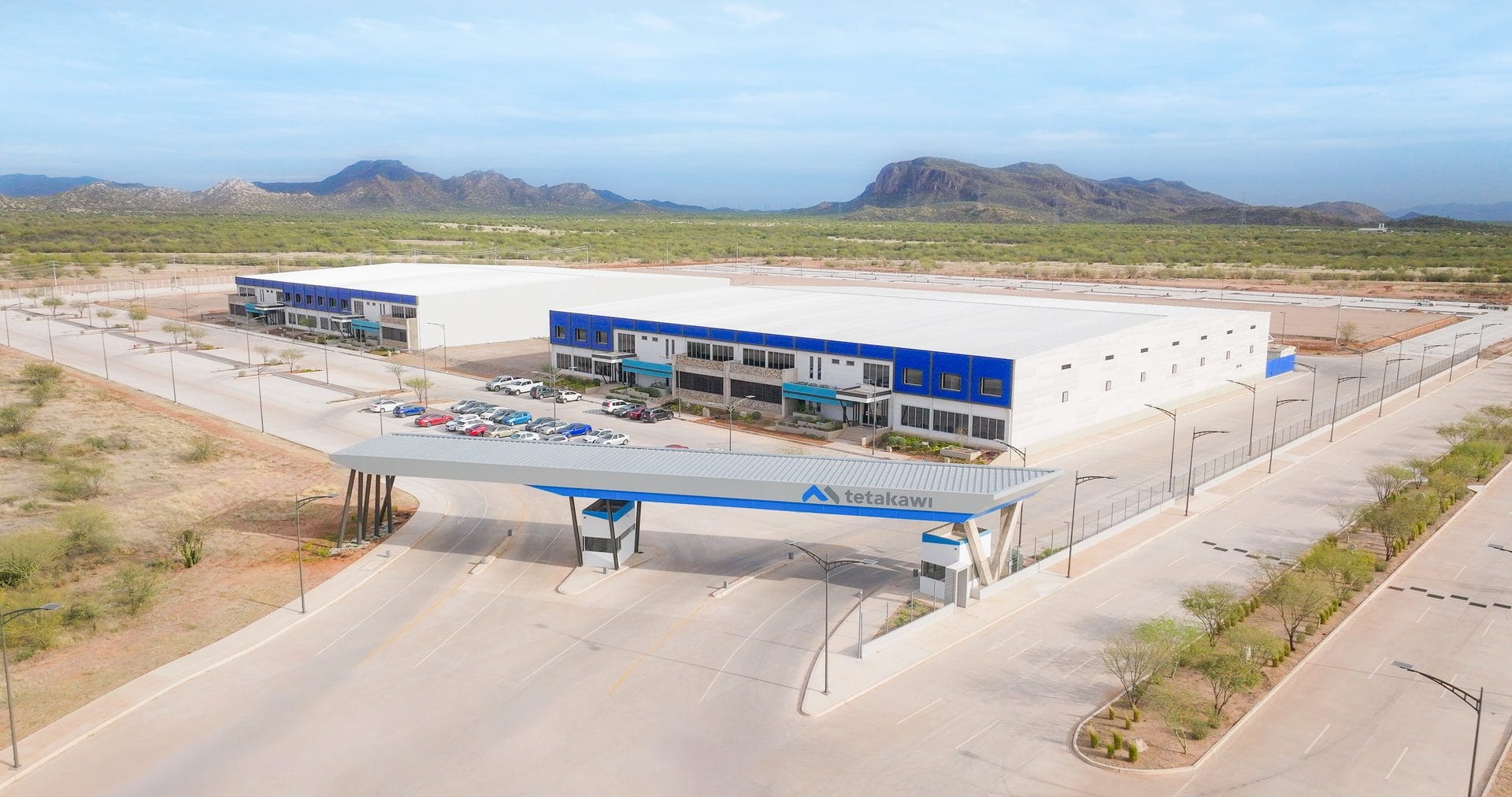
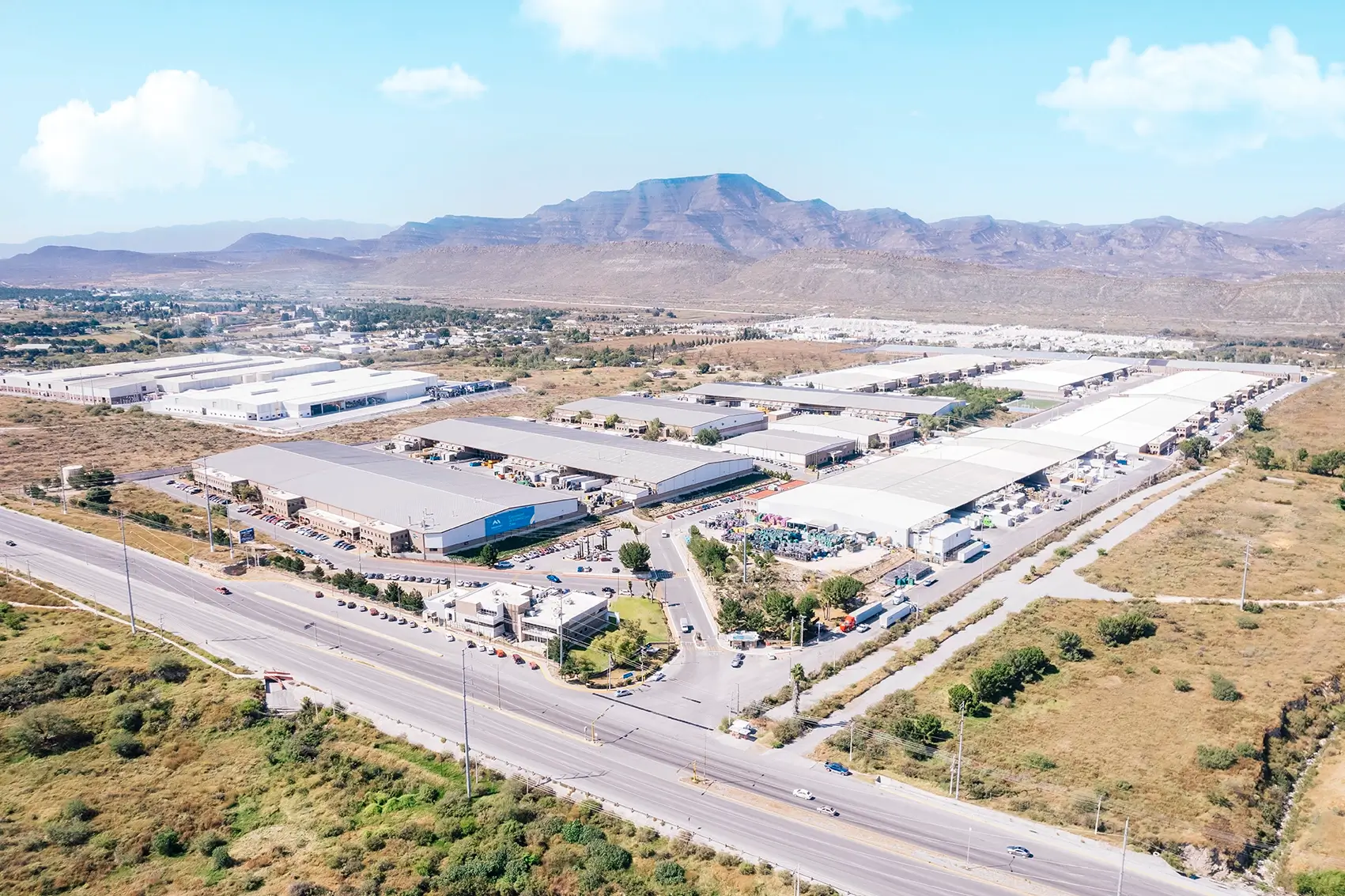
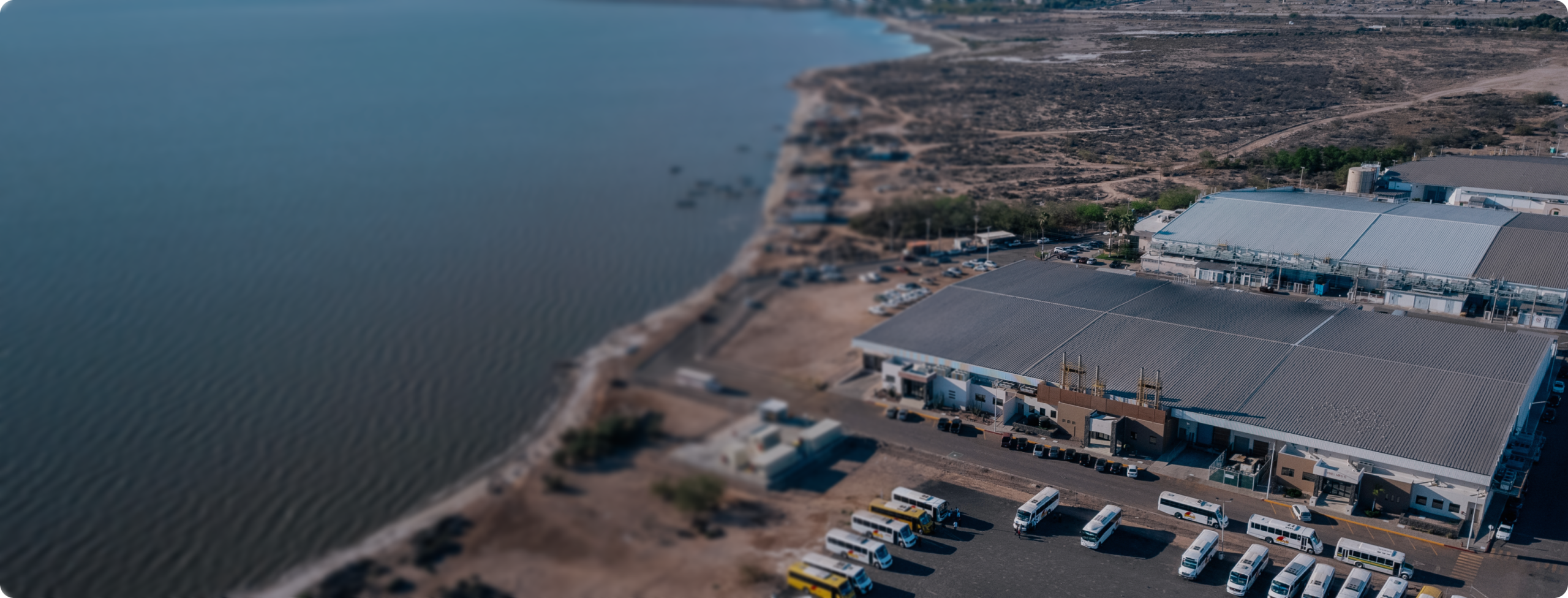
Everything on this page, the workforce, the trade access, the truck lanes north, only pays off if your plant can hire, ship and stay in good standing from the first month. That is what a Tetakawi Manufacturing Campus is built for. Five Campuses in Sonora, Coahuila and Sinaloa, each sited in a labor market with room to grow and on an established corridor to a border crossing or a Pacific port, run by Tetakawi’s own people on the Campus.
Your plant operates inside Tetakawi’s Mexican entity under our IMMEX shelter program, under one U.S.-based contract. Tetakawi employs the workforce, holds the import and export registrations, stages your freight at our own cross-docks in Tucson and McAllen, and answers to the authorities. You control production, process and quality. A well-prepared operation can get started in as little as 30 days; building standalone typically takes 8 to 18 months.
Tell us about the operation you are planning, and we will show you which Campus fits and what it would cost to run there.