Our Story
Learn our story, leadership, and mission shaping manufacturing in Mexico.


Understand how the IMMEX program works, including temporary imports, tax benefits, and how foreign manufacturers operate in Mexico.
IMMEX Program
What is the IMMEX program?
The IMMEX program is Mexico’s federal authorization for export manufacturing and qualifying export services. It lets you bring raw materials, components, and machinery into Mexico temporarily. For production inputs, that in many cases means not paying the general import duty, as long as the goods are exported, or otherwise legally closed out, on time. Machinery follows its own duty rules, covered below.
Created by decree in 2006 from the former Maquila and PITEX programs, IMMEX is the legal foundation of much of Mexico’s export manufacturing today. It is granted in five modalities, or program types: Industrial, Services, Shelter (Albergue), Holding Company (Controladora), and Terciarización (third-party manufacturing).
How does the IMMEX program work?
In a typical manufacturing operation, your goods enter under temporary-import status, go into production, and the output ships back out within the allowed window, generally up to 18 months for production inputs.
Goods do not always have to cross the border to close an IMMEX import. When qualifying goods are delivered to another IMMEX operation to remain under temporary-import status, the parties may use coordinated virtual pedimentos, paired customs filings, so the sending program holder closes its import and the receiving program holder opens a new one. Goods sold for use in Mexico must instead be definitively imported, with the applicable taxes and import requirements satisfied. The correct route depends on the customer, who owns and invoices the goods, and whether the manufacturer operates under its own IMMEX or through a shelter.
How much duty applies, if any, depends on the goods, their classification and origin, and the customs and treaty rules that apply. Import VAT is its own question, answered below. To operate, the program holder must:
Who qualifies for IMMEX?
An IMMEX program is held by a qualifying Mexican-resident legal entity. That gives you two common paths: establish your own Mexican company to hold the program, or operate through an authorized IMMEX shelter, the Albergue modality, which already holds one. Core requirements for a program holder include:
The formal application goes further, including site, investment, and workforce evidence, plus a preauthorization site inspection. IMMEX eligibility is not limited by the nationality of the Mexican company’s owners.
What are the benefits and obligations of the IMMEX program?
The program is widely used for good reason. As of June 2026, 5,214 manufacturing establishments operated under IMMEX programs by INEGI’s count, employing 2.82 million people, from some of the world’s largest manufacturers to small and mid-size operations. The advantages are real, and so are the obligations.
The benefits reward a particular kind of operation: goods that enter, transform, and leave on schedule. The more of your inputs that cross the border, and the steadier your export flow, the more the program returns in duty treatment and cash flow. An operation that sells mostly into Mexico, or that holds inventory unpredictably, gets less from it, which is why the program fits export manufacturing so well.
The obligations are administrative, and they scale with complexity. Every part number, supplier, and customs regime adds to the inventory-control discipline the program demands, so the real question before joining is not whether the paperwork can be done but who will own it, every month, for as long as the program runs. Weighing that against the duty and cash-flow treatment is the work of a launch plan.
Why does the IMMEX program matter?
IMMEX is the foundation, not the whole building. Many of the advantages people associate with the IMMEX program come from separate registrations and programs:
Each of these has its own eligibility rules and obligations. Some are open to qualifying new operators; others take time. Build a standalone operation and you secure and maintain each one yourself; some move in parallel, others need an active program or an operating history first. Or operate within Tetakawi’s Manufacturing Campuses, where they are already running: active IMMEX programs and IVA/IEPS certification across the network, and OEA registration at most Campuses. Manufacturers there run their own production, inside an organization that has supported export manufacturing in Mexico since 1986.
One boundary worth knowing: IMMEX is the base authorization for the temporary-import operation. By itself it does not determine import VAT treatment, Mexican income tax, permanent-establishment status, USMCA origin, or what you pay entering the United States.
Our Ecosystem
You aren’t coming to Mexico to coordinate vendors. You’re coming to launch, operate, and grow. An industrial park hands you an empty building. A Campus hands you a running environment, and the economies of scale that come with it.
Industries We Serve
We help companies expand efficiently, safely, and predictably in sectors with unique operational demands.
Testimonials
From mid-sized manufacturers to global multinationals, these leaders asked the same questions you’re asking now. Their answers matter more than ours.
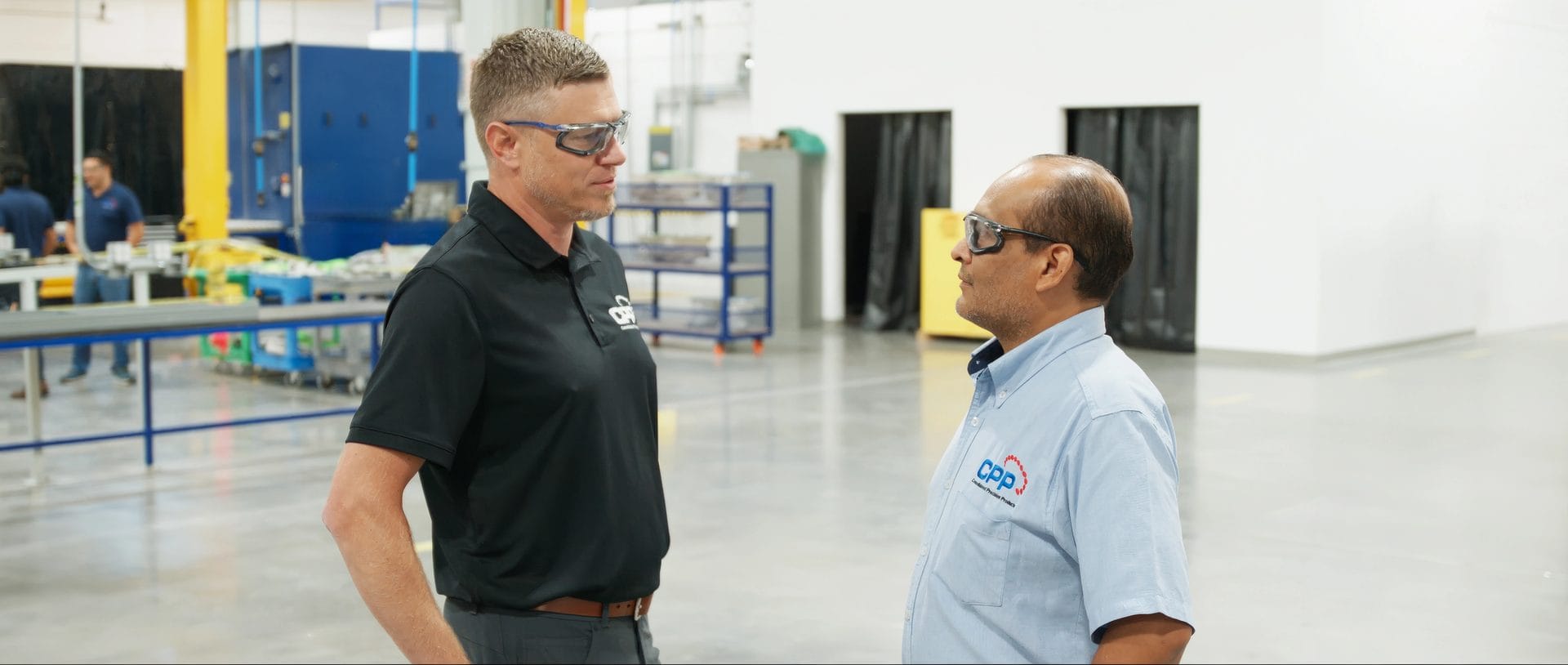

Jeremy Main, Senior Vice President, Consolidated Precision Products
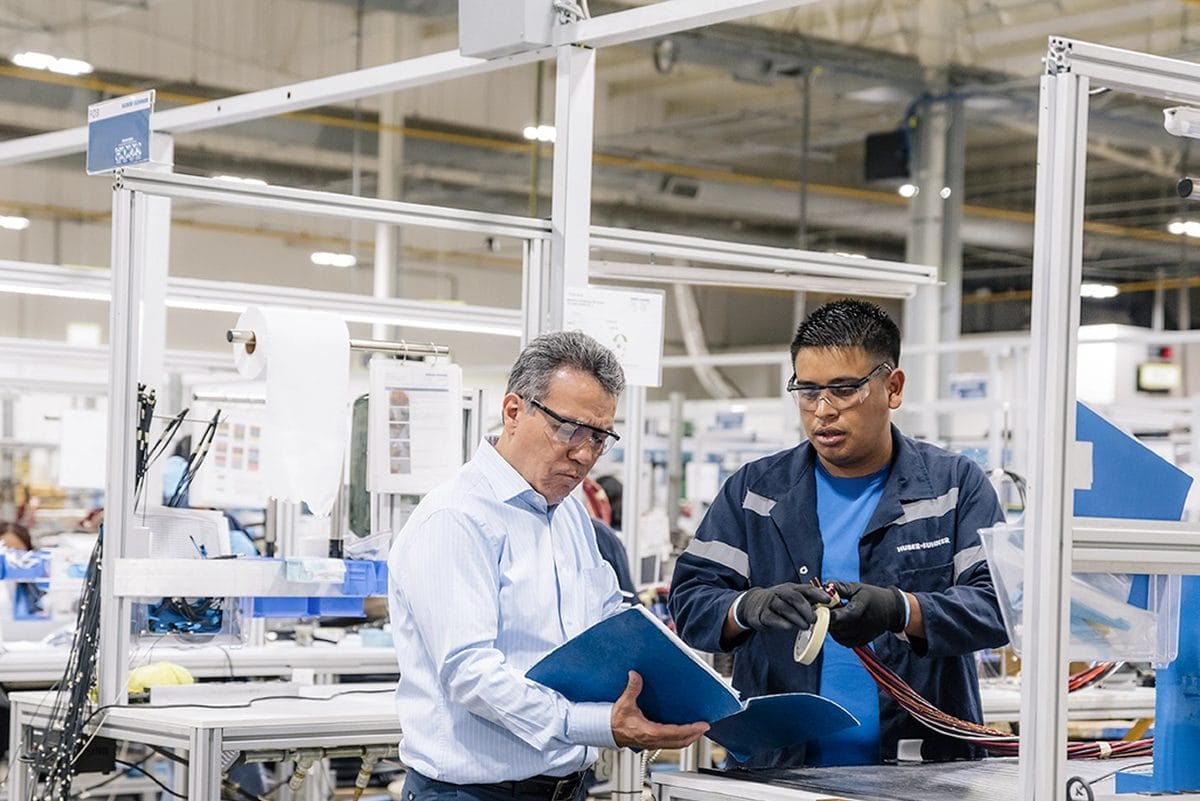

Carlos Rivera, Plant Manager, HUBER+SUHNER


Brian Berich, Director of Operations, BAE Systems
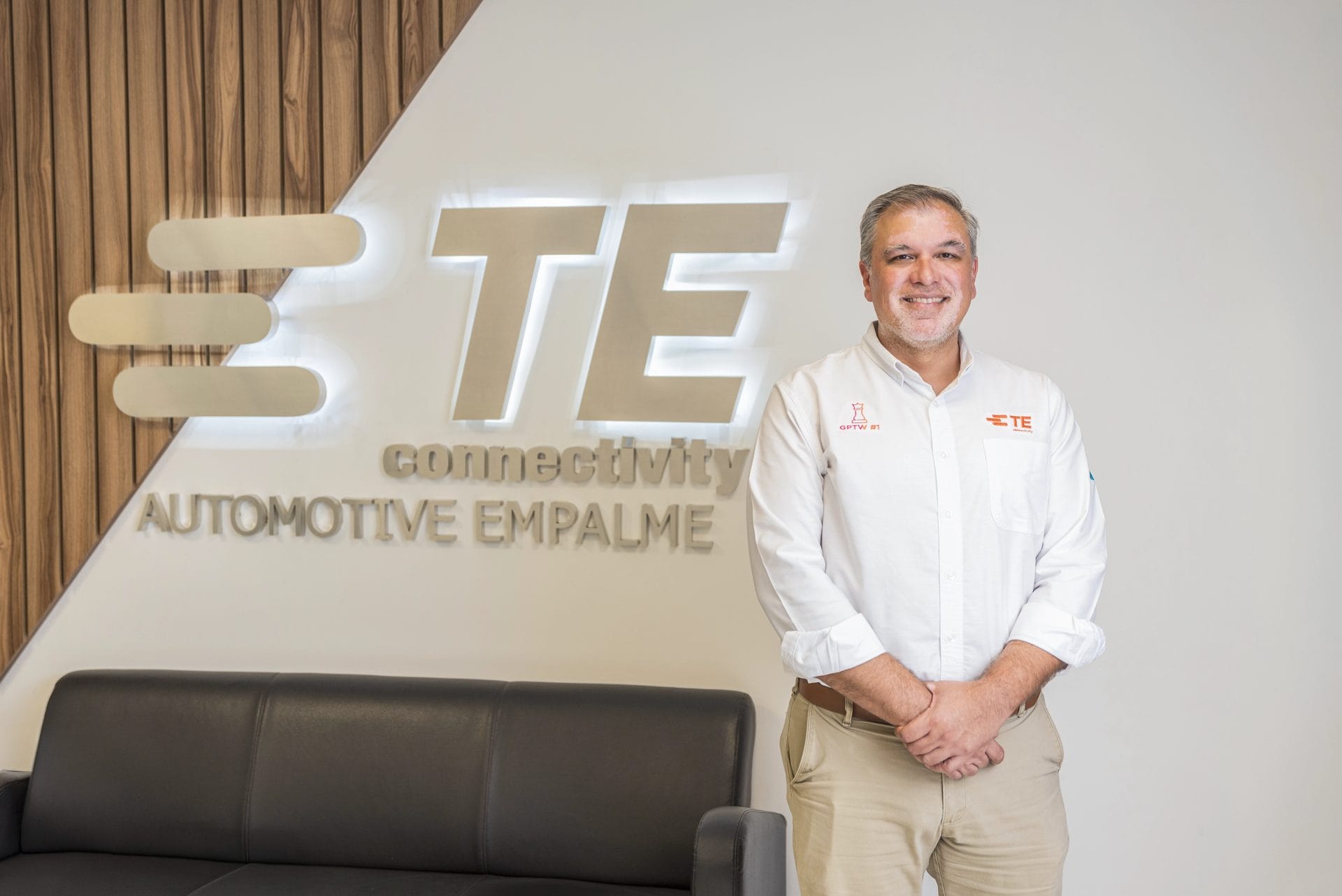

Ricardo Gómez, Director of Operations, TE Connectivity


Mauricio García, Plant Manager, Gemini Group

Jon Jensen, Manufacturing CEO, repeat Tetakawi client since 2001
How It Works

Talk with our team about your goals and questions around manufacturing in Mexico.

Work with our team to model costs, risks, and operational tradeoffs.
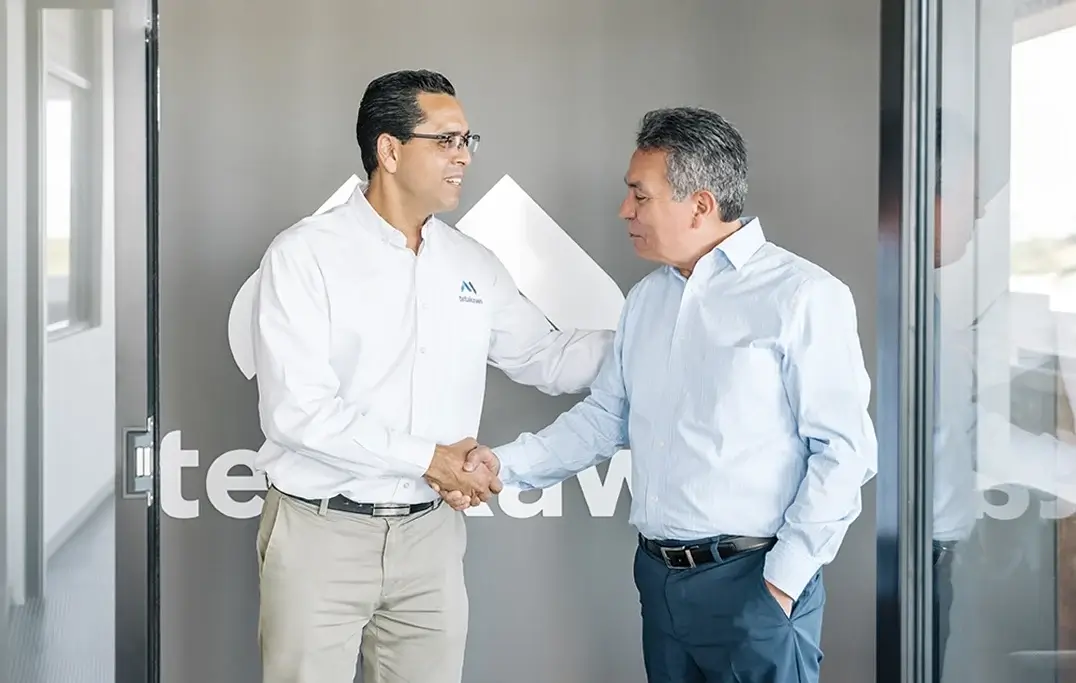
See how workforce, infrastructure, and operations come together on site.
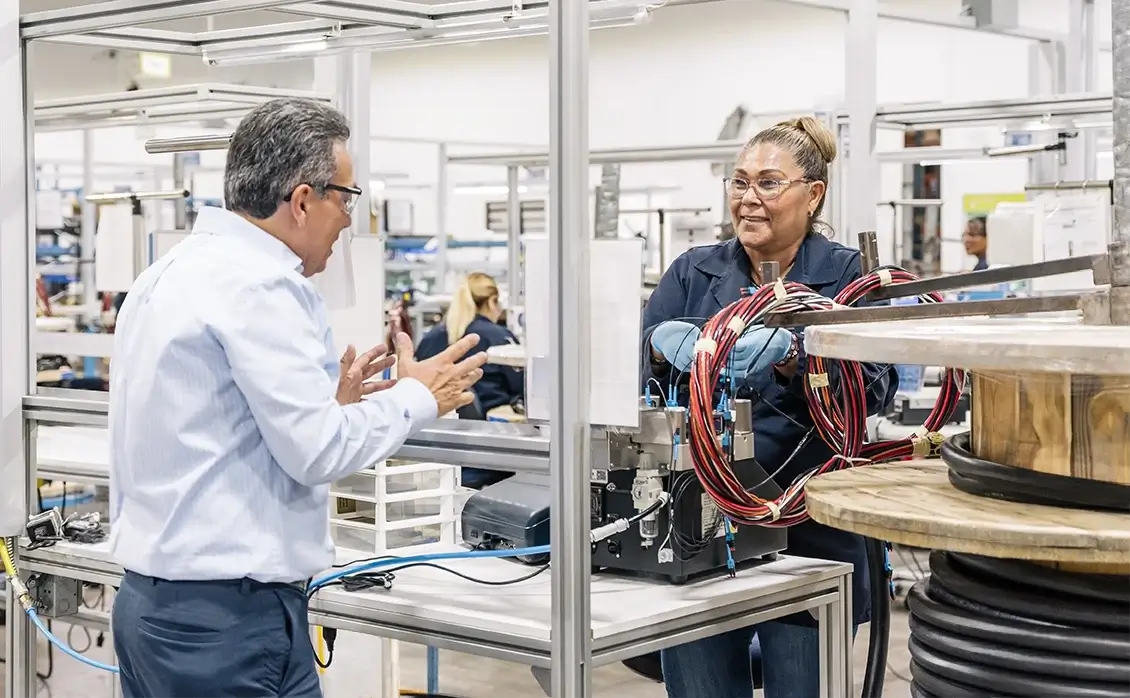
Move forward with a clear plan to launch and scale with confidence.
FAQs
Answers to common questions about how the IMMEX program works, who qualifies, and what companies need to operate under it.
What is the difference between IMMEX and a maquiladora?
IMMEX is the program. Maquiladora is the older name for the plant.
Many operations described that way today run under IMMEX. IMMEX, short for Industria Manufacturera, Maquiladora y de Servicios de Exportación, was created in 2006 when Mexico consolidated the old Maquila and PITEX frameworks. Mexican tax law also uses “operación de maquila” as a narrower concept with its own requirements, so the labels are worth getting right before they appear in a contract.
What is IMMEX certification?
There is no single “IMMEX certification.”
People use the phrase to mean different things. IMMEX itself is the program authorization, issued by the Secretaría de Economía.
The separate registration that delivers the import-tax credit is the IVA/IEPS certification, granted by the SAT in three categories: A, AA, and AAA. Its main effect is cash flow: it provides a credit equal to 100 percent of the VAT or IEPS otherwise due on eligible temporary imports, so the covered tax does not have to be paid up front. All three categories provide the same core credit. AA and AAA have additional scale, history, and compliance requirements; they do not provide a larger credit or a longer inventory period. A company without the registration can apply to guarantee the tax with an accepted bond or letter of credit, or pay it at import. OEA is a separate status focused on customs security and facilitation, including longer inventory periods for qualifying goods.
Do you need a Mexican legal entity to operate under IMMEX?
Yes, but it does not have to be yours.
An IMMEX program must be held by a qualifying Mexican legal entity, and the foreign manufacturer does not have to form or own it. Under an authorized IMMEX shelter, the Mexican shelter entity holds and operates the program while the manufacturer directs its own production. The authorization and its customs-control obligations belong to the program holder. Separate tax and filing obligations can still apply to the foreign manufacturer.
Whether a foreign parent has a Mexican permanent establishment is a separate question: IMMEX itself neither creates nor prevents one. That analysis differs between own-IMMEX and shelter structures.
How long does IMMEX approval take?
Fifteen business days on paper. Eight to eighteen months for a full standalone setup in practice.
That is the term the IMMEX Decree gives the Secretaría de Economía once an application is filed, and approval also requires a complete file and a preauthorization site inspection. In practice, the application is the fast part. A standalone launch also requires the Mexican entity, tax and customs setup, a ready site, and, if the company wants the import-VAT credit, a separate IVA/IEPS application. For planning purposes, we advise manufacturers to budget 8 to 18 months for a full standalone setup, from entity through customs infrastructure, IMMEX authorization, and the VAT-credit structure.
Operating through a shelter that already holds the program takes much of that off your plate: with a move-in-ready facility and a defined scope, launches have reached a production-ready setup in as little as 30 days from signing, though onboarding specific to your site, products, and contracts remains.
Can an IMMEX operation sell to customers in Mexico?
Yes, and the two kinds of sale are different transactions.
If another IMMEX company will receive qualifying goods under temporary-import status, paired virtual filings let the transfer happen without the goods leaving the country: one program closes out its import while the other takes the goods under its own. Under the standard rule, the receiving company must return or definitively import the goods within six months; exceptions exist, including for qualifying OEA operations. Where VAT or IEPS is due, the receiving company’s IVA/IEPS registration or an accepted guarantee can cover the tax so it is not paid in cash at entry.
If the customer will use the goods in Mexico, the goods must be definitively imported, the applicable import taxes paid, and the import requirements met. In a shelter structure, ownership, invoicing, importer of record, and export-pedimento treatment must be confirmed before the sale. Designed correctly, and where the customs, tax, and product requirements permit, one operation can serve export customers, other IMMEX operations, and the Mexican domestic market.
How can Tetakawi help me take advantage of the IMMEX program?
By running the program for you, so you never apply for it.
Every registration this page describes already exists and runs inside Tetakawi’s Manufacturing Campuses: the IMMEX authorization, the IVA/IEPS certification, OEA at most Campuses, the Annex 24 inventory control and the annual report. On a Campus your plant operates under Tetakawi’s Mexican entity. In Mexico, Tetakawi is the importer and exporter of record; entering the United States, your company is. Our import and export team on the Campus prepares the entries from your part-level data, and a licensed Mexican broker files them. You keep what the program asks of every manufacturer: accurate part data, cycle counts and an export-only flow for finished goods.
The program is one layer of the Campus. The same entity and the same people employ your workforce, run the building and hold the environmental and fiscal filings, so space, workforce, logistics and compliance run as one system under one U.S.-based contract. You control production, process and quality.
A standalone applicant budgets 8 to 18 months to assemble the entity, the site, the approval and the certification. On a Campus the program is already active, and a well-prepared operation can get started in as little as 30 days. Tell us where your product ships and what goes into it, and we will show you how it would run under our program before you commit to anything.