Our Story
Learn our story, leadership, and mission shaping manufacturing in Mexico.


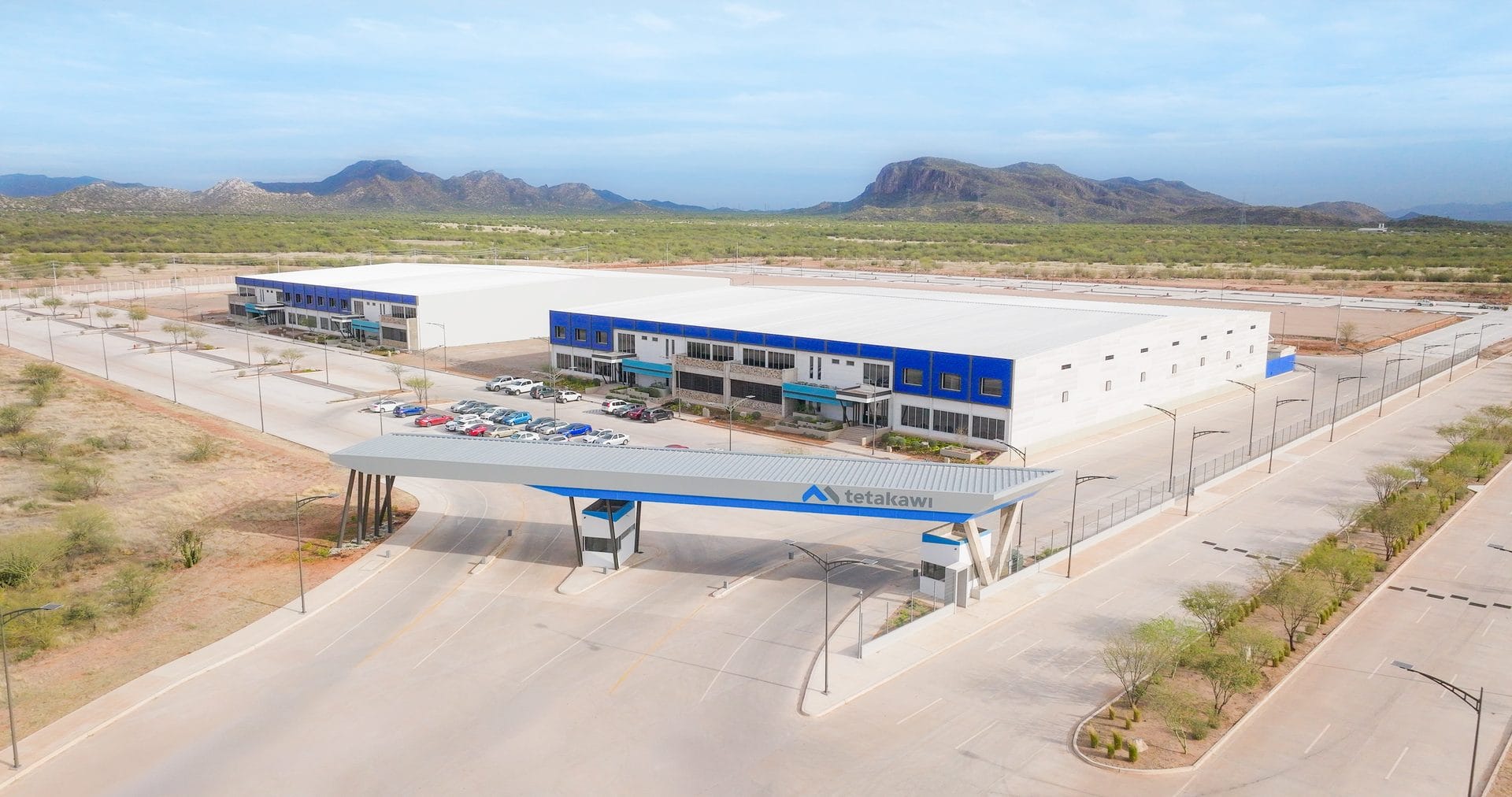
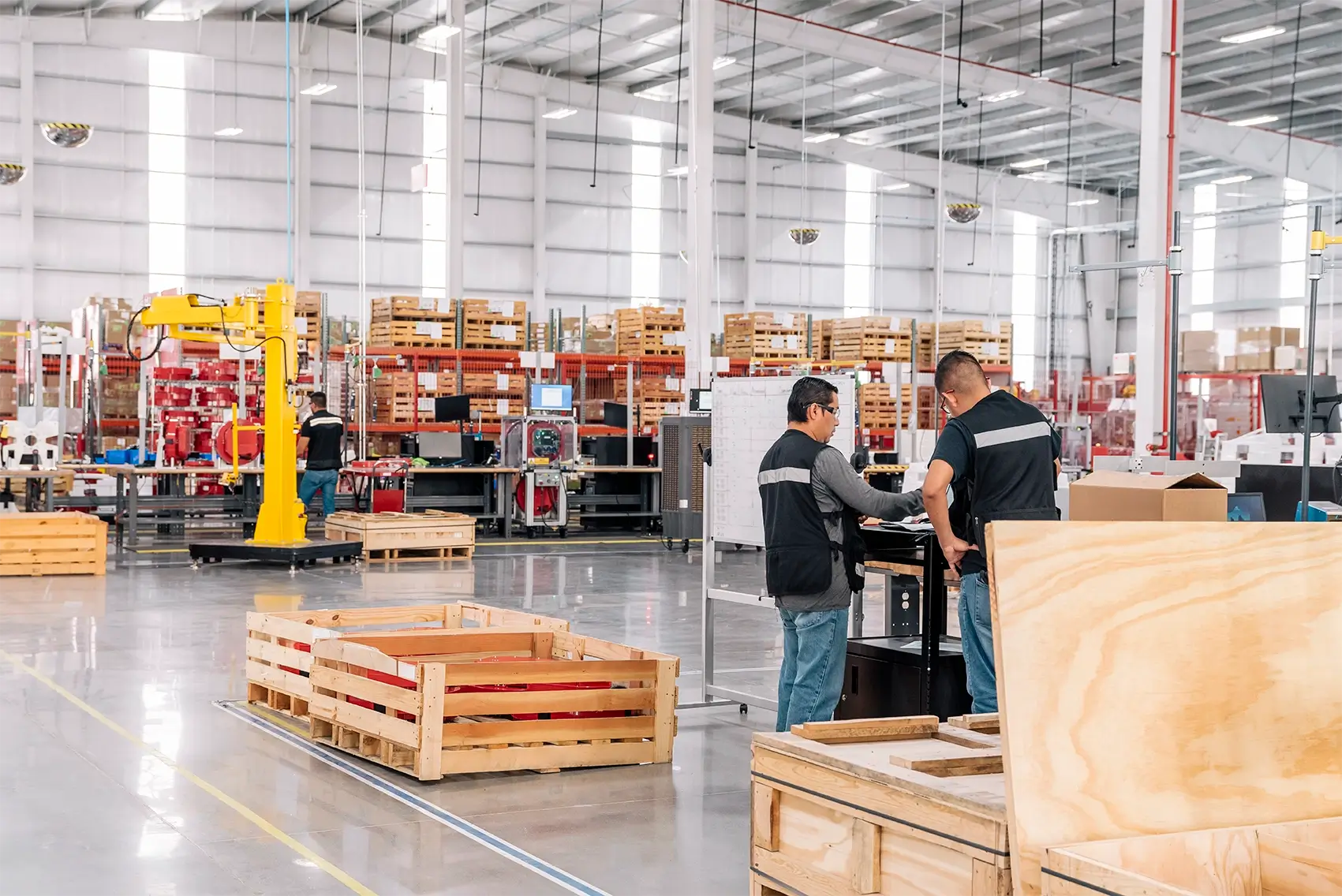
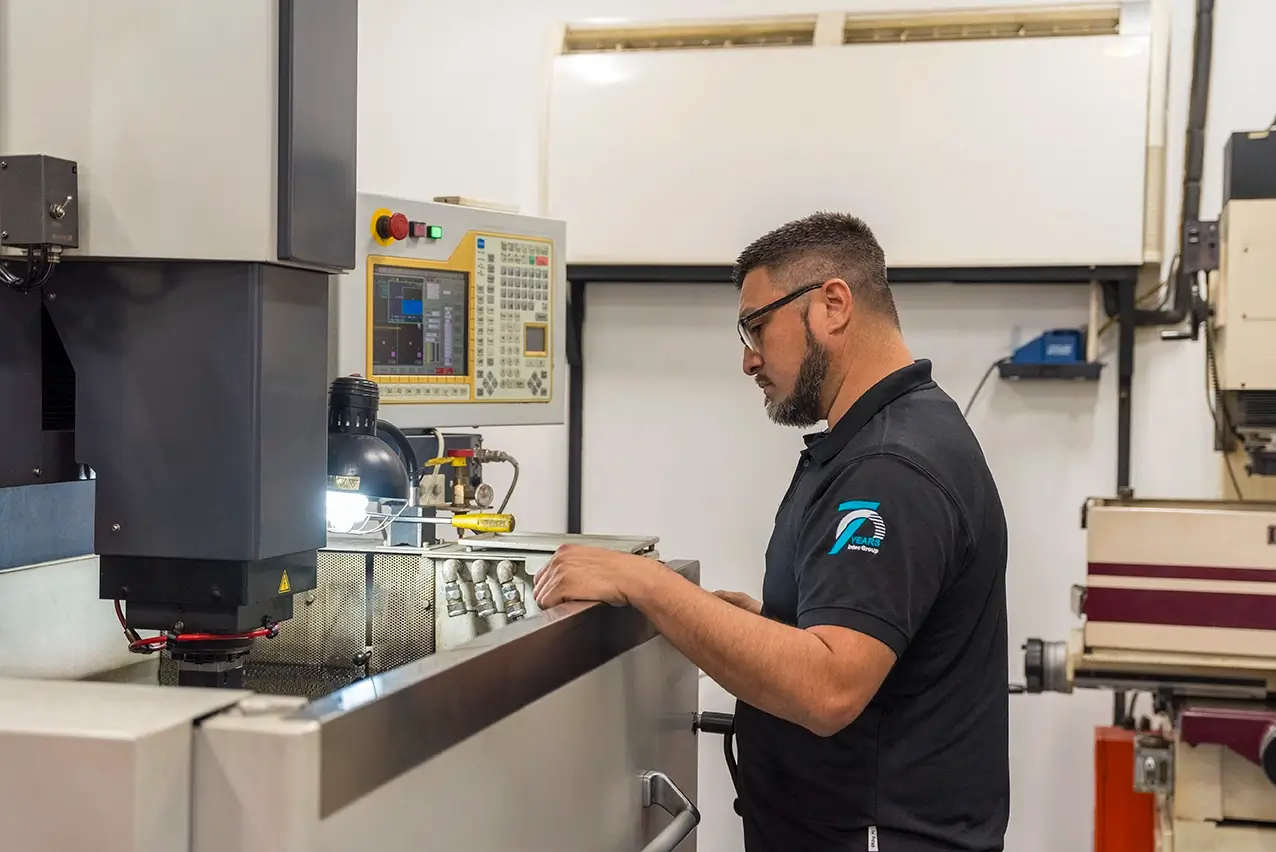
Gemini Group has run a three-shift automotive operation on Tetakawi’s Zapa Campus in Saltillo since 2009, with a team of just over eighty people. Gemini keeps it that size because everything that is not the product sits with Tetakawi.

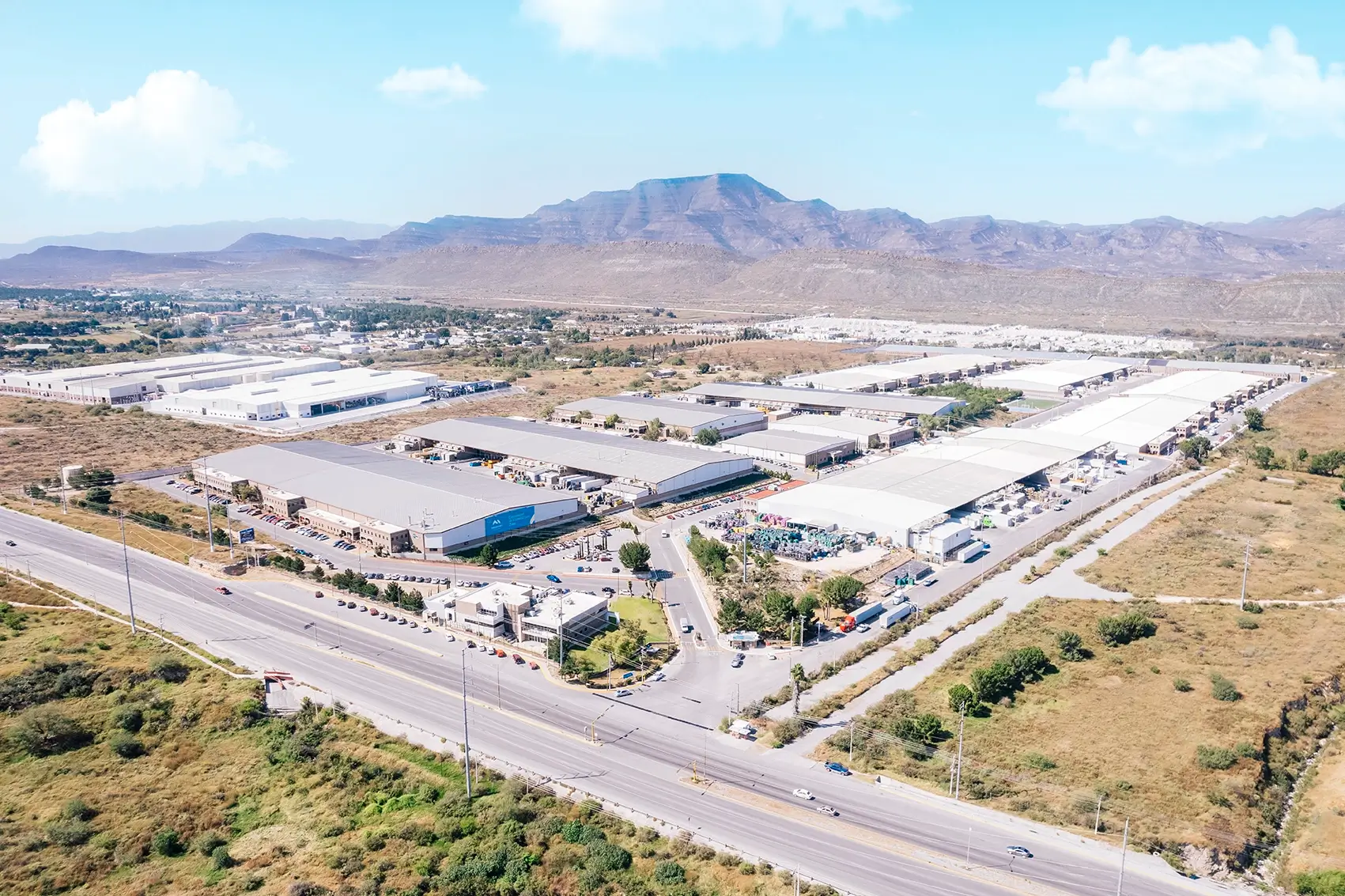
On the Zapa Campus in Saltillo
Running the Saltillo operation
Five days a week
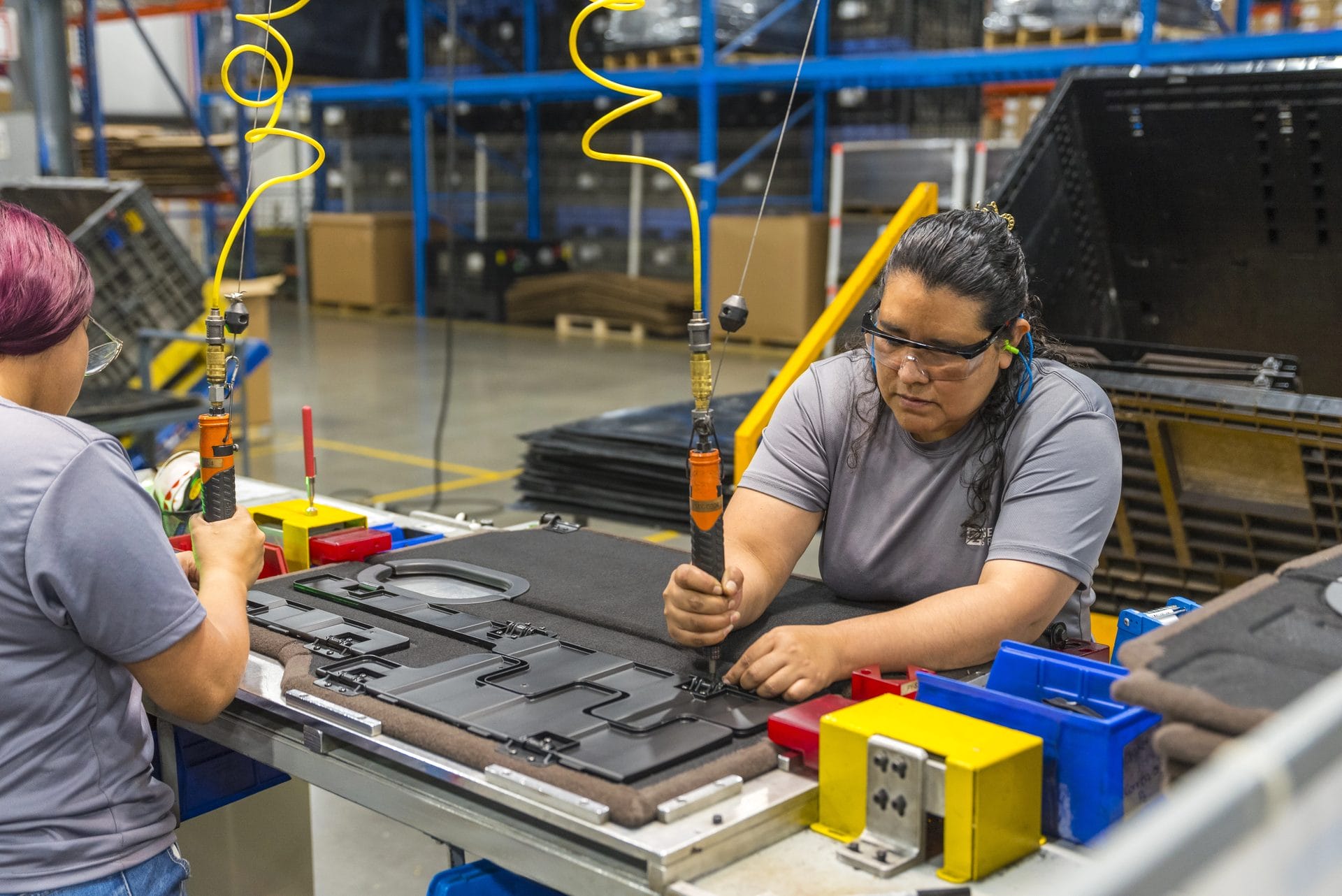
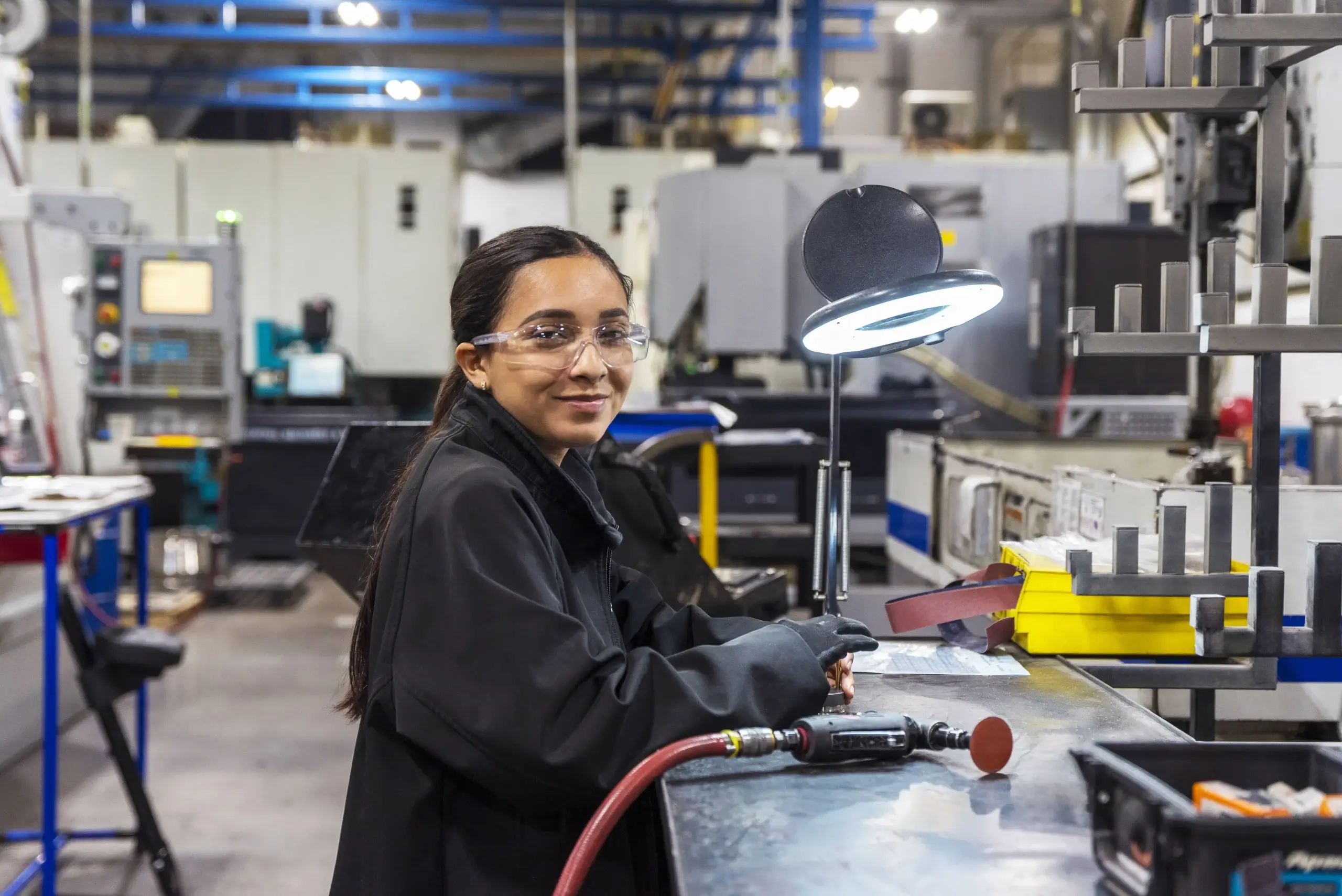
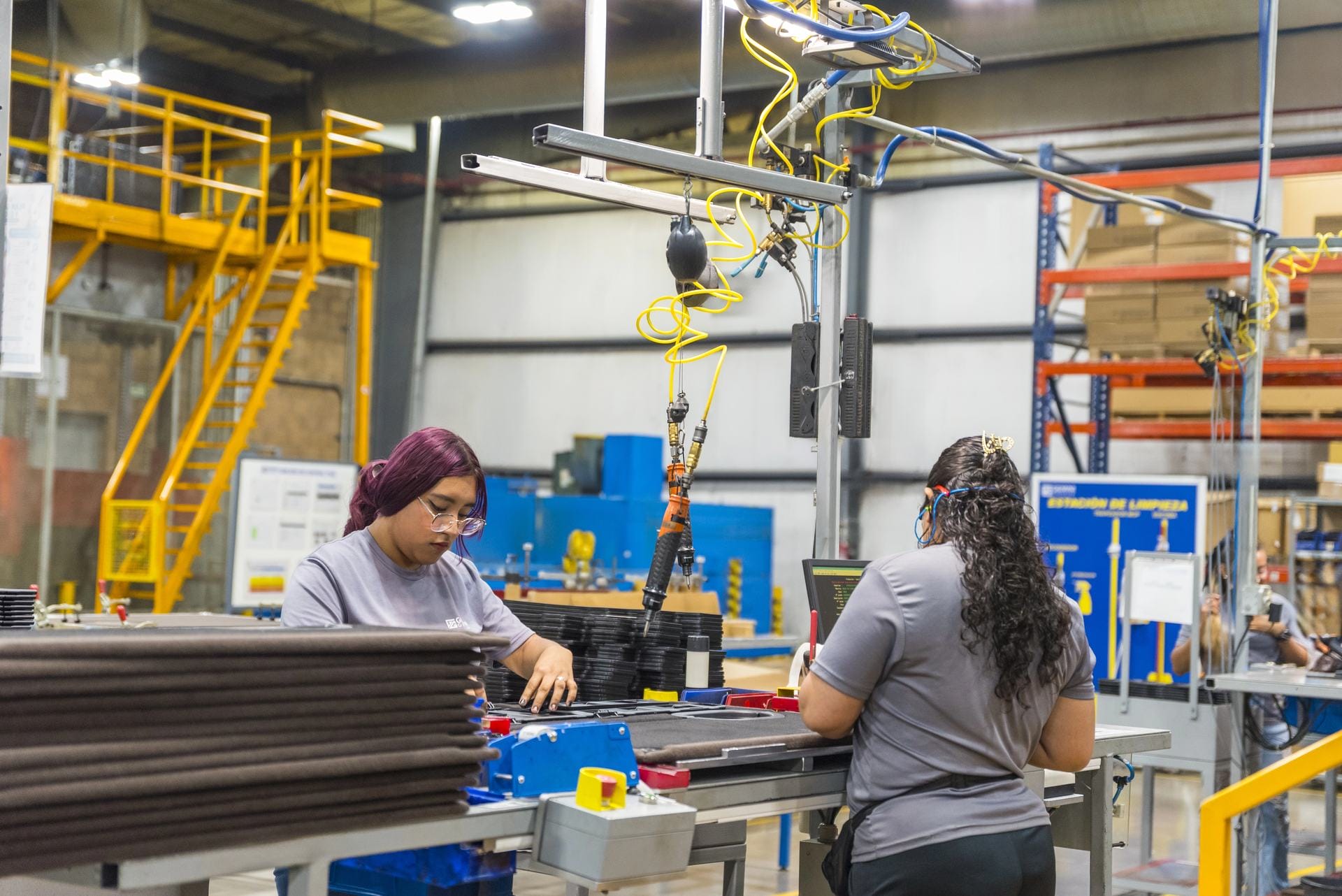
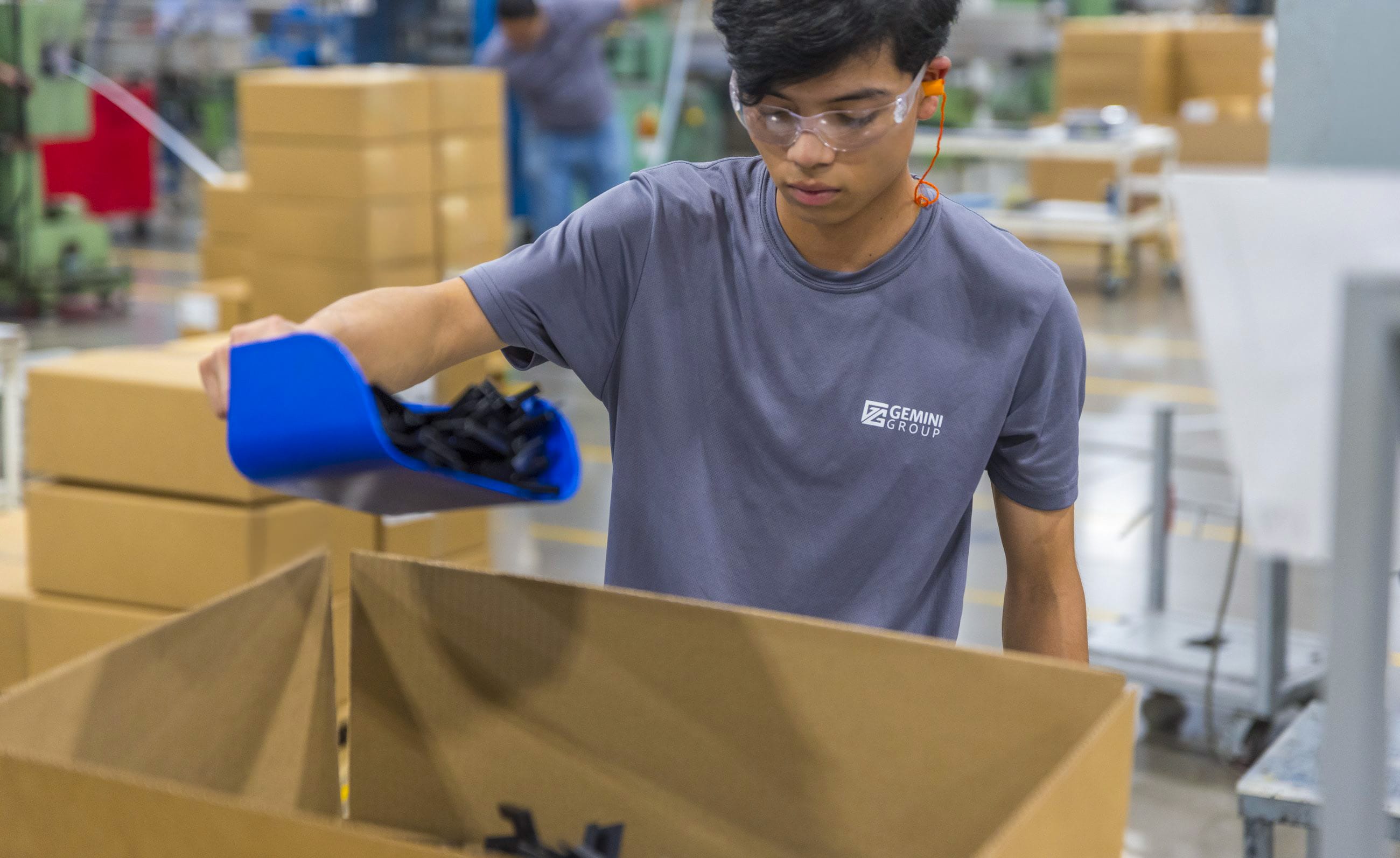
Gemini Group manufactures engineered plastic and metal components for the automotive industry. At Tetakawi’s Zapa Campus in Saltillo, Coahuila, where it has operated since 2009, it runs three shifts a day, five days a week with a team of just over eighty people, supplying the region’s automotive supply base. Saltillo sits in one of Mexico’s main automotive corridors, close to the vehicle assembly plants, with roads running in and out to the north and the south.
That connectivity shapes how the plant works. Alongside its own production, Gemini receives product from its sister plants in the United States, consolidates it in Saltillo and ships it back out across Mexico, with the northern border crossings close enough to keep import and export straightforward. A three-shift operation runs on uptime: a building system that goes down, or a truck held at the border, costs production hours nobody gets back.
Gemini runs Saltillo deliberately lean and buys the rest, which means the plant has no slack to spend on the things that are not its product: recruiting and staffing three shifts, maintaining a building and its systems, and moving material across a border under a customs regime that has been tightening.
Customs is the sharpest of those. Operating in Mexico under IMMEX means registrations, filings and a broker relationship behind every load, and an importer of record that has to be right every time. A company standing up its own would wait on those registrations before raw material could move at all. For a plant feeding assembly lines on a schedule, waiting is the expensive part.
The building and its upkeep, the electricians and air conditioning technicians and plumbers, the hiring and the staffing, the customs and IMMEX compliance, and the uptime that keeps three shifts running: each of those is a function a company either buys or builds. Built in-house, they are a second business running alongside the first, staffed and managed and answerable to the same small team. Gemini’s plant manager, Mauricio García, had worked outside the Campus model earlier in his career, and had seen up close what that second business demands.
Under the Campus model, everything that is not Gemini’s product sits with Tetakawi. When a building system goes down, it is one report to the Campus, and the trades on the Campus take it from there rather than driving in from an hour away. The buildings and their systems are maintained by the Campus, which is why a three-shift schedule is not hostage to a roof or a building system reaching the end of its life.
Gemini staffs its shifts without running an HR function: Tetakawi recruits against the profiles Gemini sets, so when the plant needs more people it asks rather than recruits. Its goods move under Tetakawi’s IMMEX program and trade registrations, which is why raw material moved from the first day. In Mexico, Tetakawi is the importer and exporter of record and carries the registrations, the filings and the broker relationship behind every load; entering the United States, Gemini is. García recalls a resin shipment held at the border over its paperwork; the import-export team, he says, was at the crossing and had it moving again within two days.
What that adds up to for Gemini is time. A small team can run a stable operation because it is not also running a facilities department, a recruiting function and an import-export function. The plant manager’s job at Saltillo is the product, the customer and the numbers; the building, the hiring and the border are someone else’s full-time work.
Three shifts still run five days a week on a headcount García describes as stable, with low turnover and on-time deliveries. Headcount stability is what he watches, because in a plant this lean it decides everything else: a shift that is short is a shift that does not run, and a customer near the assembly line notices the same day.
What García points to is what the arrangement protects: the right people, the right building, the right resources, and a working day that goes to making the company more profitable rather than to keeping the operation upright. Since 2009 on the same Campus, with a team that size covering three shifts, is what that looks like in practice.

Gemini Group
Gemini Group
Gemini Group

Gemini Group is a manufacturer of engineered plastic and metal components for the automotive industry, with plants in the United States and Mexico. At Tetakawi’s Zapa Campus in Saltillo, Coahuila, it runs a three-shift operation supplying customers across the region’s automotive corridor.