Our Story
Learn our story, leadership, and mission shaping manufacturing in Mexico.

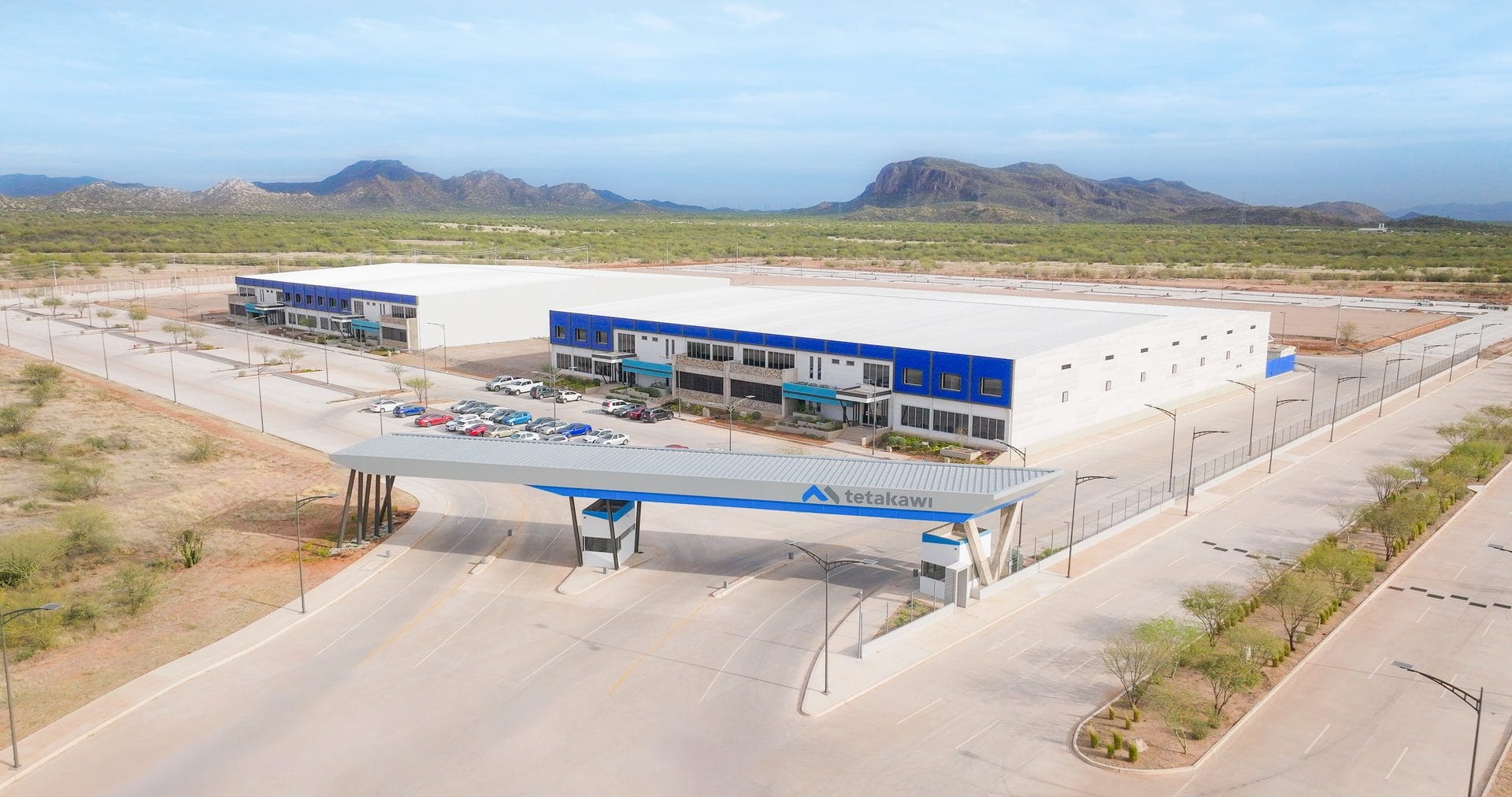
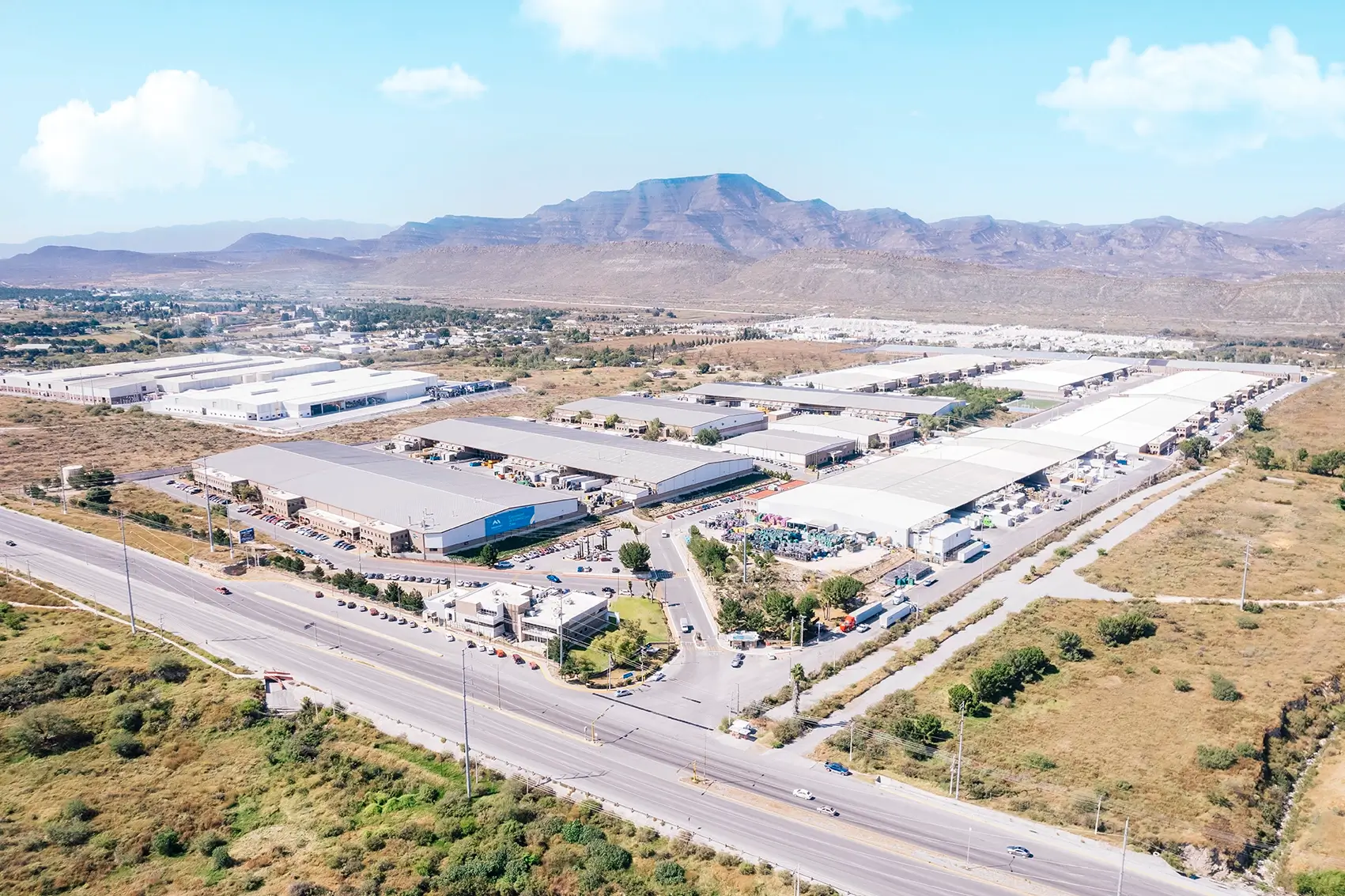
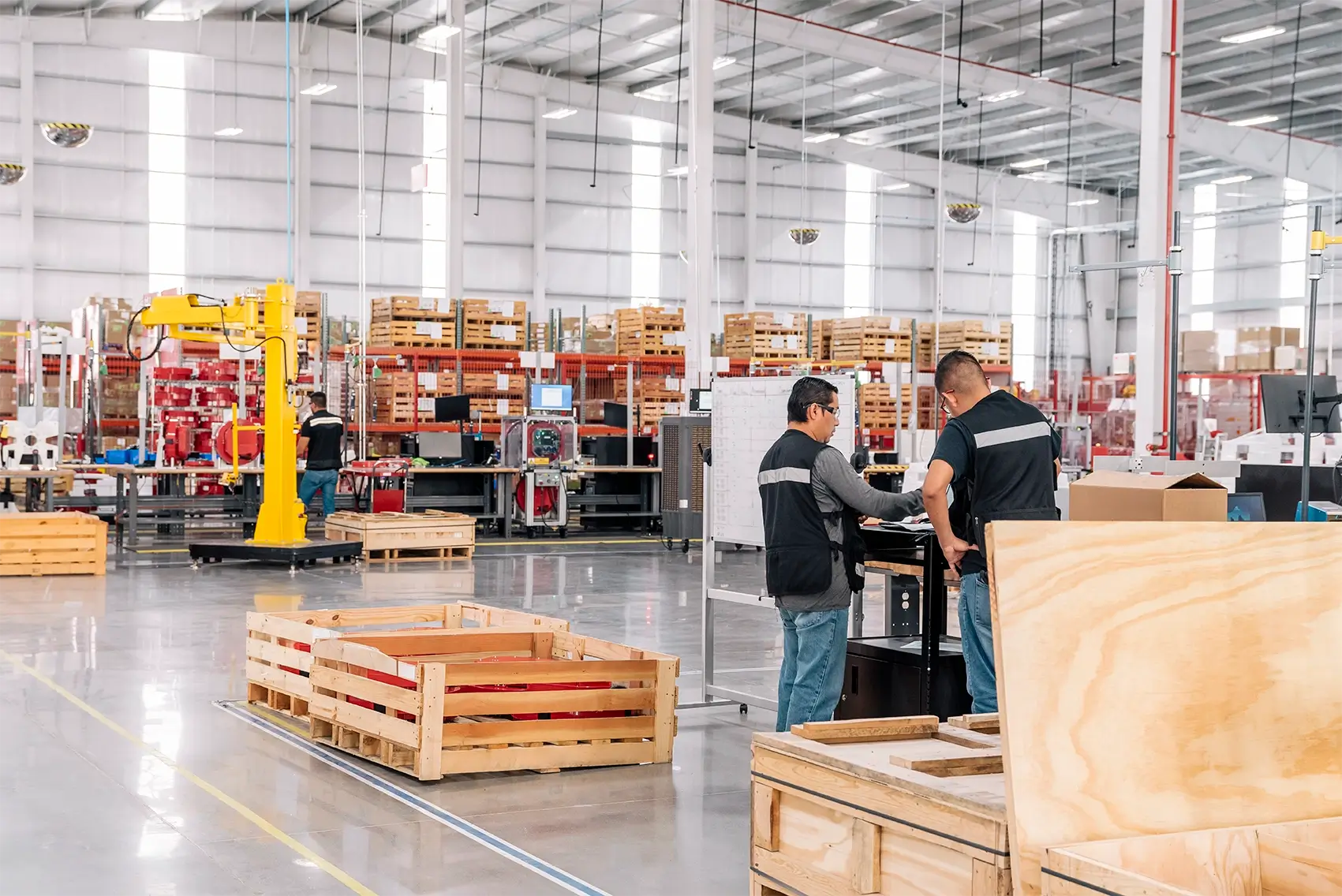
Tetakawi’s Manufacturing Campus model lets medical device manufacturers operate their own plant in Mexico, with move-in-ready space, skilled talent and trade programs already in place. Your quality system, your registrations and your validated processes stay yours. Tetakawi runs the operating platform around them.
The Problem
Medical device manufacturing is documentation as much as it is production. Processes are validated where they must be, every change is controlled, every lot is traceable, and the evidence has to hold up years later in front of an auditor who was not there. Moving a line is not relocating equipment and people. It is requalifying a process and rebuilding the record that proves it.
Mexico’s plants already run validated processes every day. But running a plant there takes more than industrial space. Whatever your plant runs, molding, machining, controlled-environment assembly, inspection or packaging, it needs three things:
You can build all that from scratch, or you can operate inside a Tetakawi Campus.
| Traditional Site Selection | Tetakawi Campus Model |
|---|---|
| Find a building and fit it out yourself | Move-in-ready space on an established Campus |
| Build HR, payroll, and labor systems from scratch | Recruiting, payroll, and benefits administered for your plant |
| Staff a ramp with no local recruiting network | Recruiters already working the market before you arrive |
| Coordinate recruiters, customs brokers, and advisors on your own | One partner for recruiting, customs, and administration |
| Establish your own Mexican entity, IMMEX, and customs process | Import and export in Mexico under Tetakawi’s IMMEX authorization |
| Manage a patchwork of vendors and their contracts | One U.S.-based agreement, with the work run on site |
Our Approach
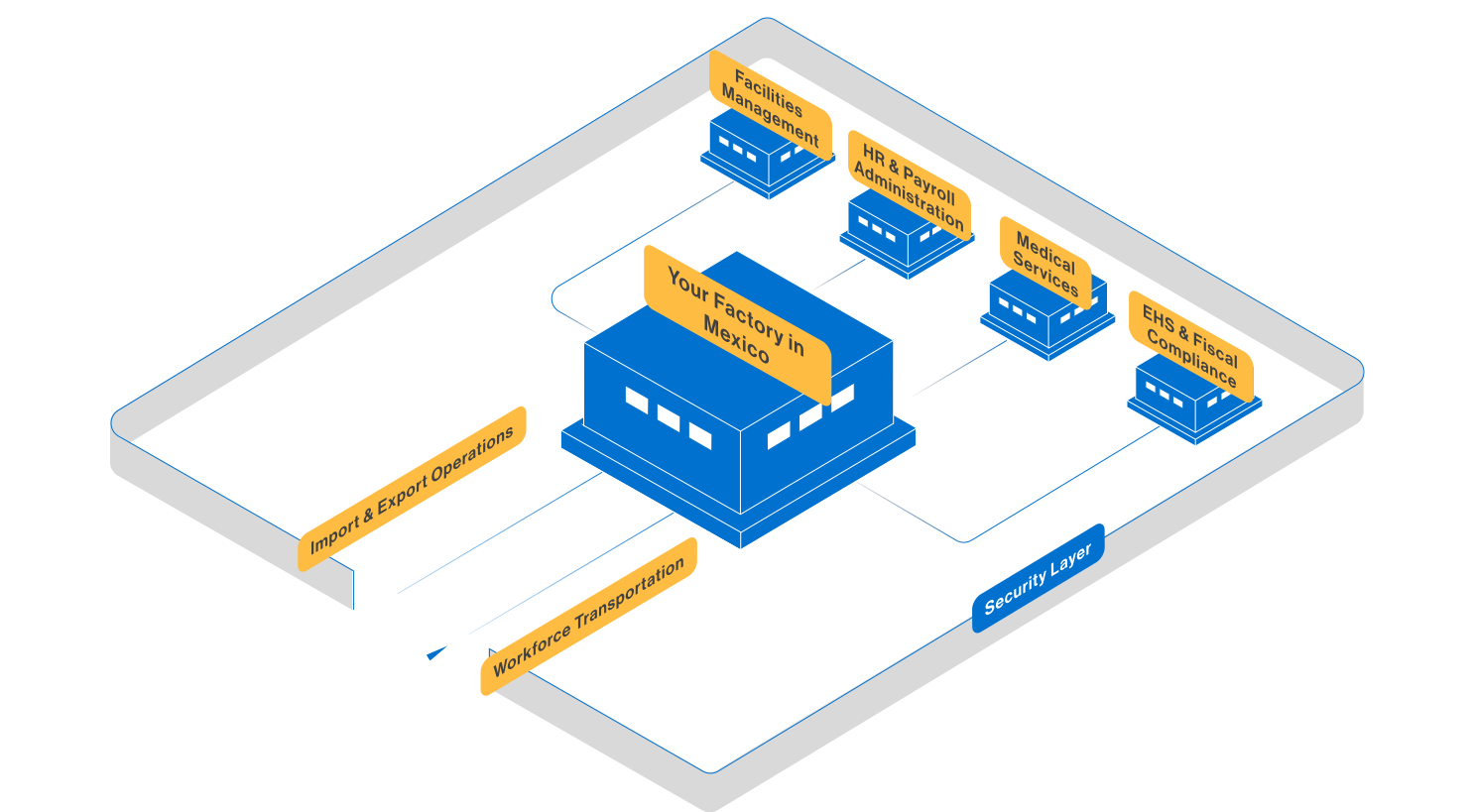
Every Campus sits in a region with an established manufacturing workforce. Three things run around your operation: the people, the building, and the movement of material across the border.
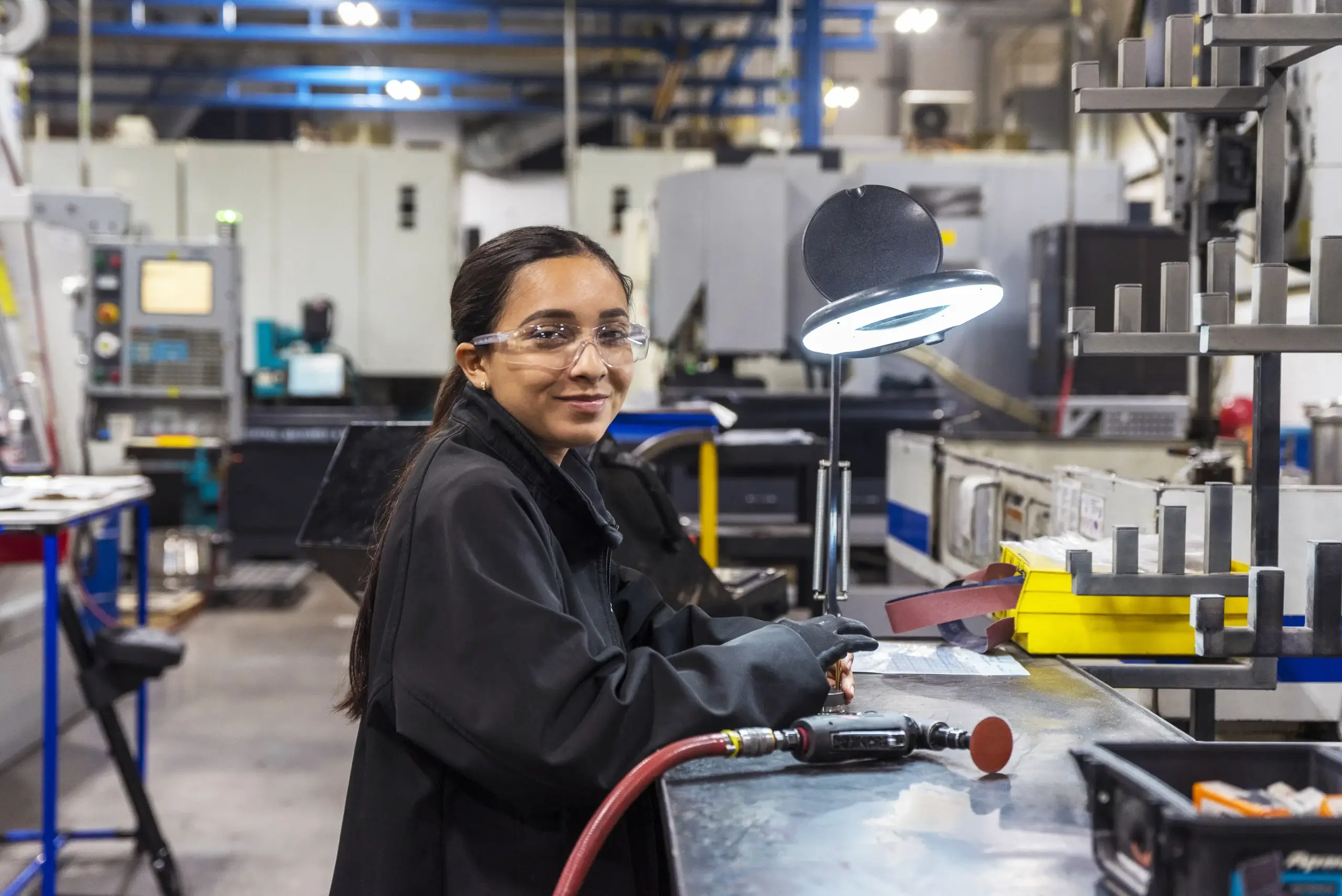
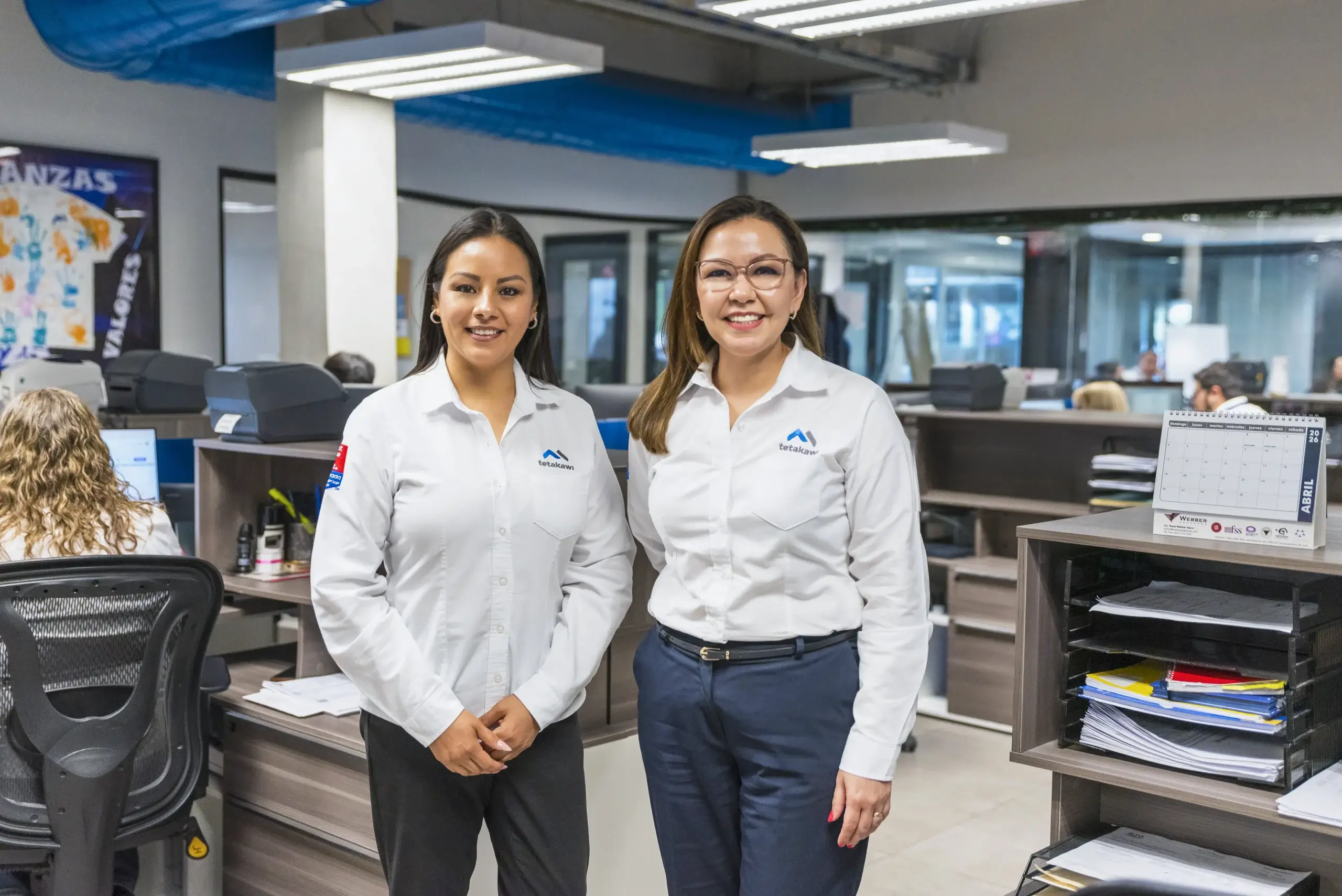
Operators, inspectors and technicians are recruited, and transport and on-site medical help them stay. In a regulated plant, turnover means retraining, requalification and a gap in the record.
You control your quality system, validations, and device registrations. Tetakawi manages the facility and operating environment around your plant: utilities, secure grounds, and material flow.
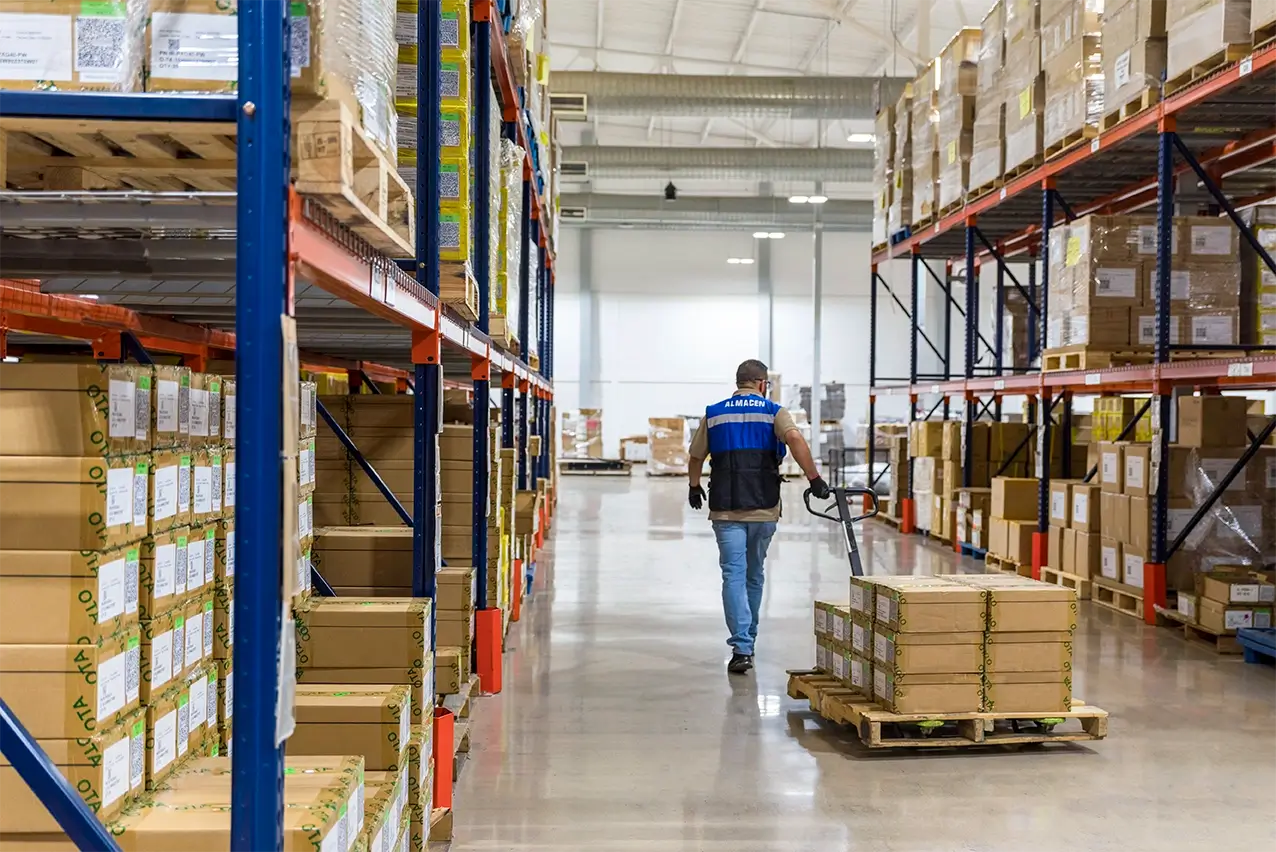
In Mexico, Tetakawi is the importer and exporter of record; entering the United States, your company is. Tetakawi keeps the customs and inventory record, and a licensed Mexican broker files each entry.
Statistics
Medical device exporter in Latin America
Device plants with more than 100 employees
Device manufacturers on our Campuses
Our Model
Medical devices compete on supply reliability and an audit-ready record. The Campus model can lower overhead by up to about 30% against a standalone plant. You run the plant.
What stays in your name:
Testimonials
Manufacturers who run their own plants on Tetakawi Campuses, in their own words.
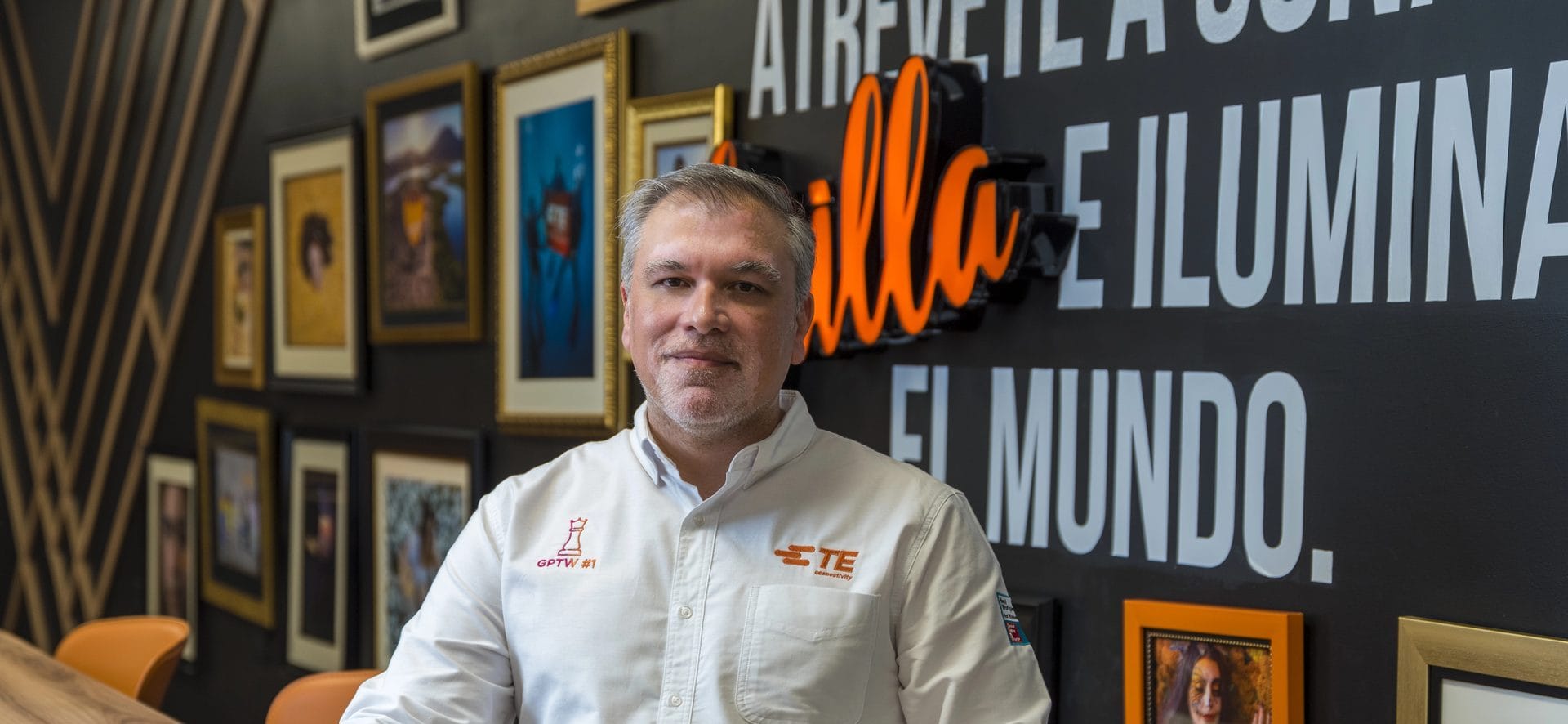
Ricardo Gómez, Director of Operations, TE Connectivity
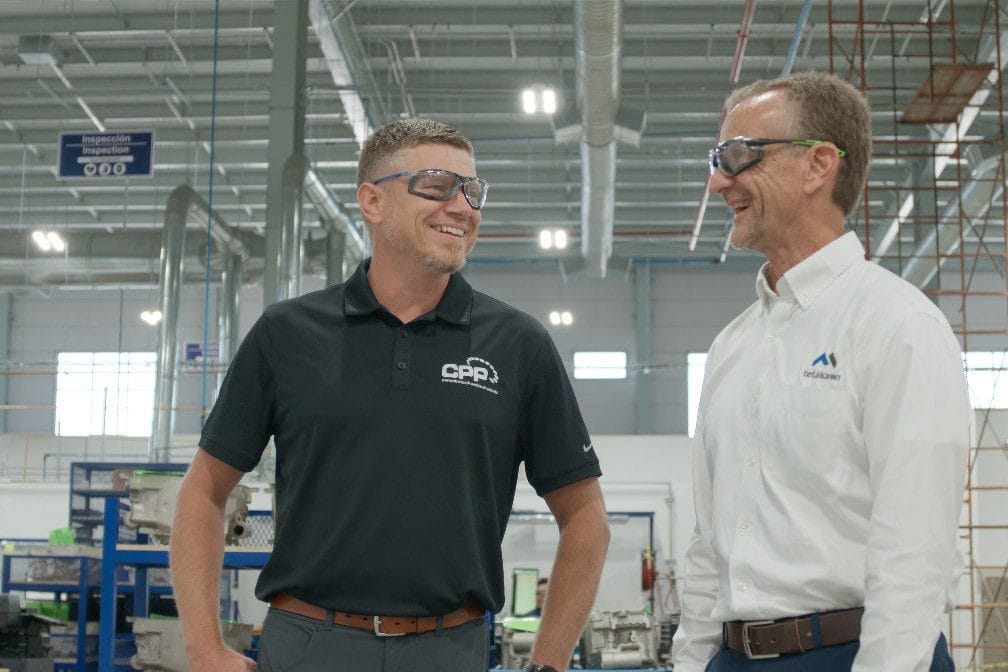

Jeremy Main, Senior Vice President, Consolidated Precision Products
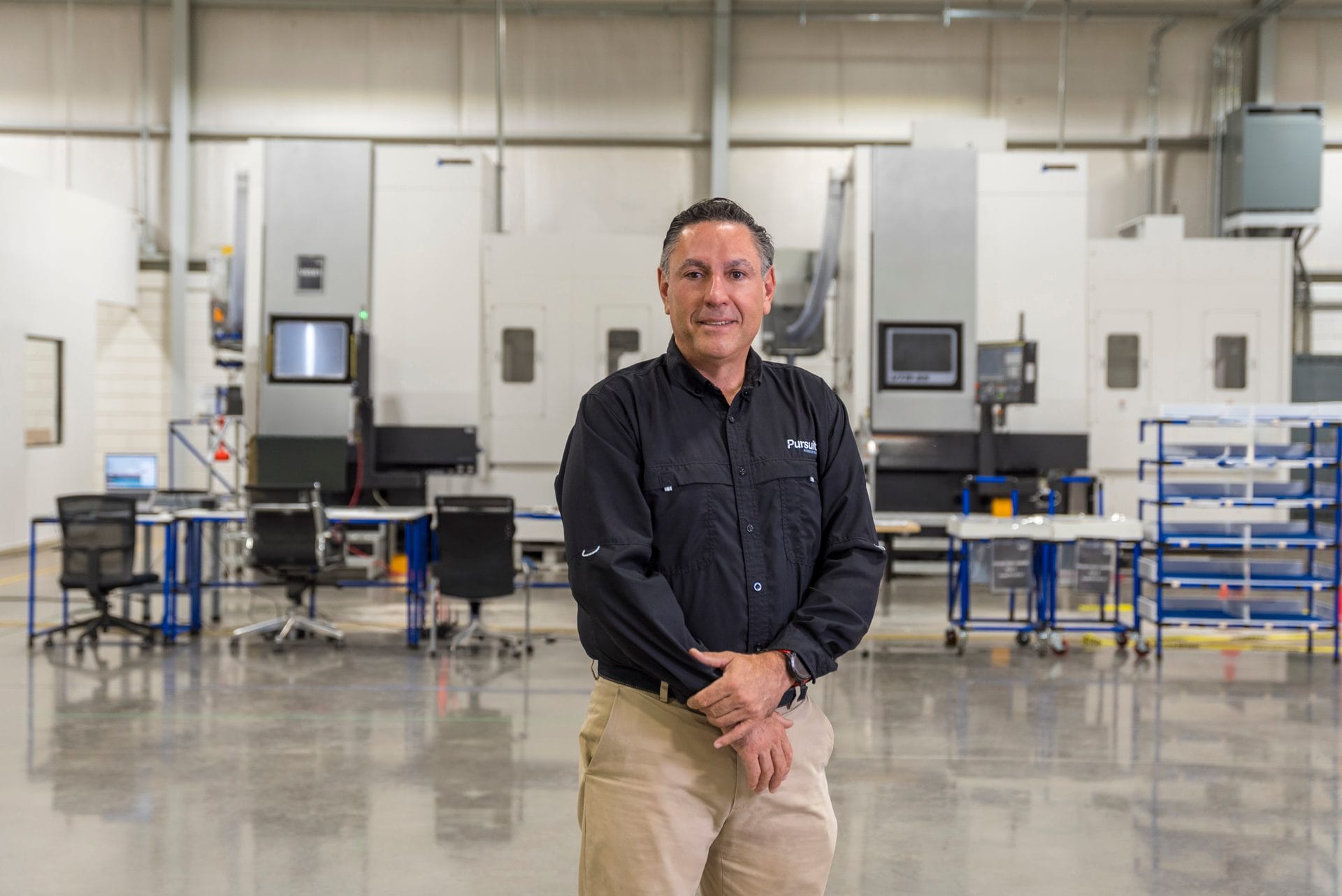
Enrique Vega, General Manager, Pursuit Aerospace
FAQs
The questions we get most often from medical device manufacturers looking at Mexico.
Who owns the quality system and the device registrations?
You do.
Your quality management system, your validation protocols, your design history files and your supplier controls stay in your name, and the plant runs to your procedures and your work instructions. How the site is registered with FDA is worked through with your regulatory counsel. Tetakawi recruits and administers the workforce, runs the building and its utilities, and handles the Mexican side of customs and compliance around all of it. Tetakawi is not a contract manufacturer.
What is happening with medical device tariffs?
Nothing has been set yet.
No Section 232 tariff applies to medical devices today. The investigation covering protective equipment, consumables, equipment and devices was opened in 2025, its report deadline has passed without an action, and one could still come at short notice. Recent Section 232 actions have mostly set a flat rate by country of origin, with USMCA-specific relief the exception. If an action comes, origin and classification will decide what it means for your device, and as part of our due diligence, we help you work it out.
What medical devices are manufactured in Mexico?
Mostly Class I and Class II work.
Disposables and consumables, surgical instruments, catheters and tubing, orthopedic and dental components, diagnostic and electromechanical subassemblies, molded parts and optics. The work is hand-intensive and inspection-intensive, and the finished device or component can qualify for North American origin. The largest clusters are in Baja California and Chihuahua, where the flagship assembly plants sit. Sonora is where much of the precision component and subassembly work happens, and the Campus model fits that second kind of plant best: component and subassembly operations with meaningful direct labor content, rather than an OEM’s flagship final-assembly site.
What medical device companies operate in Mexico?
Many of the largest global device makers, and the component plants that feed them.
Mexico is the largest medical device exporter in Latin America. INEGI’s business directory (DENUE) counted 2,721 medical equipment and supplies plants in May 2026, of which 207 employ more than a hundred people. The biggest clusters are in Baja California and Chihuahua. Sonora is a different part of the same industry: the precision components, molded parts and subassemblies that feed those plants, and it is where the device makers on Tetakawi Campuses operate. We run five Campuses, in Guaymas, Empalme, Hermosillo, Saltillo and Mazatlán.
Why should medical device manufacturers consider a Tetakawi Campus?
A Tetakawi Manufacturing Campus is a turnkey operating environment: you run your own factory, and Tetakawi runs everything around it.
You keep full control of production, quality and your IP. Tetakawi is not a contract manufacturer.
Tetakawi provides the building, the workforce, the import and export operation, and the Mexican entity with its permits and registrations.
For a medical device plant, that means operators are recruited and kept, so your validated process holds.
How can Tetakawi help us evaluate expanding into Mexico?
Four steps, in order.
1. Get in touch. A conversation about what you are hoping to achieve in Mexico, and why now.
2. Measure ROI. We build the business case with you: the full cost of running your operation on a Campus, the risks and the trade-offs, and which Campus fits. If more than one could work, we build both.
3. Site visit. Walk the Campus, meet the people who would run your account, and talk with manufacturers already operating there.
4. Launch and grow. When you give the green light, the same team that helped you build the case guides the launch.