Our Story
Learn our story, leadership, and mission shaping manufacturing in Mexico.

When he first built with Tetakawi
Lower overhead than standalone, in his plants
Run with and without a shelter
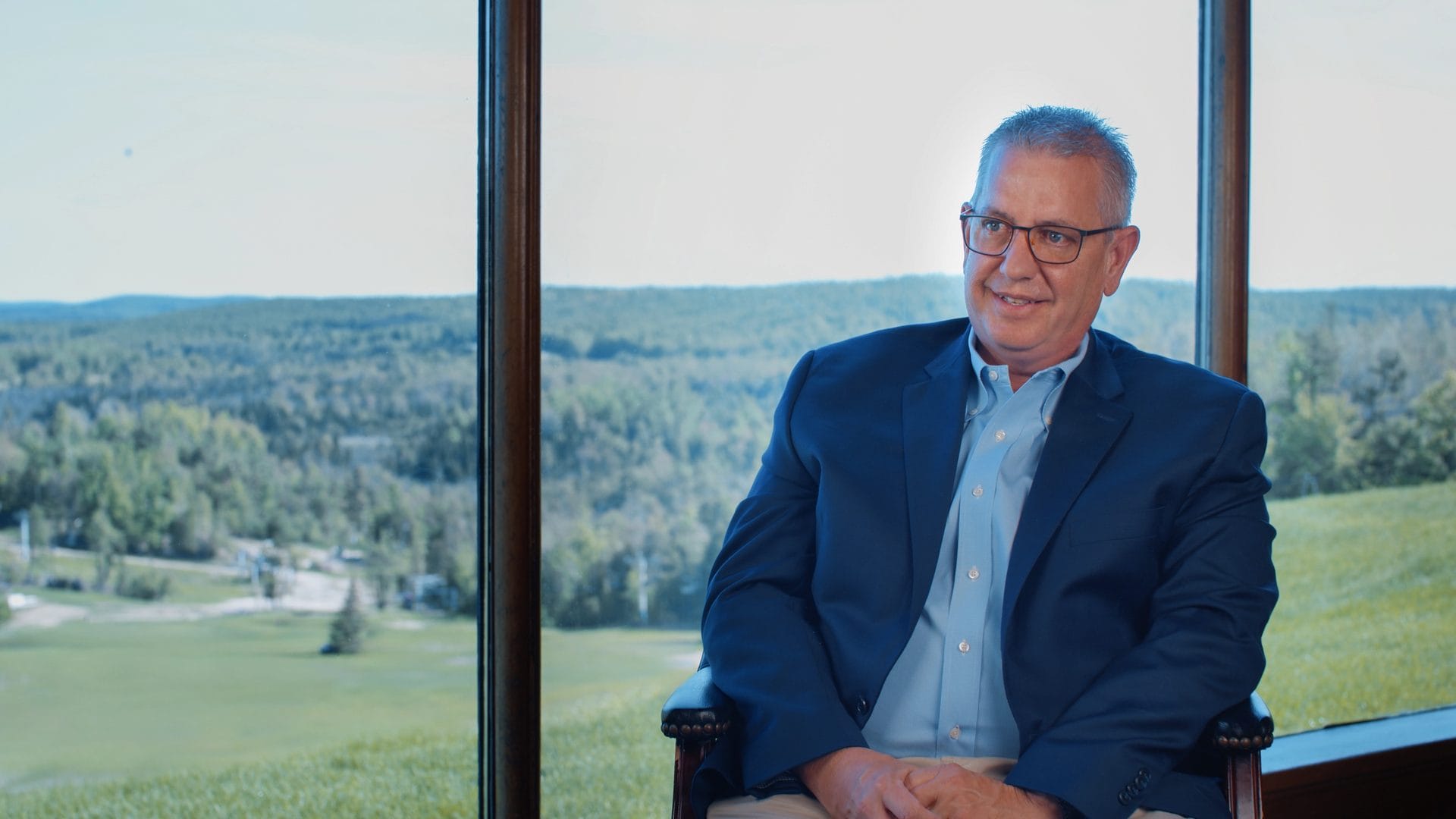
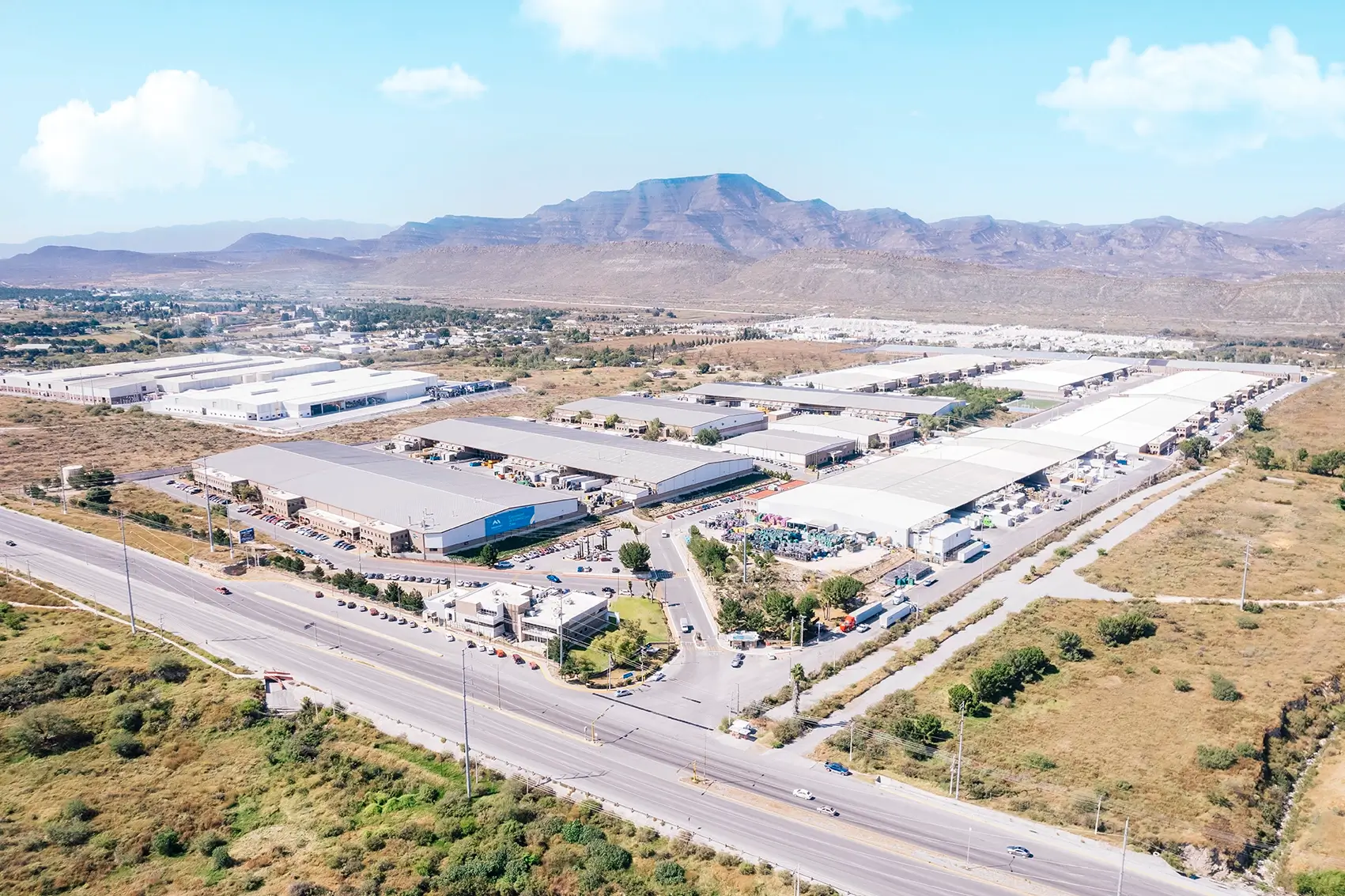
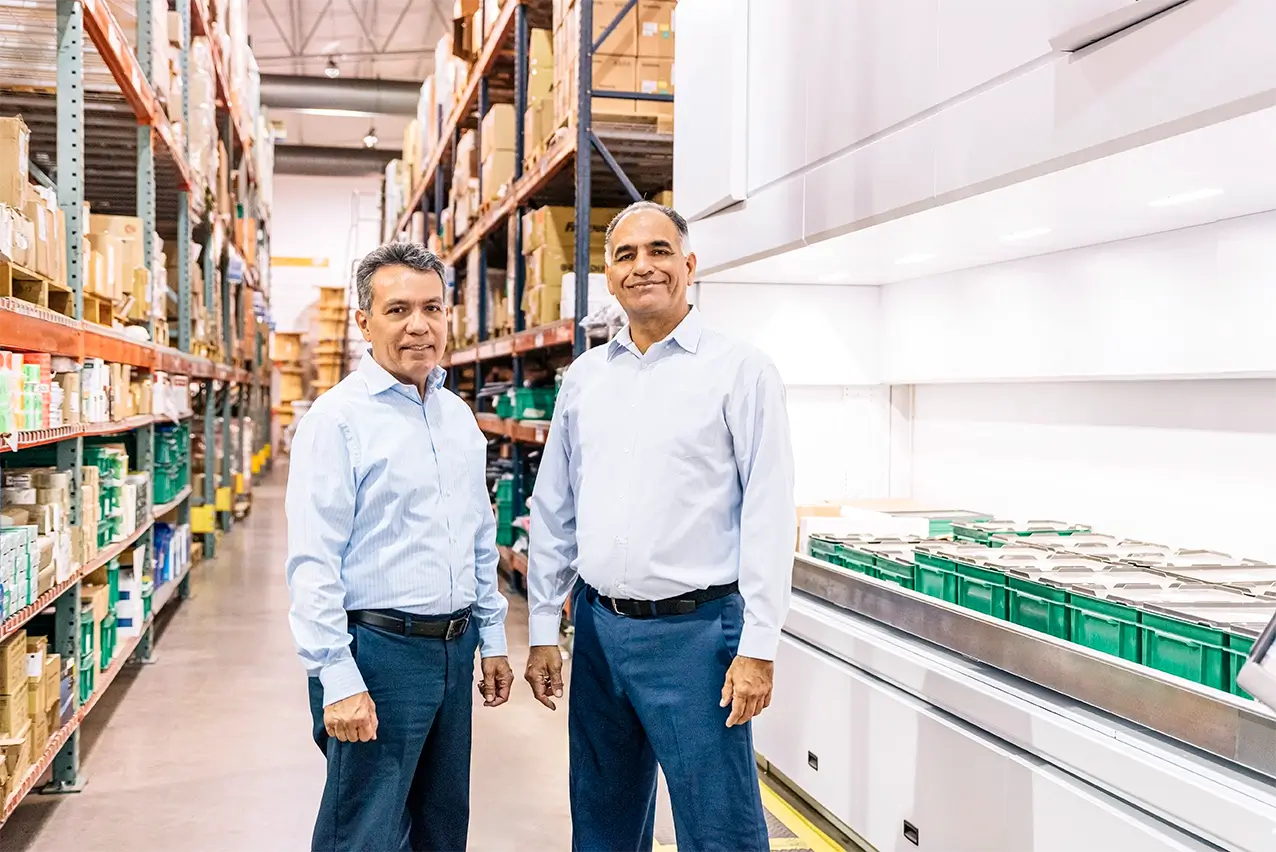
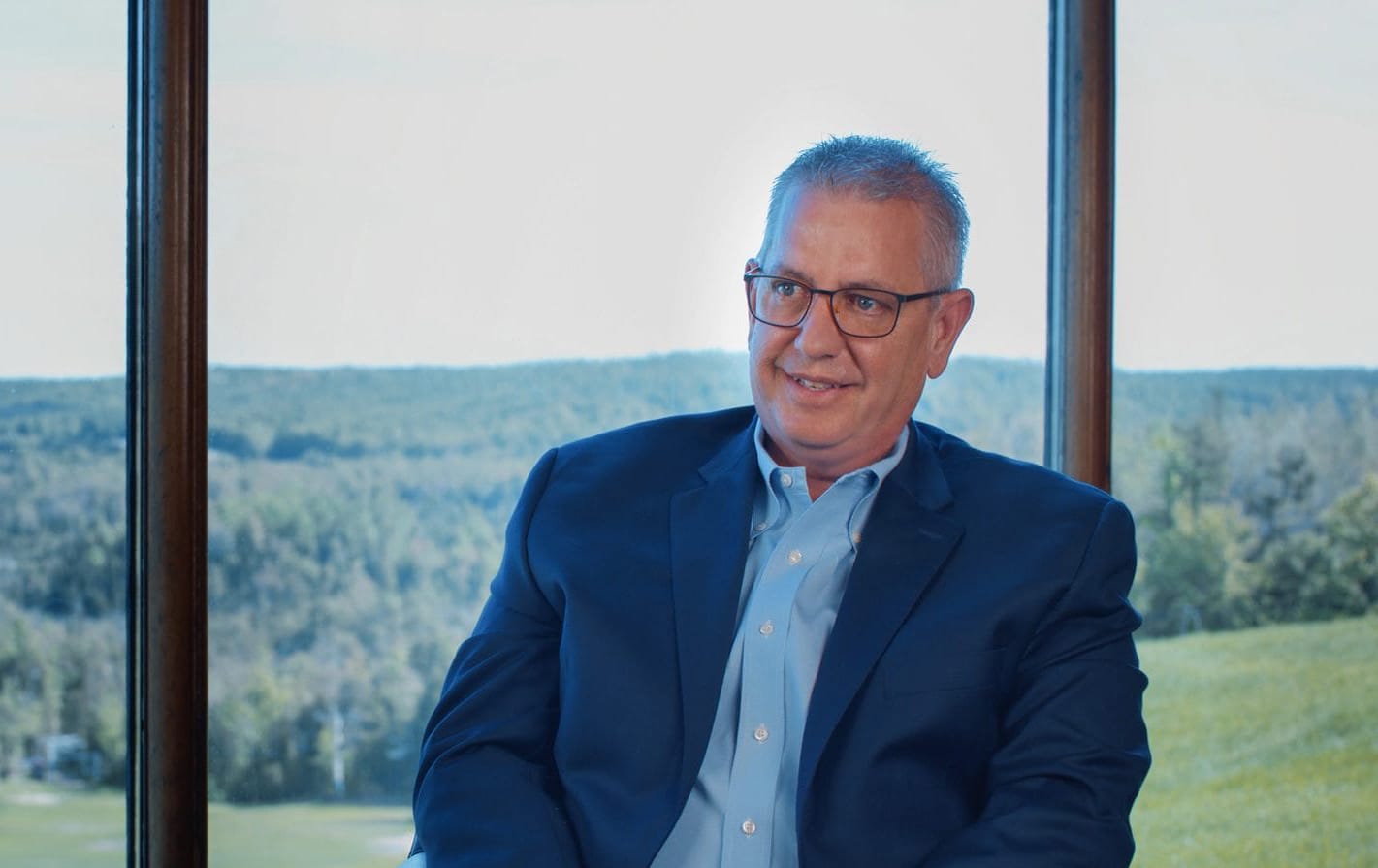
Jon Jensen has launched and relocated manufacturing operations in Mexico many times, for both public and private companies. What makes his view unusual is that he has done it two ways most executives never get to compare. He has built on Tetakawi Campuses since 2001, repeatedly. He has also run a large operation in Mexico on his own, without a shelter, carrying the full payroll, HR and compliance load himself.
Jensen has chosen the arrangement again since, knowing what the alternative costs, because he has paid it. The arrangement is simple: the company makes its product, and Tetakawi runs everything around it.
For a company entering Mexico for the first time, Jensen’s advice reduces to removing variables, not adding them. A new plant in a new country carries enough already. Tetakawi has the building ready and the recruiting under way, which means product gets made sooner instead of a team spending its first year learning to stand up a factory in a jurisdiction it does not know.
The second piece is talent, and Jensen is blunt about how easily it is misjudged. It is easy, he says, to underestimate the talent base in Mexico. Some of the best engineering work he has relied on has come out of it. The harder question is whether a plant lands where they are.
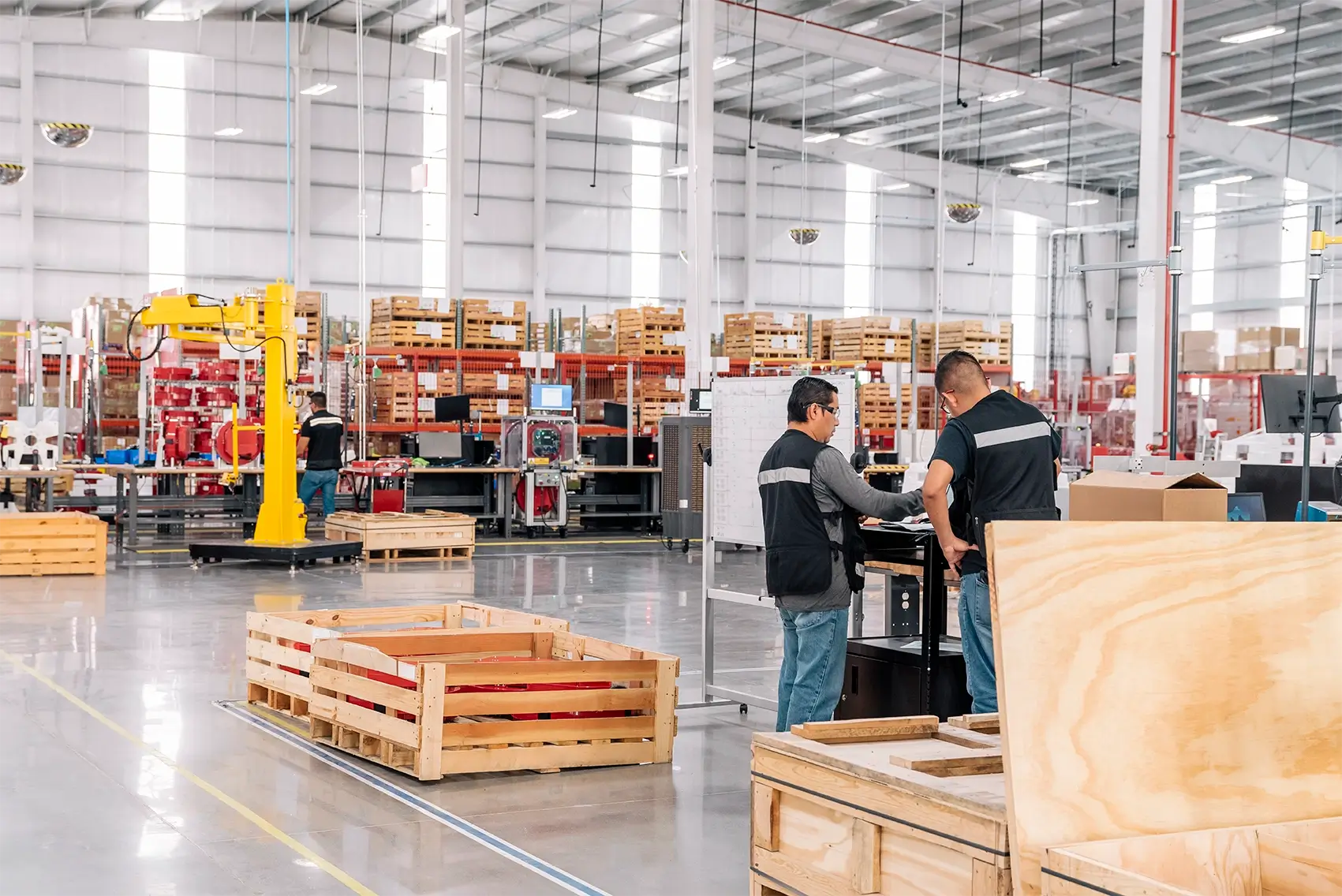
The costs that can be modeled sit above the waterline: labor, engineering, freight. Below it is everything Jensen only understood once he ran an operation without a shelter. Compliance. HR. Recruiting. The daily grind of buses, payroll, daycare and medical services for a large workforce, none of which appears on the business case and all of which has to be staffed and managed by somebody. Inside a Campus those functions are shared across the employers on it, which is why, in his experience, the shelter did not cost more than doing it alone, and in several of his plants it cost less. He puts the overhead reduction against running standalone at roughly fifteen to twenty percent.
The second half of Jensen’s experience is financial. Private equity runs against a plan and a clock, and the clock starts before the plant does. Building the infrastructure in-house burns months before the operation delivers a dollar of the thesis, and those months come out of a hold period that does not extend to accommodate them. Getting to production sooner means the plan starts paying sooner.
Scale is the other half of the argument. Doubling a business does not have to mean doubling a back office. Inside the model that administration is shared across the employers on the Campus rather than rebuilt as a second bureaucracy, which is the difference between growth that compounds returns and growth that consumes them. And because the model is process-driven, it is repeatable: add a plant, fold in an acquisition, run the same play.
What matters at sale, in Jensen’s view, is that the next owner understands what they are buying. A partner who can onboard a new sponsor and explain how the arrangement works keeps the operation legible through the transition. Because the model is process-driven, a new owner inherits a playbook rather than a set of relationships that leave with the previous team.
Jensen has been a Tetakawi client since 2001, across more than one company and more than one ownership structure. The consistency is the point. Jensen tested the alternative, at scale, and came back.
Running a plant in Mexico without a partner meant learning a legal and HR ecosystem alongside serving customers. What he describes is less a claim about cost than a claim about attention, and he makes it in his own words below.
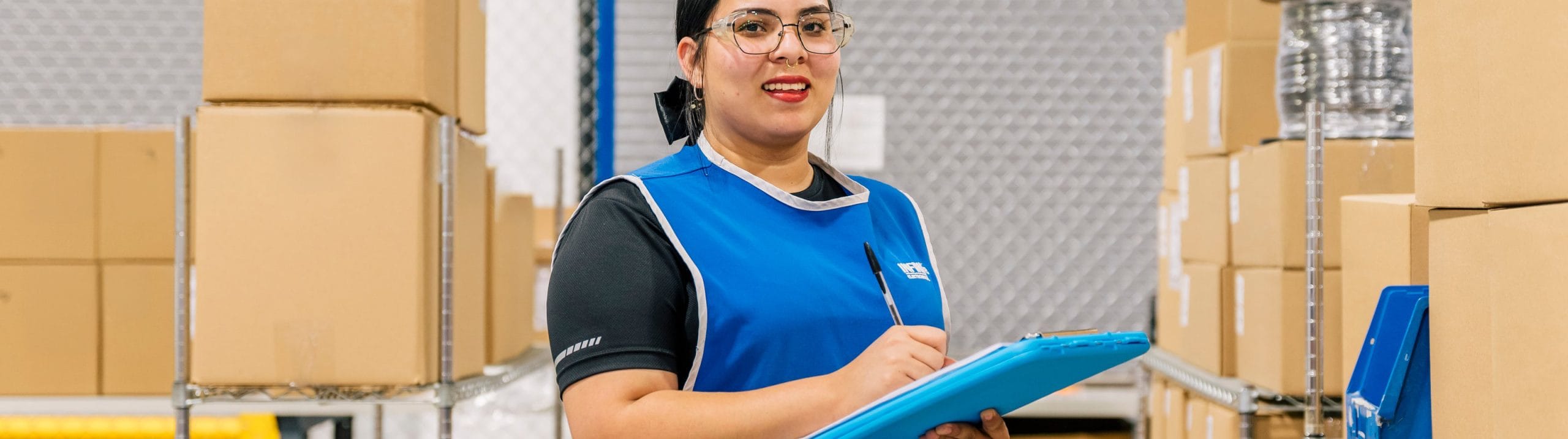
Repeat Tetakawi client since 2001
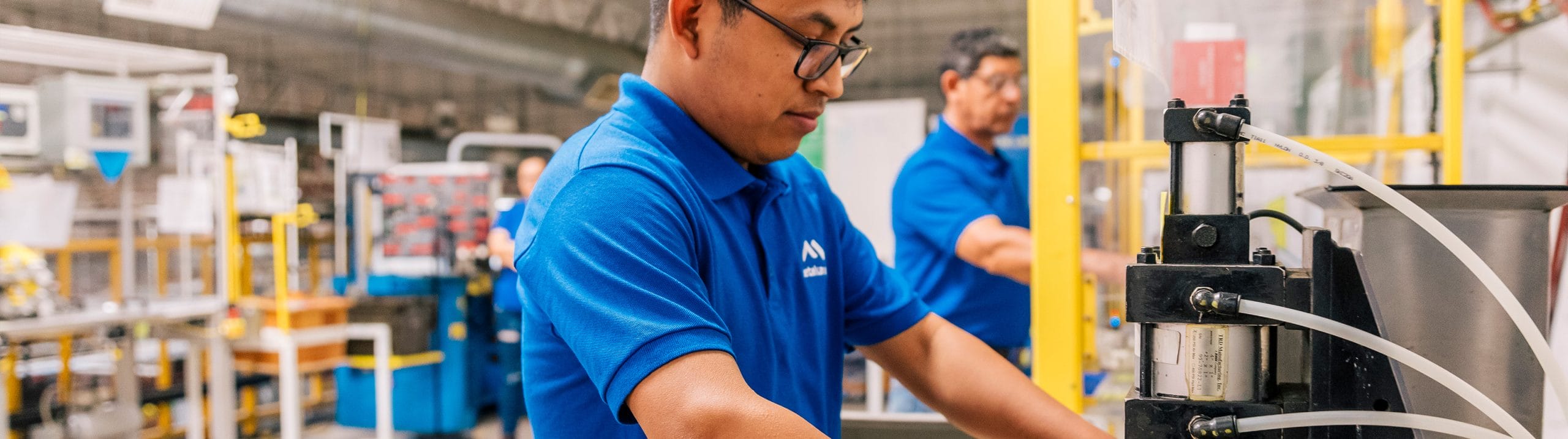
Repeat Tetakawi client since 2001
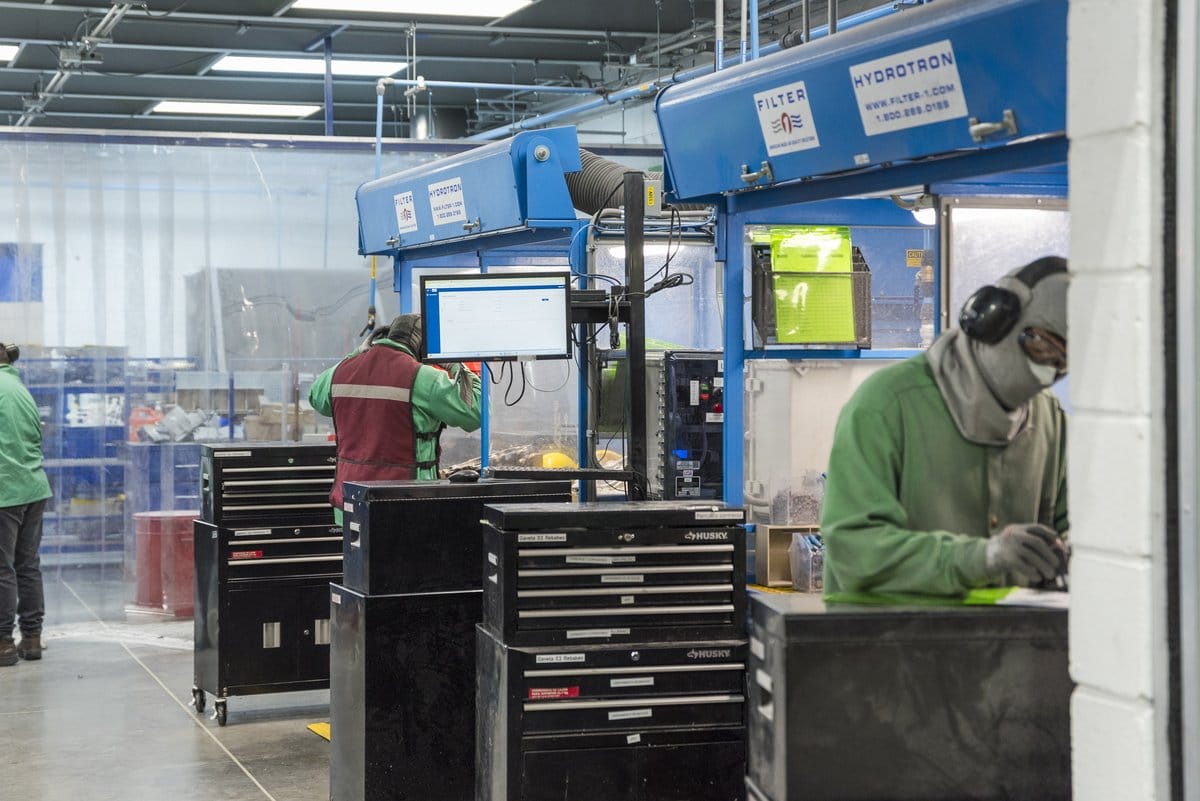
Repeat Tetakawi client since 2001
Jon Jensen is a manufacturing executive who has led operations in both public and private companies across industrial, automotive, and commercial-vehicle markets. He has launched and relocated plants in Mexico multiple times and has worked with Tetakawi since 2001.