







Manufacturing Labor Costs in Mexico: 2026 Wage Benchmarks
14 min Read
Key Takeaways
- An unskilled operator costs $5.19 an hour, fully fringed, the average starting rate across the five Tetakawi Manufacturing Campuses in October 2026.
- Every role is priced on one stated basis: the employer's cost, 18.5 pesos to the dollar, on the 46-hour week that starts in January 2027.
- Against BLS medians loaded the same way, Mexico runs 84% lower at the operator and 57% lower at the production manager.
- Tetakawi has helped companies manufacture in Mexico since 1986 and prices the same roles by Campus for the plant you are planning.
- Your role mix, shift pattern, Campus and the January wage and workweek steps move the number, and a custom analysis prices all four.
Jump to Section
Every business case for Mexico starts with one number: what an employee costs you. Manufacturing labor costs in Mexico get quoted many ways, and most of what a search returns is what a worker is paid, as a salary offer or a national average across every job in the country. Put that number in a model and every line below it inherits the error. This page gives you the cost figure for the roles a plant hires first, so you can set each one beside your own plant’s number. On that basis, an unskilled operator costs $5.19 an hour: the average starting rate across the five Tetakawi Manufacturing Campuses in October 2026.
Here is how to read the figures. Every one is an employer cost: the wage plus the benefits and contributions Mexican law requires, in dollars. Every one uses the 46-hour week that starts in January 2027, because most companies evaluating Mexico today are planning a 2027 start. Say you start sooner: then the same monthly cost spreads over 48 hours, so your hourly figure runs about 4% lower. And every one is a starting rate for a new hire. Use them to size the opportunity. When you are ready for a budget, we price your own roles, Campus by Campus, and show you the basis the same way this page does.
$5.19/hr
Unskilled operator, fully fringed
$11.17/hr
CNC machinist, fully fringed
46-hr
Week the figures are built on
How Fully Burdened Labor Costs Work in Mexico
Salary sites tell you what a worker is offered. Government series tell you the salary registered for social security, averaged across every job in the economy. A plant budgets something else: the fully fringed employer cost, also called fully burdened or fully loaded. It is the wage plus the benefits and contributions the law requires, converted to one hourly rate.
That cost runs well above the wage a worker would quote you, and the reason starts with how Mexico pays. In Mexico, pay is set and quoted in pesos per day, as a rule, not per hour as in the United States and Canada, and the daily wage is paid for all 365 days of the year, rest days and holidays included. So any hourly figure is a conversion, and before the conversion Mexican law adds two layers to the daily wage. To see them with numbers, take a plant anywhere in Mexico that pays a worker 400 pesos a day, a hypothetical figure chosen for the arithmetic.
- What Mexican law says the worker is paid
- The daily wage for every day of the year, plus the cash benefits the Federal Labor Law requires of every employer in Mexico. Aguinaldo, the year-end bonus, is at least 15 days’ pay, due by December 20, so our 400-peso plant pays a worker with a full year of service 6,000 pesos every December on top of the wage. Vacation is 12 working days once the first year of service is complete and 14 after the second, already inside the 365 paid days, with a premium of at least 25% on the pay for those days.
- What every employer in Mexico pays the government
- Social security (IMSS) across its branches, a housing contribution (INFONAVIT) of 5% of the integrated daily wage (salario base de cotización), which is the daily rate plus a daily share of aguinaldo and the vacation premium, and a state payroll tax (ISN) of about 2% to a little over 4% depending on the state. So the cash benefits in the first layer also raise the amount the contributions are charged on, up to a legal cap that only senior salaried pay reaches. On our 400-peso day, INFONAVIT alone is about 21 pesos.
From a daily wage to an hourly cost
To get an hourly figure, divide the annual cost by the hours on the schedule: on the 46-hour week, 2,392 a year by the standard 52-week payroll convention. This is the conversion a U.S. or Canadian model needs before it can compare like with like, and the denominator decides more than any other number in the model.
For example, divide the 400-peso day by an eight-hour shift and you get 50 pesos an hour. Divide the same wage, paid for 365 days, by the 2,392 scheduled hours and you get 61, because the paid rest days are not in the denominator. That is more than a fifth on the wage alone, before either layer goes on top. The two layers stack the same way, at the rates that apply to the plant. Every figure on this page already includes them: the employer’s cost with the benefits and contributions Mexican law requires, in one number you can put straight into a model.
2026 Manufacturing Labor Costs in Mexico by Role
These three tables cover manufacturing labor costs in Mexico for the roles a plant hires first: direct labor, indirect and technical positions, and salaried staff. Roles beyond them, a tool and die maker for example, get the same treatment, by Campus. The tables are labor only. Space, utilities and the Campus services are separate lines, covered in cost and workforce in Mexico. How the figures were built, and what moves them for your plant, comes right after the third table.
Direct labor roles
| Role | Avg. starting rate, fully fringed (USD/hr) | Monthly, fully fringed (USD) |
|---|---|---|
| Unskilled operator | $5.19 | $1,030 |
| Semi-skilled operator | $6.39 | $1,270 |
| CNC machine operator | $8.47 | $1,690 |
| Machinist | $8.95 | $1,780 |
| Welder | $9.02 | $1,800 |
| CNC machinist | $11.17 | $2,230 |
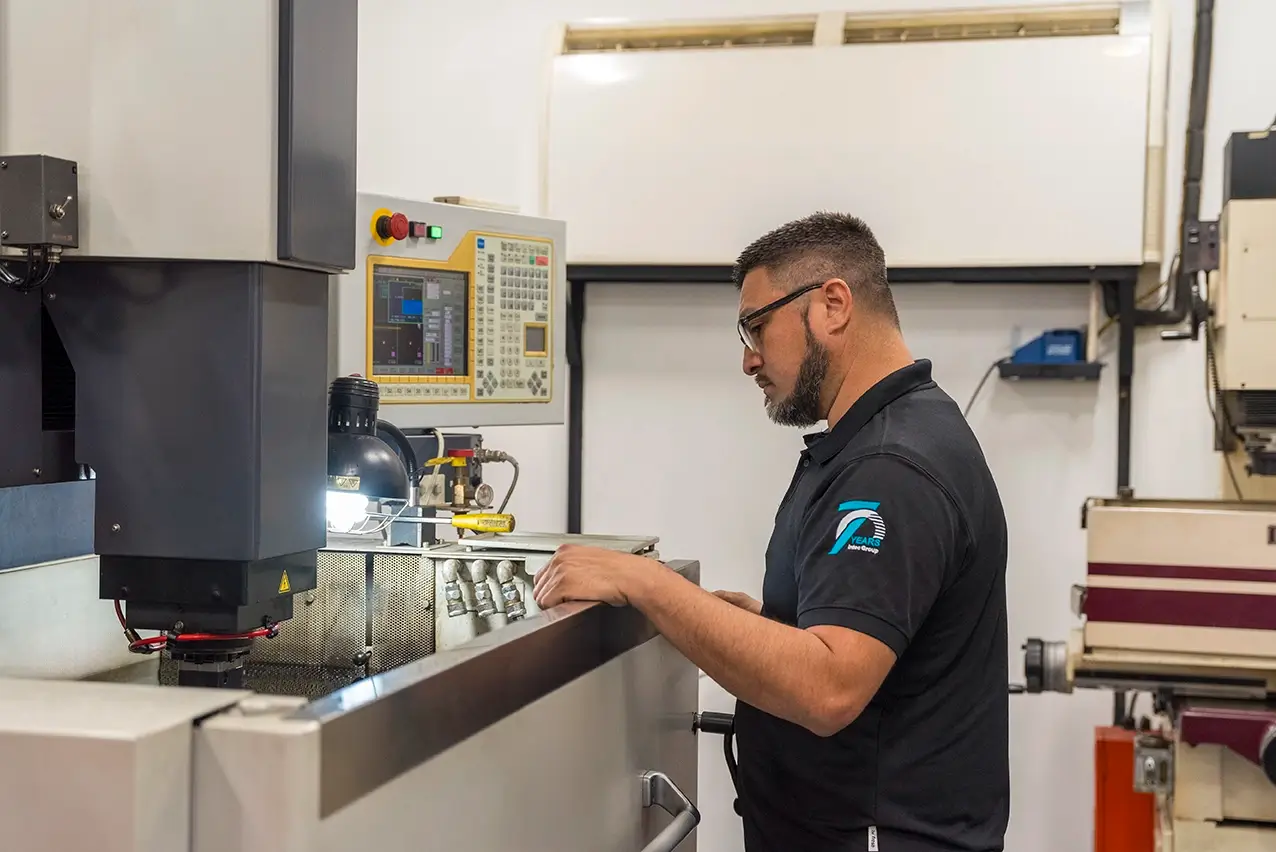
Unskilled means a new hire with no manufacturing experience. Semi-skilled means someone who has run a process before. The three machining rows belong together: a CNC machine operator runs the machine, a machinist sets it up, and a CNC machinist programs it, sets it up and troubleshoots it. The rate steps up with each skill.
Indirect and technical roles
| Role | Avg. starting rate, fully fringed (USD/hr) | Monthly, fully fringed (USD) |
|---|---|---|
| Material handler | $6.22 | $1,240 |
| Shipping and receiving | $6.59 | $1,310 |
| Quality control inspector | $7.71 | $1,540 |
| Team leader | $7.88 | $1,570 |
| Maintenance technician | $10.28 | $2,050 |
Indirect roles follow the same pricing as direct labor, as a fully fringed rate per scheduled hour. The head count for each comes from your own org chart, because the ratio of indirect to direct roles depends on your process rather than on a table.
Salaried and engineering roles
| Role | Avg. starting rate, fully fringed (USD/hr) | Monthly, fully fringed (USD) |
|---|---|---|
| Production supervisor | $12.65 | $2,520 |
| Manufacturing engineer | $18.84 | $3,760 |
| Quality control engineer | $19.94 | $3,970 |
| Production manager | $38.87 | $7,750 |
| Plant manager | $61.27 | $12,210 |
Two titles here get used loosely. In these tables, a production supervisor runs a shift or a line, and a production manager owns the plant’s output. For example, if the seat you call manager runs a small crew and reports to you, price it from the supervisor row. Salaried seats are the first to price by Campus once you have a shortlist.
How these figures were built
Average starting rate across the Tetakawi Manufacturing Campuses in Saltillo, Hermosillo, Guaymas, Empalme and Mazatlán, as of October 2026. Each Campus page carries that Campus’s own figure. Fully fringed employer cost, USD per scheduled hour, at 18.5 pesos to the dollar, on the 46-hour week that takes effect January 1, 2027; scheduled hours include paid vacation and holidays. Monthly is the hourly rate times 2,392 hours a year, divided by twelve, rounded to the nearest ten dollars. To restate the tables at another exchange rate, multiply every figure by 18.5 divided by your rate.
What moves the number for your plant
These are planning figures. They carry a first business case and a shortlist of corridors. Four things then move the number for your plant, and a custom analysis prices all four.
- Your role mix
- The gap against a U.S. cost is widest for operators and narrowest for management, so a plant heavy with salaried roles captures less of it. The comparison below shows the shape.
- Your shift pattern
- A night shift in Mexico is seven hours, and a mixed shift seven and a half, for the same daily pay as an eight-hour day shift. Overtime pays double time for the first nine overtime hours in a week and triple time for up to four more, which is the legal limit; the double-time band also widens to twelve hours by 2030. Three shifts or steady overtime price a different hour from the one in these tables.
- Your Campus
- The same role is paid differently from one Campus to the next, and the average sits between them.
- The calendar
- The figures are dated October 2026. CONASAMI, the minimum wage commission, sets the January 2027 minimum wage in December. The workweek moves on its own schedule, stepping down each January through 2030. Each step leaves the monthly cost where it is and raises the cost per hour by 4% to 5%.
Mexico vs. U.S. Manufacturing Labor Costs
A comparison only works when both sides are measured the same way, so we built the U.S. column to match. Each figure is the BLS median hourly wage for the matching occupation (OEWS, May 2025: assemblers and fabricators, machinists, industrial engineers, industrial production managers), multiplied by 1.496, the manufacturing ratio of total compensation to wages in the BLS Employer Costs for Employee Compensation for June 2026. That ratio covers health insurance, retirement, Social Security and paid leave, so both columns are an employer cost rather than a wage. Keep one difference in view as you read: the U.S. column is the median for everyone in the occupation, and the Mexican column is a starting rate.
| Role | Mexico, avg. starting rate, fully fringed (USD/hr) | U.S. equivalent, fully loaded (USD/hr) | Mexico is lower by |
|---|---|---|---|
| Unskilled operator | $5.19 | $32.12 | 84% |
| CNC machinist | $11.17 | $42.25 | 74% |
| Manufacturing engineer | $18.84 | $73.68 | 74% |
| Production manager | $38.87 | $90.67 | 57% |
The gap is widest for operators and narrows as the role becomes globally mobile. Move assembly and keep engineering in the United States, and you capture most of the table. Move a management-heavy process, and you capture less of it. The role-by-role analysis is in Average Labor Costs in Mexico vs. United States.
Manufacturing Wages by Region in Mexico
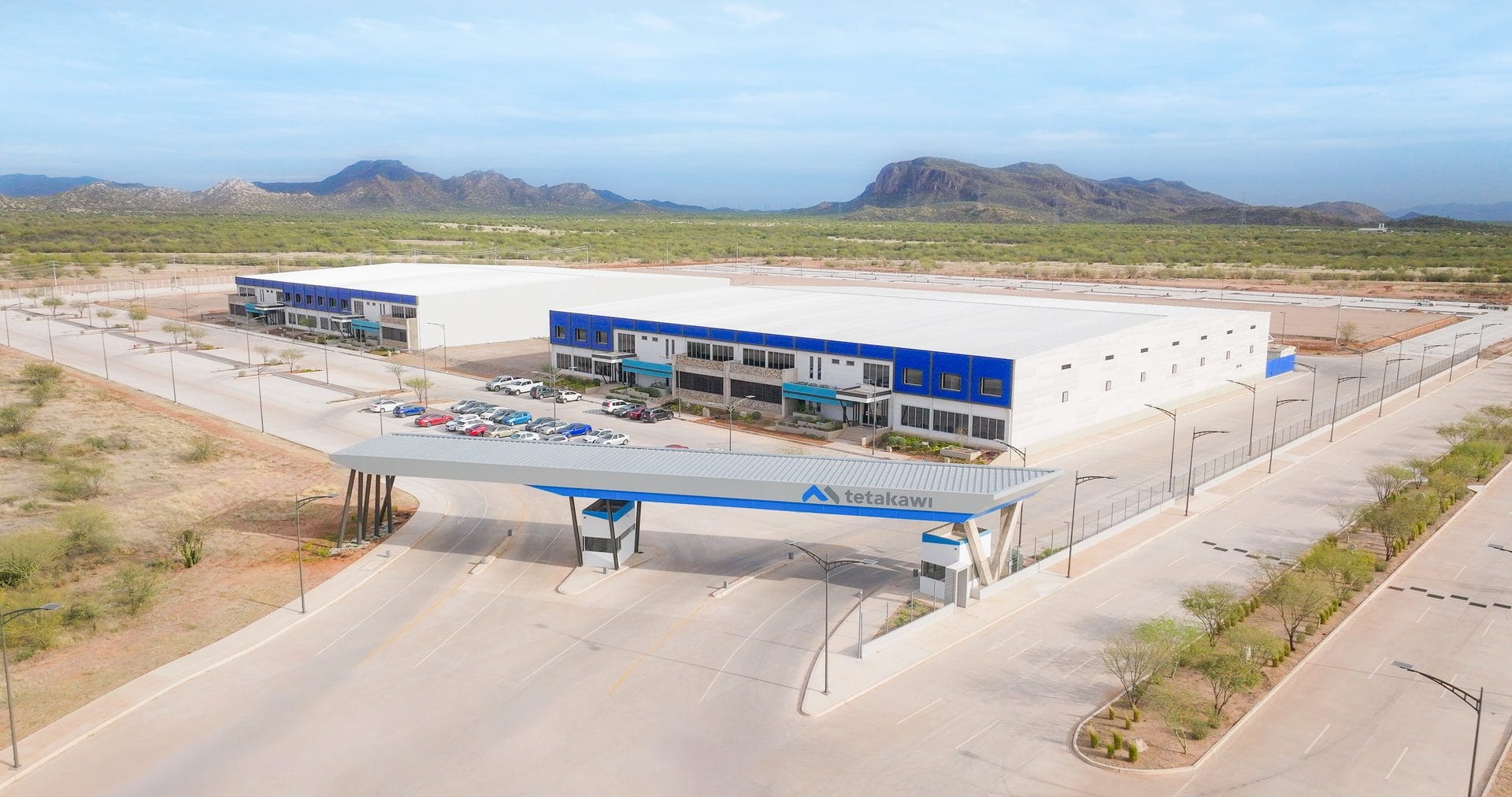
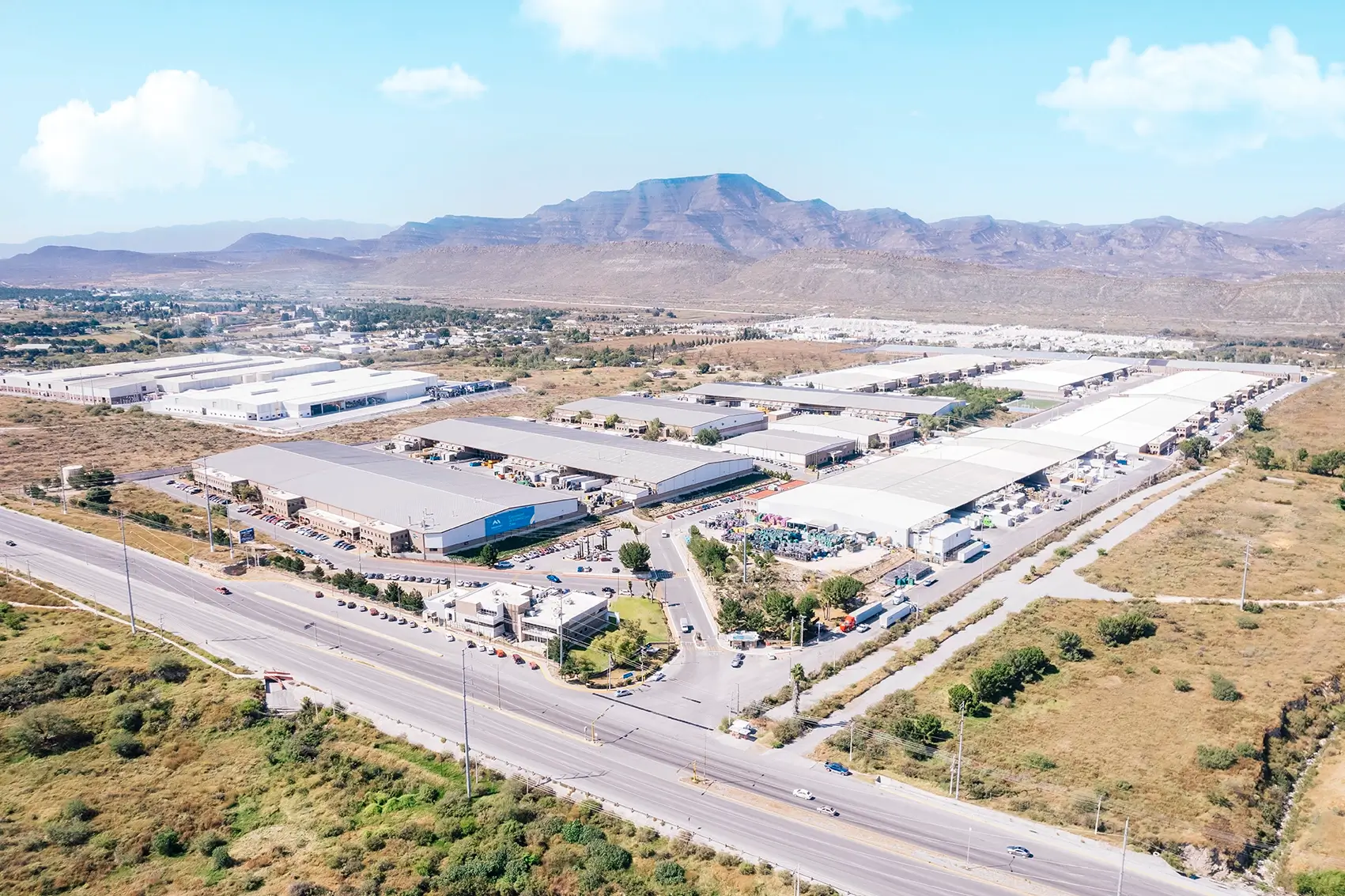
Manufacturing labor costs in Mexico vary by region, because Mexico is several labor markets, and the border is the most expensive. Its minimum wage runs 40% above the general zone, and hundreds of IMMEX export plants in Tijuana and Ciudad Juárez set the going rate. Monterrey carries its own premium as a corporate and large-employer market. The Tetakawi Campuses sit in Coahuila, Sonora and Sinaloa, in the general minimum wage zone, outside both the border premium and the Monterrey market. That is what the averages on this page reflect.
Skill moves the rate too. A CNC machinist who can program commands one rate in a corridor where the trade is established and another where it is new. So the real question is which corridor can staff your process mix at a rate that holds through a second shift. Each Campus page carries that location’s own figures and workforce: Zapa in Saltillo, Rio Sonora in Hermosillo, Roca Fuerte in Guaymas, Bella Vista in Empalme and Mazatlán.
Mexico’s 2026 Minimum Wage and the 40-Hour Workweek
Wherever you land, two rules move every figure on this page, and both change in January. The first is the minimum wage. CONASAMI set the 2026 minimum wage at 315.04 pesos a day in the general zone and 440.87 in the northern border free zone. It has raised the general-zone floor by double digits every January since 2019. Manufacturing pays above the floor, so each increase reaches your payroll indirectly, through the starting rates it pulls up. The year-by-year table is in Minimum Wage in Mexico 2026: Rates and Impact on Manufacturing.
The second is the workweek. A constitutional reform published March 3, 2026 cuts the standard week from 48 to 40 hours at no reduction in pay, two hours each January from 2027 to 2030. Because pay is daily, the same wage buys fewer hours each year, and the cost per hour rises unless productivity or shift design absorbs it. The figures on this page are already on the 2027 week; a multi-year model should include the next three steps.
How to Use These Benchmarks in Your Labor Cost Planning
These averages do a different job at each stage of the decision.
- Feasibility
- Use them as they stand. Put the four comparison roles beside your current plant’s fully loaded cost, on the basis stated on both sides, and you will know whether the case is worth taking further.
- Shortlisting
- Pull your first-year roles from your own org chart rather than a template, and price the list at the average. The role mix moves the total more than any single rate, and it is the list we price by Campus at the next stage.
- Site selection
- Now you need more than an average. Ask for each Campus separately, on your shift pattern, with your head count by role. That is a custom analysis, and it is where we come in. It prices labor; what the Campus services cost has its own page.
More on Manufacturing Labor Costs in Mexico
This page holds the figures. The questions around them each have a page of their own: how a daily wage becomes an hourly employer cost, what the average wage in Mexico means and why it differs from an employer cost, the role-by-role comparison with the United States, the minimum wage and its January steps, and Mexico against China, the other comparison a board will ask about.
The Bottom Line
In short, these tables give you manufacturing labor costs in Mexico you can defend in front of a board: an unskilled operator at $5.19 an hour, fully fringed, the average starting rate across five Campuses outside the border premium, with the roles around it on the same basis. The Campus services sit on their own line. The next step is a figure for your own plant. Tetakawi has helped companies manufacture in Mexico since 1986, and today 60+ manufacturers employ 22,000+ people on its Campuses. A custom analysis prices your roles, on your shift pattern, Campus by Campus.
Frequently Asked Questions
What does “fully fringed employer cost” mean for manufacturing wages in Mexico?
It is the employer’s cost of a worker in a role, in one hourly rate: the wage, with the benefits and contributions Mexican law requires on top of it. For manufacturing labor costs in Mexico, it is the figure a cost model needs. The salary a worker is offered, or the average a government series reports, is a smaller number that measures something else.
What is a realistic employer cost for an unskilled manufacturing operator in Mexico?
The average starting rate for an unskilled operator is $5.19 an hour, fully fringed, across the five Tetakawi Manufacturing Campuses in October 2026, on the 46-hour week. That is about $1,030 a month and about $12,400 a year. A semi-skilled operator averages $6.39 an hour.
What are typical fully loaded employer costs for welders and CNC machinists in Mexico?
A welder averages $9.02 an hour and a CNC machinist $11.17, fully fringed, the average starting rate across the Tetakawi Campuses in October 2026. A CNC machine operator, who runs the machine but does not program it, averages $8.47.
How much does it cost to employ a maintenance technician in Mexico?
A maintenance technician averages $10.28 an hour, fully fringed, or about $2,050 a month, across the Tetakawi Campuses in October 2026.
What is the typical employer cost for a production supervisor or manufacturing engineer in Mexico?
A production supervisor averages $12.65 an hour, or about $2,520 a month, and a manufacturing engineer $18.84 an hour, or about $3,760 a month, fully fringed, across the Tetakawi Campuses in October 2026. Salaried seats are the ones to price by Campus first, once you have a shortlist.
How do these benchmarks become a site decision or a plant-level budget?
They are planning figures: an average across five Campuses, at one exchange rate, on the 2027 workweek, for a starting hire. A site decision or a budget takes each Campus separately, your shift pattern and your head count by role, which is what a custom analysis returns.
From these numbers to your deck
The figures above size the case. The deck needs your own roles, your shift pattern, your start date and a Campus, because each one moves the number. Send them over and we return a figure for every role, with the basis stated the way this page states it.
For the model itself
Get the figures for your roles, by Campus
Send us the roles and head count for your first year. We will return the fully fringed employer cost of each role, by Campus, with its basis stated, laid out so your team can set them beside your own numbers.
Subscribe to stay up to date with our latest insights