The data center supply chain runs through the plants that build what goes inside: switchgear, power distribution, cooling equipment and the cable that connects it all. Data center construction is pulling hard on every one of them.
What holds a plant back differs from one company to the next. For some it’s parts, like breakers, copper or electrical steel. For some it’s engineering or test capacity. And for others it’s people: enough welders, wirers and assemblers to turn orders into shipments.
If you’re in that last group, the next piece of capacity could be a plant of your own in Mexico. It adds to what you have, and it can start small.
What the incentive offers still leave to you
States and provinces are competing hard for the plants that feed the data center supply chain. In eight weeks between July and September 2026, seven makers of transformers, switchgear, enclosures and cable announced U.S. factory projects worth more than $1.8 billion. Hitachi Energy, Siemens, Eaton and GE Vernova were among them. Mississippi backed one of them with tax incentives, site work and workforce support. Earlier in the year, Ontario put provincial money behind a switchgear maker’s expansion.
Those offers are real, and they can cover land, tax relief and training. For some of what you build, a plant at home is the right answer. But the hiring and the production ramp are still yours to run. Altogether, those seven projects are expected to add close to 4,000 jobs as they ramp. They will hire in a market where U.S. manufacturers had about 584,000 open jobs at the end of September 2026, up from about 389,000 a year earlier.
The people who advise on these decisions put labor first. In Area Development’s 2026 survey of site selection consultants, every respondent rated the availability of skilled labor as important or very important.
Meanwhile, Mexico’s labor force is still growing. It added about 612,000 people in the year to mid-2026. A national number doesn’t staff your plant, though. That’s the part a Campus is set up to handle.
What you step into on a Campus
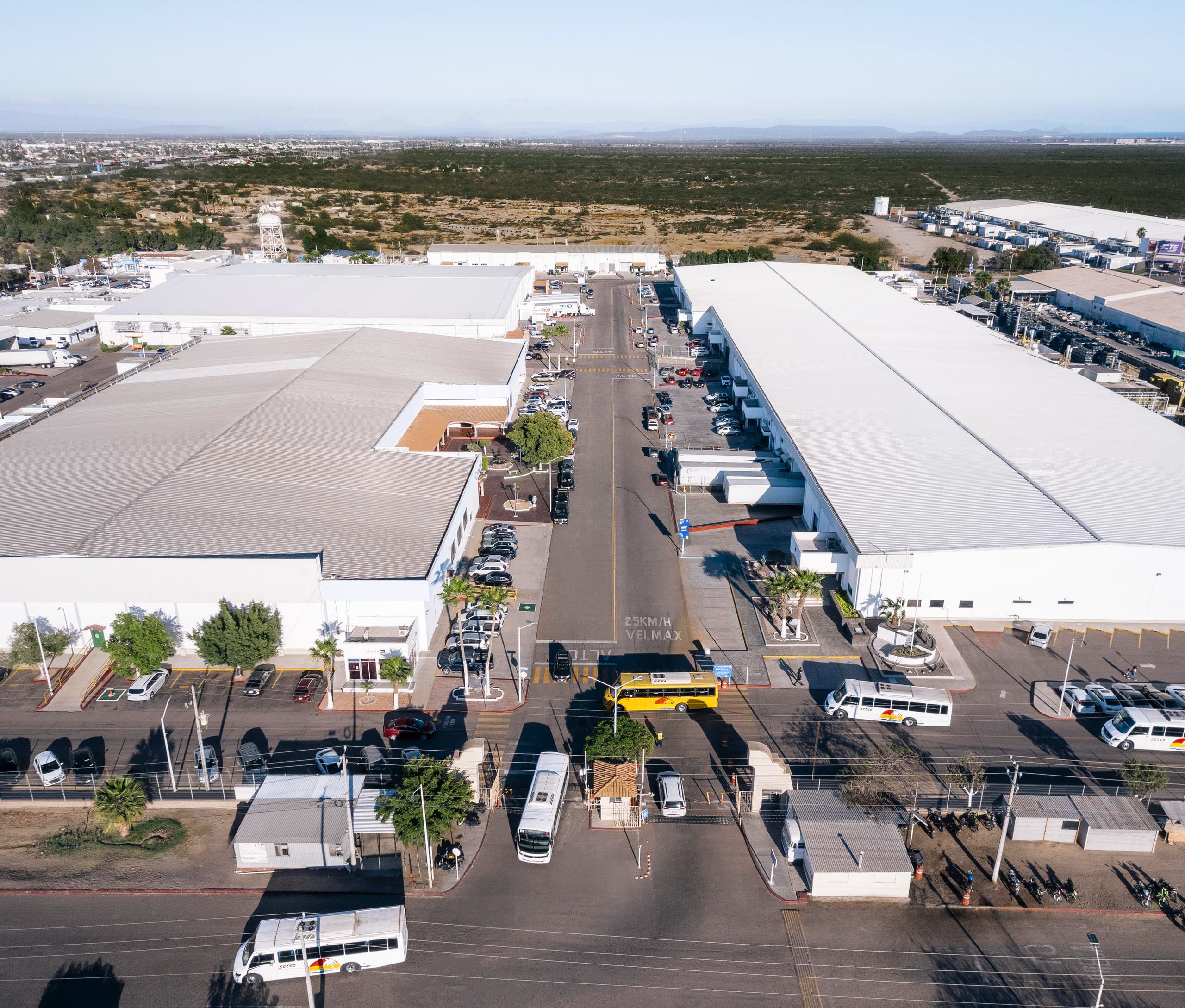
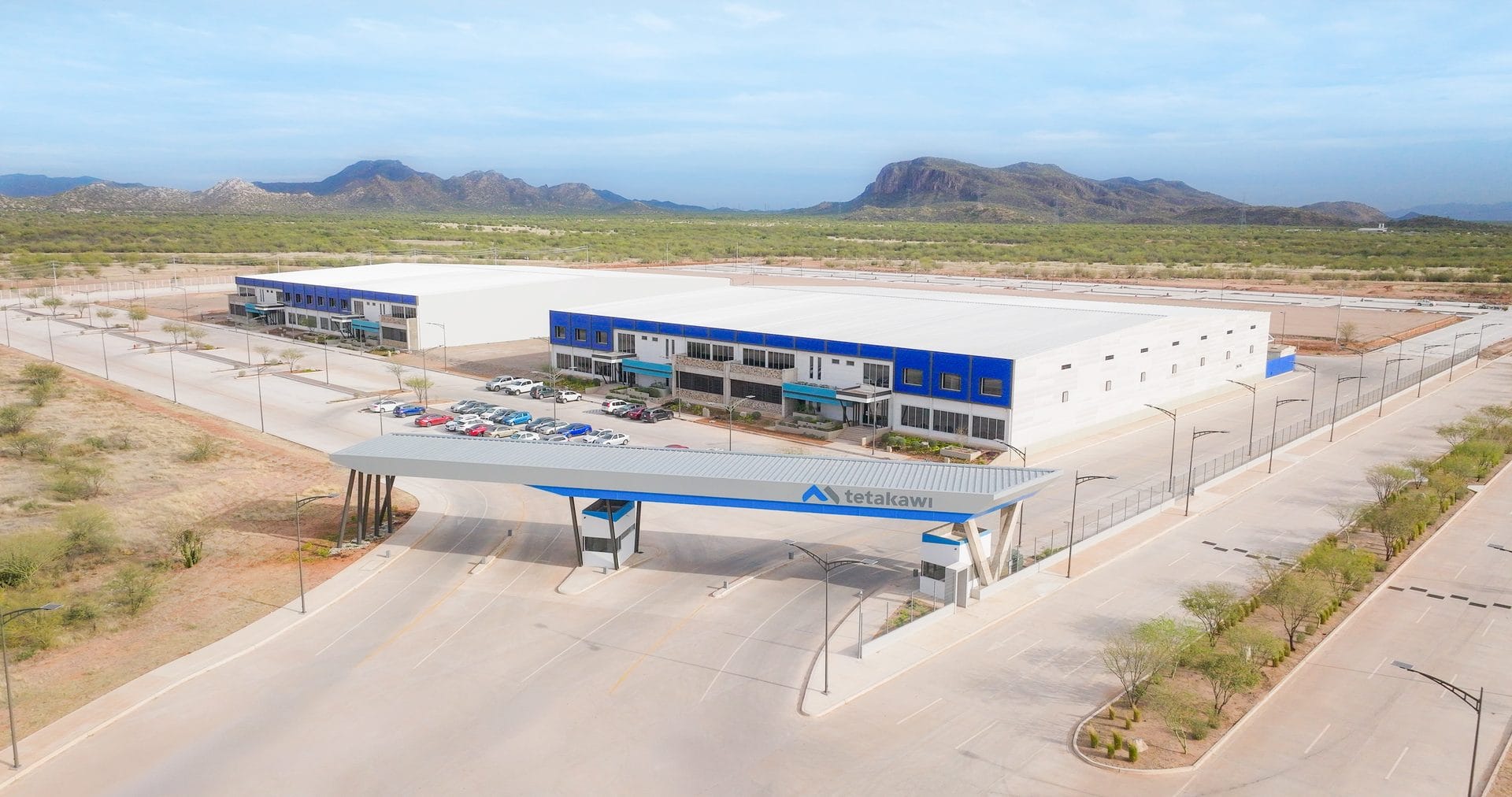
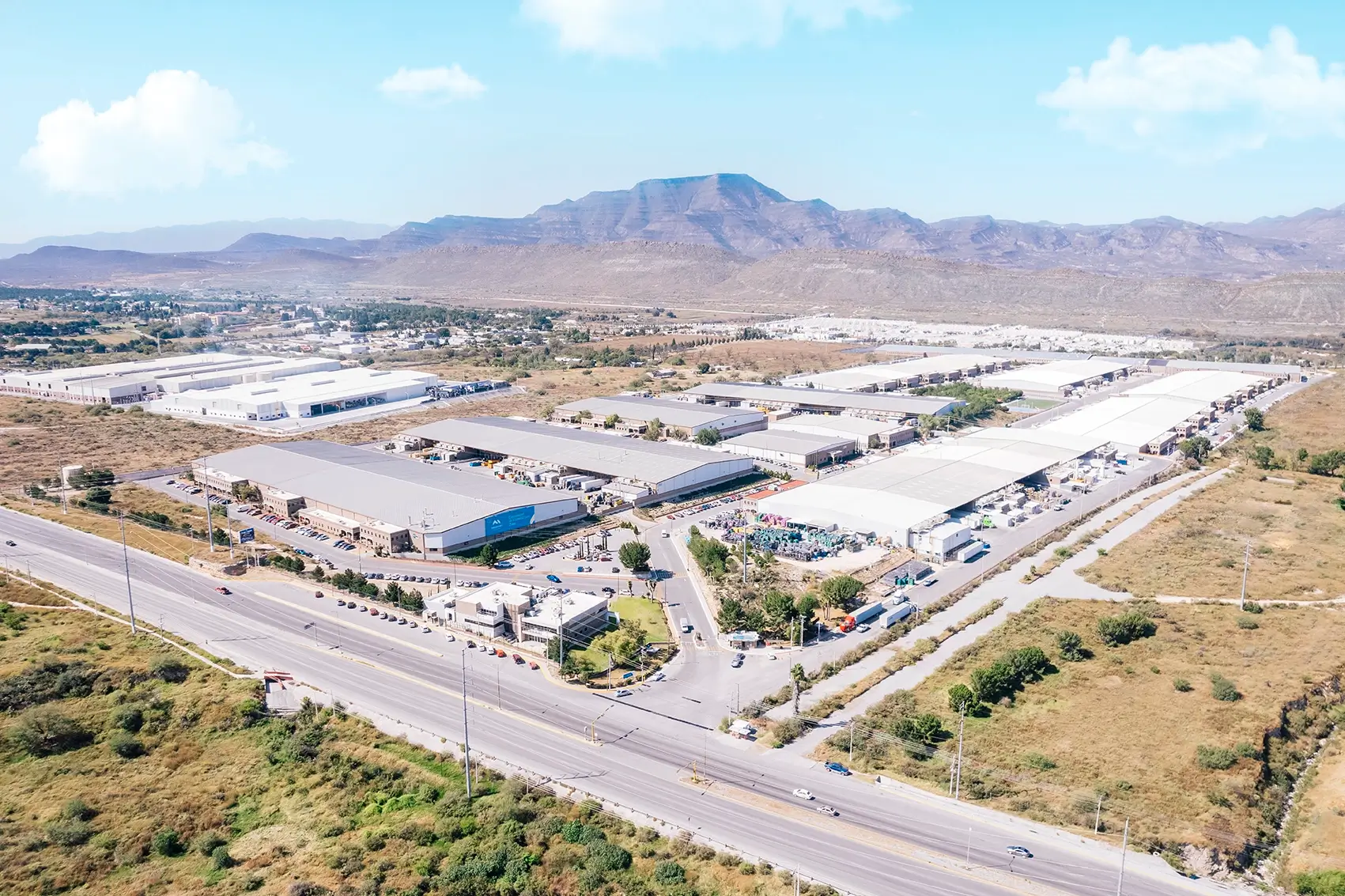
Tetakawi has helped manufacturers launch, operate and grow their own factories in Mexico since 1986. Today we run five Manufacturing Campuses, in Sonora, Coahuila and Sinaloa. Electronics manufacturing in Mexico has been part of them from early on: TE Connectivity has operated on a Campus since 1989.
A Campus adds established industrial space, shared infrastructure and an on-site support organization. You run your own plant. We provide the building, recruit and employ the people, and handle everything around it.
60+
manufacturers
22K+
employees in client operations
6.5M+
square feet developed and managed
You can start small
It doesn’t have to be another full-size plant. Instead, start with one line and a small crew, and grow it as orders hold. You see what the building and the agreement commit you to before you decide. It is in the business case we build with you. BAE Systems opened a wire-and-harness shop on a Campus in 2001. Today it runs three buildings there, with around 800 people.
The recruiting is already running
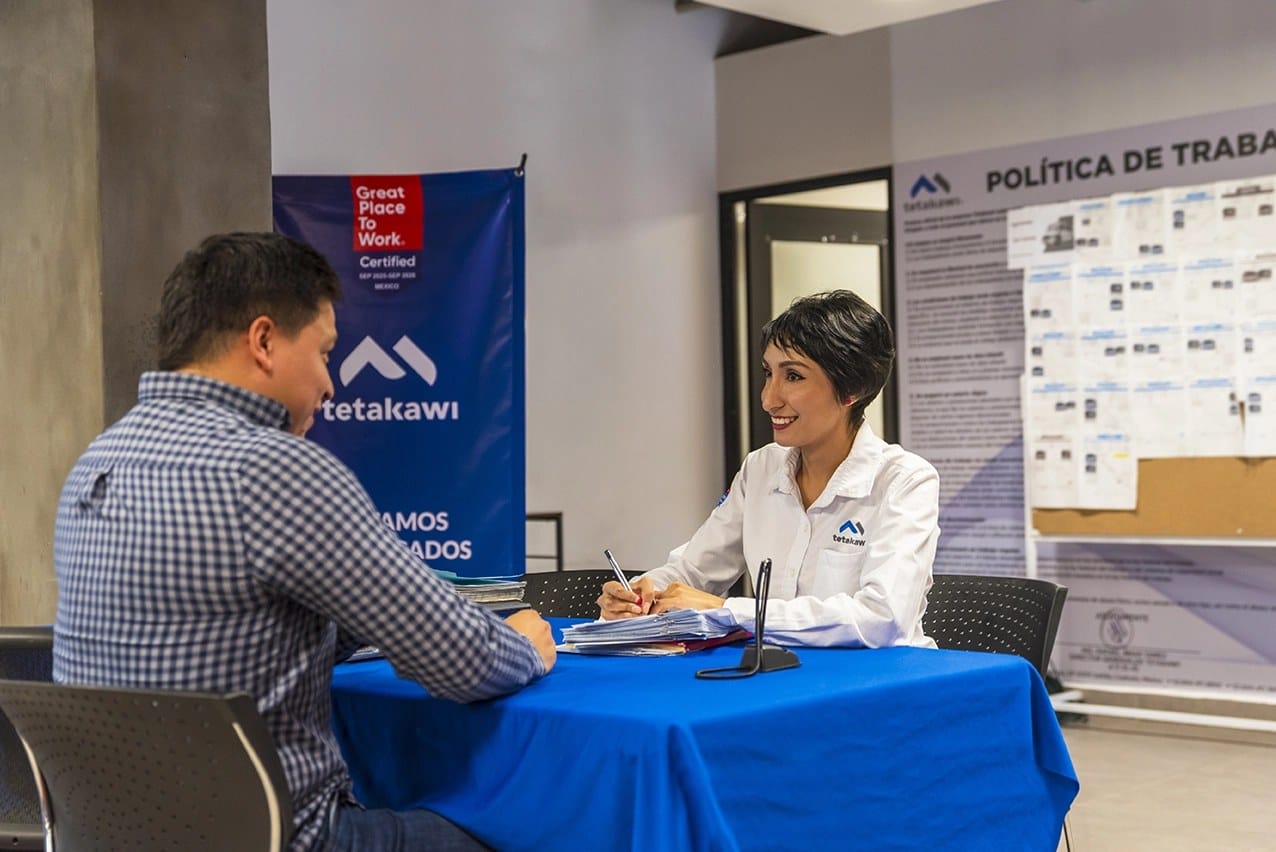
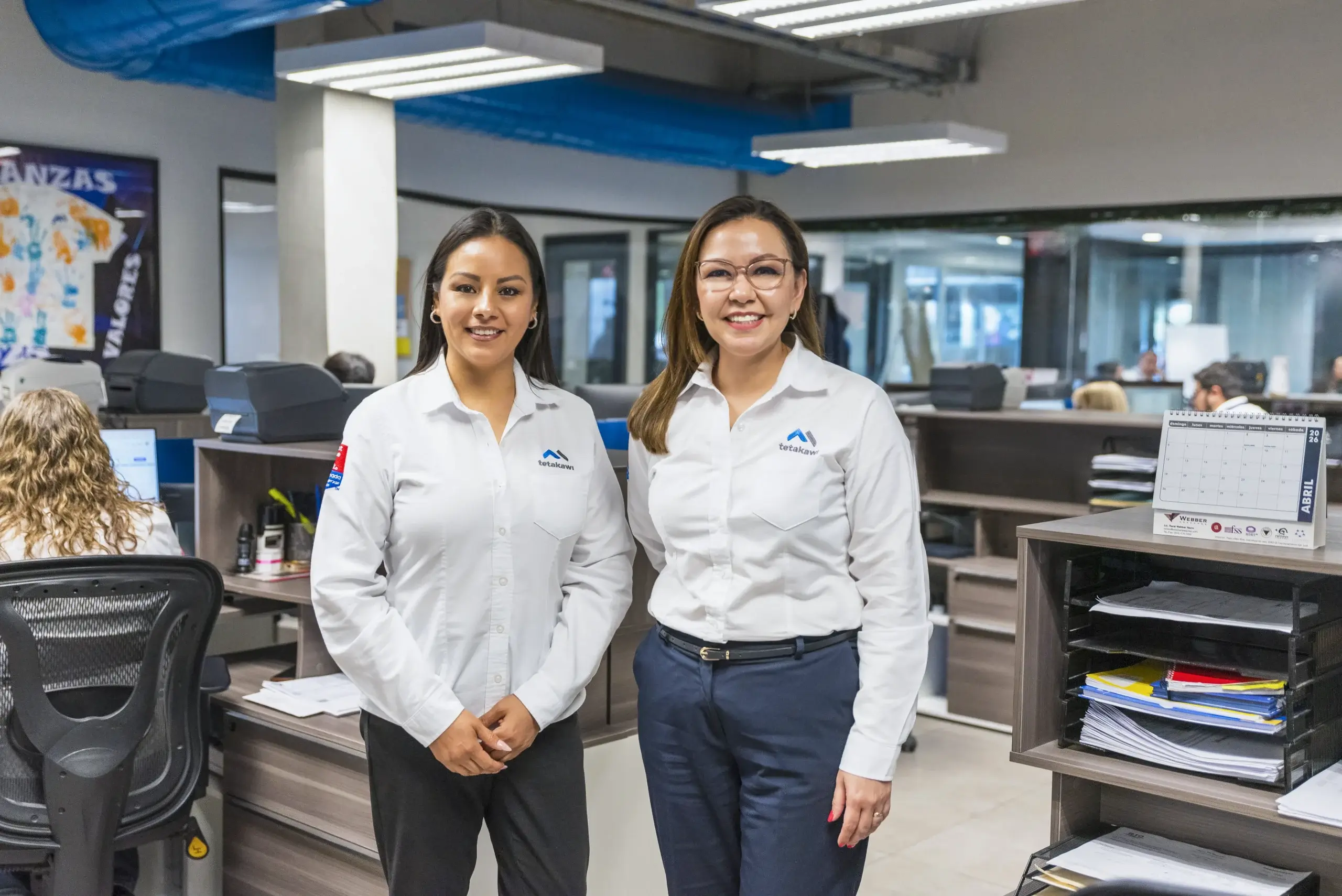
Tetakawi has been hiring around its Campuses for years, so the recruiters and the candidate pool are working before you arrive. We run the buses that bring people to work and keep an HR team on site, with a coordinator inside your plant as you grow. You interview the candidates, choose who joins and train them on your process. “Tetakawi does a great job with recruiting,” says Brian Berich, Director of Operations at BAE Systems, “whether it’s hourly workers or whether it’s specific workers that we need with specific skills.”
It stays your factory
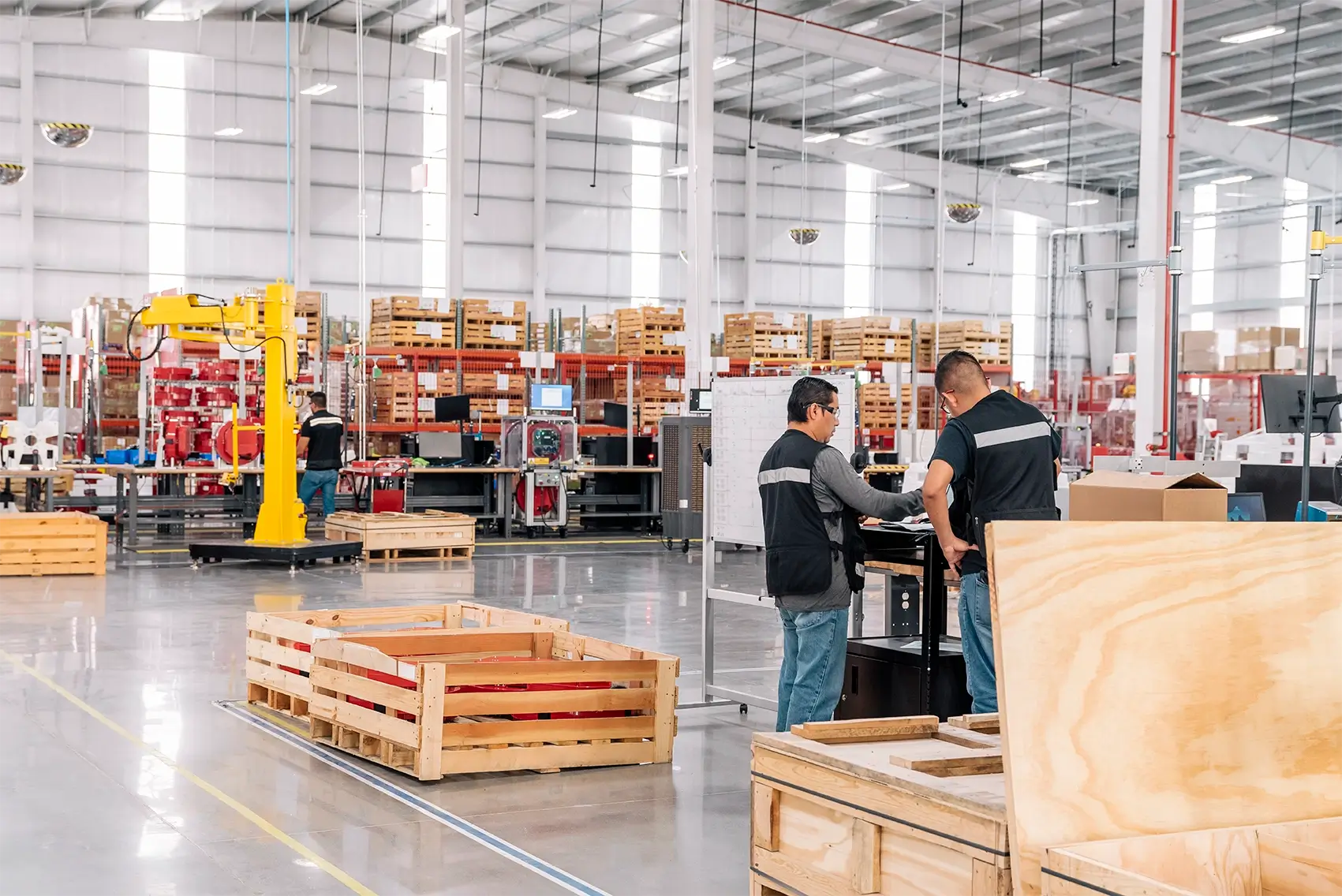
You control production, process and quality. Tetakawi is not a contract manufacturer. Your managers direct the work, and your equipment and your process stay yours.
The Mexican side is in place
You operate under one of Tetakawi’s Mexican entities, which already holds its import and export registrations. The Campus has its site and building permits, and Tetakawi files and renews the environmental permits. What your own process adds, a paint line for one, we identify with you at the start.
With the building standing and recruiting running, the calendar is short. On an established Campus, a well-prepared operation can be shipping finished product in as little as thirty days when everything goes smoothly. In Tetakawi’s experience, three to six months is more typical. Your installation, staffing, validation and approvals shape the schedule, and we map that calendar with you. A standalone start, with your own Mexican company, takes eight to eighteen months.
How it compares with your other options
Each option fits some of your work. The question is which work belongs where.
| Question | More capacity at home | Contract manufacturer | A plant of your own on a Tetakawi Campus |
|---|---|---|---|
| Who finds the people | You do, wherever you add capacity | They do, for their own plant | Tetakawi recruits. You choose and direct |
| Who controls production and quality | You | They build to your specification | You |
| What it can look like | Another shift, more space in a building you have, or a new site | A supply agreement, at small or large volume | One line and a small crew to start, in a building on the Campus |
| What sets the calendar | The site, the building and how fast you can hire | Their open capacity, and your qualification of them | As little as thirty days to ship finished product for a well-prepared operation on an established Campus when everything goes smoothly. Three to six months is more typical |
| Where it fits best | Final assembly, testing, work that has to stay near engineering | Work you are willing to have someone else build | Stable, labor-heavy work you want to keep in-house |
Where USMCA stands
As of November 2026, USMCA is in force. At the first joint review on July 1, the United States did not agree to extend it, so under the agreement’s own terms the three countries now review it every year. It is scheduled to expire on July 1, 2036 unless they extend it.
A product of Mexico that is properly entered under USMCA preference pays no ordinary U.S. import duty. Building it in Mexico does not qualify it by itself. Instead, it has to meet the agreement’s rule of origin for that product. For data center equipment like yours, though, the part to watch is metal. USMCA does not eliminate every Section 232 duty. Those are separate U.S. tariffs on steel, aluminum and copper, and on listed products made from them, and a product’s metal content alone does not determine the rate.
So treat it as a question about your product. Before you choose a site, have your trade counsel classify it and work out the landed cost. Our guides to Mexico tariffs in 2026 and the USMCA review go into the detail.
In the usual arrangement, in Mexico, Tetakawi is the importer and exporter of record; entering the United States, your company is.
Where this gets complicated
An additional plant is a real project, even a small one. Here is what to plan for.
First, it takes time. Three to six months is typical, so don’t count on the thirty-day case to rescue a delivery that’s due next quarter. And if you’re already opening a plant at home, make sure your team can carry another launch.
It also takes your people. You’ll need a plant manager and a launch team who know your process, because the factory is yours to run and Tetakawi does not build your product. Your process training stays yours too, so plan time to train and qualify your crew.
Approvals and permits
The new location also needs the approvals your product requires. For UL-listed equipment, tell UL before you add the manufacturing location. UL requires an initial production inspection at the new facility, and a review before the new manufacturer can apply the UL Mark. In addition, your customers may need to approve the site.
Some processes bring permits of their own, and a paint line is one. Put that step on the schedule from the start, because the authority sets its timing.
What it won’t fix, and what should stay home
It doesn’t fix a parts shortage in the data center supply chain, either. More hands won’t change what you can’t buy.
Finally, some work should stay where it is. If Made in America is part of what you sell, or a contract requires it, build that product at home. To label a product Made in USA without qualification, FTC rules require that final assembly or processing and all significant processing happen in the United States, and that all or virtually all of its components are made and sourced there. Confirm with counsel which steps and components have to stay domestic before you move any of them.
The work that tends to fit is the labor-heavy step, such as metal fabrication, weld and paint, wiring or cable assembly, feeding the plants you already have. Those steps are also where the metal tariffs and process permits come in, so check both before you choose.
Where to start
Wherever you sit in the data center supply chain, start with one question: where do overtime and open requisitions run highest in your plants? If the answer is parts, engineering or test capacity, work on that first, because more production workers won’t solve it. If the answer is people, look for the step that is labor-heavy, stable and well documented.
Then talk to us. Whether Mexico is near-term, longer-term or something you’re still weighing, we’re happy to have an informal conversation, learn about the operation you are planning and share some high-level cost information. If you’d rather start on your own, our guide to cost and workforce in Mexico is a good first look.
Is hiring holding back your production?
Tell us about the operation you are planning: the process, a rough headcount and the timing. We’ll share high-level cost information and what a plant of your own on a Campus would look like.
This article is general information for planning a Mexico operation. It is not legal, tax or financial advice, and it does not describe or change the terms of any agreement with Tetakawi.
Common questions from data center equipment makers
Do we have to move production out of our U.S. plants?
No. A plant on a Campus adds to what you already run. It can start small, and your U.S. plants keep the work that belongs there.
Is a plant on a Manufacturing Campus contract manufacturing?
No. The operation, the equipment, the process and the product are yours. Your managers direct the work and set the quality standard. Tetakawi runs what surrounds the factory: the building, the workforce administration, the import and export operation and the permits.
How fast can we launch on a Manufacturing Campus?
As little as thirty days for a well-prepared operation on an established Campus when everything goes smoothly, and three to six months more typically. Both are measured to shipping finished product, in Tetakawi’s experience. Your installation, staffing, validation and approvals shape the schedule. A standalone start, with your own Mexican company, takes eight to eighteen months.
Does equipment built in Mexico enter the United States duty free?
It depends on the product. As of November 2026, a product of Mexico that qualifies and is properly entered under USMCA preference pays no ordinary U.S. import duty. USMCA does not eliminate every Section 232 duty on steel, aluminum and copper products, and other duties can apply to goods that don’t enter under the agreement. Your trade counsel can tell you where your product falls.
Who employs the people in a plant on a Manufacturing Campus?
Tetakawi does, as the employer of record. You define the roles and the hiring plan, select from the candidates presented, set the standards, and direct and supervise the work.