Our Story
Learn our story, leadership, and mission shaping manufacturing in Mexico.

Searching for contract manufacturing in Mexico usually means you want the product without building an operation. On a Manufacturing Campus you get the operation without assembling it: you keep production, quality and your IP, and Tetakawi runs the environment around the line. Contract manufacturing is still the right answer for some volumes, and we will say so.
Under contract manufacturing, another company’s schedule decides when your parts run, and a unit price is most of what you see of the cost. The process improvements, the trained operators and the quality system stay with the manufacturer.

Comparison
Compare production control, process visibility, what each path asks you to take on, cost alignment, and IP protection.
| Contract Manufacturing | Tetakawi Campus Model | |
|---|---|---|
| Production Control & Priorities | A third party runs production and sets priorities | You run production and set the schedule end to end |
| Quality & Process Visibility | Limited visibility into processes, decisions, and standards | Your team runs production on your own systems |
| What You Take On | No plant, no headcount, no operation to run | You run a plant and a team; the environment is run for you |
| Cost Transparency & Alignment | Unit pricing can carry markups and misaligned incentives | Your own costs, one partner, one contract |
| Intellectual Property Protection | Sharing designs and processes increases long-term exposure | Your IP and processes stay under your control |
Testimonials
Full control of production and quality, IP that stays in your hands, and an operating environment run for you. Here is how some of the 60+ manufacturers operating on Tetakawi Campuses describe it.
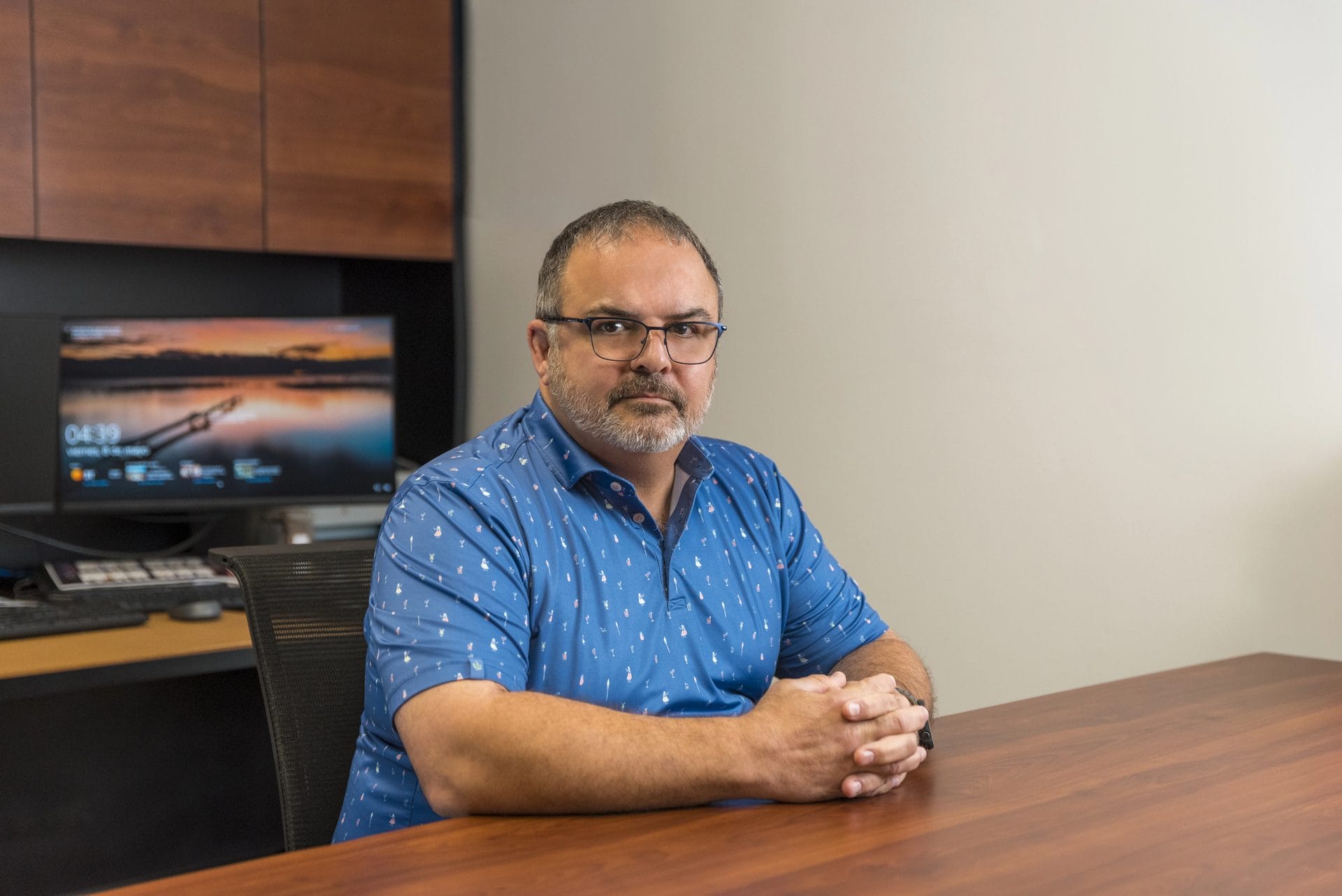

Brian Berich, Director of Operations, BAE Systems
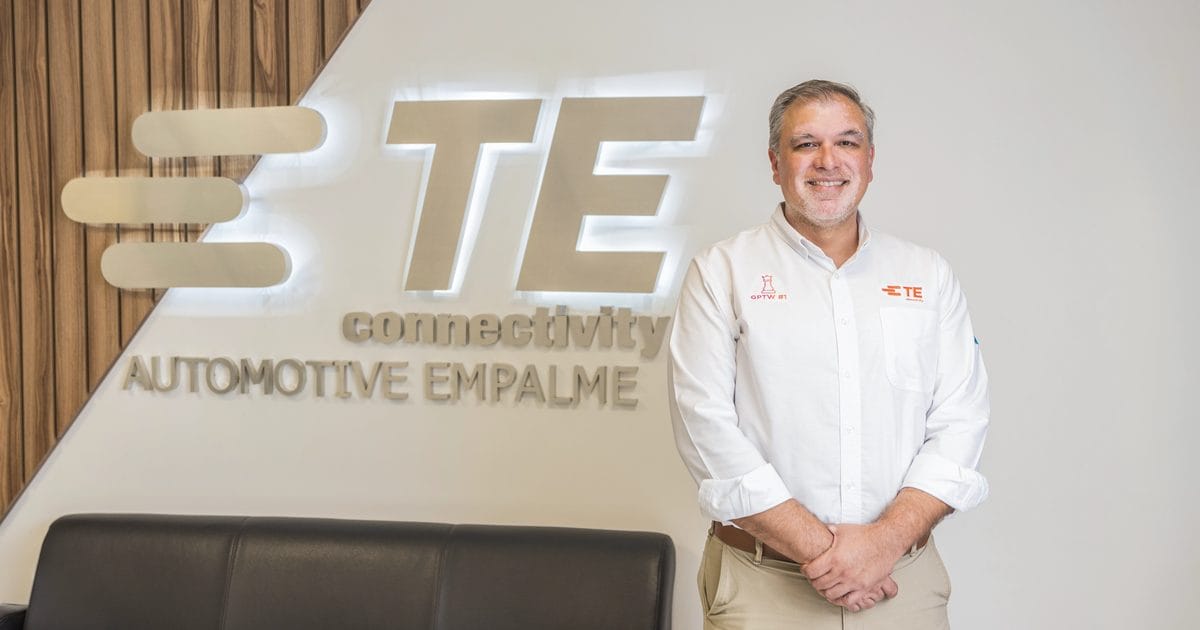
Ricardo Gómez, Director of Operations, TE Connectivity
Campus Pillars
Predictable manufacturing in Mexico requires reliable space, people, logistics, and compliance. On a Tetakawi Campus, one partner runs all four, so you don’t have to coordinate a patchwork of vendors.
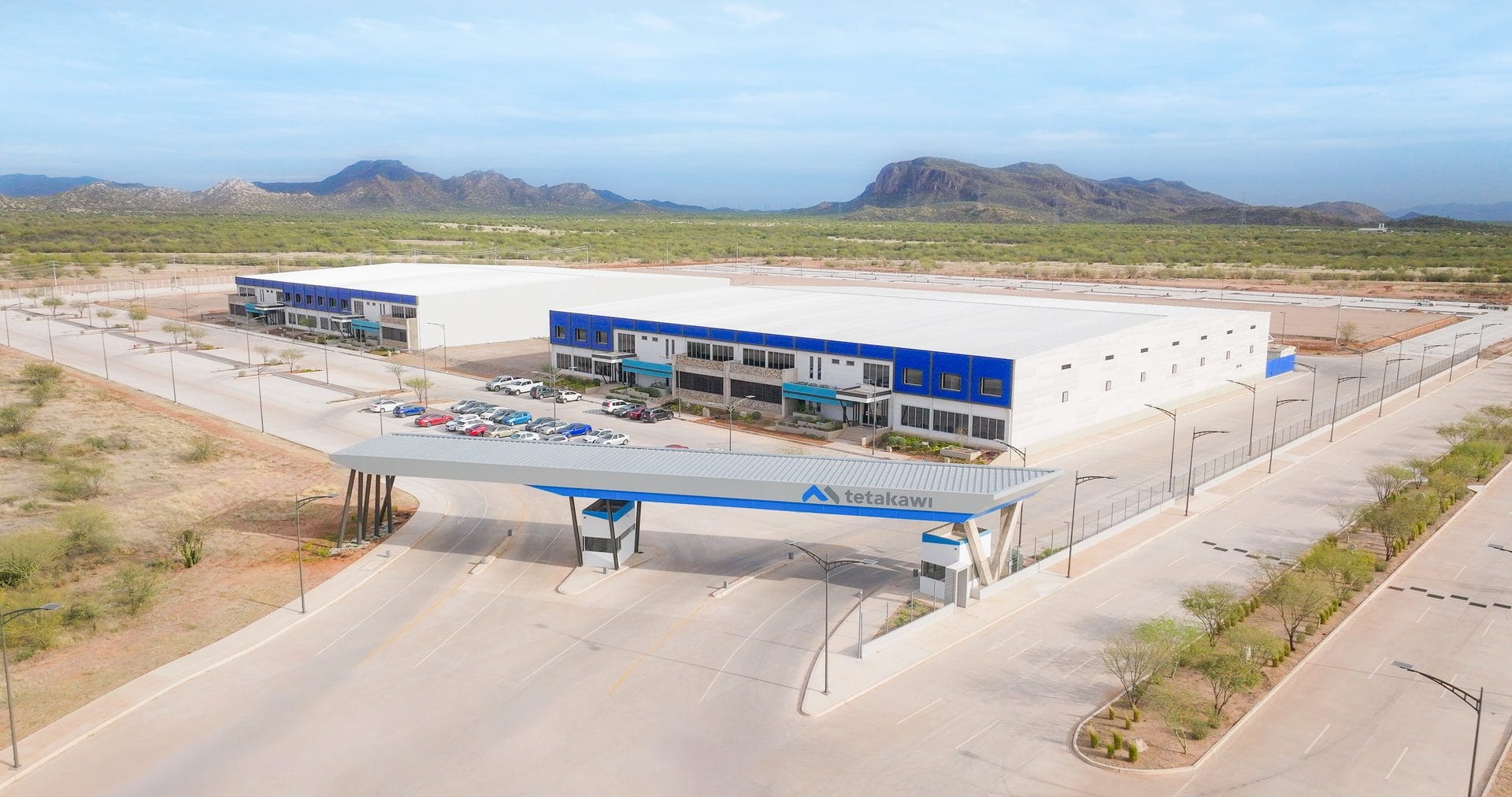
Set up in a Class A building on a Tetakawi Campus, move-in ready or adapted to your process. Tetakawi runs the Campus and maintains the buildings, so the building is never your project.
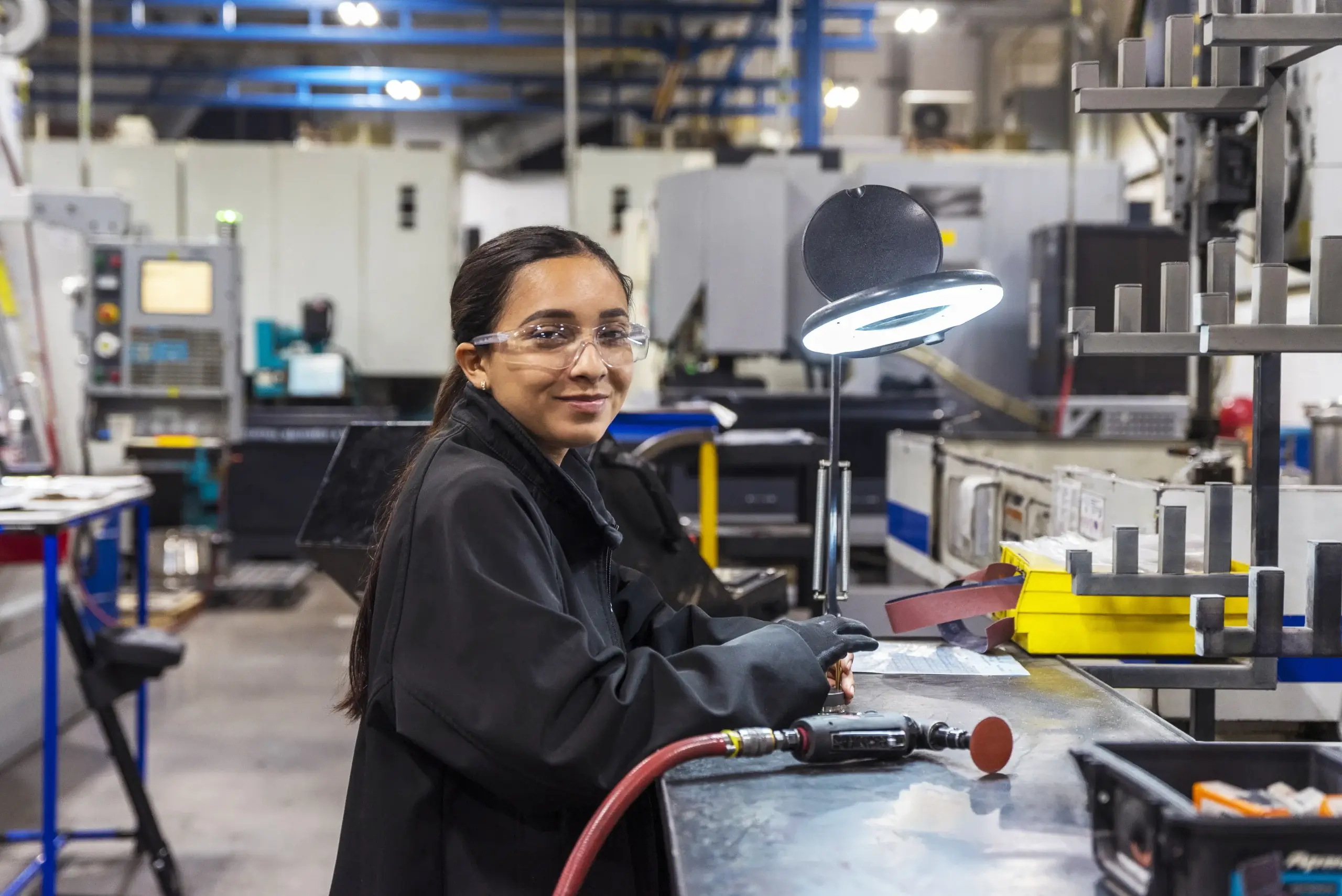
Define the roles and the standards, then run the plant. Tetakawi recruits, hires, and employs the people, runs payroll and benefits, and holds the union agreement, so your managers stay on production.
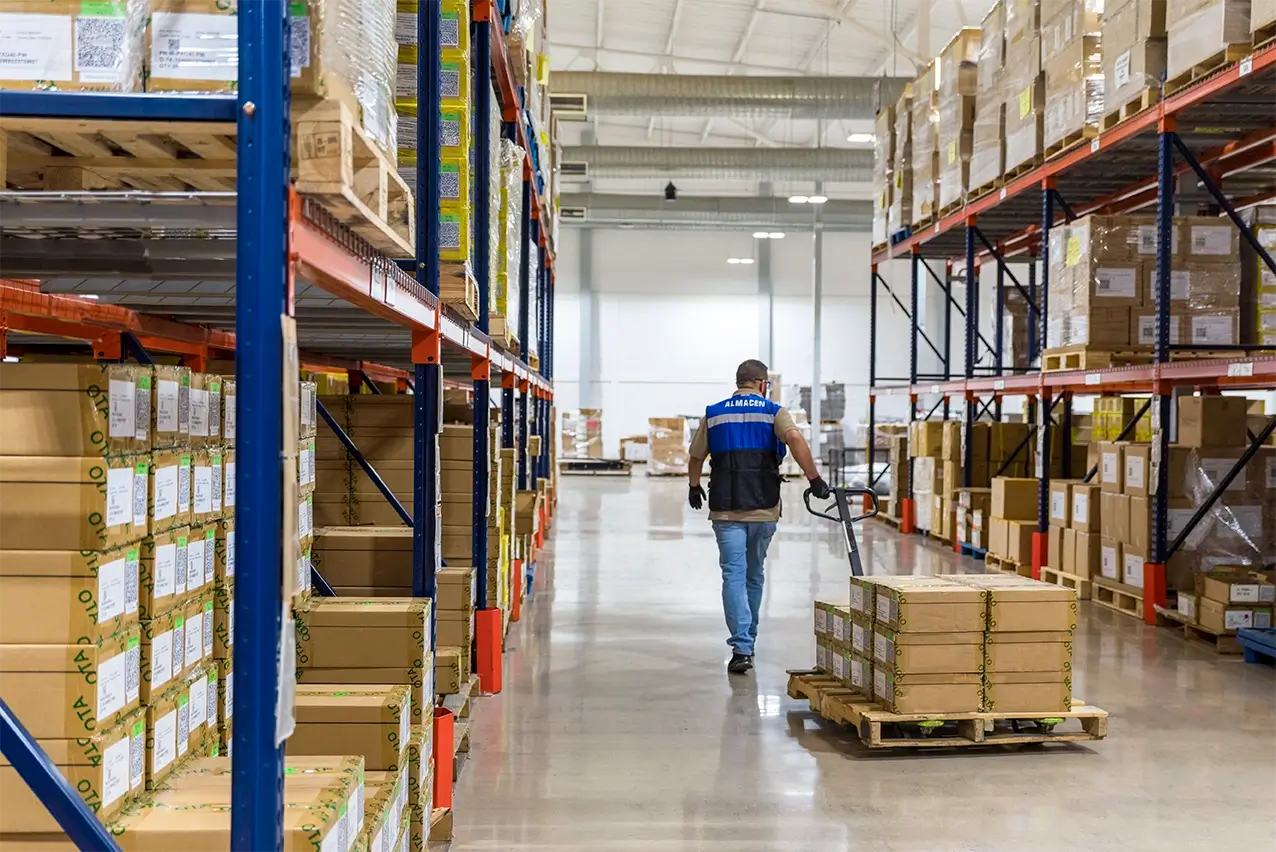
Bring materials in and ship product out with a U.S. broker you select. Tetakawi holds the Mexican import and export permits your shipments move under, and stages your freight at its U.S. cross-docks.
Operate under Tetakawi’s IMMEX shelter program, without forming your own Mexican company. Tetakawi holds the permits and registrations and answers to the authorities for the entity’s filings.
FAQs
Deciding whether to outsource production in Mexico or run your own plant? The questions we get most often from manufacturers comparing their options.
Paying a third party to build your product in its plant, with its people, at a unit price.
You supply the design and the demand; the manufacturer supplies the production. It is a genuine strategy, but it is an outsourcing strategy: you are buying capacity, not building an operation. The process, the quality system, the people, and the improvements that come with them stay with the manufacturer.
When you do not want to run an operation at all.
If your volumes are low, your product life is short, or you have no ambition to build a presence in Mexico, a good contract manufacturer is the better answer: you get the product without the plant. Even then, count the search: qualified capacity in Mexico can be hard to find, and vetting a supplier runs survey, audit, and RFQ before the first part ships. If the plant, the process, and the culture need to be yours, the operating burden that pushes companies to outsource is the part Tetakawi runs.
They price differently, so start with structure, not a single number.
A contract manufacturer’s unit price bundles its labor, its overhead, and its margin, and it can carry markups you cannot see. On a Campus you carry your own operating costs directly: the roles you staff at the pay bands you set, your space, and the services under one contract. Which nets out lower depends on your volumes and on how much of the operation you want to run, so the model has to be built around your volumes and your headcount before either number means anything.
You do. That is the structural difference between the two strategies.
On a Manufacturing Campus you keep day-to-day control: you define the roles and the staffing plan, select from the candidates presented, set the standards, and direct, supervise and train the team. Your designs, processes, and certifications stay yours. Tetakawi hires on your instruction, is the employer of record, and runs the environment around your line, the same way on all five Campuses.
In as little as 30 days on a Campus. Contract manufacturing has its own clock.
The building, workforce systems and legal framework already exist on all five Campuses, so a well-prepared operation can get started in as little as 30 days. Most operations go from deciding on Mexico to producing in Mexico in three to six months. What you add is your equipment and your certifications. Building your own plant from scratch typically takes 8 to 18 months before you can operate. Contract manufacturing has its own clock: finding qualified capacity, then survey, audit, RFQ, tooling and part approval before the first shipment. Mapping all three calendars is part of the evaluation.
Four steps, in order.
1. Get in touch. A conversation about which parts of the operation need to be yours, from production and quality to IP and culture, and which parts of the environment you would rather not build.
2. Measure ROI. We build the business case with you: direct labor by role, real estate, utilities and freight, set against what you pay a contract manufacturer today, with a plain read on workforce availability for the roles you need.
3. Site visit. Walk the Campus, meet the people who would run your account, and talk with manufacturers who run their own plants there.
4. Launch and grow. When you give the green light, the same team that helped you build the case guides the launch, and the people who run the Campus are a phone call or a short walk away.