Adding Aerospace Capacity When You Can’t Hire
7 min Read
Key Takeaways
- When you can't hire, an expansion plan has to cover both the new hires and the experienced people who will train and lead them.
- Three routes are worth comparing: more capacity at your existing plants, a new site in the U.S. or Canada, or aerospace manufacturing in Mexico on a Manufacturing Campus.
- In a June 2025 McKinsey and AIA study, 56 percent of AIA member organizations surveyed reported challenges sourcing skilled trades talent.
- On a Campus your team runs the factory, while Tetakawi runs the building, the hiring administration, payroll and customs around it.
- A Campus doesn't remove the training curve; any new site still needs a leadership and training plan before it ships accepted parts.
Jump to Section
Behind on deliveries because you can’t hire? Customers want more aerospace capacity than your current team can staff, and the second shift you planned still has empty stations. Jeremy Main, Senior Vice President at Consolidated Precision Products (CPP), put it plainly: “Our customers are all knocking on our door asking us how much we can produce, and the biggest constraint we have is people.”
Most conversations about that problem start with where to find more machinists and inspectors. That question matters, and it comes with a second one: who will train the new people, lead them and get their work accepted, and how much of their time can your existing plants spare?
Hiring is the first part of the workforce plan
The hiring problem is well documented. In a June 2025 study by McKinsey and the Aerospace Industries Association, 56 percent of the AIA member organizations surveyed reported challenges sourcing skilled trades talent.
Yet in aerospace a new hire is where the work begins. Developing the new team requires input from production leaders, quality personnel and experienced operators, the same people who keep your current operation running. The expansion plan needs to account for that contribution alongside their existing responsibilities. Their hours are finite.
So it helps to compare routes on two counts: the workforce each can reach, and what each asks of the team you already have. Those demands differ by route, and an early cost estimate often doesn’t show them.
Three routes to aerospace capacity
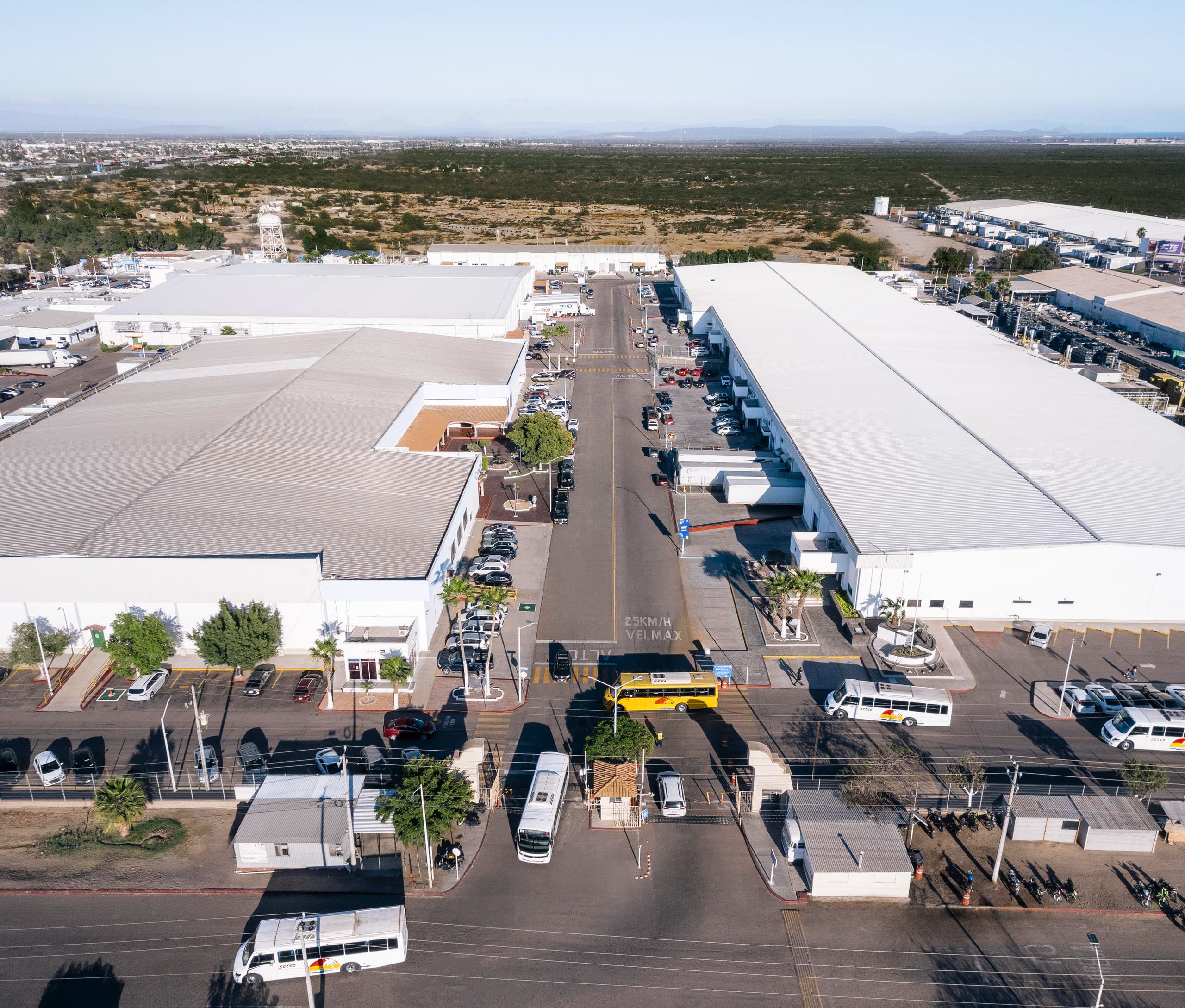
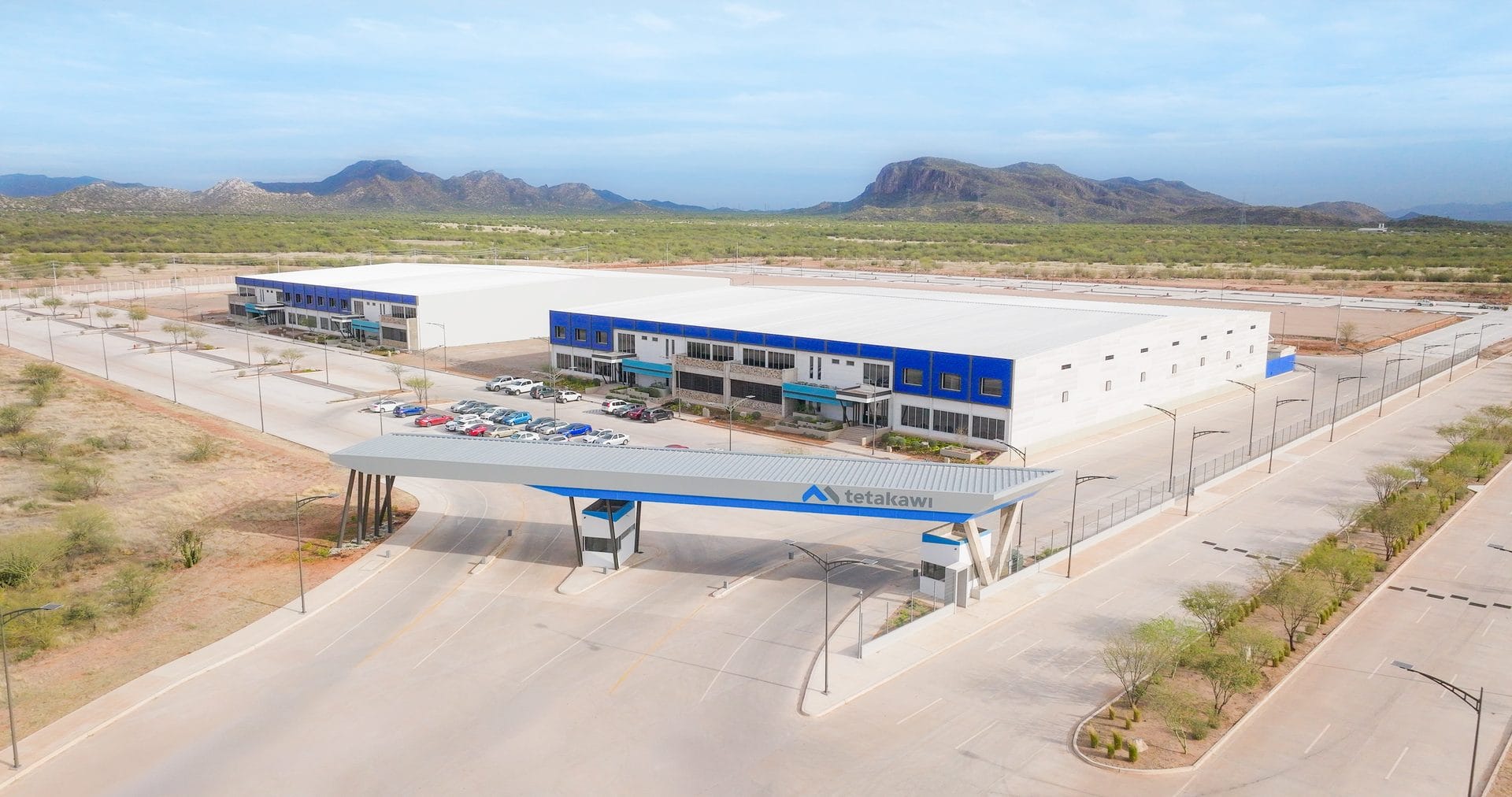
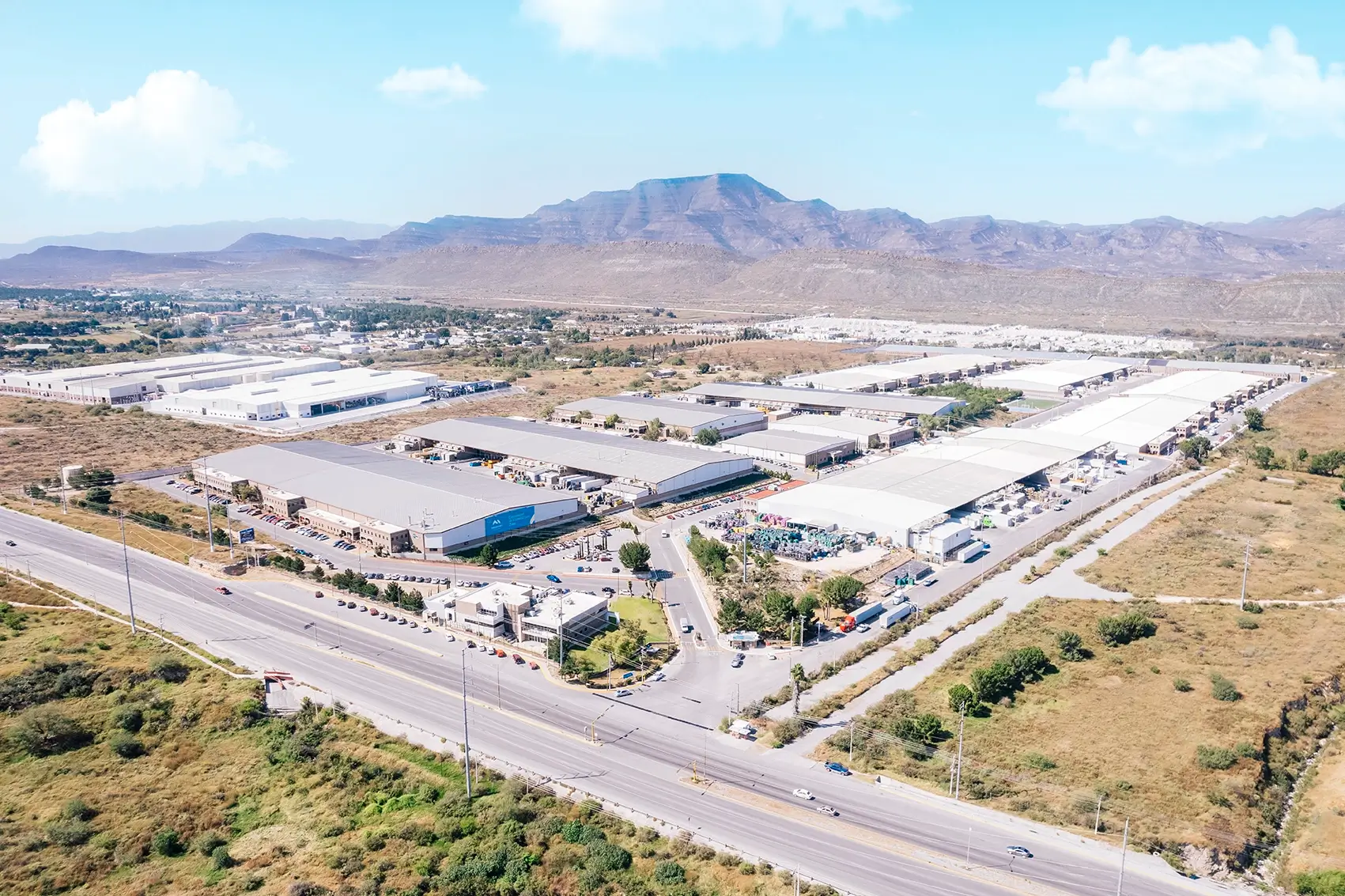
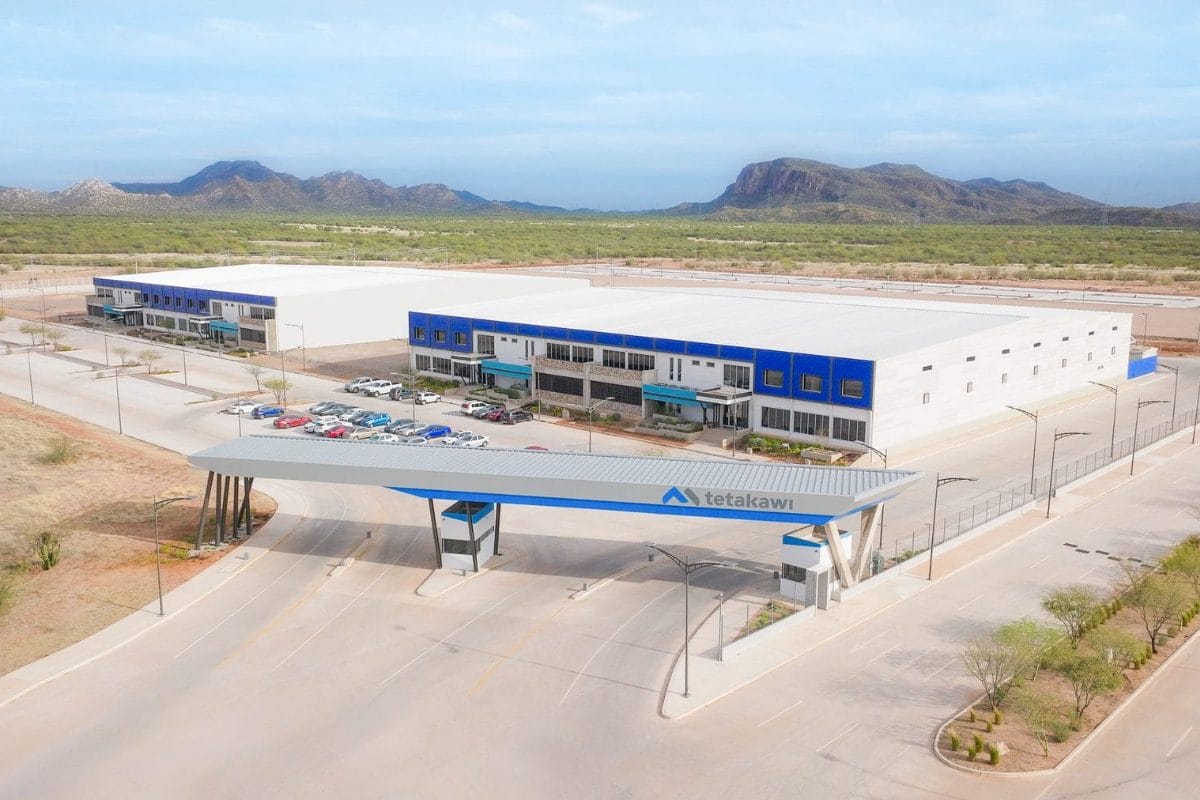
The three routes are more capacity where you already operate, a new site in the United States or Canada, and an aerospace operation in Mexico. If you run more than one plant today, the first route can also mean moving work between sites. Tetakawi has helped companies manufacture in Mexico since 1986. On a Tetakawi Manufacturing Campus, you run your own factory, and Tetakawi runs everything around it. That means the building, the hiring administration and payroll, the import and export operation, and the legal framework and permits the site operates under. A Campus adds established industrial space, shared infrastructure and an on-site support organization.
How the routes compare
In practice, that comparison works best against one output requirement, one set of customer acceptance criteria and one target date, including the people and investment needed to get there.
| Expand your existing plants | Open a new site in the U.S. or Canada | Add an operation on a Tetakawi Campus in Mexico | |
|---|---|---|---|
| Launch responsibilities | Hire and train at sites you already run, alongside current output | Find or build the facility, set up hiring, payroll, permits and support functions, in-house or outsourced, then train and lead the site | Train and lead production. Tetakawi’s teams run the building, hiring administration, payroll, Mexican customs and registrations around it |
| Workforce | The labor market you already draw from, plus retention, scheduling and productivity gains | A different local labor market and its competition for the same roles | Recruiting already runs in the region, and you see the labor market role by role before you choose |
| Leadership | Added load on current supervisors | A site leadership team, transferred or hired | A production and quality leadership team, transferred or hired locally, with Tetakawi’s teams on site |
| Customer requirements | Changes at an approved site, reviewed as your customer requires | A new source of supply, qualified as your customer requires | A new source in another country; confirm early what your customer requires |
| Cross-border requirements | Today’s supply chain; check technology access for new hires | A new location in the same country; check materials and technology access for the new team | Goods and technical data move between countries, under trade and export requirements |
| Investment | Equipment, training and added operating cost at sites you run | A facility to find or build, plus equipment, training, leadership, launch support and ongoing operating cost | Equipment, training, leadership, launch support and ongoing operating cost; the building is standing, or a new one on the Campus takes about six months |
Still, a new site at home taps a different labor market, which may be exactly what you need.
Leadership, training and customer acceptance
First, leaders for a new site can come from your existing plants, be hired locally, or both, and that mix decides how much of your current team’s time the launch consumes. Then plan the training load as carefully as the equipment move, so your existing plants keep their delivery commitments.
Consider CPP, which added a site on Tetakawi’s Mazatlán Campus for finishing and inspection work on aerospace castings. At the time, CPP already ran a standalone plant in Ensenada and a plant on the Roca Fuerte Campus in Guaymas. Because the work is so technical, it brought its first Mazatlán hires to Guaymas, Ensenada and Minneapolis for eight months of hands-on work, and those employees now train the next round of hires. CPP built its Mazatlán management team by hiring locally, with Tetakawi helping identify the right people. “The management team that we have in Mazatlán really grew from nothing,” Main says. “As we brought them in, we didn’t always have the right person in the right role, and Tetakawi was able to help us fill those gaps as we were growing.” CPP reports that the site now leads the company in retention.
The customer’s clock
The other clock belongs to your customer. What a new site needs before its parts are accepted depends on the work, so ask early what a new source requires, and settle cross-border questions such as export licensing at the same time. On a Campus, a new operation is typically producing three to six months after signing, and a well-prepared operation can get started in as little as 30 days. Installation, staffing, training and customer requirements are coordinated in one plan, with some of that work running in parallel, as CPP’s off-site training did. In the end, the date that matters is the day the site ships parts your customer accepts. Your team leads the technical and customer work; Tetakawi’s launch team coordinates the supporting work. How to Set Up Aerospace Manufacturing in Mexico explains the planning requirements in detail.
What a Campus takes off your team
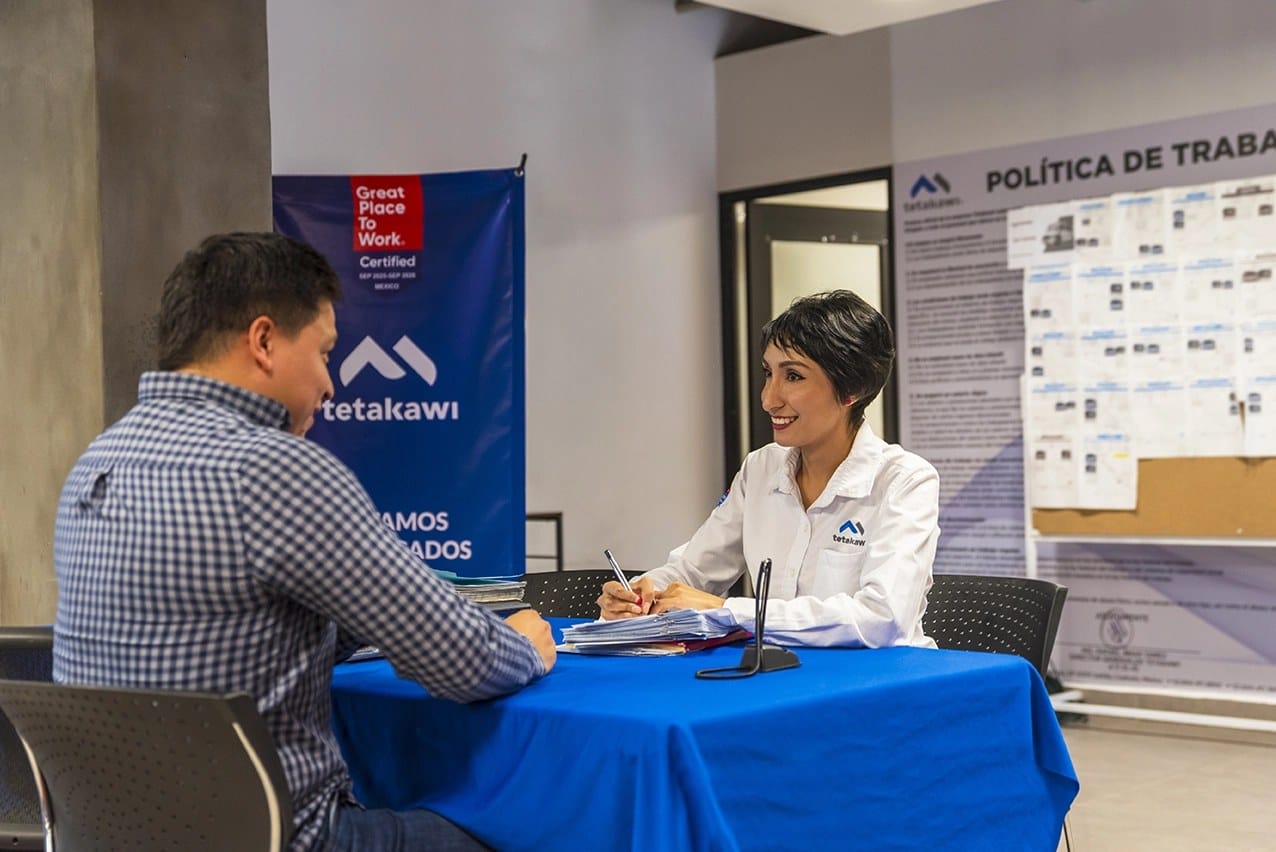
Here is where a Campus differs: the work around the factory sits with Tetakawi’s local teams. You control production, process and quality. You provide the job descriptions and timing, Tetakawi recruits and screens candidates, and you choose your team. Tetakawi is the employer of record and runs payroll and benefits, and you see and approve the payroll before it runs; hiring for a new plant in Mexico walks through how that works. In Mexico, Tetakawi is the importer and exporter of record; entering the United States, your company is. Tetakawi is not a contract manufacturer. The customer relationship stays yours too.
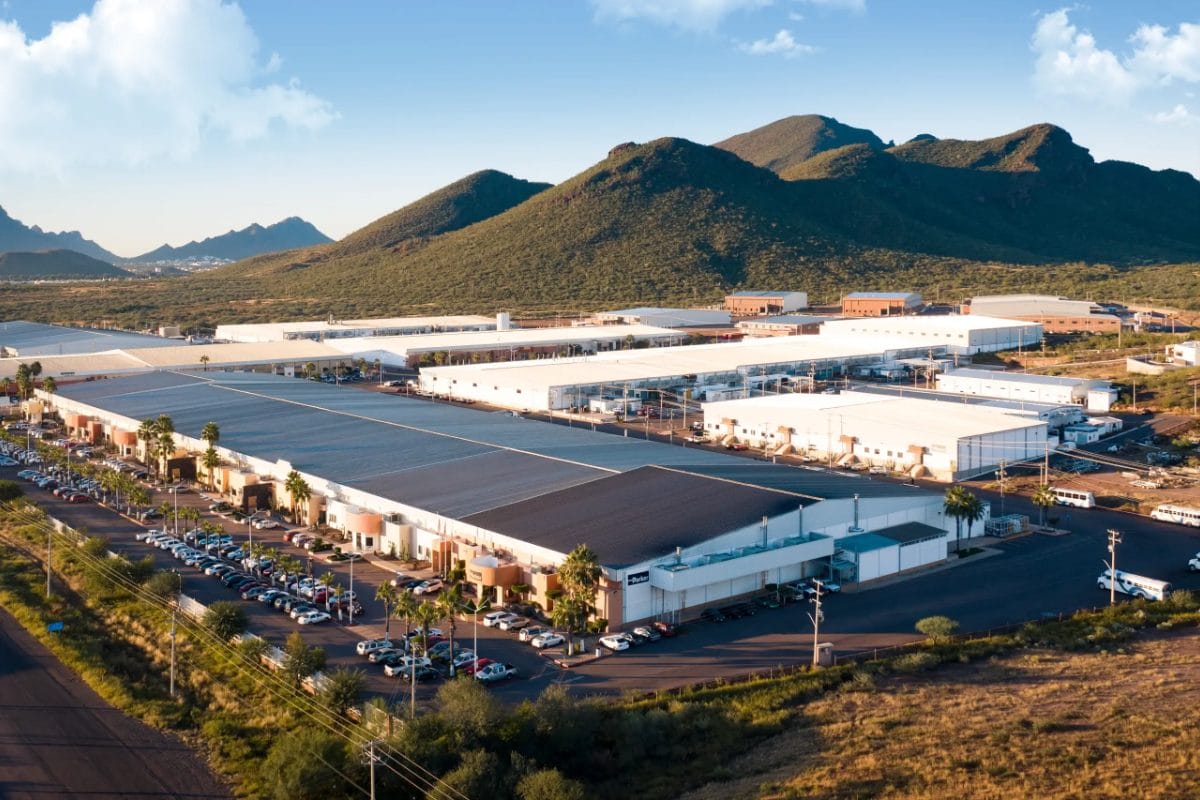
BAE Systems shows how an operation can develop over time on a Campus. It opened a wire-and-harness shop on Roca Fuerte in 2001 and grew one product and one building at a time. “When I started in Guaymas we had 350 employees in one building,” says Brian Berich, BAE’s director of operations. “Now we’re in three buildings with nearly 800 employees.” Today, more than 15 aerospace manufacturers run their own plants on Tetakawi Campuses, including BAE Systems and Parker Hannifin.
When another route is the better fit
Expanding where you already operate may fit better when, for example, retention, scheduling or equipment improvements can deliver the output. Either way, any new site, at home or in Mexico, needs a defined production scope, a plan for who will lead it, and a business case that supports its ongoing cost. For Mexico, also confirm early that the proposed work can meet the applicable customer and regulatory requirements. And a Campus doesn’t remove the training curve. No location does, so the plan has to budget for it wherever the work goes.
What to do next
Three steps make the comparison concrete.
- Write down the requirement: the added output, the roles holding it back, and the date your customer needs it.
- Ask your customer what a new source of supply would require for the parts in question.
- Assess each candidate location against the roles, experience and training your operation would require. Mexico’s aerospace clusters shows where that work is already done. On a Campus, Tetakawi shows you the labor market role by role before you choose.
You can start that conversation while the details are still being worked out. Explore aerospace manufacturing with Tetakawi.
Planning aerospace capacity in Mexico?
Tell us the output you need, the roles holding it back and your date, and we’ll help you assess the workforce, facility and support it would take.
Subscribe to stay up to date with our latest insights