Mexico’s Aerospace Clusters: What Each Region Makes, and a Close Look at Guaymas
12 min Read
Key Takeaways
- Mexico's main aerospace clusters are in Sonora, around Guaymas and Hermosillo, and in Chihuahua, Baja California, Querétaro and Nuevo León.
- The right cluster is the one where your whole production and supply plan works at the cost, quality and delivery your customers require.
- Sonora has more than 65 aerospace companies and more than 20,700 aerospace jobs, according to Codeso, Sonora's economic development council.
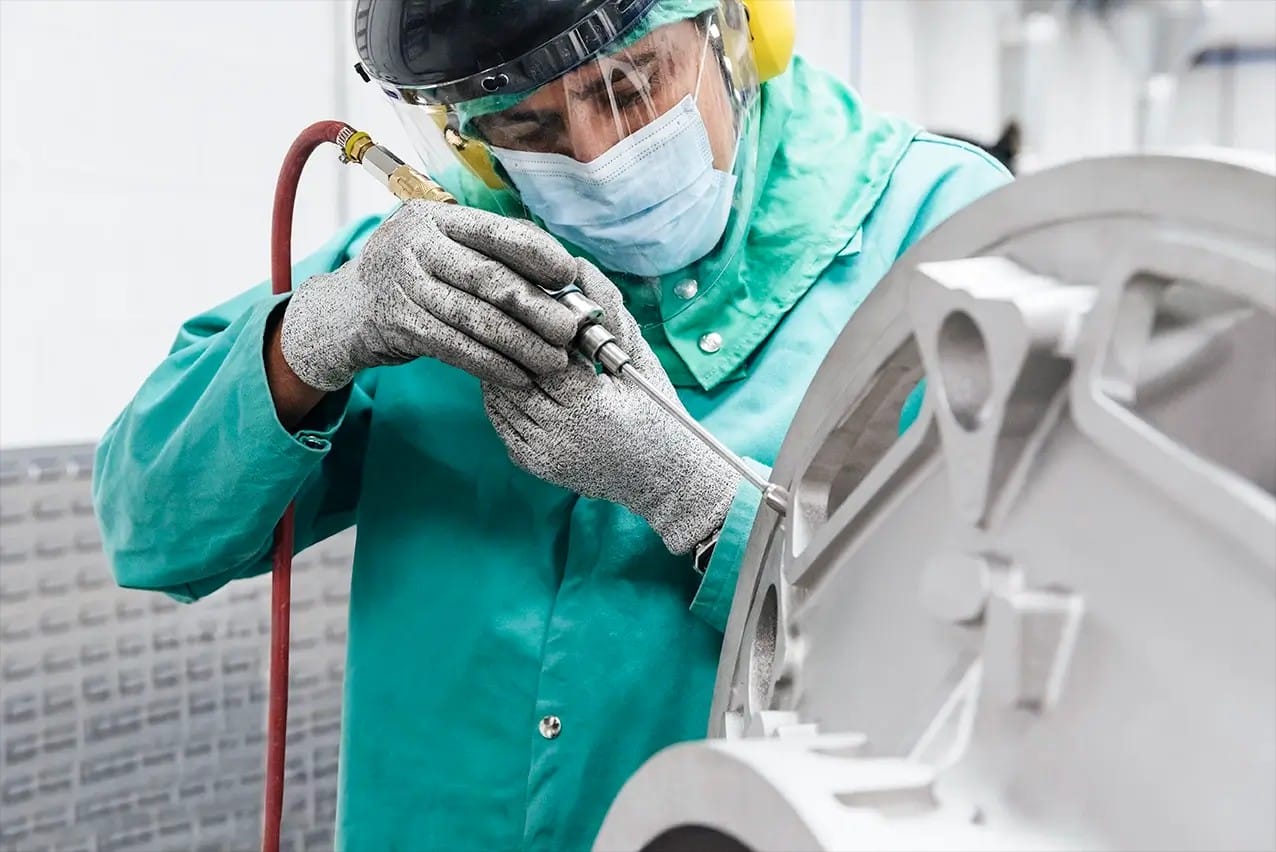
- In Guaymas and Empalme, plants machine engine parts, finish castings, build aerostructures, harnesses and actuators, and run heat treatment, coatings, plating and inspection.
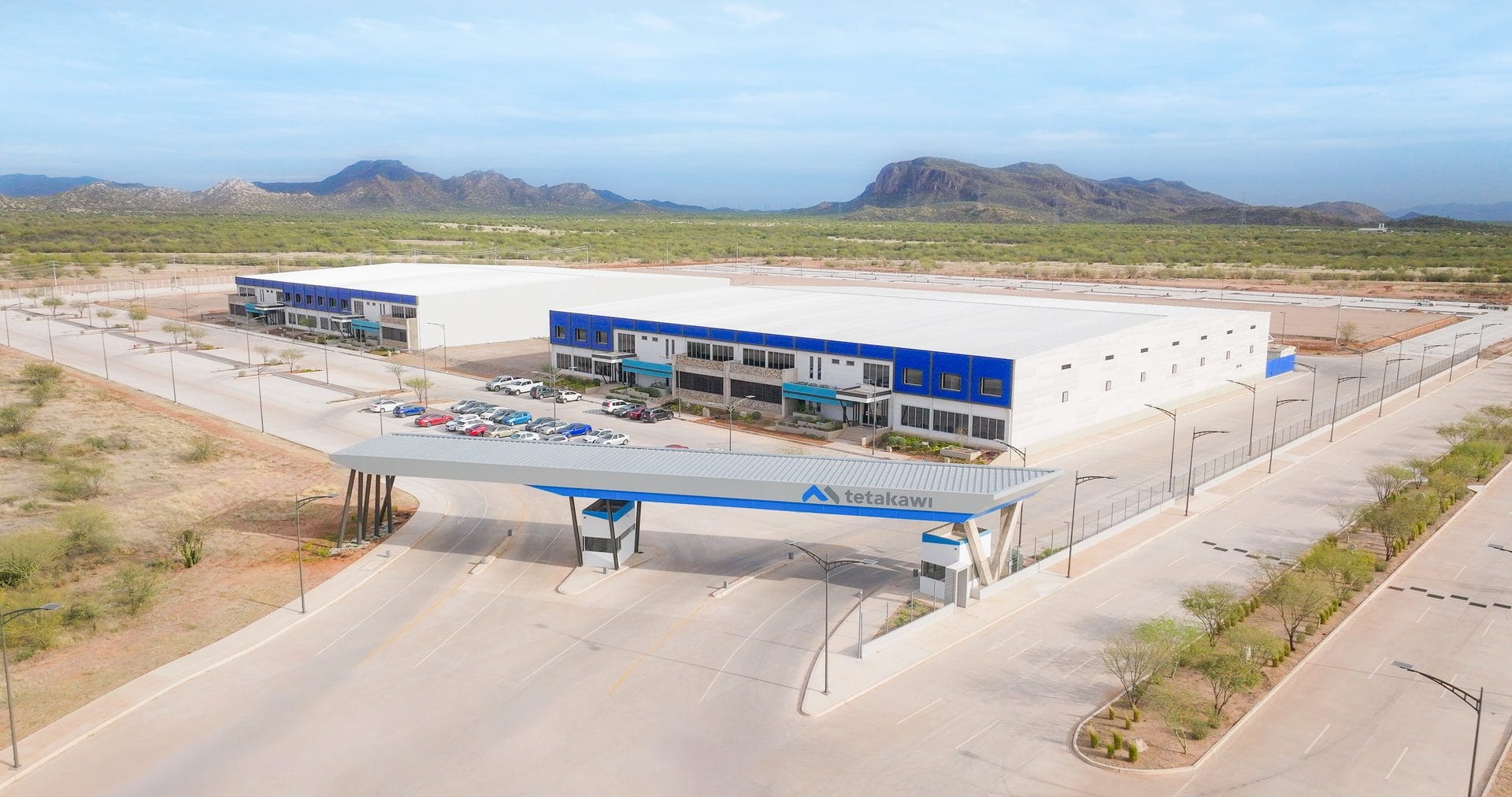
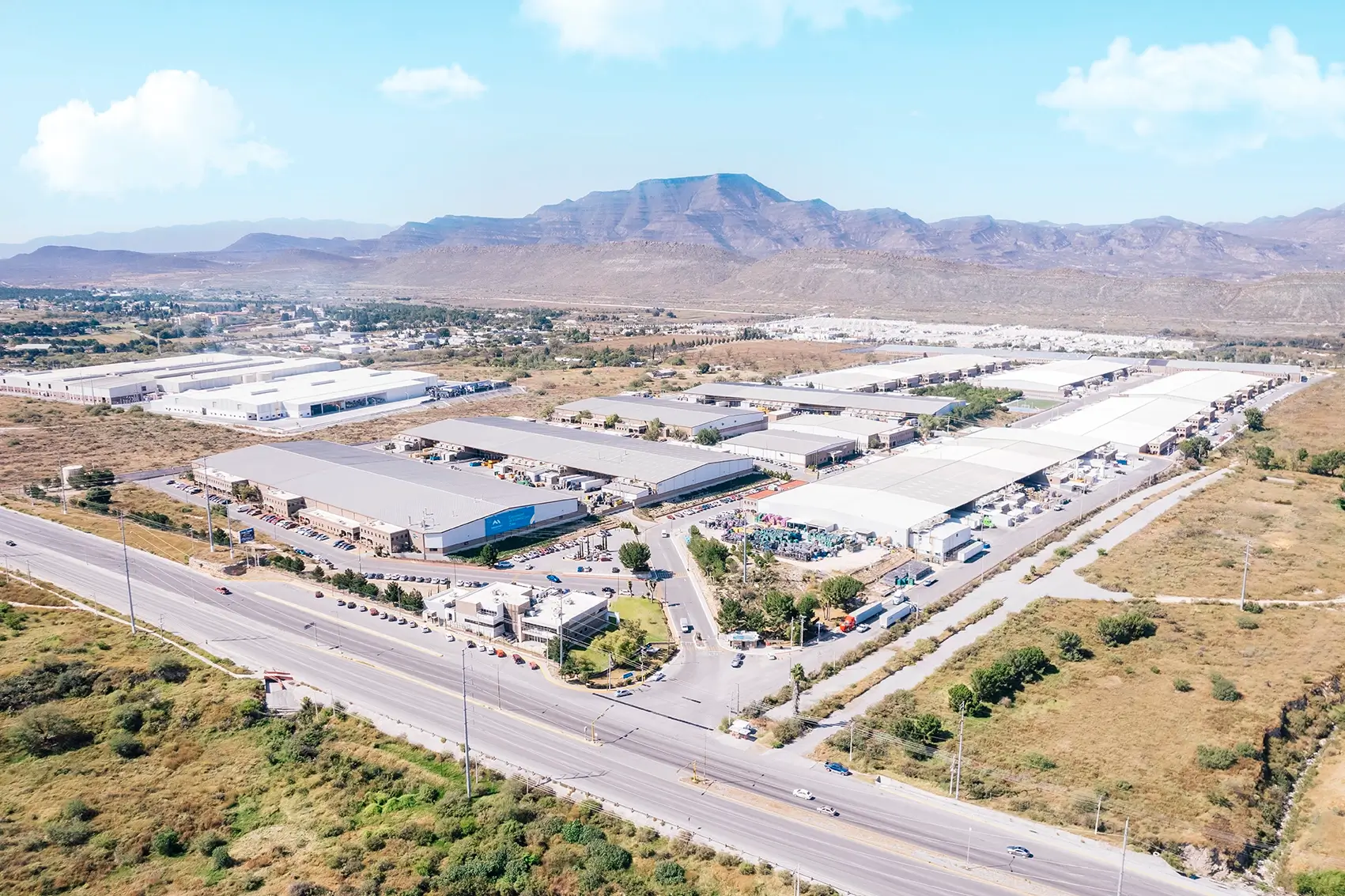
- The Roca Fuerte Campus in Guaymas is about 250 miles by highway from the Nogales crossing into Arizona, a distance that suits high-value parts.
Jump to Section
Once Mexico is on the table, the next question is where. Mexico has five main aerospace clusters, and each grew around different work. A cluster’s size tells you little about whether it suits your part. What matters is whether your production plan works there: which processes your own plant will run, which nearby suppliers your customers will accept, and whether you can hire and keep the people.
So compare regions by what they can make, not by how many plants they have. For the size of the industry as a whole, see Mexico’s aerospace industry. If your part is an engine component or needs special processes, look closely at Guaymas and Empalme in Sonora. It is the cluster we know from the inside.
Where are Mexico’s aerospace clusters?
Mexico’s five main aerospace clusters are in Sonora, Chihuahua, Baja California, Querétaro and Nuevo León, according to the U.S. International Trade Administration. Each grew around different anchors, so each is known for different work. The companies below are examples of plants in each one, from the companies’ own published descriptions.
| Cluster | Main cities | Known for | Examples of plants there |
|---|---|---|---|
| Sonora | Guaymas, Empalme, Hermosillo | Engine components, casting finishing and special processes, aerostructures and composites, wire harnesses, actuation | BAE Systems, Pursuit Aerospace, CPP, Parker Aerospace and Ducommun in Guaymas |
| Chihuahua | Chihuahua City | Engine parts, helicopter cabins, wiring, cabin interiors | Bell, Honeywell, Safran, Embraer, Textron Aviation |
| Baja California | Tijuana, Mexicali | Avionics, engine nacelle parts, interiors, machining and assembly | Collins Aerospace, Gulfstream, Safran |
| Querétaro | Querétaro City | Airliner doors and fuselage sections, engine and landing gear parts, engine maintenance | Airbus, Bombardier, Safran |
| Nuevo León | Monterrey metropolitan area | Forgings, precision machining, sheet metal parts and small aerostructure assemblies | FRISA, Wyman-Gordon, PCC Aerostructures |
Sinaloa is newer to the list. In Mazatlán, CPP performs non-destructive testing and repair on aerospace and defense castings on a Tetakawi Campus.
These labels describe what each region is known for. Each can do more: engine parts, for example, are made in Sonora, Chihuahua and Querétaro. Use the labels to start a search, then run the check that follows.
The Ministry of Economy also records foreign direct investment in aerospace manufacturing by state. That figure includes new capital, reinvested earnings and loans between related companies. So it shows where money was recorded. It does not say where new plants were built. In the first half of 2026, the Ministry recorded about US$202 million nationally, according to its latest sector figures. San Luis Potosí accounted for 28%, Chihuahua 24% and Sonora 16%, followed by Baja California and Querétaro. Over 2006 through 2025, Querétaro, Chihuahua and Baja California recorded the largest shares. A single large transaction can move a state’s share a long way in six months, so treat the half-year shares as a snapshot of recent transactions.
Where should an aerospace supplier manufacture in Mexico?
The right region is the one where your whole production and supply plan works at the cost, quality and delivery your customers require. To find it, start with the part, not the map. List each step from raw material to shipment, then mark which steps you would do in your own plant and which you would buy.
For each step you would buy, the test has two halves. Is there a nearby supplier qualified for that process under your customers’ requirements? And does it have capacity for your volume? A special process such as heat treatment, coating, plating or non-destructive testing usually needs specific approvals before it can touch a flight part: Nadcap where your customer requires it, and your customer’s own approval of that supplier for that process. A supplier down the road counts only if it holds the ones your part needs, or can get them in time.
Then look at people. How many machinists, inspectors and technicians can you hire, how quickly can they be trained to your standard, and who else is hiring them?
Last, add up the whole cost. That means wages and productivity, but also freight to your customers, the inventory sitting in trucks, and how often parts would cross the border more than once. Size and shape matter here. A small, dense part that is mostly labor and machine time travels well. A large part takes up truck space and needs bulky packaging, so freight can cost a lot relative to what the part is worth. Weigh freight early if your part is big.
A cluster that passes these tests is worth a visit. Not every process has to happen inside the cluster. You can bring a process into your own plant or keep an approved supplier elsewhere, as long as the plan still works.
What the Guaymas and Empalme aerospace cluster makes
Guaymas and Empalme sit fifteen minutes apart on the Sea of Cortez, and they work as one labor market. Federal Highway 15 runs north from them through Hermosillo to the Arizona border at Nogales. Sonora as a whole has more than 65 aerospace companies and more than 20,700 aerospace jobs, according to Codeso, the state’s economic development council. Codeso describes the state’s casting, machining and surface treatment as highly integrated, covering both the hot and cold sections of an aircraft engine. It also lists the assembly of aerostructure parts and composites, and aircraft maintenance and repair, among Sonora’s strengths.
Hermosillo, the state capital, has its own aerospace base on the same highway. Latécoère makes aircraft doors and wiring systems and runs a door assembly line there. In 2022 it agreed to buy a second Hermosillo site from Figeac Aéro. In January 2026, El Financiero reported that Latécoère has four plants in the city with 1,526 employees. Tetakawi supports companies in Hermosillo too, from its Río Sonora Campus.
In Guaymas and Empalme, that capability centers on engine parts and the special processes around them, with aerostructures, composites, harnesses and actuation alongside. Here is what plants in the two towns do today, by process, from each company’s own published description.
| Process | What is done locally | Examples |
|---|---|---|
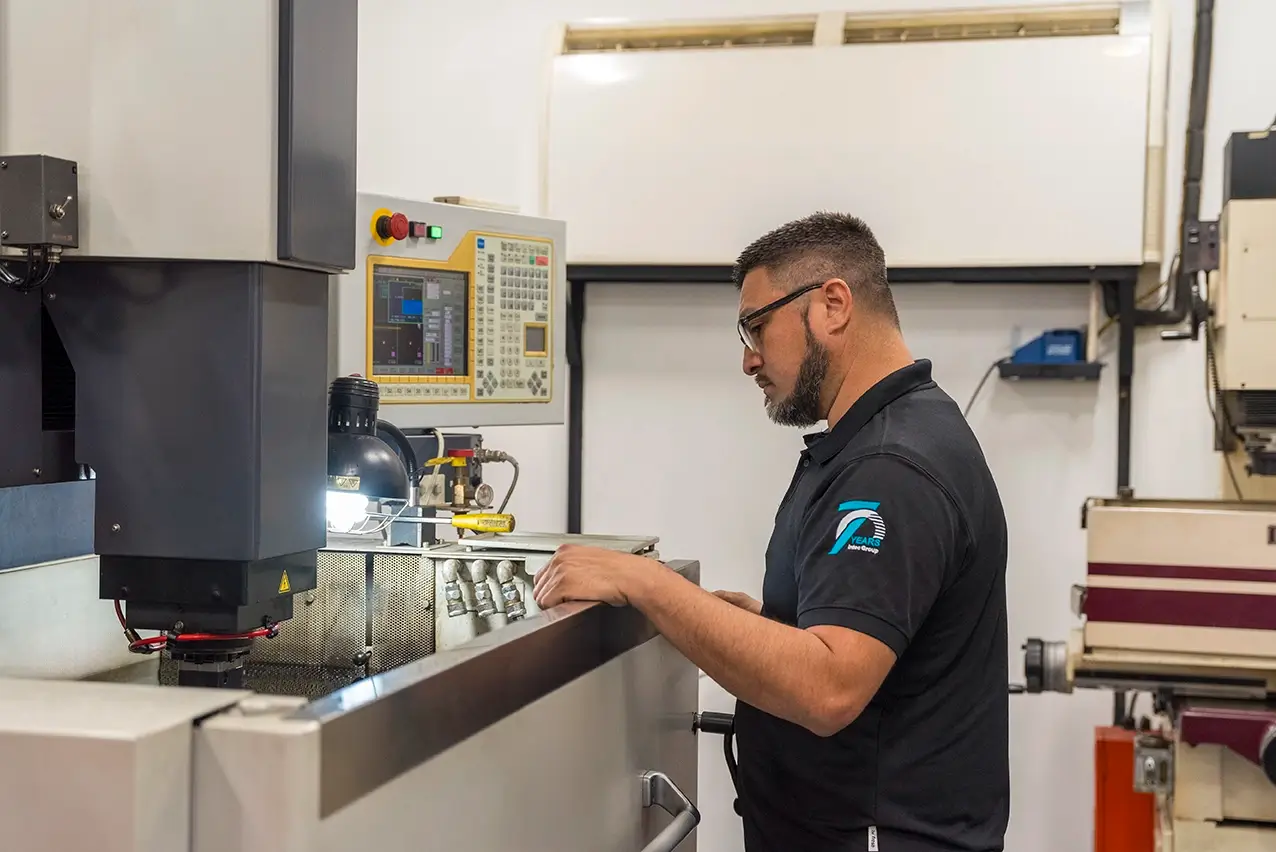
| Large machining of engine components | Machining of large, complex aircraft engine components | Pursuit Aerospace |
| Turbine blades, vanes and seal segments | Machining and special processes on turbine engine components | Kinetic Engine Systems |
| Casting and casting finishing | A superalloy casting foundry, and finishing of superalloy and titanium castings | CPP |
| Heat treatment, coatings and brazing | Precipitation hardening, stress relief, plasma and HVOF thermal spray, aluminide coatings, vacuum brazing | Bodycote |
| Plating, anodizing and chemical processing | Anodizing; cadmium, nickel and tin plating; passivation; titanium etching | Incertec (Empalme) |
| Inspection and testing | CPP: fluorescent penetrant, X-ray, ultrasonic and CT inspection, and airflow testing. Incertec: fluorescent penetrant inspection | CPP, Incertec |
| Wire harnesses | Electronic wire harnesses | Ducommun |
| Aerostructures and composites | Aerostructures; composite and metal-bond flight controls | Ducommun |
| Actuation and seals | Hydraulic actuation assemblies; aerospace sealing rings | Sargent Aerospace & Defense |
Three of these plants show how the cluster grew.
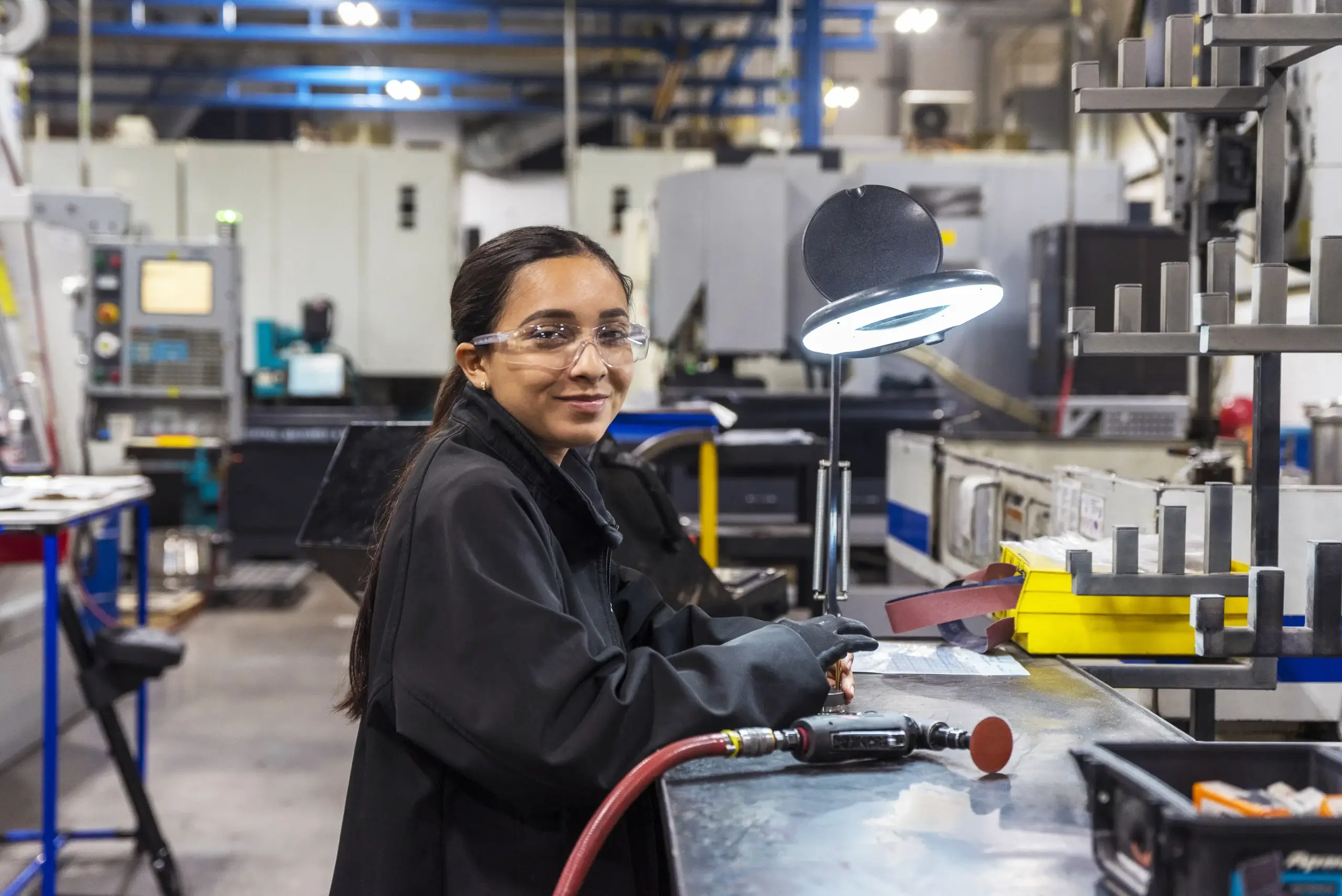
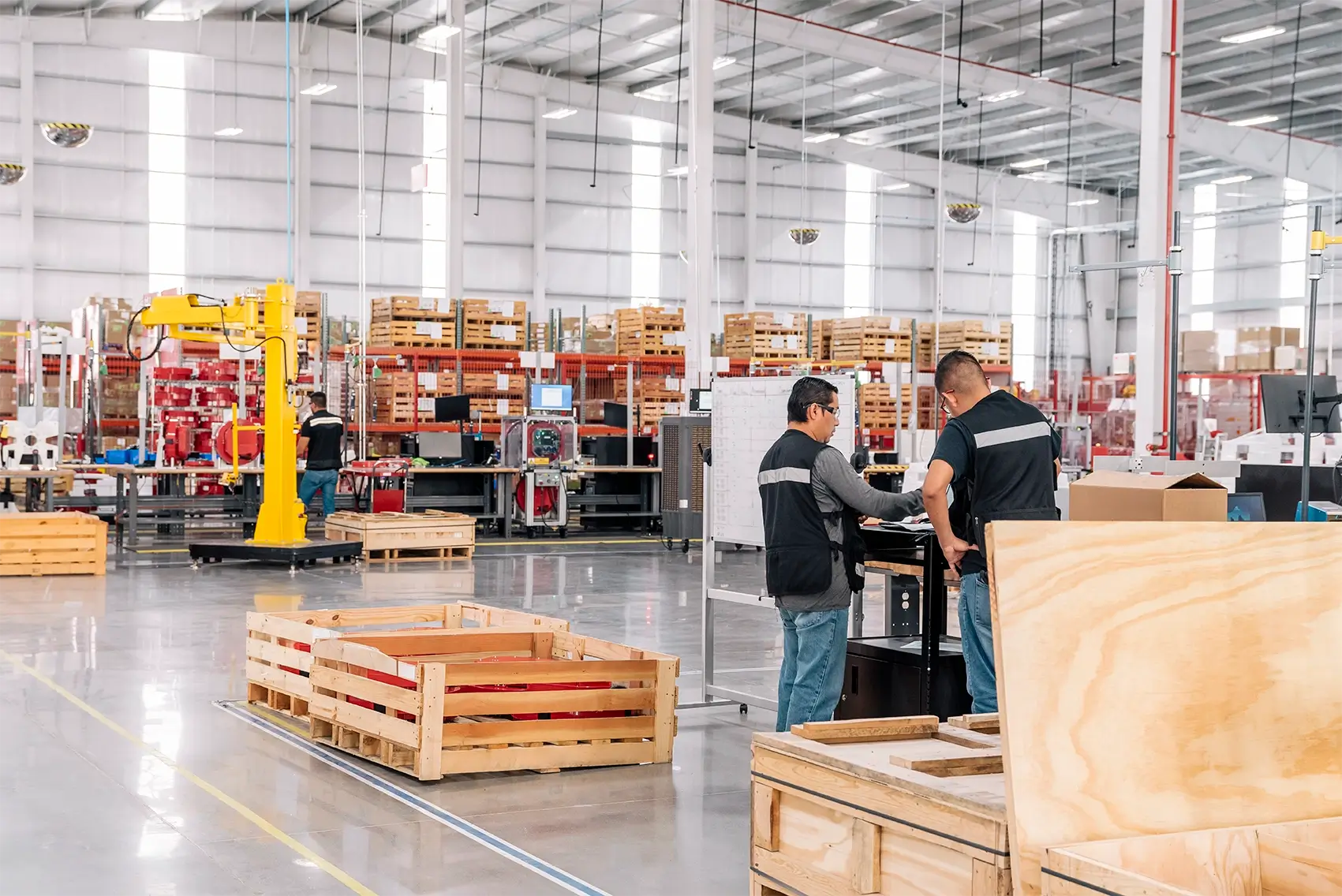
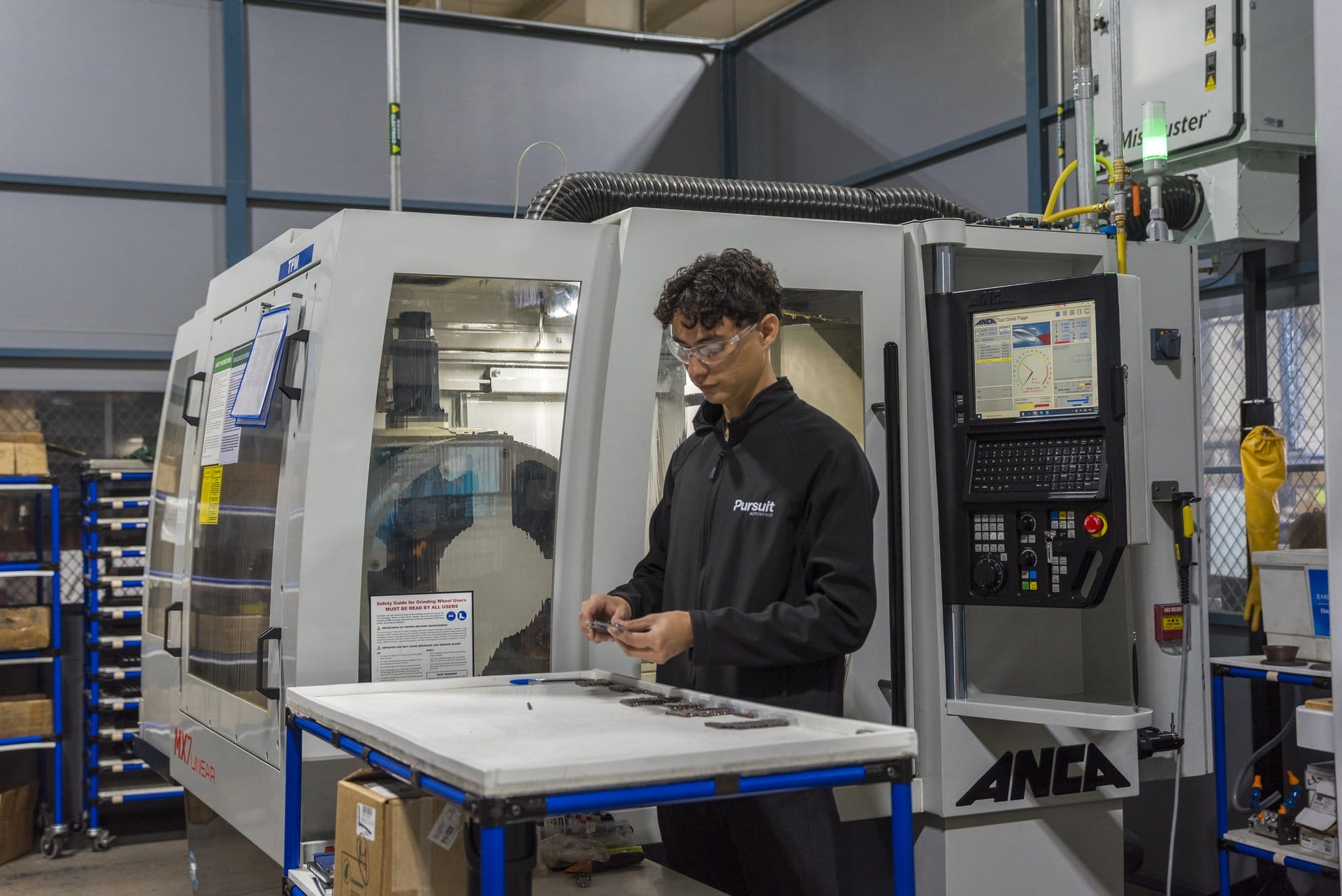
Engine machining. Pursuit Aerospace opened in Guaymas in 1998, as Smith West, on Tetakawi’s Roca Fuerte Campus. Today more than 185 people there machine large engine components, with the heavy equipment and special processes those parts need. Enrique Vega, the general manager, describes what the work demands:
In Guaymas we do large machining on critical engine components, with a lot of critical equipment and critical processes, so the workforce has to perform, the facility has to respond, the support has to respond.
Enrique Vega, General Manager, Pursuit Aerospace
Casting finishing. CPP’s Guaymas site, also on the Roca Fuerte Campus, covers 120,000 square feet in four buildings and employs more than 500 people. It finishes and inspects turbine blades, vanes and other castings, and it runs its own equiaxed casting foundry. CPP lists Nadcap accreditation there for chemical processing, heat treating, welding, non-destructive testing and airflow.
Cables to aerospace components. BAE Systems started in 2001 as a wire-and-harness shop on the Roca Fuerte Campus, building aircraft engine cables and high-voltage cables. It kept adding products and processes, and today it makes commercial aircraft components across three buildings. Brian Berich, its director of operations, put the growth in numbers:
When I started in Guaymas we had 350 employees in one building. Now we’re in three buildings with nearly 800 employees, and our plan is to keep growing this operation.
Brian Berich, Director of Operations, BAE Systems
Others have been here nearly as long. Parker Aerospace has operated in Guaymas since 2002, and Sargent has made aerospace sealing rings there since 2004. Each Guaymas plant in the table runs on Tetakawi’s Roca Fuerte Campus, and so do Parker Aerospace, Libra Industries, G.S. Precision, Waukesha Bearings and PCC Fluid Fittings. Incertec is on the Bella Vista Campus in Empalme.
Special processes deserve the hardest look, because a part cannot ship until each one is approved. In Guaymas, Bodycote lists Nadcap accreditation for heat treating, coatings, welding and brazing, and its lab. In Empalme, Incertec plates and anodizes parts and runs penetrant inspection. A machined engine part can be heat treated, coated, inspected and shipped without leaving the area, as long as each supplier is approved for your customer’s specifications and has available capacity.
Who does the aerospace work in Guaymas
Aerospace plants have operated in Guaymas since at least the 1990s; Pursuit’s opened in 1998. The story of how the Guaymas and Empalme workforce was built is told in more detail elsewhere. For an aerospace supplier, three parts of it matter.
The first is formal training. The Universidad Tecnológica de Guaymas offers a two-year technical degree and an engineering degree in aeronautical manufacturing. It also teaches mechatronics and industrial processes.
The second is training on the floor. On the Roca Fuerte Campus in Guaymas, the CEFTA training center gives new hires hands-on practice in CNC and precision machining before they reach a production line.
The third is the plants themselves, which some companies use as a training base for their wider network. CPP, for example, trained the first team for its Mazatlán plant at its sites in Guaymas, Ensenada and Minneapolis.
What to plan for when you set up an aerospace plant in Guaymas
A plant in Guaymas works best when three things are settled early.
Freight north. The Roca Fuerte Campus, on Federal Highway 15 at the north end of Guaymas, is about 250 miles by road from the Nogales crossing into Arizona, where Interstate 19 continues to Tucson. Much of the cluster’s work, such as engine parts, castings and harnesses, is dense and high in value, the kind of part that travels well by truck. For larger structural parts, weigh size and packaging in the freight plan. Build transit time and freight into the cost model from the start.
Inputs and approvals. Map where each raw material, forging and casting would come from. The cluster can cast, finish, heat treat, coat, plate and inspect. But whether a given plant can supply your part is a separate question. That depends on your specifications, your customers’ approvals, and the plant’s available capacity. Check each local supplier’s Nadcap scope and customer approvals against your requirements, plan time for any you need to add, and keep your existing supply base for anything not yet qualified here.
Management and engineering roles. Operators, machinists and inspectors are hired locally, and the training pipeline is built for them. Decide early which senior management and engineering roles you will fill locally and which you will bring with you.
How to evaluate Guaymas for your aerospace part
If your part looks like a fit on paper, test it against the people already doing the work. Ask local suppliers for their Nadcap scope and customer approval lists, which tell you more than a capability brochure. Then visit, and talk to the people already running plants: how long customer approvals took, how hiring went, and what they would do differently.
Tetakawi has helped companies manufacture in Mexico since 1986. In this cluster we run the Roca Fuerte Campus in Guaymas and the Bella Vista Campus in Empalme. We can walk you through the processes in the area, introduce you to manufacturers already running plants there, and build the full cost of running yours. Aerospace manufacturing in Mexico explains how that evaluation runs and the support around a plant once it is operating.
When you go ahead, the support runs through a shelter services arrangement. In the usual arrangement, a Mexican company holds the operating authorizations, such as the IMMEX program, and employs the workforce. The foreign manufacturer runs its own production. A Campus adds established industrial space, shared infrastructure and an on-site support organization. In Mexico, the importer and exporter of record is on Tetakawi’s side of the arrangement; entering the United States, your company is.
Your side stays yours. You control production, process and quality. Tetakawi is not a contract manufacturer. Your company remains responsible for certification and customer approval of the new operation.
To start, bring the part family, the processes it needs, the volume you expect and your target timing. A first conversation will help identify how well the cluster fits your part, what your plant would need to operate, and what goes into the full cost of running it. From there, we can help you evaluate an aerospace operation in Mexico.
Evaluate Guaymas for your aerospace part
Bring the part family, the processes it needs, your volume and your timing. We will walk you through the cluster, introduce you to manufacturers already there and build the cost of running your plant.
Frequently Asked Questions
Which Mexican aerospace cluster makes engine components?
Sonora, and Guaymas in particular. The U.S. Trade Administration names Sonora for engine components, and in Guaymas plants machine engine parts, make turbine blades and vanes, and finish engine castings. Chihuahua and Querétaro also make engine parts, so check suppliers for your specific process.
Which Mexican states record the most aerospace foreign investment?
In the first half of 2026, San Luis Potosí, Chihuahua and Sonora, in that order, in the Ministry of Economy’s foreign direct investment figures for aerospace manufacturing. From 2006 through 2025, Querétaro, Chihuahua and Baja California recorded the largest shares. The figures include reinvested earnings and loans between related companies, so they measure recorded investment and do not count new plants.
How many aerospace companies are in Sonora?
More than 65, with more than 20,700 jobs, according to Codeso, Sonora’s economic development council.
What aerospace work is done in Guaymas?
Mostly engine parts and the special processes around them, plus aerostructures. Plants in Guaymas and Empalme machine engine components, finish castings, build aerostructures, composite flight controls, wire harnesses and actuators, and run heat treatment, coatings, plating and inspection.
Are special processes available in Guaymas?
Yes, several are run locally. Companies in the area list heat treatment, thermal spray and aluminide coatings, brazing, plating, anodizing and non-destructive testing, some with Nadcap accreditation. Check each supplier’s scope and approvals against your customer’s requirements.
How far is Guaymas from the U.S. border?
About 250 miles by road from the Roca Fuerte Campus at the north end of Guaymas to the Nogales crossing into Arizona. The route north is Federal Highway 15, through Hermosillo.
Subscribe to stay up to date with our latest insights