How the Guaymas and Empalme Workforce Was Built
9 min Read
- Manufacturing in Mexico
Key Takeaways
Jump to Section
Most shelter providers can tell you what they will administer. Fewer can show you a workforce they helped build.
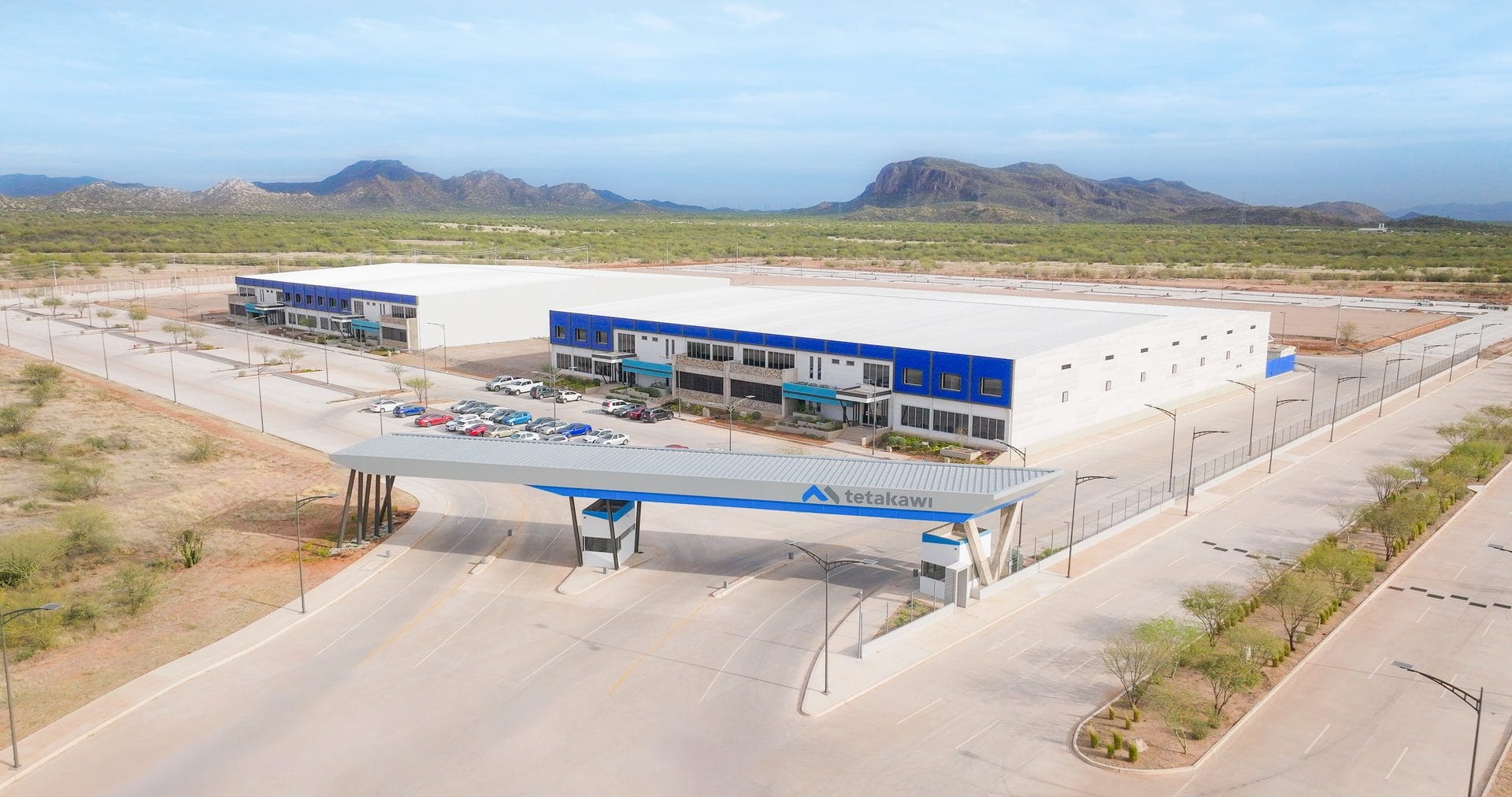
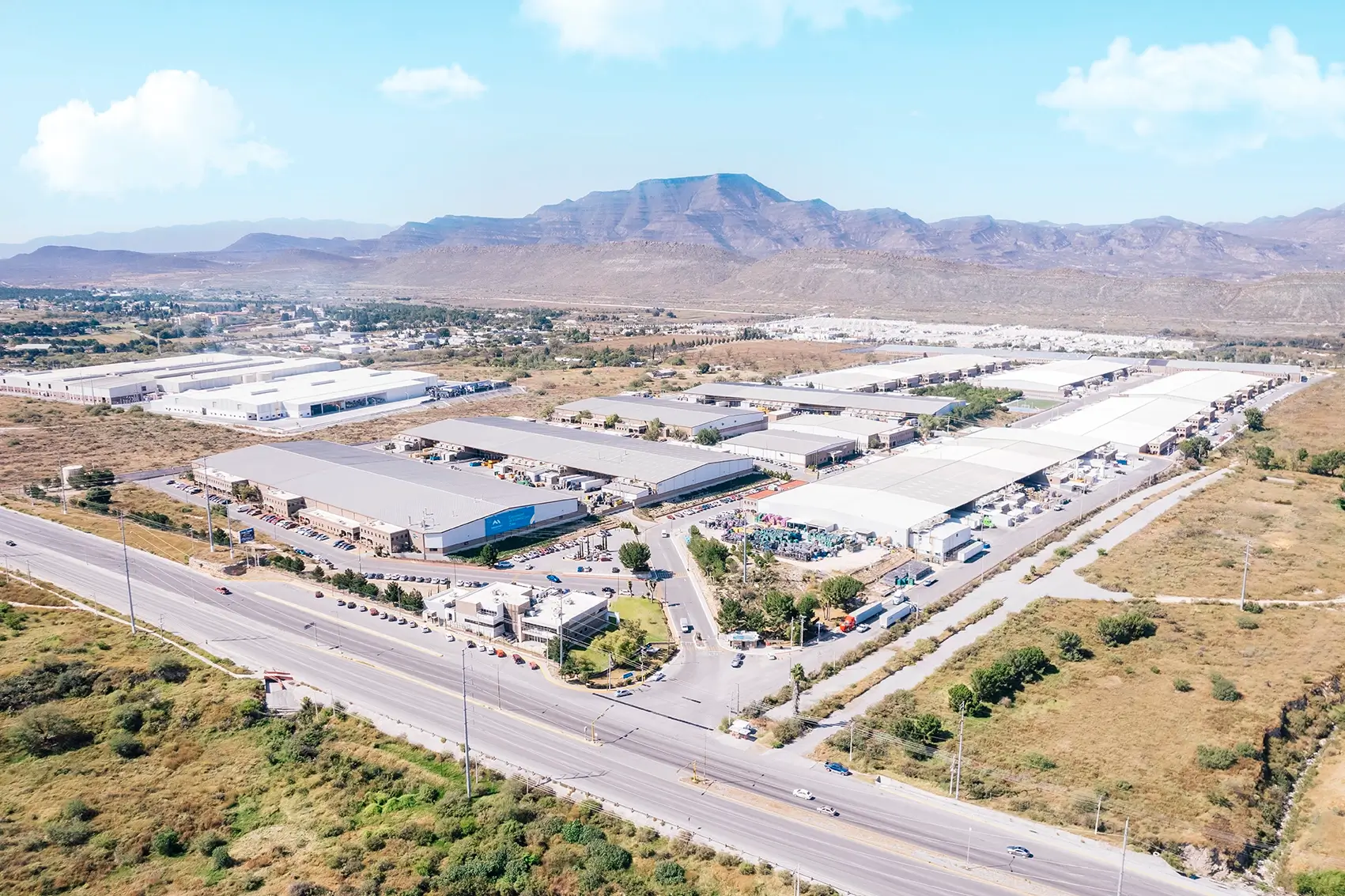
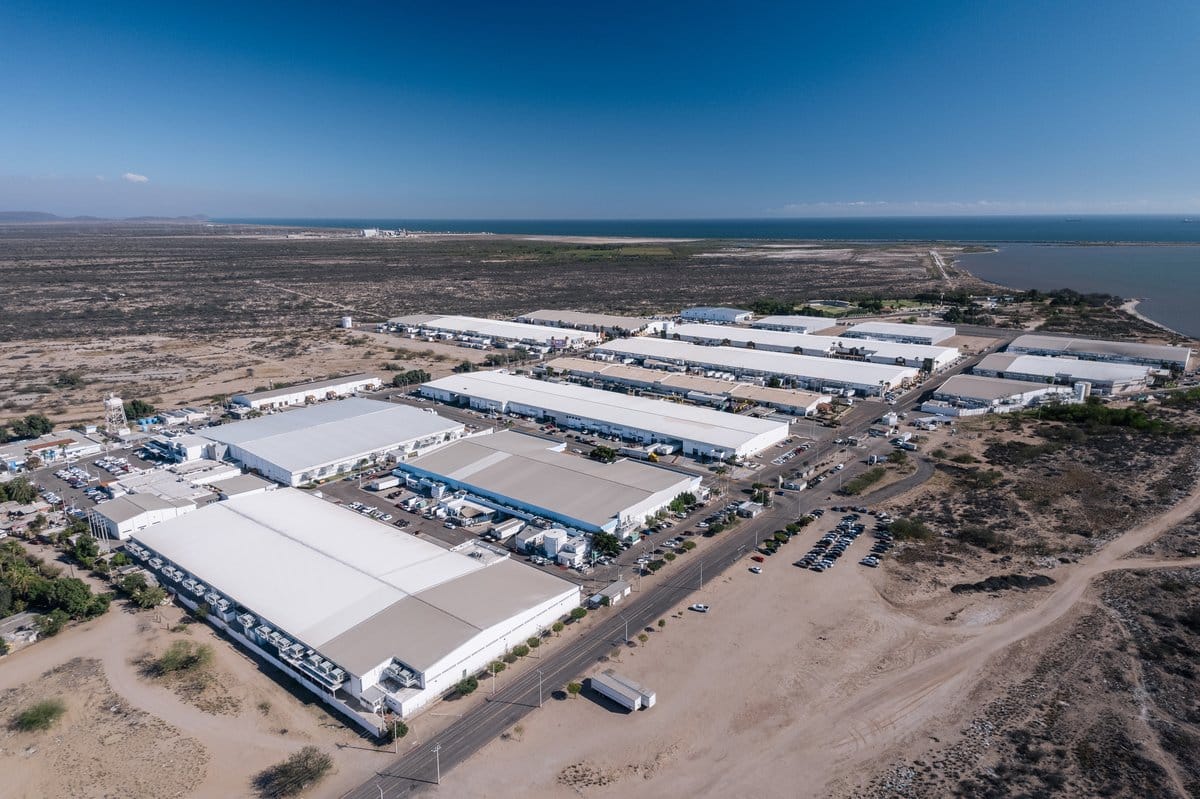
Tetakawi opened in Empalme, Sonora in 1986, and has operated in the Guaymas and Empalme corridor ever since. Two Campuses, one labor market, four decades in the same place. This page is about what that produced, because for a manufacturer evaluating a region it is a more useful question than it sounds: the workforce you will hire here was shaped by the operating environment that has been running around it.
If you are evaluating the corridor itself, start with the Manufacturing Campuses. This is the part underneath.
What was here before
Empalme is Spanish for junction, and the town is named for what it was.
It was founded on 15 September 1905 as a Southern Pacific rail junction, and from 1907 its general repair shops were the economic engine of the town for most of the twentieth century. At their peak the shops employed roughly 3,500 people.
Tetakawi opened here in 1986. Six years later the ground moved: the voluntary retirement program of 1992 began cutting the railroad workforce, railroads were removed from Mexico’s strategic state sector in 1995, concessions were granted in 1997, and Ferrocarriles Nacionales de México ceased to exist in 1998. The general repair shops closed. Engine repair, electrical, brakes, upholstery and carpentry work ended, and the maintenance work moved to Guadalajara.
We arrived before the restructuring began. As railroad employment declined through the 1990s, export manufacturing was already established here, and later research on the privatization identified the Tetakawi industrial complex as a central part of the economic activity that replaced it.
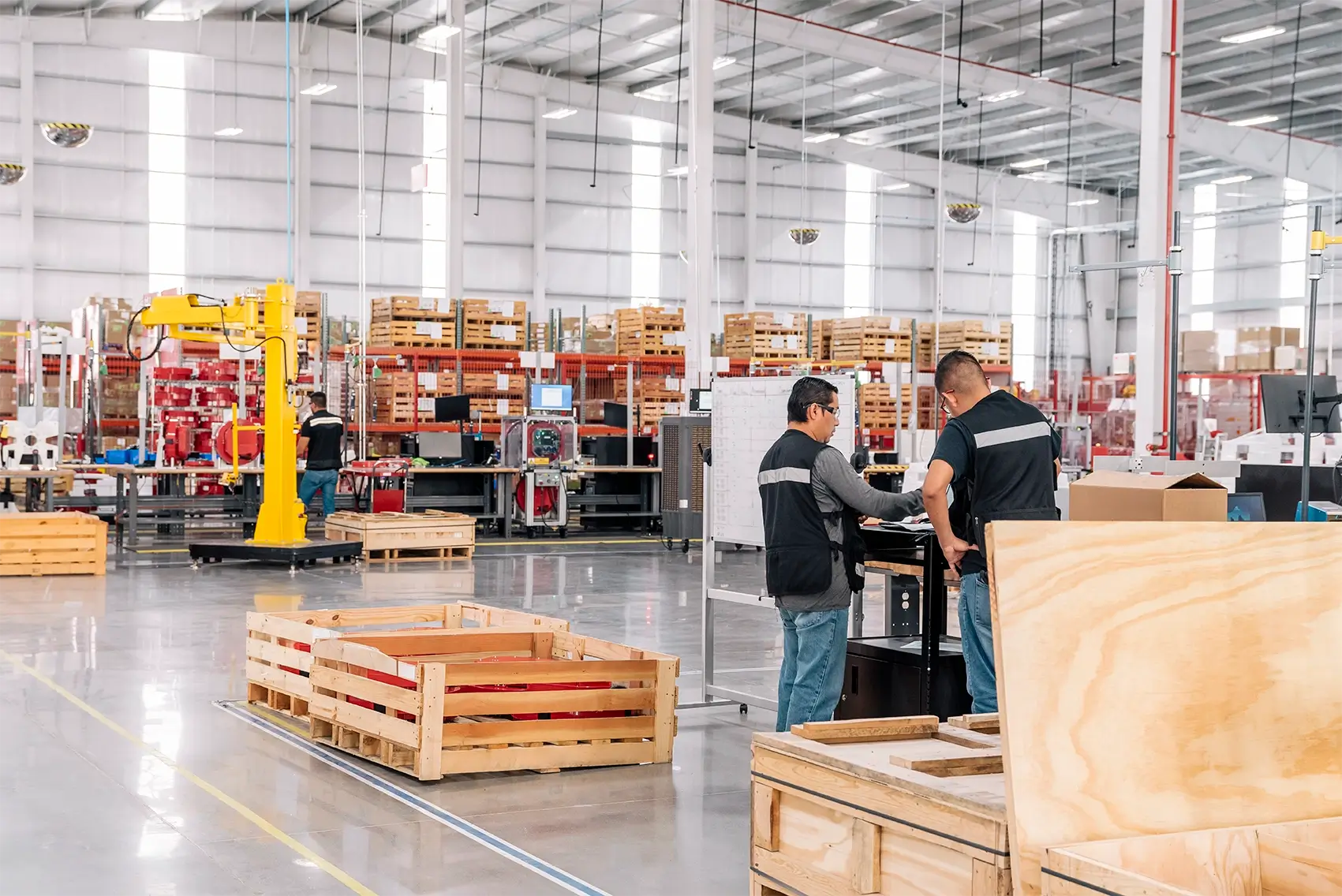
That is the least abstract way to explain why a Campus here does not feel like an industrial park. The workforce, the schools, the suppliers and the municipality have been building alongside each other for forty years.
What forty years actually builds
The shelter agreement covers employment, trade, compliance and facilities. What sits around it in this corridor was built over decades, and none of it appears in a service list.
A daycare center, not a benefit line
The center at the Bella Vista Campus in Empalme has capacity for 252 children, from infancy to four years old. Parents drop children off for the full shift, and the program teaches and feeds rather than minds.
On-site medical
A clinic on Campus, staffed during operating hours. An injured or ill worker is seen on site rather than losing a day to an appointment somewhere else.
Company transportation
Bus routes that reach well past the streets around the plant. In a corridor where people commute from across two municipalities, the route map is what decides who can actually take the job.
A training center with real machines
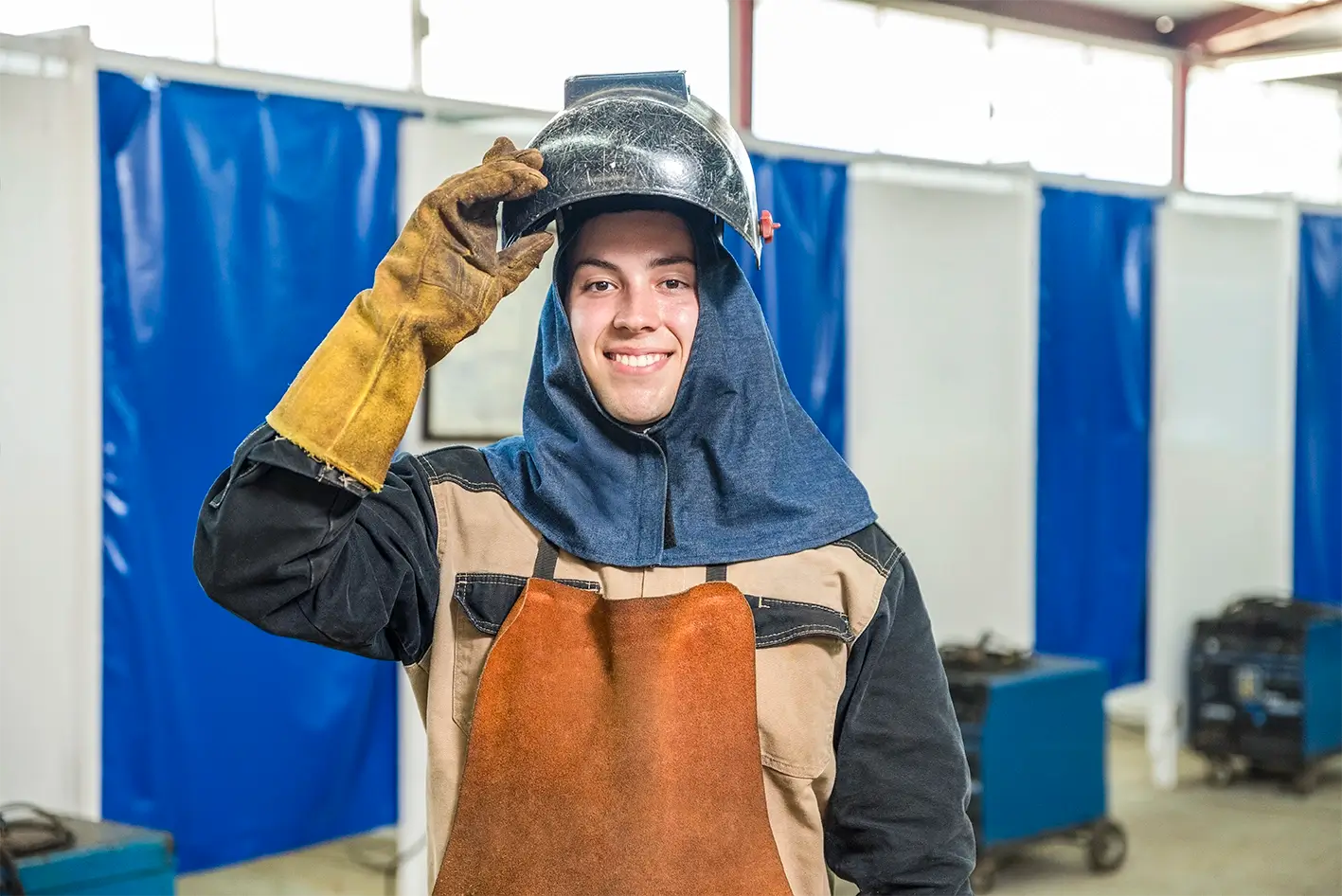
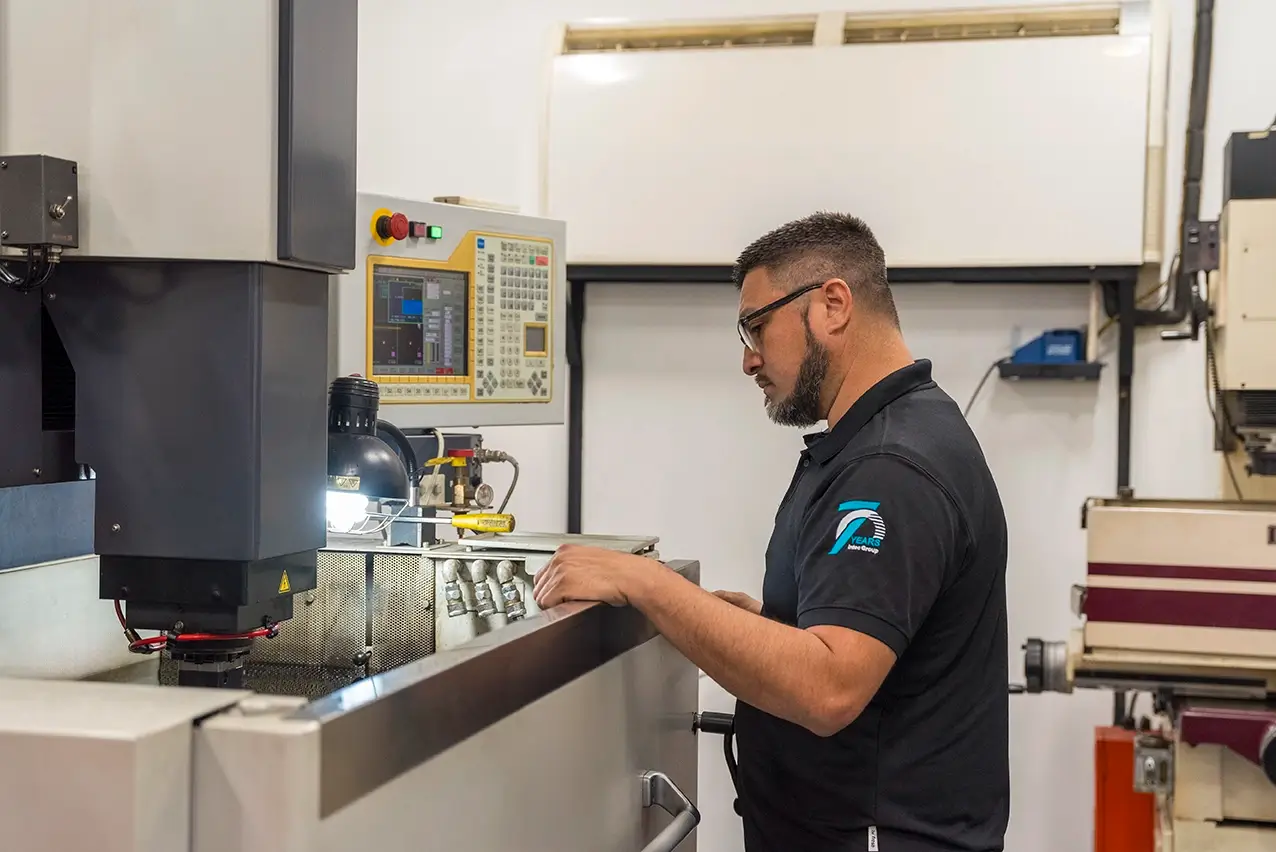
The center at the Roca Fuerte Campus in Guaymas runs CNC and five-axis equipment. Its purpose is to take people who have never touched that technology and qualify them to work in plants that depend on it.
A desalination plant
At Bella Vista, water treatment that serves the site’s own manufacturing requirements and contributes capacity to the community around it.
A sports unit
Ordinary, and easy to dismiss, until you have tried to hold a workforce in a market where every plant offers the same wage.
Our general director in Guaymas and Empalme puts the intent plainly.
Many of the things that we do aim at the goal of being the employer of choice in Guaymas and Empalme. These services help us convey that message: that we are not just limited to what the shelter agreement says in terms of the services, but we go beyond that. Armando Lee · General Manager, Sonora, Tetakawi
The proof is who works here now
Forty years is long enough for a claim about community investment to be tested rather than asserted. In this corridor it has been.
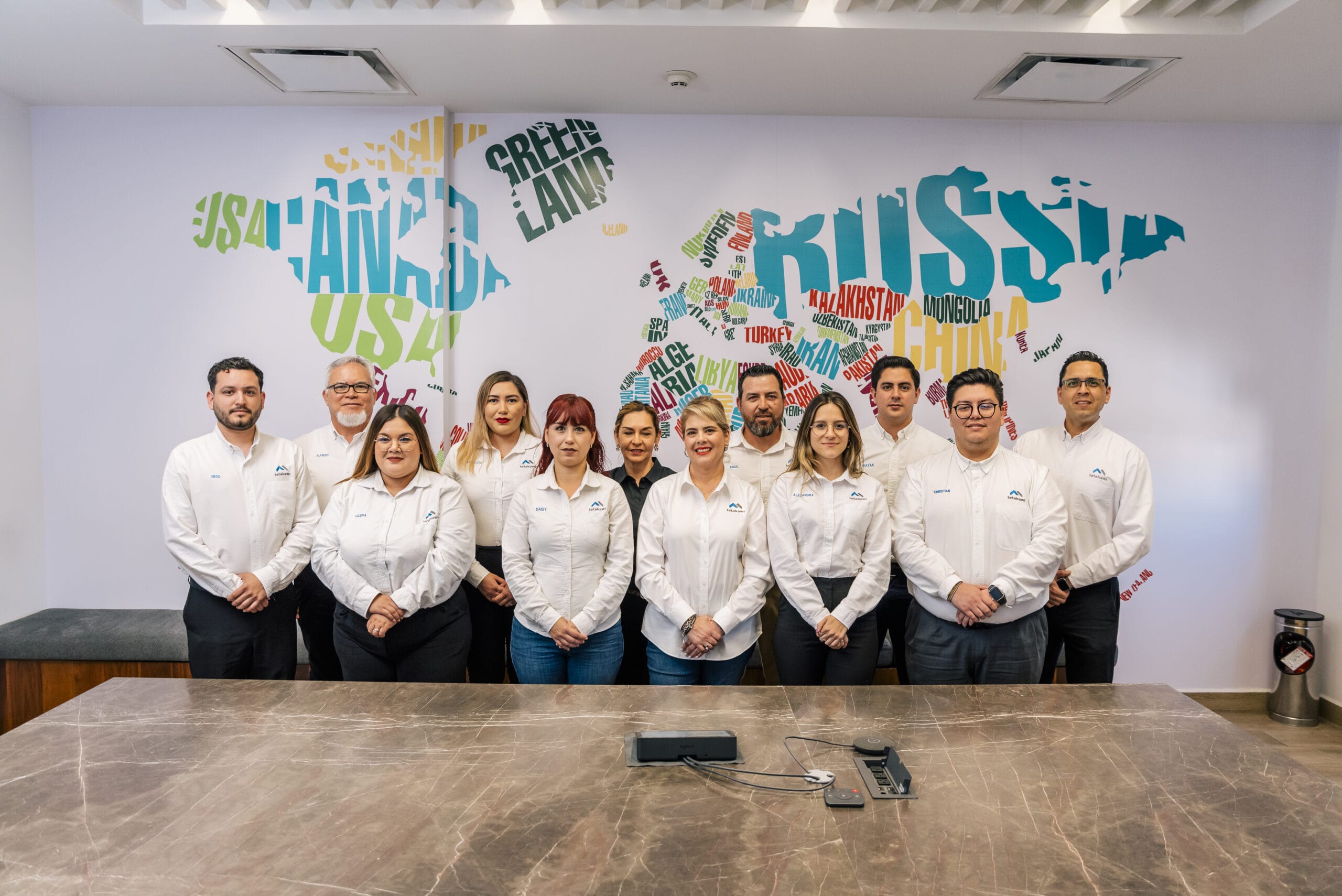
We have some employees today, some engineers, some supervisors, who when they were born were in the daycare service. Through all the years they graduated from the daycare, they went to kindergarten, primary school, secondary school, high school, university, and now they are working with us. They started here literally since they were born. Armando Lee · General Manager, Sonora, Tetakawi
That is one generation, in one place, inside one operating environment. It is also why the corridor’s technical labor base looks the way it does: people here have grown up around precision manufacturing rather than encountering it for the first time as adults.
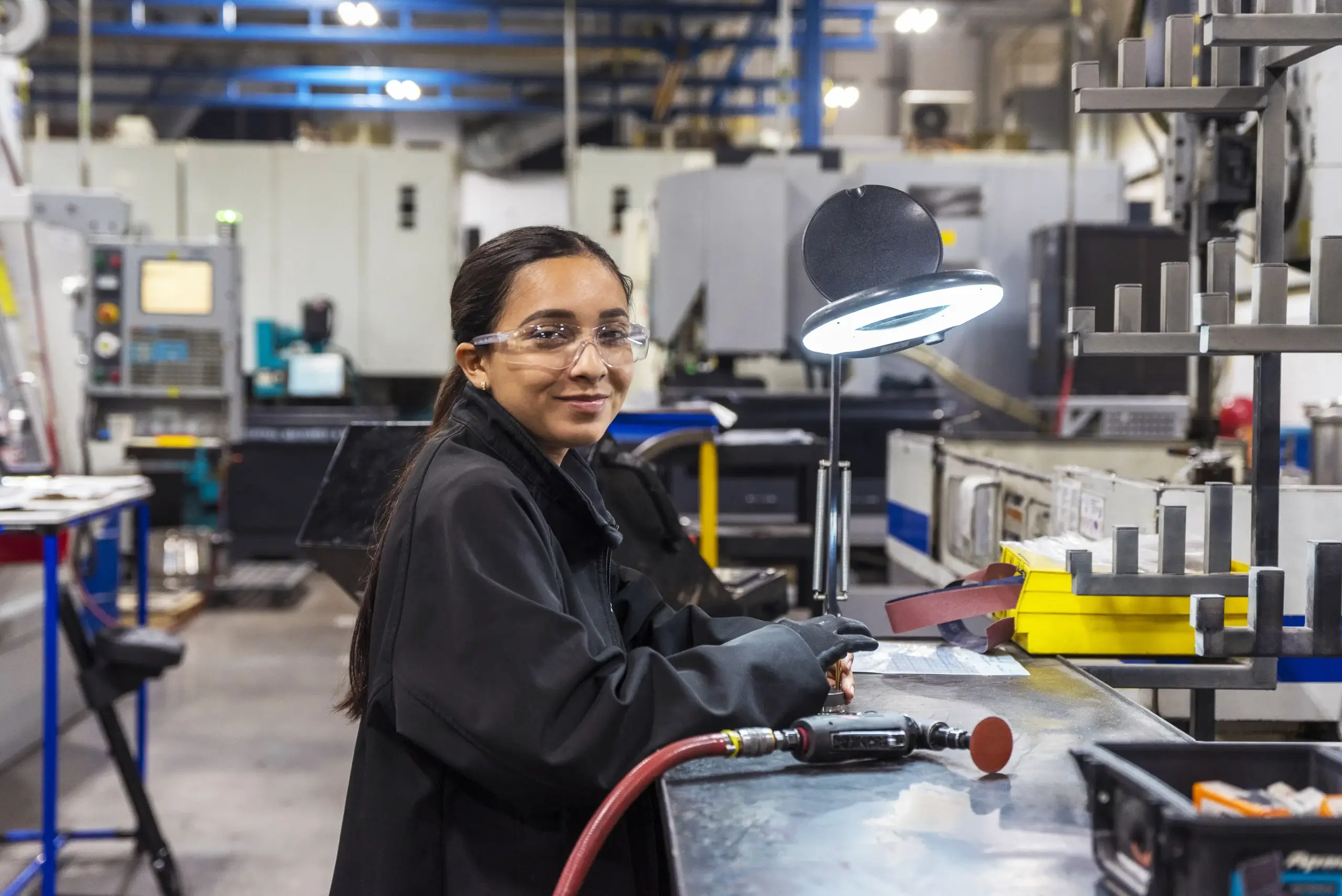
The same is true laterally. One of the managers running regulatory compliance, a demanding technical function, did not study anything close to it at university. She runs the department because she was capable and wanted to learn. In a market where the pool is finite, internal mobility is not a culture initiative. It is how roles get filled.
Why this matters to your plant
None of the above is offered as goodwill. Each of it does something measurable to an operating number, and the mechanism is worth understanding before you evaluate any provider in any market.
It creates a consistent compensation structure
Operations on a Campus are administered under a common employment framework, with compensation benchmarked against the local market. That reduces arbitrary differences between neighboring operations while keeping recruiting decisions grounded in what the regional labor market actually requires.
It addresses practical barriers to attendance
Childcare, transportation and on-site medical services address barriers that affect attendance and workforce accessibility. Each one removes a reason a worker misses a shift.
It carries the union relationship
Tetakawi has operated with active unions since 1986. That matters more since Mexico’s 2019 labor reform, because many manufacturers entering the country have HR teams with little experience of an active union. Where an operation is covered by a collective bargaining agreement, the legal employer carries that relationship, including the annual wage review and the periodic contractual revision.
It carries the employment process
Ending an employment relationship in Mexico is procedural, and doing it badly is expensive. Terminations, documentation and the associated labor procedures are administered by a team experienced with Mexican labor requirements.
It changes what the ramp starts from
Prior manufacturing experience can reduce the amount of foundational training required during a ramp. Qualification to your process, your quality system and your customer’s requirements remains operation-specific, and that work is still yours.
Tetakawi has grown into one of Sonora’s largest private employers. On the company’s thirty-fifth anniversary in 2021, the state newspaper El Imparcial described it as the largest private-sector employer in Sonora. That is a consequence of the last four decades rather than a goal, and it is the reason the corridor’s institutions answer the phone.
What this does not mean
A page like this is easy to overstate, so here is the honest boundary.
It does not make the labor pool infinite
This is a mature, specialized market rather than an open one. Technical capability here is unusually strong for a market of this size, and a large general-labor ramp still has to be modeled against what the corridor can actually supply. Bring the roles and the headcount curve to the first conversation, not the third.
It does not replace your own training
The training center qualifies people on equipment. Your process, your tolerances and your quality system are still yours to teach, and the records that prove it live in your quality system.
It does not substitute for site diligence
Community infrastructure is not capacity. What space exists, what power is contracted and what can expand on what timeline are separate questions, answered on the Roca Fuerte and Bella Vista pages rather than here.
It is not unique to this corridor by accident
Depth like this comes from time in one place. A provider that arrived recently in any market cannot have it yet, and saying so is not a criticism of them.
Five questions to ask any operator
Including us. Every one has a checkable answer, and two of them do not flatter a new entrant.
How long have you operated in this specific market?
Not in the country. In the city where my plant would sit, at the address where my people would work.
What have you built here that is not in the service agreement?
Ask to see it rather than hear about it. Childcare, medical, transport routes and training equipment either exist or they do not.
How far do your transport routes physically reach?
Ask for the route map. In a two-municipality labor market that map is your hiring radius.
Who carries the collective bargaining relationship, and since when?
Experience with an active union is not something a provider can acquire during your startup.
Why do people stay, and what produces it?
Retention comes from things you can see: transport routes, childcare and on-site medical care. Ask to see them working.
Common questions about the Guaymas and Empalme corridor
How long has Tetakawi operated in Guaymas and Empalme?
Since 1986, when the company was founded in Empalme, Sonora as The Offshore Group. The Bella Vista Campus in Empalme was the first, and the Roca Fuerte Campus in Guaymas opened in 2000. The company rebranded as Tetakawi in 2019.
Are Guaymas and Empalme one labor market or two?
One. The two municipalities sit about fifteen minutes apart and share a commuting pool, a supplier environment and a technical school base. Plan recruiting, transportation and wage benchmarking across the corridor rather than by municipality. Permits, land use and anything filed with a city are municipal. The municipal detail for Guaymas, including population, the port and the border distances, is in manufacturing in Guaymas, and Empalme has its own in manufacturing in Empalme.
What is the difference between the two Campuses?
Industry and skill profile rather than geography. Bella Vista in Empalme was the first Campus and was built for higher-headcount manufacturing. Roca Fuerte in Guaymas developed around higher-skilled work, with an established aerospace and engine-components cluster and medical device manufacturing alongside it.
Does the training center mean my people arrive qualified?
It means the corridor has a route for people to reach machine-operator capability who would not otherwise have one, on CNC and five-axis equipment. Qualification to your process, your tolerances and your customer’s requirements remains yours, and those records live in your quality system.
Is the labor pool here large enough for my ramp?
It depends on the roles and the size of the ramp, and it is the right question to ask early. This is a mature specialized market rather than an open one: technical depth is unusually strong for its size, and a large general-labor ramp has to be tested against what the corridor can supply. Bring the job titles and the headcount curve and we will walk them against what recruiting achieves here today.
Why does community investment belong in a site selection conversation?
Because it shows up in operating numbers. Childcare and on-site medical move absenteeism. Transport routes set the hiring radius. A common employment framework across a Campus keeps compensation administration consistent between neighboring operations. Those are the lines that decide whether a plant holds its ramp, and they are worth diligence in any market you evaluate.
Where this fits in a decision
Community investment is not the reason to choose a manufacturing location.
Labor, logistics, cost and capability are. What it tells you is something narrower and harder to fake: whether the operator you are about to depend on has been in this market long enough to be worth depending on, and whether the workforce you are about to hire has been growing up around plants like yours.
In Guaymas and Empalme the answer is documented rather than asserted. The Campuses are covered on the Roca Fuerte and Bella Vista pages, the operating platform across industrial space, logistics and compliance, and how Tetakawi approaches this everywhere it operates on the community page. What the operating platform covers at these two addresses is set out in shelter services in Guaymas and Empalme.
See it in person
Walk the Campus and meet the people who run it
Walk an operating plant, see the daycare, the clinic and the training center, and ask the five questions above of the team that answers them every week. Bring your staffing plan and your target start date and we will walk them against what the corridor supports today.
Subscribe to stay up to date with our latest insights