



Why Manufacturers Are Choosing Mexico in 2026
7 min Read
- Labor & Economics
- Manufacturing in Mexico
Key Takeaways
Jump to Section
If you are weighing Mexico this year, you have heard two things: tariffs have moved, and the nearshoring headlines have faded. Both are true. Neither changes the reason manufacturers keep choosing Mexico.
The reason is people. In the three places a Mexico decision usually starts, the United States, Canada and Germany, the workers who run manufacturing equipment are retiring faster than they are being replaced. Mexico is the one large manufacturing economy next door where the workforce is still growing. This page walks through that, market by market, then the tariff picture, then what it costs. Figures are dated where they are used. Current as of September 2026.
Mexico’s biggest advantage is people
Mexico’s economically active population reached 61.7 million in the second quarter of 2026, up 612,000 from a year earlier, with 60.0 million employed (INEGI). No other economy in North America is adding workers at that pace.
The technical pipeline is deep. About 170,000 students completed engineering, manufacturing and construction programs in Mexico in the 2024 to 2025 cycle (ANUIES), and engineering makes up an unusually large share of Mexican higher education. Technical universities and trade schools sit in every major manufacturing city, and the manufacturers who have been here for decades built the training around them.
That combination, a growing workforce and a technical bench, is what the next three sections are missing.
61.7M
Mexico’s labor force in the second quarter of 2026, up 612,000 year over year (INEGI)
580,000
US manufacturing job openings at the end of July 2026, up from roughly 428,000 a year earlier (BLS)
80%
Share of US imports from Mexico entering under USMCA preference by mid-2025, up from roughly half before 2025 (Dallas Fed)
The United States: more openings than people to fill them
US manufacturers had 580,000 job openings at the end of July 2026, up from roughly 428,000 a year earlier (Bureau of Labor Statistics). The gap is not turnover. Manufacturing quits ran at 1.4 percent in July against 1.9 percent for the economy as a whole.
The gap is age. One in four US manufacturing workers is 55 or older, and only one in thirteen is under 25. Deloitte and the Manufacturing Institute projected in April 2024 that US manufacturing could need 3.8 million people through 2033, with 2.8 million of that simply replacing retirements. A tariff can change where a product is made. It cannot make a maintenance technician appear.
For a US manufacturer, Mexico is the way to add the shift you cannot staff at home, a few hours from your existing plants and inside the same trade agreement.
Canada: fewer people arriving
Canada’s population declined for a third straight quarter in early 2026, and the change is policy, not a blip. The 2026 to 2028 immigration plan cuts new temporary worker admissions 37 percent and student admissions 49 percent (Statistics Canada; Government of Canada). Those were two of the labor channels Canadian manufacturers leaned on most.
Canadian manufacturers already know Mexico. Canada’s direct investment position in Mexico rose from C$48.1 billion at the end of 2023 to C$66.0 billion in 2025, and Canada was the third-largest source of foreign direct investment in Mexico in the first half of 2026 (Statistics Canada; Secretaría de Economía). USMCA covers all three countries, so a Canadian company producing in Mexico serves the US market under the same rules it uses at home.
Germany: skilled trades with no candidates
In Germany, six in ten open positions for skilled machining and metal-cutting workers had no suitably qualified candidate anywhere in the country in March 2026 (KOFA). Destatis calculates that 13.3 million people now in the German labor force, 30 percent of it, reach retirement age by 2040. Industrial electricity in Europe cost roughly twice US levels in 2025 (International Energy Agency), and total employer labor cost in German manufacturing was about 49.50 euros an hour.
European capital has already found the answer. Spain was the second-largest source of foreign direct investment in Mexico in 2025 and the Netherlands the fourth. For a German manufacturer, Mexico offers a growing technical workforce, energy at North American prices, and a plant inside the US market’s trade agreement.
Tariffs are not the wall they look like
USMCA is intact. At the July 1, 2026 review the United States chose not to extend the agreement’s term, but nothing inside it changed: qualifying goods from Mexico still enter the United States duty free, the agreement runs to 2036, and it is now reviewed every year.
The new Section 301 tariff of 10 percent applies only to goods that do not qualify under USMCA, and Section 232 goods are covered by their own rules. Manufacturers responded by qualifying, not by leaving: before 2025 only about half of US imports from Mexico entered under USMCA preference, and by mid-2025 that share had climbed to about 80 percent (Federal Reserve Bank of Dallas, August 2026). Two-way goods trade between the United States and Mexico reached $871.6 billion in 2025 (USTR).
Qualification is a product test, not a country test. Design the bill of materials for the rule of origin before the plant is designed, and the tariff question is answered.
The capital is already voting
Mexico recorded $34.968 billion of foreign direct investment in the first half of 2026, its highest first half on record (Secretaría de Economía). Most of it, 88.5 percent, was earnings that companies already operating in Mexico chose to reinvest there. That is the clearest signal in the data: the manufacturers who know the market best are putting more into it.
What it costs
Direct labor on a Tetakawi Campus starts at about $4.33 an hour fully fringed for unskilled positions, about $5.78 semi-skilled and about $6.10 for machinists, against about $28, $30 and $35 for the same roles in US manufacturing, wages plus benefits, our calculation from BLS data. Fully fringed means the wage plus the employer’s payroll taxes and benefits.
Mexico’s workweek moves from 48 hours to 40 in two-hour steps each January from 2027 to 2030, with pay unchanged. Forty hours is the week US and Canadian plants already run, so the comparison gets more like for like, and the cost gap stays.
Where a Tetakawi Campus fits
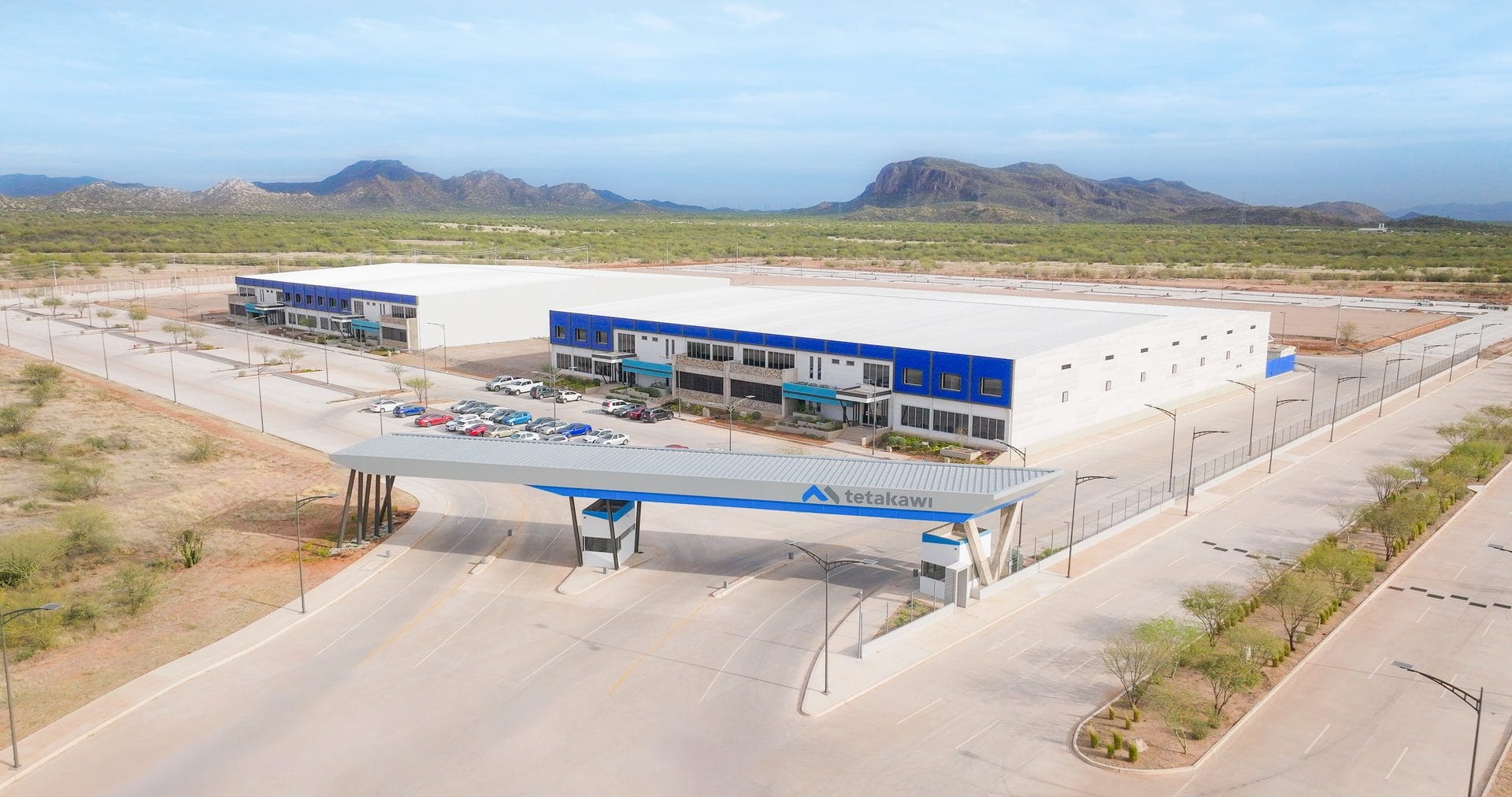
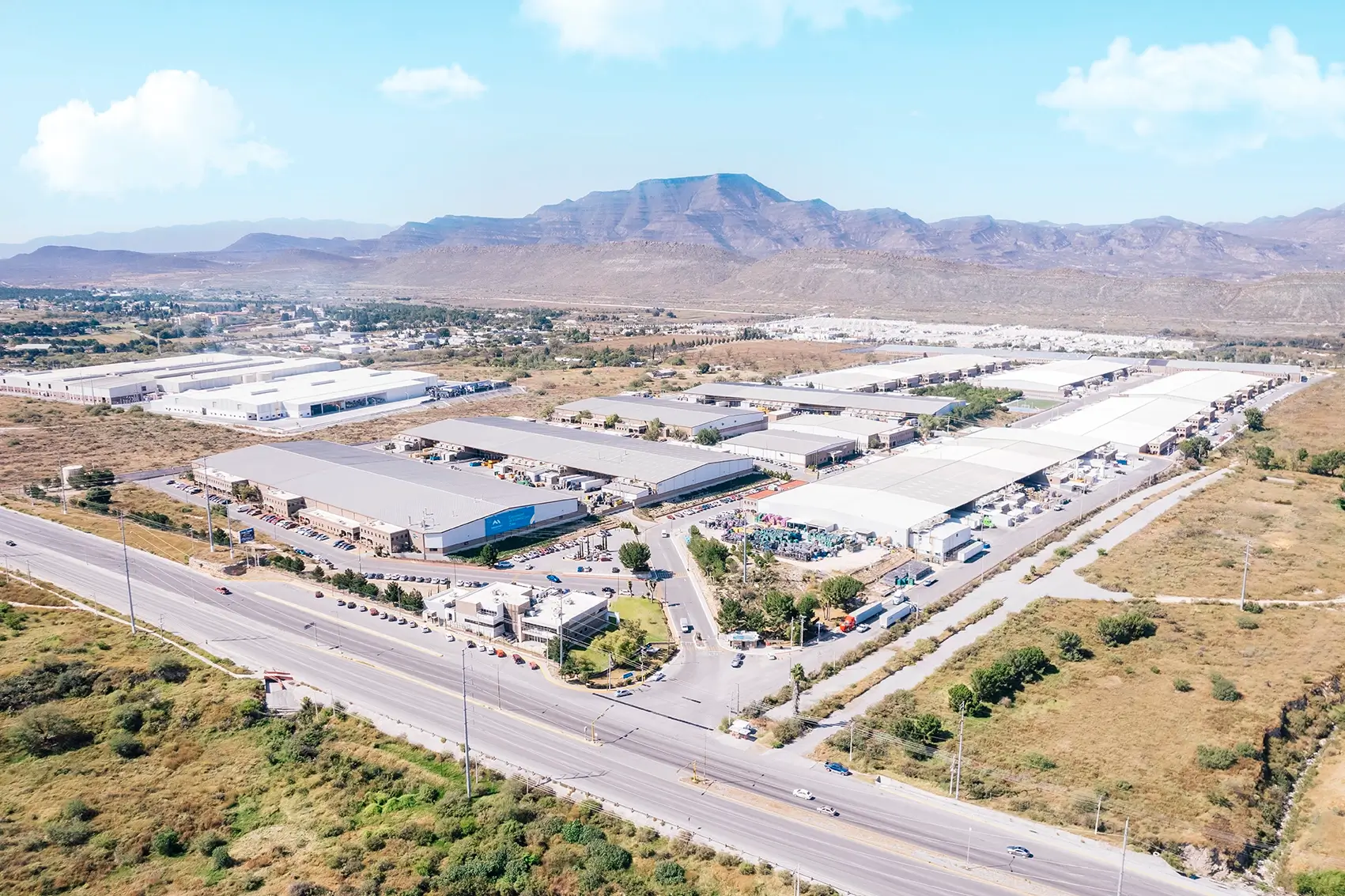
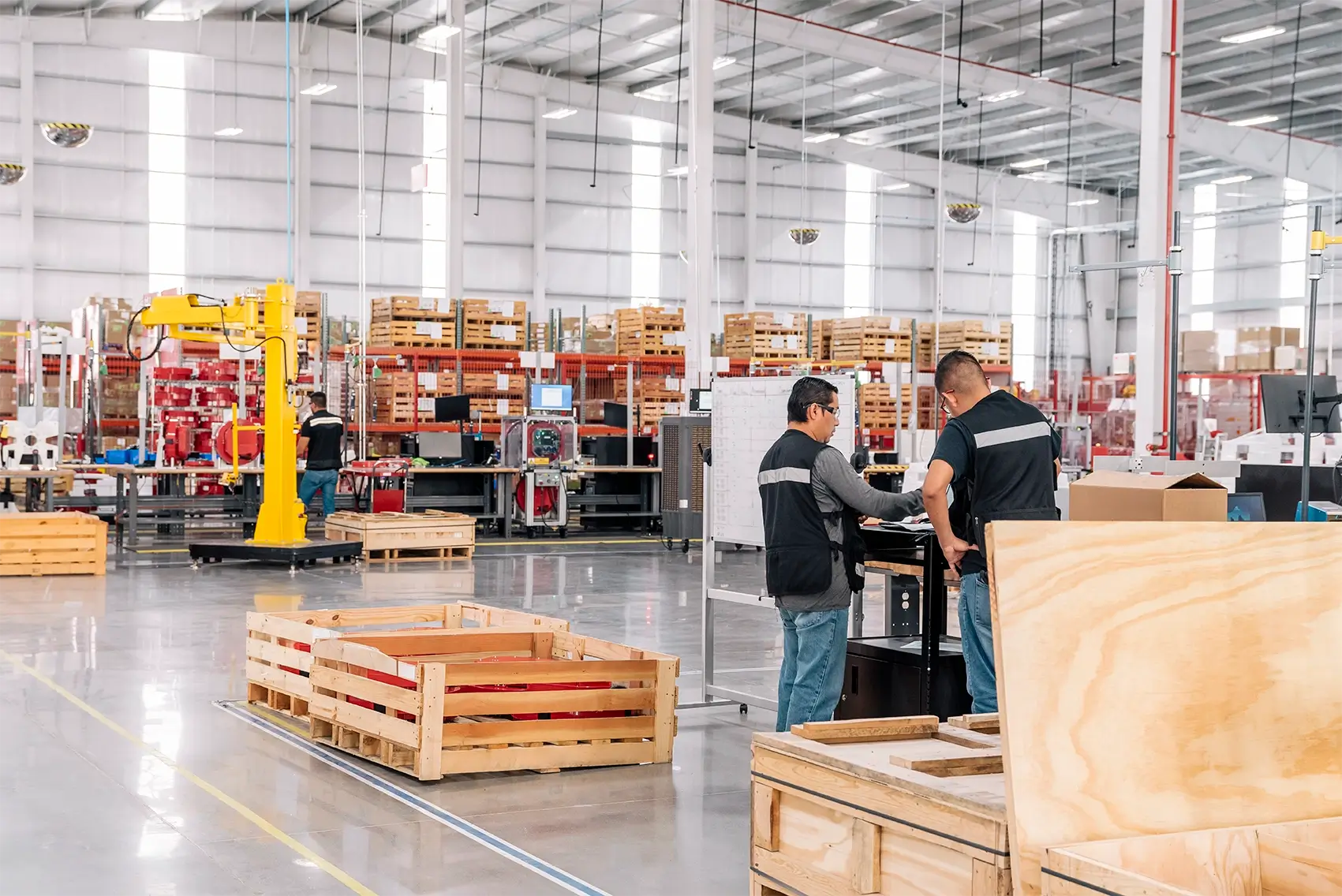
A Tetakawi Manufacturing Campus is a turnkey operating environment: you run your own factory, and Tetakawi runs everything around it. You keep full control of production, quality and your IP. Tetakawi is not a contract manufacturer.
Tetakawi provides the building, the workforce, the import and export operation, and the Mexican entity with its permits and registrations. In Mexico, Tetakawi is the importer and exporter of record; entering the United States, your company is. We have run Campuses in Mexico since 1986, and more than 60 manufacturers with 22,000+ employees operate on them today.
Bring us the roles you need to fill, the shift pattern you plan to run and your expected volumes. We will show you what those roles cost in a specific labor market, how long they take to recruit, and which Campus fits. A typical launch runs about three to six months; qualifying projects can get started in as little as 30 days.
Common questions about manufacturing in Mexico in 2026
Is manufacturing investment in Mexico still growing?
Yes. Foreign direct investment reached a record $34.968 billion in the first half of 2026, and 88.5 percent of it was reinvested earnings from companies already operating in Mexico. Existing manufacturers are expanding.
How do tariffs affect manufacturing in Mexico in 2026?
USMCA-qualifying goods enter the United States duty free, and the agreement runs to 2036 with annual reviews. The 10 percent Section 301 tariff applies only to goods that do not qualify, which is why 80 percent of imports from Mexico now claim preference.
Is labor still cheaper in Mexico than in the US, Canada or Europe?
Yes. Direct labor on a Tetakawi Campus starts at about $4.33 an hour fully fringed, against about $28 for the same role in US manufacturing. The larger advantage is that the shift can be staffed at all: Mexico’s labor force grew by 612,000 in the year to the second quarter of 2026.
Does the 40-hour workweek make Mexico more expensive?
It changes the number of ordinary hours you schedule per person, not the pay, on a timetable published four years ahead: 46 hours in 2027, 44 in 2028, 42 in 2029, 40 in 2030. At 40 hours a Mexican operator still costs a fraction of the US equivalent, and 40 hours is the week US plants already run.
Before you commit to a location
Test the actual roles
Send us the positions you need to staff, the shift pattern you plan to run and your expected volumes. We will come back with what that labor market supports, what it costs, and which Campus fits.
Subscribe to stay up to date with our latest insights