How to Set Up Aerospace Manufacturing in Mexico
11 min Read
Key Takeaways
- Setting up aerospace manufacturing in Mexico starts with defining the work: the part family, volumes, equipment, skills and the date parts are needed.
- Contract manufacturing, your own Mexican company and a shelter arrangement differ in who runs production and who carries the work around the plant.
- AS9100 certification scope, Nadcap accreditation where required and customer acceptance are separate launch requirements: confirm which apply, who owns each and when it is due.
- On a Tetakawi Manufacturing Campus your team runs production and the quality system, while Tetakawi's teams handle the building, recruiting, payroll and customs.
- A Campus does not replace your customers' reviews or set their acceptance date, so plan delivery continuity into the launch from the start.
Jump to Section
Aerospace manufacturers look at Mexico for different reasons: more capacity for a program they already run, a new program to place, a cost target the current footprint cannot meet, or a customer asking for it. Whatever started the conversation, practical questions decide the project. What will the plant make? Who will run which parts of it? What will the new site have to show before your customer accepts its parts? And what will it cost to get there without missing deliveries?
To answer them you need an operating model that fits the work, a clear list of what the new operation has to demonstrate, and a launch and operating plan your operations, quality and finance leaders can each test. Here is how to put each one together.
Define the work the Mexico operation will do
Start with the work itself, because the later decisions depend on it: the part family or process the plant will run, the volumes in the first year and at full rate, the equipment, the skills that equipment demands, and the date your program or customer needs parts.
Then decide what kind of project this is. Transferring existing production moves work your customers already accept from a U.S. plant, often with some of the same equipment. Adding capacity can mean making an existing part at a second location while your current plant keeps supplying it. A new program may make the Mexican site the first source for that work. The three share most of the work, some projects mix them, and each treats delivery, approvals and cost differently.
Where the program allows it, starting with a defined part family or process can make the first launch easier to manage. Choose that scope against customer demand, process readiness and the business case, and confirm that later phases still support the delivery schedule the program needs.
Choose how you will operate in Mexico
The first decision is whether to buy parts or make them. A contract manufacturer makes your parts on its own floor, under its own quality system, and your customers’ requirements decide what it has to show before those parts ship. It can fit when the work matches its processes and capacity, when you can accept less day-to-day control, and when the commercial terms work (Tetakawi vs contract manufacturing).
If you run your own plant, the second decision is how to hold it in Mexico. With your own Mexican company, you form the entity and get its registrations and import authorizations. Your company then stays responsible for the labor, legal and administrative work as well as the plant, whether your own team does it or you hire advisers and service providers. Under a shelter arrangement, you run the plant while a provider’s Mexican company holds the import program and, in the usual arrangement, employs the workforce. What providers include varies, so read the scope (shelter vs standalone).
So in both of those routes production is yours. What changes is who carries the work around it.
| Contract manufacturer | Your own Mexican company | Shelter on a Tetakawi Campus | |
|---|---|---|---|
| Who runs production | The contract manufacturer | Your team | Your team |
| Quality system the parts are made under | The contract manufacturer’s | Yours | Yours |
| Mexican entity, applicable registrations and import authorizations | The contract manufacturer’s | Yours to form and maintain | On Tetakawi’s side |
| Recruiting, employment, payroll | The contract manufacturer’s | Your company’s, directly or through providers | Recruiting to your job descriptions; employment and payroll through Tetakawi’s Mexican operations |
| Building | The contract manufacturer’s | Your company secures and prepares the facility | On the Campus, maintained by Tetakawi |
| Tends to fit when | The work matches its processes, capacity and terms | You want your own Mexican entity and will assemble and oversee its support functions | You want your own plant without running a Mexican company |
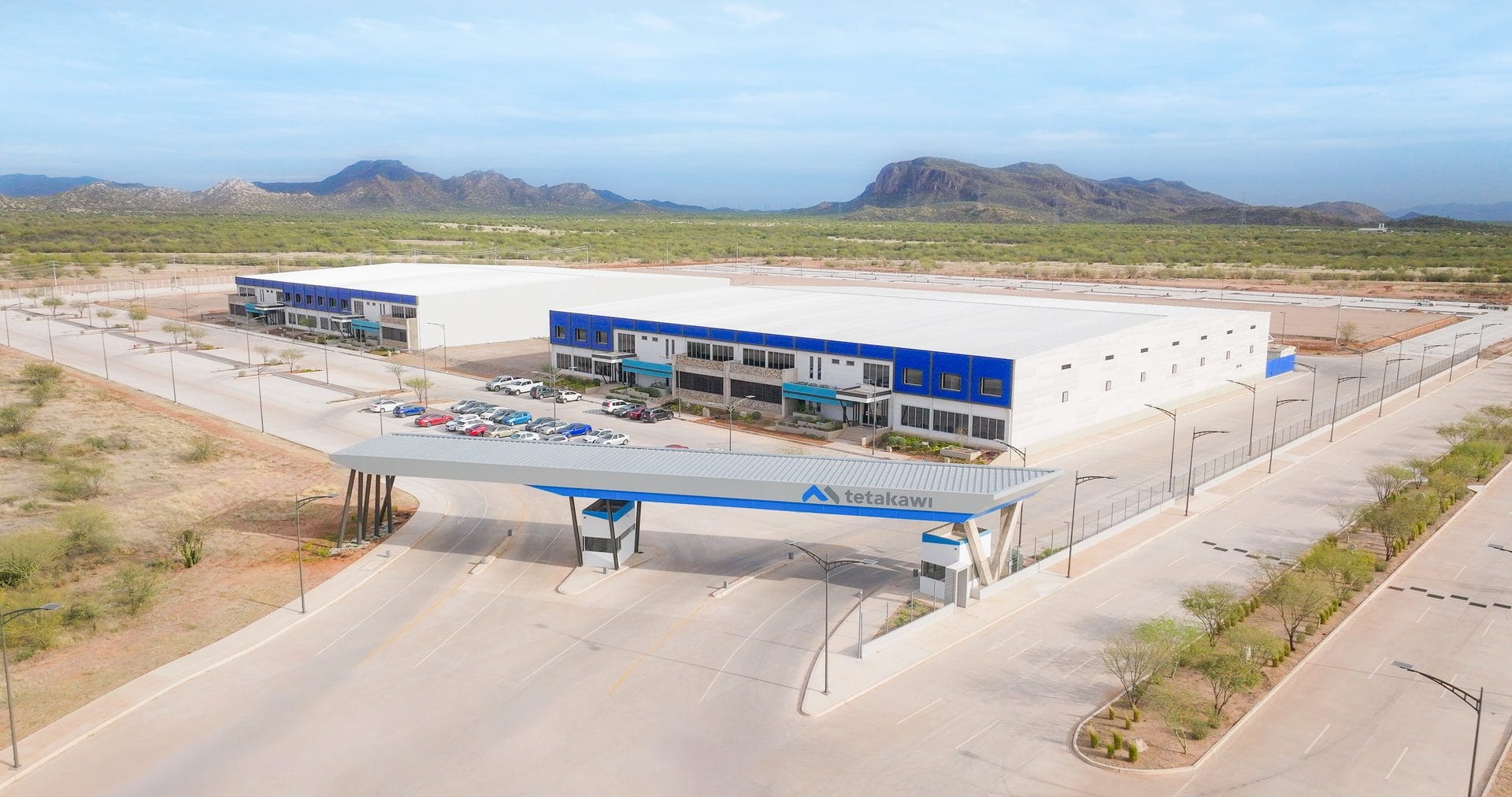
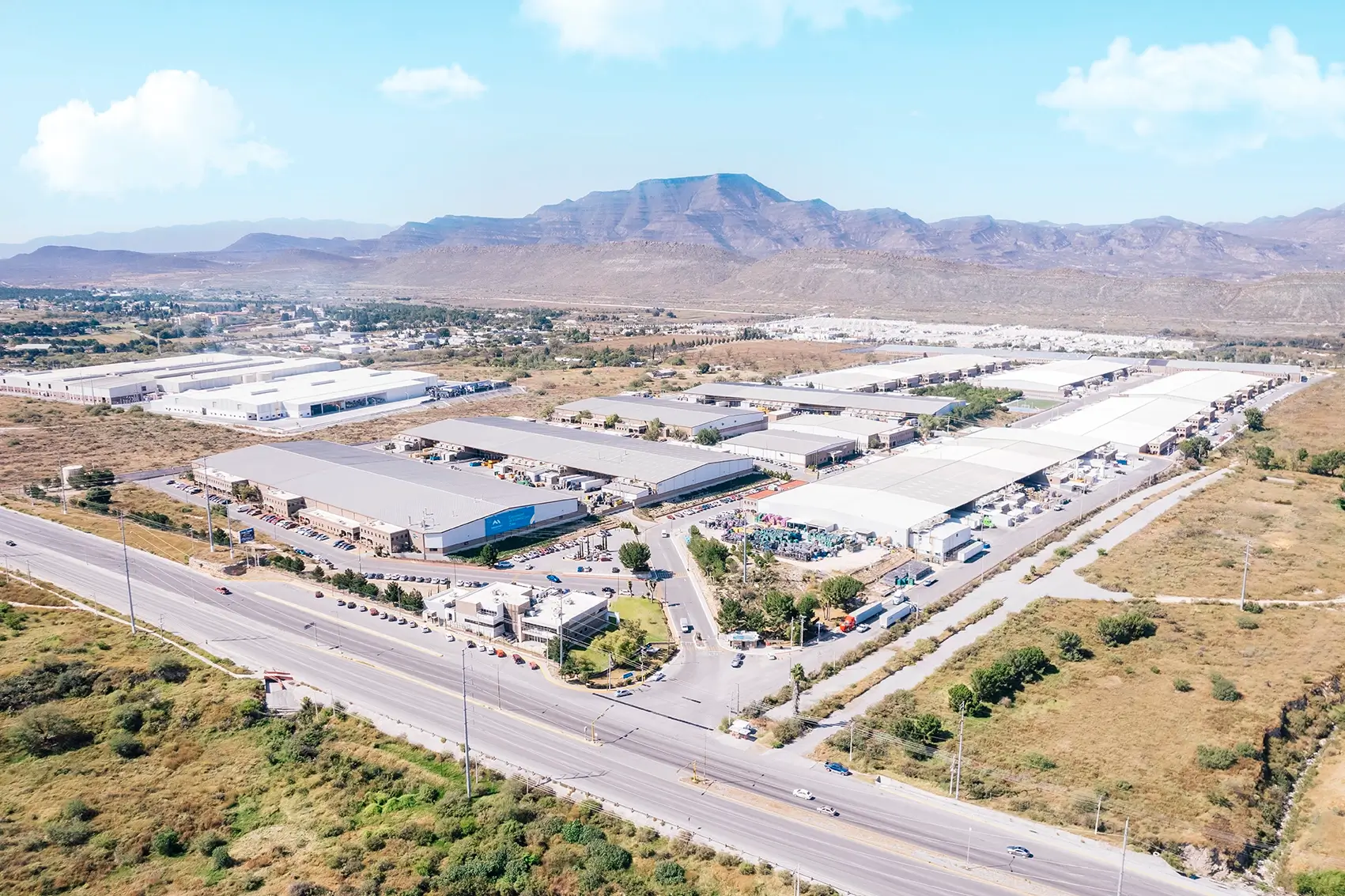
Tetakawi provides that arrangement on five Manufacturing Campuses in Sonora, Sinaloa and Coahuila, where more than 15 aerospace manufacturers operate. A Campus adds established industrial space, shared infrastructure and an on-site support organization. You control production, process and quality. Tetakawi is not a contract manufacturer. Here is how aerospace manufacturing in Mexico works on a Tetakawi Campus.
Establish what the new site’s quality system and approvals require
Adding or moving aerospace work raises separate questions, each with its own owner.
Your quality system. It governs how the new plant makes, inspects and releases parts, and it stays your company’s responsibility when you run the plant. Decide early whether the Mexican plant runs under your existing system or its own, and who leads quality there.
Certification scope. An AS9100 certificate you already hold does not cover a new plant in Mexico on its own. Certificates are issued by accredited certification bodies under the International Aerospace Quality Group’s rules, and each one lists the sites and scope it covers. Ask your certification body how the new site and its work will be added, what audits that takes and when the updated certificate can be issued.
Process accreditation. Nadcap is an industry-run program, administered by the Performance Review Institute (PRI), that accredits suppliers for specific processes, for example heat treating, chemical processing and nondestructive testing. Your customers’ requirements decide whether a process at the new plant needs it. If one does, confirm with PRI and those customers what the site needs before you schedule that work there.
Customer acceptance. Your customers decide what they need to see before accepting parts from a new location. Their quality terms can require, for instance, a new first article inspection when the location of manufacture changes in a way that could affect form, fit or function, and some customers also approve or audit the site. Where those terms require approved sources for outside processes, the new site’s suppliers have to meet them too.
Tetakawi’s shelter arrangement does not give your operation certification coverage or customer acceptance; those stay part of your own launch plan. A Campus does not replace the reviews they call for or guarantee the date your customer accepts parts, though preparation and execution on the ground affect how ready everything else is when those reviews happen. The same holds in any industry, as what a Campus speeds up and what it can’t explains.
Build the launch and operating case
The date that matters is when the new site can deliver parts your customer accepts, and an available building is only the start of it.
Consider a hypothetical supplier moving an existing aluminum machining cell to Mexico. An available building gives the team a place to assess. The team still has to check power and foundations for each machine and recruit machinists and inspectors. It has to decide where anodizing and penetrant inspection will happen, and find out what the customer requires before accepting parts from the new site. And if the same machines are moving, the plan has to show how deliveries continue while they are in transit.
Facility and equipment. List what each machine and inspection station needs before it arrives, for example foundations, power, compressed air and temperature control for inspection. Then decide which machines move and which are bought, their lead times, and how long installation and capability runs take before the first qualification parts.
People. Build the hiring plan by role and date, from machinists, inspectors and maintenance technicians to the plant and quality leaders. Then plan training by role, including the skills to be demonstrated, the time required and where training will take place.
Suppliers and logistics. For each material and outside process, decide where it comes from during start-up and where it should come from later. A nearby processor joins the plan once it meets the requirements that apply to that work. Then map how material and parts move, including the customs paperwork for each crossing.
Delivery continuity. For transferred work, decide how deliveries continue while equipment moves and the new site gets ready. Depending on the project, that can mean building inventory ahead, moving equipment in phases, running both sites in parallel or using another approved source. Say in the plan what happens if the new site is accepted later than planned. For added capacity, work out how much demand your current operation can cover during the ramp. For a new program, match the new site’s readiness to the date your customer needs parts. In each case, write the backup plan down. The International Aerospace Quality Group’s supply chain handbook treats moving work between sites as something to manage in planned stages, and notes that transfers often cause schedule and quality problems when they are not adequately managed.
Costs and ramp. Keep two numbers apart for finance: the cash it takes to set the operation up, and the cost of running it. Setting up can take equipment and its installation, changes to the building, training, qualification work, inventory, and a period when both sites carry cost during a transfer. Running costs include labor and benefits, space, utilities, maintenance, support services, materials, outside processing and freight, plus the taxes and duties that apply to the operation. Then put the production assumptions into the model: staffing, machine hours, cycle time, yield and scrap. Compare the expected cost of each accepted part at planned output, and test what happens if volume builds more slowly or your customer accepts parts later.
Check processes, space and export control early
Some constraints can change the evaluation, so check them before the plan is far along.
Processes near the site. A region can have the capability you need without a plant that can take your work; Mexico’s aerospace clusters shows what each region makes. A nearby processor counts once it is qualified for your process, meets your customers’ requirements and has capacity; until then, plan where that process happens and what it adds to lead time.
Space for your timing. Available buildings, power and room to expand differ by Campus and change over time, so ask early what fits your schedule.
Export controls. Review U.S. export-control requirements early, before shipping equipment, sharing technical drawings or software, or arranging technical training for the Mexico operation. Depending on the items, information, people and activities involved, the Export Administration Regulations (EAR) or International Traffic in Arms Regulations (ITAR) may apply. The review can matter before any equipment moves: for example, before giving the Mexico team access to controlled drawings. Have your export-compliance team determine which authorizations and access restrictions apply, with specialist advice where needed, and include them in the launch plan.
What Tetakawi does, and what to bring to a first conversation
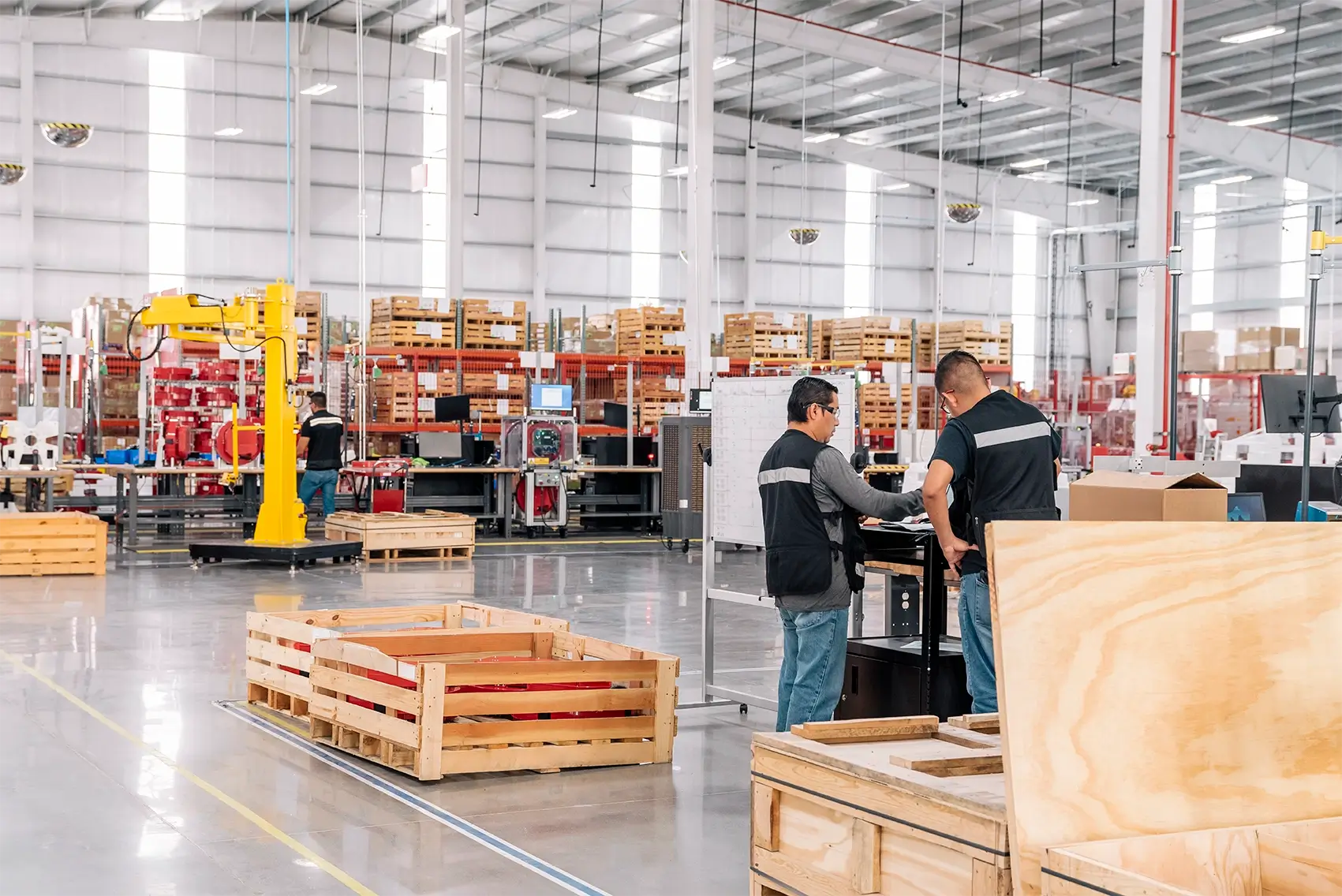
On a Manufacturing Campus your team runs production: the parts, the process, the quality system, your customers and the decisions on your floor. Tetakawi’s teams handle the work around the plant, as agreed in the services you contract:
- Launch: one project lead plans the building, permits, first hires and first shipments against your date (start-up services).
- Building: a building on the Campus, prepared with you for your process and maintained by Tetakawi. Room to grow is assessed against your needs and the space available (industrial space).
- People: recruiting to your job descriptions, with your team choosing the candidates; employment, payroll and benefits run through Tetakawi’s Mexican operations (HR and payroll).
- Customs and trade: the import program and your customs record, built from the part data you supply (import and export). In Mexico, the importer and exporter of record is on Tetakawi’s side of the arrangement; entering the United States, your company is.
- Compliance: the tax, labor, environmental and permit filings and compliance responsibilities on Tetakawi’s side of the arrangement.
Plant managers are people who should be focused on plant production.
Eduardo Saavedra, EVP of Business Development, Tetakawi
You do not need to finish your diligence before talking to us. Bring the work, expected volumes, the processes and equipment, your facility needs and target timing; your current certification scope and the customer requirements associated with that work help if you have them. An early conversation helps assess whether a Campus fits and identifies what needs further evaluation. When you are ready, talk to Tetakawi about aerospace manufacturing in Mexico.
Plan your aerospace operation in Mexico
Tell us what the plant would make and when you need parts. We will show you how a Campus would work for that operation and what your launch plan still needs.
Frequently Asked Questions
Do our current certifications cover a plant in Mexico?
Not automatically. An AS9100 certificate lists the sites and scope it covers, so confirm with your certification body how a new plant and its activities will be included. Nadcap, where your customers require it, and customer acceptance of parts from the new location are separate questions.
How long does it take to set up on a Campus?
In Tetakawi’s experience, setting up this way typically takes three to six months to reach the point where the site is ready for equipment, with the space, the legal framework and the workforce infrastructure in place. For a well-prepared operation on an established Manufacturing Campus, that can be as little as thirty days, because the buildings are standing and move-in ready, recruiting is already running in that region, and Tetakawi’s IMMEX program is already in place. Any additional registrations, permits or approvals required for your products and activities belong in the launch plan. Beginning production and reaching planned output depend on the remaining installation, staffing, validation and approval work. Before shipping, meet the customer requirements that apply to the parts and the new production location.
Subscribe to stay up to date with our latest insights