Our Story
Learn our story, leadership, and mission shaping manufacturing in Mexico.

When you operate on a Tetakawi Manufacturing Campus, your goods cross under Tetakawi’s IMMEX program and customs registrations, on declarations our team prepares in our own trade system. In Mexico, Tetakawi is the importer and exporter of record; entering the United States, your company is.
The Problem
In Mexico, crossing the border is not the hard part. Matching the record is, because every part that enters is logged against a program, and what customs has on file for your plant has to match what is on the floor, part by part, month after month.
Every part entering Mexico needs its papers: number, quantity, value, origin, weight. One missing field and the truck waits at the border, and so does your line, and so does your customer.
Raw material enters duty-deferred, on a time limit set by customs rather than by your schedule. Material that outlives its window can become duty, penalties and a liability you did not plan for.
Customs holds the program holder to a record of every part entered and used. Your ERP holds the count, and the gap between the two shows only when someone compares them, usually an auditor.
Our Solution
Tetakawi is importer and exporter of record in Mexico, and our team builds your customs record in our own trade system from the part data you supply. You control production, process and quality, and the duties on your goods stay yours. We answer to customs.
We build your customs record on our templates and hold it in our own import and export system: each part’s description, cost, origin and certificate, and the bill of materials for each finished good. Your people log in to declare what is shipping, and we post the changes you report. What goes in comes from you, and so does its accuracy. Classification is the Mexican broker’s call, made from the data you supply.
We prepare the customs invoice from that record and audit it before anything moves. Inside our cross-dock the Mexican broker’s own inspectors check part numbers, quantities and origins against the paperwork, and only then does the declaration go to customs. An error on an invoice we prepared is ours to correct. Your goods stay yours. The declaration is Tetakawi’s.
Annex 24 is the inventory-control record Mexican customs requires of an IMMEX holder: every part that enters, is consumed or leaves, in one auditable ledger. We keep it, post consumption from your bills of material, and reconcile it with you each month against what you declared. You report scrap, engineering changes and cycle counts, so the record is brought to match your floor.
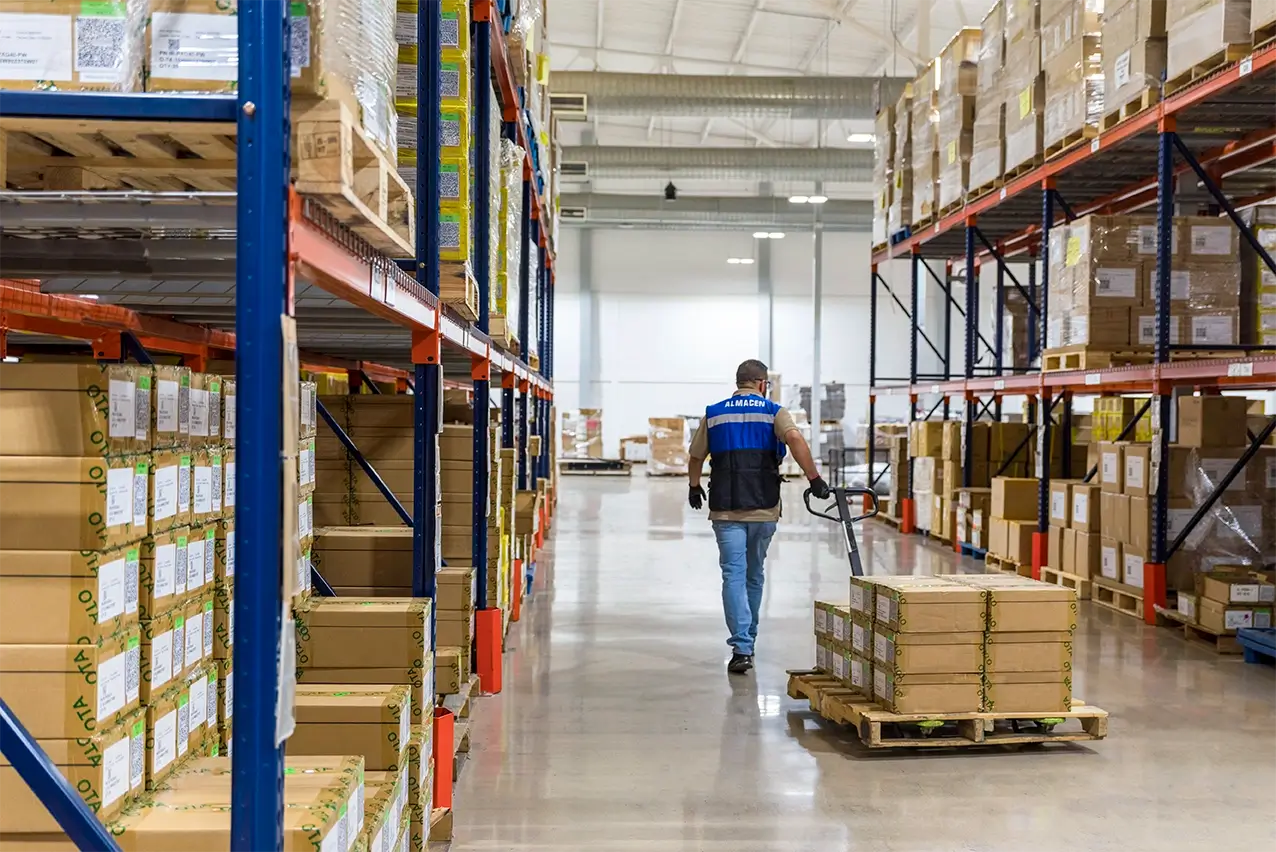
Your freight arrives at our cross-dock in Tucson or McAllen, is received and inspected, and is consolidated with other southbound loads, so a partial load does not have to cross as a partial load. Northbound, your finished goods are received on the U.S. side and shipped on to your customers the way you instruct. When a Mexican supplier or customer of yours is also under IMMEX, the goods cross on paper instead, and we run that too.
When Mexican customs audits a declaration filed under Tetakawi’s program, the audit lands on Tetakawi’s entity. Our compliance team meets the auditor, assembles the entry file and answers the questions through to the close. Your part is to keep your data accurate, because whoever caused a deficiency pays for it. A monthly dashboard shows you your crossings, duties and costs, and what we would improve.
Benefits
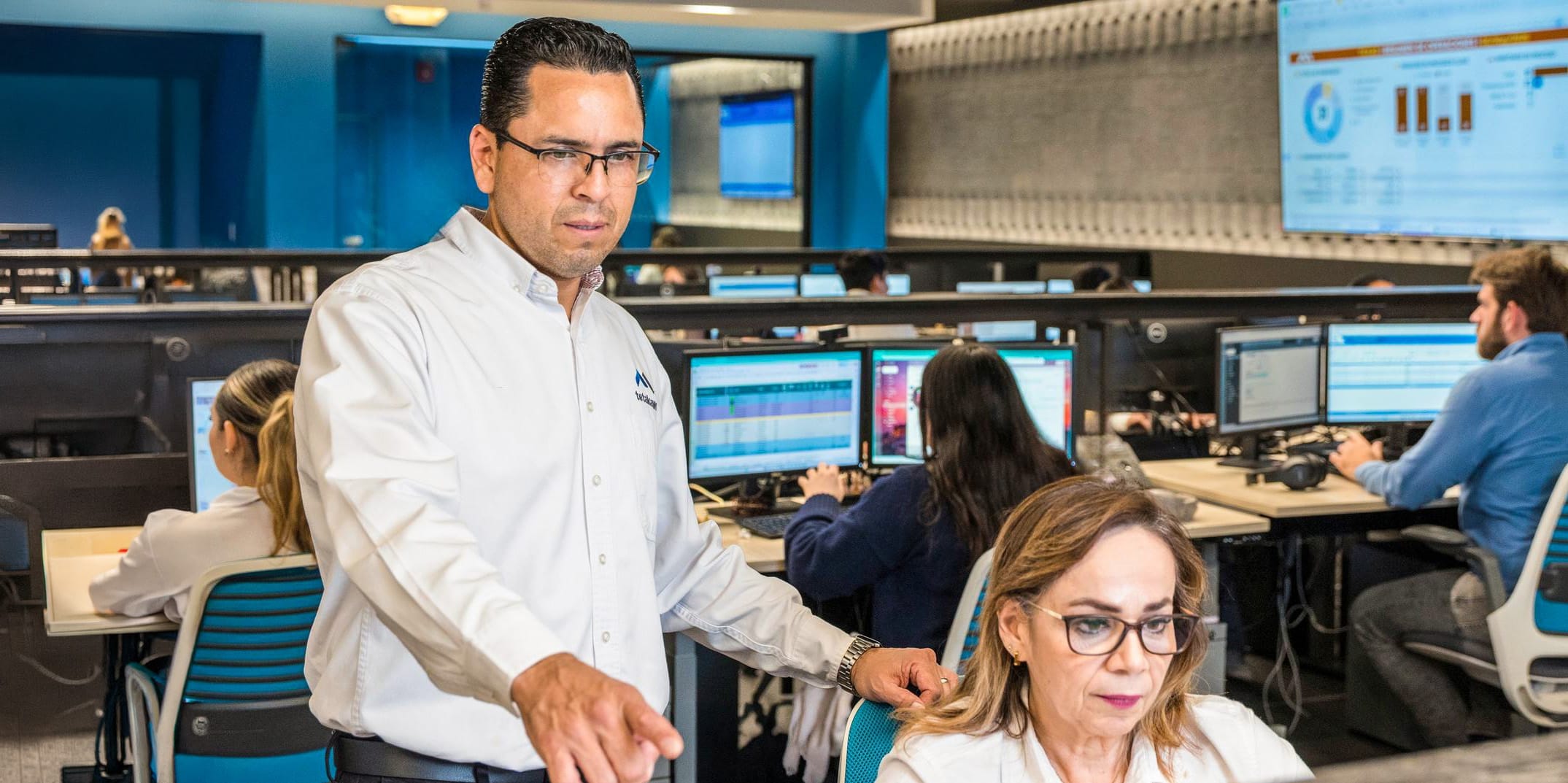
Your people declare what ships, our team checks each load against the record before it crosses, and what customs believes sits beside your own count.
Onboarding
Your import and export set-up is one workstream in the single launch plan your Tetakawi project lead runs. The team on your Campus joins it at signature and stays for every shipment after: invoices, inventory record, permits, reviews.
You fill in the questionnaire and the part templates: part numbers, bills of material, values and countries of origin.
We build the customs record from that data, then file for the registries and the special permits your products require.
We walk your staff through each shipment type, and the Mexican broker we appointed inspects your first loads with us.
You ship. We work the first loads alongside you, then review the crossings, the costs and the inventory with you monthly.
Testimonials
Manufacturers on a Tetakawi Campus, on how their materials and finished goods cross the border, and what the paperwork looks like from the plant.
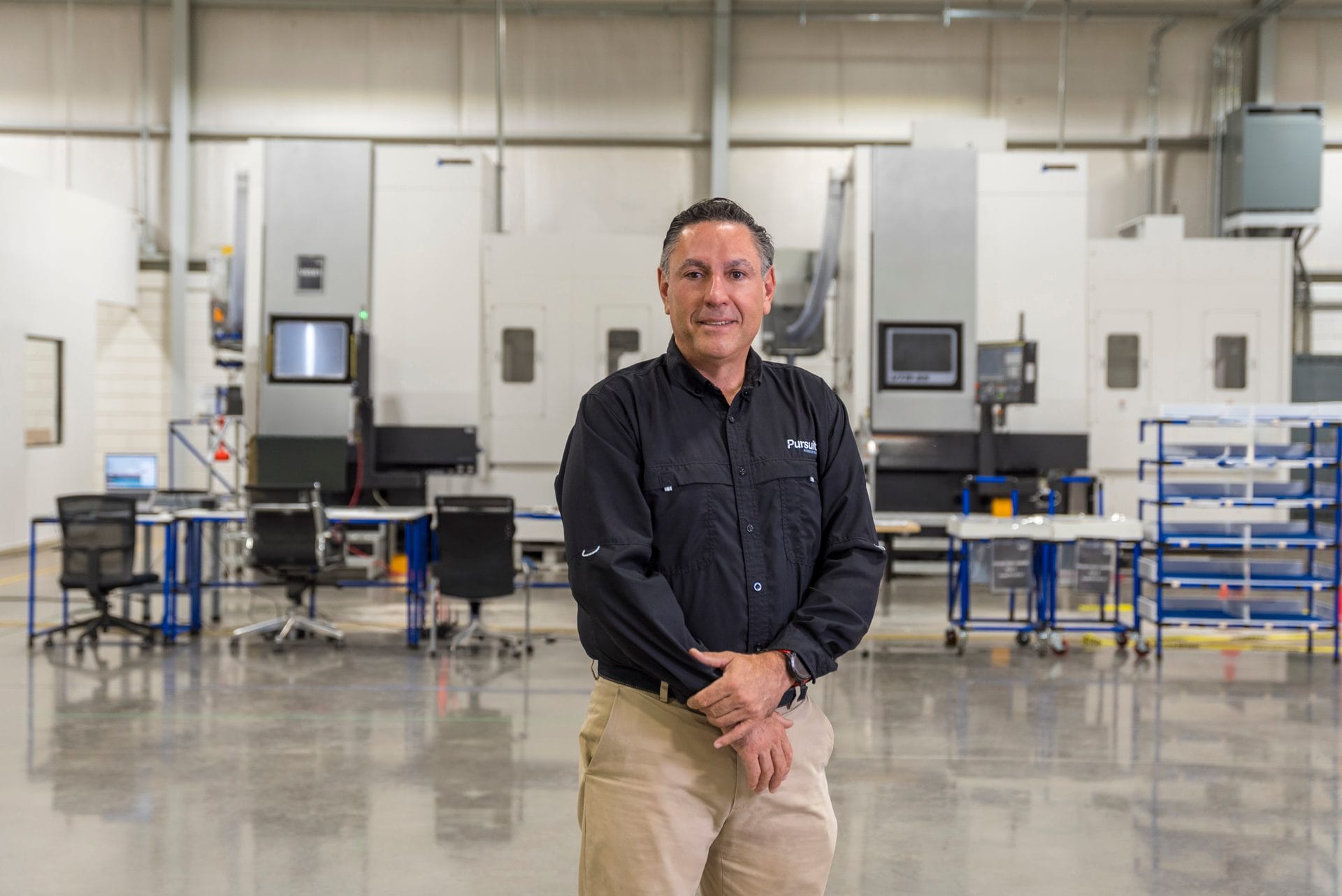
Enrique Vega, General Manager, Pursuit Aerospace
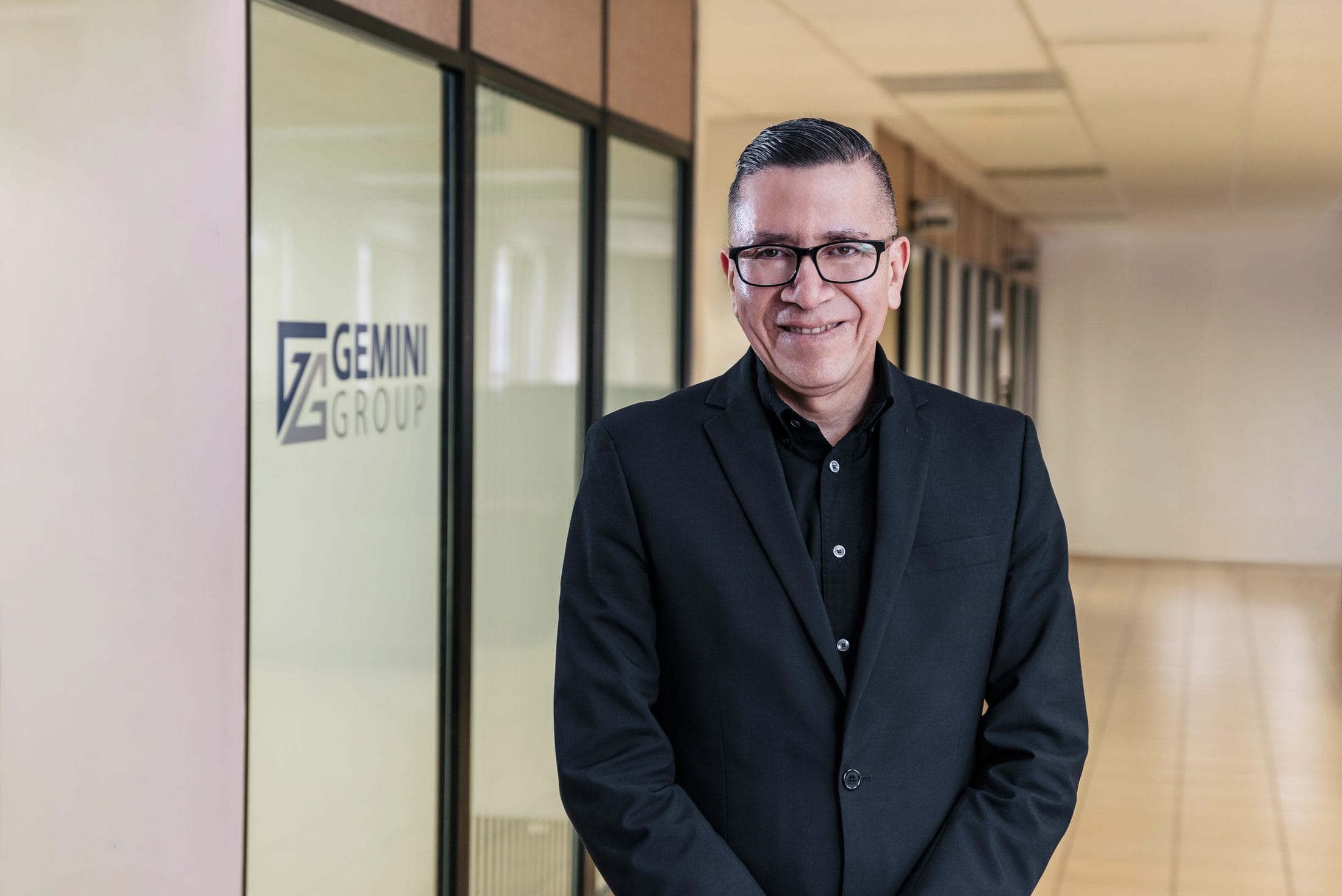
Mauricio García, Plant Manager, Gemini Group

Ricardo Gómez, Director of Operations, TE Connectivity
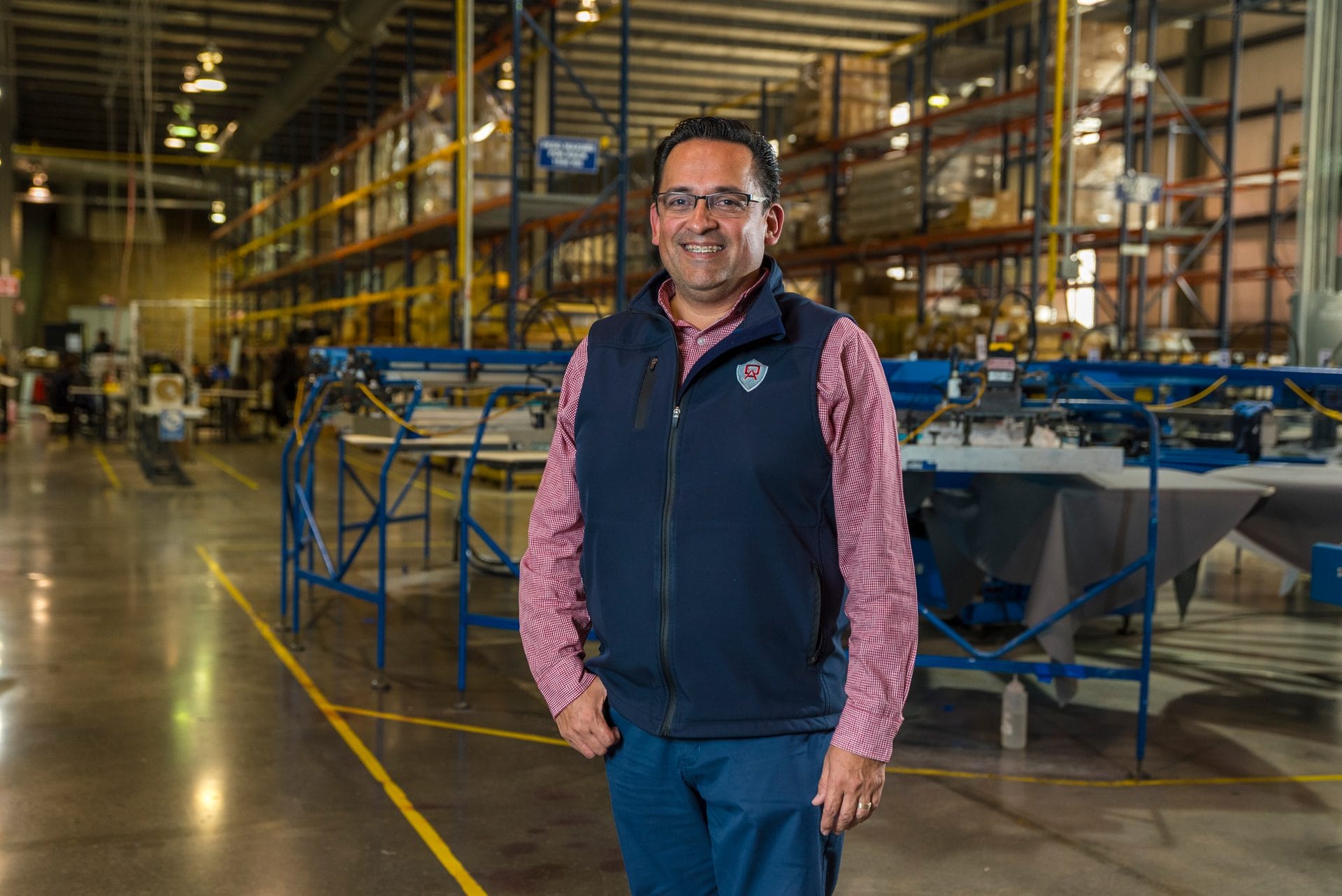
Agustín Mendoza, Plant Manager, Commercial Sewing
Integrated Services
Our on-site teams help you launch your operation, keep your building running, employ and pay your workforce, move your materials across the border, buy what your plant consumes, and keep your permits, filings and registrations current.

One project lead holds your whole launch, from the contract through to first production.

Utilities, maintenance, and repairs managed for your building while you produce.
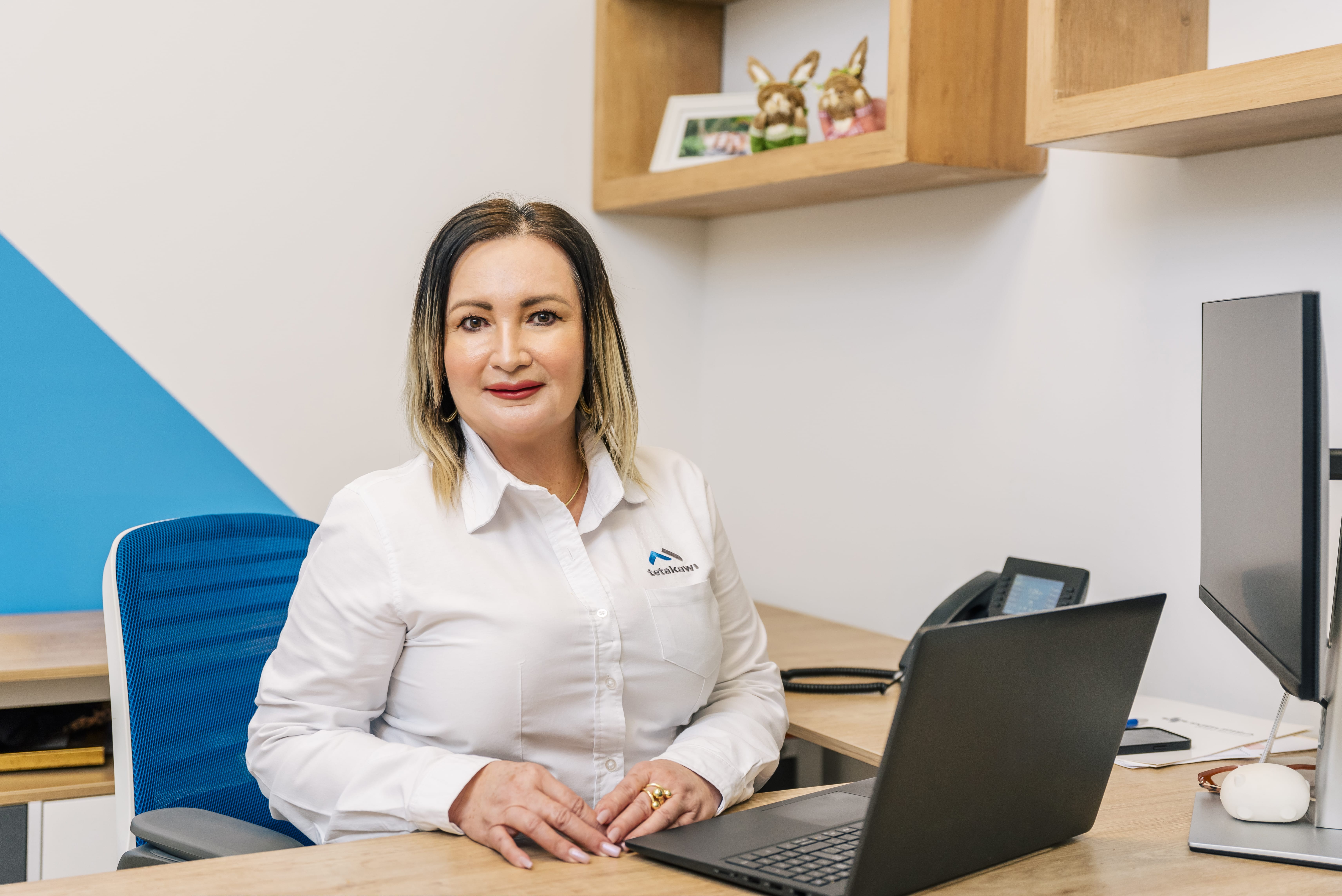
Recruiting, onboarding, and payroll run for the workforce Tetakawi employs for your operation.
Trade compliance and customs processing run for your shipments, into and out of Mexico.
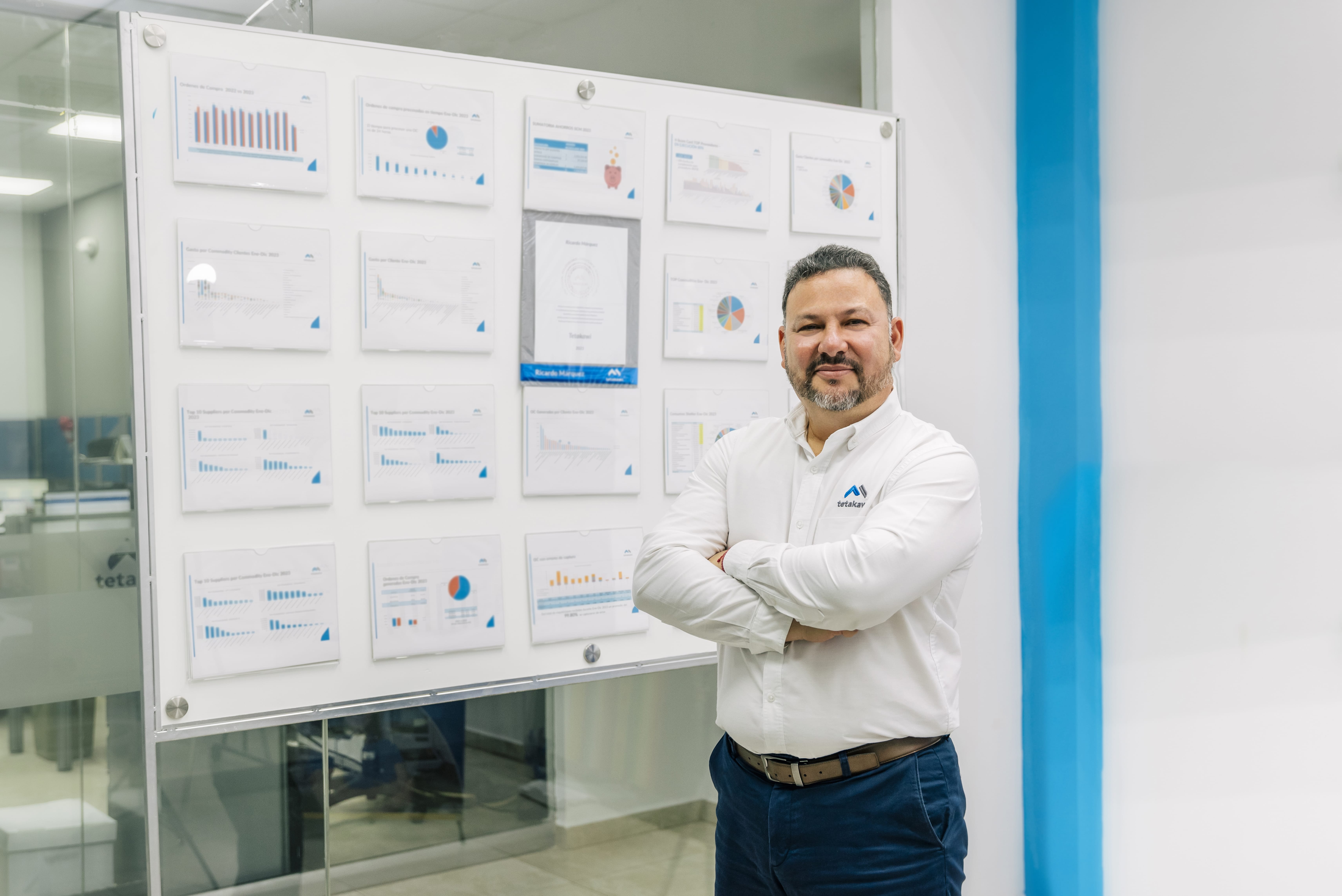
Local vendors vetted for tax standing, with the purchase orders and payments behind them.

Accounting, tax filings and refund claims prepared and filed for the entity your plant runs inside.
Environmental permits filed and renewed, and the safety programs an employer owes, run on your Campus.
FAQs
The questions we get most often from manufacturers looking at Mexico.
We are the importer and exporter of record in Mexico. Your goods and your data stay yours.
Your goods cross under Tetakawi’s IMMEX program. We build your customs record from the part data you supply, prepare and audit each entry, and keep the inventory record customs requires. Northbound, your company is the importer of record and your own broker files. The Mexican broker is appointed by Tetakawi, because the declaration is filed under our program, and classifies from the data you supply, which is yours.
Accurate part data, declared before it moves.
Your people log in to declare what is shipping. You report scrap, engineering changes and cycle counts so the inventory record matches your floor, and you flag hazardous or regulated items before they ship. Every declaration is built from data you supplied, and its accuracy is yours. Your carriers are yours to select and contract; Mexican carriers are vetted for fiscal standing first.
We work it, and the cost follows the cause.
An error on an invoice we prepared is ours to correct. An audit of a declaration under our program lands on Tetakawi’s entity, and our team meets the auditor and answers through to the close. Duties, VAT, penalties and delays arising from your data, your goods or your process are your cost. VAT on your goods is administered for you, and recovery timing and success are subject to SAT.
The new part data comes first, then the record grows.
A new part, a new supplier or a new destination comes back to the templates: part numbers, values, countries of origin and bills of material. We add the registries or permits the product needs, under the same program, and the first loads of it are checked the way your first shipments were. It ships once the record carries it.
Four steps, in order.
1. Get in touch. A conversation about what you are hoping to achieve in Mexico, and why now.
2. Measure ROI. We build the business case with you: the full cost of running your operation on a Campus, the risks and the trade-offs, and which Campus fits.
3. Site visit. Walk the Campus, meet the people who would run your account, talk with manufacturers already operating there, and meet the trade team that would move your goods.
4. Launch and grow. When you give the green light, the same team that helped you build the case guides the launch.