Our Story
Learn our story, leadership, and mission shaping manufacturing in Mexico.

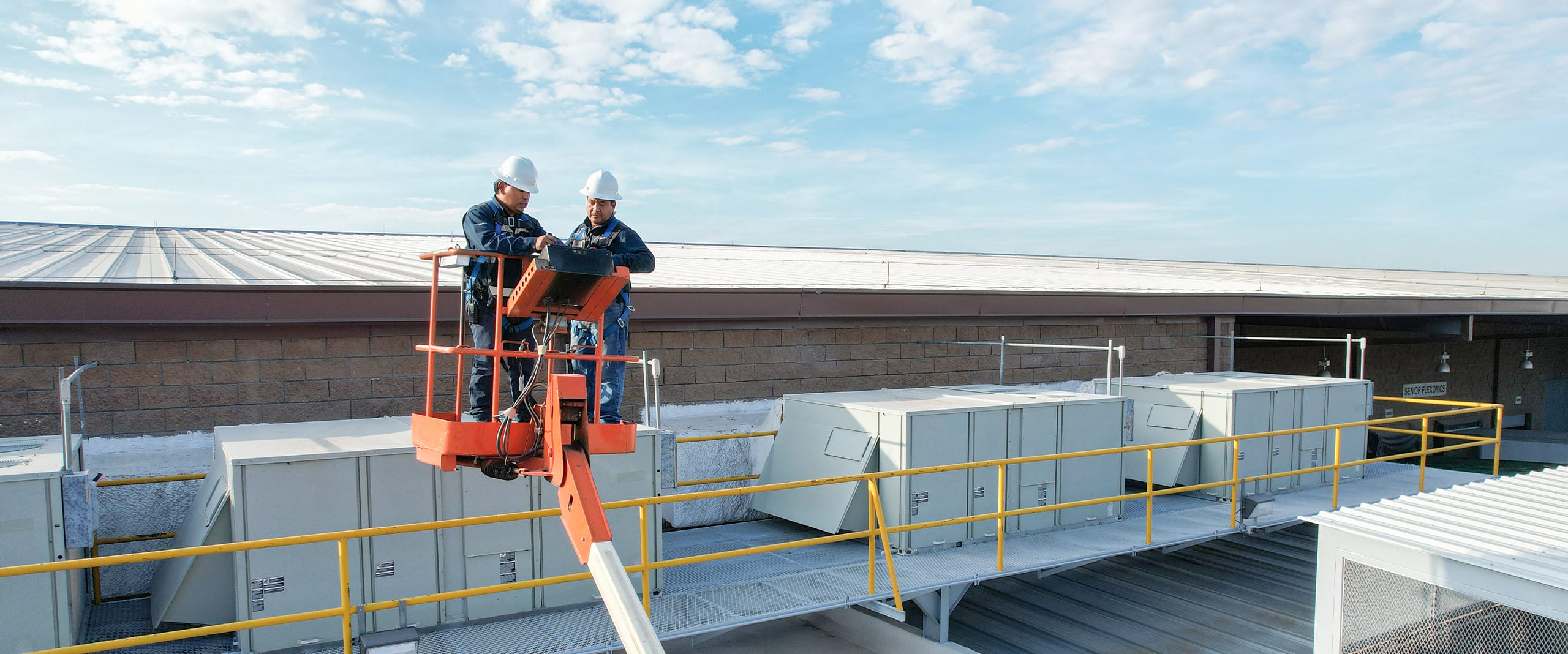
When you operate on a Tetakawi Manufacturing Campus, the base building is ours to maintain. Our engineers and trades on the Campus look after the roof, the substation, the docks and the climate units, the utility contracts are in our name, and your team runs the plant.

The Problem
In Mexico, getting into the building is not the hard part. Keeping it running is, because the power contract, the roof, the substation and the dock doors each have a life of their own, each can take a shift with it, and each waits on someone to own it.
Electricity comes through the federal utility, one contract per meter, on its own queue. A new line waits on a new application, and an outage puts you in line with everyone else.
A leak stains a bay. A dock door stops. Somebody finds the contractor, checks the quote and signs off the work, and in a standalone plant that somebody is running production.
At a normal plant size your own maintenance crew does not pay for itself, so the roof, the transformer and the climate units wait for whoever picks up the phone, at whatever the call-out costs.
Our Solution
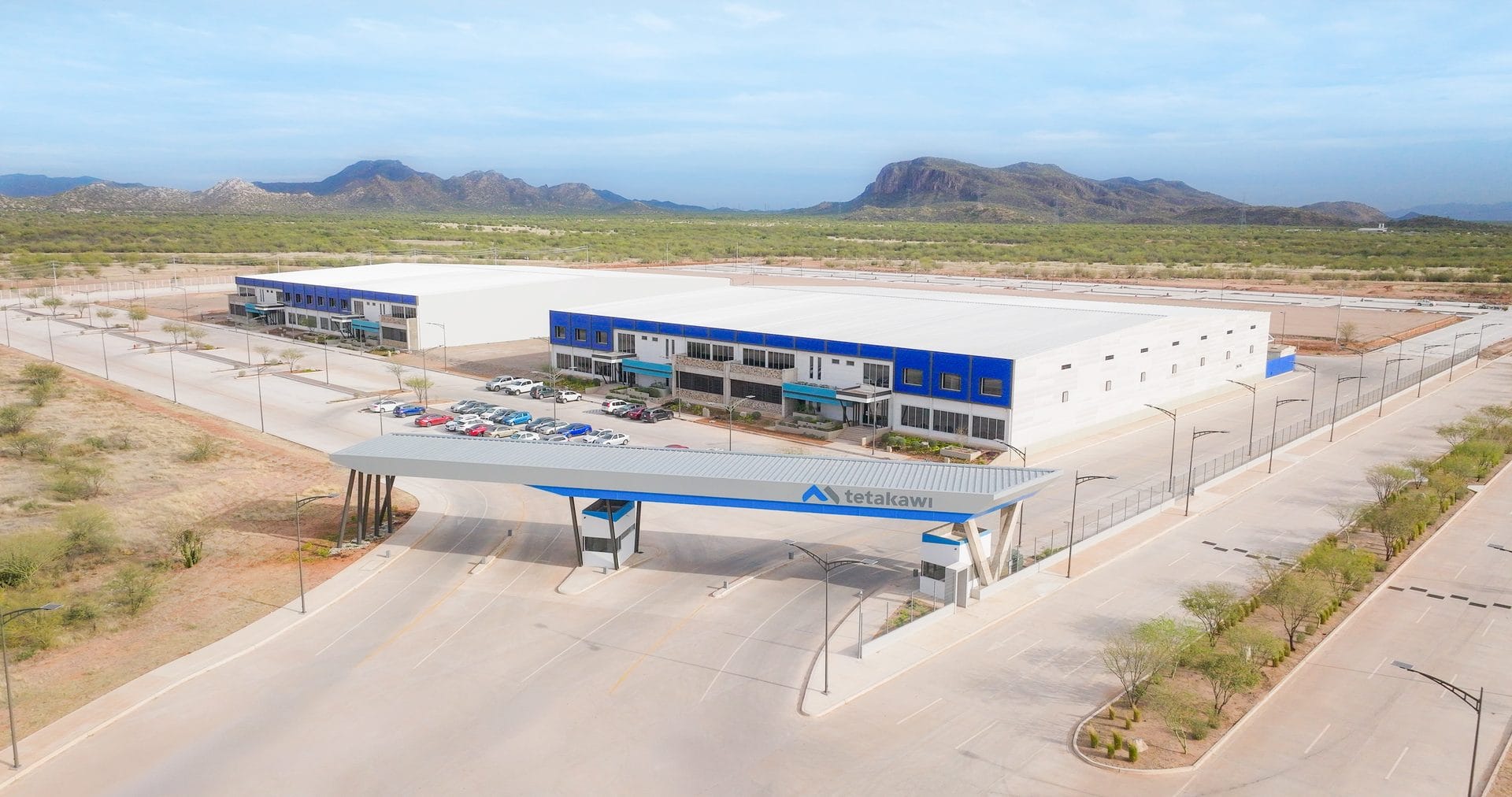
Your plant runs in a building on a Tetakawi Campus, kept in repair by our own engineers, electricians and plumbers, who also hold the utility contracts and run the grounds and gate. You control production, process and quality. The base building is ours to keep up.
We write a preventive maintenance plan for the base building: roof and envelope, the substation, base electrical and plumbing, lighting, docks and dock doors, and the base climate units. Our engineers send it to your plant manager to validate, and our own technicians carry it out, with inspections on top of it. Systems you add for your process sit outside the plan, and keeping them up is yours.
When something on the building fails, it reaches us from our own inspections or from your team, by phone, by email or as a work order. We review it, assign the trade and schedule the work around your production rather than through it. Base-building repairs are our work, and one we get wrong is ours to correct. Damage caused by your operation is repaired at your cost, once you authorize it.
We sit between you and the contractors who build your improvements: we coordinate their access, review proposals and budgets with you, and oversee the work against the launch plan. You define and approve the scope, because your process decides where the power, air and water have to land. The improvements and their upkeep are yours. Getting them built on time is ours to coordinate.
In Mexico electricity comes through the federal utility on a contract per meter, and getting that contract is its own project. On a Campus the agreements with the power, water, sewer, gas and telecom providers are already in Tetakawi’s name, and we manage those utilities for the whole Campus. Your building is metered separately, and what you consume is yours, at what the meter says.
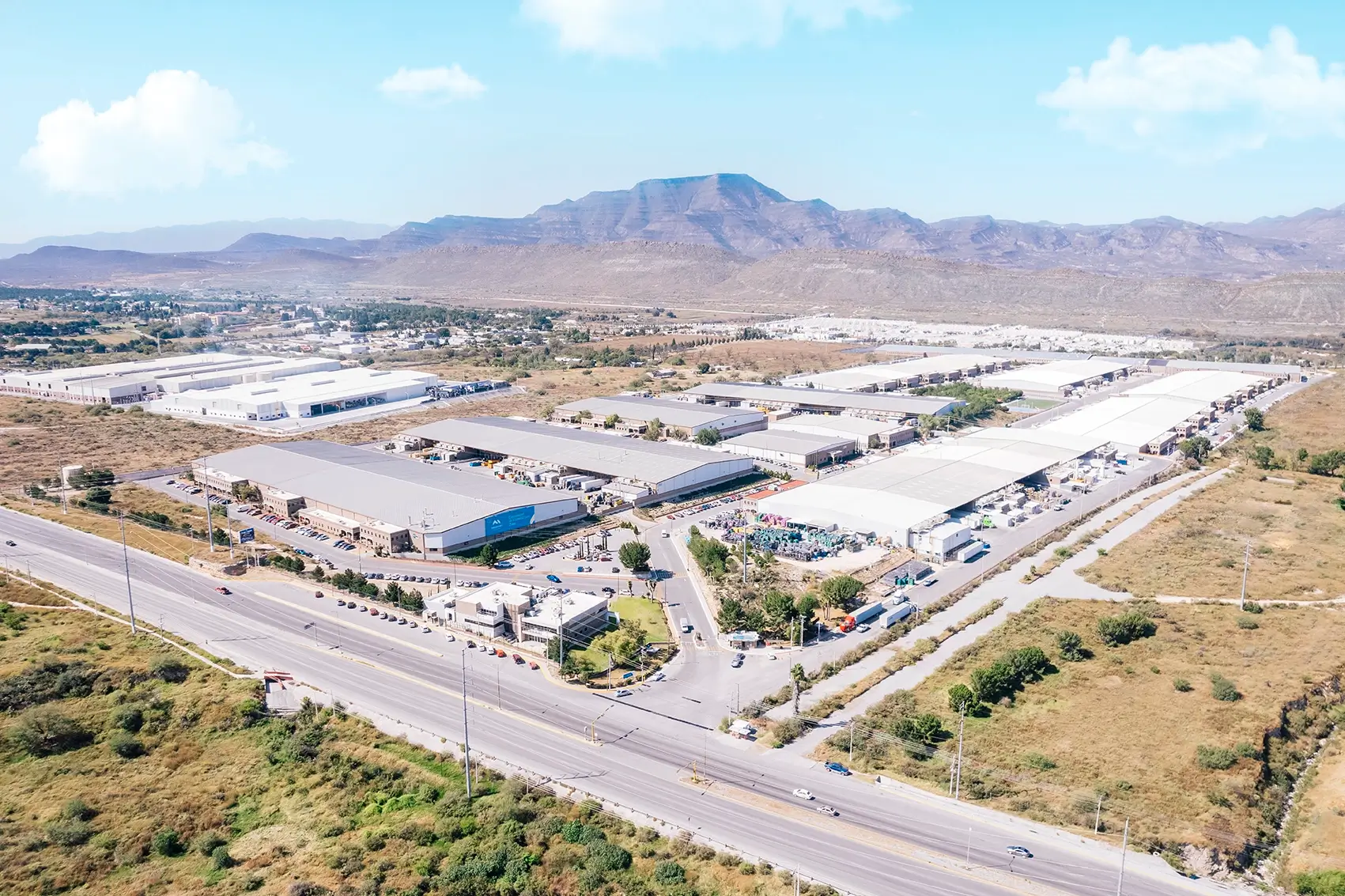
We keep up what your building sits in: streets and lighting, perimeter and gates, water pumping and wastewater systems, and the shared utility connections. Access to the Campus is controlled at the gate, where your visitors, contractors and carriers are registered on the way in and the way out. Security inside your own building stays yours, and your team reports incidents to the gate.
Benefits
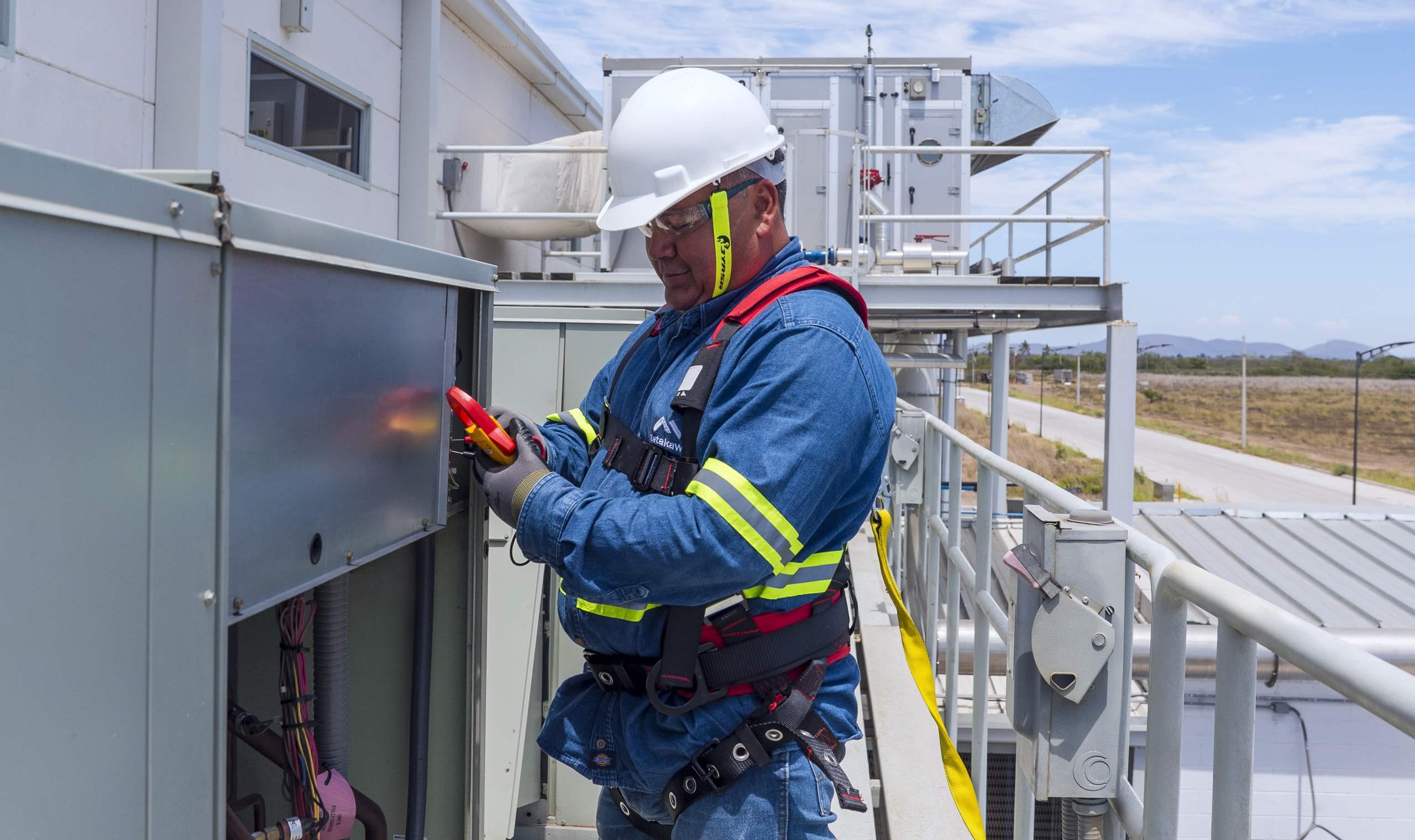
Your plant manager validates the plan, and a team on the Campus runs it. The roof, the substation and the gate reach that team, not your floor.
Onboarding
Your building is one workstream in the single launch plan your Tetakawi project lead runs. The facilities team on the Campus, engineers, electricians and plumbers, joins at fit-out and stays as you launch, operate, and grow.
You send the written requirements, your equipment list and your layout, and name who authorizes work orders for you.
We coordinate your build-out contractors against the launch plan, and set up the utility meters your building will run on.
We write the preventive maintenance plan for your building and send it to your plant manager to review and validate.
Your team raises the work orders. Our technicians inspect on a schedule, run the preventive plan and take the repairs on.
Testimonials
Manufacturers on a Tetakawi Campus, on what the building asks of them once production is running, and who answers when something in it stops.
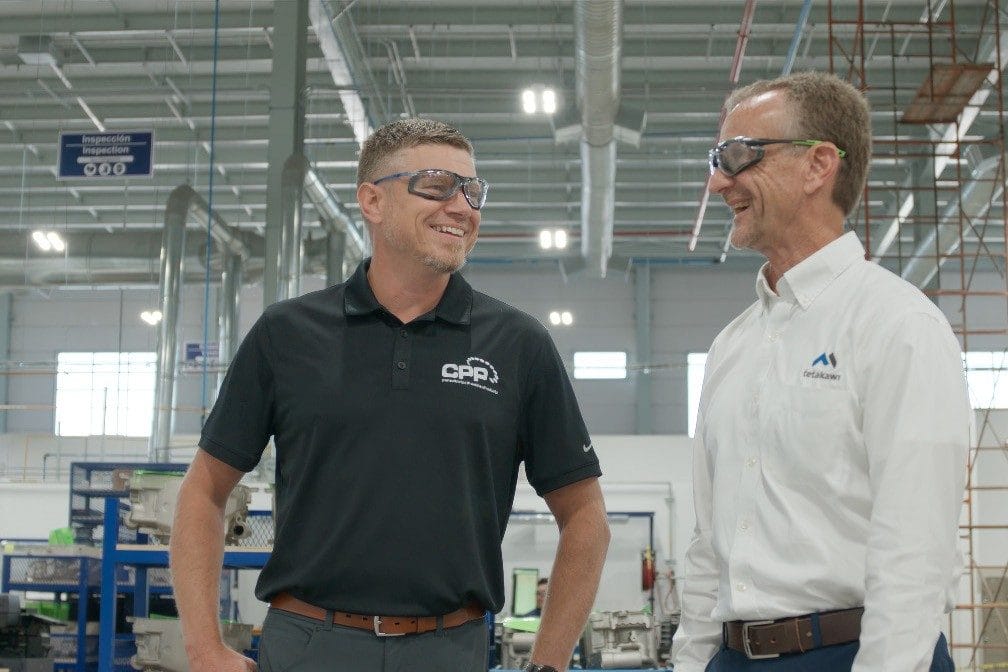

Jeremy Main, Senior Vice President, Consolidated Precision Products
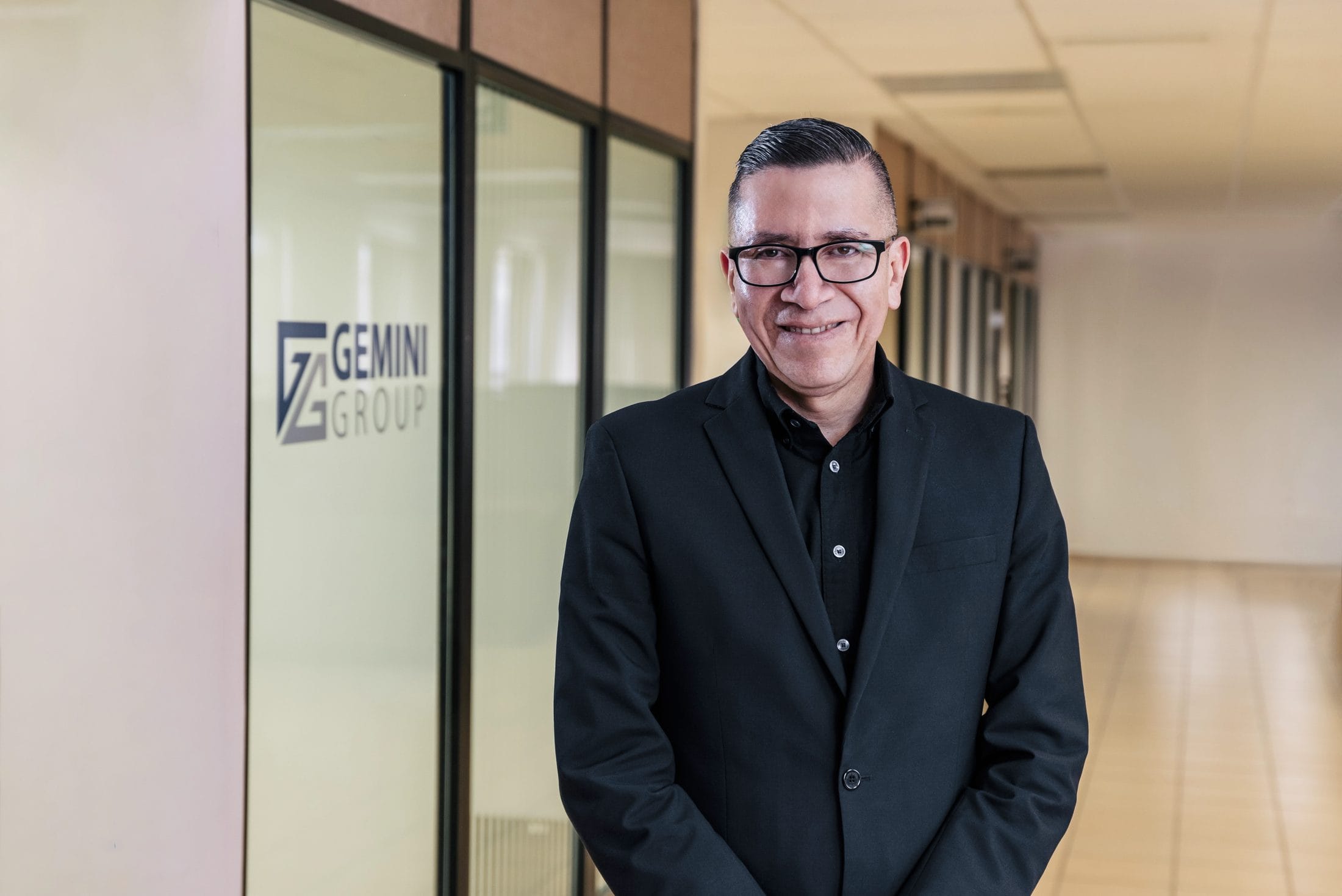

Mauricio García, Plant Manager, Gemini Group
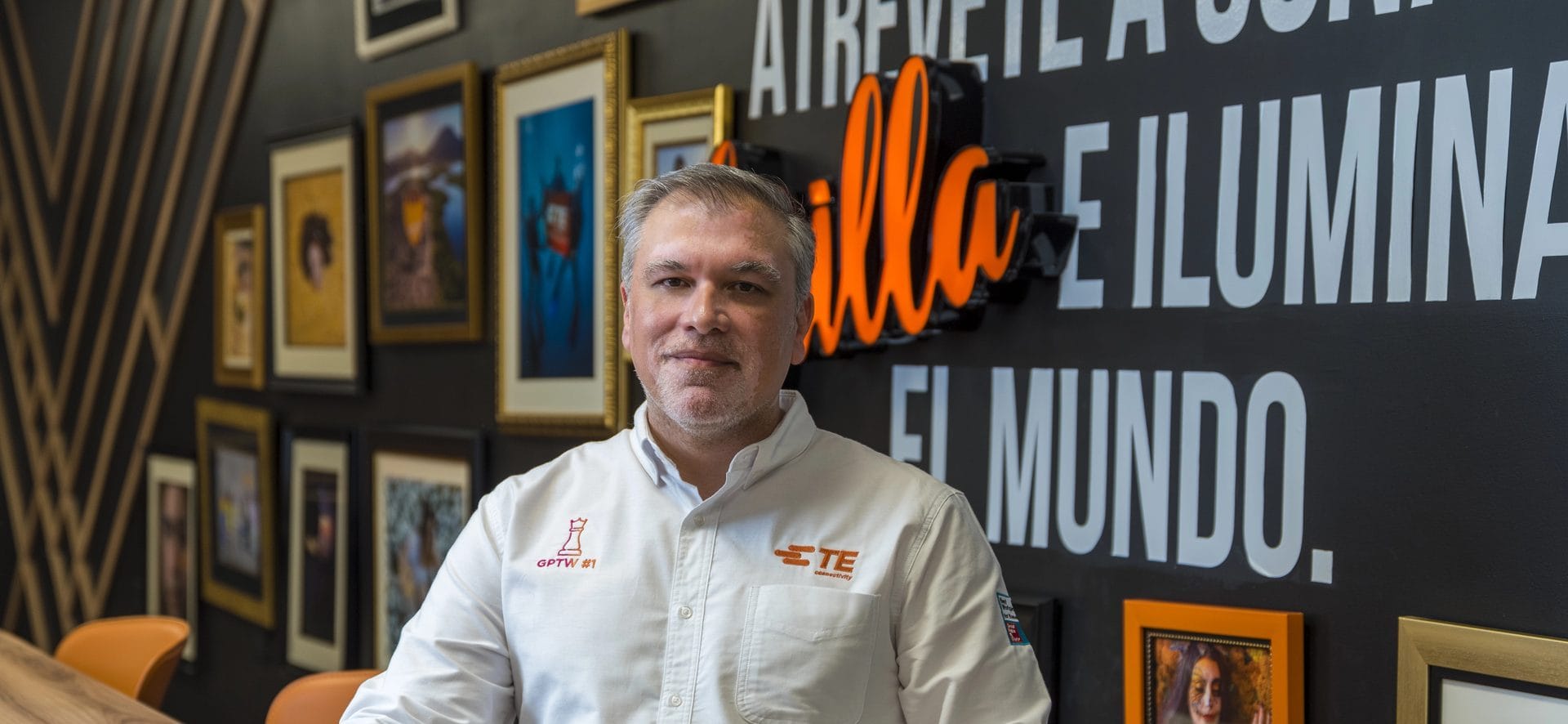

Ricardo Gómez, Director of Operations, TE Connectivity
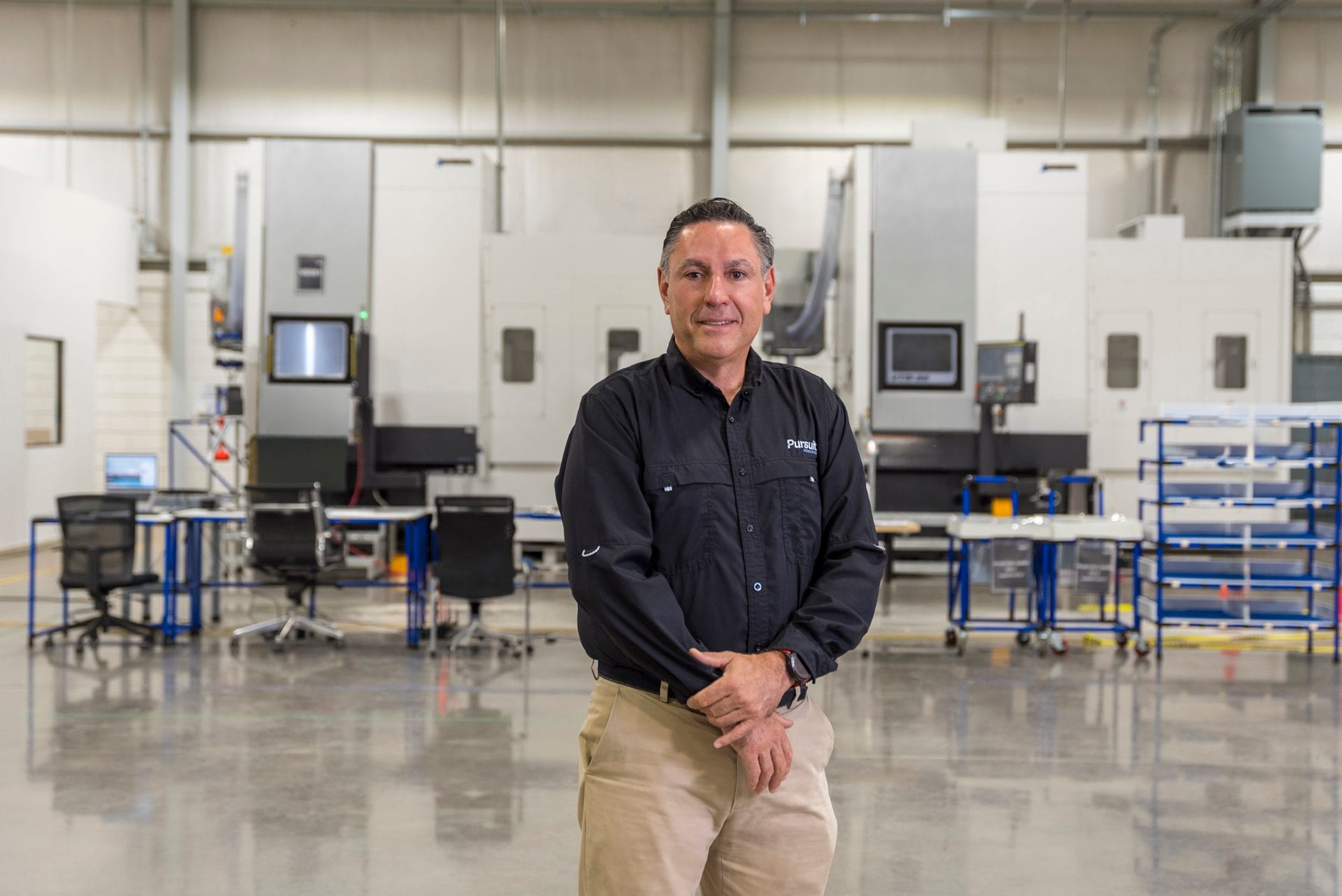

Enrique Vega, General Manager, Pursuit Aerospace
Integrated Services
Our on-site teams help you launch your operation, keep your building running, employ and pay your workforce, move your materials across the border, buy what your plant consumes, and keep your permits, filings and registrations current.
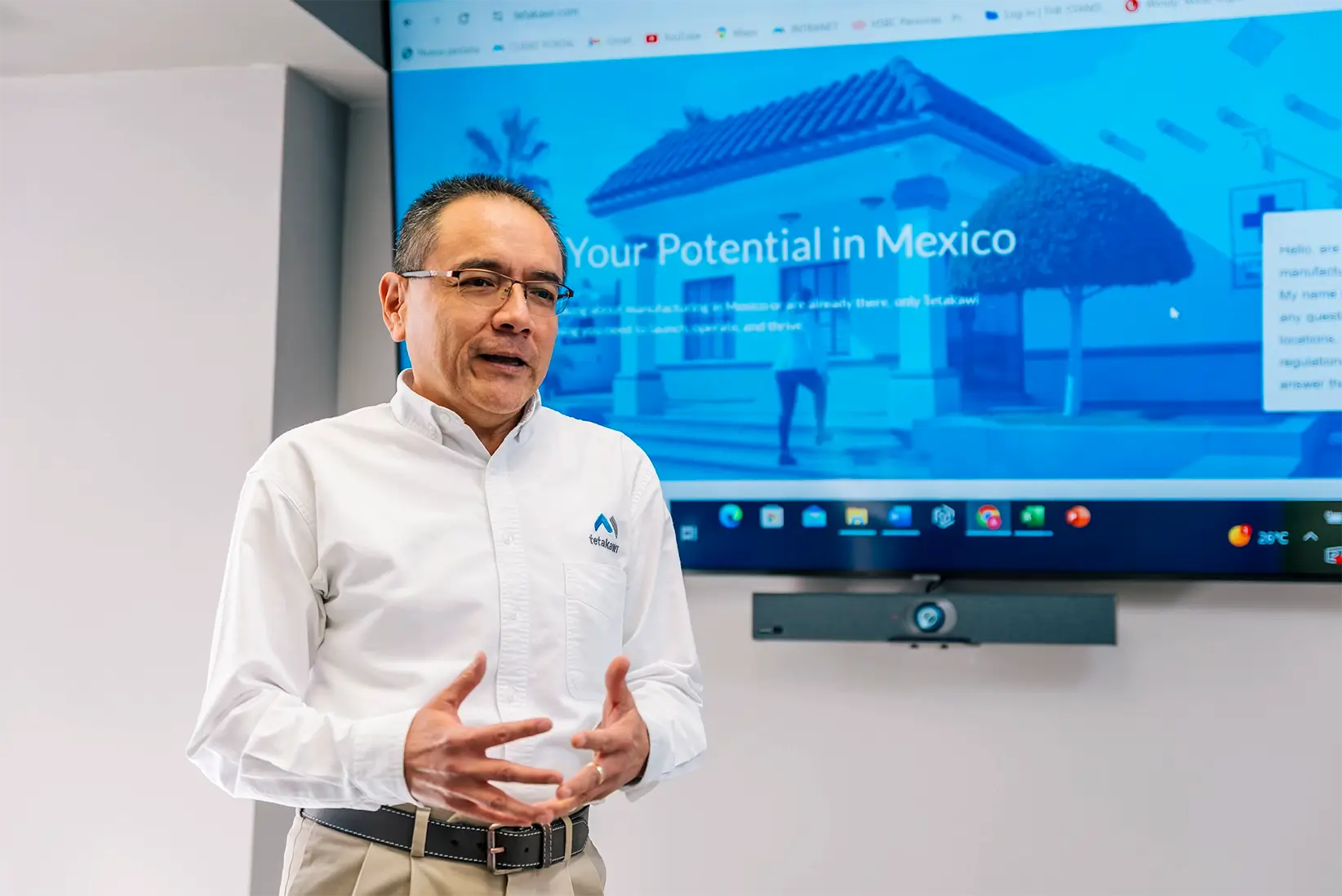
One project lead holds your whole launch, from the contract through to first production.
Utilities, maintenance, and repairs managed for your building while you produce.
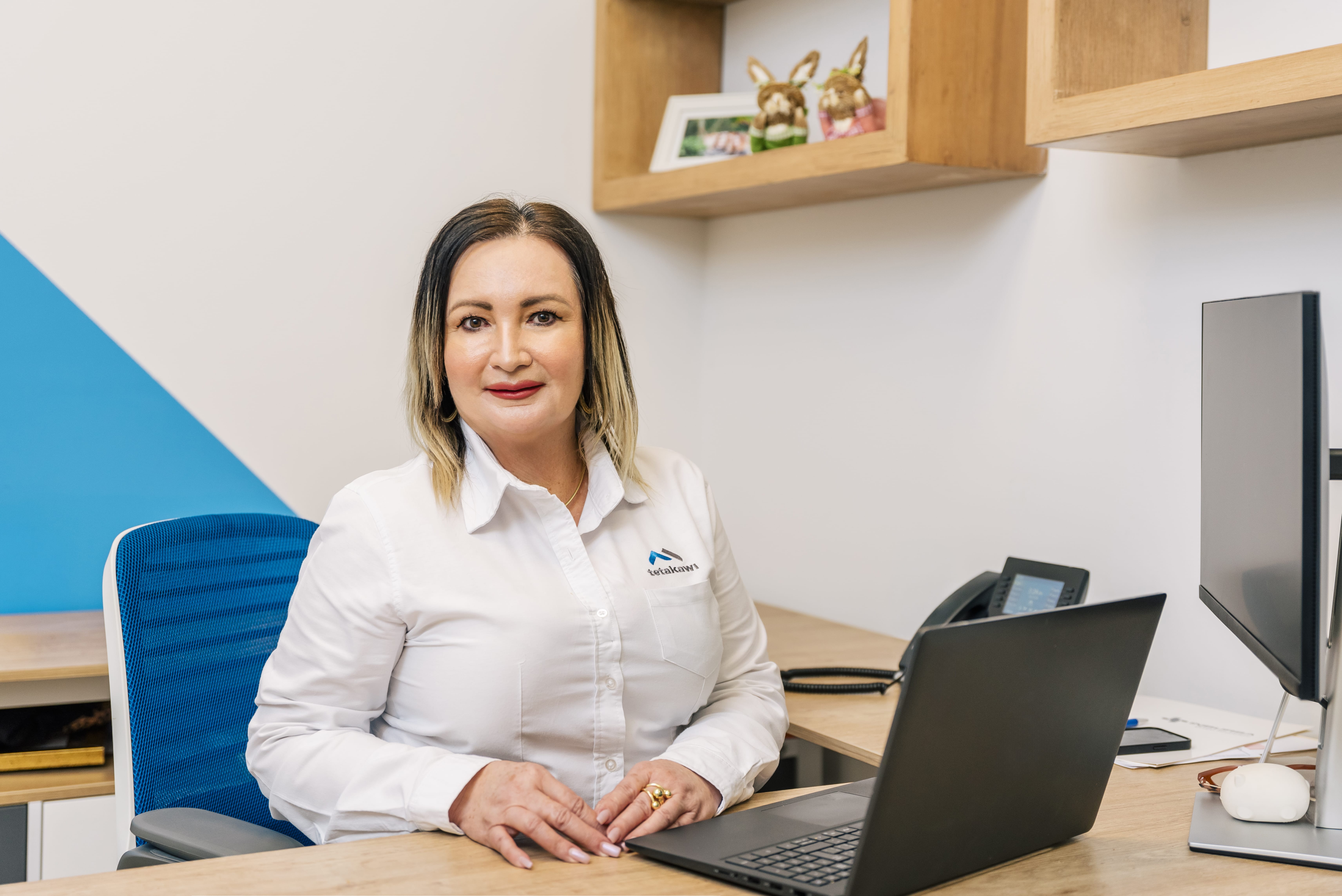
Recruiting, onboarding, and payroll run for the workforce Tetakawi employs for your operation.
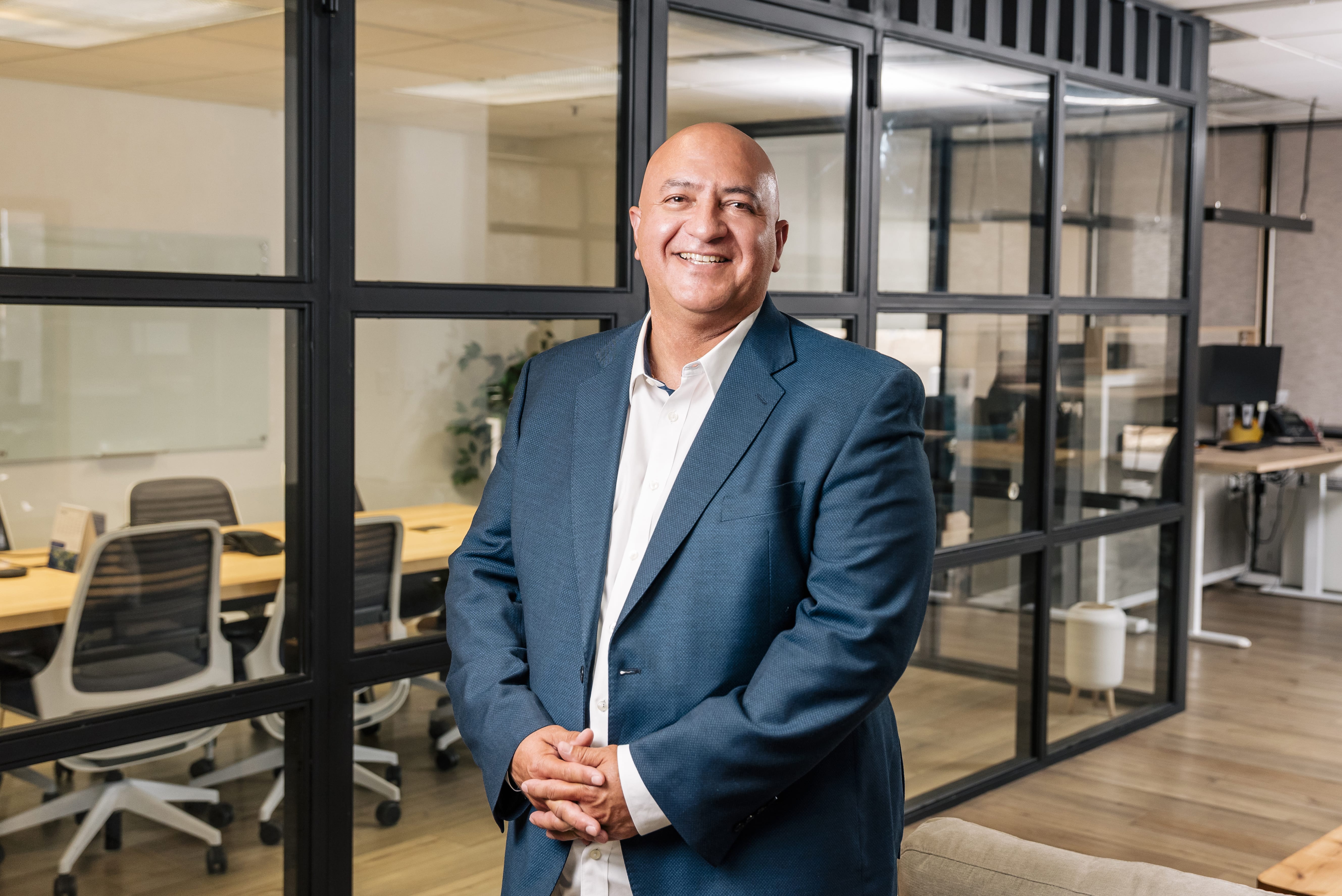
Trade compliance and customs processing run for your shipments, into and out of Mexico.
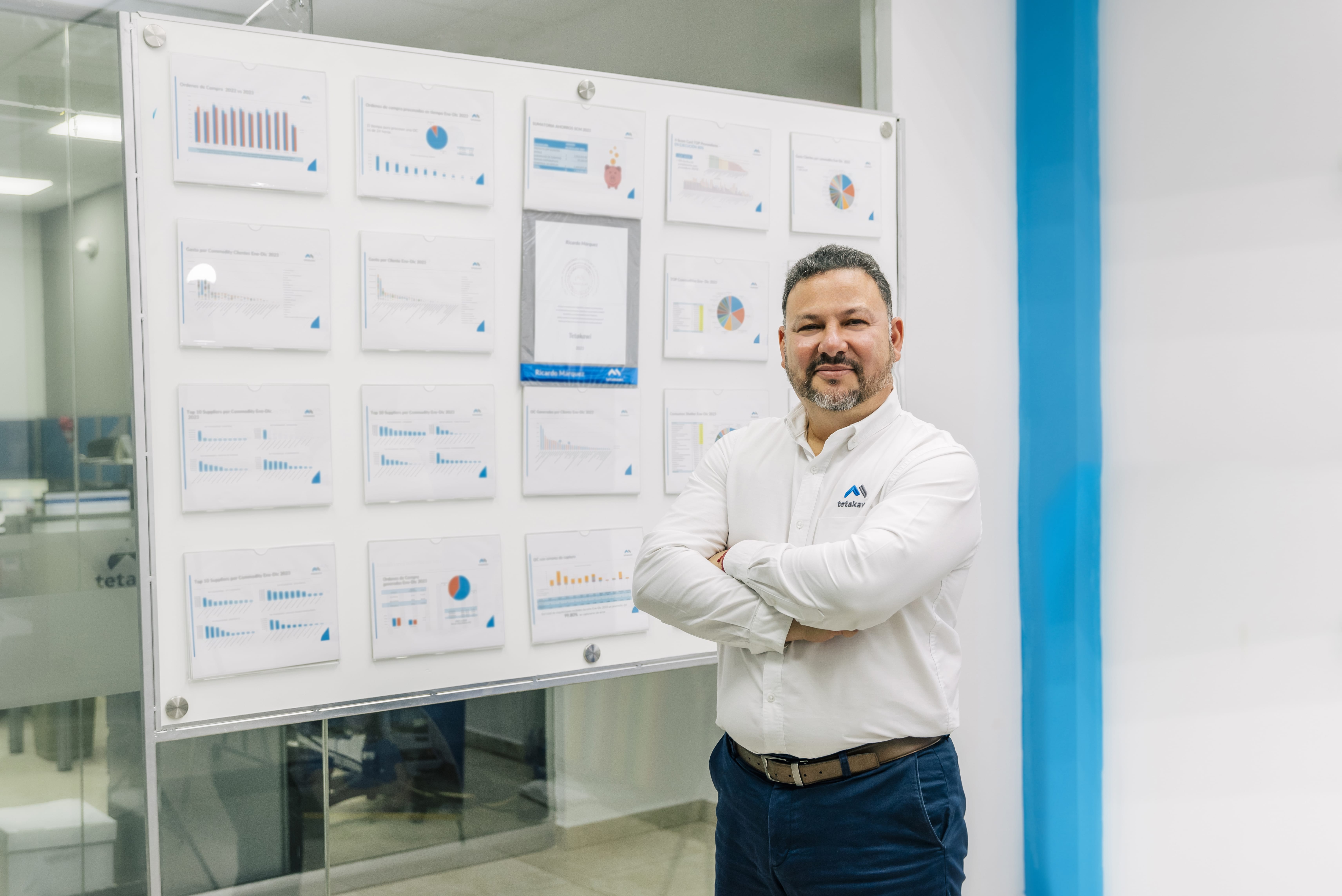
Local vendors vetted for tax standing, with the purchase orders and payments behind them.
Accounting, tax filings and refund claims prepared and filed for the entity your plant runs inside.
Environmental permits filed and renewed, and the safety programs an employer owes, run on your Campus.
FAQs
The questions we get most often from manufacturers looking at Mexico.
The base building is ours. What you install is yours.
Roof and envelope, the substation, base electrical and plumbing, lighting, docks and the base climate units are ours to keep in repair, with engineers and trades on the Campus. Production lines, process utilities, clean rooms and extra cooling are your improvements: you scope them, fund them and keep them up, with your own contractors under your scope. The utility contracts are in Tetakawi’s name, and what you consume is yours at the meter.
A named person for work orders, and a heads-up before the load changes.
Your team raises the work orders and the person you name authorizes them. When you plan a line that changes the electrical or climate load, you tell us before it ships, because the study and any upgrade it calls for are yours to fund. Your improvements are kept up by you, and your plant manager keeps the preventive maintenance plan validated as the building changes.
It reaches us, and we schedule the work around your production.
A failure on the base building comes to us by phone, email or work order, and we assign the trade. Work beyond the standard scope is quoted to you first. A repair we get wrong is ours to correct. Damage caused by your operation is repaired at your cost once you authorize the work. An outage on the federal utility puts the whole Campus in the same queue, and we work it from our side.
We look at what the building can carry, then at what is open on the Campus.
A new line comes back to the layout and the load. We study what the building can carry, help you plan the layout change, and any upgrade to power or climate is scoped and quoted to you first.
When the building is full, we look at what is available on the Campus, matched to your process or built for it, with the same entity and the same team. If you plan to scale your footprint over time, a first right of refusal on an adjacent lot can be negotiated where one is available.
Four steps, in order.
1. Get in touch. A conversation about what you are hoping to achieve in Mexico, and why now.
2. Measure ROI. We build the business case with you: the full cost of running your operation on a Campus, the risks and the trade-offs, and which Campus fits.
3. Site visit. Walk the Campus, meet the people who would run your account, talk with manufacturers already operating there, and see the building you would run your plant in, with the engineers who keep it.
4. Launch and grow. When you give the green light, the same team that helped you build the case guides the launch.