

Manufacturing in Mexico: what a Campus speeds up and what it can’t
10 min Read
Key Takeaways
- Your Mexico launch has two halves. Tetakawi's half is the building, the power, the recruiting, customs and the authorizations the Campus runs under: standing when you arrive, or Tetakawi's work to finish, and in Tetakawi's experience typically three to six months to be ready for your equipment. Your half is equipment, qualification and your customer's approvals, and that is what usually sets the shipment date.
- One launch, start to finish: an automotive wiring supplier arrived at the Zapa Campus in April 2024 and started production that October, PPAP done inside the same window. The building fit, the equipment move, the hiring and the PPAP all sat on one launch plan.
- What won't bend: an approval that attaches to your own product, a new building (about six months), and the model itself. You control production, process and quality. Tetakawi is not a contract manufacturer.
- Before you call anyone, write down which date you mean: equipment in, first approved shipment, or stable output.
Jump to Section
You have a date. A customer has moved a program, or the plant you have is at its ceiling, and somebody above you has decided the next plant is in Mexico and it needs to be running fast. Now the schedule is yours to hit. The question you need answered is not how fast a provider can move. It is whose clock you are on.
A Manufacturing Campus is a Tetakawi-run industrial site in Mexico where you run your own factory. A Campus adds established industrial space, shared infrastructure and an on-site support organization. Tetakawi handles the agreed work around it. You control production, process and quality. Tetakawi is not a contract manufacturer.
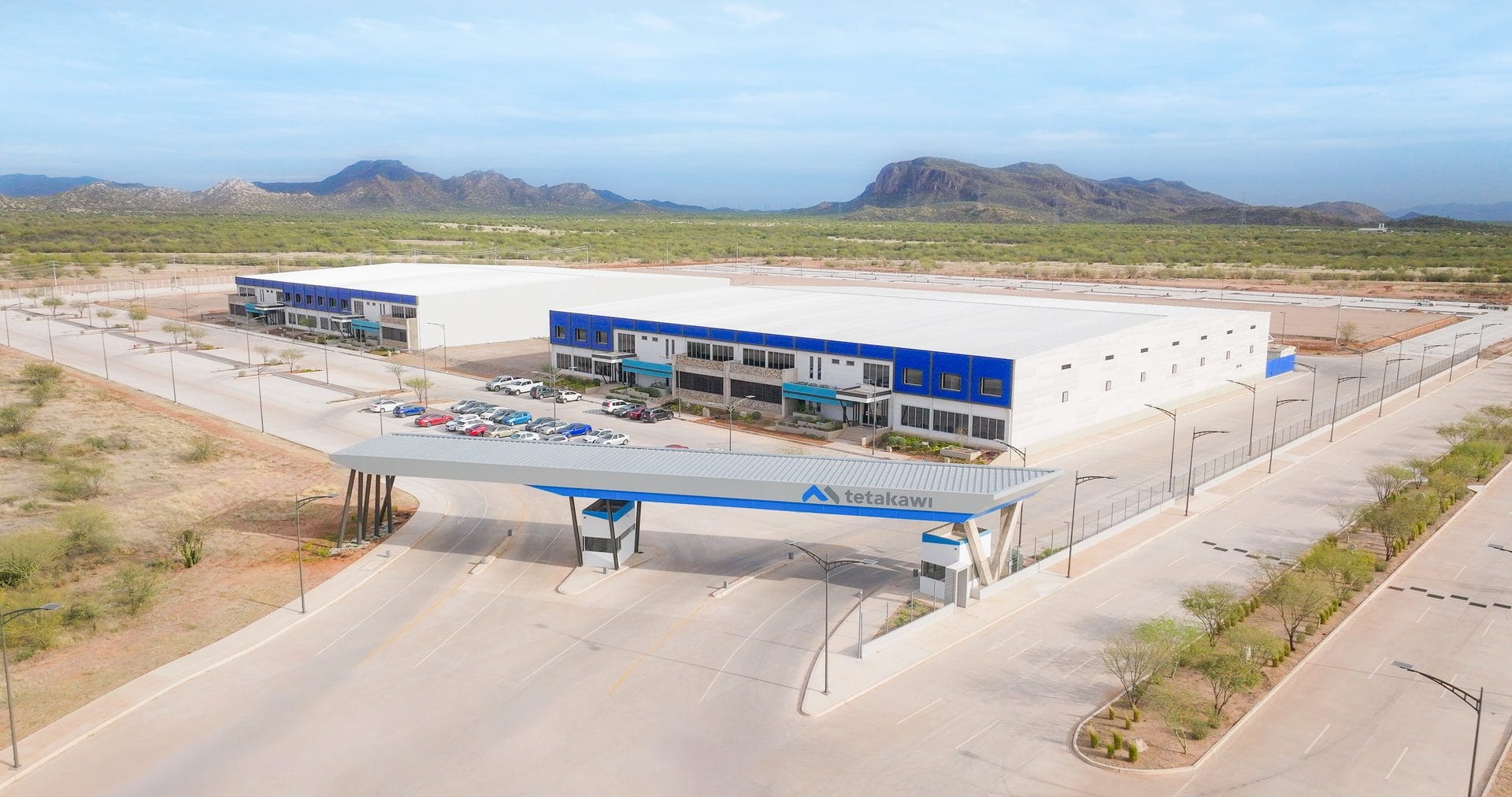
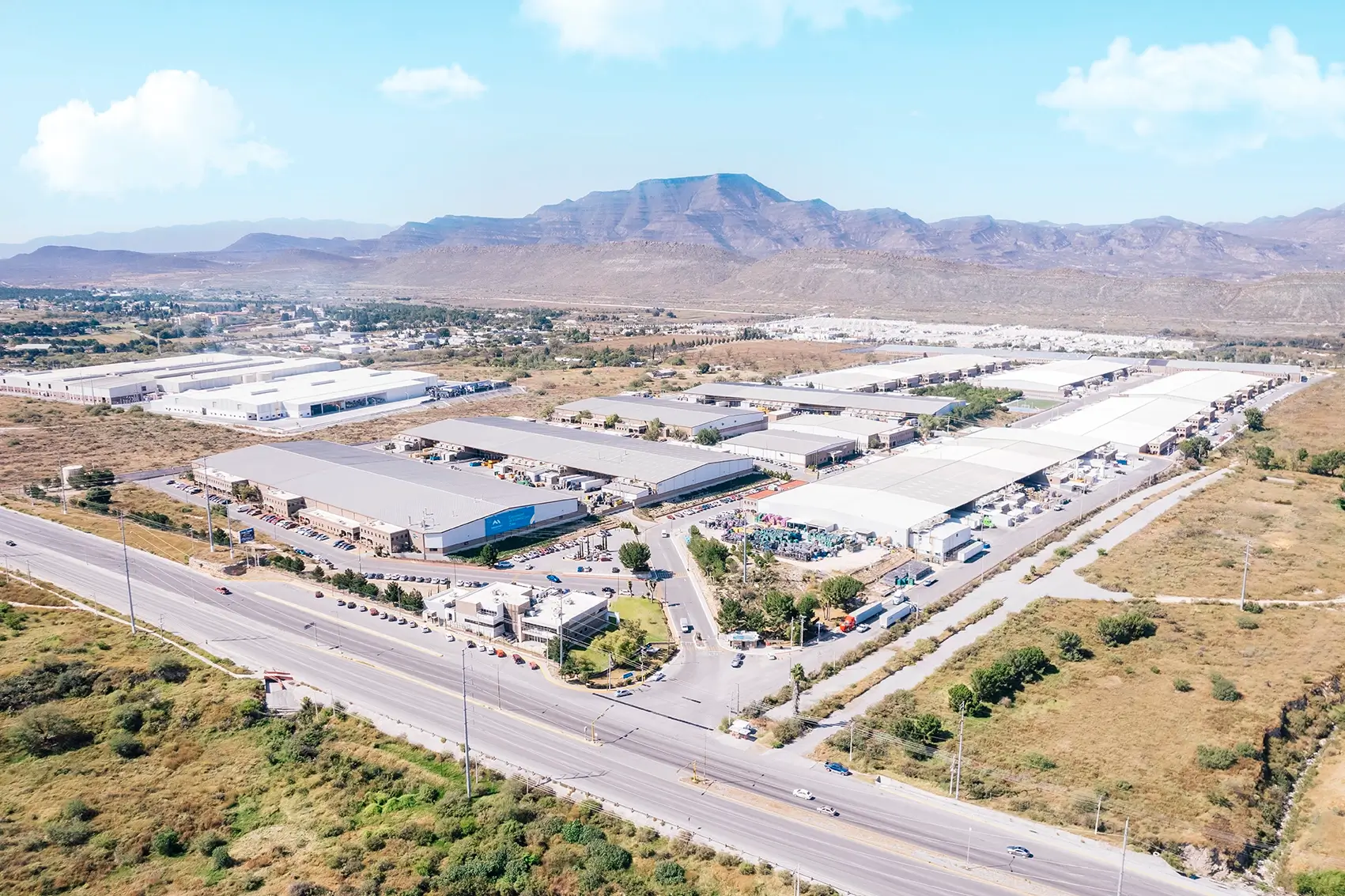
There are five of them, in Sonora, Sinaloa and Coahuila, with 60+ manufacturers running their own plants on them. So for a launch, the slow parts are standing already or are Tetakawi’s job. A Campus comes in four parts: the space, the workforce, the logistics and the compliance. Each has a half that is Tetakawi’s and a half that is yours. In Tetakawi’s experience, setting up this way typically takes three to six months to reach the point where the site is ready for equipment, with the space, the legal framework and the workforce infrastructure in place. Beginning production and reaching planned output depend on the remaining installation, staffing, validation and approval work, and that is the half of the schedule that is yours.
Here is the split, part by part. The two columns hold for most launches; what goes in them is yours.
| Tetakawi’s half: standing, or Tetakawi’s work | Your half |
|---|---|
| Space. Standing: a building with power contracted and utilities in. Tetakawi’s work: fit-out for your process, two to four months | Your equipment: specifications, lead times and delivery dates, and any machine that draws more power than a standard building carries |
| Workforce. Standing: a recruiting team placing people in the city each week. Tetakawi’s work: recruiting on your instruction, employment and payroll through Tetakawi’s Mexican operations | The roles you need, the people you select, your plant leadership first |
| Logistics. Standing: import and export running daily under the program the Campus holds. Tetakawi’s work: checking your goods and your address against it, then planning the import route | Your equipment’s delivery dates, and the information behind each shipment |
| Compliance. Standing: the site’s permits, registrations and filings. Tetakawi’s work: finding, with you, the approvals that attach to your product before a date is set | Those approvals, each with an owner and a date in the plan |
| The plan. Tetakawi’s work: one project leader and a plan from each department, anchored to your date | Qualification: PPAP, first-article inspection, your customer’s visit and sign-off |
The space: a building you can wire for your process
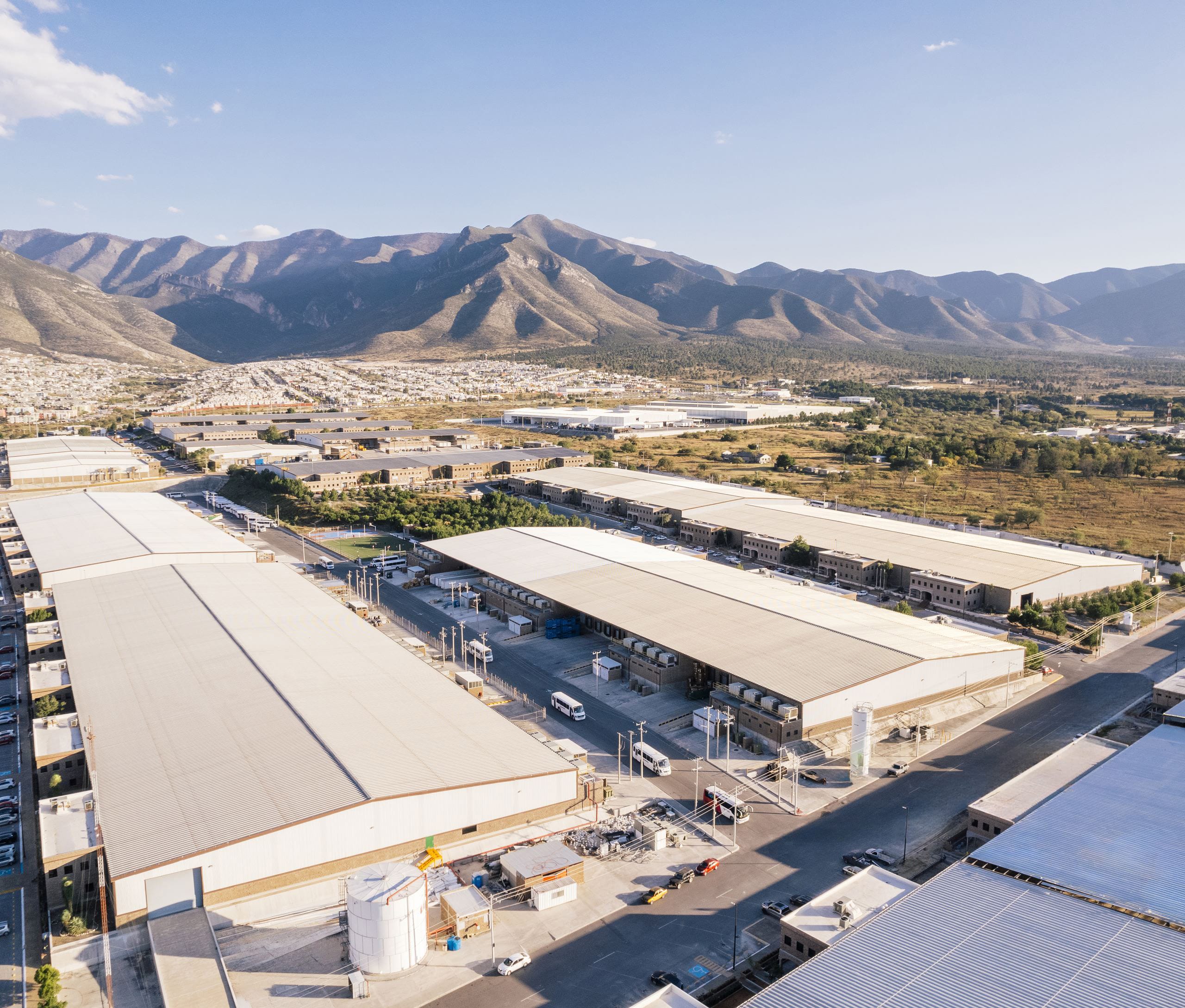
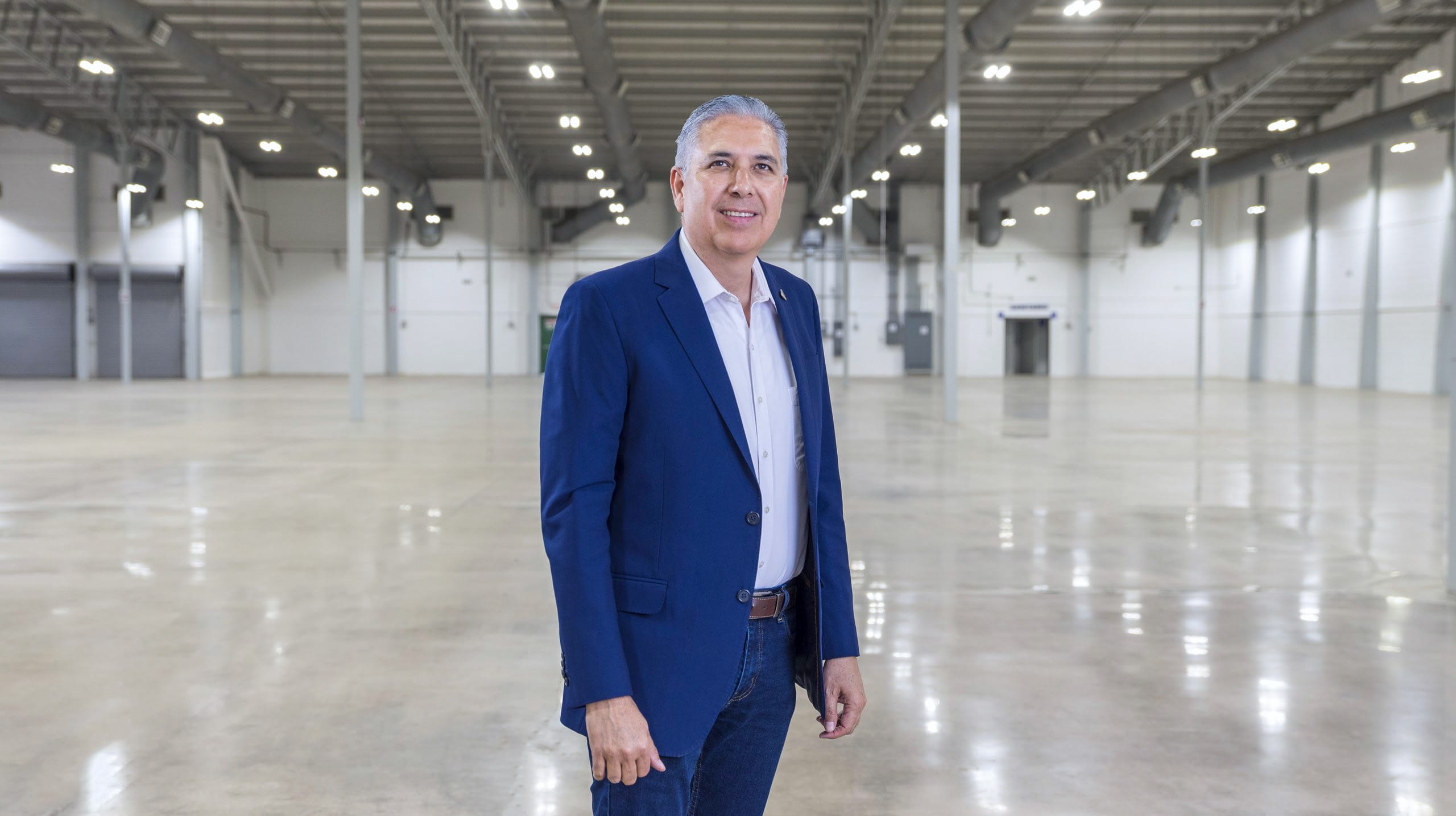
Most of what makes a Mexico launch slow is not manufacturing. It is a building that has to be found or built, and an electricity contract that has to be negotiated with the utility. On a Campus the industrial space is standing and the power is contracted. Tetakawi still checks the capacity your machines need, and an upgrade or an equipment lead time can move the date; what you skip is the utility contract itself.
Javier Mockabee, Tetakawi’s Director of Infrastructure, draws the line against an ordinary industrial park. Renting there, he says, “is just when you rent an empty box.” A Campus building is different “because our buildings are almost ready to produce.”
“Almost” is the word that matters. A standard building of about 35,000 square feet does not arrive wired for your machines. The transformer capacity they draw, power drops to each one, compressed air, water and extraction all have to go in, and Mockabee puts that work at two to four months. The range depends on how complex your internal systems are, and on lead times for items such as high-capacity transformers. That is why any machine with an unusual power draw belongs in the first conversation, not the fourth month.
Occasionally the fit is nearly exact. Aida Samuel, Tetakawi’s Director of Sales, remembers a wire-harness maker arriving at the Zapa Campus in Saltillo in a hurry, just as another wire-harness client moved from a smaller building into a larger one. The power, the compressed air and the floor layout it left behind were almost exactly what the newcomer needed, and that launch came in well under the usual time. That is what “ready for equipment” means when Tetakawi says as little as thirty days for a well-prepared operation on an established Campus. It is a building your machines can go into, with the people and the paperwork in place to receive them. It is not a shipping date, and most launches are not that lucky. Fast, in this business, is mostly a matter of what was there when you arrived.
The workforce: a hiring engine that already exists
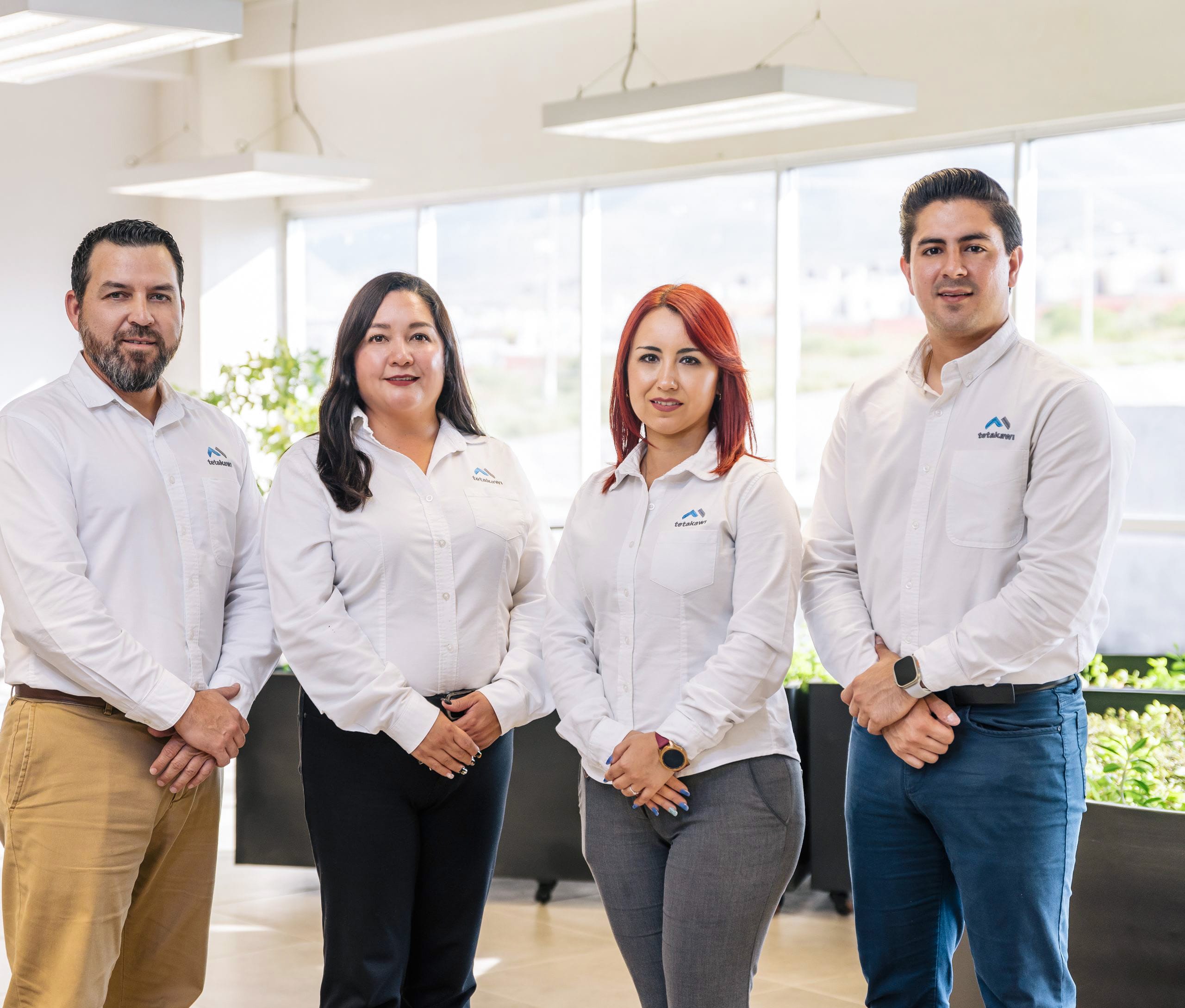
Then there is the second slow part of a launch: a recruiting operation that has to be hired before it can hire anyone. On a Campus the workforce engine exists. A recruiting team is already placing people in the city each week for the manufacturers next door, and it places them for you on your instruction, with employment and payroll running through Tetakawi’s Mexican operations.
Luis Ávila, Tetakawi’s HR Manager in Saltillo, on why a new company cannot build that engine quickly: “Many foreign companies believe that recruitment is done solely through LinkedIn or other social media. Posting vacancies and waiting for candidates to apply doesn’t work, especially for a new company in the region with no established following.”
So what is yours is the shape of the team: the roles, the skills and the people. Tetakawi’s recruiters find and screen the candidates. You interview and choose. Employment and payroll run through Tetakawi’s Mexican operations. Your plant leadership comes first. Your plant manager is onboarded before anyone else, so your own leader is working the launch plan alongside Tetakawi rather than reading about it afterwards, and then builds the production team through that engine. The slow hire anywhere is the skilled technician, and a Campus does not change that; it changes how many people are already looking for them on your behalf.
The logistics: a program your equipment can cross under
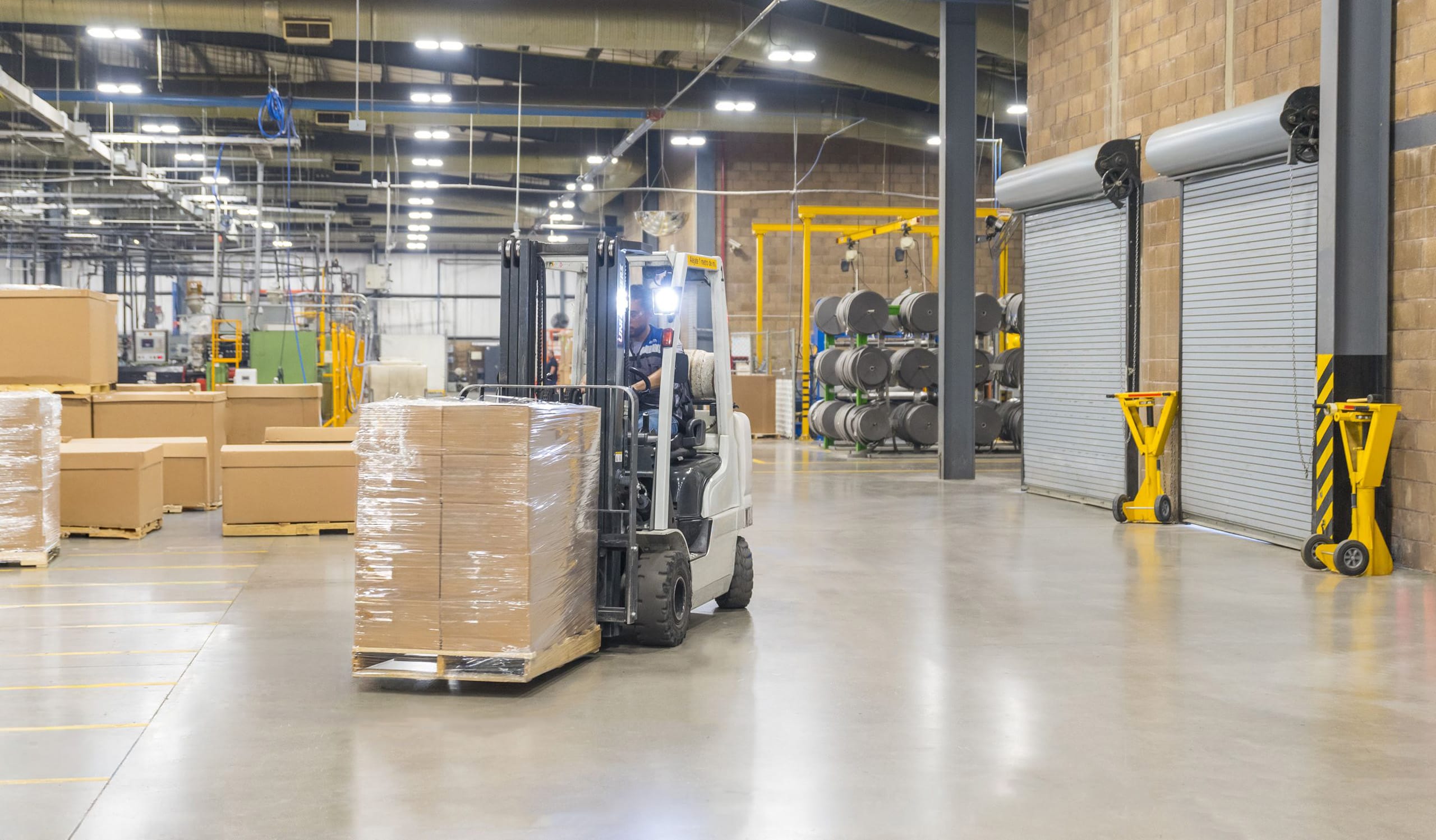
Next, the third slow part: the stack of registrations that has to exist before the first pallet can cross. On a Campus, import and export is running daily under the program and site authorizations the Campus already holds. Tetakawi’s trade team checks them against your address and your goods before your first shipment, then plans the import route for your equipment and raw material, including whatever the program needs added for your operation.
What is yours is the information behind each shipment and the delivery dates of your equipment. Those dates, more than any paperwork, decide when commissioning starts, so bring them with the equipment list.
The compliance: permits that attach to the site, and the ones that attach to you
And the fourth slow part: the set of permits, registrations and filings a site needs to exist at all. On a Campus those are standing: the site and building permits, the environmental permitting across municipal, state and federal authorities, the monthly filings, the safety programs. Tetakawi’s compliance, EHS and fiscal teams deal with the authorities on the site’s behalf.
Some approvals attach to your product or your process rather than to the site. Tetakawi finds those with you before a date is set, and each one gets an owner and a date in the plan. The schedule is built around them rather than surprised by them.
The plan, and what still sets your date
From the day the agreement is signed, you have one project leader to call. Each department you depend on builds its own plan: HR, EHS, import and export, purchasing, finance, maintenance. All of them are anchored to the one date you name, your production start or the day your customer comes to approve the line.
Then the date is set by your half. Carlos Contreras, Business Development Manager at the Zapa Campus, gives it to prospects plainly: it depends on the industry, because an automotive launch and an aerospace launch carry different approvals, and it moves with the client’s own approvals and its customer’s visits. One automotive electrical-components supplier, a different client from the wire-harness maker above, arrived at the Zapa Campus in April 2024 with a PPAP to pass for its customer before a single part could ship. The building came first, fitted for more than twenty-five pieces of equipment. The PPAP and the quality certification its customer required ran inside the same months as the fit-out and the hiring. It started production that October. The Campus did not shorten the qualification. It carried the building, the hiring and the paperwork alongside it, so the people whose names were on the date could spend those months on qualification instead of on a utility contract. The operation that planned for seventy people runs more than 230 today, on three shifts.
If your date hangs on a PPAP or a customer visit, start from that. Talk through your launch date, and we will show you what can be standing before your qualification begins.
Where this gets complicated
Some products need approvals of their own. A regulated product, a controlled material or a process with its own federal permit carries an approval that no Campus holds for you, and the time it takes is not Tetakawi’s to promise. Name them before a date is agreed.
If none of the standing buildings fits your footprint, a new standard building on an established Campus takes about six months, subject to the specification and a confirmed schedule. That is a different launch, and it should be planned as one.
The model has a boundary too. Production, process and quality stay yours, and that is the point of the arrangement. If what you want is to hand production to someone else, a Campus is the wrong answer and we will say so early. These are the limits as Tetakawi runs the arrangement, and your own agreement is what governs.
What to do this week
Write down which date you actually mean. Equipment commissioned, first approved shipment and stable target output are three different dates, and the one your customer cares about is often the second. Then list the approvals that customer needs before it accepts parts from a new site, and how long your own team took the last time you qualified a line. That is your half, and a Campus does not make it shorter.
You do not need a finished launch plan to talk to us. Bring the date, your equipment list and what you know about your customer’s approvals. Before anything is signed, you get a cost model built on your own headcount, footprint and process, so your CFO has a number and knows what is in it and what is not. You get a visit to a Campus, and where a client agrees, a conversation with one who has done this.
If the date is tight, say so in the first call. The first thing we check is whether a standing building at Zapa or another Campus already fits your process. Then we can show you what is already standing, what Tetakawi would prepare, and what still depends on your equipment and your customer.
Common questions
How long does it take to set up manufacturing in Mexico with a shelter company?
On an established Manufacturing Campus, in Tetakawi’s experience, three to six months to the point where the site is ready for your equipment, and as little as thirty days for a well-prepared operation moving into a building that already fits its process. Standing up your own Mexican entity, with its registrations and permits, runs eight to eighteen months. When production starts after that depends on your equipment, your qualification and your customer’s approvals.
Does a Manufacturing Campus speed up PPAP or customer approvals?
No. A Campus does not replace or shorten the qualification and customer approval your product requires. What Tetakawi does is plan the site preparation, hiring and import work against those requirements, so you can see what has to be ready before qualification begins and who is doing it.
What should I bring to a first conversation with Tetakawi?
The date you have to hit and which milestone it means, your equipment list with anything that draws unusual power or needs extraction, your expected headcount by phase, and whatever you know about the approvals your customer requires before it accepts parts from a new site. If some of it is still open, bring what you have; naming the gaps is what that conversation is for.
Talk through your launch date
Bring the date, your equipment list and what you know about your customer’s approvals. We will show you what is standing, what Tetakawi would prepare, and what still depends on you.
Subscribe to stay up to date with our latest insights