Our Story
Learn our story, leadership, and mission shaping manufacturing in Mexico.

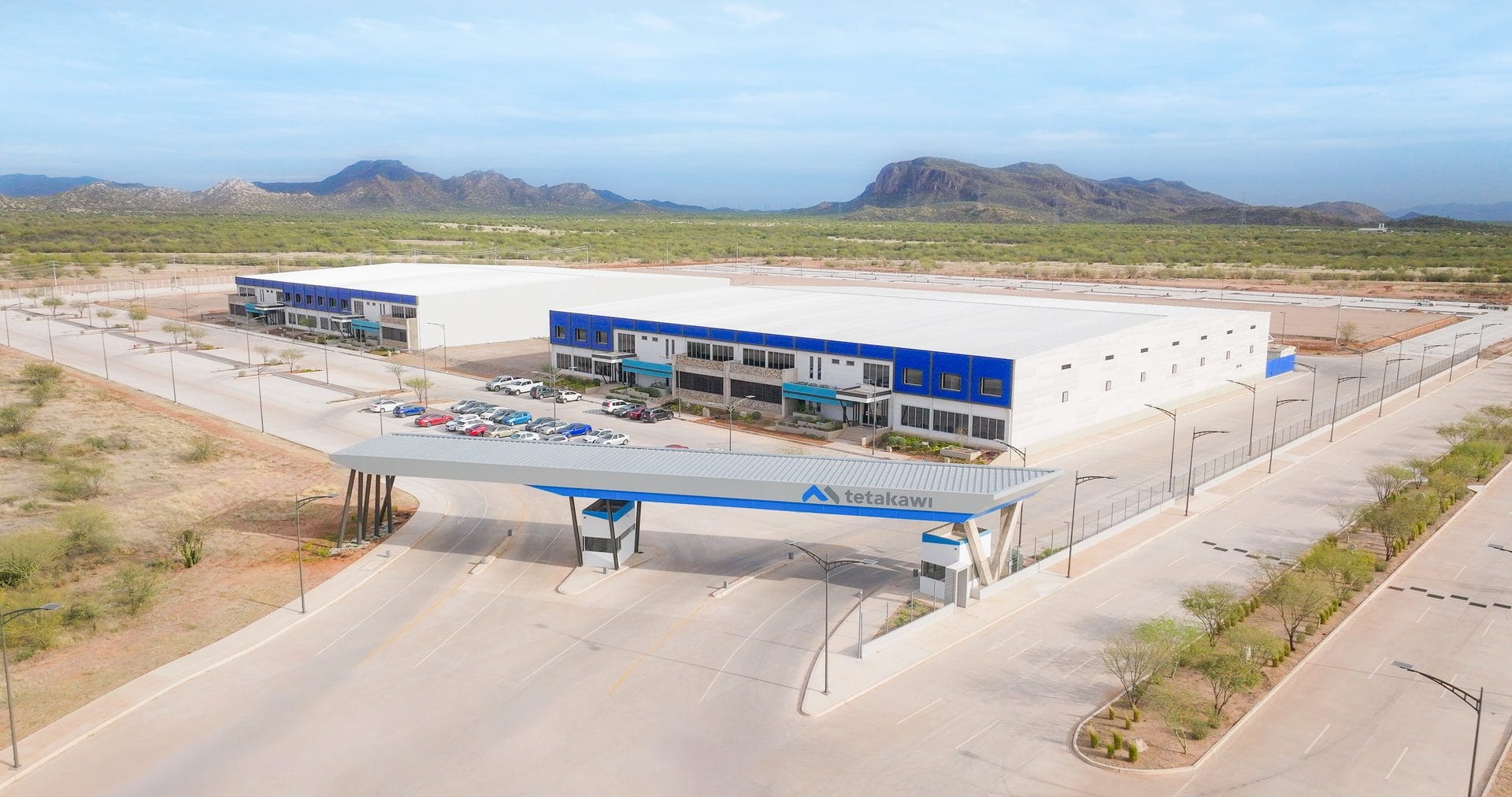
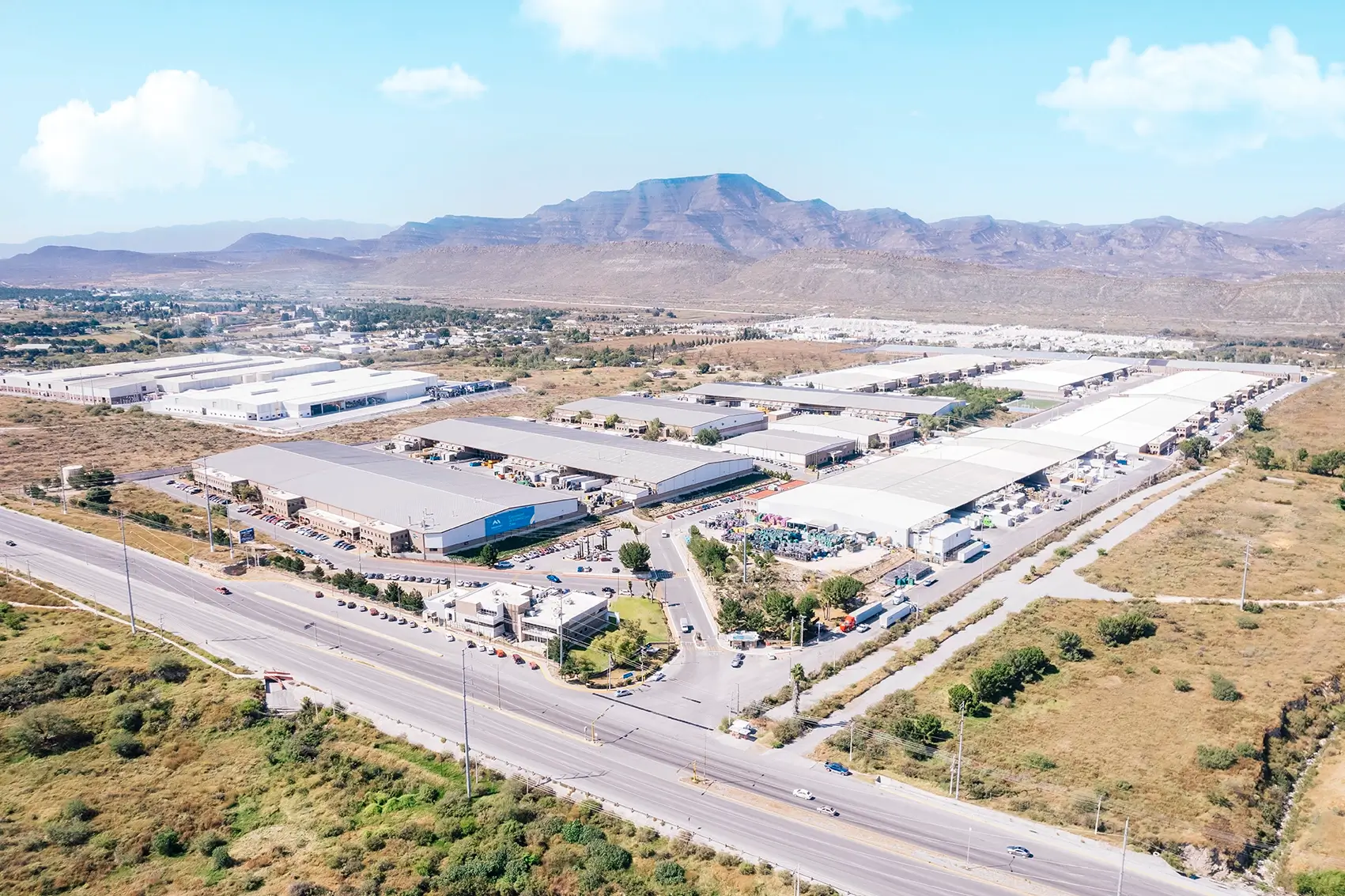
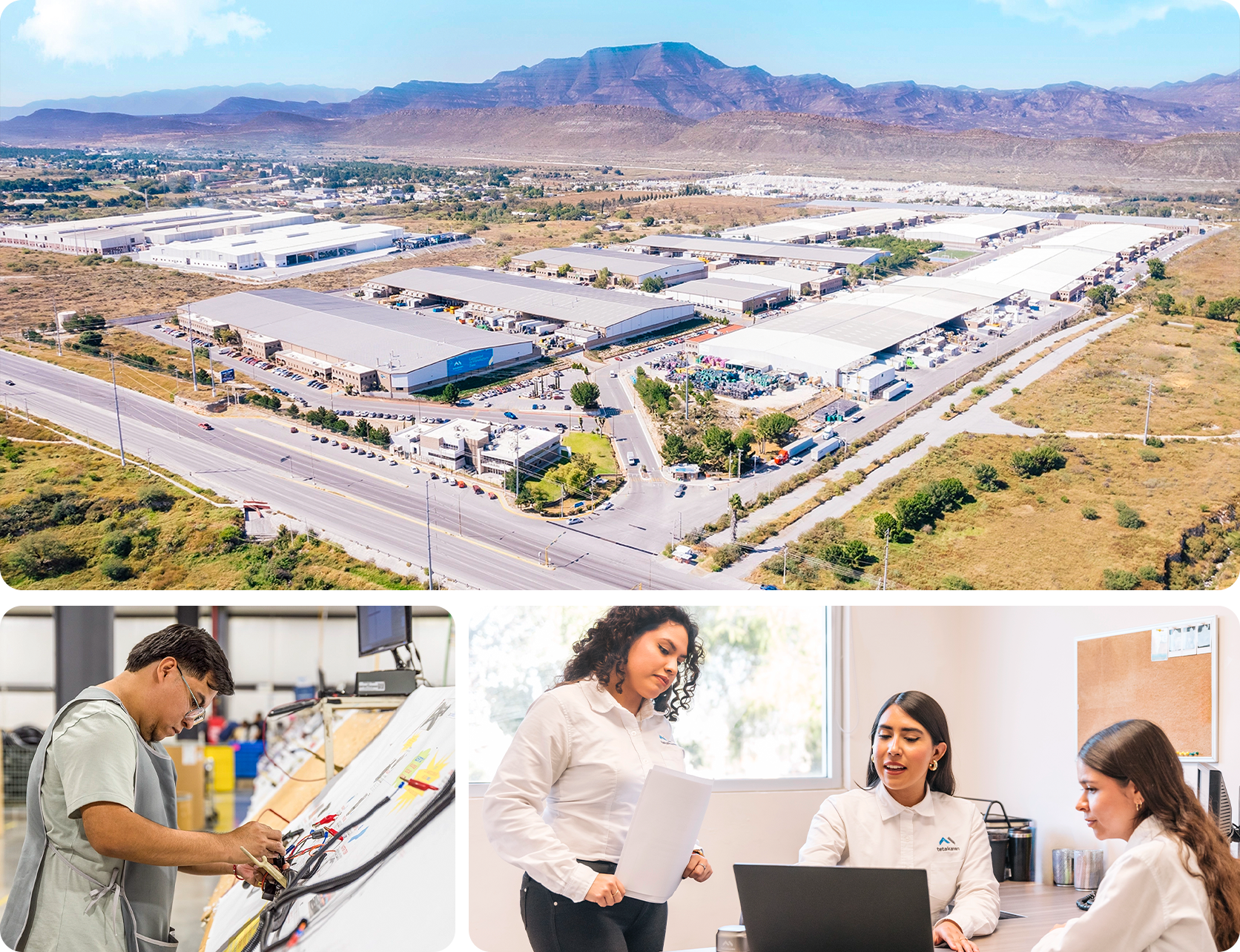
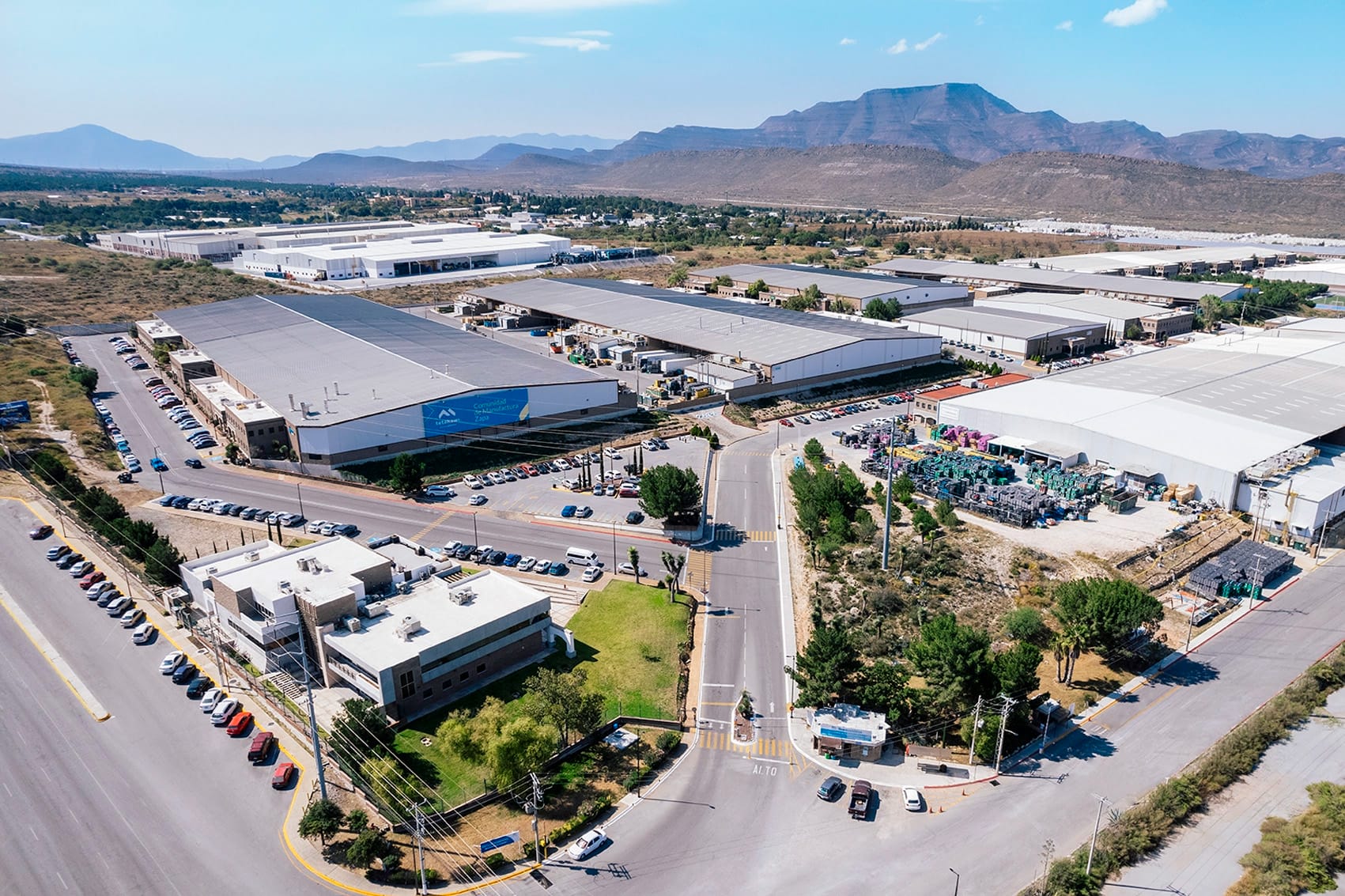
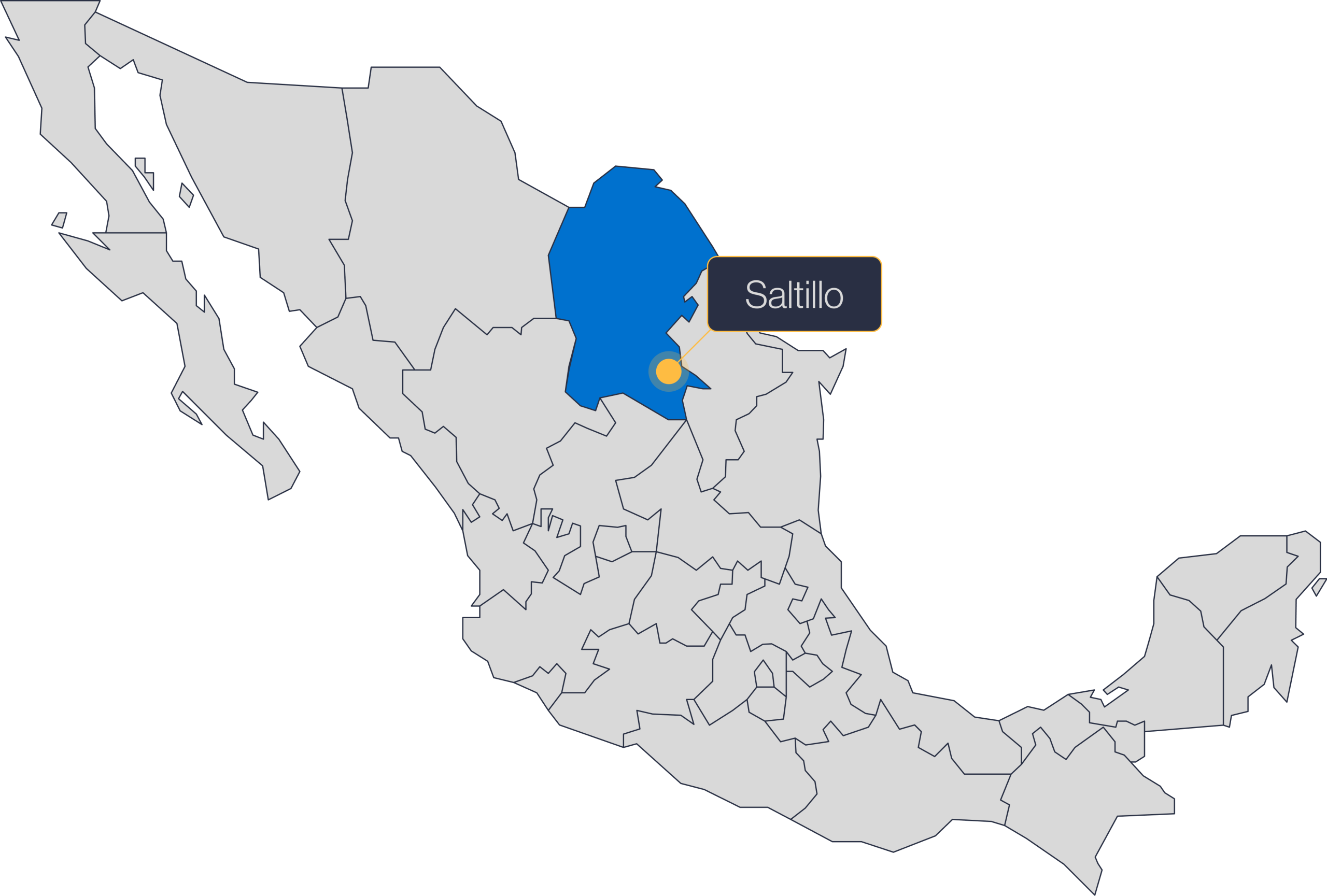
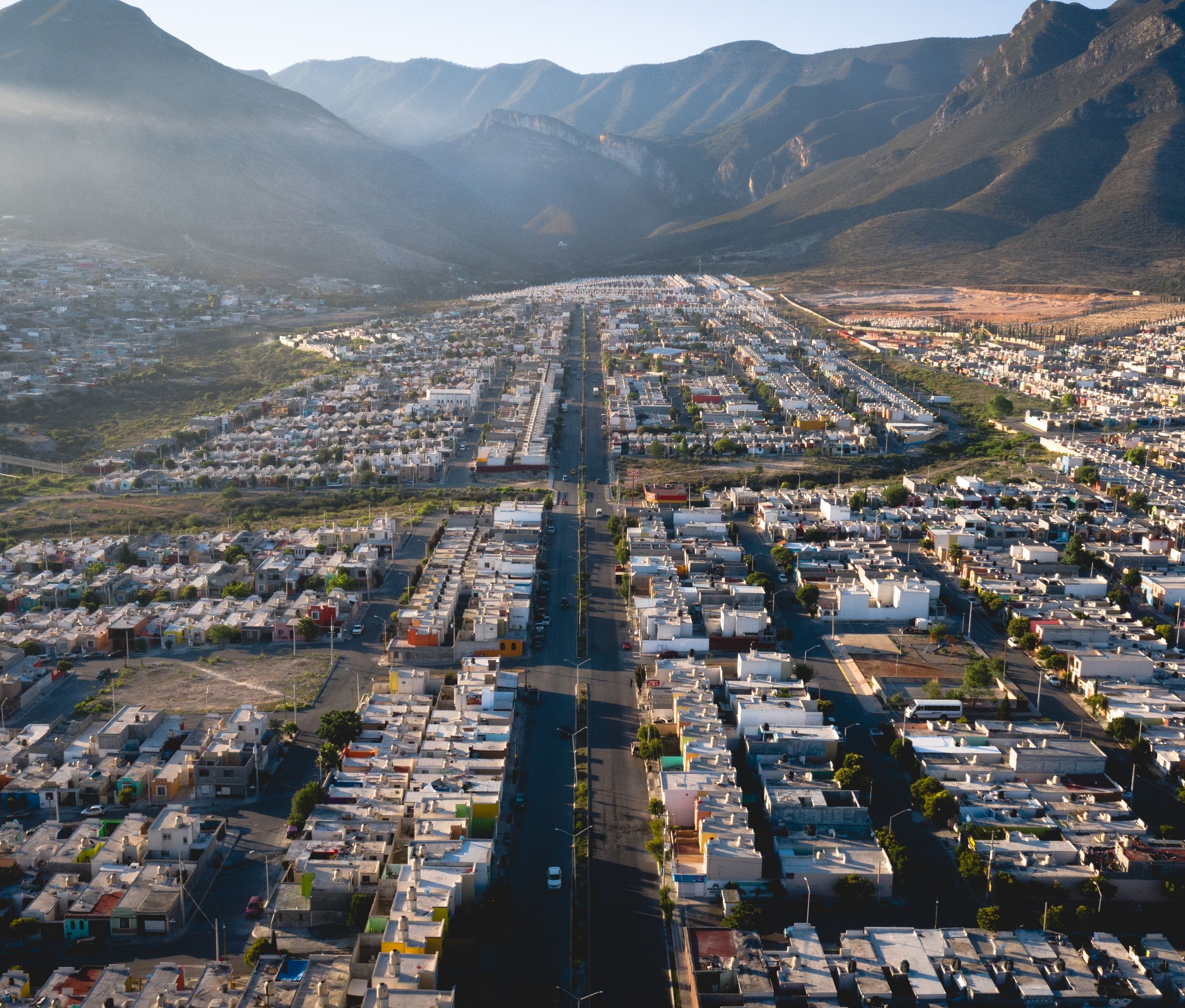
Tetakawi’s Zapa Manufacturing Campus has everything you need to launch, operate and grow your own factory in Mexico. An hour from Monterrey, in a state that stays steady.




Overview
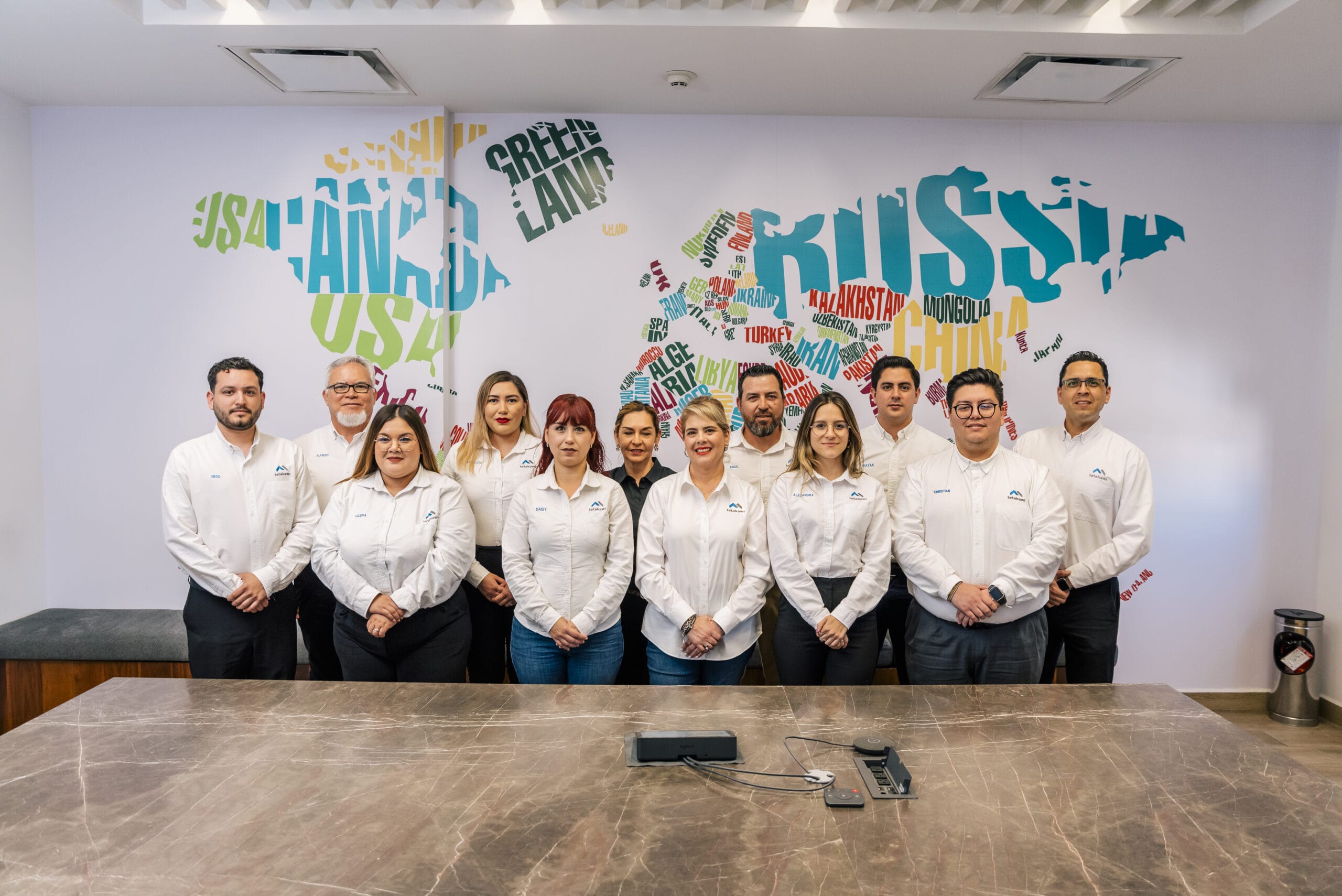
You run your own factory, your process and your quality. Tetakawi runs everything around it. In Saltillo you do that beside an ally who is on the Campus daily, not a vendor you call.
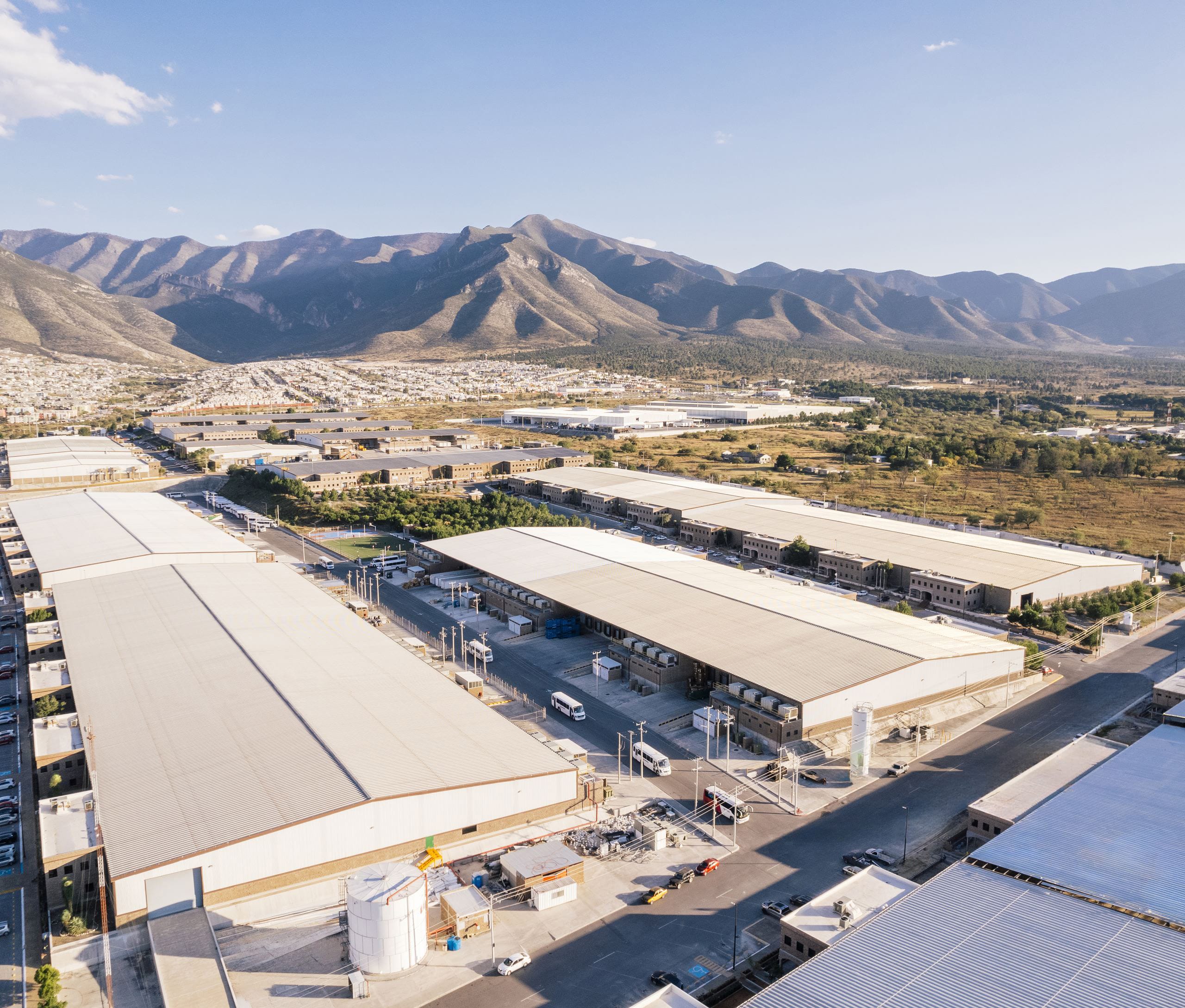
Total Land: 112 acres
Industrial Space: ~2.1M sq ft of Class A space under management
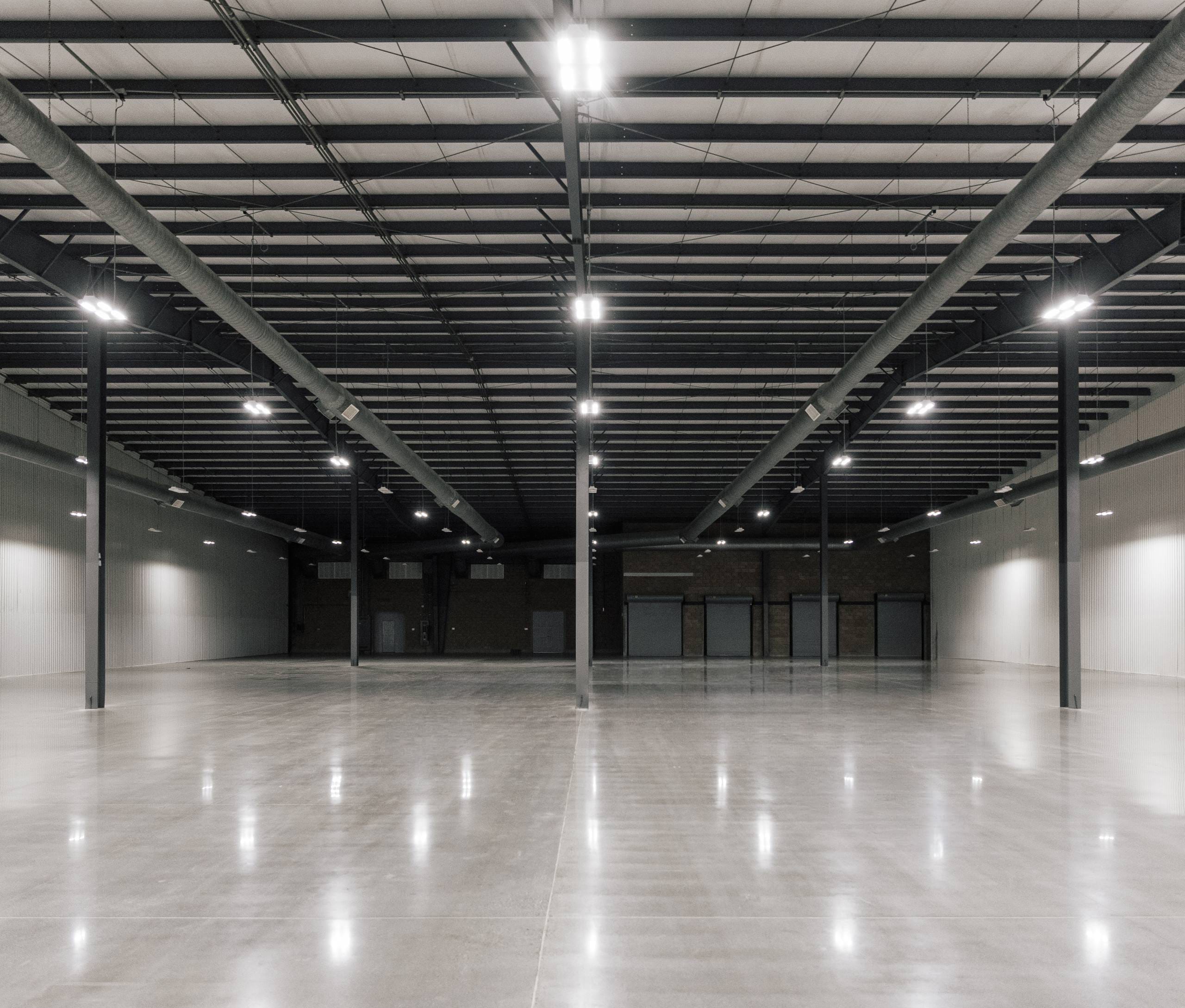
Availability: Class A buildings on a standard footprint of about 35,000 sq ft; ask us what is open today
Electrical Power: 15 MVA (15,000 kVA), run to the buildings
Natural Gas: 4-inch line at 300 PSI
Water: Contracted supply to the Campus with an on-site treatment plant; tell us what your process needs and we will confirm it
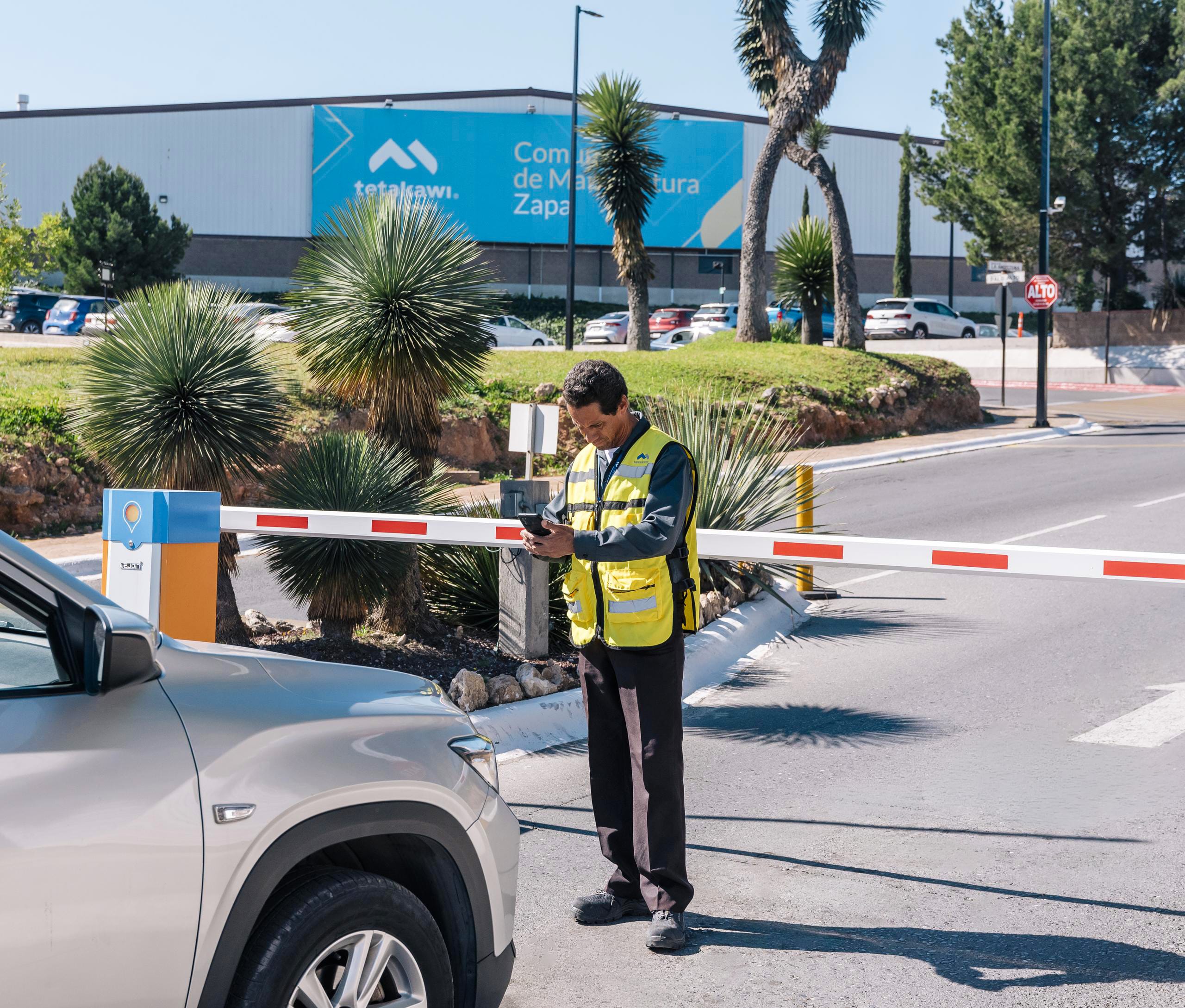
Security: Closed property with controlled vehicle access, perimeter surveillance and on-site security personnel
U.S. Border Access: Tetakawi’s own cross-dock in McAllen, TX, about four hours from the Campus
Airport Access: Saltillo (~17 mi, domestic) and Monterrey (~78 mi) international airports
Regional Access: Monterrey about 70 minutes away, with its OEM and tier-one supplier base
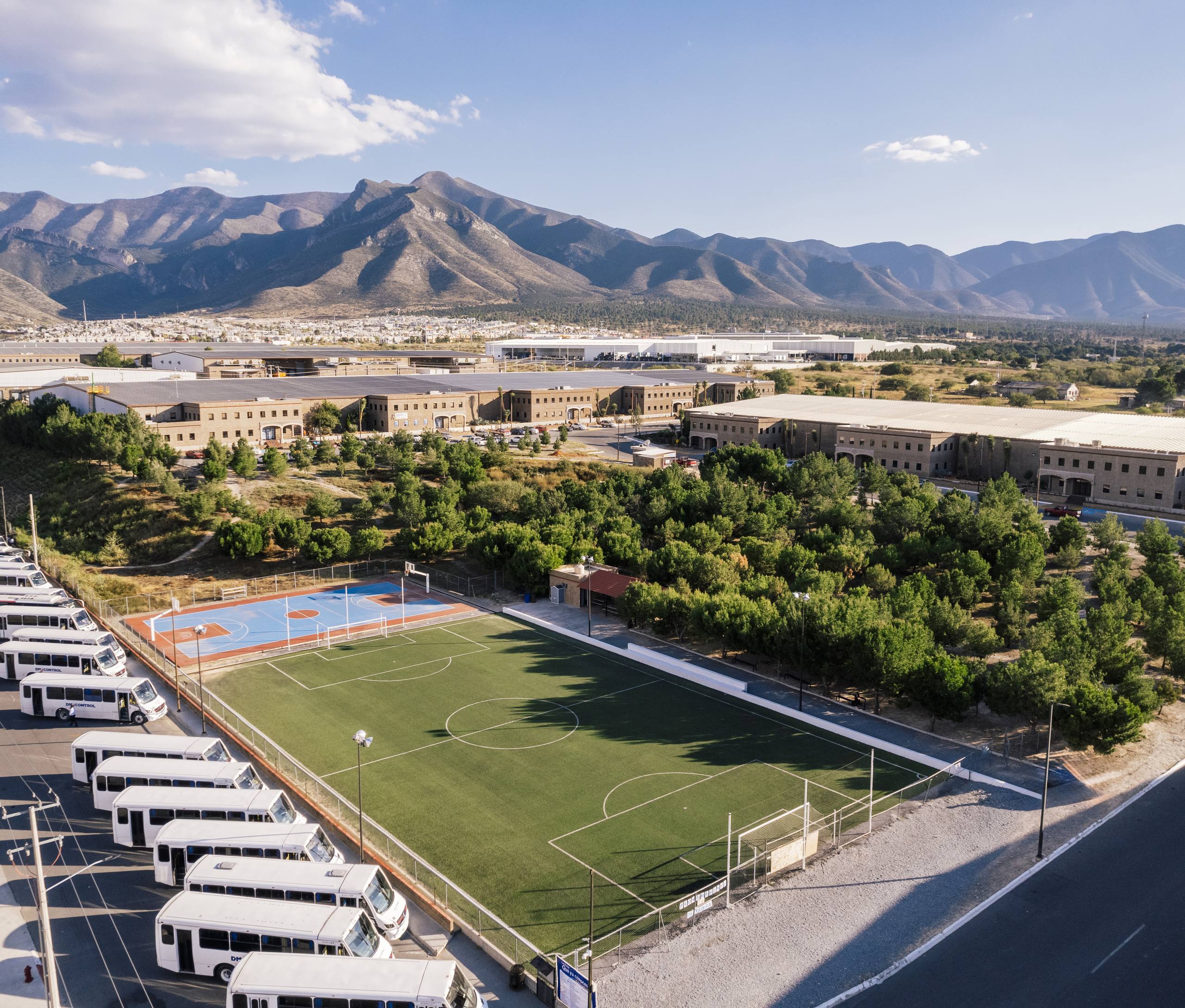
Employee Transportation: Bus routes across Saltillo, used by close to 1,500 employees
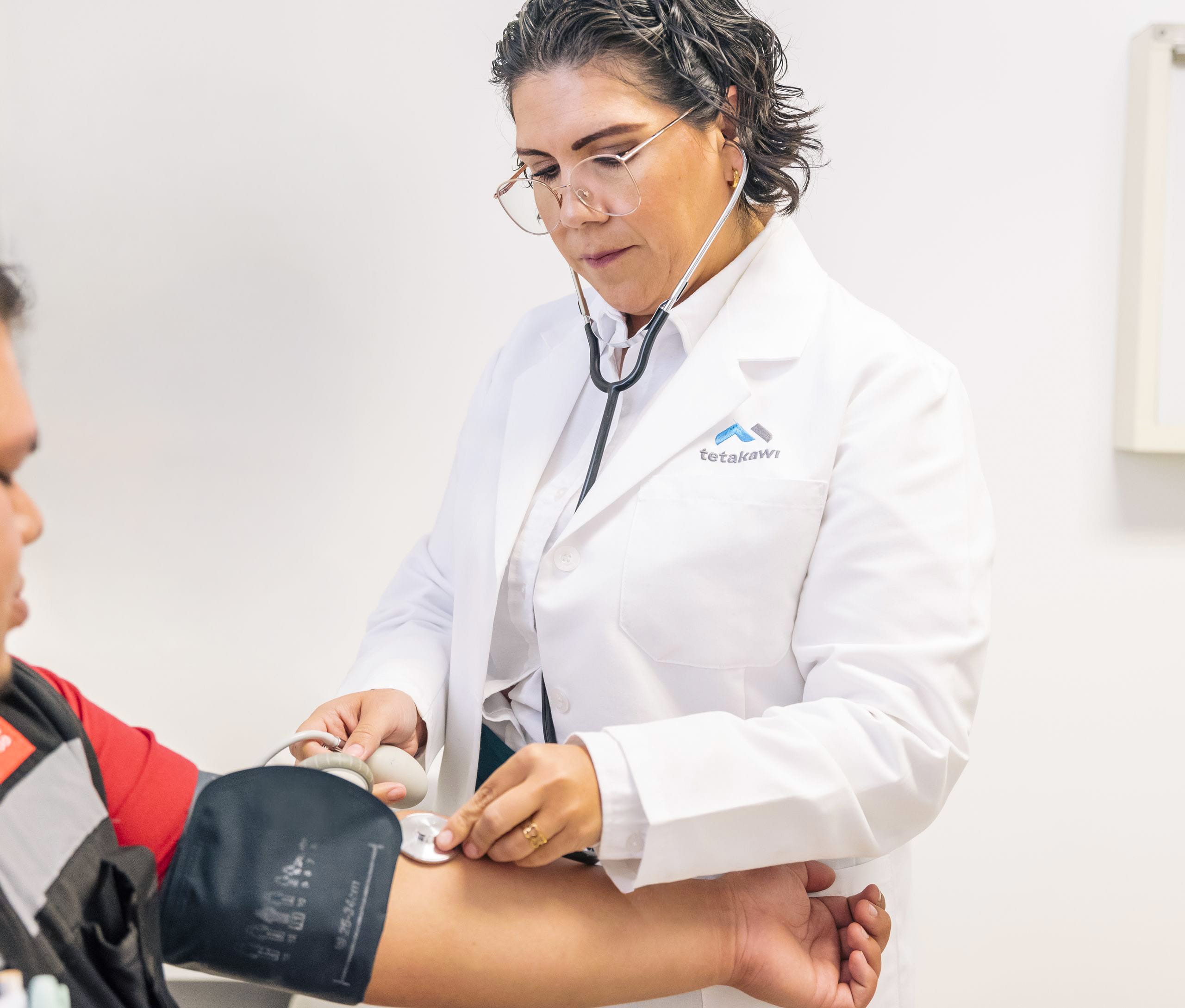
On-Site Amenities: Medical center and open recreation space for employee sports and family events
IMMEX shelter program; OEA (Authorized Economic Operator); ISO 9001 quality management systems; Great Place to Work
Why Zapa
Saltillo has built to an automotive standard since the 1930s, and the trades, the suppliers and the schools grew up around that.
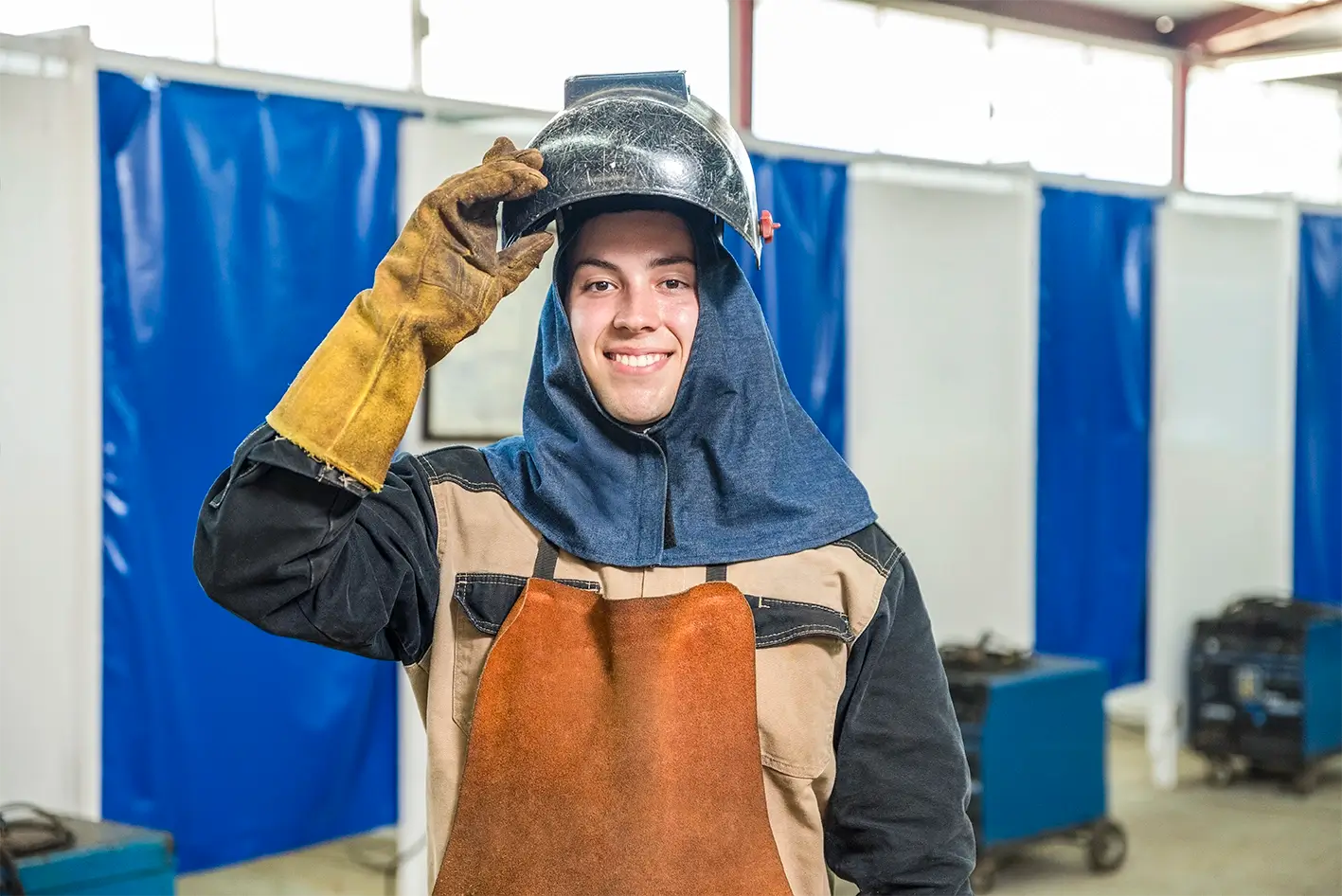
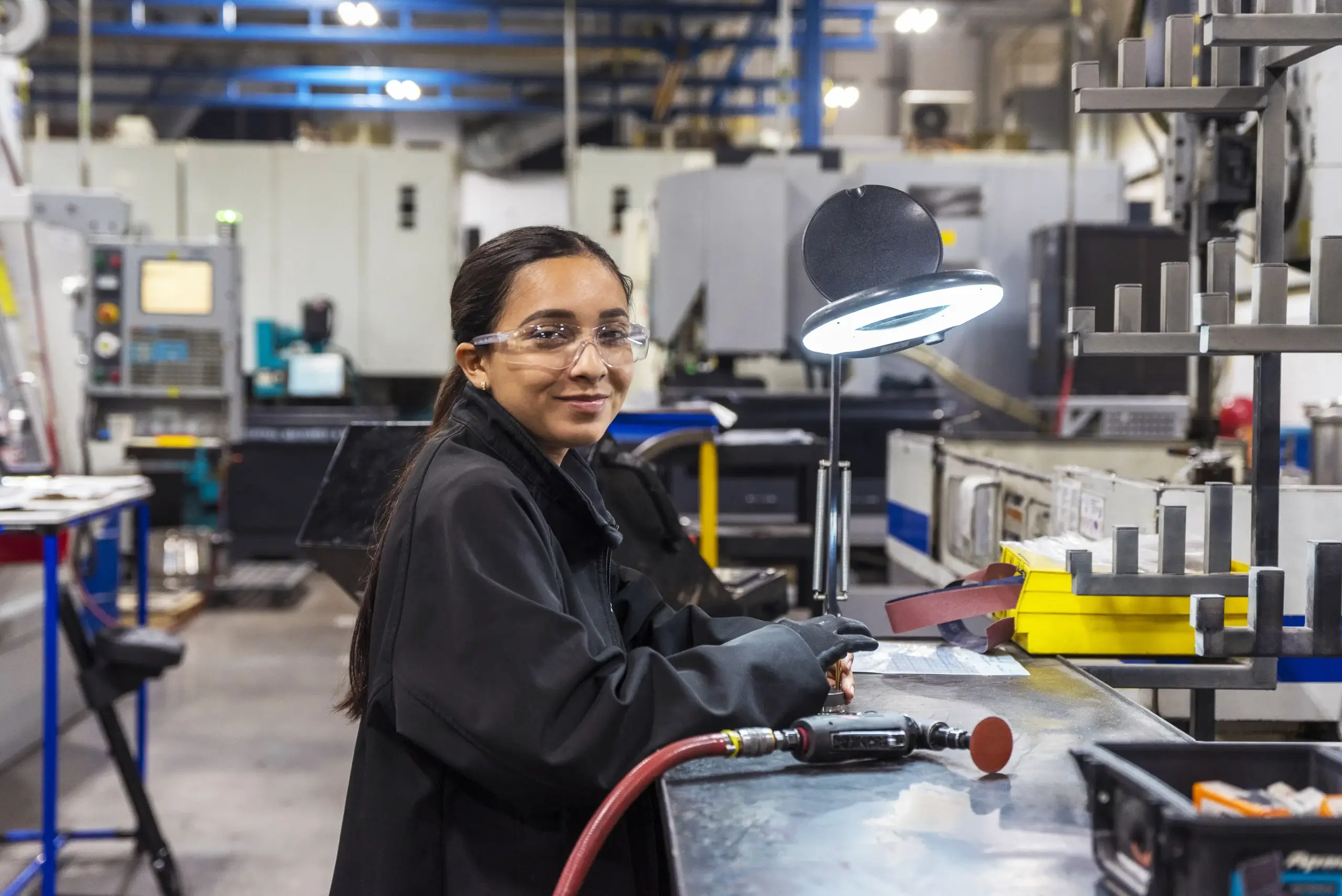
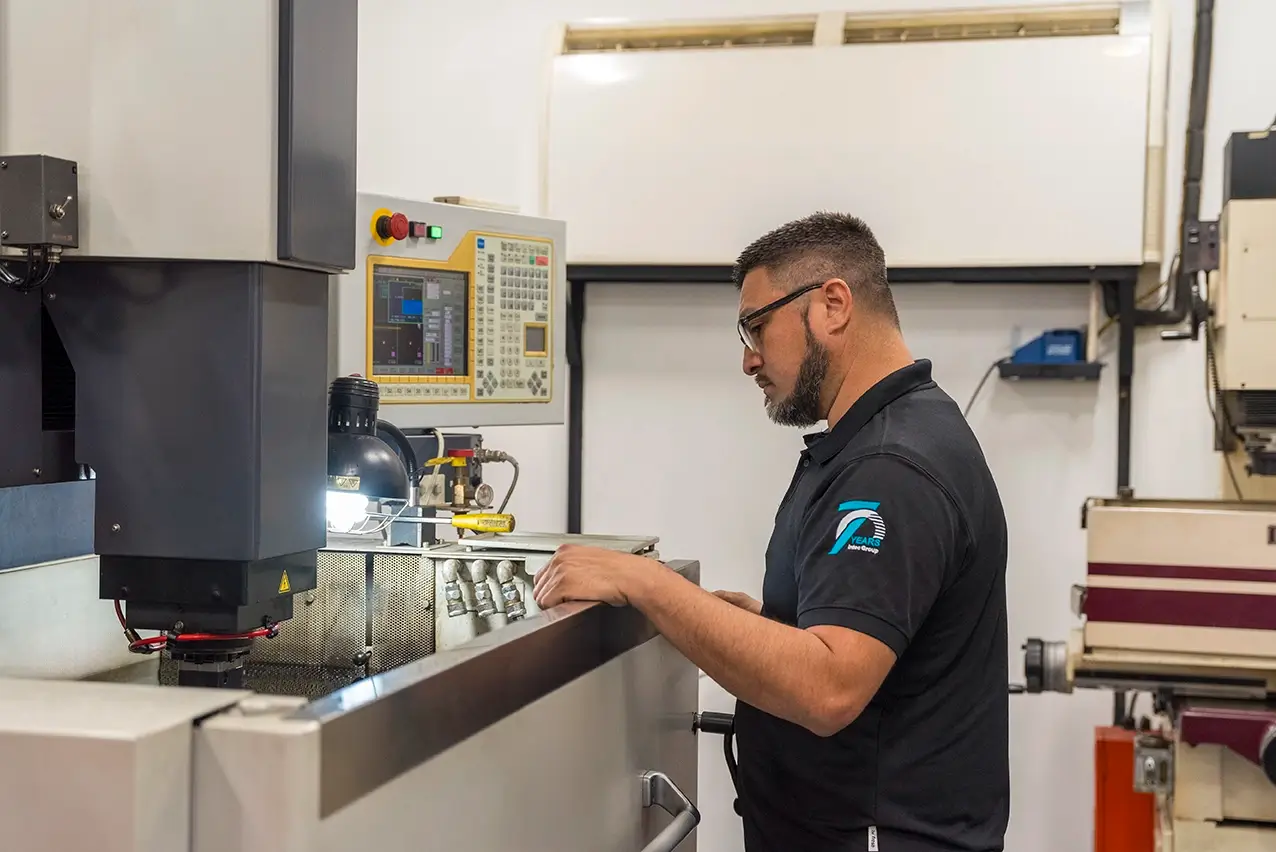
Operators, welders and machinists come out of Saltillo’s technical schools each year, already trained to the standard the car plants set.
The suppliers a metal-mechanic or automotive plant needs are already here in the region, and you can drive to the rest in about an hour.
One controlled gate, cameras throughout, and a control room staffed around the clock, so you know what comes onto your site and what leaves.
Statistics
Years helping manufacturers in Saltillo.
International manufacturers on Campus.
Employees supported on the Campus.
On Campus
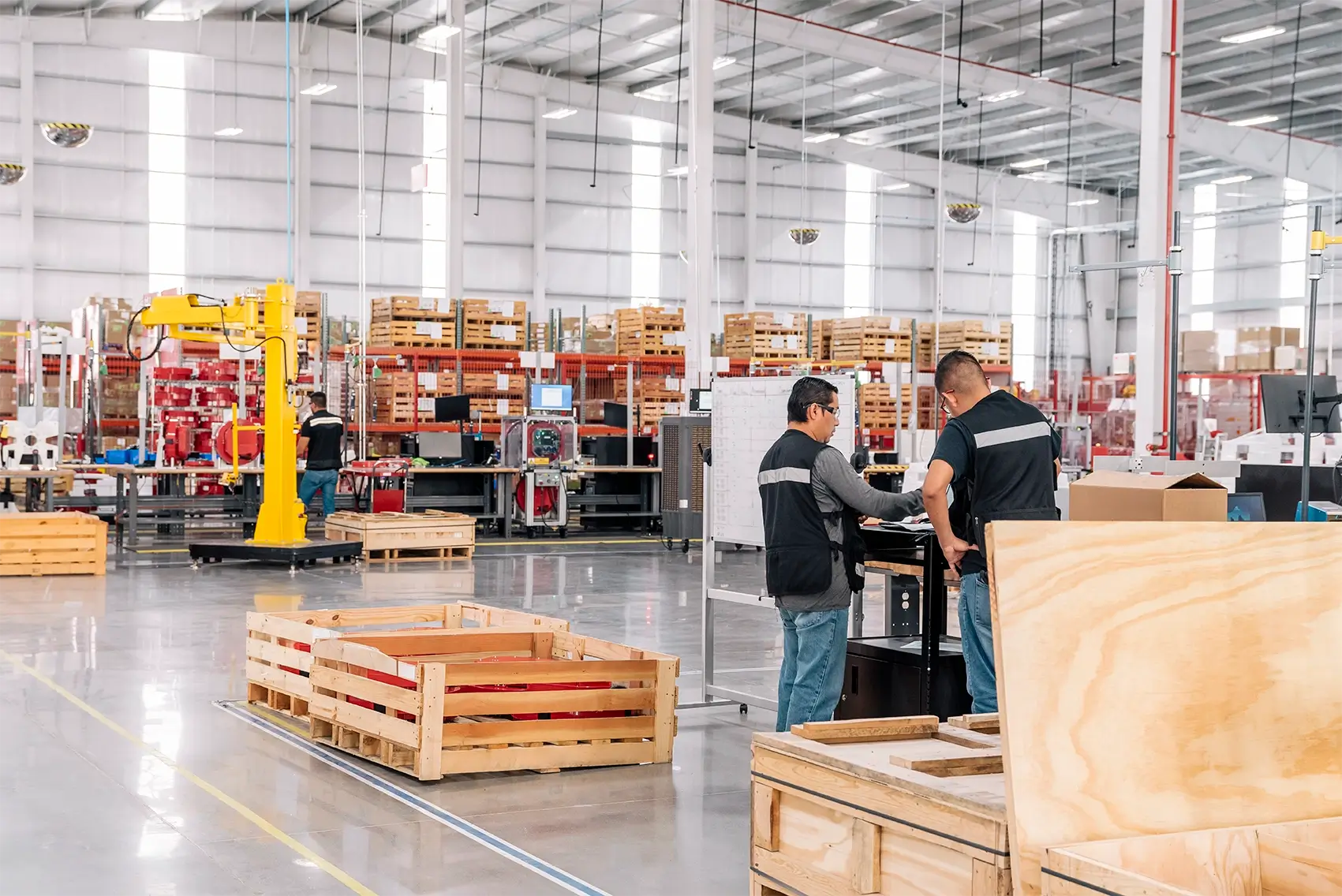
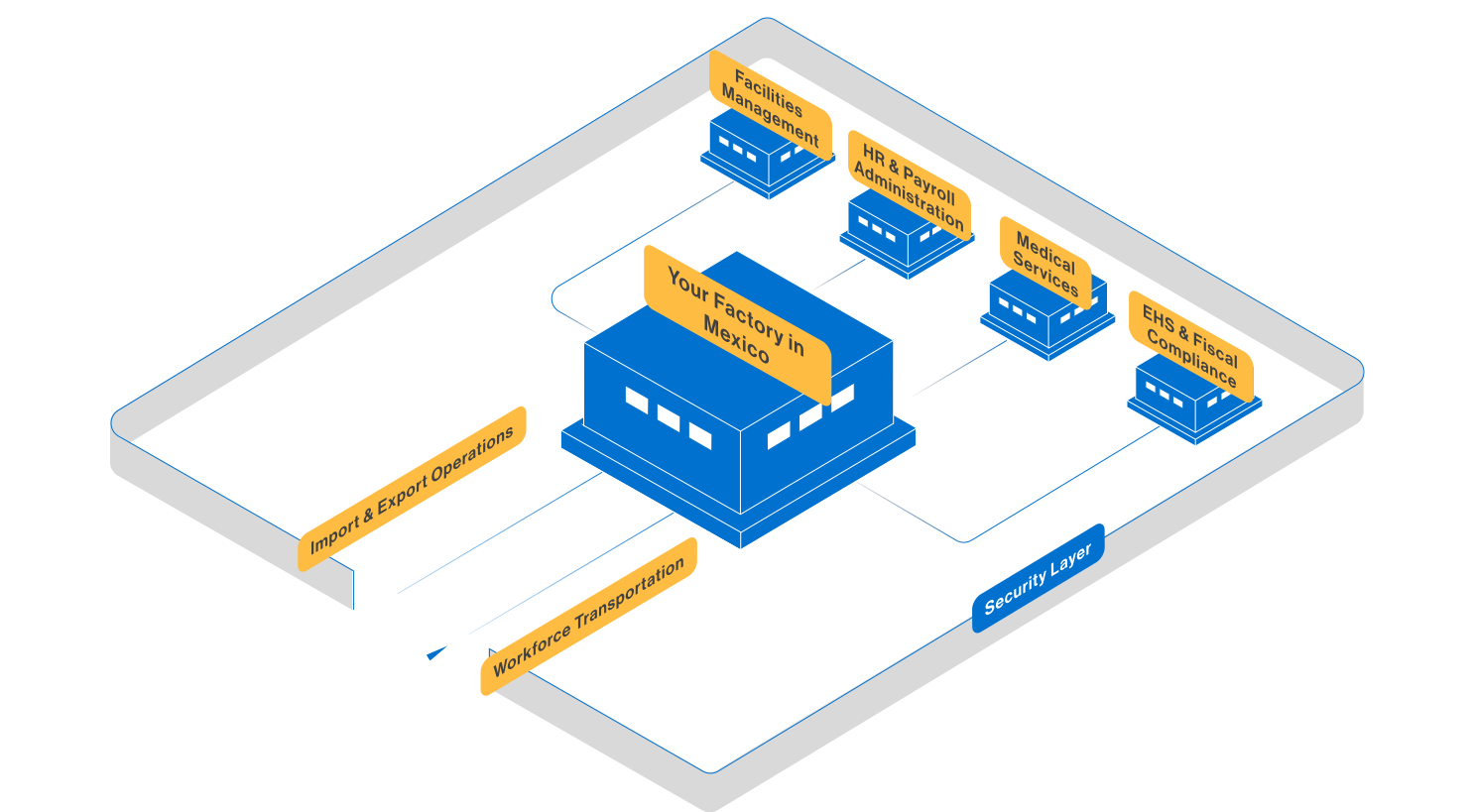
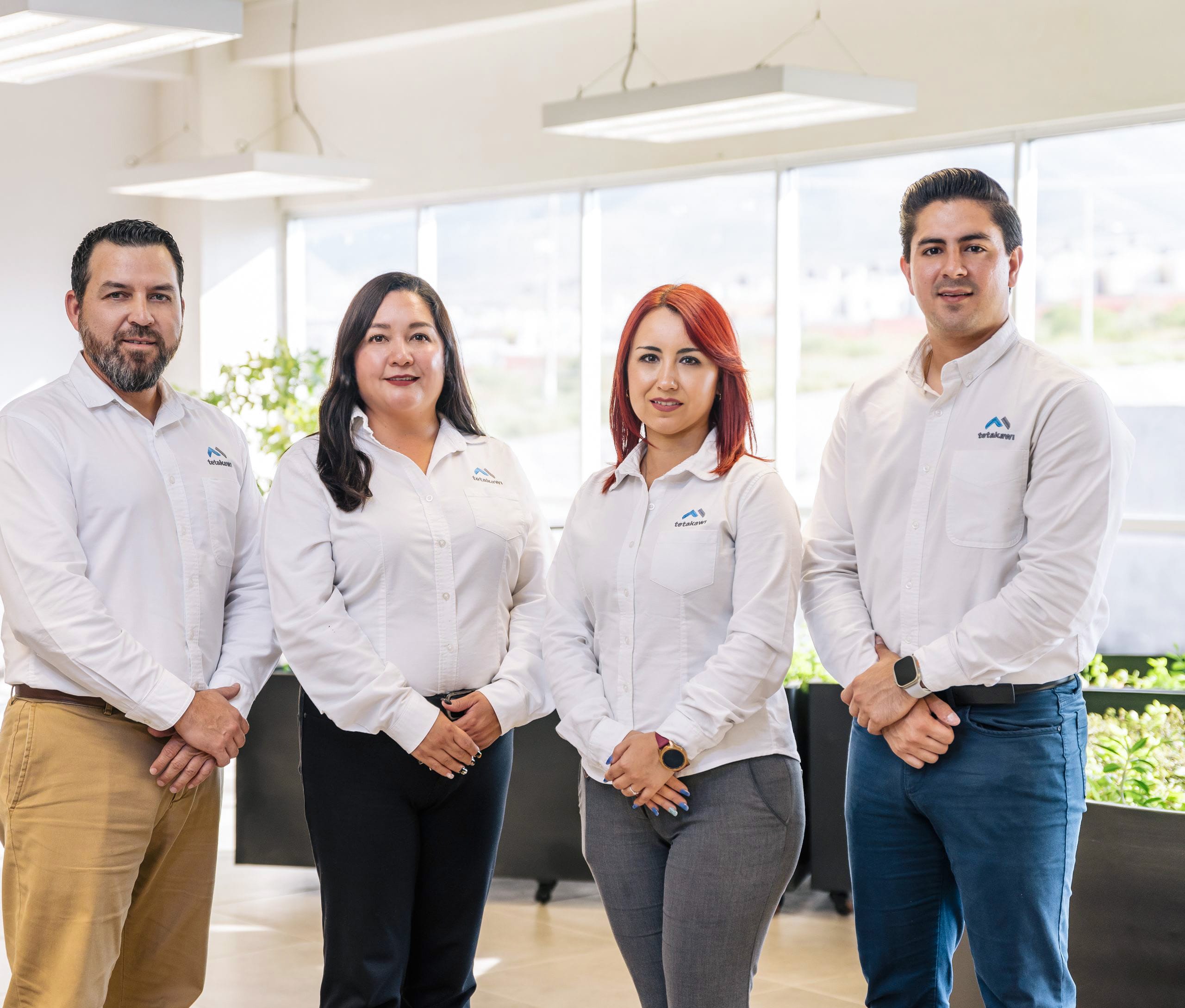
With Tetakawi you walk into a turnkey operating environment, run from the Campus itself, with HR inside your building:
Case Studies
These leaders asked the questions you are asking now. Their answers about Zapa matter more than ours.
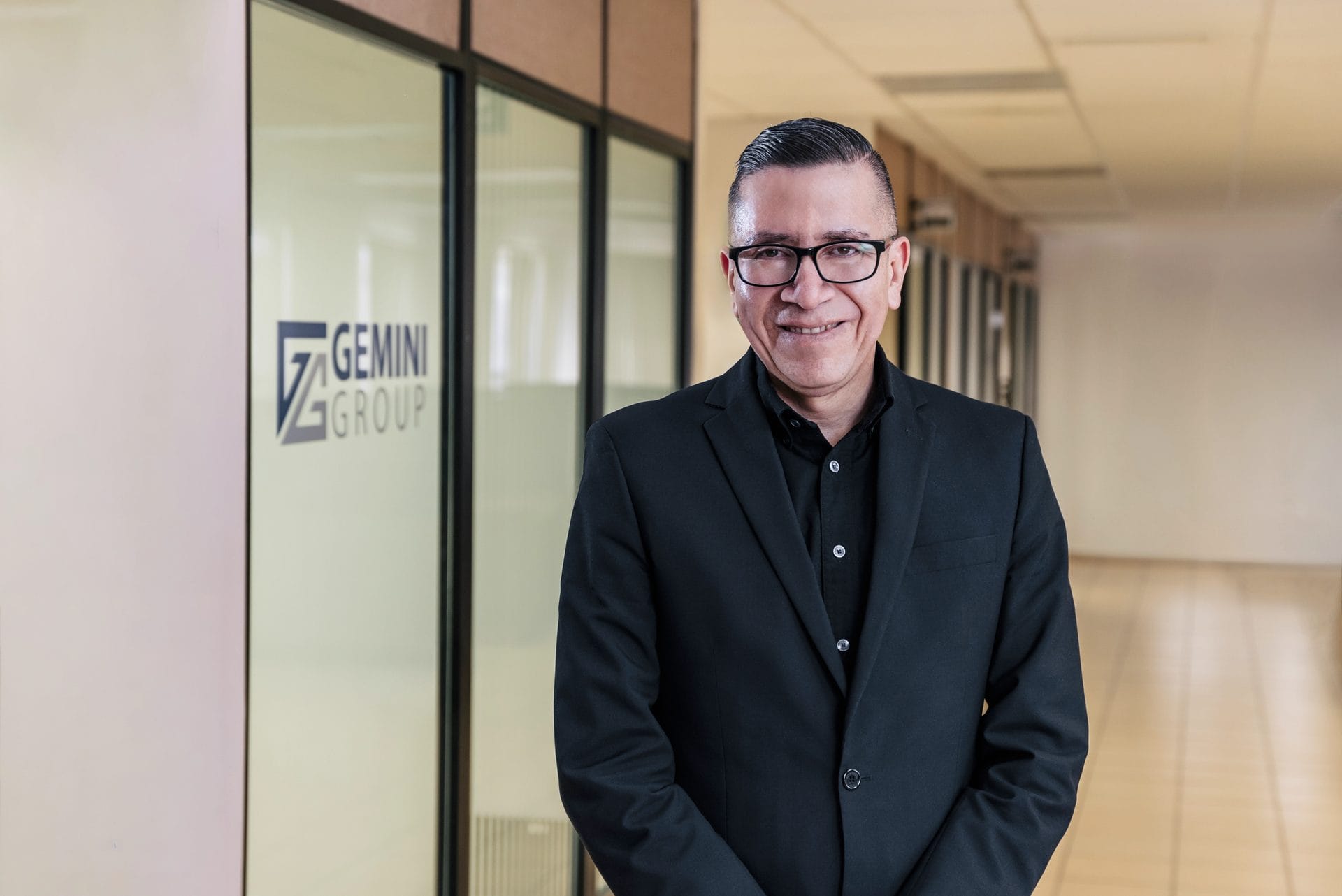

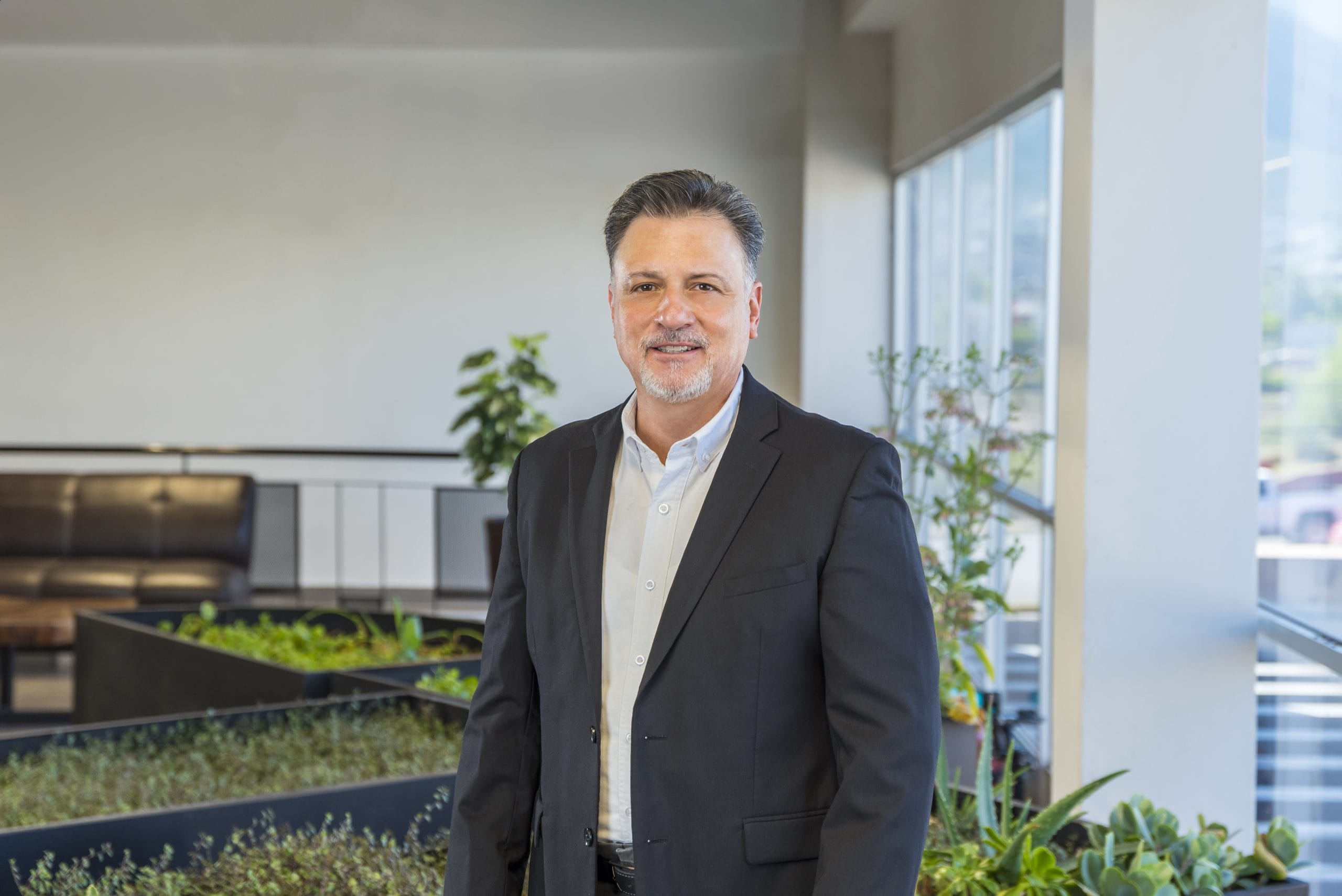
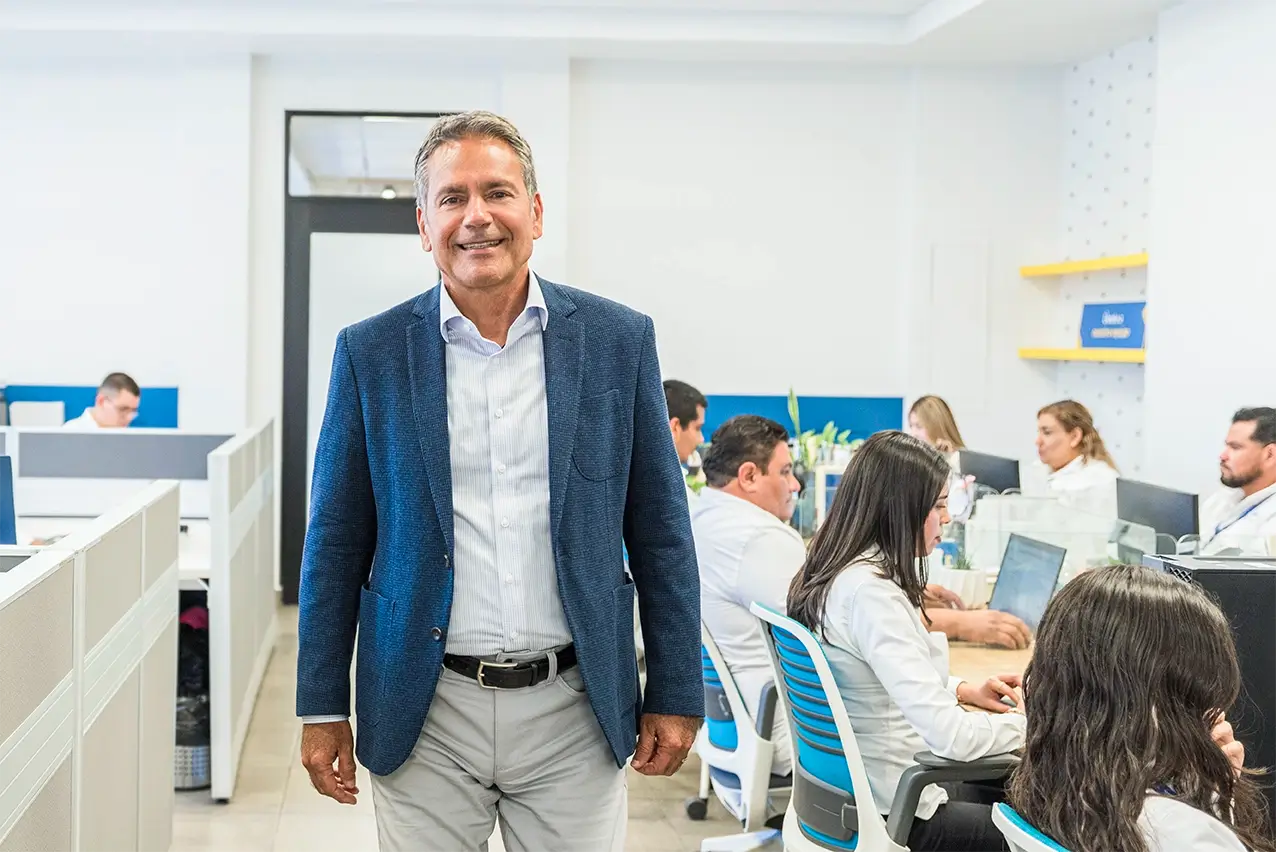
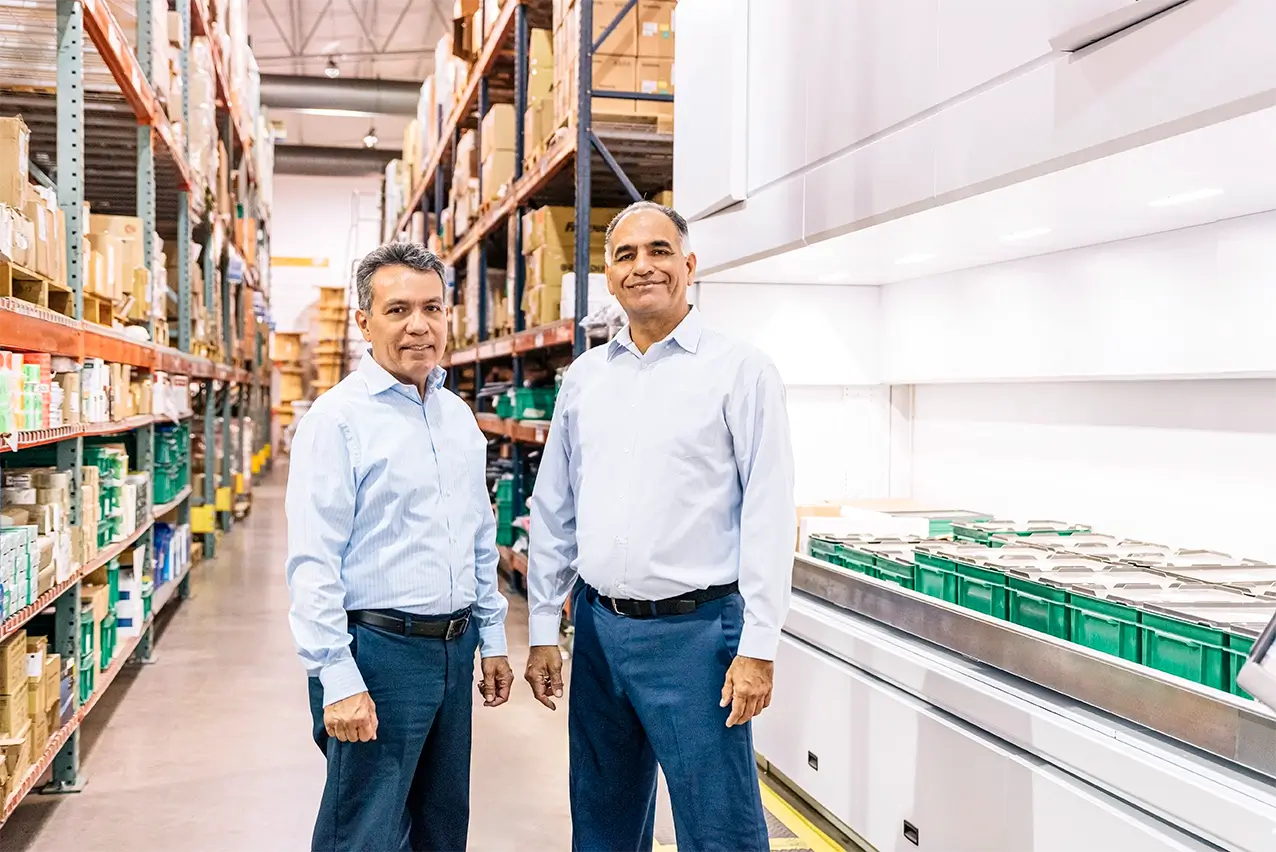
Mauricio García, Plant Manager, Gemini Group
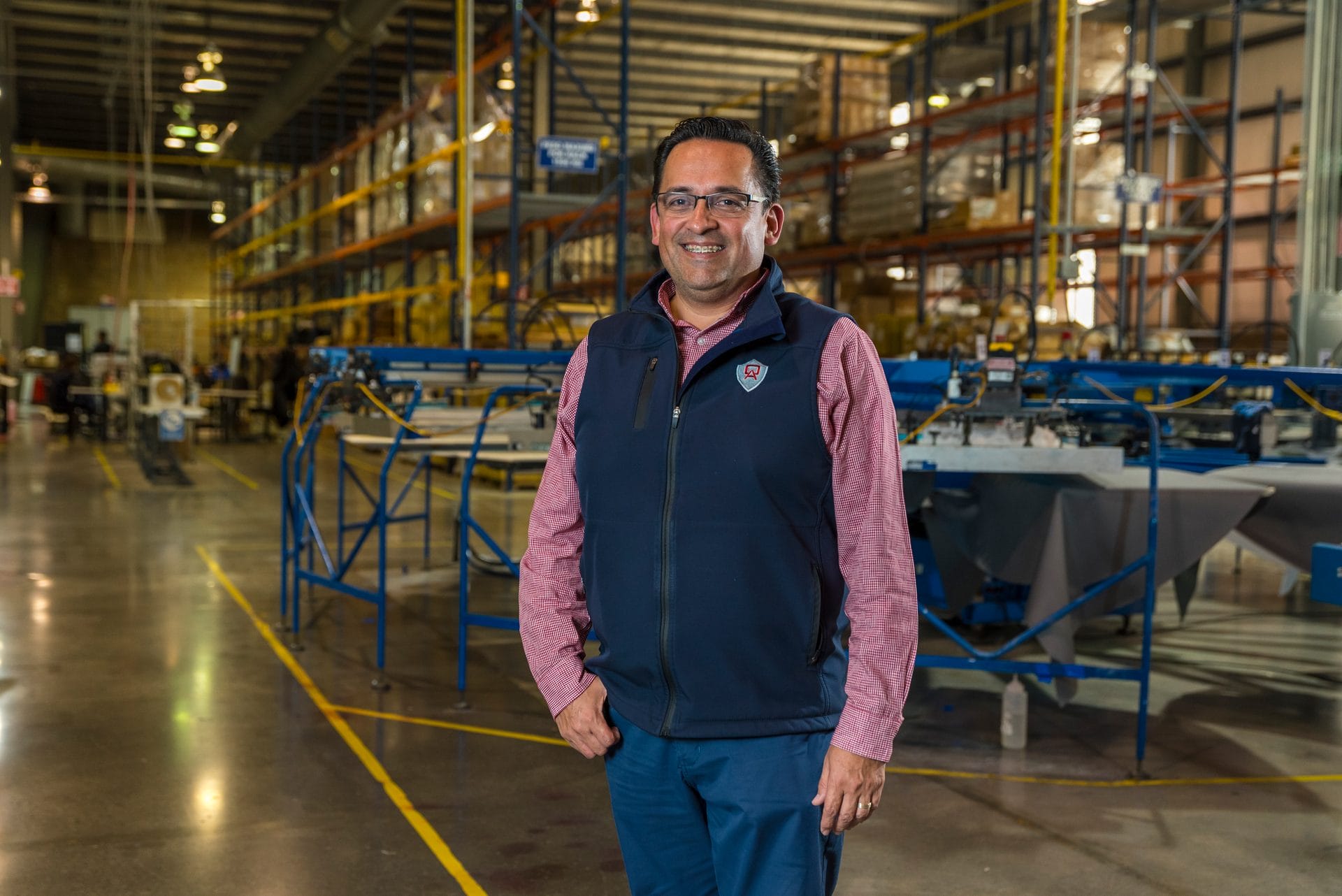
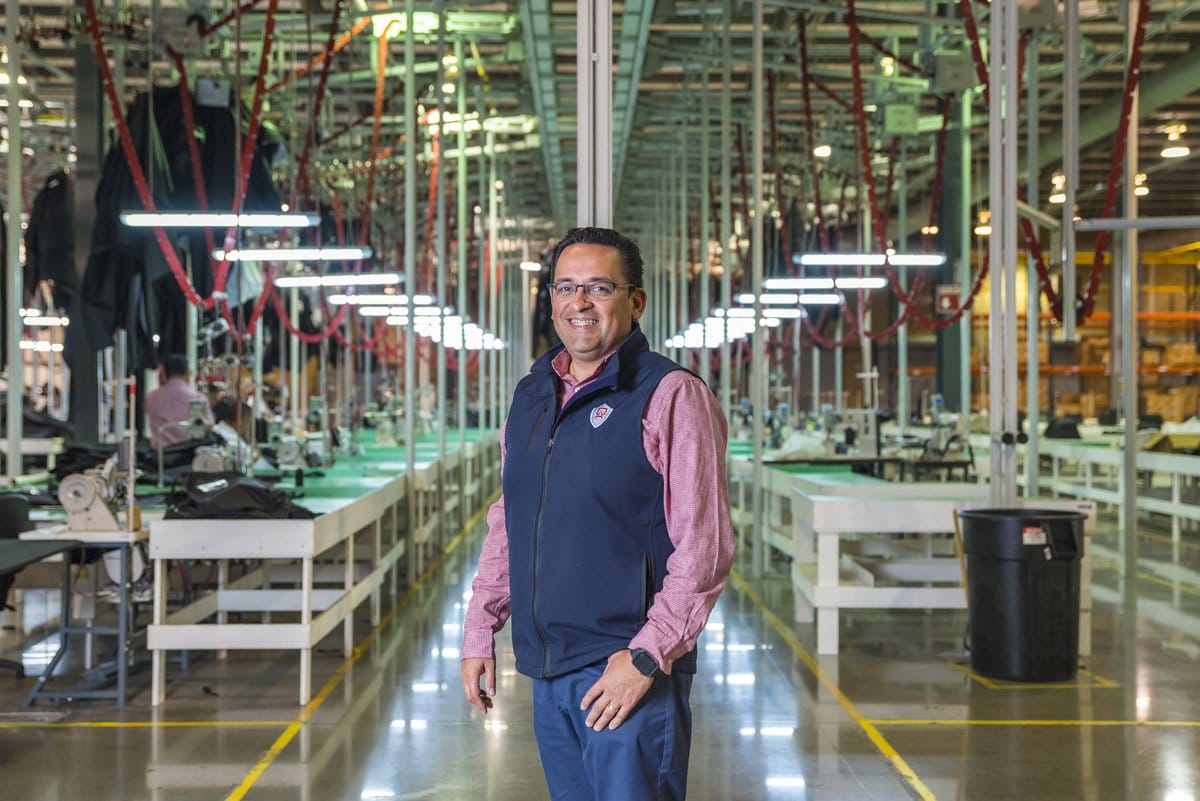
Agustín Mendoza, Plant Manager, Commercial Sewing

Jon Jensen, Manufacturing CEO, repeat Tetakawi client since 2001
Campus Pillars
More than just shelter services in Saltillo. Tetakawi runs these four on the Campus itself, with the teams behind them a walk from your floor.
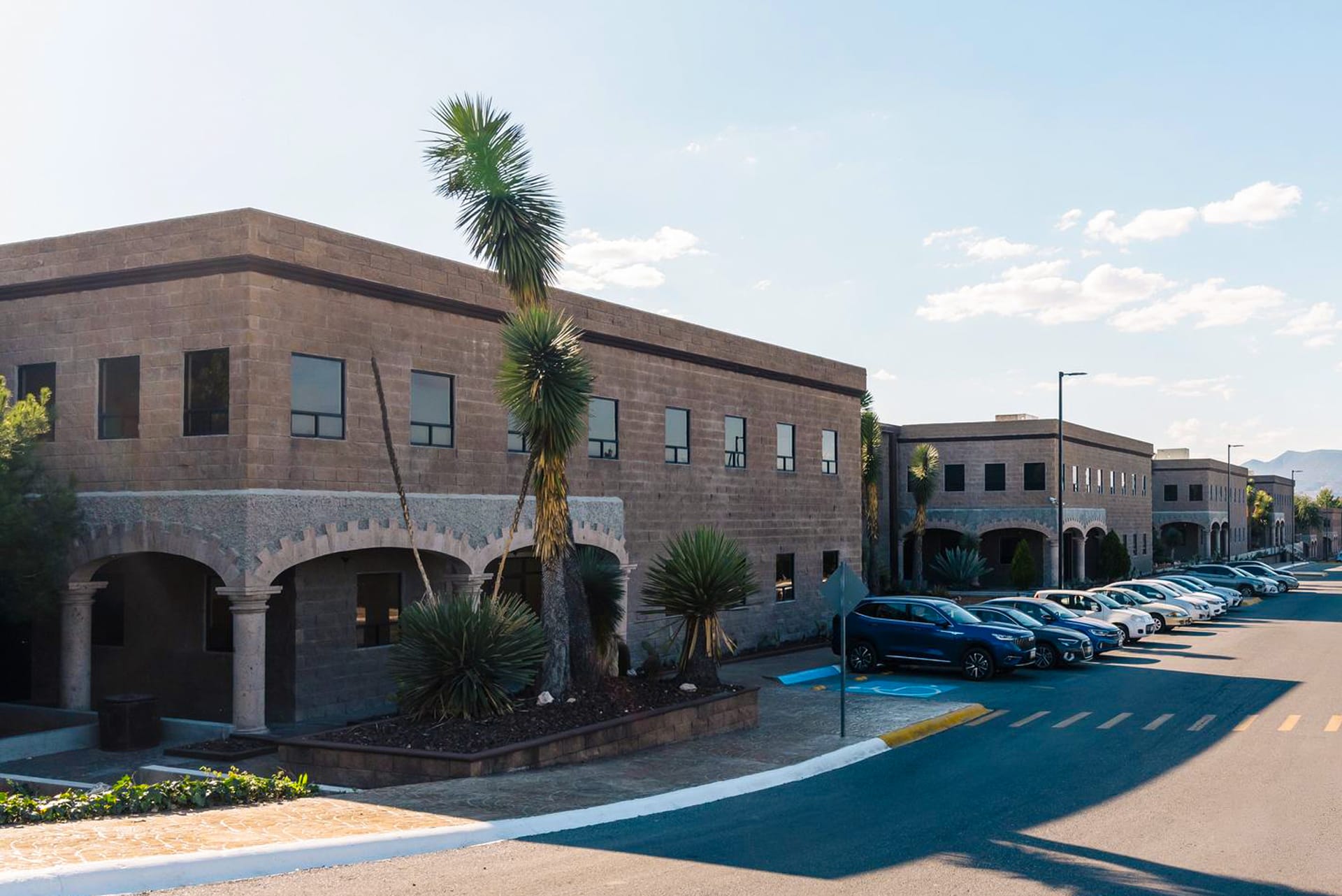
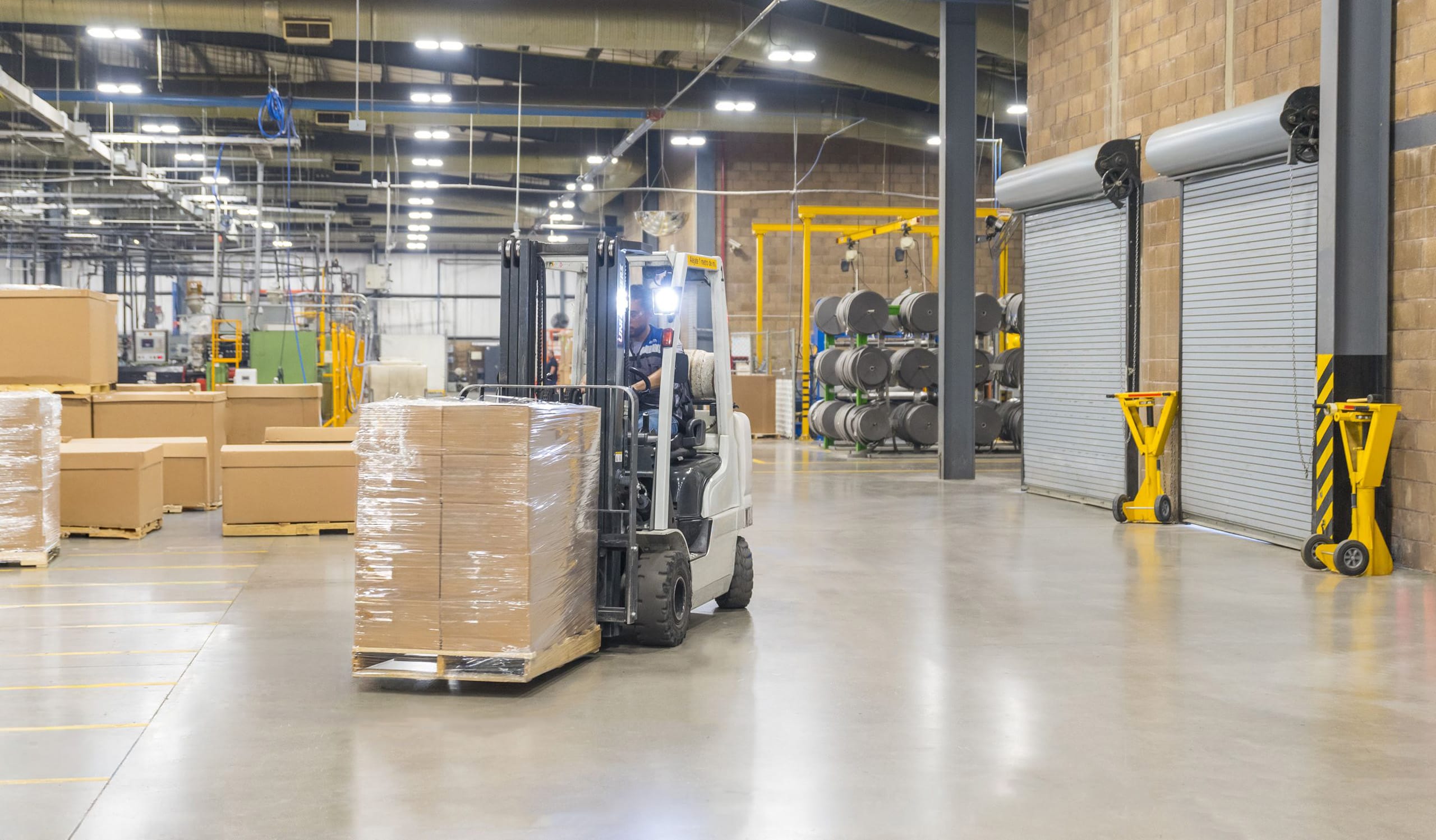
Move into a Class A building at Zapa, ready to run or adapted to your process. Tetakawi maintains the base building and the Campus around it.
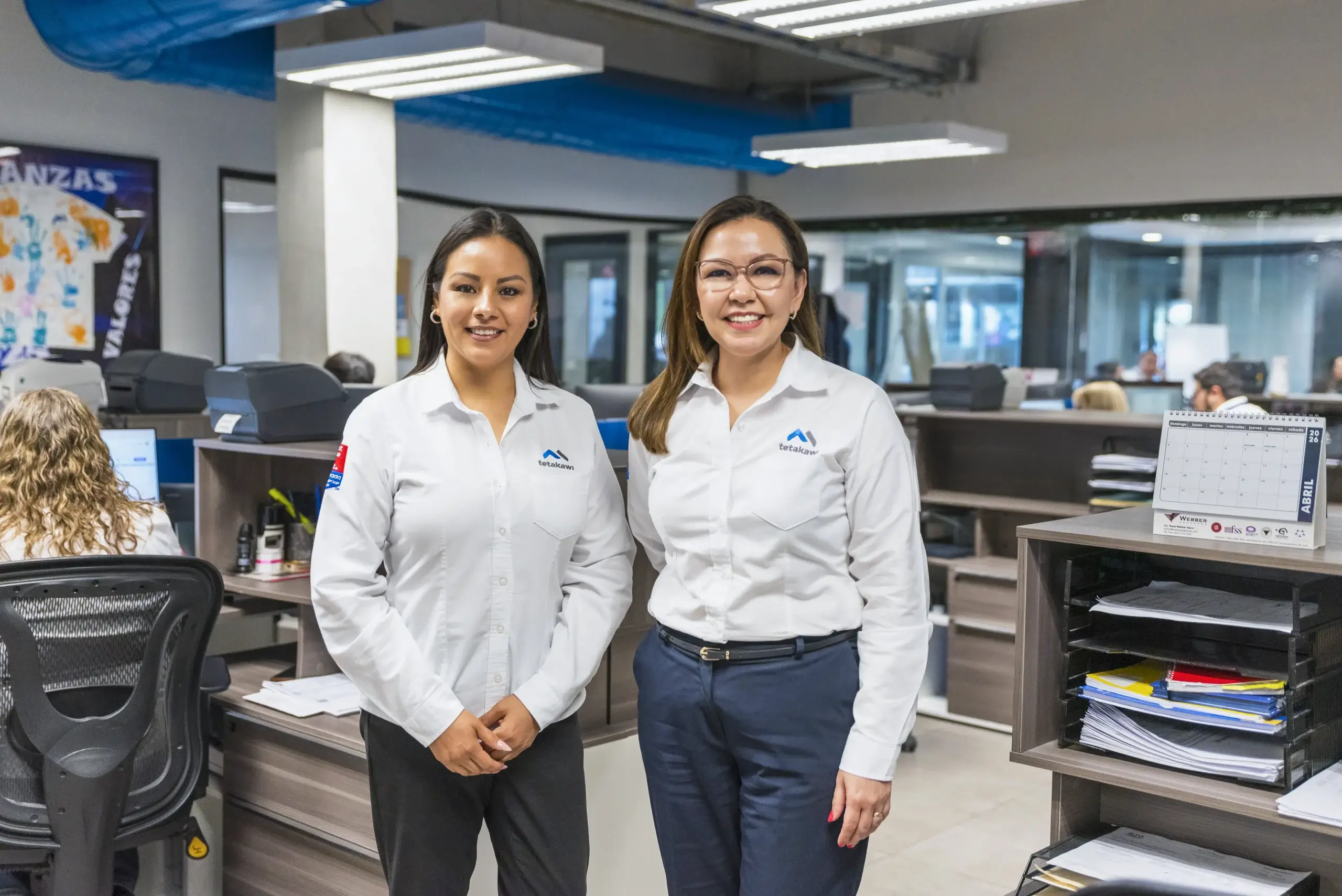
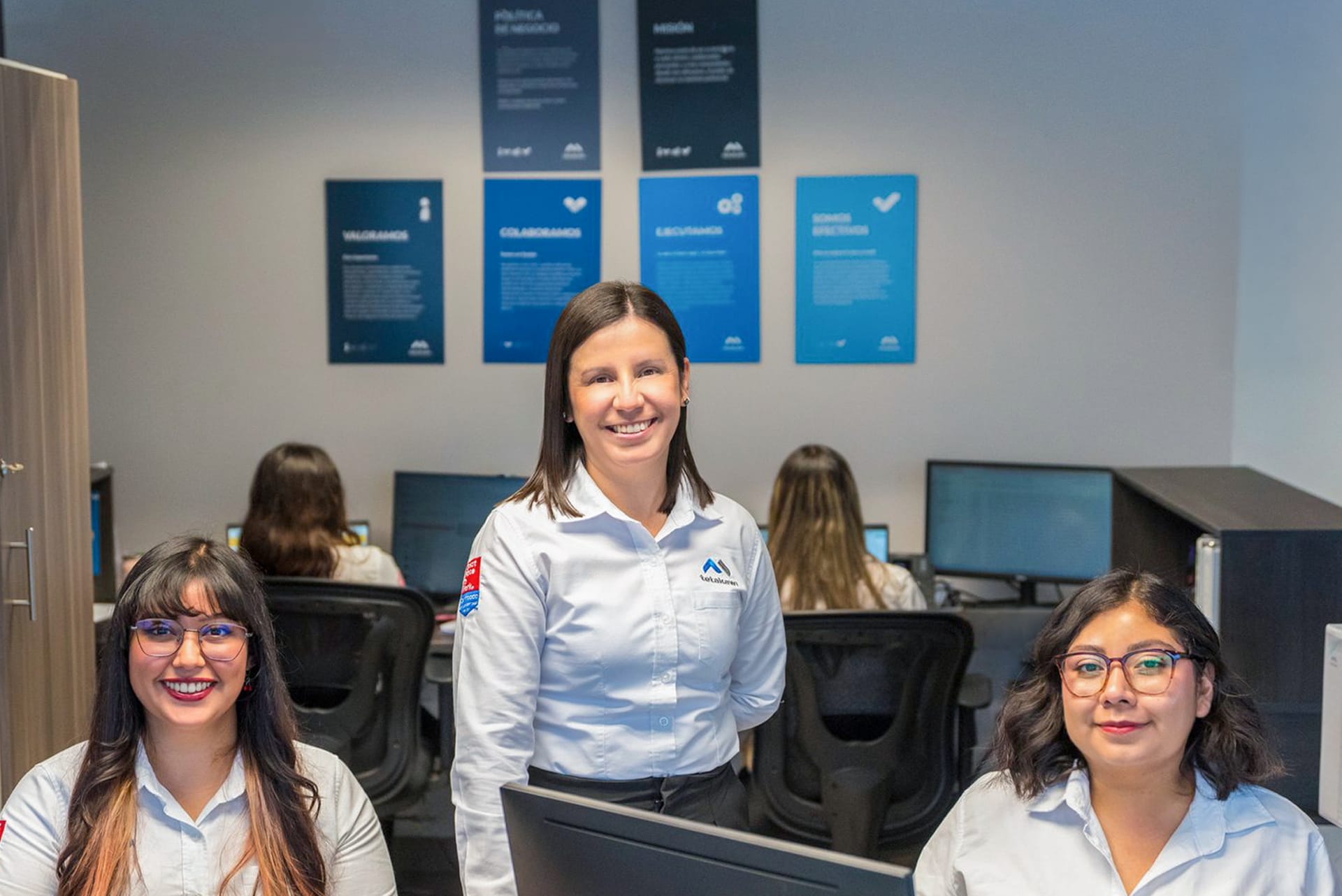
Set the roles and the standards, then run the plant. Tetakawi recruits and employs the people in Saltillo, runs payroll and benefits, and holds the union agreement, so your managers run production, not HR.
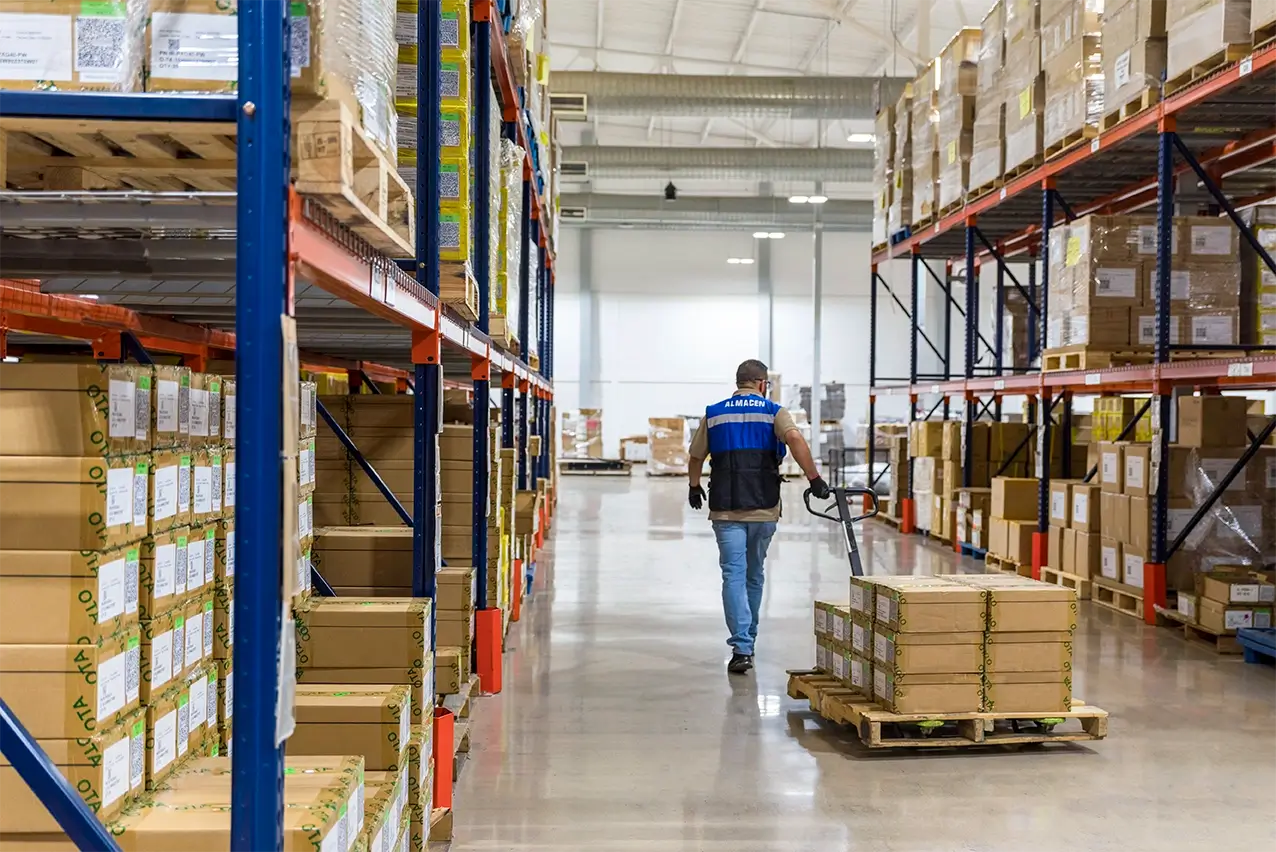
Move freight on carriers you select, or consolidated through our cross-dock in McAllen. Tetakawi holds the Mexican import and export permits, so your team moves product, not paperwork.
Operate under Tetakawi’s IMMEX shelter program, without forming your own Mexican company. Tetakawi’s entity holds the registrations and the administration, while you run the plant in Saltillo.
Featured Resources
FAQs
The questions we get most often from manufacturers looking at Saltillo. If yours is not here, ask us.
No.
Your operation runs inside Tetakawi’s Mexican entity under our IMMEX shelter framework. That entity employs your workforce, holds the import and export registrations, and is the one Mexico registers, audits and inspects. You run your plant in a building on the Campus and direct your own production.
Tetakawi also runs the property. The teams that handle recruiting, payroll, customs paperwork and EHS are based here on the Campus, and they are the ones who will set your operation up.
Yes.
Saltillo’s technical schools turn out operators, welders and machinists every year, and candidates who have worked to an automotive standard are common here.
Close to 1,500 people ride Campus buses to work on routes that cover Saltillo and reach Ramos Arizpe and Arteaga, so we recruit across the region.
You give us the job descriptions and the hiring plan. We recruit and screen, present the candidates who fit, and you choose. On your instruction we make the offer, and Tetakawi employs them and runs the payroll. We recommend pay from what the same jobs already earn around the Campus. HR, transport and labor compliance are Tetakawi’s from there.
Yes.
The standard building here is about 35,000 square feet, around 30,000 of it production floor, and we adapt it to your process.
Because the buildings already exist, your schedule from signing is set by your build-out and equipment lead times. Availability moves, so check with us before you build a timeline around it.
Tell us the footprint you need and when you need to be producing, and we will tell you what is open. If nothing open at Zapa fits, Tetakawi can provide the same shelter services in a vetted third-party industrial park in Saltillo, and we will model that beside the Campus option.
Lower than either, on direct labor.
Direct labor at this Campus starts at about $5.57 per hour fully fringed for unskilled positions, with welders from about $7.74 and CNC machinists from about $8.85 (at 17.5 pesos per dollar). Fully fringed means the wage plus the employer’s payroll taxes and benefits.
For scale, the same roles in U.S. manufacturing start at about $28 an hour for unskilled positions, about $34 for welders and about $35 for machinists, wages plus benefits (our calculation from BLS 2025 wage and 2026 benefit data).
Tell us what you are planning, and we are happy to run the numbers with you.
Through McAllen, about four hours from the Campus.
Your freight moves north under Tetakawi’s Mexican export programs and is received, staged and consolidated at our own cross-dock there, where Mexican and U.S. carriers hand off and partial loads are combined for the U.S. leg. Laredo is about three and a half hours out if your carrier routes there instead.
In Mexico, Tetakawi is the importer and exporter of record; entering the United States, your company is. A licensed Mexican broker files the entries under our programs, and your U.S. broker files from the export documentation and part-level data our team helps prepare.
Four steps, same as every Campus.
1. Get in touch. A conversation about your goals for Saltillo: volumes, processes, headcount and timing.
2. Measure ROI. We build the business case with you: the full cost of running your operation on this Campus, the risks and the trade-offs. If another Campus fits better, we build that one too.
3. Site visit. Walk the Campus, meet the people who would run your account, and talk with manufacturers already producing here.
4. Launch and grow. When you give the green light, the same team that helped you build the case guides the launch, and the people who run the Campus are a phone call or a short walk away.