The Advantages of Manufacturing in Saltillo, Coahuila
14 min Read
- Manufacturing in Mexico
Key Takeaways
Jump to Section
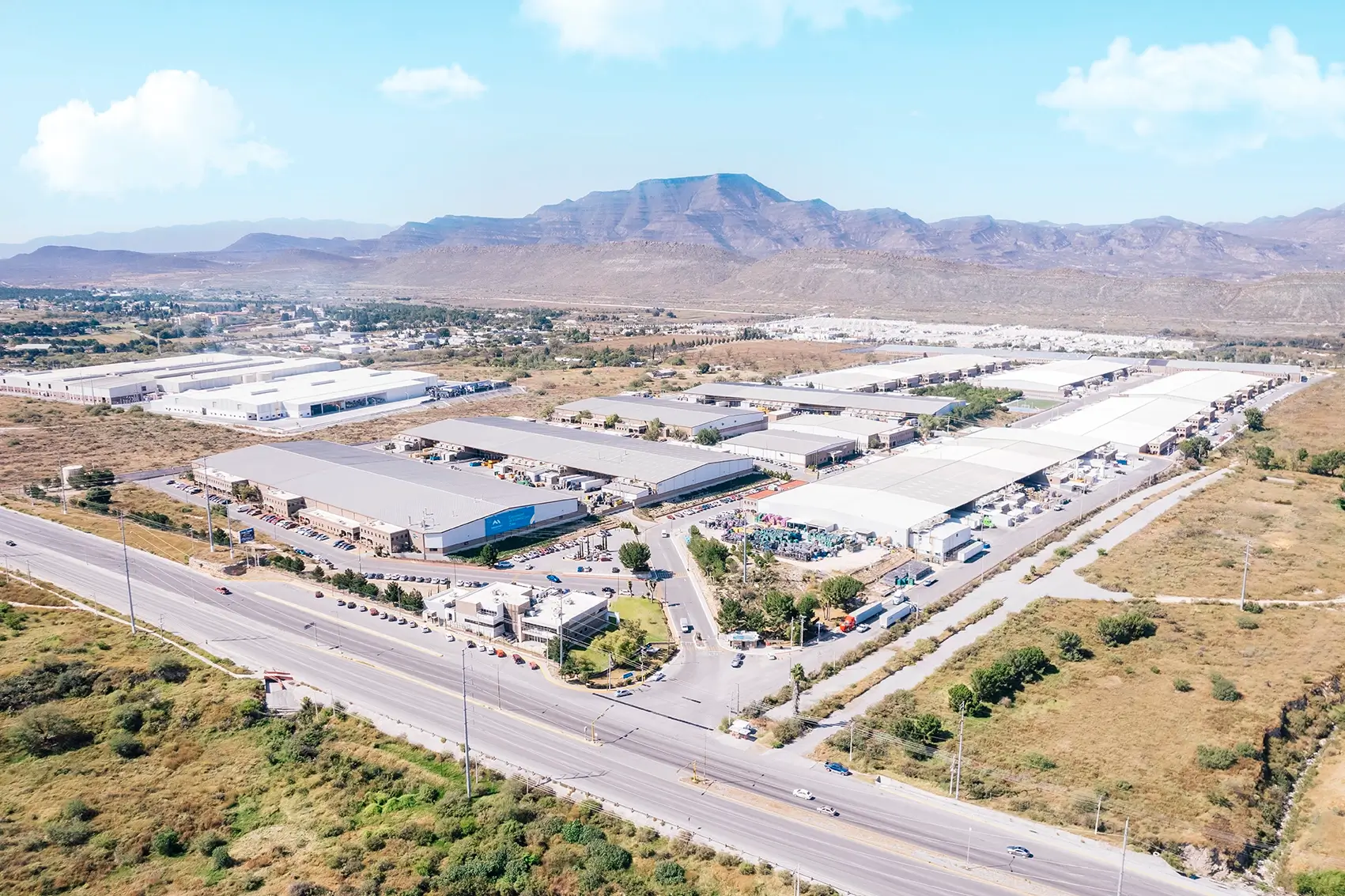
Saltillo sits in Coahuila in northeastern Mexico, seventy minutes from Monterrey and under four hours from Texas, with just over a million people in the metropolitan area. Three of the world’s largest vehicle manufacturers build within a few miles of each other here, which is why the industry calls it the Detroit of Mexico.
The nickname explains why the automakers are here. It does not explain why everyone else is.
Saltillo’s advantages fall into two groups. Some are geography: two border crossings within four hours, a direct highway to Texas, and a mild climate at 5,250 feet. The rest took four decades to build: a workforce that already knows precision manufacturing, suppliers you can reach in a morning, and a long record of stability. Geography can be replicated more easily than four decades of workforce, supplier and institutional development.
Why is Saltillo called the Detroit of Mexico?
Because three of the world’s largest vehicle manufacturers build here, within a few miles of each other, and all three still have capital committed here.
General Motors
Has operated in Ramos Arizpe, in the Saltillo metropolitan area, since 1981. The complex builds the Chevrolet Blazer EV, Equinox EV and Cadillac Optiq alongside the gasoline Blazer, the Honda Prologue, engines and transmissions. In January 2026 GM committed roughly a billion dollars to its Mexican operations over two years, and in May it named the project: the gasoline Chevrolet Groove will be built at Ramos Arizpe from 2027, with the Aveo following in a later phase, around 80,000 units a year for the Mexican market by 2030.
Stellantis
Runs six manufacturing sites in Coahuila employing more than ten thousand people, including the Saltillo truck assembly plant that builds Ram pickups. Global production of the Ram 1500 started there in October 2025, on a line rated at about 163,000 units a year and staffed by more than 2,000 direct employees.
Daimler Truck
Opened its Saltillo plant in 2009 to build Freightliner Cascadia heavy trucks, and delivered its 800,000th unit in March 2026.
Around those three sits a Tier 1 supplier base that includes most of the names you would expect: Lear, Magna, Martinrea, BorgWarner, Cooper Standard, Benteler and dozens more, most with plants inside the metro area.
The concentration shows up in the national numbers.
34%
of all automotive investment in Mexico · H1 2026, more than any other state
#1
auto parts producing state in Mexico · about 15% of national output by value
57%
of Mexico’s heavy vehicle production is built in Coahuila
45%
of Mexico’s hybrid and electric vehicle output was built in Coahuila in 2025
Coahuila also led the country in electrified vehicle output in (INEGI), though those volumes have come down in 2026 as the market has cooled. Both figures come from plants that are already here and still building.
What four decades of industry built here
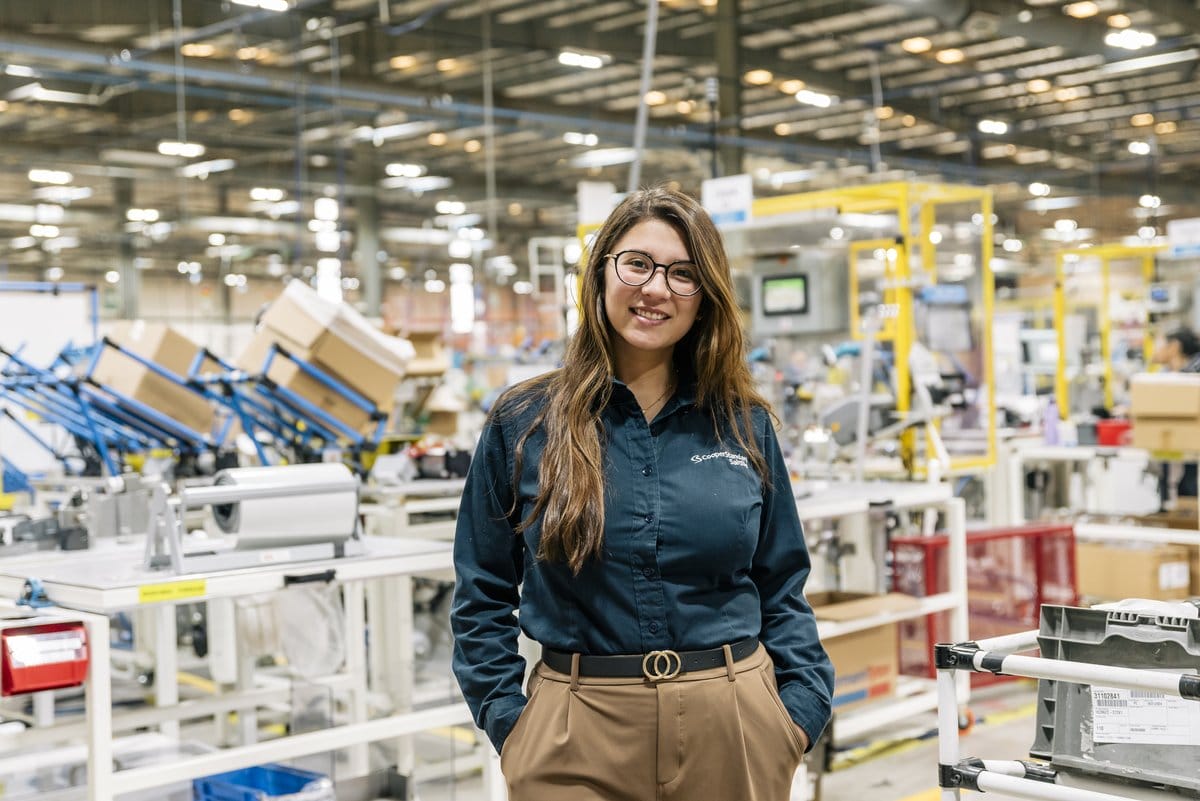
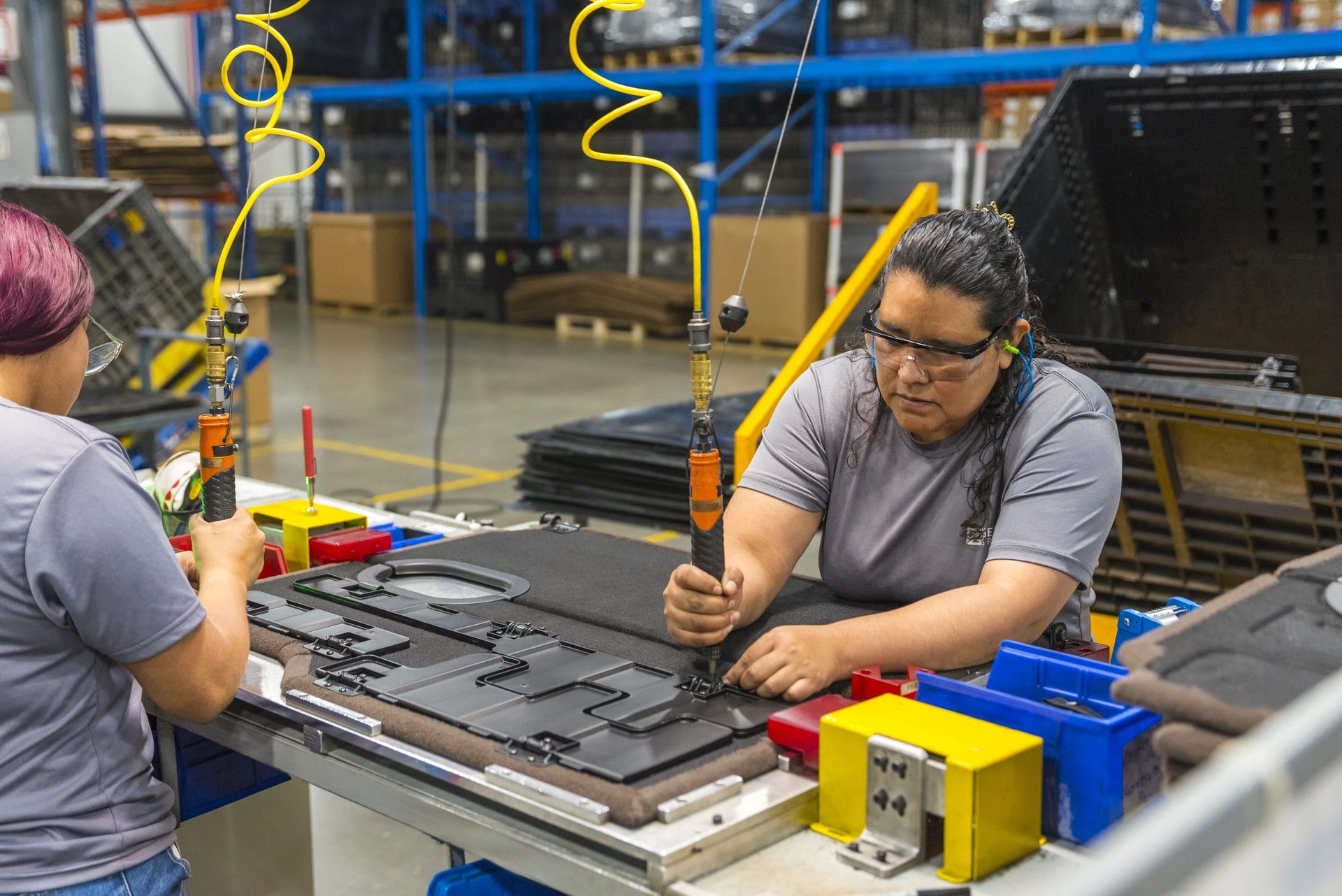
Four decades of automotive investment produced more than vehicle plants. It produced a city organized around precision manufacturing, and much of what that investment created is transferable beyond automotive. Whatever you make, you hire, buy and ship inside an environment that the automotive industry paid to build to its own tolerances.
- People who already know the work
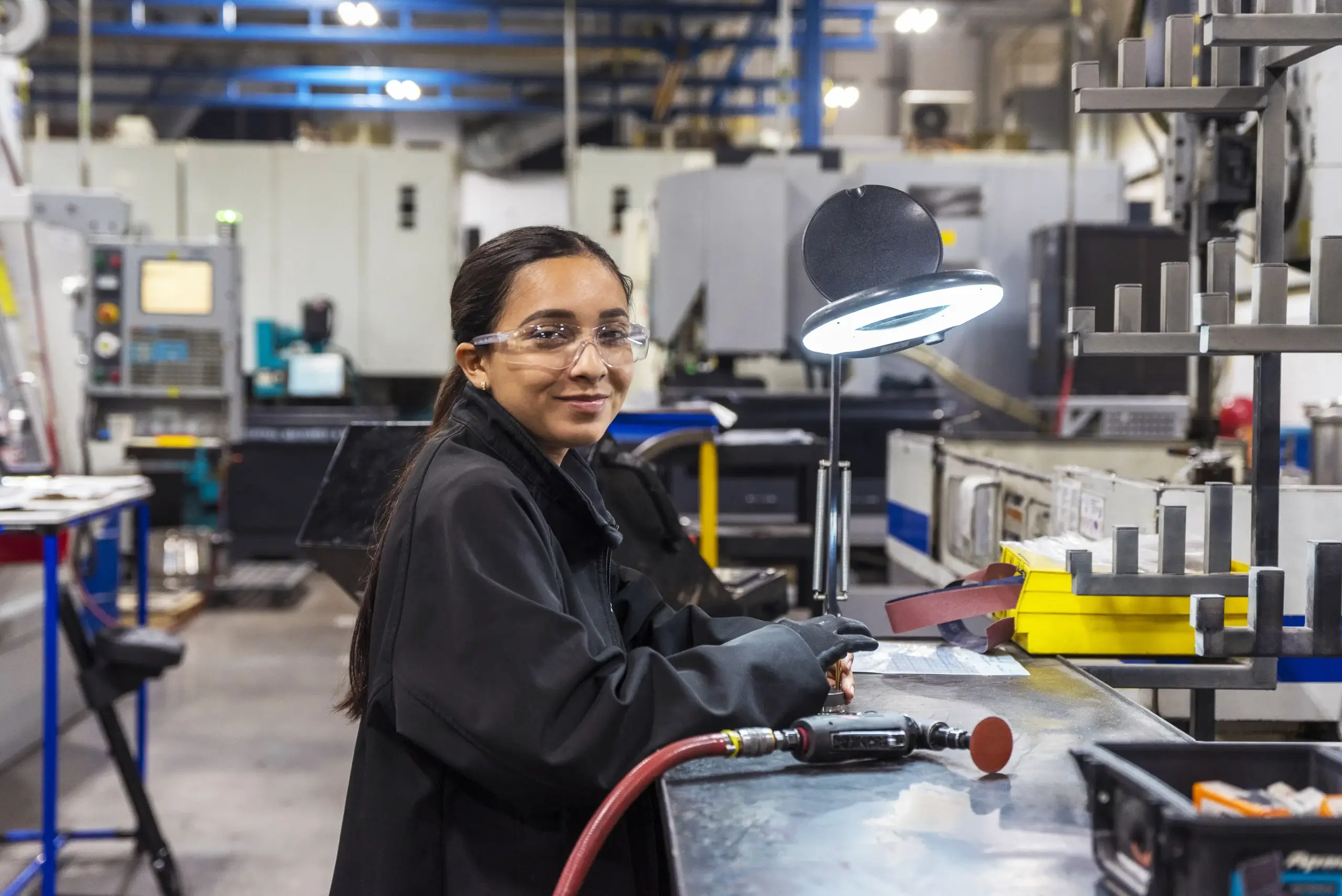
- The market includes operators, machinists, tool and die makers, maintenance technicians and quality personnel with prior exposure to disciplined manufacturing systems. First article inspection, statistical process control and torque specifications are established practice here, because the automotive industry trained for them.
- Suppliers within a short drive
- Tooling, heat treatment, plating, calibration, machine shops that hold tolerance, industrial maintenance, specialized logistics. Many of these capabilities can be sourced within the Saltillo and Monterrey industrial corridor rather than brought in from a distant manufacturing market. Monterrey, one of Mexico’s largest industrial economies, sits seventy minutes up the highway and widens that base again.
- Schools that teach what industry needs
- The metropolitan area is served by technical universities founded to serve regional industry, plus federal research centers in chemistry, materials and metalworking. Some industrial parks run their own training centers for trades like welding and machine tools.
- Infrastructure sized for heavy industry
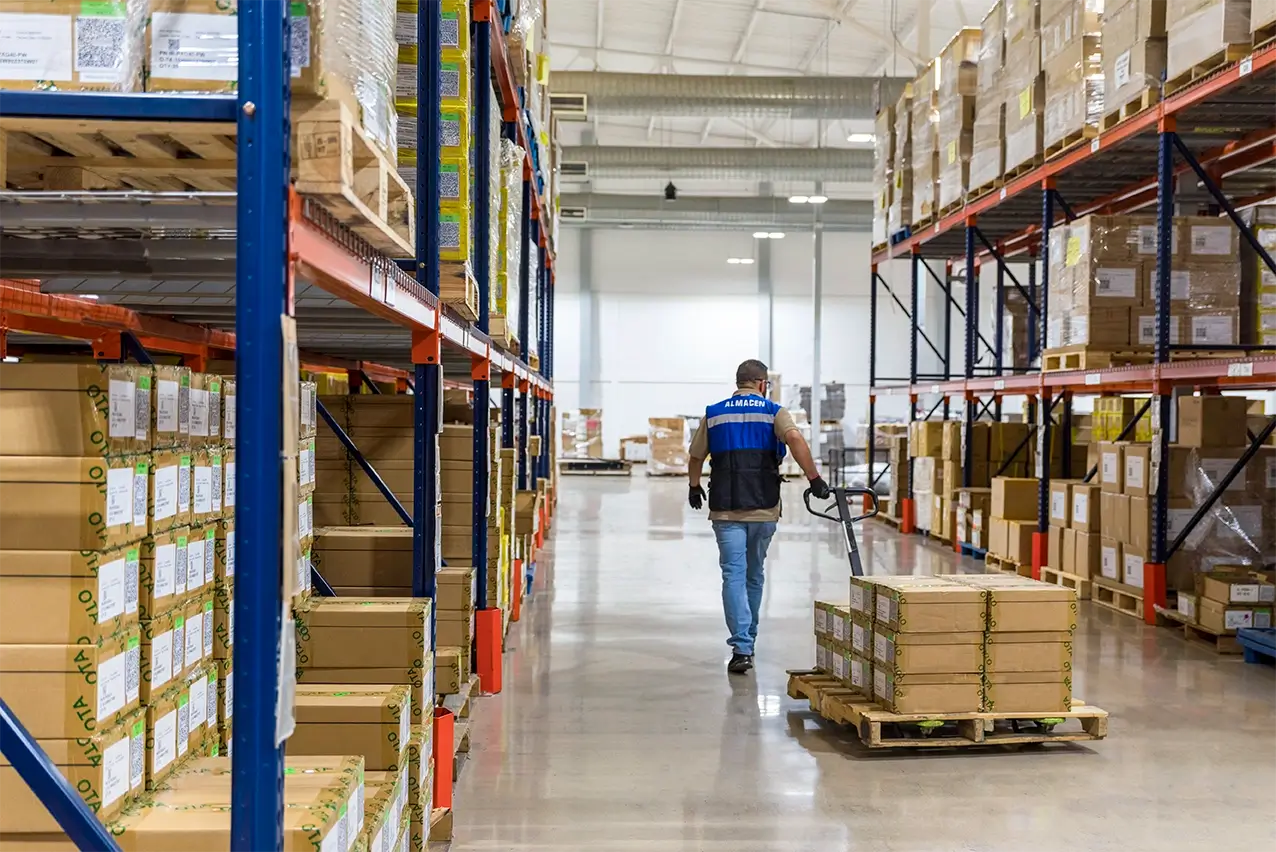
- Highways, rail, industrial power and gas capacity, and customs and logistics providers who move manufactured goods across the border every day of the week.
“Saltillo has a large pool of high-precision labor, thanks to aerospace, automotive and medical device companies. Those industries have given the workforce here experience in complex processes.” Luis Ávila · Human Resources Manager, Tetakawi Saltillo
In a less-developed industrial market, more of those capabilities may have to be developed internally or sourced from outside the region. This is the single biggest practical advantage of manufacturing in Saltillo, and it took forty years to put in place.
The industry mix beyond automotive
Much more than automotive operates here, and the mix is part of why the region works.
Aerospace has a long presence. Unison Industries, part of GE Aerospace, manufactures signal and control harnesses and ignition components for aircraft engines in the city. HVAC and appliances, medical devices, plastics, metal fabrication, electronics and consumer products all operate here too, many drawn by the same skill base the automotive industry created. The full range of industries operating in northern Mexico is wider than the automotive headline suggests.
That diversity does two practical things: skills transfer between sectors, widening the pool you hire from, and manufacturers outside automotive inherit a skill base they would otherwise have to build. That counts when you are committing to a ten-year footprint.
How do you get product from Saltillo to the United States?
By truck, through two major commercial gateways within about four hours, serving different halves of the United States. Which one you use is a real lever on transit time and landed cost.
The lane most manufacturers on Tetakawi’s Saltillo Campus use runs north through Reynosa into Pharr and McAllen, Texas: about 203 miles, and the third-busiest United States land port for incoming trucks from Mexico, at roughly 719,000 in . Tetakawi operates a cross-dock in McAllen, where clients’ freight is consolidated into full loads before it heads east into the Gulf Coast, Florida and the Southeast. That is why our Saltillo clients tend to ship this way: the consolidation point is already in place.
| Gateway | From Saltillo | Best suited to |
|---|---|---|
| Reynosa → Pharr / McAllen, TX | About 203 miles · roughly 4 hours | Third-busiest land port for trucks entering from Mexico, at about 719,000 in 2025. The Gulf Coast, Florida and the Southeast. The lane Tetakawi’s McAllen cross-dock serves |
| Nuevo Laredo → Laredo, TX | 183 miles · about 3.5 hours | The busiest truck crossing on the border, at about 2.9 million in 2025. Direct I-35 access to Dallas, Kansas City, Chicago and the industrial Midwest |
Laredo is the alternative, and a strong one. It handled about 2.9 million incoming trucks in 2025, roughly three times the next-busiest crossing from Mexico, and volume like that brings carriers, brokers and crossing infrastructure with it. For freight heading up I-35 into the Midwest it is usually the faster route.
Having both matters most on the days one of them is not working.
Worth asking
Certification changes border performance more than distance does. Shippers holding OEA status, Mexico’s Authorized Economic Operator program, can receive customs-facilitation benefits, and that is worth diligence on any cross-border operating platform. Ask any operator you evaluate in the region whether the applicable entity holds it, what operational benefit it provides, and how their cross-border logistics are actually run.
CPKC serves the region by rail on a single-line network running from Mexico through the United States into Canada. Visiting engineers, auditors and customers fly into Monterrey’s international airport, about ninety minutes away, and Saltillo’s own airport handles domestic service.
The workforce somebody else trained
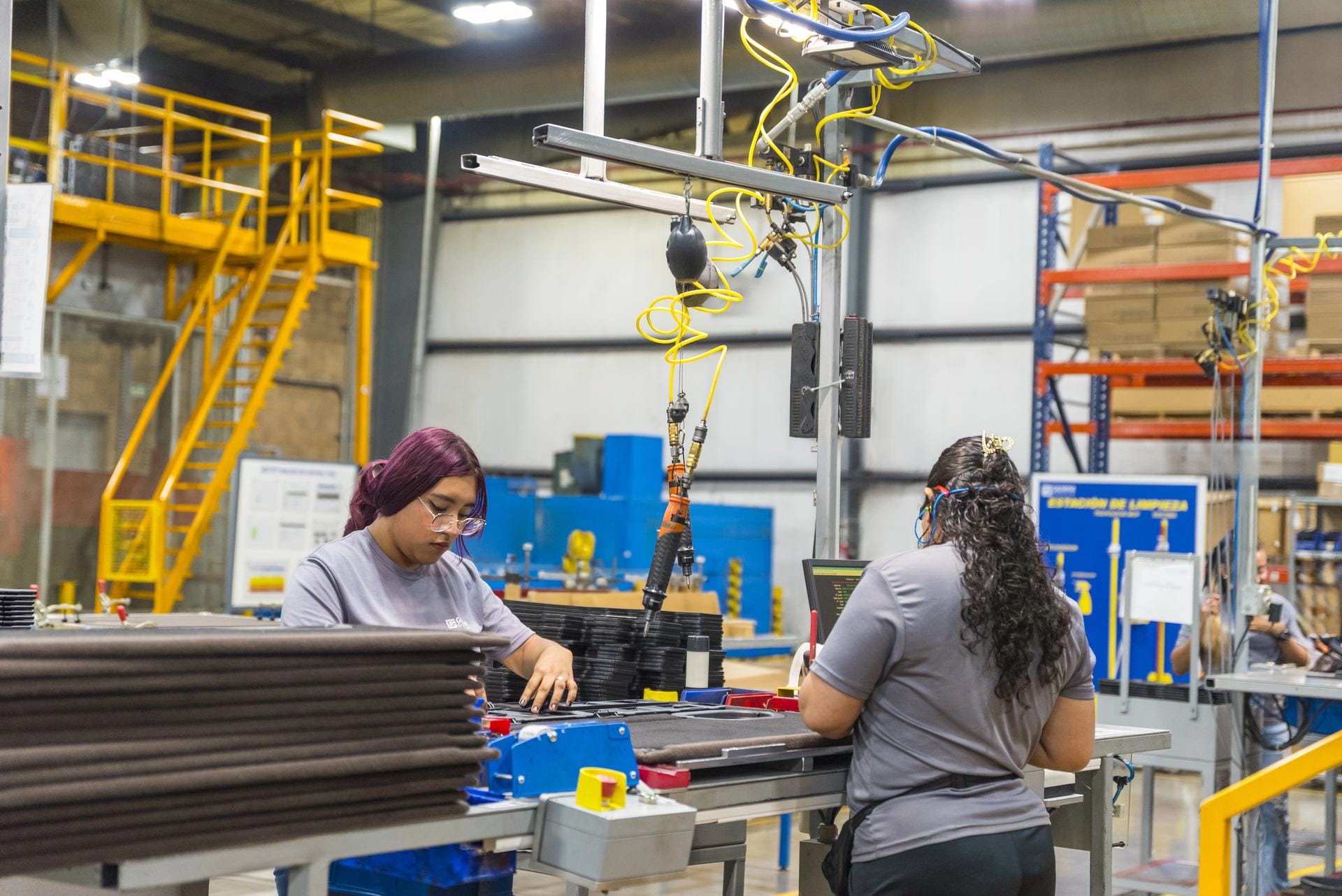
The depth comes from history. Saltillo has manufactured since the 1920s, and has built vehicles since 1979, so generations of families here have worked in industry.
In practice that means supervisors who have run lines before, technicians familiar with production equipment, and a shared understanding of how a plant is supposed to operate.
“In the old days, companies thought coming to Mexico was just for the low-cost workforce. But now you come for the workforce and the work mind. That is what you come to Mexico for, and especially to Saltillo.” Rafael Amar · General Director, Tetakawi Saltillo
Saltillo’s advantage here is structural: decades of industrial activity have built a deep pool of experienced manufacturing labor. Actual availability still depends on the roles, the shift structure, the pay position and the size of the ramp, so it should be tested against your staffing plan rather than assumed from the size of the market.
Hiring people with prior manufacturing experience changes the ramp: less of the early training has to begin with basic plant disciplines. Recruiting, screening and workforce administration in Mexico work differently from most home markets, and local practice counts for more than headcount math.
What does it cost to operate in Saltillo?
Saltillo is an affordable place to operate, and the reasons behind it are structural.
Wages start from a lower floor. Mexico sets two minimum wages: a higher one for the northern border free zone, and a general one for the rest of the country. Saltillo sits in the general zone, where the 2026 floor is 315.04 pesos a day against 440.87 in the border zone, a border floor about 40% higher. That floor anchors the whole local compensation ladder above it.
Fully fringed employer cost
$5.57
per hour to start, on Tetakawi’s Saltillo Campus. That is the complete cost to the employer: the wage plus every statutory benefit and contribution.
| Position | Fully fringed USD / hour |
|---|---|
| Assembler, unskilled | $5.57 |
| Welder | $7.74 |
| CNC machinist | $8.85 |
Every figure above is a starting rate, the bottom of its band; experienced hires sit higher.
Those figures are the employer’s cost, not the employee’s pay. In Mexico a set of items sits alongside base pay: social security, the housing and retirement funds, the statutory Christmas and vacation bonuses, profit sharing, and whatever the collective bargaining agreement adds. A fully fringed figure is what the position costs once that package is accounted for. Those components are already accounted for in the employer-cost figure, and should not be added again when you compare it against another fully fringed quote. It does not include Tetakawi’s services, overtime or shift premiums, employee transportation, indirect labor, or other project-specific operating costs.
The convention that trips people up
Mexican wages are set as a salario diario, a daily rate, and that rate is paid for all seven days of the week whether or not the plant runs on all of them. A week is therefore the daily rate times seven, not times five, and the hourly cost is that weekly figure divided by the hours your line actually runs. Two Mexico quotes compared without checking this are usually not describing the same thing.
Run the numbers
Want the loaded number for your operation?
The loaded figure moves with your classification mix, shift pattern, overtime profile and seniority curve, so a published figure will only ever get you close. Tetakawi maintains a working cost model for Saltillo against union agreements, statutory rates and market survey data.
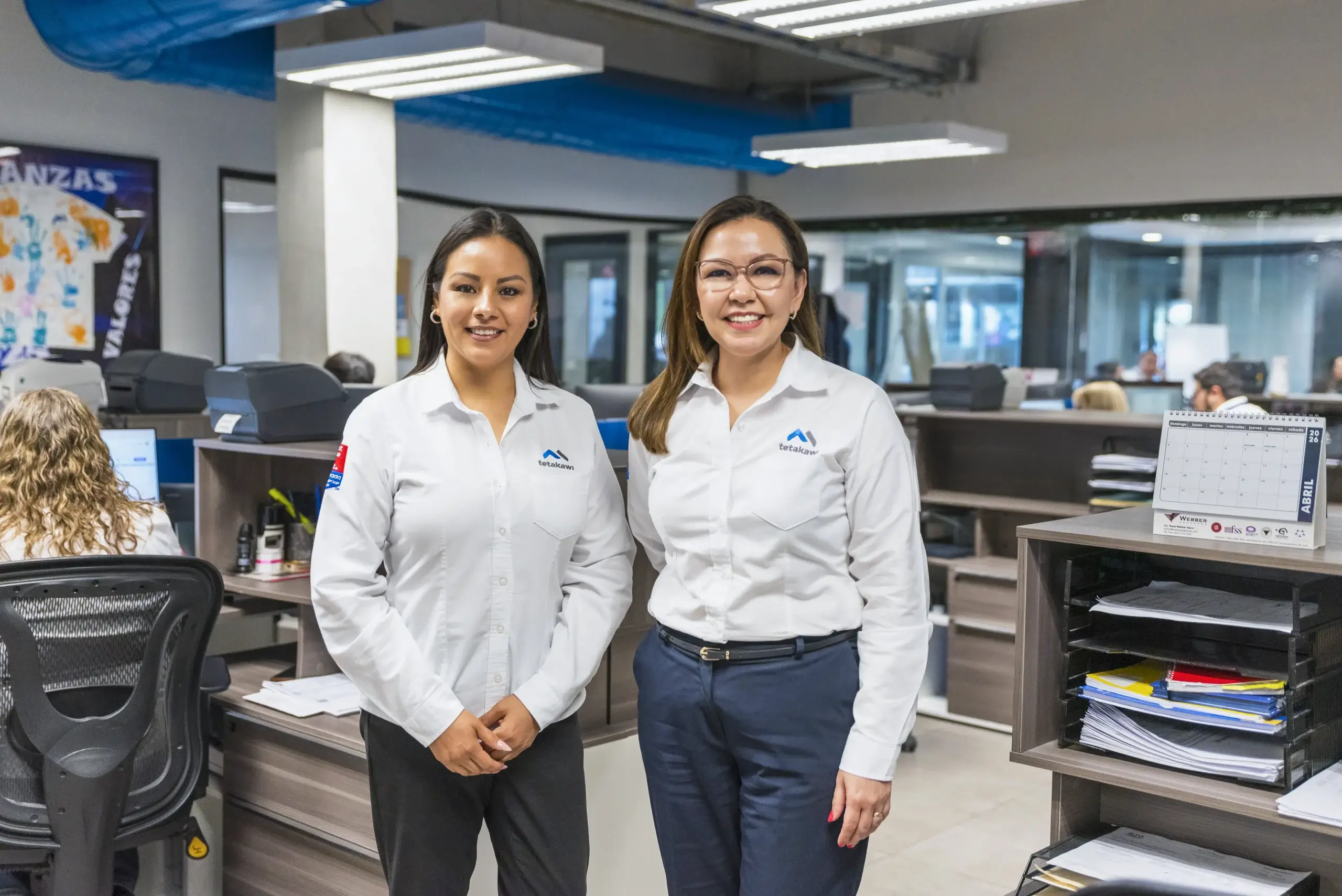
Benchmark against a band, not a number. Pay for the same job title varies meaningfully across the Saltillo market, which is normal for a metro this industrialized, so ask for a range rather than a point. Inside an established Manufacturing Campus that band is narrower, because Tetakawi is the employer of record for the operations on the site and sets pay against one internal structure, so the number you model is close to the number you sign.
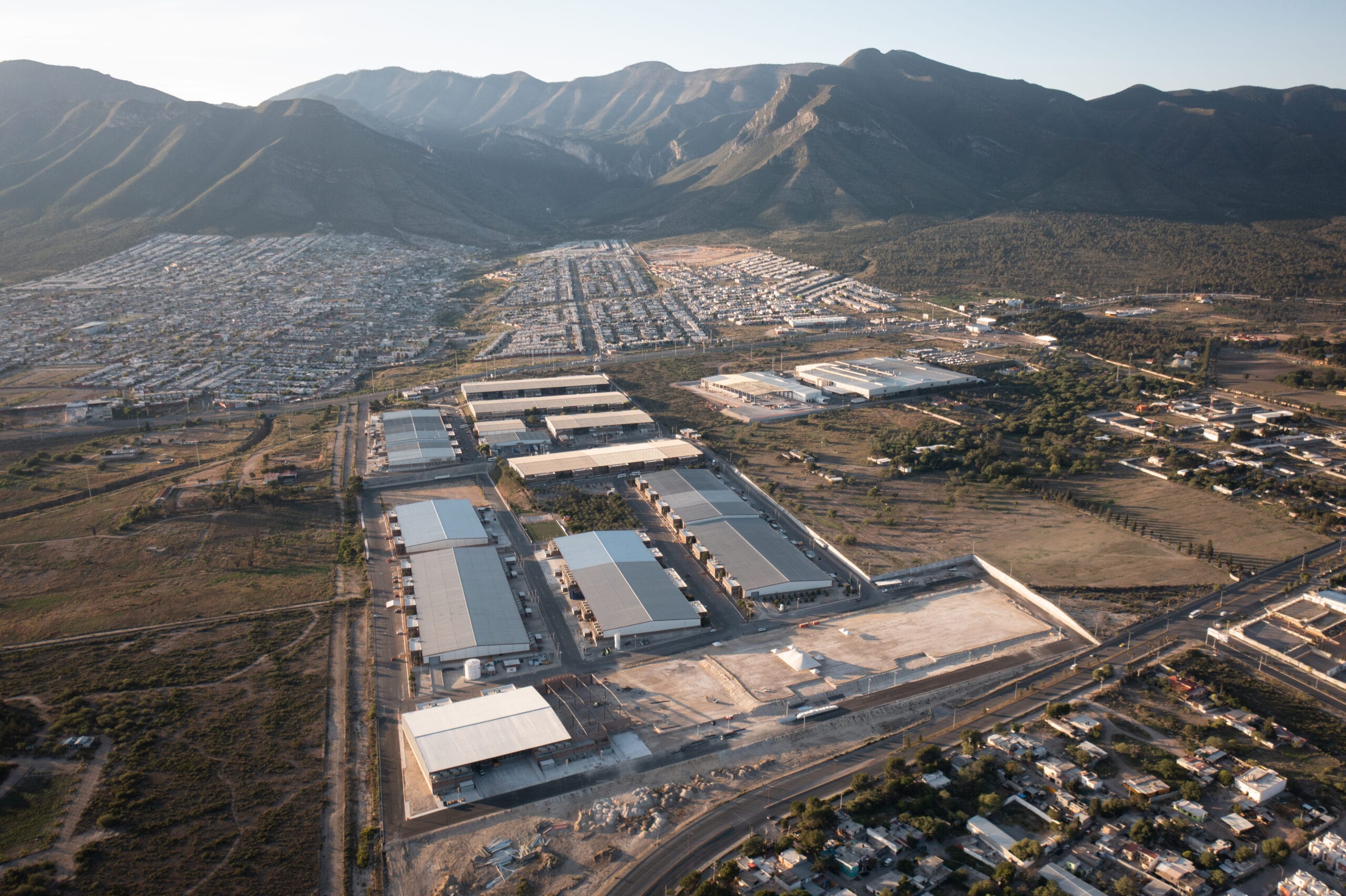
Industrial space. Industrial space in Saltillo carried an average asking rent of about $7.16 per square meter per month, roughly $0.67 per square foot, as of , according to Solili’s public market tracker. That is up under five percent year over year after a rise of roughly twenty percent through 2025, and essentially flat in recent months. The published figure does not state whether it is triple net or gross, so ask before you compare a quote against it. Solili puts Saltillo’s vacancy under three percent against a national average of 5.2, one of the three lowest in Mexico, which rewards starting the building conversation early.
Model the costs that do not appear on a rate card. Churn is what inflates the first two years of a new plant: recruiting, retraining, scrap during ramp, supervisors managing a revolving line. Ask every site you evaluate what keeps people in the job there, from transport to on-site services, because that category moves a startup budget more than the rate does.
Saltillo’s cost case rests on a wage structure outside the border zone, space at regional rates and a cost base that has moved gradually rather than in jumps. Over the life of a plant, that kind of predictability is worth more than a low headline number.
Is Saltillo a safe place to operate?
On national crime statistics through early , Coahuila has the second-lowest homicide rate among Mexico’s 32 states, and Saltillo is among the safest state capitals in the country on Mexico’s own published measures.
In the national urban security survey for , published by Mexico’s statistics institute in July, the city tied for the third-lowest perception of insecurity among 91 Mexican cities, at 16.9%.
If you are relocating managers or sending engineers regularly, day-to-day life matters as much as the statistics. Saltillo is a university city at 5,250 feet with a mild, dry climate, a walkable historic center, international schools and Monterrey’s flights within easy reach. Those factors also matter when a project requires relocating managers, or bringing engineers and customers into the city regularly.
See it in person
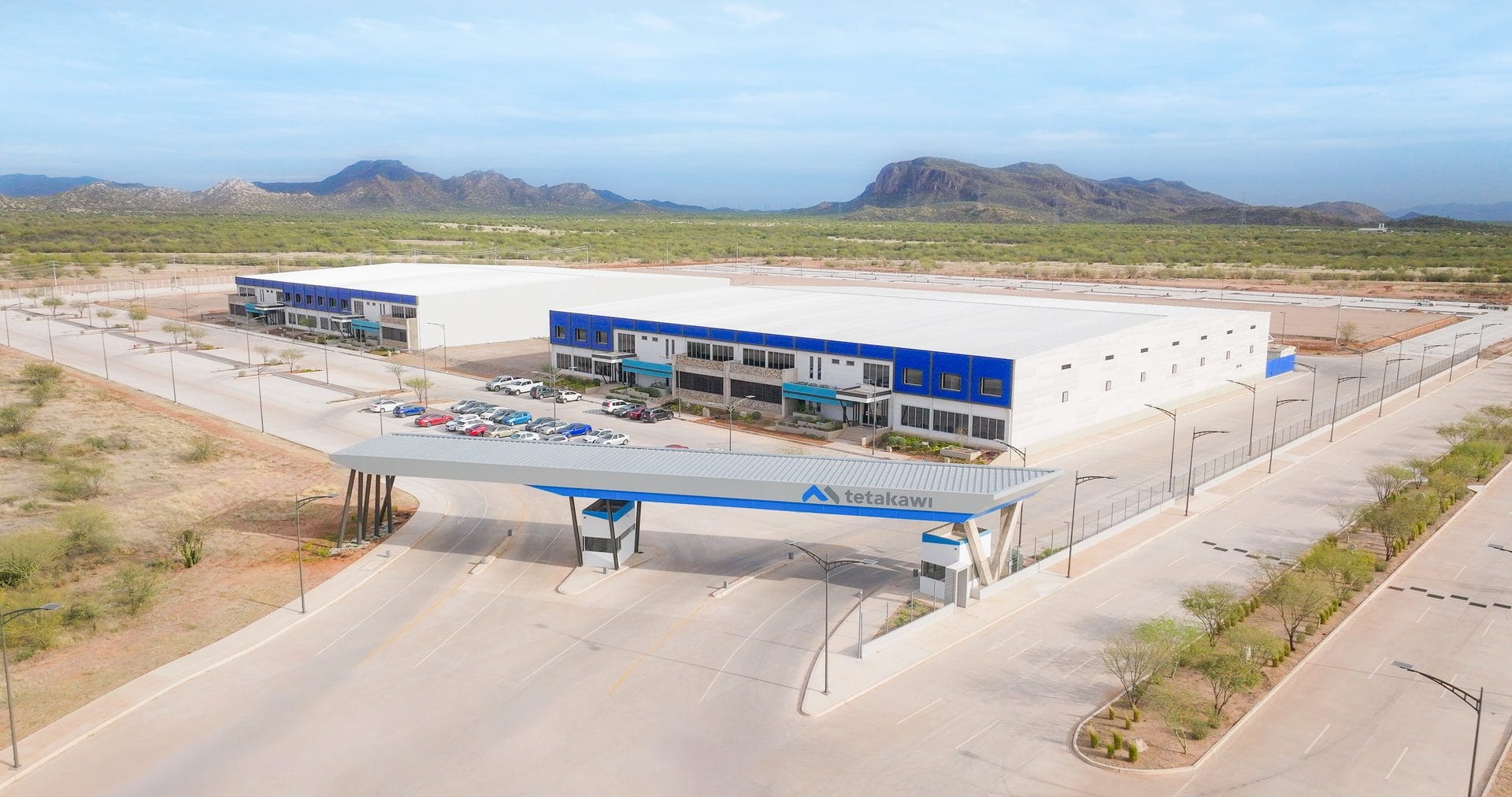
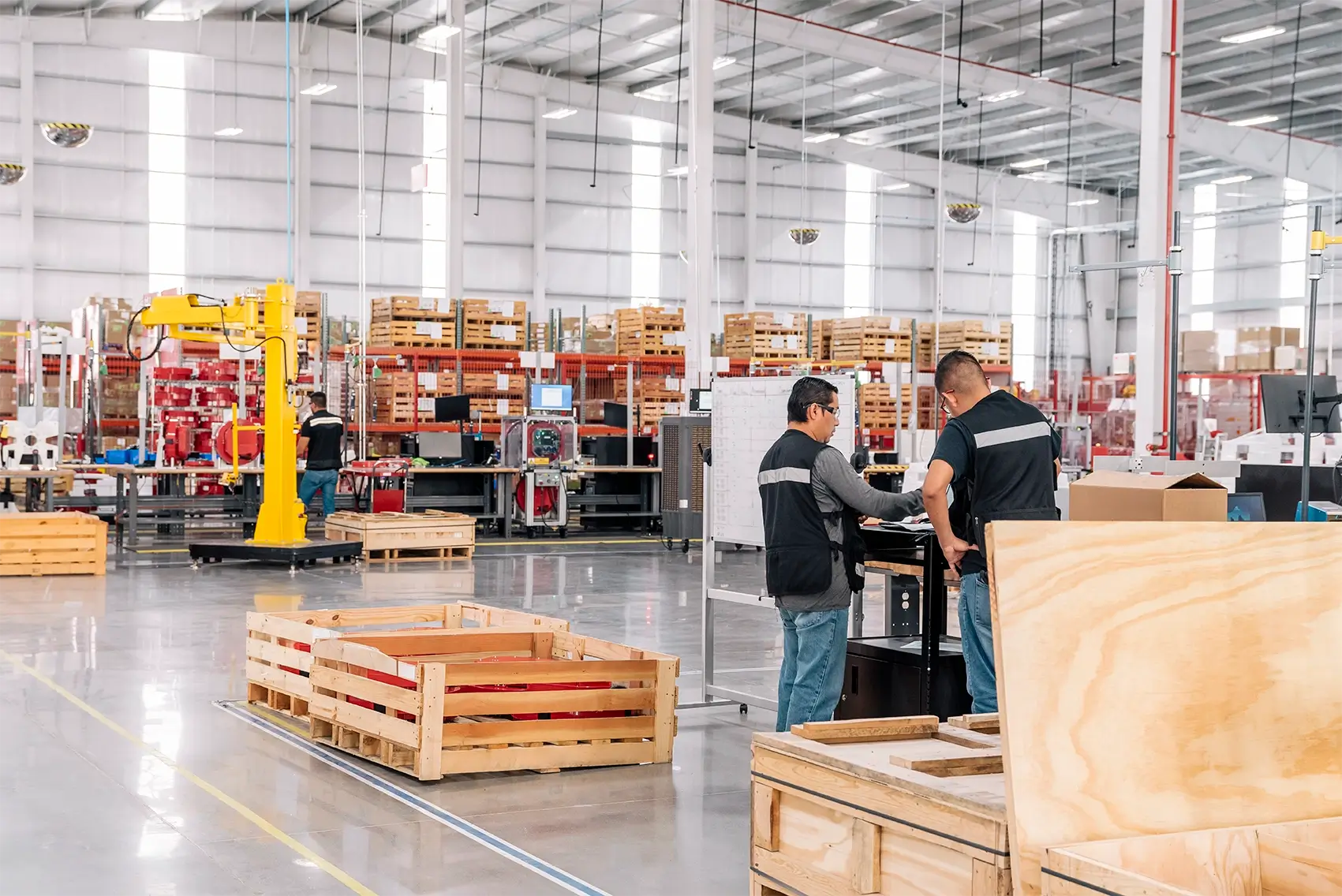
The Tetakawi Manufacturing Campus in Saltillo
A report will only take you so far. Walk an operating plant, meet the team that runs it, and see how manufacturers here recruit, train and keep people. Tell us your timeline and we’ll arrange the visit.
Which operations Saltillo fits best
Here is what Saltillo is built for, and what to bring us early so we can map it against your plan.
Saltillo fits well when
You need experienced, technically capable operators.
Your customers or suppliers sit in the northeastern corridor.
Transit time to the United States is a real line in your cost model.
Leadership will ask hard questions about security before it signs.
Growth is in the plan, so the region has to be able to staff it.
Bring these to us early
Your labor-rate target. If your model turns on the lowest direct-labor rate available in Mexico, say so. Saltillo sits in the general minimum-wage zone rather than the higher northern-border zone, and we will show you where your classification mix actually lands.
Where your customers and suppliers sit. We will map your lanes against both border gateways and the rail network before you compare sites.
A large footprint on a fixed date. Class A space in Saltillo runs at high occupancy. On a Manufacturing Campus the building and site services are already in place, so we can tell you quickly what fits your line and your timeline.
“If you’re thinking about manufacturing in Mexico, there are many locations you can and should consider. But Saltillo should be at the top of your list.” Agustin Mendoza · Plant Manager, Commercial Sewing
Frequently asked questions
What are the main advantages of manufacturing in Saltillo?
An experienced manufacturing workforce built over four decades of automotive investment, the deepest auto parts supply base in Mexico, two border gateways within about four hours, technical schools founded to serve local industry and one of the strongest safety records in the country. Manufacturers in every sector benefit from them, not only automotive.
Which car companies manufacture in Saltillo?
General Motors builds the Chevrolet Blazer EV and Equinox EV and the Cadillac Optiq at Ramos Arizpe, alongside engines and transmissions, and will add the gasoline Chevrolet Groove there from 2027, with the Aveo in a later phase. Stellantis operates six sites in Coahuila including the Saltillo truck assembly plant that builds Ram pickups. Daimler Truck builds Freightliner Cascadia heavy trucks.
Do you have to be an automotive manufacturer to benefit from Saltillo?
No, and many companies here are not. Aerospace, HVAC, appliance, medical device, plastics and electronics manufacturers all operate in Saltillo. They come for what the automotive industry created, not for the automotive customers themselves.
What are fully fringed direct-labor costs in Saltillo?
The figures that follow are starting rates, not market averages, and they are fully fringed: the complete cost to the employer, wage plus every statutory benefit and contribution. On Tetakawi’s Saltillo Campus direct labor for unskilled positions starts at about $5.57 per hour, a welder at about $7.74 and a CNC machinist at about $8.85, as of Q3 2026 at 17.5 MXN/USD on a 48-hour day-shift week. Those are starting points rather than averages, and the loaded figure for a specific operation depends on your classification mix, shift pattern and seniority curve.
How long does it take to start manufacturing in Saltillo?
Building an independent operation from scratch usually takes eight to twelve months, driven mostly by forming a Mexican entity, permitting, a union agreement and obtaining a trade program. Manufacturers entering through an established operator move considerably faster, because the entity, the trade program and the permits already exist. On a Manufacturing Campus, where the building and the site services are in place as well, initial occupancy and operational setup can begin in as little as 30 days for qualifying projects. Finished-product shipment is a separate milestone driven by equipment installation, validation, permits and customer approvals. Through a shelter with no site of its own, the building has to be found and fitted first, and that address then has to be registered under the operator’s IMMEX program with the Secretaría de Economía before material can legally move into it. Under an established Campus shelter structure the operating entity and IMMEX framework already exist; the applicable location and operation still have to be covered correctly before imports begin.
Where to go from here
The advantages described here apply to any manufacturer in the region. What decides your project is specific to you: whether the skill base matches your process, whether local suppliers cover your bill of materials, and whether a building exists that fits your line by the date your customer needs parts.
Two companion guides go deeper than this one. For what it is actually like to operate here, with the labor-market, compliance and logistics data behind it, read the site selector’s guide to manufacturing in Saltillo. For how you would enter without setting up a Mexican company first, start with shelter services in Saltillo.
Tetakawi has run a Manufacturing Campus in Saltillo since the late 1990s and a cross-dock in McAllen, Texas. Our team works through those questions with manufacturers evaluating the region, including which gateway suits your lanes. Whichever route you take, you keep full control of production, quality and your intellectual property. If you would rather see the path before the site, our approach sets out each phase, who does what in it, and why entering through an operator covers the ground in weeks rather than the eight to twelve months a standalone setup takes.
Subscribe to stay up to date with our latest insights