



Shelter Services in Saltillo: What They Actually Cover
13 min Read
Key Takeaways
- A shelter company in Coahuila holds the entity, the IMMEX authorization, the payroll and the customs role, so you manufacture in Saltillo without forming a Mexican company.
- You control production, process and quality. Tetakawi is not a contract manufacturer, and intellectual property terms belong in the agreements themselves.
- Shelter packages vary in what they include, so read the scope. What differs most is how much is already built and running in Saltillo.
- Three to six months is typical for a shelter arrangement, and as little as 30 days on an established Manufacturing Campus. Standalone runs eight to eighteen months.
- Getting set up is not the same as shipping approved product. That depends on your installation, validation and customer approvals.
Jump to Section
A shelter company in Coahuila means what it means anywhere in Mexico: you control the manufacturing, and someone else handles the Mexico paperwork. What changes from one state to the next is not the definition. It is what the provider already has on the ground in the city you are actually entering.
So this is not another explanation of the model. If you want that, we cover how shelter services in Mexico work in full. This page is about Saltillo. What the contract covers here, what it leaves out, and what changes when the administrative side and the physical site belong to one organization, as they do with shelter services in Saltillo on the Zapa Campus.
Shelter services in Saltillo cover the administrative layer: the Mexican entity, the IMMEX shelter program you import and export under, payroll and labor administration, customs coordination, and the permits that keep it legal. You keep the product, the process, the quality system and the intellectual property. What varies between providers is how much of the physical side is already running when you arrive: the building, the power, the recruiting pool and the transport that reaches it.
What the contract covers, and what stays yours
Scope varies by provider, and the variation matters more than the headline fee. But one thing does not vary, and it is the division of control.
| Function | The provider administers | What you have to supply |
|---|---|---|
| Trade | The IMMEX shelter program and the applicable authorizations | The goods, processes and trade flows the program has to support |
| People | Recruiting, payroll, benefits and labor relations | The roles and skills you need, and the supervision on your own floor |
| Customs | Broker management and cross-border movement | Accurate product, value, origin and material consumption data |
| Permits | Environmental, health and safety permitting | Process and material disclosures, and the requirements assigned to your operation |
| Books | Mexican accounting and fiscal administration | Operating information, and your company’s applicable accounting and tax obligations |
So if you want to hand over a drawing and receive parts, this is the wrong model. You control production, process and quality. Your intellectual property stays yours in full. Tetakawi is not a contract manufacturer. What each side carries depends on the operation, the applicable law and the agreement. So compare the total cost of running the operation rather than the quoted fee on its own.
Ask this in the first meeting
Three separate questions, and they rarely appear in comparisons. Which entity am I contracting with? Which country’s law governs the agreement? Where does a dispute actually get heard? Those are settled by the contract terms rather than by the counterparty’s address, so ask all three. Many providers contract through a Mexican entity. Others, Tetakawi among them, contract from the United States. Neither is wrong, and either way your Mexican operating obligations still apply. It is easier to ask in the first meeting than to discover in the second.
What a Saltillo launch actually requires
The case for the city is made elsewhere, in the advantages of manufacturing in Saltillo. An experienced workforce, a deep auto parts supply base, two border crossings within about four hours by road. This page is about the how. That is what separates a launch that holds its date from one that does not.
Say you have a customer date and a headcount plan. Doing it independently means standing up four things at once, in a market you do not operate in yet, and they are the same four every manufacturing operation runs on.
- Industrial space
- Finding space that fits the process in a market where demand from established manufacturers keeps quality inventory moving quickly, then getting power, gas and water actually connected. A signed lease is not a working building.
- Workforce
- Recruiting at scale in an experienced metro labor market, and then keeping the people you hire. Your real ramp is set by attendance and retention rather than by headcount on paper.
- Logistics
- Customs coordination, broker management and the crossing itself, plus somewhere on the far side to receive and consolidate freight for onward distribution. Which crossing suits your lanes is a real lever on transit time and landed cost.
- Compliance
- A Mexican entity whose corporate purpose matches what you intend to build, tax registration, the importer registry, a trade program, environmental and safety permitting, and the obligations that come with employing people in Mexico.
Consider the order rather than the list. Any one of these is manageable on its own; they depend on each other, and a wrong order surfaces late.
How long it takes to get started
3 to 6 months
is typical for a shelter arrangement. On an established Manufacturing Campus, where the building and the teams already exist, a well prepared operation can get started in as little as 30 days. More on what that means below. Standing up your own Mexican entity, registrations and permits independently runs eight to eighteen months.
Started means the space, the legal framework and the workforce infrastructure are in place and ready for your equipment. It does not mean finished product is leaving the dock. Your installation, your validation and your customer approvals still run on your own schedule, and providers blur that line. What the model reduces is the setup work in front of them, not the work itself. We set the two routes side by side in shelter versus standalone manufacturing in Mexico.
What a shelter agreement does not establish
Signing an agreement does not produce a working building, a staffed shift or a connected utility. Those come with scope and with preparation. Providers differ on how much of each is already in place. Where they are a separate problem with separate counterparties, the coordination between them belongs to you. That is where launches slip, and none of it shows up in a fee comparison.
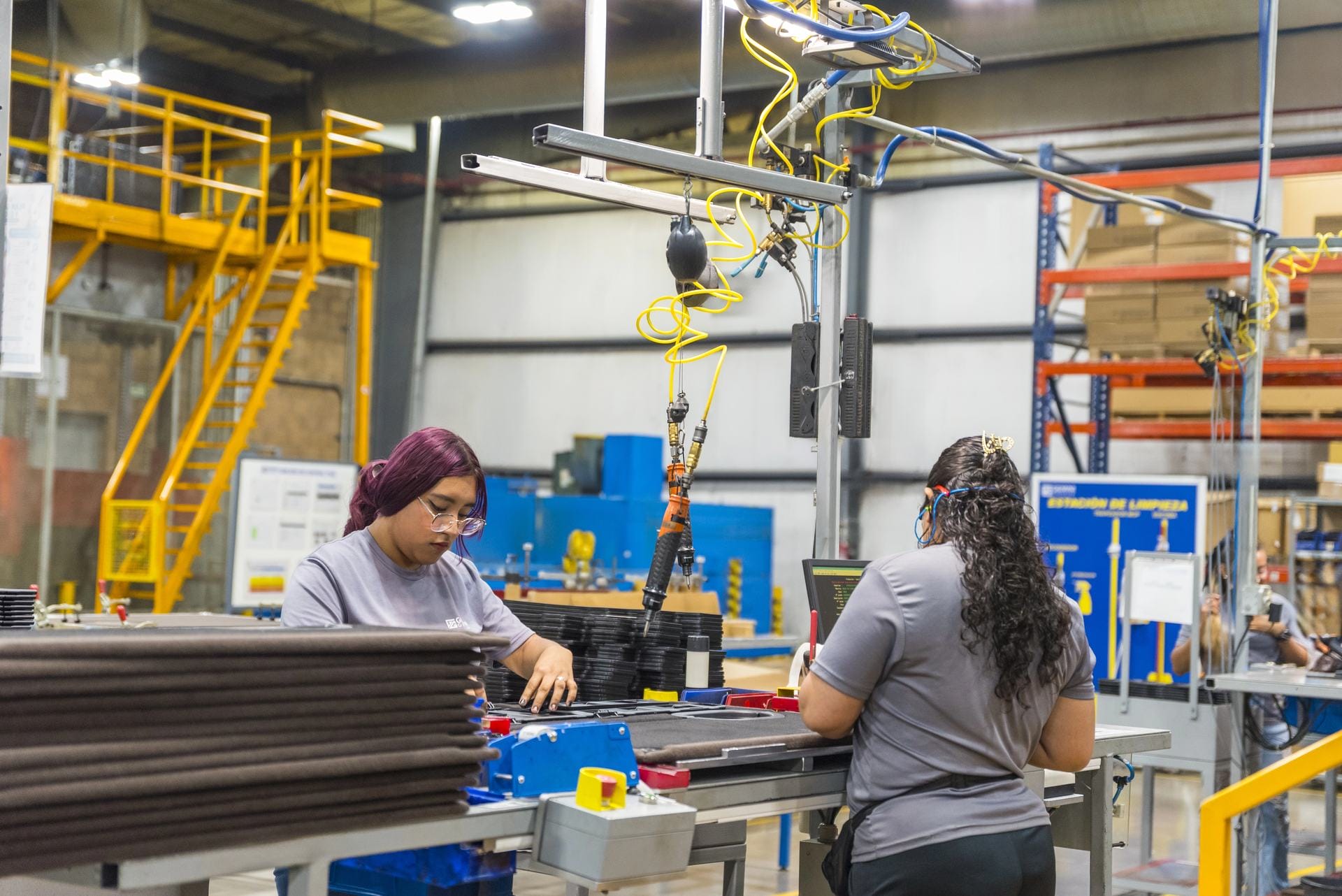
- A building that fits, on your schedule
- Where the space is leased, that is a separate negotiation with a separate landlord, on that landlord’s timeline rather than yours. And the space that fits your process is not always the space on the market the week you need it.
- Power, gas and water actually connected
- Utility capacity is site specific and the applications run on their own clock, which is rarely the same clock as the building.
- Transport that reaches the workers you need
- A payroll system is not a recruiting pool, and a recruiting pool is not a route that reaches it. How far people can practically travel is a real constraint on hiring in this region, so ask what is already running rather than what can be arranged.
- Security, medical and the daily environment
- Controlled access, on-site medical response and the amenities that hold a workforce are facility functions rather than administrative ones.
- Room for the second program
- Depending on what changes, expansion can mean amended permits, more space or a move, and it arrives on your customer’s timeline rather than the market’s.
So treat each of those as something to verify is both included and ready, rather than as something a provider cannot do. That distinction is the difference between a quote you can compare and a quote you cannot.
What the Zapa Campus adds in Saltillo
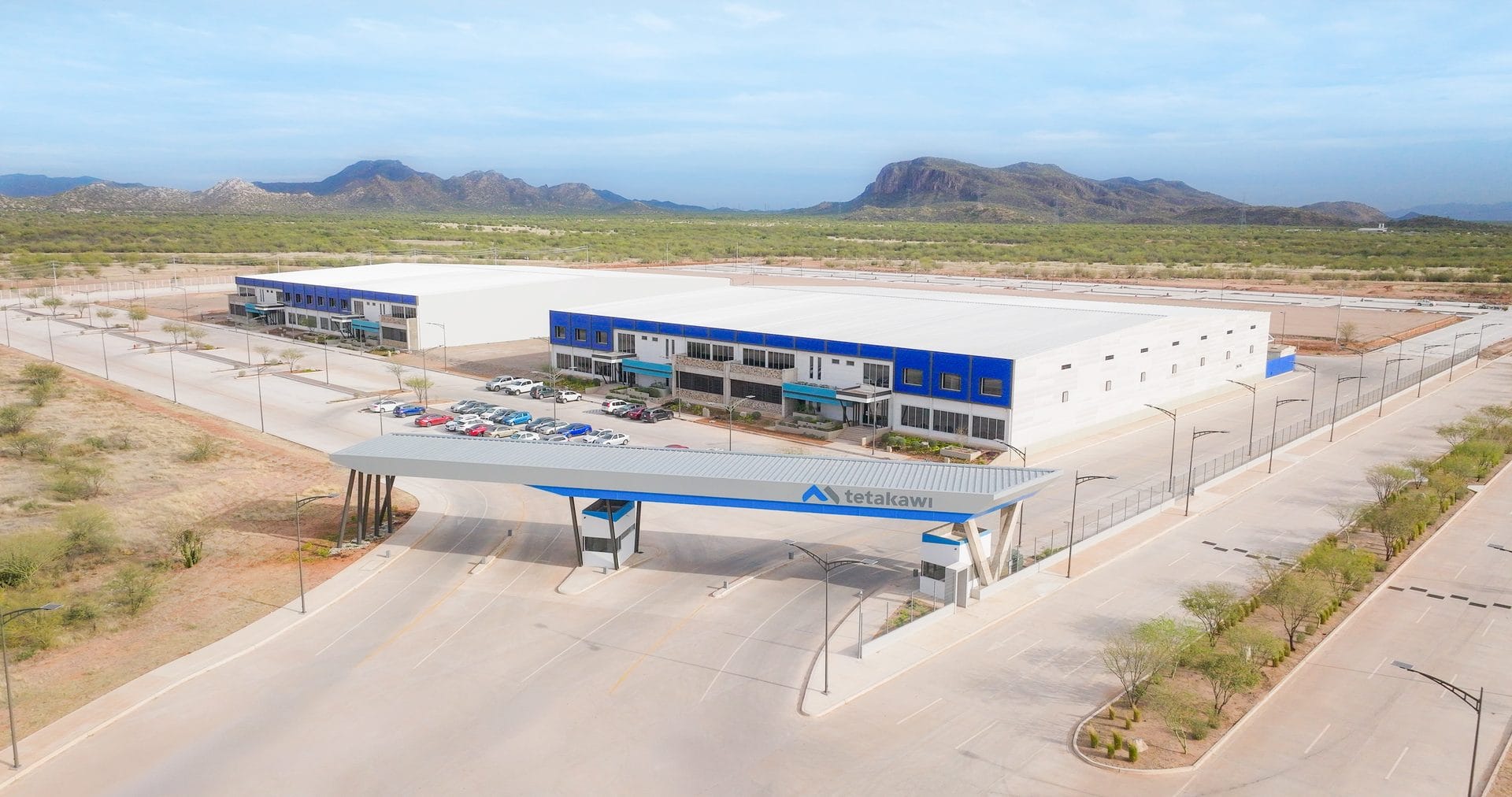
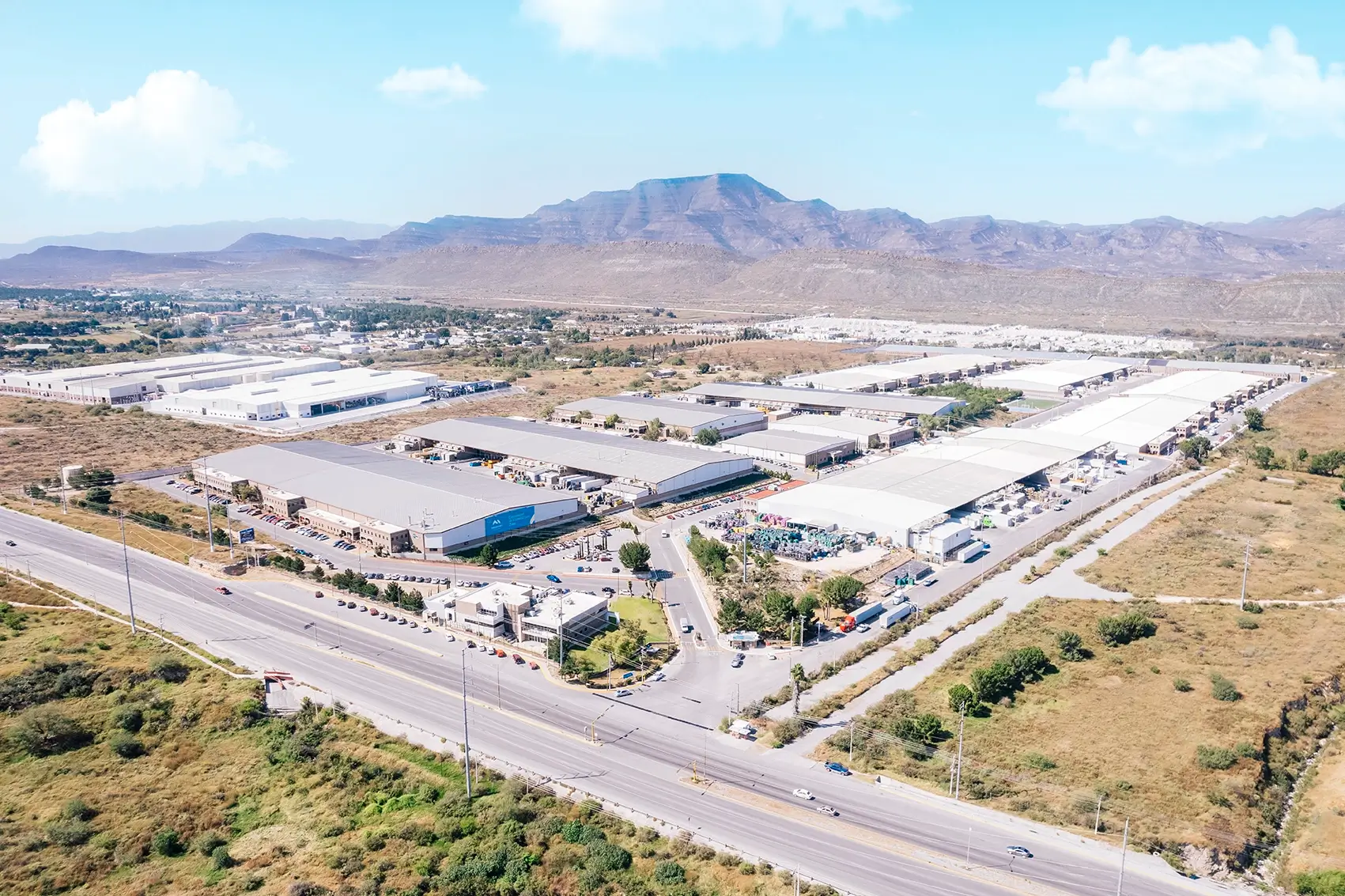
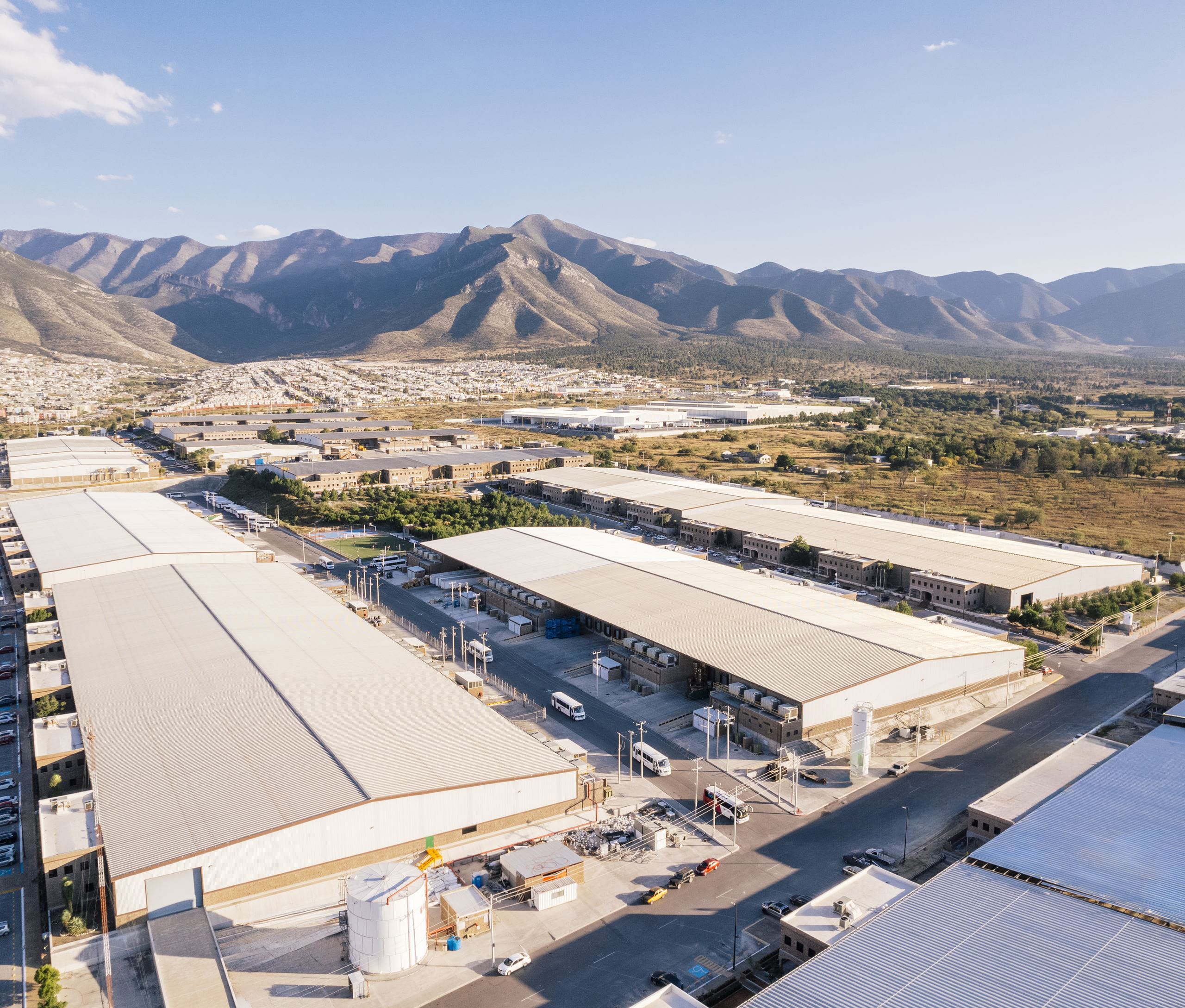
A Manufacturing Campus is a turnkey operating environment: you run your own factory, and Tetakawi runs everything around it. It is a physical site Tetakawi operates, not a loose network of service providers. The shelter services described above are delivered inside it, by the same organization that operates the buildings, the utilities, the transport and the site.
That Campus, in Saltillo, is Zapa, and Tetakawi has run it for more than 25 years. The buildings, the bus routes, the recruiting team and the supplier base are there because of that, which is why most of what follows already exists rather than having to be built.
20+
international manufacturers on the Zapa Campus
2.1M
sq ft of Class A space across 112 acres
15 MVA
electrical capacity run to the buildings
Here are the same four pillars at the Zapa Campus, from the other side. These are things that already exist rather than things you build.
- Industrial space
- Class A space at Zapa is move-in ready or new construction, on a standard footprint of about 35,000 sq ft. The Campus is served by contracted power, a four-inch gas line at 300 PSI and an on-site water treatment plant. That infrastructure is a starting point; any additional connections, capacity or approvals get confirmed for the project. What a particular building has available, and what your process needs, still gets confirmed building by building. The building is not a separate negotiation with a separate landlord, which removes the longest link in the chain above. More on industrial space.
- Workforce
- Recruiting runs continuously across the Saltillo region rather than starting when you sign. Company transportation extends the area you can realistically hire from. There is a medical service on the Campus, so first response to an injury happens on site. More on workforce.
- Logistics
- Customs coordination, broker management and the Mexican export entry run through the same organization. Freight crosses into Texas and is received, staged and consolidated at the McAllen cross-dock for the onward U.S. leg. Saltillo sits about four hours by road from two commercial crossings, before customs, queues and handling. More on logistics.
- Compliance
- Tetakawi acts as employer of record and, on the Mexican side, as importer and exporter of record, and carries the obligations that come with both. Established Campus authorizations reduce the setup work, though your goods, your premises and your processes still get reviewed against them. For shipments entering the United States the client acts as importer of record under this arrangement. You remain the manufacturer, and running your own plant lawfully stays with you. Which certifications your customers require you to hold in your own name is worth putting on the table early. More on compliance.
But underneath all four the legal framework is the same one described above. The same entity, the same IMMEX shelter program, the same employer of record. What a Campus adds is not a different structure. It is three things that compound because many manufacturers occupy one site instead of scattering across a region.
- Scale
- Twenty or so manufacturers on one site share the fixed cost of continuous recruiting, bus routes and a vetted supplier base. That is hard for one plant of moderate size to carry alone. Staffing and capacity still have to grow with demand.
- Scope
- Building preparation, staffing, transport, materials flow and compliance are coordinated through one organization rather than assembled from separate contracts, so the handoffs between them are ours. You still supply the requirements and make the decisions.
- Learning
- Tetakawi has operated in Mexico since 1986 and in Saltillo for more than 25 years. What that produces is applied to the next project: how permits sequence here, where the customs edge cases are, what recruiting actually takes in this market.
Recruiting is the part that usually decides your ramp, and at Zapa it is run locally rather than centrally.
Our recruiting team in Saltillo runs a market analysis of salaries and benefits for each client, so our offers stay competitive.
Luis Avila, Human Resources Manager, Tetakawi Saltillo
What the work looks like in a normal year
Entry gets the attention. But the recurring work is what you are actually buying, and it does not stop after launch.
- Every pay period
- Payroll calculated and disbursed, with the employment records behind it kept current.
- On the statutory cycle
- Social security and housing fund contributions, and the fiscal filings that go with employing people in Mexico. Each runs on its own monthly, bimonthly or annual schedule rather than on your payroll calendar.
- Every shipment
- Entries prepared with the Mexican broker, clearance coordinated at the crossing, and the transaction records fed into the inventory control system the program requires.
- Every year
- The annual report to the Secretaria de Economia, the income tax filing, statutory profit sharing, and whichever permits and registrations fall due that year.
- On the union’s schedule
- Where the operation is covered by a collective bargaining agreement, the legal employer carries the annual wage review and the periodic contractual revision, with the filings and consultation requirements that apply.
- On nobody’s schedule
- Inspections and audits: environmental, labor, tax or customs. Handling an audit and forwarding you the notice are not the same service, and that difference shows up on a day you did not plan for.
Shelter services beyond the Campus in Saltillo
So far this has all been the Campus. But Tetakawi’s shelter services are not confined to it. The usual reason to go outside is footprint: a building configuration or a scale the Campus does not have open the week you need it. Manufacturers in that position operate under the same programs at vetted industrial parks across the Saltillo region.
Off Campus the administrative support is the same support: the IMMEX shelter program, the recruiting operation, the customs and compliance teams and the purchasing scale. The shared site infrastructure, the on-site service teams and the room to expand in place are Campus features, and which of those matter depends on your footprint and your growth plan. An off-Campus building is reviewed on its own terms, and registering its address under the IMMEX program with the Secretaria de Economia is one of the steps before material can move in. Tetakawi runs that registration as part of the engagement.
How to choose a shelter provider in Coahuila
They will all show you a similar service list. So ask about the city rather than the category, because local depth is where shelter providers in Coahuila actually differ. Each question below has an answer a buyer can check.
- Do you own the building I would occupy in Saltillo, or are you brokering it?
- Then ask the question underneath it: who is responsible when the roof leaks or the transformer fails, who does the work, and what the escalation path is.
- How far do your recruiting and transport routes physically reach?
- Ask for the actual route map rather than a coverage claim, and check it against the shifts you intend to run.
- How many operators can you place per week here, sustained and at peak?
- A ramp plan needs both figures. Ask what job mix and what period the evidence covers.
- How do you benchmark pay for roles like mine in Saltillo?
- Ask what the comparison covers: role, shift, benefits, recruiting area and the date the data was gathered.
- Where a collective bargaining agreement applies, who holds it?
- Ask who the legal employer is and what its role is in that relationship. Taking on an established one is not the same as starting one, and the difference shows up in a negotiation rather than in your first month.
- Is electronic work-hour tracking already running across your operations?
- A system already in use is easier to inherit than one being built. Ask to see how it works rather than whether it exists.
- Where does your nearest service manager physically sit?
- Location is evidence of coverage rather than a guarantee of it. So ask about the escalation path, and for an example of an actual response.
- What happens when I outgrow this footprint?
- Ask what space and capacity could take the second program, and what would have to be prepared to get there.
That list is worth taking to every conversation you have, ours included. We compare the six kinds of provider you will meet in how to tell shelter companies apart.
Common questions
Do I need my own IMMEX program to manufacture in Saltillo?
Not under a shelter. IMMEX authorizes qualifying temporary imports for export manufacturing, subject to the applicable customs, duty and tax rules. Under a shelter arrangement those operations are carried out through the provider’s authorized Mexican entity and its IMMEX shelter program. IMMEX authorization and IVA/IEPS certification are separate authorizations, so ask which a provider actually holds.
Who is the legal employer of the workforce?
Tetakawi recruits the workforce and is the employer of record. The people it employs are assigned to your operation, and Tetakawi carries the employer obligations under Mexican labor law. You define the roles and the skills the operation needs. The production plan, the process, the quality standards and the equipment are yours.
How long does it take to start production in Saltillo?
Production timing depends on your equipment installation, your validation and your customer approvals. What can be estimated is how long it takes to get started. Three to six months is typical for a shelter arrangement. On an established Campus, where the building, the entity and the teams are already in place, a well prepared operation can get started in as little as 30 days. Setting up your own Mexican entity, registrations and permits runs eight to eighteen months. Ask any provider to separate the day you are operational from the day you ship finished product.
Can I use shelter services outside a Manufacturing Campus in Saltillo?
Yes. The administrative services and the physical site are separable in this region, so a manufacturer can take the services while operating from its own building elsewhere in the Saltillo area. What a Campus adds is that the building, the utilities, the security and the site operator sit alongside the administration rather than being assembled from separate contracts.
Thinking about expanding into Saltillo?
Tell us your product, your headcount plan and your target date. We will come back with what fits, and whether Zapa is the right address.
Subscribe to stay up to date with our latest insights