




6 Types of Shelter Companies in Mexico: How to Tell the Difference
14 min Read
Key Takeaways
- Shelter providers in Mexico share a legal mechanism, so the differences that matter are structural rather than legal.
- Ask what the provider owns, where the people running your operation physically sit, and which roles land on your payroll.
- Those three questions sort the six models in this market, and explain why two quotes rarely compare.
- Tetakawi runs Manufacturing Campuses, where the building and the operating teams are already on site before you arrive.
Jump to Section
You have decided on Mexico. You have two or three providers in a spreadsheet, and their websites all say roughly the same thing: full support, expert teams, everything handled. None of it tells you what you actually need to know.
That is not an accident. “Shelter company” is not a standardized product. It covers a wide range of operating models, from providers who own the building your plant runs in to providers who sell you a single administrative service and leave the rest to you. Shelter Services in Mexico: Everything You Need To Know explains how the arrangement works before you start comparing providers. Two quotes can look similar and describe completely different arrangements.
This guide draws on four decades of supporting manufacturers in Mexico across company sizes, industries and operating models. It breaks the market into six models, then gives you the questions that reveal which one a provider actually runs. Every model here is a version of shelter services in Mexico, so the decision is not whether to use one, but which kind you are buying.
The three things that actually separate providers
25-30
shelter service providers operating in Mexico, varying widely in scope and structure
3
structural questions that separate them: what they own, where the people sit, whose payroll carries the work
6
operating models in the market, from fully integrated Campuses to a la carte services
Before the six types, the three axes they sort on. Every meaningful difference between providers comes back to one of these.
What do they own? Some providers own and maintain the industrial buildings their clients operate in. Others work with independent landlords and layer services on top. So ownership decides who is accountable when the roof leaks, when the power fails, or when you need 20,000 more square feet next year.
Where do the people who run your operation sit? This is the question almost nobody asks, and it is the one that shows up every week once you are running. A provider can cover the whole country and still have its HR lead, its trade specialist and its EHS engineer several states away, splitting attention across ten client sites. Another provider covers fewer cities but staffs each one, which is how Manufacturing Campuses in Mexico are built. Coverage and depth pull against each other, and every provider has quietly chosen one.
Whose payroll carries the work? A lower fee is not always a lower cost. If the arrangement assumes you will hire your own HR manager, your own customs analyst and your own EHS coordinator, those salaries belong in the comparison. Some providers include those roles. Others price them out and let you discover the gap after you sign. Say two quotes come in $40,000 a year apart, and the cheaper one assumes you hire a customs analyst. The gap closes before you have hired anyone else.
Hold those three questions while you read the six models.
The six types of shelter companies in Mexico
These categories are not rigid. Some providers blend elements of several, and a company’s marketing may not reflect which type it actually operates. The descriptions below focus on how each model works in practice.
1. Manufacturing Campuses
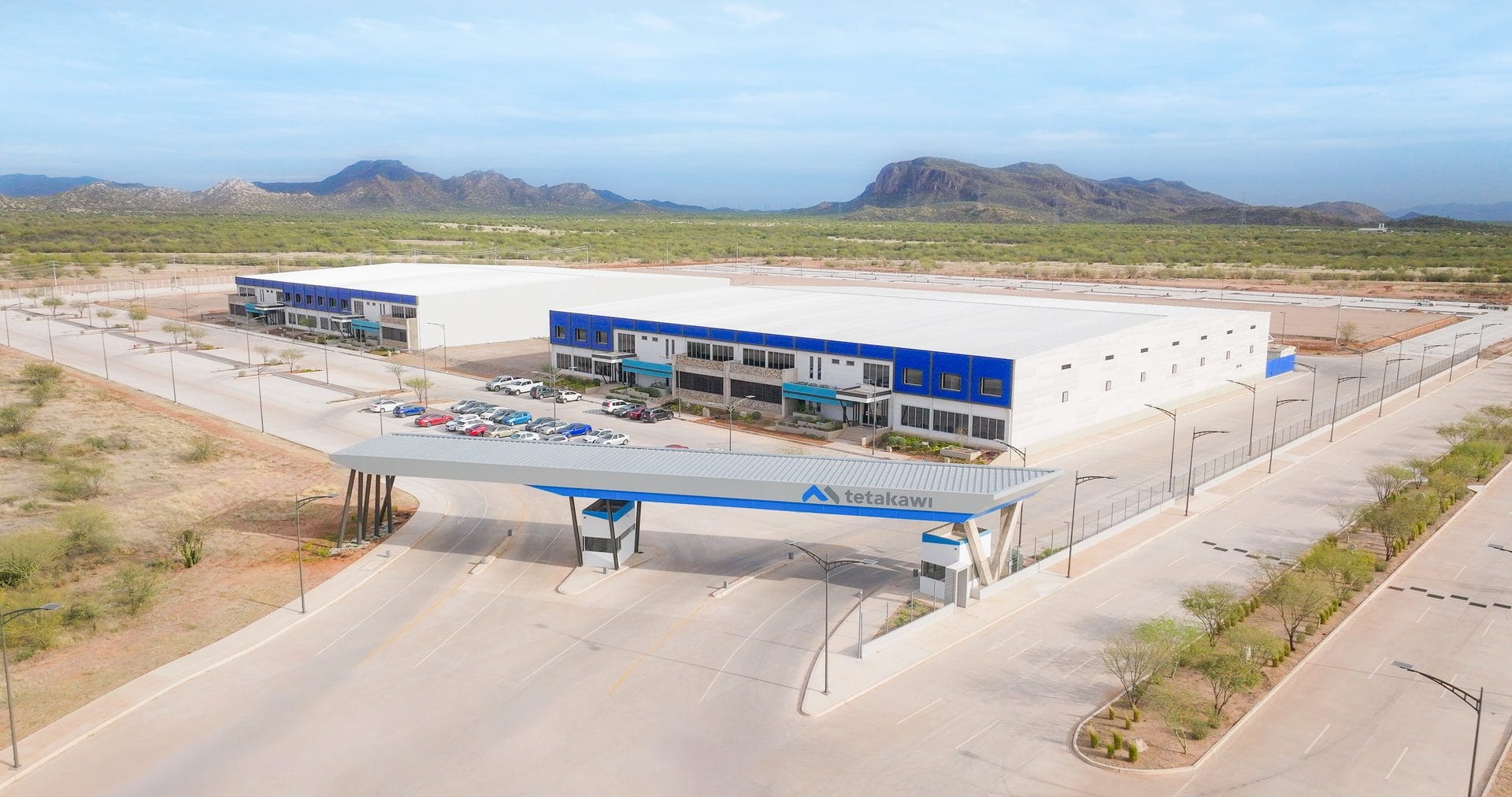
The Manufacturing Campus model is the most integrated version of shelter services. These providers own the industrial property and run it themselves, employ the teams that run the environment around your plant, and hold the permits and trade programs your operation runs under. The support functions are not partners or subcontractors. They work for the provider, on the same property as your factory.
What distinguishes a Campus from other models is that ownership and delivery sit together. The company that maintains your building also recruits your workforce, files your permits and moves your freight, and the people doing it are down the hall rather than in another state. When something breaks, one organization answers for it.
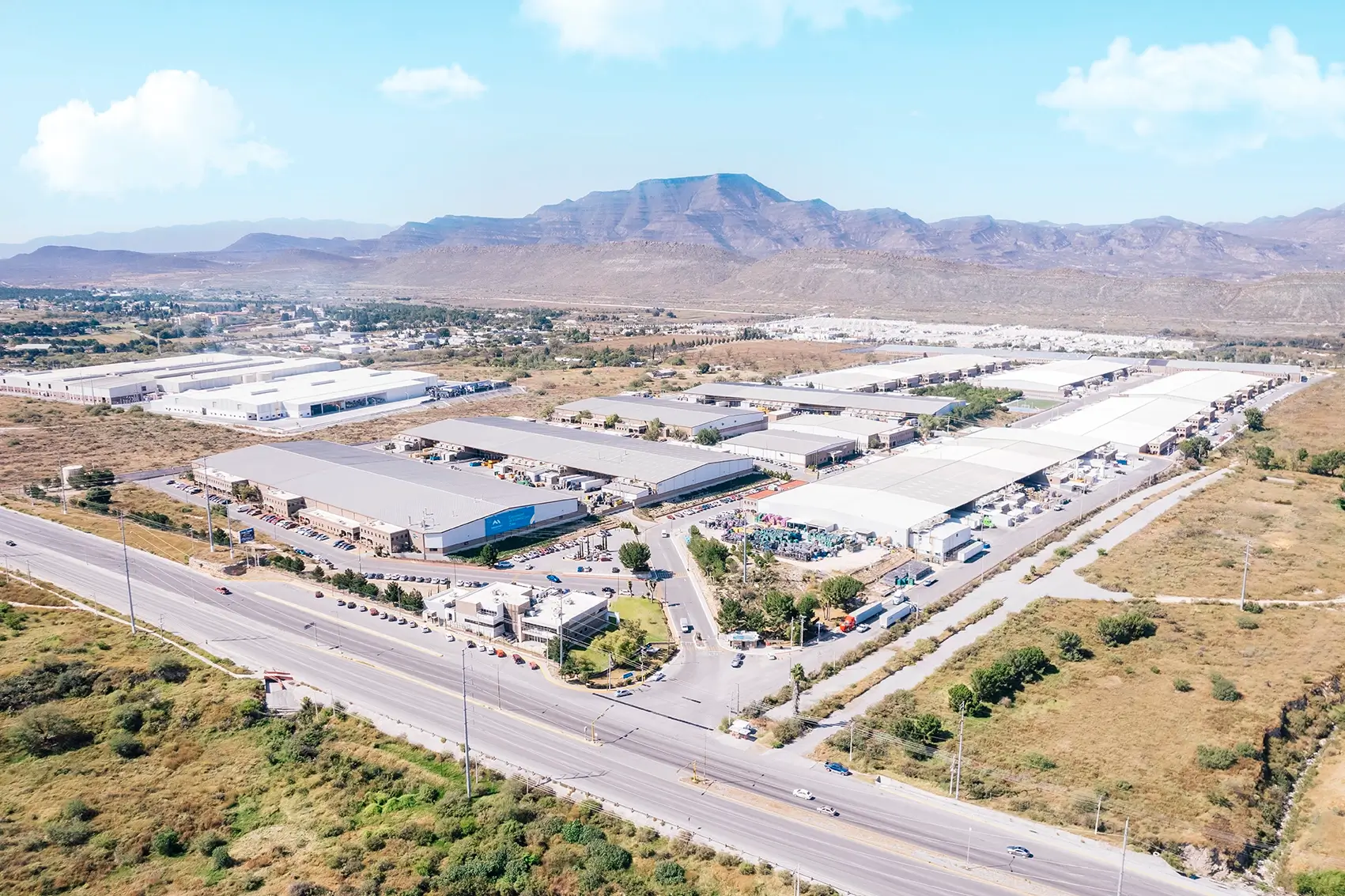
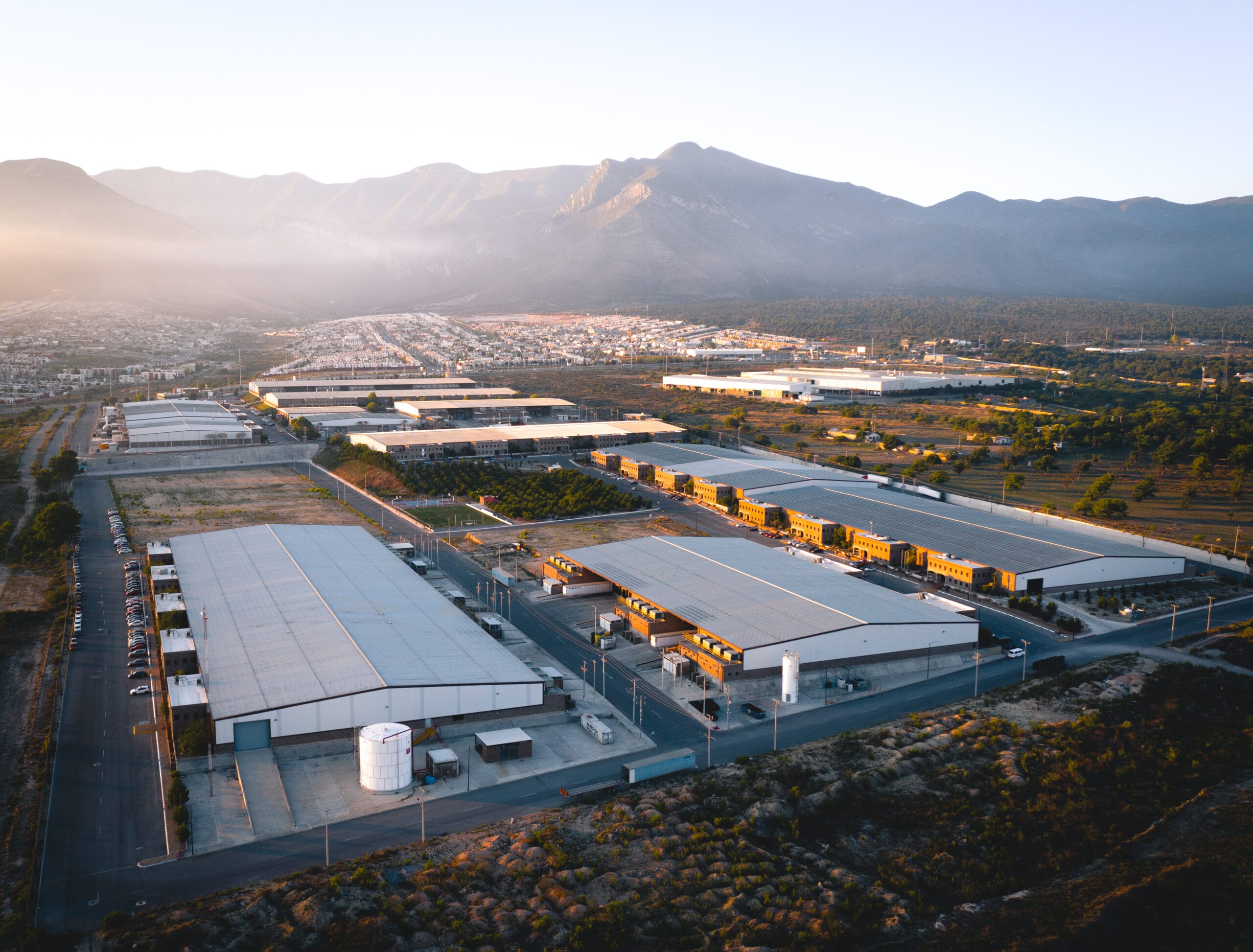
Tetakawi runs this model at five Manufacturing Campuses in Mexico: Saltillo in Coahuila, Mazatlán in Sinaloa, and Empalme, Guaymas and Hermosillo in Sonora. The model scales in both directions. Some manufacturers on Campuses have been there for decades, others arrived last quarter, and operations range from a few dozen people to well over a thousand.
Best fit: manufacturers who want a single accountable partner and the shortest path from decision to production, particularly in regulated industries like medical devices and aerospace, where permits and audits decide the date.
Key consideration: Campus providers operate where they have built infrastructure. If your supply chain requires a city outside that footprint, this model does not apply, however good the environment is.
2. Full-service shelter companies
Full-service providers deliver a broad scope of administrative, compliance and operational support similar to what a Campus offers: IMMEX licensing, customs, payroll, recruiting, accounting and EHS. The difference is real estate. They do not own it. They help you find industrial space and then layer their services on top, which means you manage a relationship with the provider and a separate one with whoever owns the building.
So the upside here is geographic reach. Because they are not tied to their own property, they can support operations across a wider range of cities and industrial parks.
Best fit: manufacturers who need shelter services in a location where no Campus exists, or who already have a facility lined up and need the operating layer around it.
Key consideration: without integrated real estate, your launch timeline depends on the building owner. Improvements, utility installations and permit transfers can add weeks that nobody controls on your behalf. Ask who chases them.
3. Start-up shelter companies
Start-up shelters are transitional by design. They provide the compliance, HR and administrative infrastructure to begin manufacturing in Mexico, with the explicit understanding that you will eventually stand up your own Mexican entity and take those functions in-house.
The model works like this: the provider holds your IMMEX permit and runs workforce management and regulatory compliance during an initial period, while helping you build the internal capability to replace them.
In practice this suits large multinationals with the scale, budget and internal resources to run a standalone subsidiary eventually. If you are weighing that choice now, the shelter model compared with standalone sets out the trade.
Best fit: large companies that intend to operate their own entity in Mexico but want production running sooner than that entity can be built.
Key consideration: the transition is the hard part. It involves obtaining your own IMMEX license, transferring employment relationships, renegotiating supplier contracts and assuming direct regulatory exposure. Ask what the exit looks like in detail before you value the arrangement on how easily you can leave it.
4. Contract manufacturing with shelter services
Some contract manufacturers also offer shelter-adjacent services. These companies run production themselves. They employ the workers, manage the manufacturing process, and in some arrangements also provide the administrative layer.
This model differs from the others on one point that matters more than all the rest: you do not retain direct control of production. The line between the two is worth understanding before you compare quotes, and how contract manufacturing differs from a Campus sets it out. In a shelter arrangement, you run your own plant and direct your own people. In contract manufacturing, someone else makes your product to your specification.
Best fit: companies that want products made in Mexico without operating a plant, often for overflow volume, specialized processes, or testing a market before committing.
Key consideration: examine the intellectual property terms closely. Understand who owns the tooling, who controls production data, and what happens to your process knowledge if the relationship ends.
5. Real estate companies with shelter services
Some industrial developers and building owners have added shelter services to their offering. Their core business is developing, renting and managing industrial property. The services came later, to make the space easier to sell.
But depth varies widely in this category. Some have built capable administrative teams. Others subcontract the shelter functions to third parties, which means the people running your compliance may have no relationship with the company you signed with.
Best fit: manufacturers whose location requirement is highly specific and whose primary decision driver is the building itself.
Key consideration: ask whether the services are delivered by the provider’s own employees or subcontracted. A subcontracted arrangement adds a layer of coordination and makes accountability harder to trace when something goes wrong.
6. A la carte shelter providers
A la carte providers sell individual services on a modular basis. Instead of a bundle, you select the functions you need: IMMEX licensing and customs, perhaps, while running your own HR.
For example, the model appeals to manufacturers who already have some capability in Mexico and need to fill specific gaps. A company that runs its own HR well but struggles with customs compliance can buy only that.
Best fit: experienced manufacturers with established Mexico operations that need targeted support.
Key consideration: unbundling makes you the integrator. You are responsible for making sure payroll data reaches the tax team and customs declarations match what production actually consumed. That coordination is real work, and it usually lands on a manager you did not plan to dedicate to it.
How to tell which type you are dealing with
Provider websites blur these lines. A real estate company may describe itself as full-service. A start-up shelter may use the language of an integrated Campus. The vocabulary in this market is inconsistent, which is why the questions below matter more than anything on a website.
Who owns the building? If the provider does not, ask who does, and who is responsible for improvements, maintenance and the utilities your process depends on.
Where do the people who would run my operation work? Not where the company is headquartered. Where the HR lead, the trade specialist and the EHS engineer physically sit, and how many other client sites they cover.
Do those people work for you, or for a subcontractor? Ask for the employer of each function by name: recruiting, payroll, customs, EHS, maintenance.
Which roles will I be expected to hire myself? This is the question that changes the math. If the arrangement assumes you will employ a Mexican HR manager, a customs analyst and an EHS coordinator, those salaries belong next to the fee when you compare quotes. Ask specifically who employs and pays your workforce, including the supervisors and administrators, not only the line workers. A lower fee with three positions moved onto your payroll is not a lower cost.

Whose entity do I operate under, and what is its standing? Ask how long it has been registered and filing, and whether the trade certifications you need are already in force or have to be applied for. The entity your plant runs inside is where your permits, filings and audits land. The answer also bears on permanent establishment, which is your tax exposure, not the provider’s.
Who leads my launch, and whose law governs the agreement? One named project lead, or a handoff between departments. A U.S. agreement or a Mexican one.
Ask every provider the same six questions and write the answers side by side. The pattern will be obvious before you finish the second call.
What you are listening for is the difference between a provider who points and one who does. Jeremy Main, Senior Vice President at Consolidated Precision Products, put it this way: “Say Manufacturing Campus and people picture a building. What came with it was the whole Tetakawi infrastructure: a support group for whatever pops up, and an execution group that takes the actions required to make a move to Mexico instead of pointing us toward them. They do the work.”
That distinction does not show up in a proposal. It shows up in the answers to the questions above.
How to compare shelter companies in Mexico
Pricing is where the models diverge most, and where a spreadsheet comparison misleads you fastest. The fee is only one line in the cost of manufacturing in Mexico, but it is the line providers structure differently. What shelter services cost in Mexico takes that line apart on its own. There are three common structures.
A fee per employee per month. The most common, and the easiest to model: one rate covering the provider’s scope, rising and falling with your headcount.
A fixed monthly fee. Predictable, and usually tied to a defined scope. Growth is where it gets tested, because adding a shift or a line often reopens the negotiation.
Transactional fees. Instead of one number, the provider charges as work happens: a fee per pedimento, a percentage applied to purchases or to payroll, a percentage of the VAT recovered on your behalf, separate recruiting fees, start-up fees, and markups on pass-through costs. Any one of these is defensible. Together, they turn a low headline rate into a bill that moves every month, and they are the reason a Mexico shelter company can look inexpensive in a proposal and feel like nickel-and-diming by quarter three.
Then there is the cost that never appears in the fee at all. If the arrangement assumes you will employ your own HR manager, customs analyst or EHS coordinator, the provider has moved that cost from their line to your payroll. The quote got smaller. Your cost did not.
So ask every provider for the same thing: the all-in cost per employee per month, with every transactional fee, markup and start-up charge named, and a list of the roles you are expected to hire yourself. Then compare.

How to choose the best shelter company for your operation
There is no universally best type. The right one depends on four things, and they rarely point the same way.
Speed to production. If timeline drives the decision, models where the infrastructure already exists move fastest, because the building, the workforce systems and the trade programs are standing before you arrive. Most operations go from deciding on Mexico to producing in Mexico in three to six months. On an established Manufacturing Campus, a well-prepared operation can get started in as little as 30 days. Standing up your own Mexican entity, with its registrations and permits, typically takes 8 to 18 months.
Long-term plan. If you intend to operate under a shelter arrangement indefinitely, Campus and full-service models are designed for that. If the goal is your own entity in three years, a start-up shelter is built for the handoff.
Control. Every model except contract manufacturing leaves production, process, quality and IP with you. What differs is how much operational infrastructure sits underneath.
Total cost, not fee. As the pricing section above shows, bundled models spread overhead across a client base, which usually lowers the cost per manufacturer. Unbundled models can look cheaper until you add the roles you have to hire and the management time the coordination consumes.
That management time is the cost nobody quotes. Jon Jensen, a manufacturing CEO who has opened plants in Mexico both ways, puts it plainly: “Go it alone and you are juggling a realtor, a staffing company and legal entities. That is what has brought me back again and again.”
Where a Manufacturing Campus fits
Tetakawi has been helping foreign manufacturers operate in Mexico since 1986, and runs five Manufacturing Campuses in Sonora, Sinaloa and Coahuila. More than 60 manufacturers run their plants on them today, with over 22,000 people working in their operations.
That scale is the point, because it is what a single manufacturer cannot build alone. The buildings, the recruiting pipelines, the trade registrations and the compliance teams already exist and are shared across every operation on the Campus, which is why a well-prepared operation can get started in as little as 30 days, and why manufacturers on a Campus run with about 30% less overhead than a standalone operation of their own. What is standing before you arrive, and what still sets your date, is in what a Campus speeds up and what it can’t.
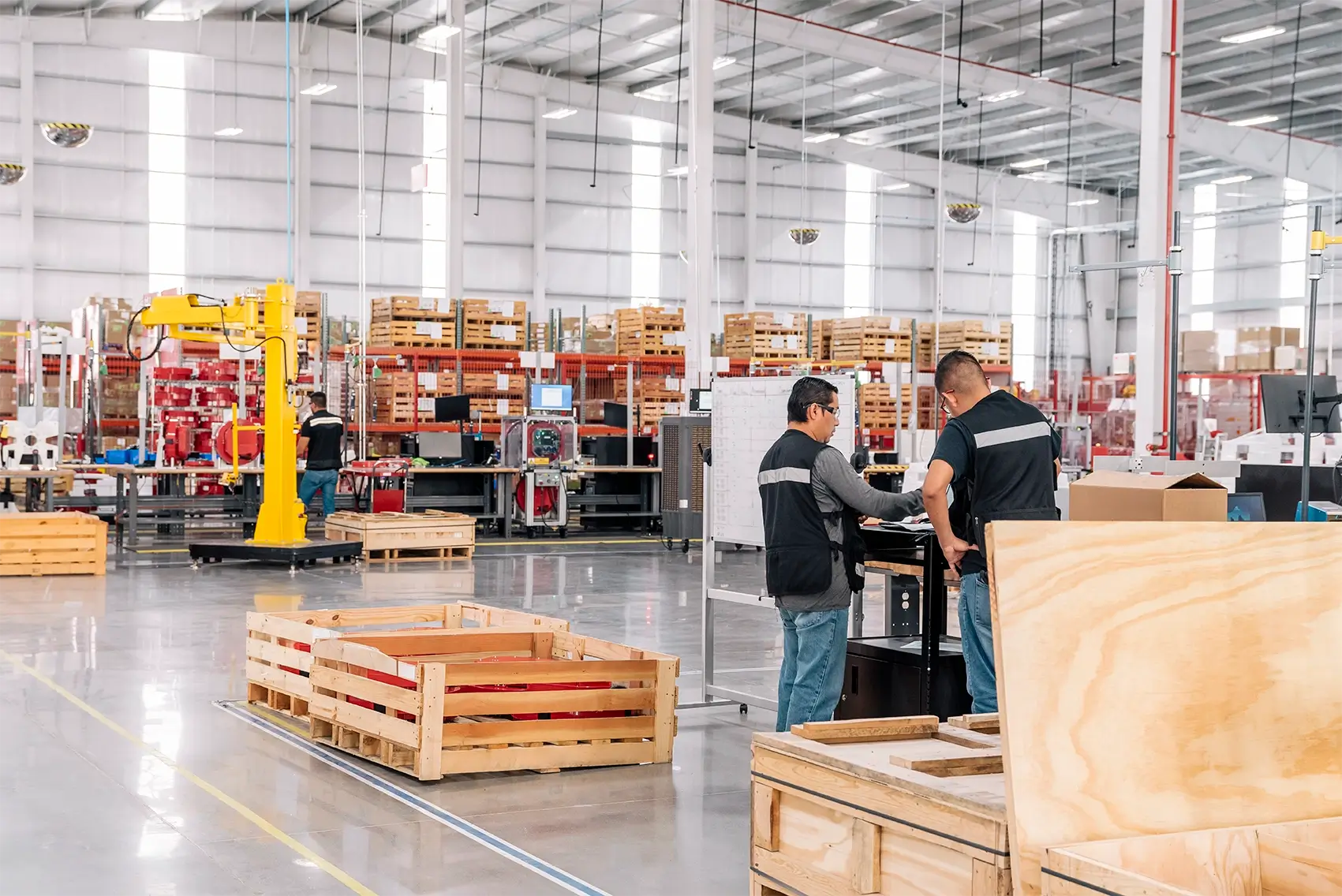
The on-site part is what makes it predictable afterward. The facilities teams, the HR and recruiting teams, the trade specialists and the EHS staff work on the same property as your plant, alongside the transportation, security and services that keep a workforce showing up. Your plant leadership spends its attention on production, quality and customers rather than on the environment around them.
You run your own factory, and Tetakawi runs everything around it. You control production, process and quality. Tetakawi is not a contract manufacturer.
If it helps to have the questions in one place, our Buyer’s Guide to Choosing a Shelter Service Provider sets them out in a format you can take into every call. You can also compare providers side by side on the structural points above.
Questions manufacturers ask us
What is a shelter company in Mexico?
A shelter company is a Mexican legal entity that lets a foreign manufacturer operate in Mexico without forming a company of its own. The shelter holds the IMMEX program and serves as the employer of record for the workforce, while you keep control of production, quality and your intellectual property. Mexico’s IMMEX Decree calls this the albergue modality. What Is a Shelter Company in Mexico? How the Model Works covers the model in full.
How many shelter companies operate in Mexico?
Industry estimates put the number at roughly 25 to 30 providers, and they vary widely in size, scope and operating model. Some support a single client in one city; others run operations across several states.
What is the difference between a Manufacturing Campus and a traditional shelter?
A traditional shelter provides the administrative and compliance layer, often working with third-party landlords, staffing agencies and logistics firms. A Manufacturing Campus adds the property and the people: buildings the provider owns and maintains, and the HR, trade and EHS teams working on the same site as your plant.
How do I tell which type of provider I am talking to?
Ask three questions. Who owns the building you would operate in? Where do the people who would run your operation physically sit, and who employs them? And which roles are you expected to hire yourself rather than the provider? The answers separate the models faster than any brochure.
What do shelter services in Mexico cost?
Pricing takes three common shapes: a fee per employee per month, a fixed monthly fee, or transactional fees charged as work happens. Compare providers on the all-in cost per employee per month, with every transactional fee, markup and start-up charge named, plus the roles you would have to hire yourself.
Can we switch from one type of provider to another?
Yes, though transitions take work. Moving from a shelter to your own entity means obtaining your own IMMEX program, transferring employment relationships, renegotiating supplier contracts and assuming direct regulatory exposure. Ask any provider what the exit looks like in detail before you sign.
Before you choose a provider
Ask us the same questions
Send us the roles you need to fill, the shift pattern you plan to run and the volumes you expect. We will model what that operation costs on a Campus, so you can put our answers beside everyone else’s.
Subscribe to stay up to date with our latest insights