Our Story
Learn our story, leadership, and mission shaping manufacturing in Mexico.

For manufacturers that cannot find or afford the workforce at home, Mexico offers what the U.S. labor market no longer has: depth. The U.S. keeps the edge in engineering proximity and automation-heavy production.
Every added line in the U.S. competes for the same scarce people, and overtime on the existing plant is not capacity. Most manufacturers don’t need to leave the U.S.: they need capacity that domestic hiring can no longer staff.

Comparison
Compare labor cost, availability, workforce pipeline, market access, and engineering proximity.
| U.S. | Mexico | |
|---|---|---|
| Labor Cost | From about $28 an hour unskilled to $35 skilled trades, fully fringed | Unskilled from about $4.33, skilled trades from about $7.74, fully fringed |
| Labor Availability | 580,000 unfilled jobs, a 4.4% openings rate | A 9.7 million-strong workforce, assessed city by city |
| Workforce Pipeline | Manufacturing workforce median age 43.9; one in four is 55 or older | National median age of 29, against 39 for the U.S. population |
| Market Access | Direct access, at full U.S. production cost | No ordinary or Section 301 duty under USMCA, one to five days by truck |
| Engineering Proximity | Production sits beside your engineers and your customers | A flight away, in U.S. business hours; most manufacturers we support keep NPI at home |
Testimonials
Manufacturers producing in Mexico report workforce depth the U.S. market cannot match, predictable labor costs, and USMCA access to U.S. customers. Here is how some of the 60+ manufacturers operating on Tetakawi Campuses describe it.
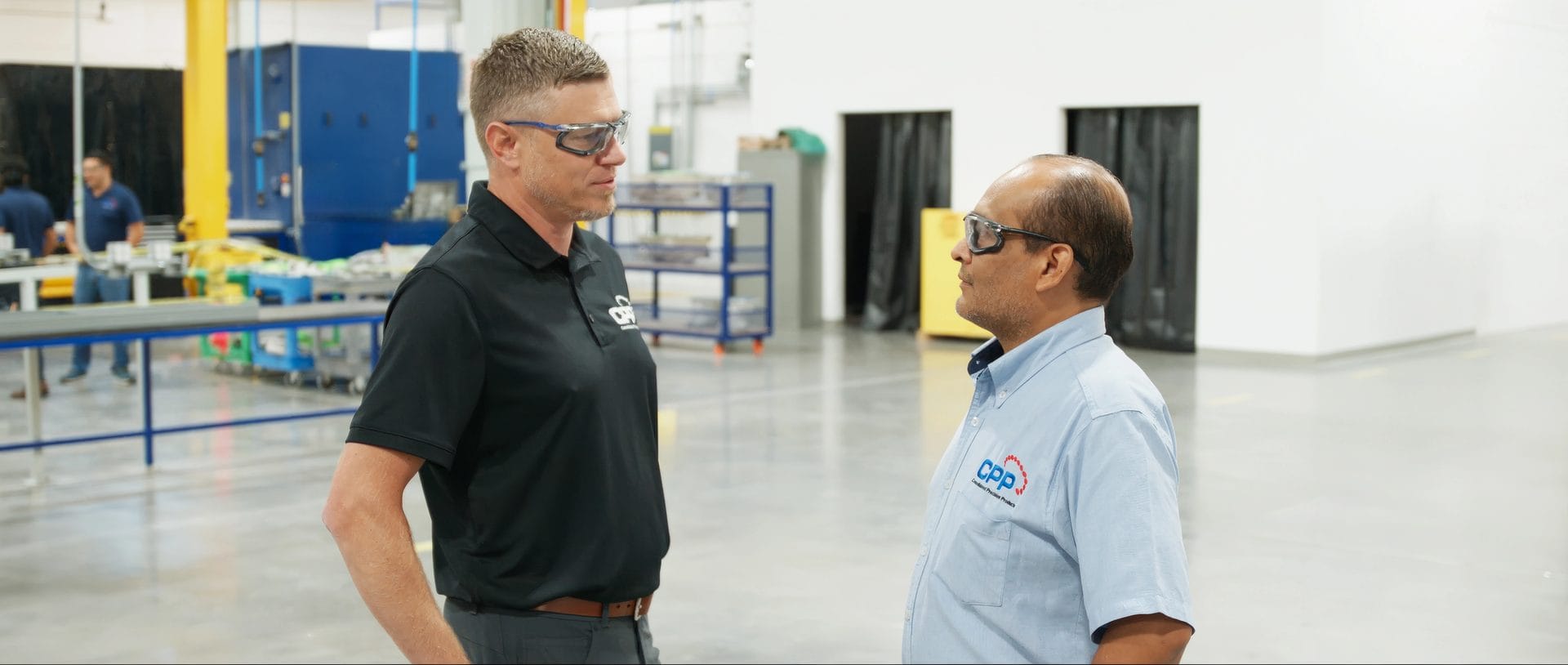

Jeremy Main, Senior Vice President, Consolidated Precision Products

Jon Jensen, Manufacturing CEO, repeat Tetakawi client since 2001
Campus Pillars
Predictable manufacturing in Mexico requires reliable space, people, logistics, and compliance. On a Tetakawi Campus, one partner runs all four, so you don’t have to coordinate a patchwork of vendors.
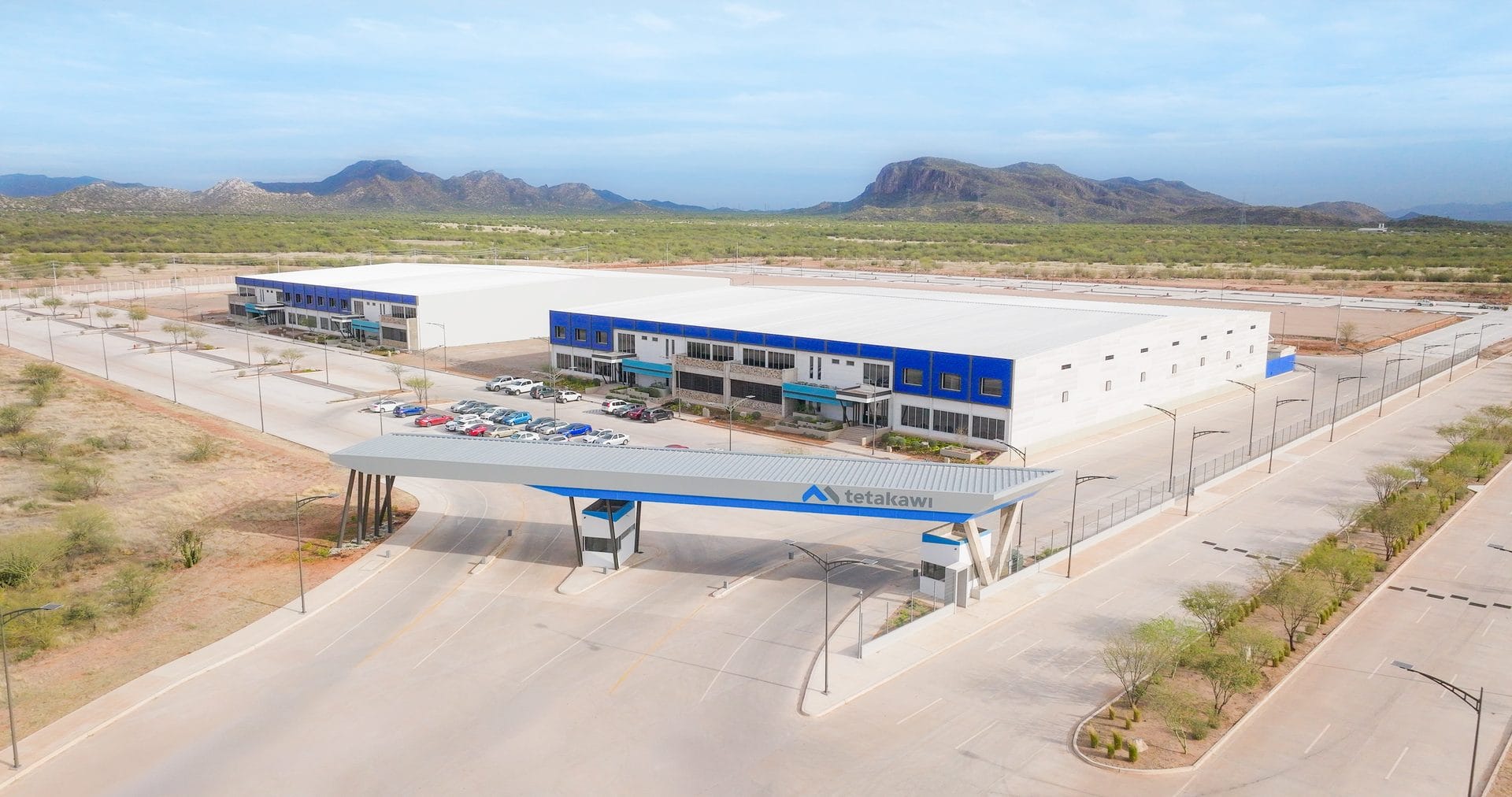
Set up in a Class A building on a Tetakawi Campus, move-in ready or adapted to your process. Tetakawi runs the Campus and maintains the buildings, so the building is never your project.
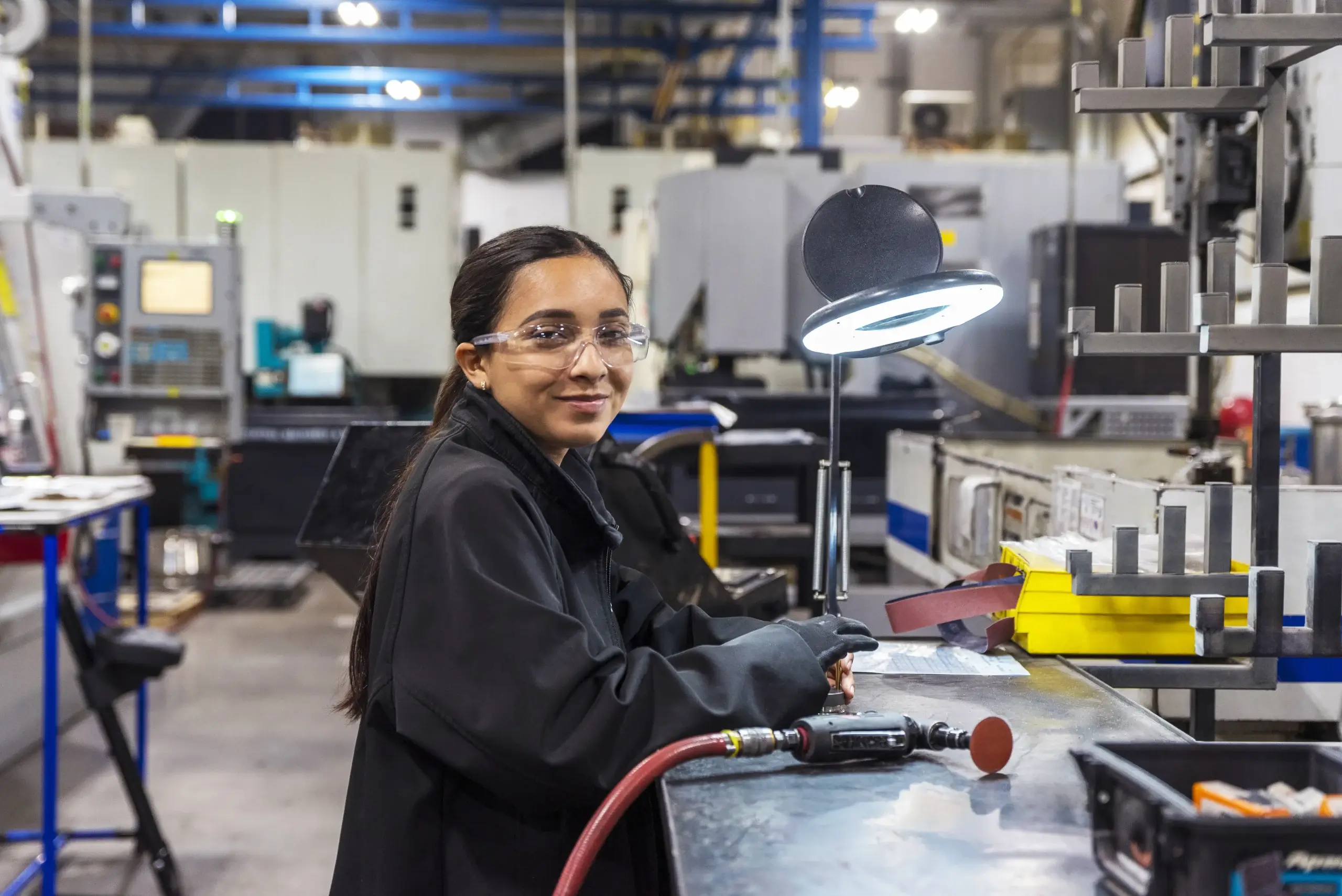
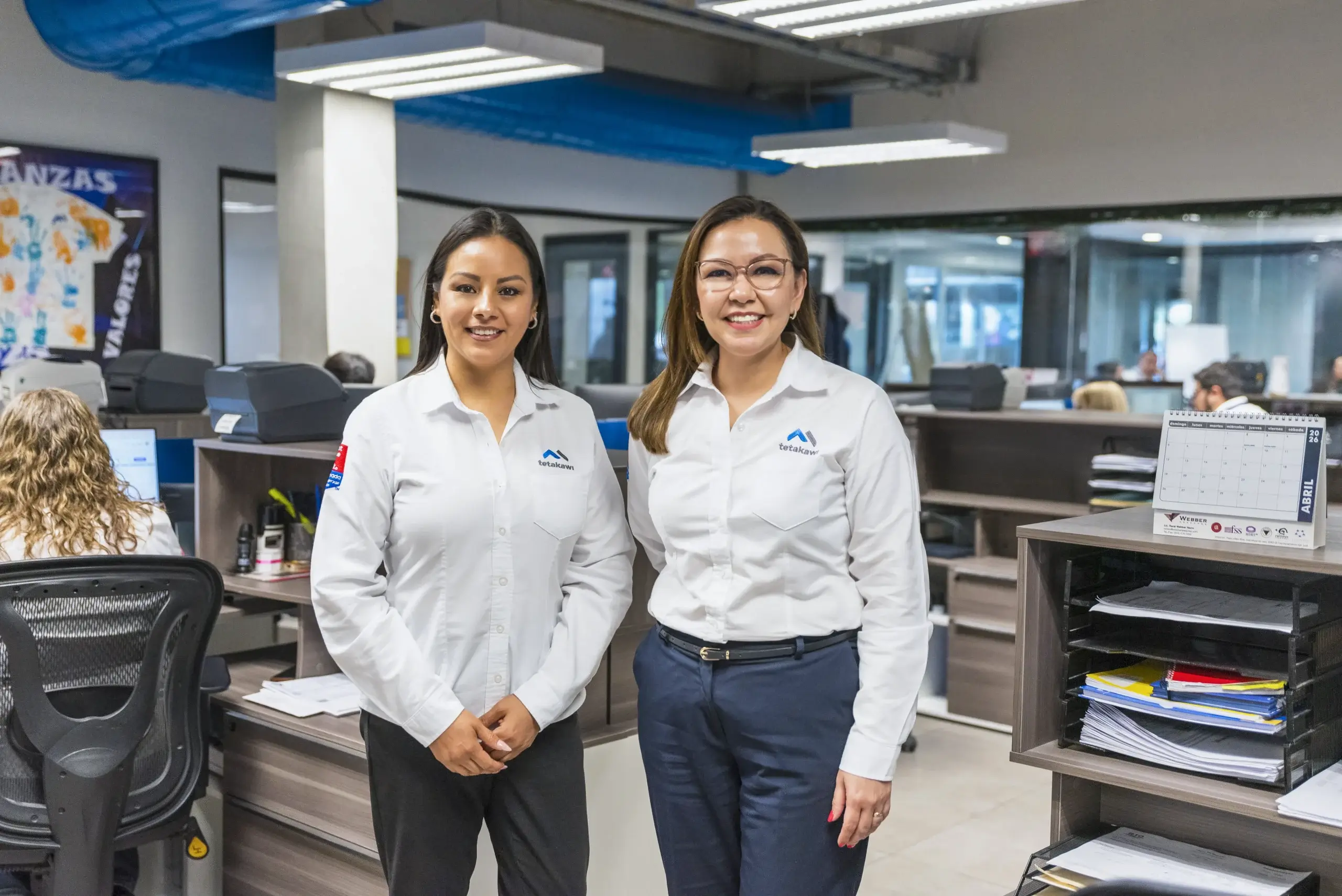
Define the roles and the standards, then run the plant. Tetakawi recruits, hires, and employs the people, runs payroll and benefits, and holds the union agreement, so your managers stay on production.
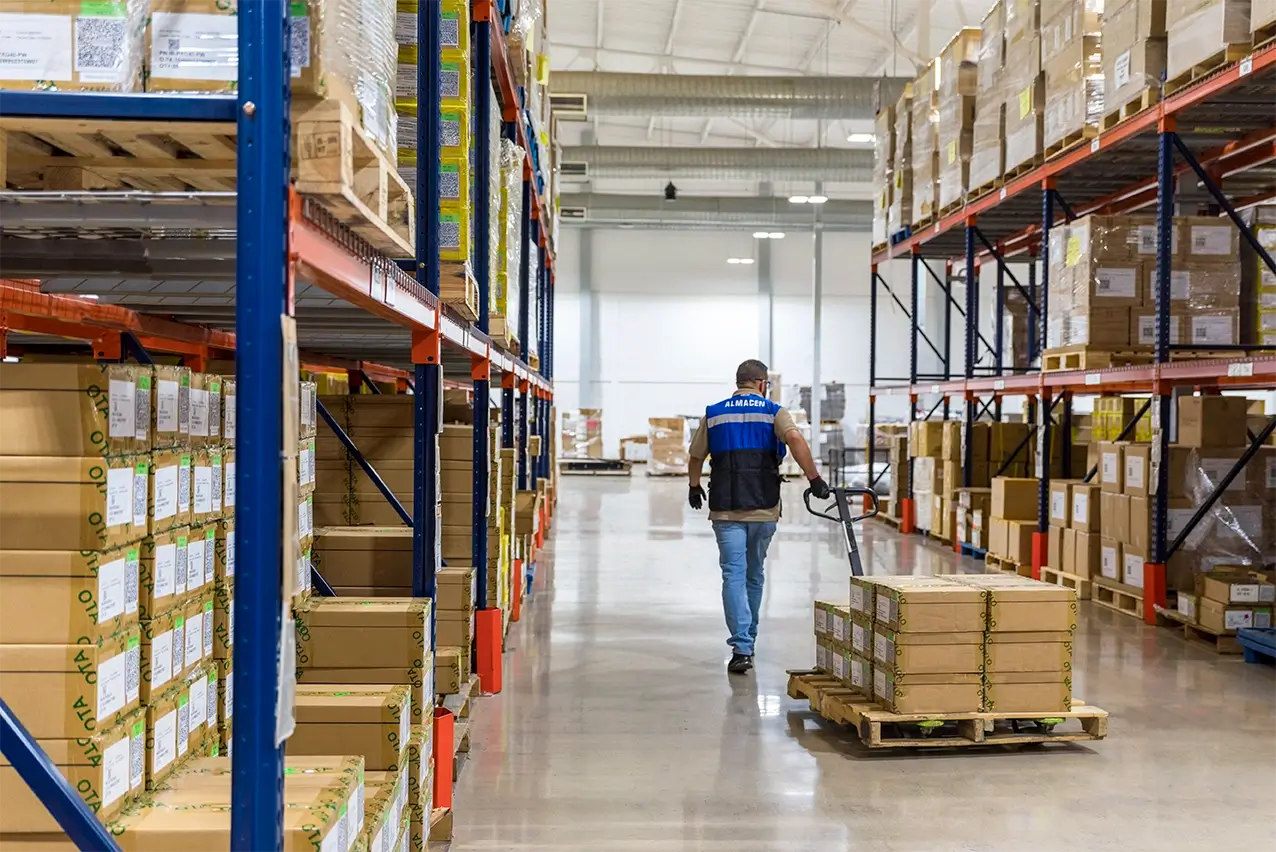
Bring materials in and ship product out with a U.S. broker you select. Tetakawi holds the Mexican import and export permits your shipments move under, and stages your freight at its U.S. cross-docks.
Operate under Tetakawi’s IMMEX shelter program, without forming your own Mexican company. Tetakawi holds the permits and registrations and answers to the authorities for the entity’s filings.
FAQs
Deciding whether to scale at home or add capacity in Mexico? The questions we get most often from manufacturers comparing their options.
For most labor-dependent operations, substantially.
On a Tetakawi Campus, direct labor starts at about $4.33 per hour fully fringed for unskilled positions and about $5.78 for semi-skilled roles, rising by role and Campus (at 17.5 pesos per dollar and Mexico’s 48-hour statutory week, the basis our 2026 labor-cost model uses). The same roles in U.S. manufacturing start at about $28 and $30 an hour, wages plus benefits, our calculation from BLS 25th-percentile wages for May 2025 and the benefit share BLS reports for manufacturing production work. Across all production jobs and experience levels, U.S. manufacturing averaged $39.25 per hour worked in June 2026 ($25.64 in wages and $13.62 in benefits), and $48.62 across every manufacturing role (BLS Employer Costs for Employee Compensation). Fully fringed means base pay plus employer payroll taxes and statutory benefits, not take-home pay. The Tetakawi figures are starting points, and they exclude overtime, shift premiums, indirect labor and project-specific operating costs.
Yes, at the right Campus.
Welders start from about $7.74 per hour and CNC machinists from about $7.86, fully fringed, varying by role and Campus (at 17.5 pesos per dollar and Mexico’s 48-hour statutory week). In U.S. manufacturing, starting-range pay with benefits is about $34 an hour for welders and CNC tool operators and about $35 for machinists; the averages are near $40 and $43. Both are our calculation from BLS May 2025 wages and the benefit share BLS reports for manufacturing production work. Availability varies by city and role, which is why choosing among the five Campuses starts with local recruiting conditions, not national averages.
Often, yes, because scaling is a workforce problem.
Every added U.S. line competes for scarce labor in a manufacturing workforce where one in four workers is 55 or older, against 580,000 unfilled manufacturing jobs (BLS, July 2026). In Mexico, added lines hire from a 9.7 million-strong manufacturing workforce (INEGI, second quarter 2026). Matching your growth plan to the right Campus labor market is part of the evaluation.
It depends on the model you choose, not the country.
Under contract manufacturing, a third party runs production and sets the priorities, so control genuinely transfers. On a Manufacturing Campus you keep day-to-day control: you define the roles and the staffing plan, select from the candidates presented, set the standards, and direct, supervise and train the team. Tetakawi hires on your instruction, is the employer of record, and administers the environment around you. 60+ manufacturers run their operations that way today.
In as little as 30 days, on any of the five Campuses.
The building, workforce systems and legal framework already exist, so a well-prepared operation can get started in as little as 30 days. Most operations go from deciding on Mexico to producing in Mexico in three to six months. Building standalone typically takes 8 to 18 months before you can operate. Your timeline depends on your equipment and certifications, and mapping it is part of the evaluation.
Four steps, in order.
1. Get in touch. A conversation about the capacity you cannot staff at home, and the products it would carry.
2. Measure ROI. Which Campus labor market can staff you now and at your five-year headcount, the cost model for the full operation, direct labor by role, real estate, utilities and freight, set against your U.S. baseline, and the rules-of-origin analysis so you know whether your Mexico-made products qualify under USMCA.
3. Site visit. Walk the Campus, meet the people who would run your account, and talk with U.S. manufacturers already operating there.
4. Launch and grow. When you give the green light, the same team that helped you build the case guides the launch, and the people who run the Campus are a phone call or a short walk away.