Doing Business in Mexico: What Manufacturers Need to Know
8 min Read
Key Takeaways
- Doing business in Mexico can add capacity, put production closer to North American customers and open another labor market for the roles you need.
- On a Tetakawi Manufacturing Campus you run your own factory: you control production, process and quality, and Tetakawi provides the agreed supporting work.
- Build the team around your process: decide what new hires need on arrival, what you will teach and who on your side will teach it.
- Agree early who approves spending, who reports engineering changes to the trade team and which tax and VAT questions your own advisors will evaluate.
Jump to Section
Doing business in Mexico can give a manufacturer room to grow: access to another pool of talent, capacity closer to North American customers, and a production team its leaders can visit and work with directly. The opportunity might be a new product line, a second source or an expansion alongside the factories you already run.
For a company considering its first Mexican operation, those advantages raise a practical question: how would the business work once people are hired and production begins?
Doing business in Mexico means bringing your manufacturing expertise into a different local operating environment. Your product still needs the right process, people and quality standards. Employment, customs, tax administration and facility requirements need local knowledge and clear responsibility.
You can build that support around an independent operation, or work where an experienced local organization already provides it. Seeing how the work is divided shows what your own team will own and where local specialists can help.
Where Mexico can support your growth
The benefits of doing business in Mexico become easier to assess when you connect them to a specific part of your business.
Additional production capacity. A Mexican operation can give you another location in which to recruit and develop people. The opportunity depends on the roles you need and the local labor market. It may allow you to place the next line in Mexico while existing plants continue serving their programs.
Closer coordination with North American customers. A location closer to those customers can support visits, engineering discussions and replenishment. Consider the whole material flow: if inputs still arrive from Asia, that inbound journey remains part of your plan.
Competitive operating economics. Labor is one part of the opportunity. Evaluate it alongside facilities, utilities, freight, administration and the investment needed to get the operation running. The useful comparison is the cost of delivering your product at the required quality and volume.
To turn that interest into an investment evaluation, see the business-case guide.
Your production expertise remains central
Running your own factory in Mexico means leading the work that makes your product competitive: the process, the equipment, the quality system and the production team.
On a Tetakawi Manufacturing Campus, that work stays with you. You control production, process and quality. A Campus adds established industrial space, shared infrastructure and an on-site support organization. Tetakawi is not a contract manufacturer. You build and run your own operation rather than buying finished goods.
The relationship becomes clearer when you look at everyday responsibilities:
| Area | Your team’s role | Tetakawi’s supporting role |
|---|---|---|
| People | Send the roles, choose the people, run the floor and lead process training | Recruiting, employment, payroll and benefits through Tetakawi’s Mexican operations |
| Materials | Supply accurate part data and report engineering changes, scrap and cycle counts | Build the customs record from that data and coordinate trade operations in Mexico |
| Spending | Set approval authority, authorize purchases and manage the corporate budget | Administer agreed local purchasing, payment and fiscal processes |
The service agreement defines the scope. Your managers bring the judgment and expertise needed to run the factory; local specialists handle the agreed supporting work. That division is the basis of Tetakawi’s Manufacturing Campus model.
Build the team around the work it will perform
A promising labor market gives you somewhere to recruit. Your production process determines what those recruits need to learn.
Consolidated Precision Products offers a useful example. When the aerospace manufacturer expanded in Mazatlán, it trained its first hires through existing operations in Guaymas, Ensenada and Minneapolis. Those employees returned with experience in CPP’s work and became trainers for subsequent hires.
The CPP story shows how access to capable people and a company’s own technical knowledge can work together. Training was how CPP built its production capability.
For your operation, start by identifying which skills someone needs on arrival and which can be taught. Decide who will teach the process, how supervisors will assess readiness and how the first group can support later hiring.
Tetakawi’s workforce recruiting and administration supports the local employment side. Your company shapes the work, the standards and the culture employees experience inside the factory.
Connect product information with the people moving your goods
Cross-border production depends on information moving between teams that don’t usually work together.
Tetakawi’s import and export team starts here when a new operation is set up. Purchasing, engineering, production and planning may each hold part of the information needed for a shipment. The team works with the manufacturer to assemble product records and explain what is needed before goods move.
Consider an engineering change that replaces one component with another. Your production team needs the revised instructions. The people maintaining the customs records also need to know what changed. Establishing that connection is part of running the operation.
A practical question for your team is: who communicates changes to part numbers, materials and production records, and how does that information reach the trade team?
Tetakawi’s import and export team builds the customs record from the part data you supply and checks each load against it before it crosses. For the inventory-record requirements behind temporary imports, see the Annex 24 guide.
Clear data and clear owners give the people handling your shipments a better basis for planning and resolving questions.
Keep financial visibility as local work is delegated
A finance team evaluating Mexico needs to understand who can approve spending, what supports an invoice and how local payments connect with the company’s own records.
Tetakawi’s accounting and fiscal processes link purchasing approvals, confirmation that goods or services were received, invoices and payment records. That connection helps make an expense traceable through the local operation.
For your controller, the practical discussion starts with authorization: who can approve which purchases, how those approvals are recorded and what information the corporate team receives. Agree on those approvals up front.
Tax planning belongs in the same discussion. The tax and customs treatment depends on the authorizations held and the requirements applicable to the operation, so your advisors need to evaluate the proposed arrangement. The manufacturing tax guide explains the main categories and distinctions.
VAT, called IVA in Mexico, also affects cash planning. On temporary imports, the VAT credit applies with the SAT certification; without it, the VAT is paid at import or secured with a guarantee and recovered later. Eligible VAT on domestic purchases follows its own credit or refund process, and recovery timing and success are subject to SAT. The VAT and IVA/IEPS guide covers those differences.
Tetakawi’s accounting and fiscal support administers the agreed Mexican functions. Your corporate books, financial statements and tax position stay with your own accountants and advisors.
Start with the operation you want to build
A useful conversation about Mexico starts with your product and your plans. What would you make there? Which roles would you need? Where would materials come from, and where would finished goods go? What must the new operation contribute to the business?
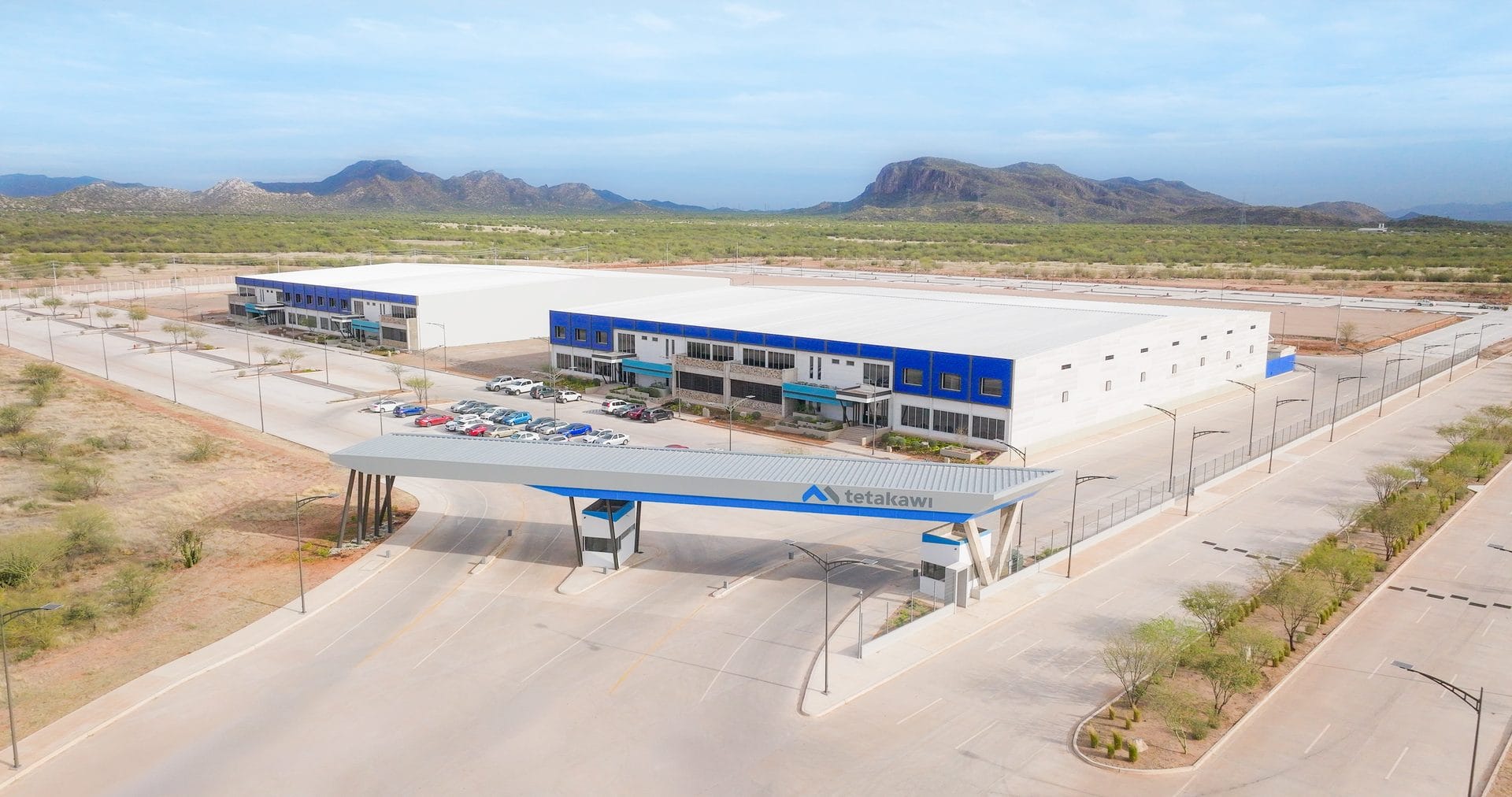
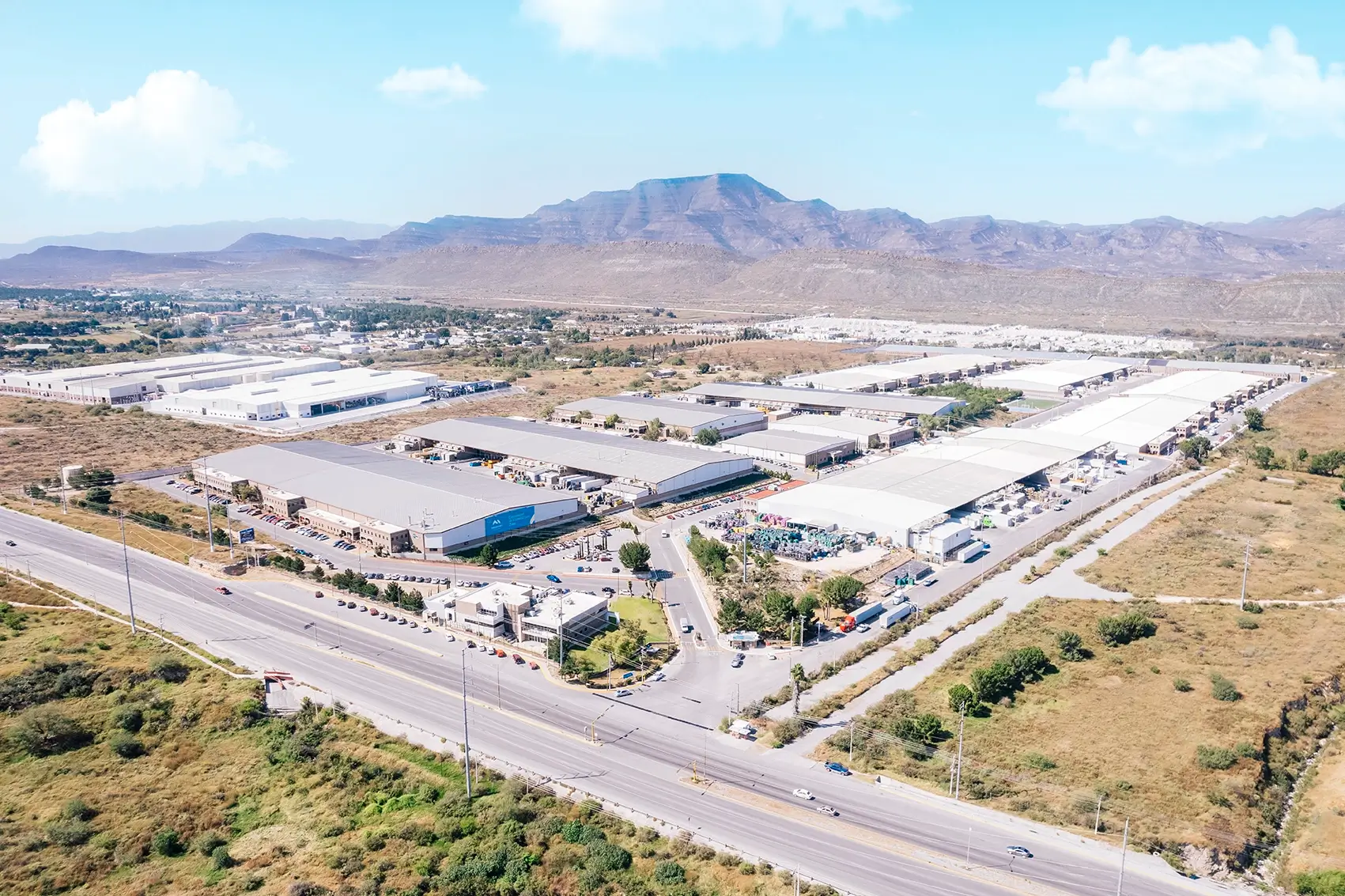
Those answers move the discussion from general advantages to the people, space and support your factory would need. Tetakawi has helped companies manufacture in Mexico since 1986 and runs Manufacturing Campuses in Saltillo, Hermosillo, Guaymas, Empalme and Mazatlán.
If you are ready to plan implementation, the manufacturing setup guide walks through the work involved.
Plan your operation in Mexico
Tell us what you would make and the roles you would need. We will show you how a Campus would support that operation and what your plan still needs.
Frequently Asked Questions
How long does it take to start doing business in Mexico as a manufacturer?
It depends on the route, and a shelter arrangement, which is how a Tetakawi Manufacturing Campus works, is the faster one. In Tetakawi’s experience, setting up this way typically takes three to six months to reach the point where the site is ready for equipment, with the space, the legal framework and the workforce infrastructure in place. For a well-prepared operation on an established Manufacturing Campus, that can be as little as thirty days, because the buildings are standing and move-in ready, recruiting is already running in that region, and the authorizations the site operates under are already held. Beginning production and reaching planned output depend on the remaining installation, staffing, validation and approval work.
With your own Mexican entity, your team coordinates incorporation, registrations and applicable permits alongside the facility and workforce setup. Plan eight to eighteen months, because the authorizations run in sequence rather than in parallel: the entity and its tax registrations come first, the IMMEX authorization follows, and IVA/IEPS certification can only be requested once that program is active.
What are the challenges of doing business in Mexico?
Business culture and risk sit alongside the operating work. How meetings, decisions and working relationships run in Mexico shapes day-to-day work, while moving goods, regulation and trade policy shape your planning. Tetakawi’s guides to business culture in Mexico and the risks of doing business in Mexico cover both.
How does Tetakawi help manufacturers doing business in Mexico?
On a Tetakawi Manufacturing Campus, your company runs its own factory and leads production, quality and process training. Tetakawi provides the industrial space and the agreed supporting work: recruiting, employment and payroll through Tetakawi’s Mexican operations, import and export operations, and the Mexican accounting and filings.
Subscribe to stay up to date with our latest insights