Evaluating the risks of doing business in Mexico is part of planning any manufacturing investment there. The questions are practical: can the location support your workforce and production requirements, how will goods move reliably, and which operating obligations have to be addressed before production begins?
Seven areas can affect a manufacturing operation in Mexico: security, the workforce, customs and origin, permits, utilities and suppliers, costs, and the launch itself. For each one, this guide sets out the steps companies take to manage it, and how Tetakawi’s Manufacturing Campuses support that work through established infrastructure and experienced local teams. For an overview of how an operation runs day to day, see Doing Business in Mexico.
The seven planning areas at a glance
| Planning area | What could affect your operation | How it is managed | What to confirm for your project |
|---|---|---|---|
| Location and security | Cargo theft in transit; site security; conditions that vary by state and corridor | Controlled-access sites, qualified carriers, route and lane planning, insurance, a security budget | Your lanes and crossings; your own cargo and premises program |
| Workforce and labor law | Hiring and keeping people; the Federal Labor Law on hours, pay, benefits and termination | Local recruiting at scale, transportation, correctly administered employment and records | Roles, standards, supervision, and employment costs, including applicable severance |
| Customs and origin | Duties on inputs and on the finished product; classification; origin evidence | The IMMEX program and related certifications, a licensed broker working from your data, monthly reconciliation | Product data, values, sourcing and the origin rule your product has to meet |
| Permits and EHS | Environmental and operating permits that depend on the process | An established framework plus permits added for your process, with authority filings handled in sequence | Your process, materials and any hazardous inputs, identified before equipment installation or process changes |
| Utilities and suppliers | Power, water and gas capacity; supplier qualification | Capacity confirmed per site against the process; a vetted vendor base | Your loads and continuity needs; any customer-required supplier qualifications |
| Costs and the peso | Payroll in pesos; statutory employer costs; the exchange rate | Fully fringed costing at a stated rate, reviewed as the rate moves | Your headcount plan and the rate your model uses |
| The launch | Permits sequenced late, approvals missing, a building that does not fit the process | A launch plan with one point of contact and the authorities’ steps in order | Customer approvals, equipment lead times, your team’s availability |
Location and security
Security planning should cover employees, facilities and the movement of goods, with measures suited to the location and the transport routes. In AmCham Mexico’s 2024 survey of 218 business executives and security leaders, 49% reported that their company had experienced supply-chain theft during the preceding 12 months, and 52% reported a violent assault or robbery against employees. In the same survey, 39% considered their operation safer than a year earlier, and 58% said they spend between 2% and 10% of their annual budget on security. Those are reported figures, not a recommendation. They show what companies actually plan for.
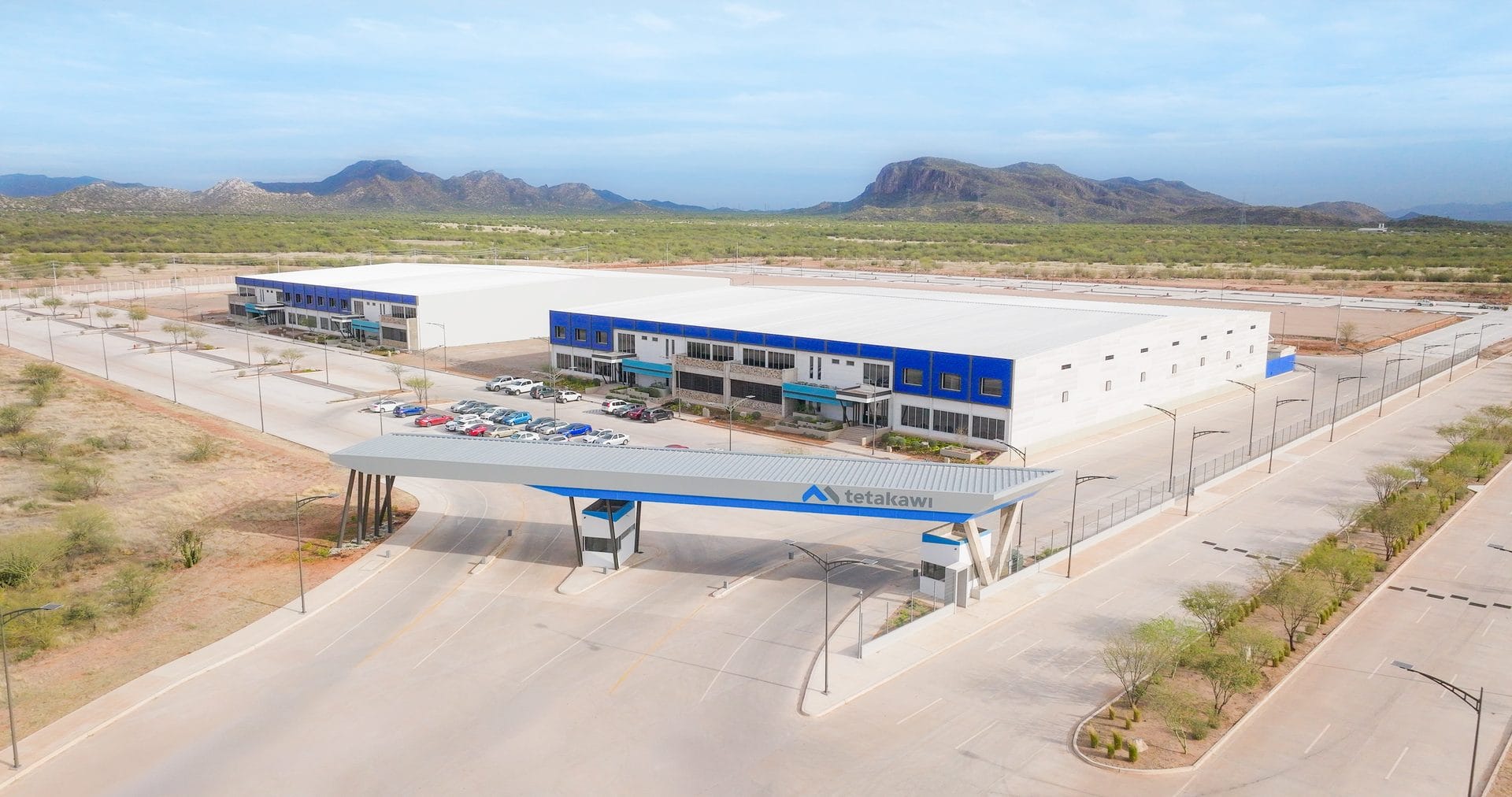
The movement of goods needs the most specific planning. Take a harness plant in Sonora shipping daily to Arizona: the questions are which crossing it uses, which carriers are qualified to carry temporarily imported goods, how the trailer is tracked and insured, and what the site’s access control looks like. Conditions vary by state and by corridor. That is why site selection includes security rather than treating it as a separate topic. Tetakawi’s Campuses are controlled-access sites with their own security arrangements, and you select carriers from those qualified to move goods under the customs program. For your own project, you confirm your lanes and your own cargo and premises program. The Campuses pages describe each site.
Workforce and labor law
The second planning area is people: attracting them, keeping them and managing them under Mexico’s Federal Labor Law, with employment requirements covering working hours, pay, benefits and termination. Retention is the operating question in most industrial cities, and recruiting at scale matters more than recruiting once. For example, a plant that needs 300 people on day one and 300 more by month six is really asking whether the city, and its own employer, can keep that pace.
Manufacturers manage that with recruiting that runs continuously, transportation so a workforce can come from across a city, correctly administered pay and benefits, and records that show it. On a Campus, that organization already exists. Tetakawi’s HR people sit inside the plant, recruiting runs for the whole Campus rather than one employer at a time, and worker transportation and on-site medical services are part of the environment. You define the roles and the standards, select your people, and direct and supervise the work. The labor-law primer covers the rules; Hiring for a New Plant in Mexico covers how a workforce is built; the workforce page covers how it runs on a Campus.
Customs and origin
The third area is the movement of goods, and it has two halves. Entering Mexico, your inputs may owe duty, and the IMMEX program can defer it for goods that you process and export. Entering the United States, your finished product’s own origin rule decides whether it qualifies for USMCA preference. Classification and origin evidence are where mistakes happen, because both depend on product data that only the manufacturer holds. For example, a part that qualified under one supplier can stop qualifying when a sub-component changes source, and nobody outside the plant knows the change happened.
Customs management depends on the applicable authorizations, accurate product records and regular inventory reconciliation. On a Campus, Tetakawi holds and renews the IMMEX program and the certifications that go with it. A licensed Mexican broker files from the product information you supply, the team reconciles inventory every month against what came in and what went out, and when documentation does not match, correcting it is Tetakawi’s work. Your part is accurate part-level data, values, sourcing countries and origin evidence, and the duties on your goods are your own cost. Mexico Tariffs 2026 explains both crossings; the logistics page explains the operation.
Permits and EHS
Permits are the area where a general article misleads most, because the answer depends on the process. The entity, its registrations and the environmental permitting of the site are an established framework. Your process then adds its own requirements, from wastewater and emissions to the handling of specific materials. The typical failure is a plant that changes a process without updating the permits it touches. Say a new paint line goes in, and the emissions permit still describes the old one.
So the practical rule is sequence. The permits go to the authorities in order, before equipment runs, and the plant tells the compliance team before a process change rather than after. On a Campus, environmental permitting across municipal, state and federal authorities is Tetakawi’s work within the established framework. The team identifies what your process adds at the start and updates it as the process changes. The compliance page sets out what is filed and who files it.
Utilities and suppliers
Confirm available power, water and gas capacity against the demands of your process before selecting a facility. The planning questions are capacity for your loads, reliability for your process, and continuity arrangements where a process cannot stop. Consider a plant with ovens or a clean room: a short outage costs a batch, so the backup arrangement is part of the site decision. Suppliers are the other half. An indirect supplier base for consumables and services needs qualifying so that invoices and tax standing hold up, and production suppliers may need the qualification your customer requires.
On a Campus, utility contracts run in Tetakawi’s name, and the team confirms capacity per site against the process you describe. In fact, that is one of the first conversations in site selection. Tetakawi vets the vendor base for supplies, consumables and services for registration and tax standing, and helps a specialist vendor that falls short to regularize rather than dropping it. Where your customers require additional supplier qualifications or due diligence, the project identifies and addresses those requirements. Production materials are different: they are yours, and they enter Mexico through your import and export operation.
Costs and the peso
You pay payroll in pesos, so the dollar cost of your workforce moves with the exchange rate, and statutory employer costs sit on top of the wage. The risk is a model built on the wrong basis: a base wage instead of a fully fringed one, or an exchange-rate assumption that has not been documented or updated.
The way to manage this one is to cost on one basis, at a stated rate and date, and then review it as the rate moves. The manufacturing labor costs in Mexico guide carries role-by-role figures with the rate and date beside them; your project confirms the headcount plan and the rate your own model uses.
Launch planning and coordination
Launch delays can arise when facility preparation, permits, equipment installation and customer approvals are planned separately. Permits sequenced late, a customer approval that fell off the schedule, a building whose power or floor does not fit the process, inputs that owe more than the model assumed. None of it is specific to Mexico. It is simply harder in a country where the sequence is unfamiliar.
So the control is a launch plan with one point of contact who has run it before, the authorities’ steps in order, and the customer’s approvals on the schedule from the first week. On a Campus, that is how a launch runs. The same team that built the business case with you guides the start; the building, the registrations and the local teams are already there; and your part is the equipment, the process and your people’s availability. In Tetakawi’s experience, a new operation is typically producing three to six months after signing. In the fastest case, a client on an established Campus was producing and shipping finished product within 30 days of signing, because the building was standing, recruiting was already running in the region and the authorizations the site operates under were already held. The Playbook for starting manufacturing in Mexico sets out the sequence step by step.
That sequence begins once the decision is made. Tetakawi’s guide, Questions to Ask Before Manufacturing in Mexico, is written for the stage before, when lanes, permits and costing basis are still open questions.
How Tetakawi supports your operation in Mexico
Tetakawi runs Manufacturing Campuses that help foreign manufacturers launch, operate and grow their own factories in Mexico. Each Campus brings together industrial space, shared infrastructure and experienced local teams supporting workforce administration, logistics, customs and compliance.
This established operating environment gives your company a foundation for its expansion. Your team leads production, process and quality, while Tetakawi coordinates the supporting work with your managers through launch and ongoing operations.
Since 1986, Tetakawi has helped manufacturers establish and expand operations in Mexico. Explore how our model works and our Manufacturing Campuses to understand how that support could fit your plans.
Plan your manufacturing operation in Mexico
Tell us about the operation you are planning and what you want to achieve. Tetakawi can help you evaluate locations, costs and operating requirements, and understand how a Manufacturing Campus could support your launch and growth.
Common questions
Is it safe to manufacture in Mexico?
For a plant, security is a planning question about the lane and the site rather than a yes-or-no about the country. Companies manage it with controlled-access sites, qualified carriers, route planning, insurance and a security budget; in AmCham Mexico’s 2024 survey, 58% of respondents spend between 2% and 10% of their annual budget on it. Conditions vary by state and corridor, so you evaluate your own lanes and your own site.
What are the biggest risks of doing business in Mexico for a manufacturer?
Security in transit, the workforce and labor law, customs and origin, permits that follow the process, utilities and suppliers, a peso payroll, and the launch itself. Each one has an established way to manage it, and a launch plan ties them together.
How do I reduce risk when setting up a factory in Mexico?
Plan the seven areas above before you sign: your lanes, your roles and standards, your product data and origin rule, your process and its permits, your loads, your costing basis and your launch sequence. Then choose how to establish the organization around the plant, whether by building it yourself or by running your operation on a Manufacturing Campus where it already exists.