






Average Wage in Mexico: What Manufacturers Actually Pay in 2026
15 min Read
Key Takeaways
- The figure you found, about $1,100 a month, is what the average registered worker in Mexico is paid. It is not what one costs you.
- An unskilled operator's average starting rate is $5.19 an hour, fully fringed, across the Tetakawi Manufacturing Campuses, on the 46-hour week.
- Mexican pay is daily, paid 365 days a year; divide a daily wage by eight and you understate the hourly cost by more than a fifth.
- Tetakawi has helped companies manufacture in Mexico since 1986 and prices the roles you will hire, by Campus, with the basis stated.
- Every figure moves each January with the minimum wage, and the 46-hour week in 2027 raises the cost per hour again.
Jump to Section
Search for the average salary in Mexico and the figure you find is about $1,100 a month. That is the IMSS number: the registered pay of every formal worker in the country, bank staff and line operators averaged together. It is a fair figure for a first conversation and the wrong one for a cost model. It describes what a worker is paid, not what one costs an employer.
So the number a cost model needs is the fully fringed rate for the role you will hire. Fully fringed means the employer’s hourly cost with the benefits and contributions Mexican law requires on top of the wage. For an unskilled operator, the average starting rate across the Tetakawi Manufacturing Campuses is $5.19 an hour, fully fringed. That figure is on the 46-hour workweek that takes effect in 2027, because most companies evaluating Mexico today are planning a 2027 start. This post explains why the two figures differ and which one belongs in your business case.
~$1,100
Avg. registered salary, Aug 2026
$5.19/hr
Avg. starting rate, unskilled
84%
Below a U.S. assembler, loaded
What Is the Average Wage in Mexico in 2026?
The official series starts with IMSS. The average registered salary in Mexico was 673 pesos a day in August 2026, according to IMSS. That works out to about 20,500 pesos a month, or roughly $1,100 at 18.5 pesos to the dollar. It is the salary employers register for social security, and it covers every registered job in every sector. It already carries a daily share of aguinaldo, the year-end bonus, and the vacation premium.
That series is also the formal economy only. INEGI’s employment survey, which counts everyone who works, comes in well below it. More than half of working Mexicans hold informal jobs, and informal pay runs at about half of formal pay. So the answer to “what is the average wage in Mexico” depends on who you count. A manufacturer should count the formal economy, since that is where its workforce will sit.
Neither figure, though, is the one for a business case. Say you are costing a plant of 200 people. The national average tells you Mexico is cheaper than the United States. It does not tell you what an operator will cost in a specific corridor in 2027, once every layer the law adds is in. The sections below get to that number.
One more reference point belongs here. Mexico’s 2026 minimum wage is 315.04 pesos a day in the general zone and 440.87 pesos along the northern border, set by CONASAMI from January 1. The general-zone floor has risen by double digits every January since 2019. Minimum Wage in Mexico 2026: Rates and Impact on Manufacturing covers how each increase works through IMSS, benefits and union contracts.
How Does Mexico’s Average Wage Compare Globally?
The national average also changes with the publisher. On the OECD’s 2025 series, Mexico’s average annual wage is about $24,500, against roughly $87,000 in the United States. The OECD figures are at purchasing power parity, which is why they read higher than a dollar cost model would. At the 2025 average exchange rate the Mexican figure is closer to $14,400.
| Country | Avg. annual wage (USD PPP, 2025) | Manufacturing context |
|---|---|---|
| United States | ~$87,000 | Highest labor cost in North America; the status quo for most readers |
| Germany | ~$76,000 | Europe’s largest manufacturing economy |
| Canada | ~$68,000 | USMCA partner; same trade bloc as Mexico |
| Mexico | ~$24,500 | USMCA partner; a young workforce within trucking distance of U.S. customers |
OECD Average Annual Wages, 2025 series, retrieved October 2026. These are purchasing-power figures, so read them against each other rather than against a payroll. For China, see Manufacturing Wages: Mexico vs. China.
Still, the wage is only part of why manufacturers choose Mexico. Goods properly entered under USMCA preference cross duty-free, and the workforce is younger, with a median age of 32 against 39 in the United States.
What Do Manufacturing Workers Actually Earn in Mexico?
This is the number a cost model needs. Across the Tetakawi Manufacturing Campuses in October 2026, the average starting rate for an unskilled operator is $5.19 an hour, fully fringed, on the 46-hour week. A production manager, by contrast, averages $38.87. Salary sites report what a worker is offered. A business case needs the fully fringed employer cost instead.
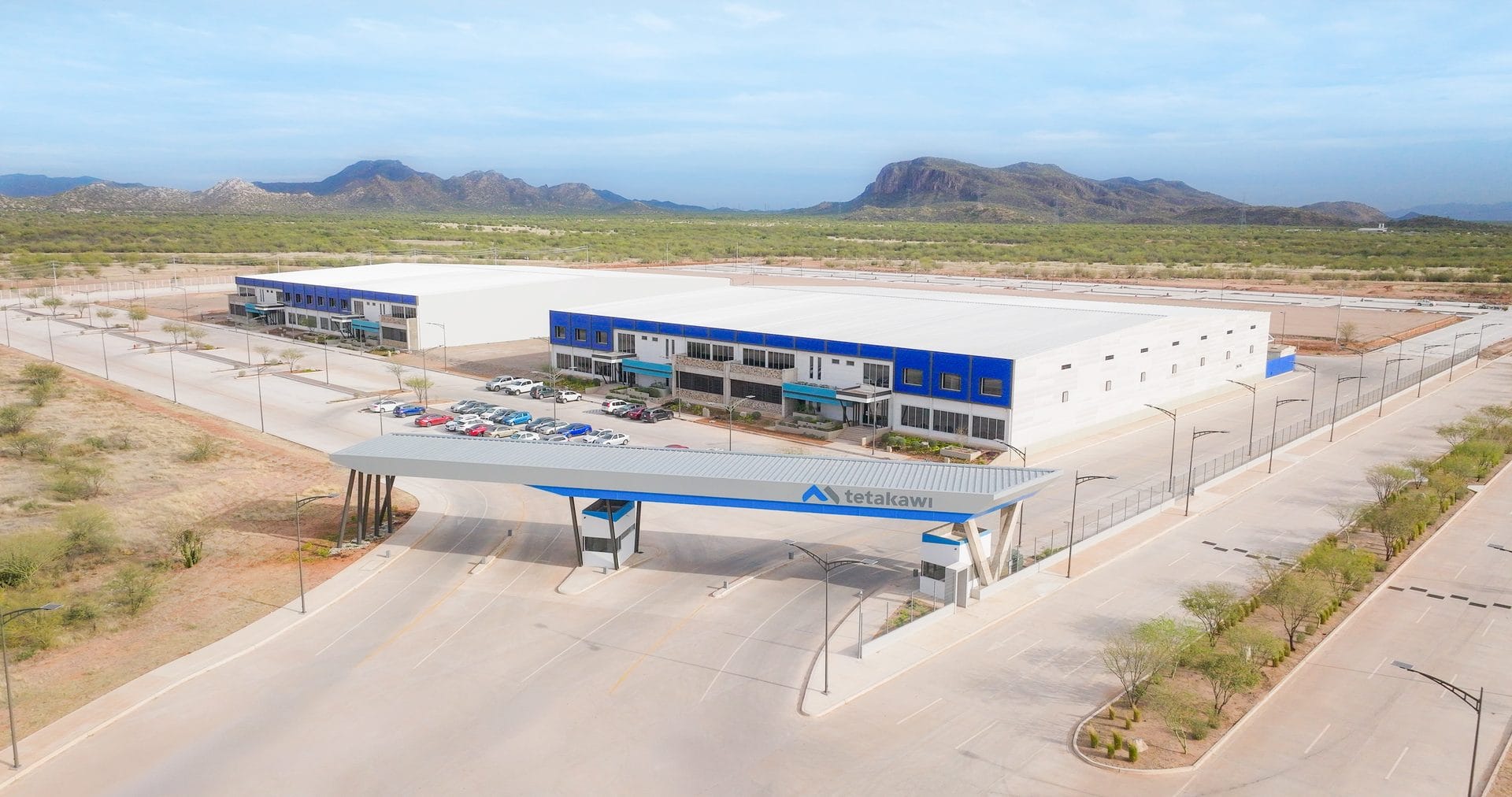
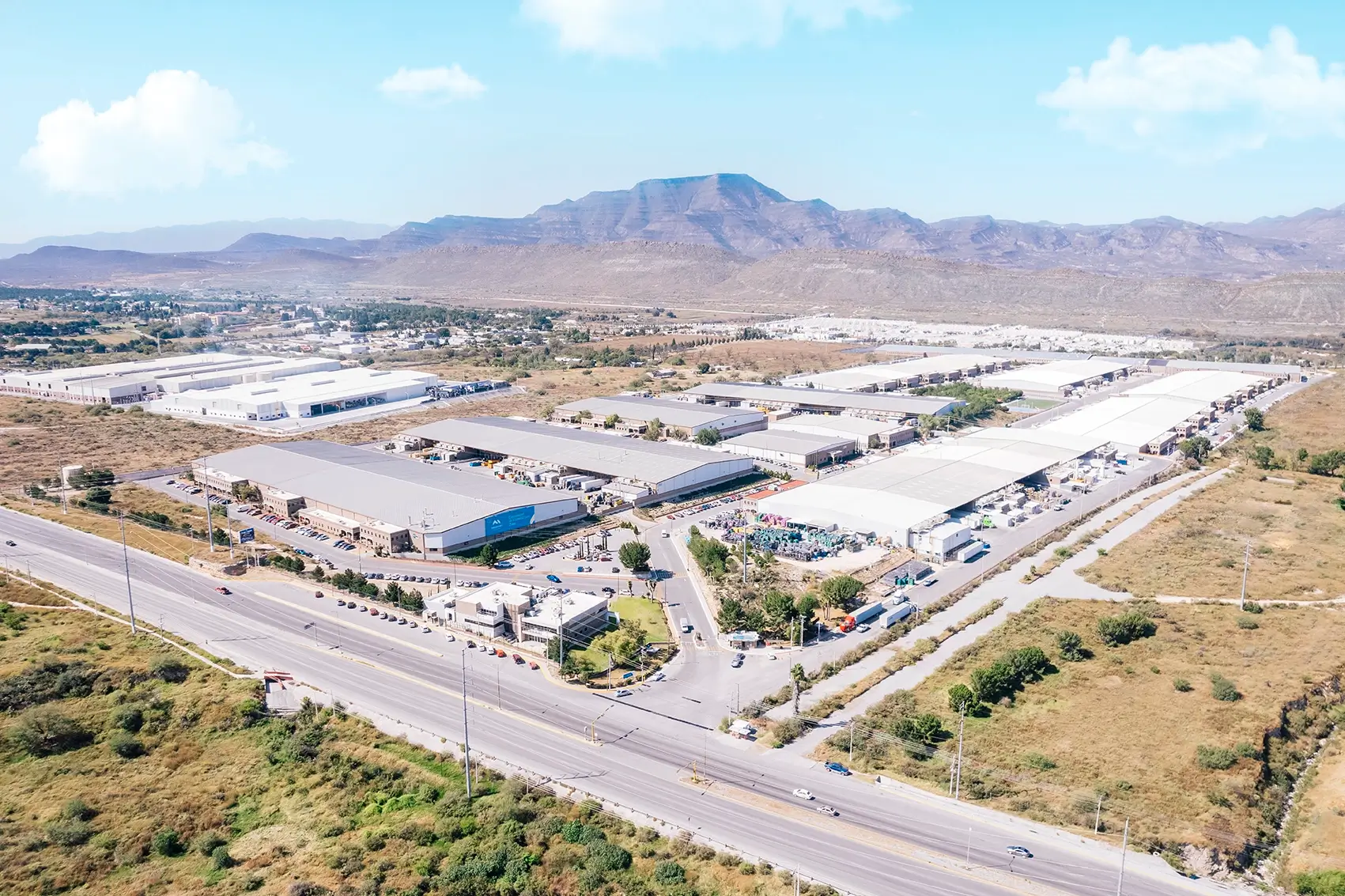
The table below shows the average starting rate for four roles, on the 46-hour week, across the five Campuses: Saltillo, Coahuila; Hermosillo, Guaymas and Empalme, Sonora; and Mazatlán, Sinaloa. All five sit away from the border, with Saltillo in the Coahuila corridor, Hermosillo inland, and Guaymas, Empalme and Mazatlán on the Pacific coast.
| Role | Mexico, avg. starting rate, fully fringed (USD/hr) | U.S. equivalent, fully loaded (USD/hr) | Mexico is lower by |
|---|---|---|---|
| Unskilled operator | $5.19 | $32.12 | 84% |
| CNC machinist | $11.17 | $42.25 | 74% |
| Manufacturing engineer | $18.84 | $73.68 | 74% |
| Production manager | $38.87 | $90.67 | 57% |
How these figures were built
Mexico: the average starting rate across the five Tetakawi Manufacturing Campuses, a simple average rather than any one Campus; each Campus page carries that Campus’s own figure, and a custom analysis returns each Campus separately. Fully fringed employer cost, USD per scheduled hour, October 2026, at 18.5 pesos to the dollar, on the 46-hour week that takes effect January 1, 2027; scheduled hours include paid vacation and holidays. On today’s 48-hour week the same monthly cost spreads over more hours, so the hourly figure runs about 4% lower.
United States: the BLS median hourly wage for each role (OEWS, May 2025: assemblers and fabricators, machinists, industrial engineers, industrial production managers), multiplied by 1.496, the manufacturing ratio of total compensation to wages in the BLS Employer Costs for Employee Compensation, June 2026. The full role-by-role table is in Manufacturing Labor Costs in Mexico: 2026 Wage Benchmarks; the U.S. method is in Average Labor Costs in Mexico vs. United States.
What the gap looks like by role
Read the shape of the table first, before any one cell. The gap is widest for operators and narrows as the role becomes globally mobile. Plan for that compression when you model your role mix. For example, a plant with a heavy engineering head count saves less than the operator line suggests.
How Do These Numbers Compare to National Data?
The national figure and the employer cost measure different things. IMSS’s $1,100 a month is the worker’s registered pay, averaged over every job in the formal economy. The figures in this post are one role’s fully fringed employer cost, the wage plus the statutory benefits and contributions. Per month on the 46-hour week, that is about $1,030 for an unskilled operator, $3,760 for a manufacturing engineer and $7,750 for a production manager.
| The figure you will see | USD a month | Who is in it |
|---|---|---|
| Average registered salary in Mexico (IMSS, Aug 2026) | ~$1,100 | Every formal job in the country; the worker’s registered pay |
| Unskilled operator, employer cost (Tetakawi Campuses, Oct 2026) | ~$1,030 | One role; wage plus the statutory benefits and contributions |
| Manufacturing engineer, employer cost | ~$3,760 | One role; wage plus the statutory benefits and contributions |
| Production manager, employer cost | ~$7,750 | One role; wage plus the statutory benefits and contributions |
So the national average lands near the operator’s employer cost, and an engineer or a manager costs several times it. Salary sites and the OECD add further versions, each counting different people in different units. That is why a search for the average wage in Mexico returns several answers that disagree. A cost model needs the role, the Campus and the full employer cost, set beside the same figure for your current plant. How Wages Are Calculated in Mexico: Daily Pay, Benefits and Payroll Contributions works through how a daily wage becomes an hourly employer cost.
How Do Average Wages Vary by Region in Mexico?
The border pays most. Its 2026 minimum wage is 40% above the general zone, and manufacturing wages follow it, because hundreds of maquiladoras compete for the same workers. Beyond the border, however, the local cluster and the cost of living set the rate. Monterrey and the Bajío carry their own premiums for experienced technical people. The Tetakawi Campuses sit in Coahuila, Sonora and Sinaloa, in the general minimum wage zone, outside both the border premium and the Monterrey market.
Skill moves the rate too. A CNC machinist who can program, set up and troubleshoot commands one rate in a corridor where the trade is established and another where it is new. So the question for a shortlist is which corridor can staff your process mix at a rate that holds through a second shift.
The 2026 wage benchmarks carry the role-by-role table. For a specific Campus, see Zapa in Saltillo, Rio Sonora in Hermosillo, Roca Fuerte in Guaymas, Bella Vista in Empalme and Mazatlán.
What Is the Difference Between Base Wage and Fully Fringed Cost?
The two layers behind a fully fringed figure are where the national average and the employer cost part ways. In Mexico, pay is set and quoted in pesos per day, as a rule, not per hour as in the United States and Canada, and the daily wage is paid for all 365 days of the year, rest days and holidays included. Mexican law then adds them to that daily wage. For a plant that pays a worker 400 pesos a day:
- What Mexican law says the worker is paid
- The daily wage for every day of the year, plus the cash benefits the Federal Labor Law requires of every employer in Mexico. Aguinaldo is at least 15 days’ pay, due by December 20, so the 400-peso plant pays a worker with a full year of service 6,000 pesos every December on top of the wage. Vacation is 12 working days once the first year of service is complete and 14 after the second, already inside the 365 paid days, with a premium of at least 25% on the pay for those days.
- What every employer in Mexico pays the government
- Social security (IMSS) across its branches, a housing contribution (INFONAVIT) of 5% of the integrated daily wage (salario base de cotización), which is the daily rate plus a daily share of aguinaldo and the vacation premium, and a state payroll tax (ISN) of about 2% to a little over 4% depending on the state. So the cash benefits in the first layer also raise the amount the contributions are charged on, up to the cap the Social Security Law sets. On the same 400-peso day, INFONAVIT alone comes to about 21 pesos.
From a daily wage to an hourly cost
The hourly rate is the last step, and the denominator decides more than any other number in the model. Because pay is daily, the hourly cost is the annual cost divided by the hours on the schedule: on the 46-hour week, 2,392 a year by the standard 52-week payroll convention. Divide the 400-peso day by an eight-hour shift and you get 50 pesos an hour. Divide the same wage, paid for 365 days, by the 2,392 scheduled hours and you get 61, because the paid rest days are not in the denominator. That is more than a fifth on the wage alone, before either layer goes on top. Every Mexico employer-cost figure in this post is built the second way.
A salary site shows you the wage, the monthly figure quoted to a worker. Your cost sits at the end of both layers and the conversion, and a fully fringed figure is measured there. The same is true on the U.S. side. Take a U.S. assembler at the $21.47 median hourly wage (BLS, May 2025), add Social Security, workers’ compensation, health insurance, retirement and paid leave at the BLS manufacturing ratio for June 2026, and the employer pays about $32 an hour. The full build in pesos, layer by layer, is in the worked example.
How Have Average Wages in Mexico Changed Over Time?
Those figures are an October 2026 snapshot, and the trend behind them matters for any model that runs past next year. Wages in Mexico have risen sharply since 2019, and the minimum wage is the clearest marker. It went from 102.68 pesos a day in 2019 to 315.04 in 2026, an increase of about 207%, with a double-digit step in the general zone every January. Policy drove most of it, and nearshoring then added to it. The year-by-year table is in the minimum wage post.
Even so, Mexico has kept its cost advantage on wages through that run, for three reasons. U.S. manufacturing wages rose too, and BLS puts average hourly earnings across all manufacturing employees at $36.92 as of September 2026; the $21.47 above is the assembler median, one occupation within that. The exchange rate has moved both ways over the period, so a peso increase does not land one-for-one in dollars. And manufacturing employers were already paying above the minimum, so the increases have reached manufacturing pay more gently than the headlines suggest.
A forward model also needs the workweek reform. A constitutional reform published March 3, 2026 cuts the standard workweek from 48 to 40 hours at no reduction in pay, stepping down two hours each January until 2030. Because pay is daily, the same wage buys fewer hours each year, and the cost per hour rises unless productivity or shift design absorbs it. The figures in this post are already on the 46-hour week. Every figure also moves at the start of the year, when the minimum wage resets in January and the contribution bands follow in February. A multi-year model should carry continued minimum wage growth and the next three steps of the workweek.
What Does Mexico’s Average Wage Mean for Your Manufacturing Decision?
At about $1,100 a month on the IMSS series, the national average says the country is cost-competitive. Your plant’s cost depends on which roles you hire and where you put them. Two plants with the same head count land far apart. One runs three shifts with a large maintenance team; the other runs one shift of assemblers. A region that looks cheaper on the operator line can cost more in practice if it cannot staff your second shift.
The gap itself is wide. On the table above, every Mexican figure is less than half of its U.S. equivalent, and the two direct labor roles are about a quarter or less. One unskilled operator, for example, costs about $12,400 a year on the 46-hour week. The figure for the business case is the average starting rate for each role you will hire, fully fringed, on the 46-hour week.
Three inputs get you to a number you can defend to your board. First, pull the roles for your first year from your own org chart, because the role mix moves the number more than anything else. Second, decide the shift pattern, since the 46-hour week changes the per-hour cost and the overtime rules. Then set the fully fringed figures against your current fully loaded cost, role by role, with the basis stated on both sides. The cost picture beyond labor is in cost and workforce in Mexico and the Cost of Manufacturing in Mexico: Complete Guide. The full table across direct, indirect and salaried positions is in the 2026 wage benchmarks, and the U.S. comparison works through the U.S. side. For workforce availability, download our guide to solving the manufacturing labor shortage.
Frequently Asked Questions
What is the average hourly wage in Mexico in 2026?
Pay in Mexico is set by the day, so any hourly figure is a conversion. Convert the IMSS average registered salary of 673 pesos a day (August 2026) over an eight-hour shift and you get about 84 pesos, or $4.55, an hour, averaged across every registered job in the country. The employer-cost figures in this post divide by scheduled hours instead, so they are not comparable to that conversion. The average starting rate for an unskilled operator is $5.19 an hour, fully fringed, across the Tetakawi Manufacturing Campuses (October 2026, 46-hour week). A production manager averages $38.87.
How much does a factory worker make in Mexico per month?
The fully fringed employer cost of an unskilled factory operator is about $1,030 a month ($5.19 an hour on the 46-hour week), and about $2,230 for a CNC machinist. Both are average starting rates across the Tetakawi Manufacturing Campuses in October 2026. What a worker is offered is a smaller number that measures something else: a fully fringed figure is the employer’s cost with the benefits and contributions Mexican law requires on top of the wage. The role-by-role employer figures are in the 2026 wage benchmarks.
What is the average salary in Mexico City?
The average salary in Mexico City is well above the national average, because the cost of living is higher and the capital concentrates corporate and financial headquarters. Mexico City falls within the general minimum wage zone (315.04 pesos a day); actual pay in the capital runs well above that floor.
Why are wages in Mexico so much lower than the United States?
Wages in Mexico track a far lower cost of living; housing and food cost much less than in the U.S. The population is younger too, with a median age of 32 against 39, and the peso-to-dollar exchange rate widens the gap in dollar terms. The gap narrows for globally mobile roles. A production manager in Mexico costs a little over 40% of a U.S. counterpart on a fully loaded basis; an operator costs about a sixth.
How do Mexico’s wages compare to China for manufacturing?
China’s 2025 average manufacturing wage is 76,055 yuan a year in private firms and 113,594 in state-owned and other larger enterprises (National Bureau of Statistics). At 6.70 yuan to the dollar (October 2026) that is about $11,300 to $16,900 a year before employer social insurance, and higher on the coast. Those are all-manufacturing averages across every skill level, so set them beside a role-by-role Mexican figure with care. The wage detail is in Manufacturing Wages: Mexico vs. China and the full head-to-head in Mexico vs. China manufacturing.
What is the minimum wage in Mexico in 2026?
Mexico’s 2026 minimum wage is 315.04 pesos a day (about $17) in the general zone and 440.87 pesos (about $24) in the Northern Border Free Zone, effective January 1, 2026. Manufacturing employers, however, pay above these floors. Minimum Wage in Mexico 2026 covers how minimum wage changes move through IMSS contributions, benefits and union contracts.
Before you build the model
Get the figures for your roles, by Campus
Send us the roles and head count for your first year. We will return the fully fringed cost of each role, by Campus, on the basis stated above, laid out beside your own numbers so your team can check the comparison. Tetakawi has helped companies manufacture in Mexico since 1986.
Subscribe to stay up to date with our latest insights