Our Story
Learn our story, leadership, and mission shaping manufacturing in Mexico.

For manufacturers serving North America, Mexico now wins on landed cost, lead times, and tariff treatment under USMCA. China keeps the edge in deep component ecosystems and Asia-facing production.
Duties, spot rates and 30-day ocean transits now move faster than a China-based plan can absorb, and the North American customer is the one waiting. Most manufacturers do not need to leave China entirely: they need the North American volume out of the tariff line.

Comparison
Compare labor cost, component ecosystem, speed to market, U.S. market access, and operational oversight.
| China | Mexico | |
|---|---|---|
| Labor Cost | China About $5.30 an hour for production roles in gross wages, before employer charges | Mexico Unskilled from about $4.33, skilled trades from about $7.74, fully fringed |
| Component Ecosystem | China The world's deepest component base, especially electronics | Mexico Growing clusters; most manufacturers we support keep Asian component sources at first |
| Speed to Market | China 27 to 36 days to Southern California, longer inland | Mexico One to five days by truck to U.S. markets |
| U.S. Market Access | China Calculated duties averaged 22.8% of customs value in July 2026 | Mexico 3.0%, and USMCA-qualifying goods pay no ordinary or Section 301 duty |
| Operational Oversight | China Across a 12-to-16-hour time difference | Mexico Same business hours, same-day flights |
Testimonials
Manufacturers producing in Mexico gain shorter supply lines, USMCA access to U.S. customers, and oversight in their own business hours. Here is how some of the 60+ manufacturers operating on Tetakawi Campuses describe it.
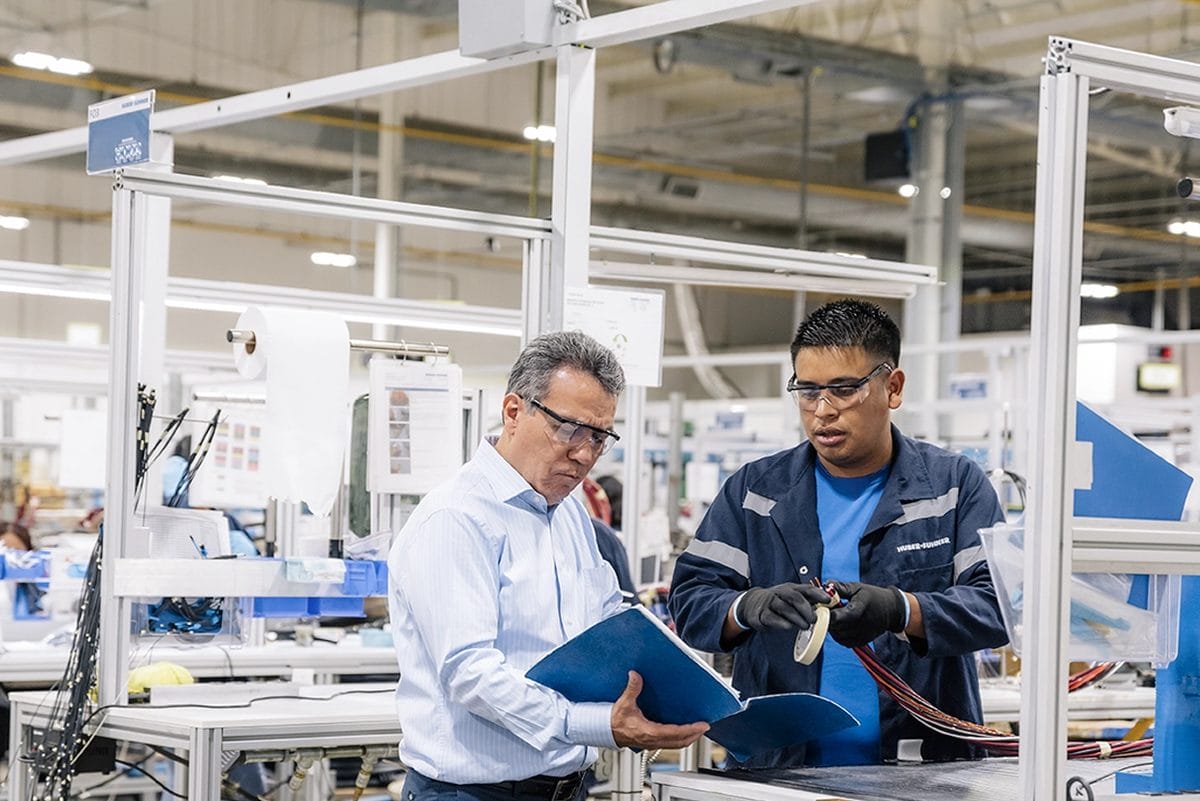

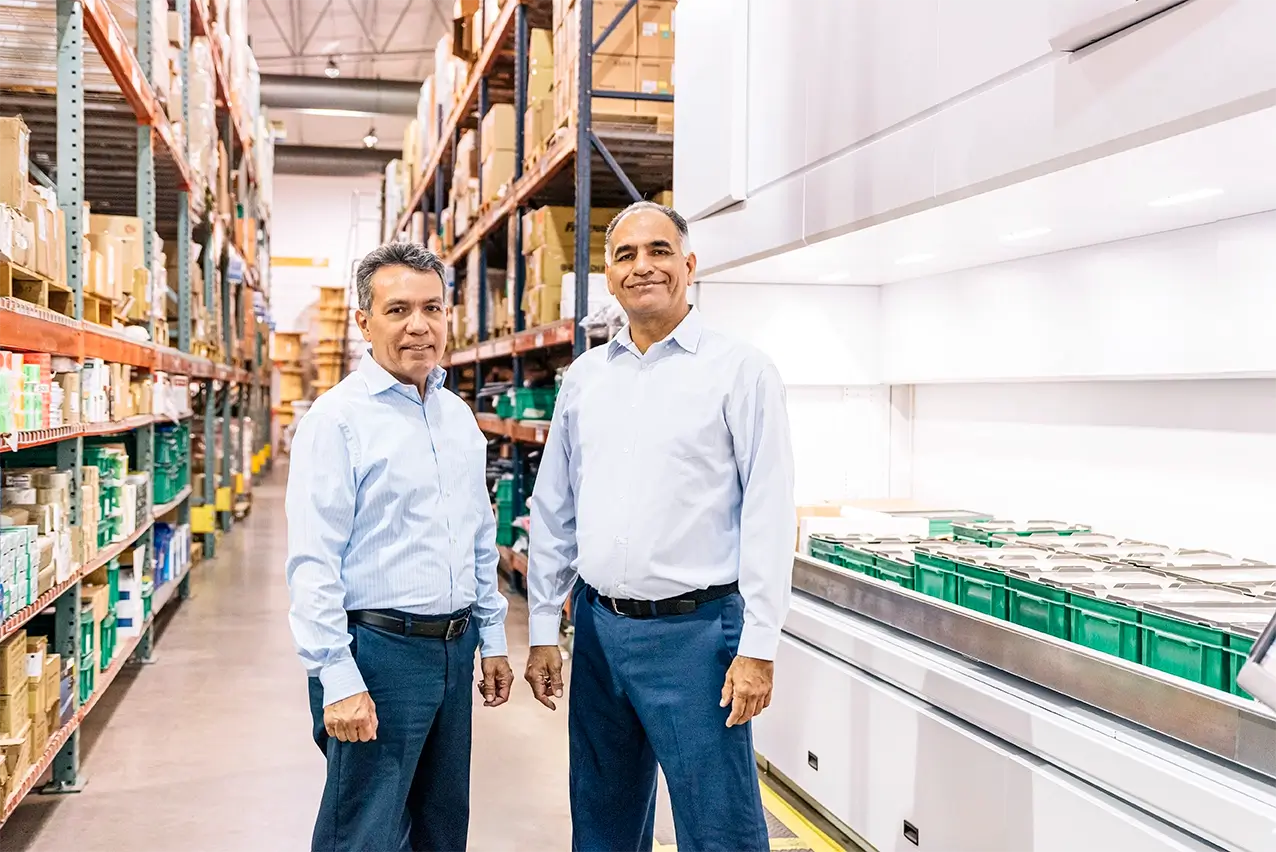
Carlos Rivera, Plant Manager, HUBER+SUHNER
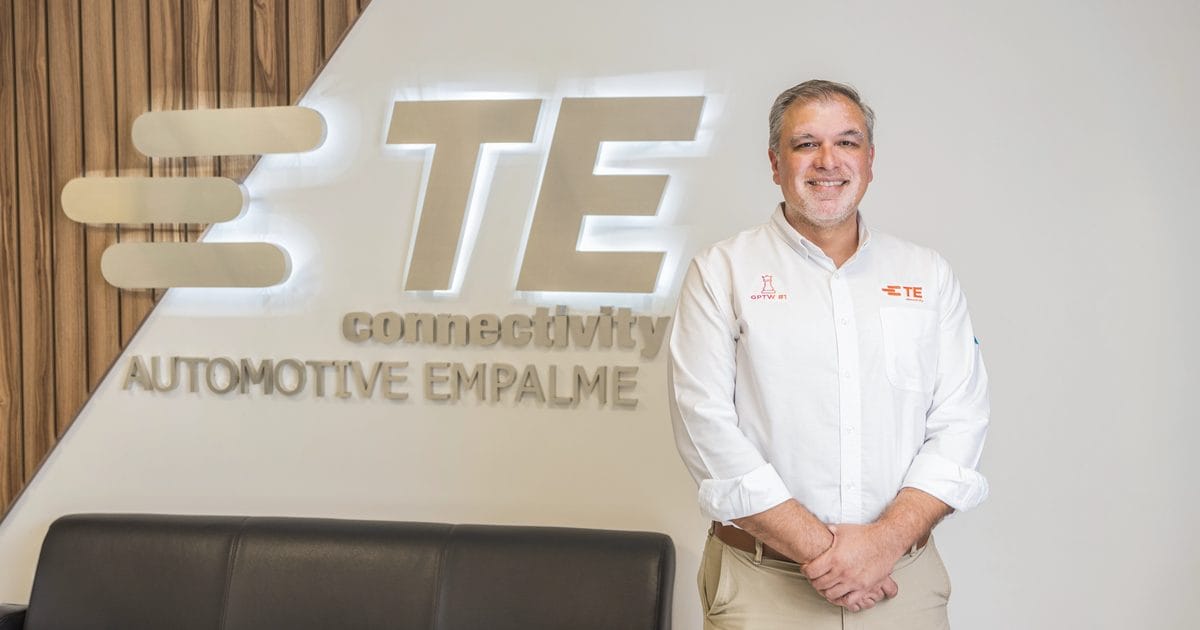

Ricardo Gómez, Director of Operations, TE Connectivity
Campus Pillars
Predictable manufacturing in Mexico requires reliable space, people, logistics, and compliance. On a Tetakawi Campus, one partner runs all four, so you don’t have to coordinate a patchwork of vendors.
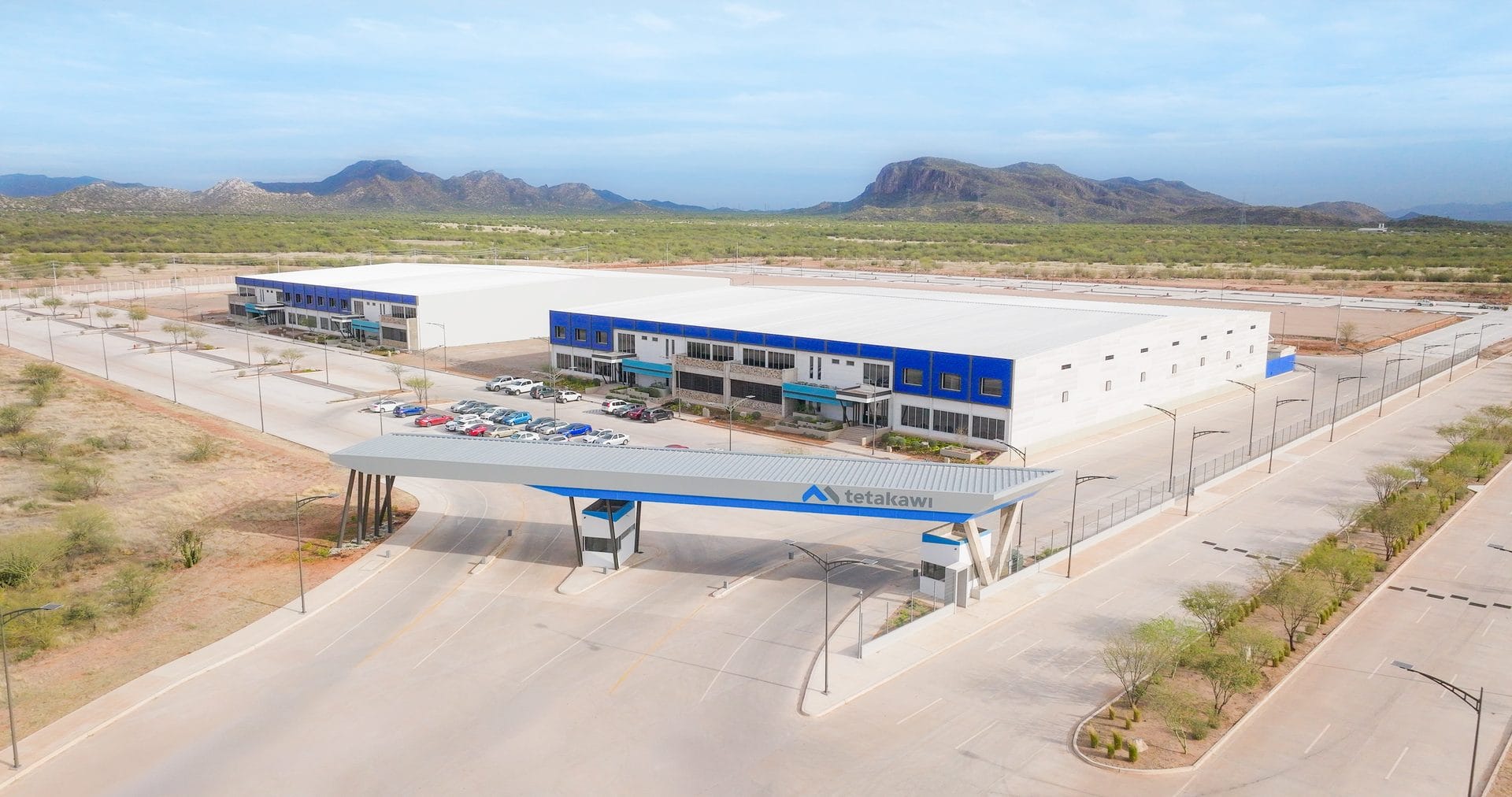
Set up in a Class A building on a Tetakawi Campus, move-in ready or adapted to your process. Tetakawi runs the Campus and maintains the buildings, so the building is never your project.
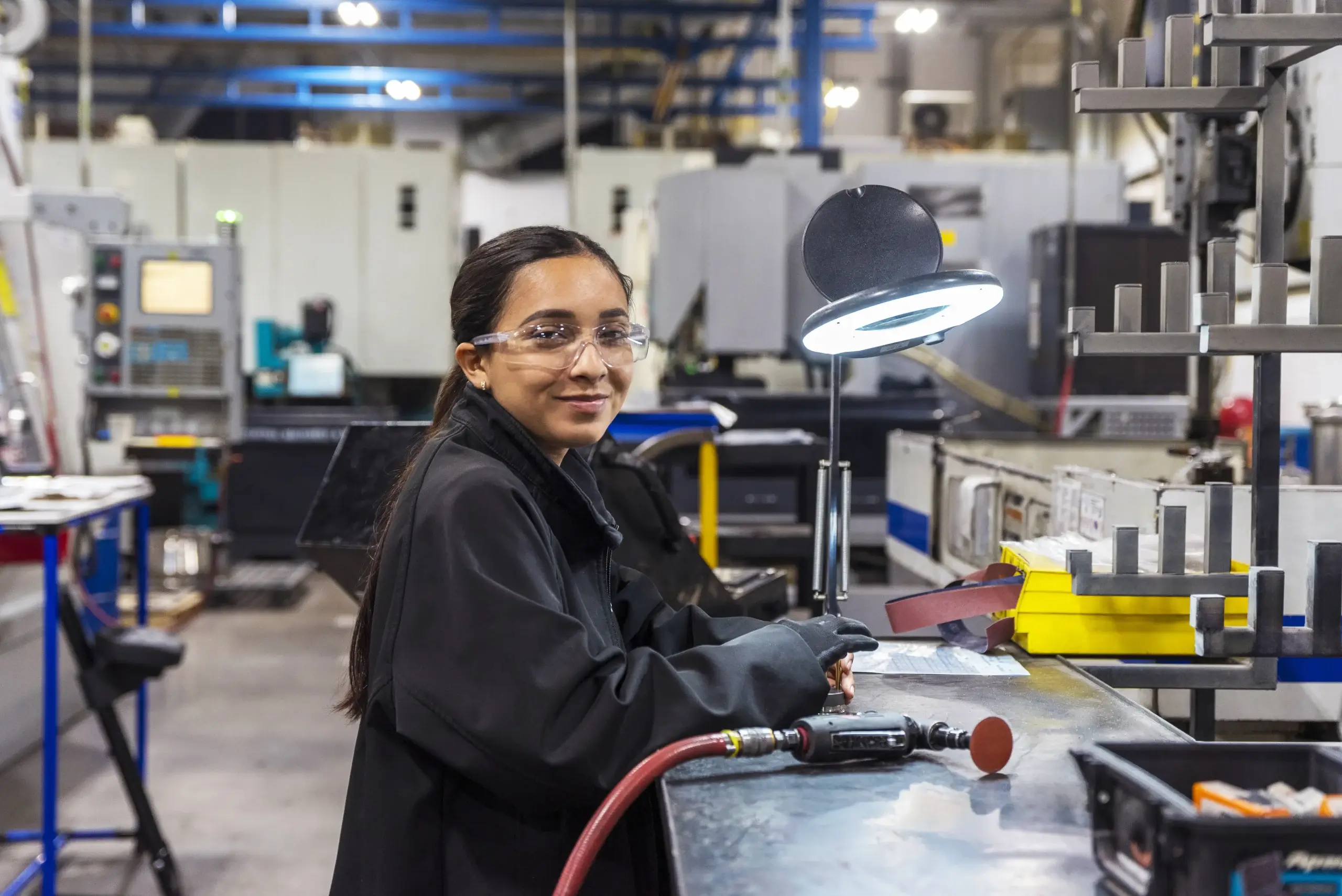
Define the roles and the standards, then run the plant. Tetakawi recruits, hires, and employs the people, runs payroll and benefits, and holds the union agreement, so your managers stay on production.
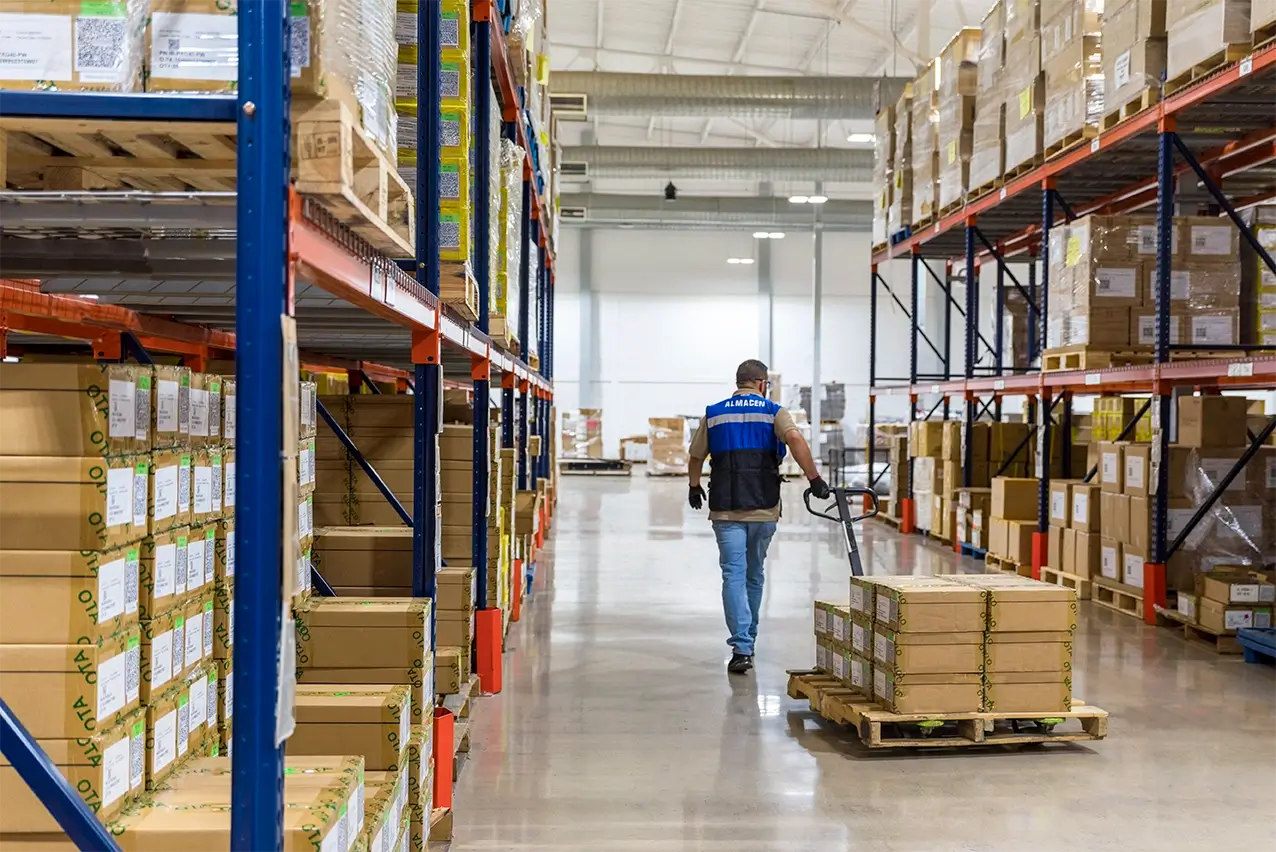
Bring materials in and ship product out with a U.S. broker you select. Tetakawi holds the Mexican import and export permits your shipments move under, and stages your freight at its U.S. cross-docks.
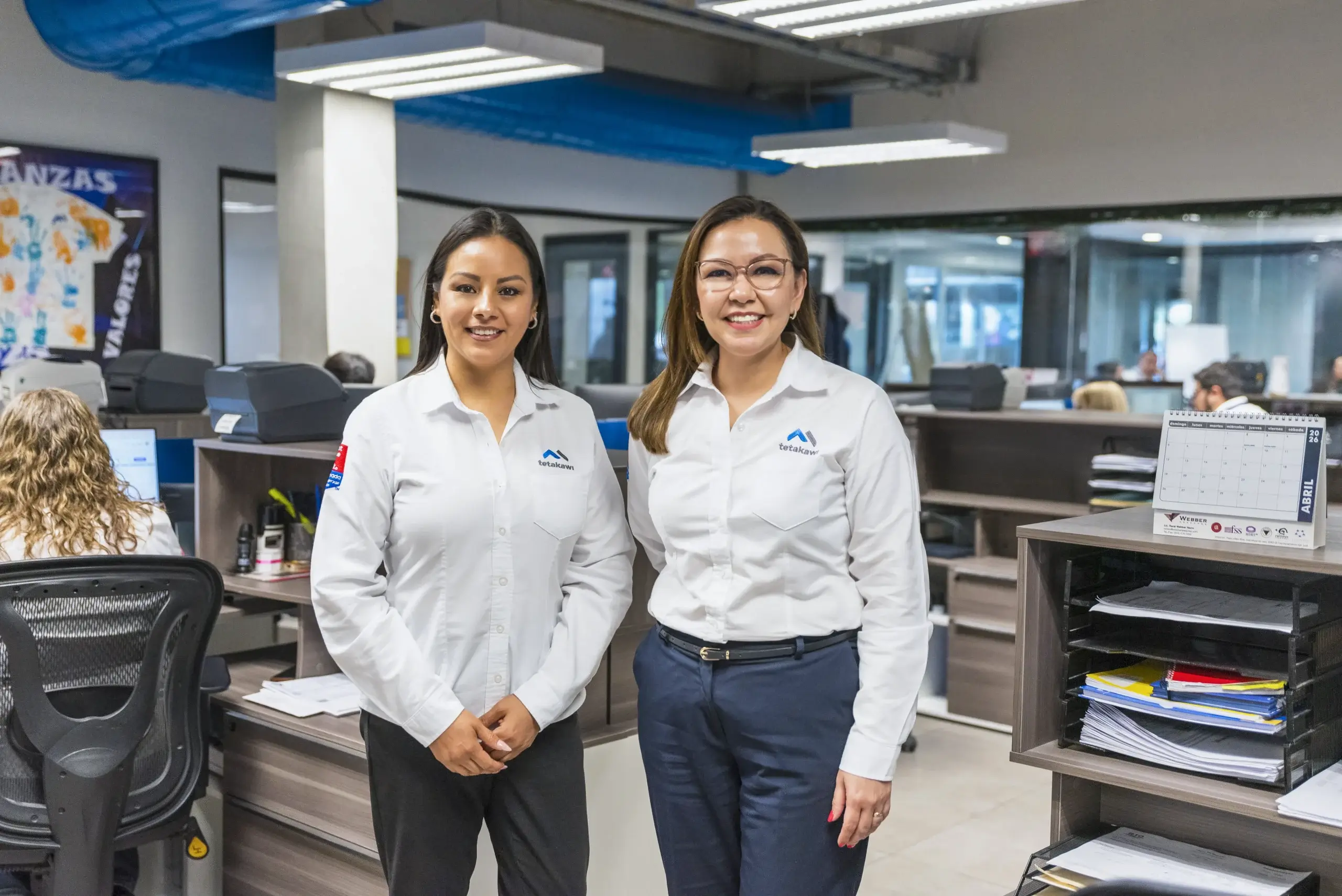
Operate under Tetakawi’s IMMEX shelter program, without forming your own Mexican company. Tetakawi holds the permits and registrations and answers to the authorities for the entity’s filings.
FAQs
Weighing a move out of China, or deciding where your next plant goes? The questions we get most often from manufacturers comparing their options.
Tariffs and volatility.
In July 2026, a month that straddled the July 24 change in U.S. duties, calculated duties on Chinese-origin goods averaged 22.8% of customs value against 3.0% for Mexico on the same basis. The 3.0% is the average across all Mexican goods; goods entered under USMCA, about 83% of Mexican import value that month, pay no ordinary duty and no Section 301 duty. Section 232 sectoral tariffs and antidumping or countervailing duties still apply where they cover the product. Through July 2026, China supplied 7.5% of U.S. goods imports, down from 13.5% in 2024 and the lowest share since the late 1990s, while Mexico has been the largest U.S. trading partner every year since 2023. Whether your own products qualify under USMCA is the next question, and it is the one that decides the size of the saving.
For products serving North America, usually yes, once landed cost is counted.
On a Tetakawi Campus, direct labor starts at about $4.33 per hour fully fringed for unskilled positions, rising by role and Campus (at 17.5 pesos per dollar and Mexico’s 48-hour statutory week, the basis our 2026 labor-cost model uses), against average gross wages of about $920 a month for production staff in Chinese manufacturing enterprises above the designated size in 2025, at the 2025 average yuan rate; across all manufacturing roles in urban non-private units the figure was about $1,320. The Tetakawi figures are starting points, and they exclude overtime, shift premiums, indirect labor and project-specific operating costs. The NBS figures are gross wages: they leave out the employer’s social insurance and housing-fund contributions, which are set city by city and add materially to the cost. On direct labor alone the gap between the two countries is narrow. The saving is in duties and freight.
It depends on the product-specific rule of origin.
A tariff-shift test, a regional value content threshold, or both, plus labor value content for vehicles. Goods entered under USMCA pay no ordinary duty and are exempt from the 10% Section 301 duty; goods that do not qualify, or for which no USMCA claim is made, pay the ordinary duty plus 10%. Section 232 sectoral tariffs apply regardless where they cover the product. It is one of the first analyses we run with a prospective client.
Not completely, and for many products it does not need to.
China still holds the world’s deepest component ecosystem, especially in electronics. Most manufacturers we support keep their Asian component sources at first and localize over time as Mexico’s clusters in automotive, aerospace, and medical devices keep growing: U.S. goods imports from Mexico rose from $503 billion in 2024 to $534 billion in 2025, while imports from China fell from $440 billion to $309 billion.
In as little as 30 days, on any of the five Campuses.
The building, workforce systems and legal framework already exist, so a well-prepared operation can get started in as little as 30 days. Most operations go from deciding on Mexico to producing in Mexico in three to six months. Building standalone typically takes 8 to 18 months before you can operate. Your timeline depends on your equipment and certifications, and mapping it is part of the evaluation.
Four steps, in order.
1. Get in touch. A conversation about what you are moving and why now: products, volumes, component sources, customers and timing.
2. Measure ROI. First a customs and rules-of-origin analysis, so you know how your products would be treated under USMCA and what tariff exposure remains. Then the cost model for the full operation, direct labor by role, real estate, utilities and freight, set against your China landed cost. Most manufacturers we support keep their Asian component sources at first, and the model says so.
3. Site visit. Walk the Campus, meet the people who would run your account, and talk with manufacturers who made this move.
4. Launch and grow. When you give the green light, the same team that helped you build the case guides the launch, and the people who run the Campus are a phone call or a short walk away.