

USMCA Compliance for Manufacturing in Mexico: What to Resolve Before You Invest
9 min Read
Key Takeaways
- A plant in Mexico does not make your product USMCA compliant. Its materials, the work done in Mexico and its rule of origin decide.
- Assuming duty-free entry? Since July 24, 2026, many products of Mexico entered without a valid USMCA claim face an additional 10% Section 301 duty.
- Components from China do not rule a product out. It can qualify if the finished product meets its product-specific rule of origin.
- A review starts with your bill of materials, supplier origin records, classifications and process description, so decide early who supplies each one.
- On a Tetakawi Manufacturing Campus, you run the factory while Tetakawi's trade team keeps the Mexican customs record current from the data you supply.
Jump to Section
Building a plant in Mexico does not make what it ships USMCA compliant. USMCA compliance for a finished product depends on three things: the materials you buy, the work you perform in Mexico and the product’s rule of origin. Put that answer in the business case before you commit capital.
Since July 24, 2026, a U.S. Section 301 action has applied an additional 10% duty to many products of Mexico. Goods that enter duty free under a USMCA claim are exempt. Goods covered by Section 232, such as steel, aluminum, copper, vehicles and auto parts, are excluded from the Section 301 duty, and their Section 232 treatment applies instead. A business case that assumes duty-free entry is assuming a qualification someone still has to check.
That check is worth doing early, and it can sharpen the opportunity. A product that qualifies, and is properly entered under the agreement’s preference, enters the United States free of the ordinary duty. Section 232 or antidumping duties can still apply. A product that falls short may qualify with a sourcing or process change. That change is easier to make on paper than after the line is built. Customs due diligence gives you the answer while the plan can still move.
USMCA compliance depends on the product, not the plant
Start by defining the production plan. Identify the finished products, the components they contain and the manufacturing steps planned for Mexico. If the project covers a new line or selected North American volume, use that scope rather than treating the whole company as one case.
A description such as “assembly in Mexico” leaves the important questions open. Explain what arrives at the plant, what happens to it there and what leaves as the finished product. Where products or variants use different materials or processes, describe each one.
For exports to the United States, a USMCA claim depends on whether the finished product meets the agreement’s rules of origin. Those rules allow materials from outside North America when the product meets its product-specific rule. That rule is listed by the finished product’s tariff classification. Depending on the product, it can require the outside materials to change tariff classification, a minimum regional value content, a specific process, or a combination. Vehicles and auto parts carry additional requirements.
So a Chinese component does not settle the answer by itself. The work that turns those materials into the finished product must happen entirely in the United States, Mexico or Canada, but that does not settle it either. The product and its rule need to be reviewed together.
And USMCA origin is not the only origin question. Separate U.S. country-of-origin rules decide how the goods are marked and whether country-specific duties such as Section 301 apply, and those rules use their own tests. A product shipped from Mexico can still be treated as a product of another country under them. A label such as “assembled in Mexico” settles neither question, which is one more reason to describe the actual process carefully.
Inputs, production and export each need an answer
Customs questions come up at three points in the production flow:
| Point in the flow | Question to resolve |
|---|---|
| Materials and equipment entering Mexico | What import treatment, duties, taxes, registrations or permits apply under the way the operation is set up, including whether the goods can enter temporarily under an IMMEX program? |
| Production in Mexico | What do the materials and manufacturing steps mean for the product’s rule of origin? |
| Finished goods entering the United States | What tariff treatment applies, what supports a USMCA claim, and which other duties or requirements need separate consideration? |
Keep all three in the business case. USMCA compliance for the finished product does not answer every question about importing its inputs into Mexico.
Since January 1, 2026, Mexico has charged higher general import duties on many goods from countries without a trade agreement with Mexico. Inputs from those countries need their own review. A temporary import under IMMEX does not settle that on its own. When the finished goods are exported to the United States or Canada, USMCA limits how much Mexican duty on inputs from outside North America can be waived or refunded.
Record the date of the analysis and the assumptions behind it. USMCA remains in force, and its current term runs to 2036. It was not extended at the July 2026 joint review, and the three countries now review it every year. If your investment decision takes several months, confirm the treatment again before the next commitment. If the economics hinge on an open question, ask your team to model each likely answer.
What a review needs, and who holds it
The first conversation can start with your product and your plans. A detailed review needs a fuller picture. Agree on confidentiality before you share sensitive product information.
| Information | What it tells the reviewer | Likely owner |
|---|---|---|
| Finished-product description, use and specifications | What is being evaluated, and whether different products need separate treatment | Engineering or product management |
| Bill of materials, with quantities and costs where needed | Which inputs make up the product, and the data for the applicable rule | Engineering, purchasing and finance |
| Component origins and supplier information | What the sourcing plan can back up | Purchasing and suppliers |
| Current tariff classifications and their basis | Which classifications can be checked, and where more work is needed | Your trade compliance lead or customs broker |
| Description of the manufacturing process | What changes between the incoming materials and the finished product | Manufacturing engineering |
| Planned shipping flows and destinations | Which border movements the review must cover | Logistics and operations |
Treat this as a starting list. Your reviewer will confirm what your products need. Flag gaps early so they can be filled or noted as a limit on the findings.
That same information later supports the claim itself. Under USMCA, the importer, the exporter or the producer can complete the certification of origin. It has no prescribed format, but it must include a minimum set of details the agreement lists. Whoever claims or certifies keeps the supporting records for at least five years, and U.S. Customs can verify a claim after entry. The importer that makes the claim answers for it, whoever signed the certification.
Change the plan while it is still on paper
A useful review says which products it covered, what it found and what is still open. If a conclusion depends on a supplier statement or a specific process step, the review says so right beside it.
Then connect the findings to the decision. Does the current plan support the expected economics? Would a different source for a material justify a closer look? Is a proposed production step still worth it once its equipment, staffing and quality requirements are counted?
Test each change with the people who would make it: purchasing and quality for a new source, engineering for a new process step. Then show finance which costs and assumptions moved, so the business case reflects the plan you would actually build.
Keep the answer true after launch
Once the project moves ahead, the approved product information has to reach the people responsible for shipments and customs records. Decide who provides it, who reviews it and how later changes will be communicated.
Consider a component substitution. Purchasing finds a suitable replacement, and engineering approves its performance. Your trade team still needs the updated information to judge whether the change affects the origin analysis or the records used for shipments. Not every substitution changes the result, but every one should reach the people who can tell.
That same discipline connects the production schedule to the logistics plan. Equipment arriving for installation and components arriving for production can have different documentation and handling needs. Plan those movements against the installation and production dates.
What Tetakawi handles, and what stays with you
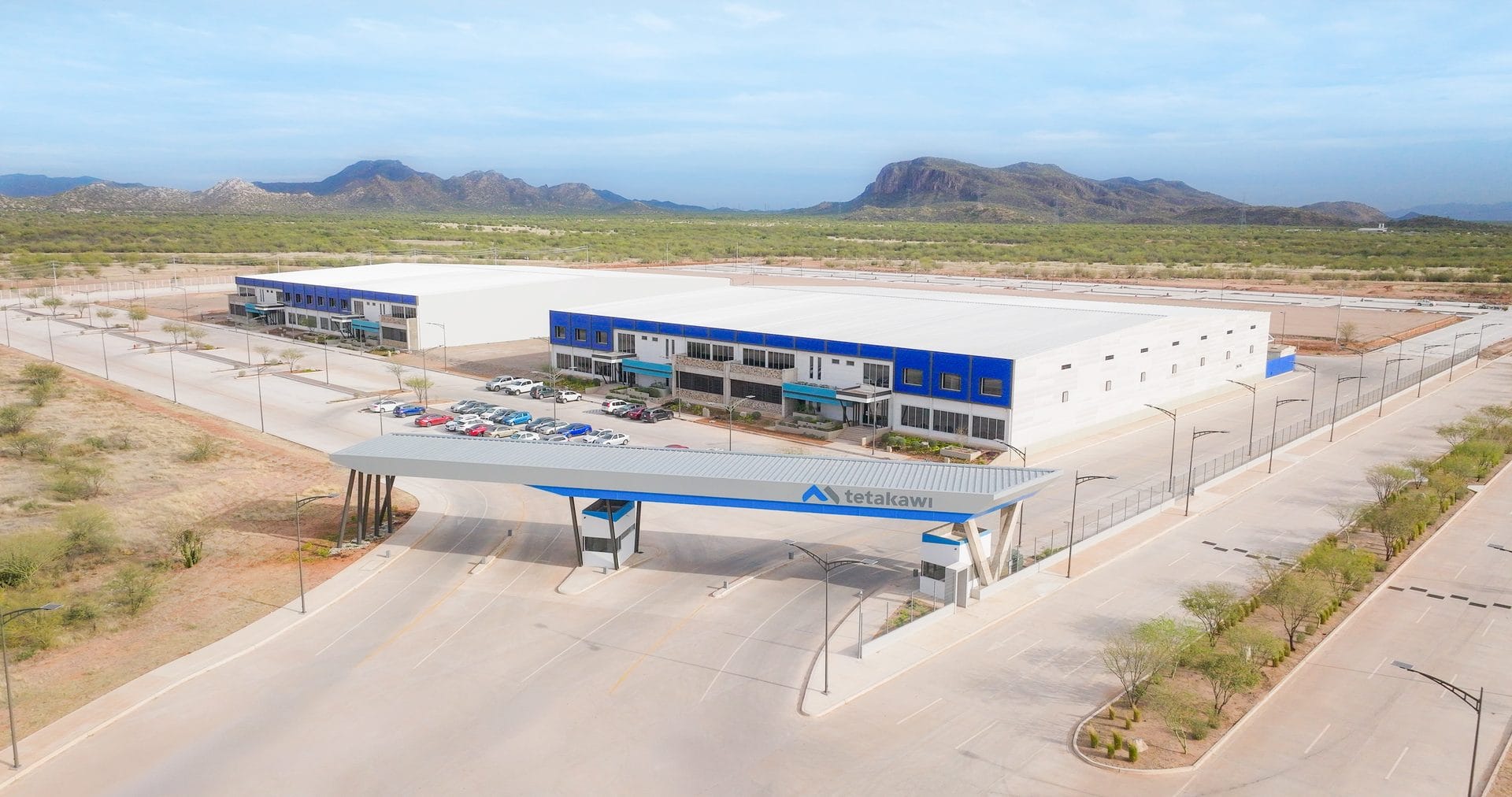
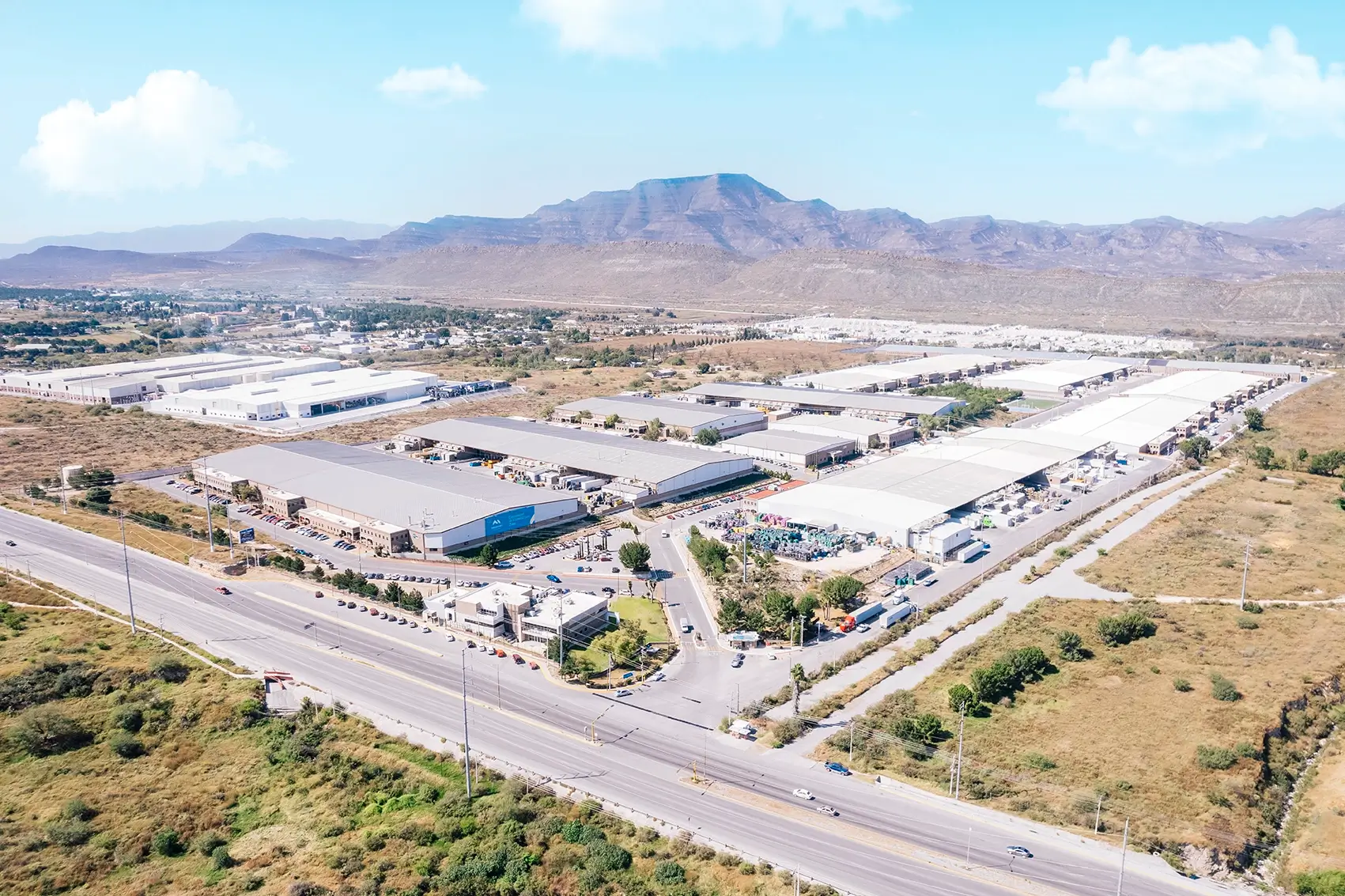
Tetakawi has helped companies manufacture in Mexico since 1986. On a Tetakawi Manufacturing Campus, you run your own factory. You control production, process and quality. A Campus adds established industrial space, shared infrastructure and an on-site support organization. Tetakawi provides the agreed supporting work.
Two Campus services matter most here. The first is logistics infrastructure. Equipment imports are planned with your carriers alongside the building schedule, and cross-docks in Tucson and McAllen serve the Campuses nearest to them. Before you sign, the Campus trade team works with you and the customs broker on which of your products may need a special permit.
The second is import and export operations. In Mexico, the importer and exporter of record is on Tetakawi’s side of the arrangement; entering the United States, your company is. Tetakawi’s team builds your customs record from the part data you supply and updates it with the changes you report. The Annex 24 guide explains how that inventory record ties temporary imports to production.
That record is where the component substitution above shows up. You report the change, Tetakawi’s team updates the Mexican record, and your trade team can judge whether it affects the origin analysis. As part of a Mexico evaluation, Tetakawi works through the customs and trade questions around the proposed operation with your team and your advisors. That way, open questions have an owner before launch.
Start with the operation you want to build
If Mexico is part of your capacity or supply-chain plans, begin with the product, the work you intend to perform there and the markets you need to serve. Tetakawi can help you see how those plans fit a Manufacturing Campus and which customs questions need a closer review.
Plan your operation in Mexico
Tell us what you would make there and where it will ship. We will walk through how a Campus would support that operation and which customs questions to look at first.
Frequently Asked Questions
Can a product with components from China be USMCA compliant?
A product with components from China can be USMCA compliant if the finished product meets its product-specific rule of origin and the agreement’s other requirements. USMCA allows materials from outside North America in that case. Whether a given product qualifies depends on that rule, the materials and the work performed in North America. How those components are treated when they enter Mexico is a separate question.
Does a USMCA-compliant product from Mexico pay the Section 301 duty?
A product of Mexico that enters the United States duty free under a USMCA claim does not pay the Section 301 duty. The additional 10% duty, in effect since July 24, 2026, exempts those entries, so plan to make and support the claim when the goods enter. Goods covered by Section 232, such as steel, aluminum, copper, vehicles and auto parts, are excluded from the Section 301 duty, and their Section 232 treatment applies instead.
Does an IMMEX program make a product USMCA compliant?
An IMMEX program does not make a product USMCA compliant. IMMEX governs how materials and equipment can enter Mexico temporarily for manufacturing. USMCA compliance depends on the finished product’s rule of origin. An export plant in Mexico may use both, and each needs its own answer.
Subscribe to stay up to date with our latest insights