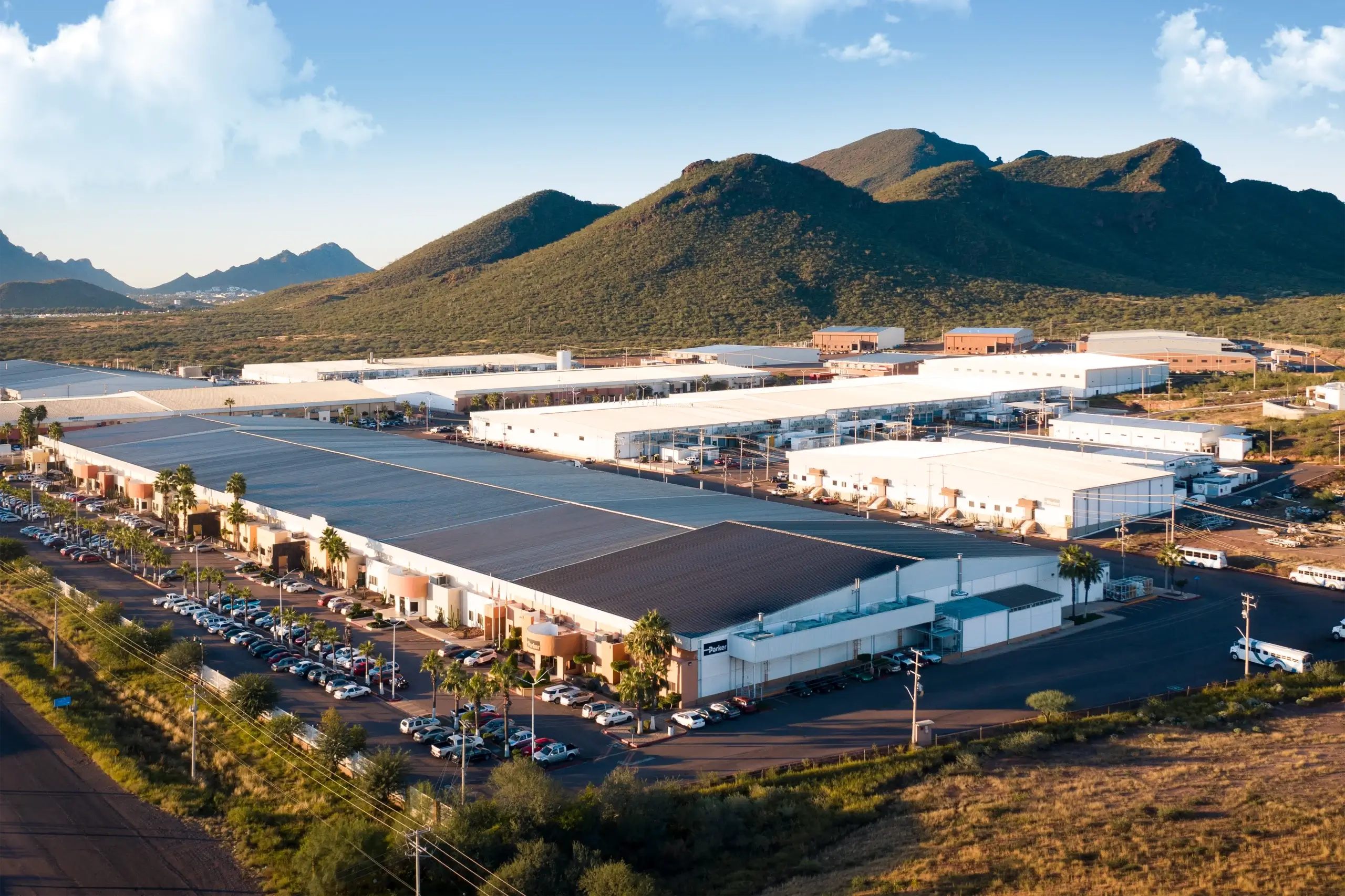
Manufacturing in Sonora: Why, Where and How to Plan Your Launch
8 min Read
Key Takeaways
- If your customers or suppliers are in Arizona or California, Sonora puts your plant within trucking distance, on Arizona's clock all year.
- In mid-2026, about 280,000 people worked in manufacturing in Sonora, from aerospace in Guaymas and electronics in Empalme to automotive in Hermosillo.
- Federal Highway 15 and Ferromex rail run north to the border, where trucks moved about $25 billion of freight through Nogales, Arizona in 2025.
- On Tetakawi's three Sonora Campuses, in Guaymas, Empalme and Hermosillo, recruiting and trade compliance run through Tetakawi's Mexican operations while you run the plant.
- Cost, freight, the workforce your process needs and your production date decide whether Sonora fits, and most can be answered before a site visit.
Jump to Section
U.S. manufacturers usually start looking at manufacturing in Sonora for one of three reasons. A customer in Arizona or California wants parts made closer. An aerospace, defense or electronics program in the Southwest needs a supplier within trucking distance. Or a second shift at home can’t be staffed, and the team starts looking at Mexico.
Sonora puts your plant next door to Arizona, on the same clock all year, with highway and rail running north to Nogales. Aerospace and precision parts come out of Guaymas, electronics out of Empalme and vehicles out of Hermosillo, and Tetakawi runs a Manufacturing Campus in each of the three cities. The fit depends on your process, your customers and your freight.
The advantages of manufacturing in Sonora start next door in Arizona
Mexico is Arizona’s top trading partner, and the two state governments have worked together through the Arizona-Mexico Commission since 1959. They also build in the same industries. Arizona ranked among the top five states for aerospace and defense manufacturing jobs in 2025, according to the Arizona Commerce Authority. Across the border, Sonora’s aerospace hubs in Guaymas and Hermosillo focus on avionics, engine components, wiring harnesses and landing gear, the U.S. Commerce Department reported in February 2026.
Electronics follows the same line. According to the Arizona Commerce Authority, TSMC’s investment commitment in Arizona reached $265 billion by July 2026. Arizona also shipped $824 million of semiconductors and other electronic components to Mexico in 2024. A supplier to Arizona’s chip and electronics makers can build in Sonora and stay within trucking distance of them.
Arizona’s hours and the Nogales crossing
A quality engineer in Phoenix and a plant manager in Guaymas start and end the same working day in January and in July. That is because Mexico’s 2022 time zone law keeps Sonora on one time all year, and Arizona, outside the Navajo Nation, doesn’t change its clocks either.
Trucks moved about $25 billion of U.S.-Mexico freight through Nogales, Arizona in 2025, the sixth-largest truck port on the border by value, according to the Bureau of Transportation Statistics. Federal Highway 15 runs north to that crossing, and Ferromex trains run from the Port of Guaymas to Nogales, where they interchange with Union Pacific. Even so, freight clears customs in both directions, so your launch plan has to name who files on each side.
| What you plan around | In Sonora |
|---|---|
| Time zone | Same as Arizona all year (UTC-7) |
| Road | Federal Highway 15 to Nogales, then Interstate 19 for 63 miles to Tucson |
| Rail | Ferromex from the Port of Guaymas to the border at Nogales |
| Commercial crossing | Mariposa port of entry, Nogales, Arizona |
| Air | Nonstop flights between Hermosillo and Phoenix |
| Sea | Deep-water Port of Guaymas on the Gulf of California |
Sonora’s workforce already builds vehicles, aircraft parts and electronic components
For a plant short of people at home, the first number is the size of the labor pool. INEGI’s employment survey counted about 280,000 people working in manufacturing in Sonora in the second quarter of 2026, roughly one in five of everyone employed in the state. Many of them work in export plants. INEGI’s preliminary figures for July 2026 put 214 manufacturing plants in Sonora under Mexico’s IMMEX program, employing about 104,000 people.
Ford anchors Sonora’s automotive industry. Its Hermosillo Stamping and Assembly plant has built vehicles for four decades and today builds the Bronco Sport and the Maverick. In INEGI’s 2024 economic census, transport equipment, which covers automotive and aerospace parts, made up 42% of the value Sonora’s factories added in 2023, ahead of food processing and basic metals.
Guaymas, meanwhile, is one of Mexico’s established aerospace manufacturing clusters. BAE Systems, Kinetic Engine Systems, Pursuit Aerospace and Ducommun produce there today, machining engine components and building harnesses, aerostructures and other aircraft parts.
Electronics is where the state’s factories gained most. Electronic components posted the largest gain in value added of any activity in Sonora from 2018 to 2023, INEGI’s 2024 census results for the state show. Vehicle seats and interiors came next, followed by disposable medical supplies.
Where manufacturing in Sonora happens: Guaymas, Empalme, Hermosillo and Nogales
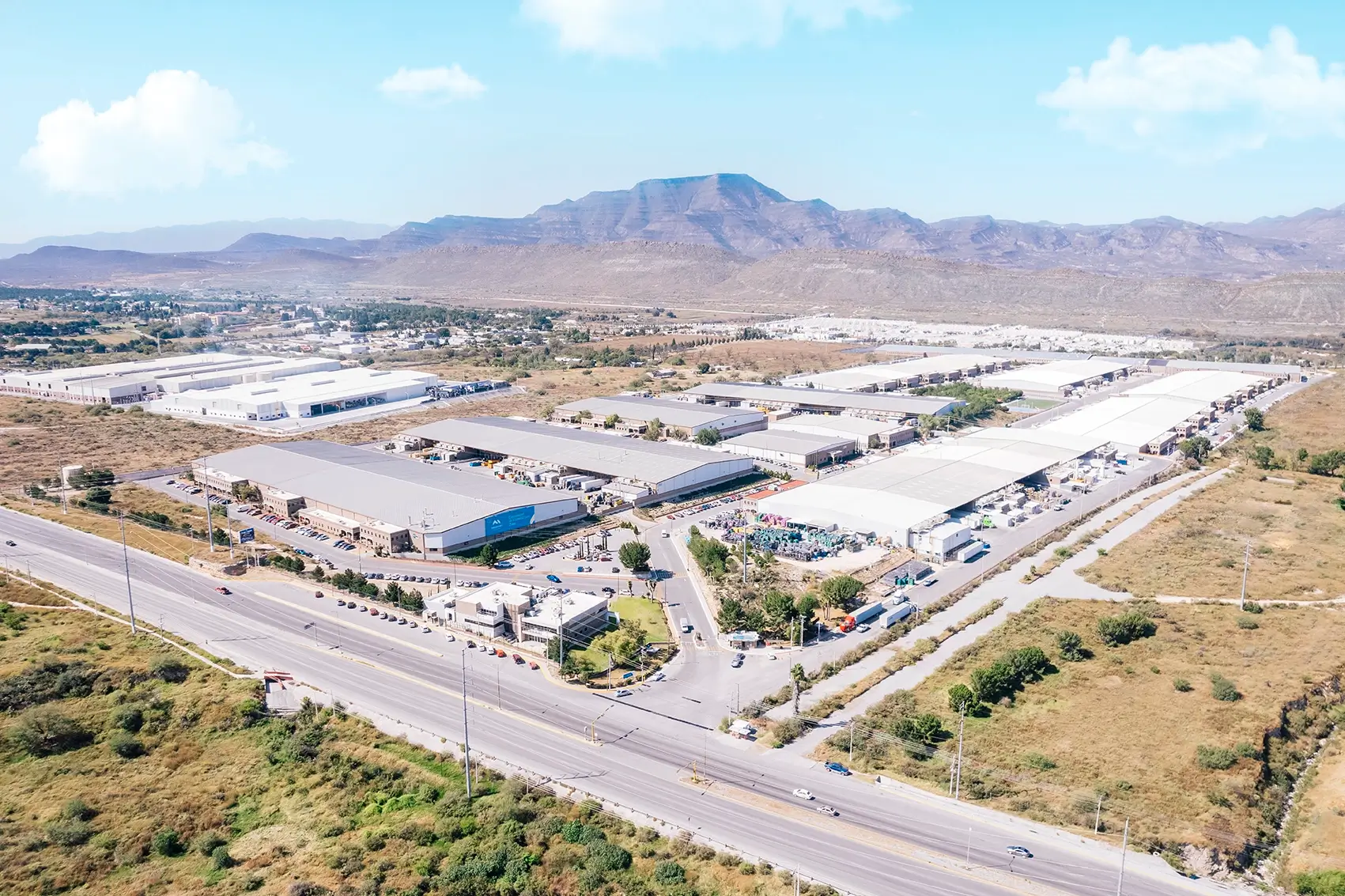
Sonora’s main manufacturing hubs sit in four cities along Federal Highway 15. Guaymas and Empalme lie on the Gulf of California, Hermosillo in the center of the state, and Nogales on the border with Arizona.
Guaymas and Empalme: aerospace, precision manufacturing and electronics
The two cities sit about fifteen minutes apart and work as one labor market. The 2020 census counted 156,863 people in the municipality of Guaymas and 51,431 in Empalme. The Universidad Tecnológica de Guaymas trains aeronautical manufacturing technicians and engineers, and ITSON has sites in both cities.
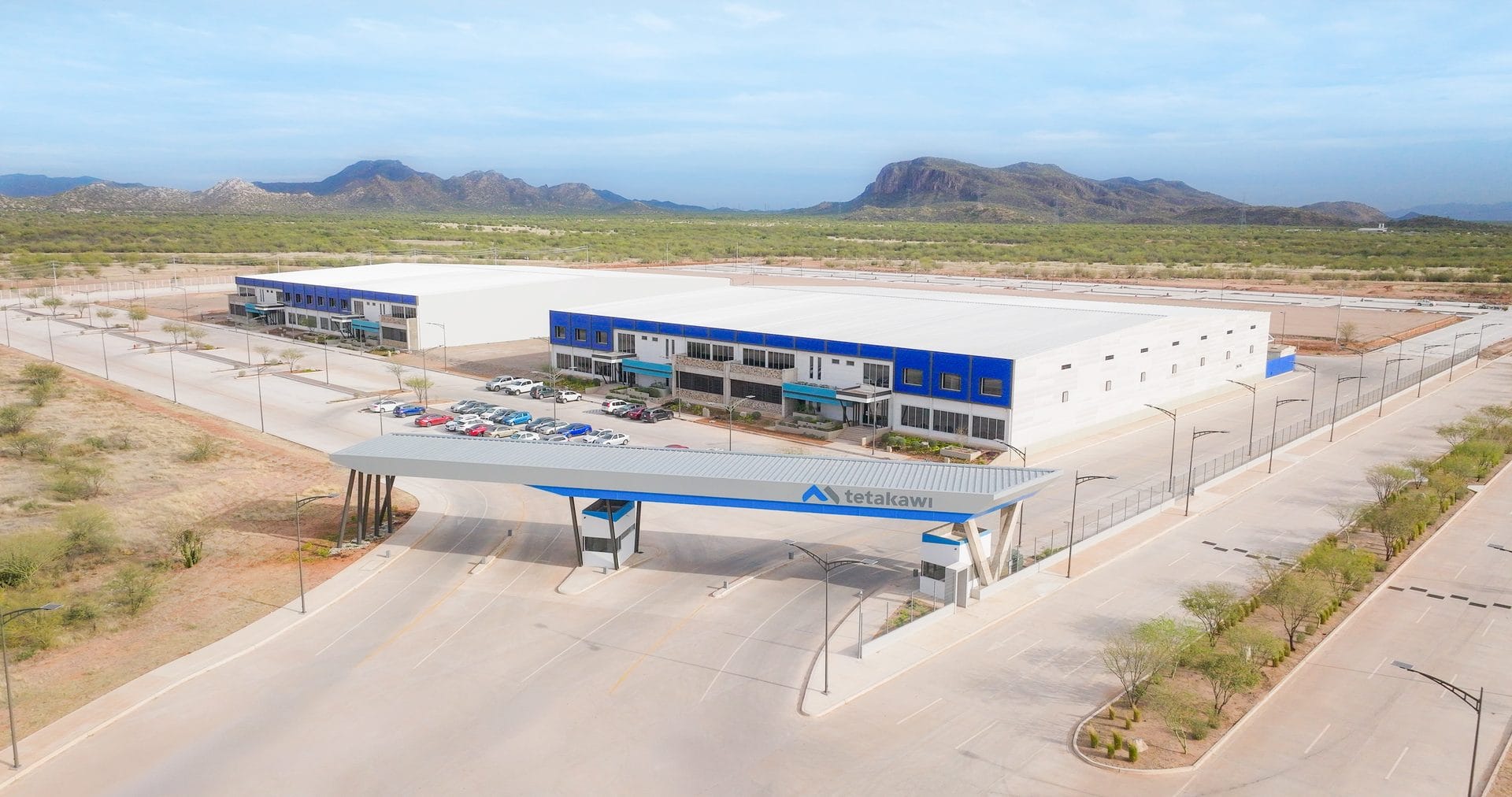
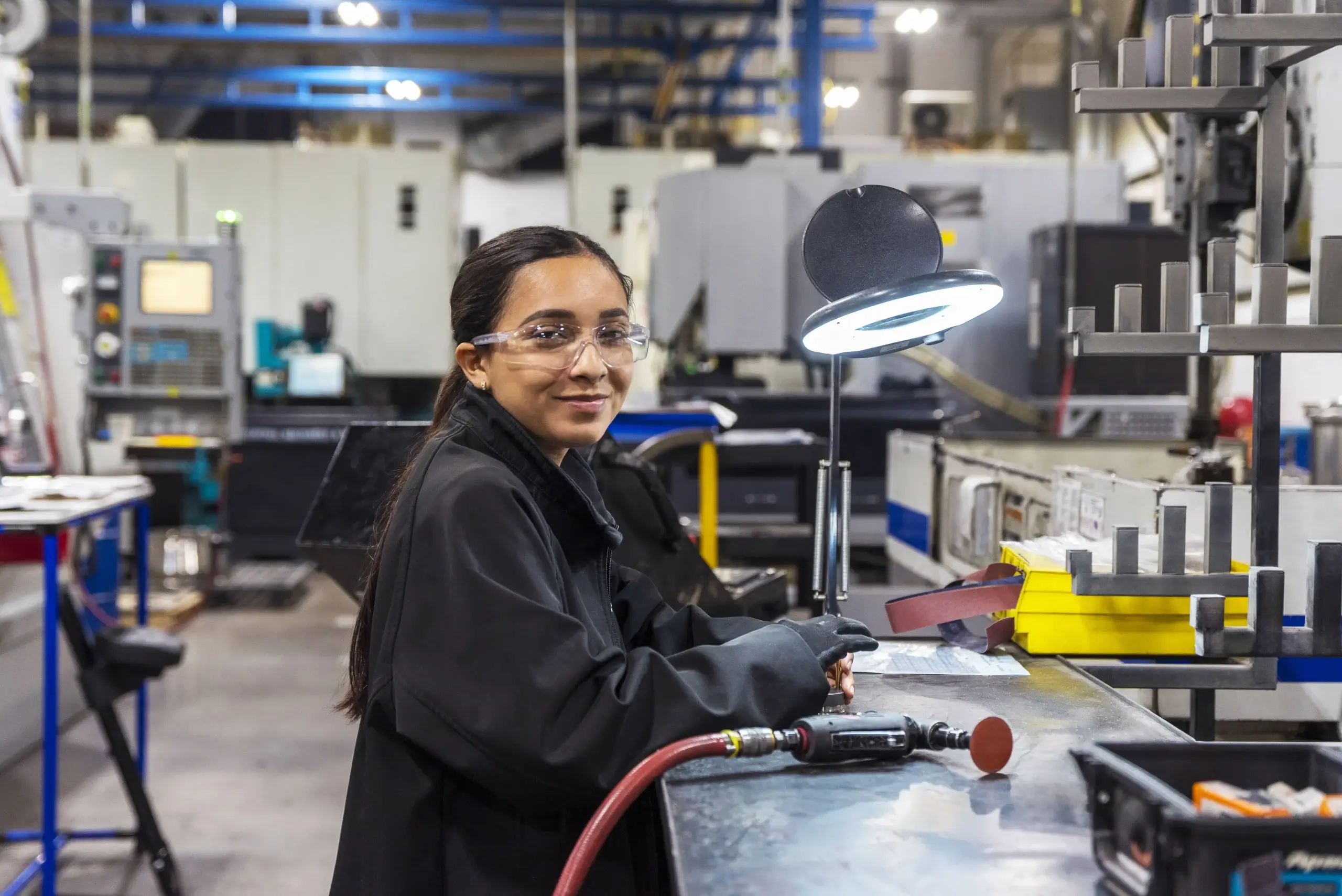
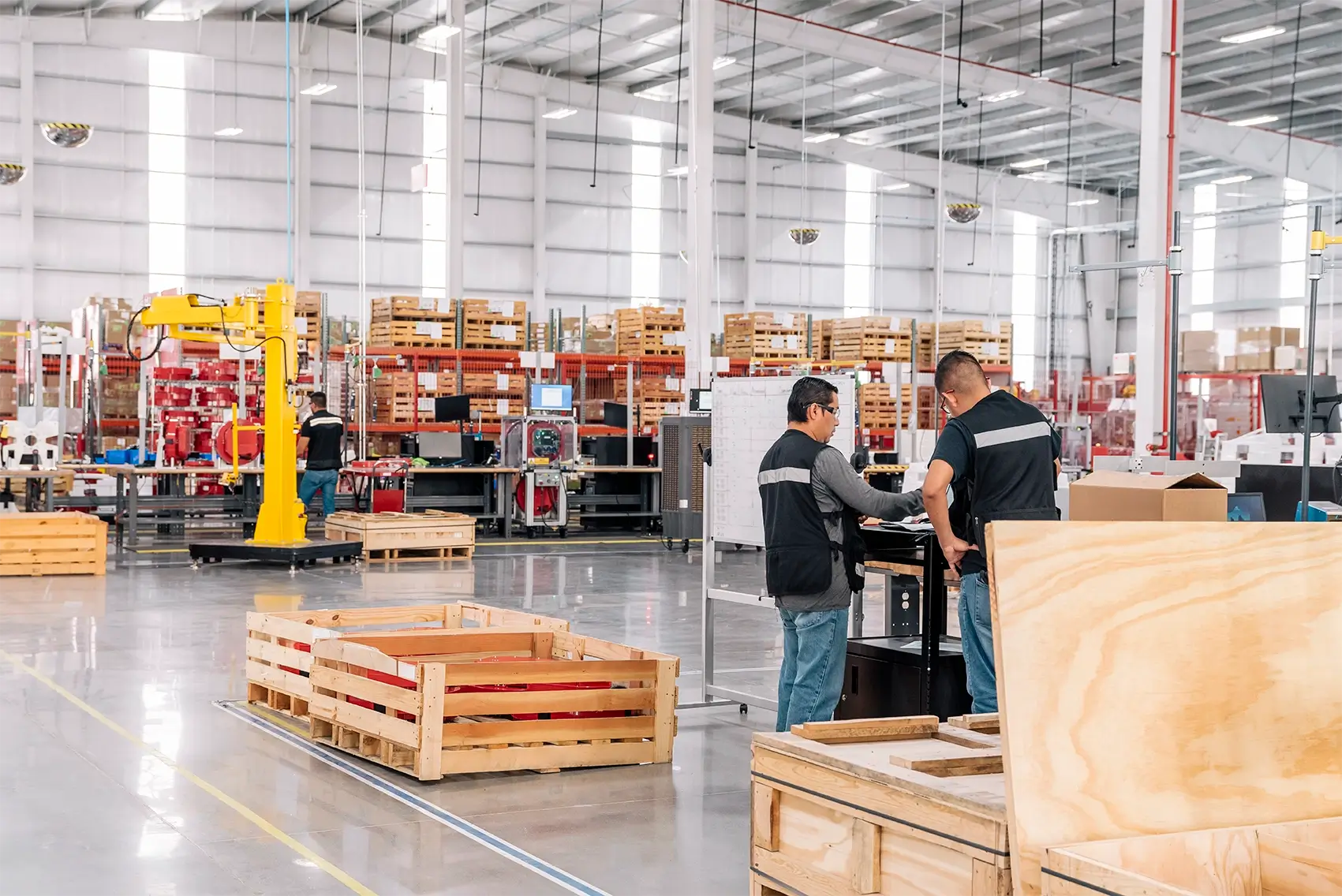
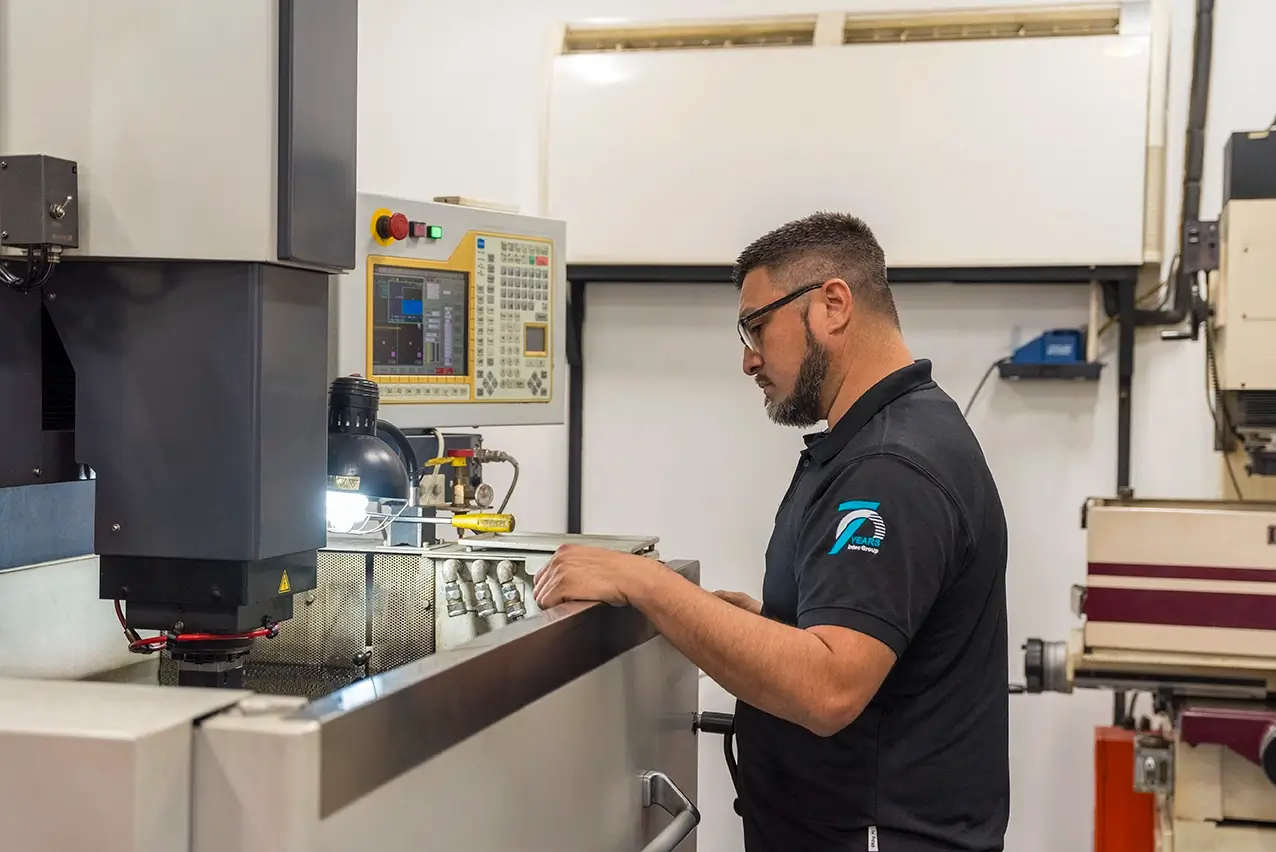
On Tetakawi’s Roca Fuerte Manufacturing Campus in Guaymas, new CNC hires train at the CEFTA training center, and heat treat, plating and testing run on site. The Campus has worked with precision and aerospace manufacturers for more than twenty-five years. High-voltage power and natural gas also reach the buildings, and the Campus is adding space as it expands.
TE Connectivity has produced on Tetakawi’s Bella Vista Manufacturing Campus in Empalme since 1989, and Winchester Interconnect opened a wire and cable assembly plant there in 2023. Bella Vista opened in 1986 as Tetakawi’s first Campus, and more than 8,500 people work for manufacturers there. It also has move-in-ready Class A buildings, land for new construction and a desalination plant that Tetakawi runs.
Hermosillo: automotive, aerospace and engineering talent
Hermosillo is the capital of Sonora, with 936,263 people in the municipality in the 2020 census. In the second quarter of 2026, about 447,000 people worked in its metro area, according to INEGI. Around the Ford plant, Hermosillo’s industrial base runs across automotive, aerospace, electronics and medical products. The Universidad de Sonora counted 36,079 students across all its locations in the first semester of 2026, and the city’s technical universities train mechatronics and automation specialists.
Río Sonora, Tetakawi’s Manufacturing Campus in Hermosillo, sits seven miles from Hermosillo International Airport, which has nonstop flights to Phoenix, and about 175 miles south of the Nogales crossing. Its 210 master-planned acres hold standing Class A buildings with adjacent lots, so a plant can move in and later expand beside its own building.
Nogales: Sonora’s border city and commercial crossing
Nogales sits across from Nogales, Arizona. It had 264,782 people in the municipality in the 2020 census and 12% of the workers counted in Sonora’s 2024 economic census, across all sectors. The Universidad Tecnológica de Nogales trains aeronautical manufacturing and mechatronics technicians. Nogales is also the crossing on the route to Tetakawi’s cross-dock in Tucson, where freight is received and consolidated.
How to plan your launch in Sonora
Wherever you build in Sonora, the first decision is who holds the Mexican side of your operation. There are three ways to set it up.
First, you can form your own Mexican company. That typically takes eight to eighteen months to stand up, and your team runs the hiring, payroll, customs and permits. Second, you can work under a shelter arrangement, where a provider’s Mexican operations hold the import program and, in the usual arrangement, employ the workforce while you run the plant.
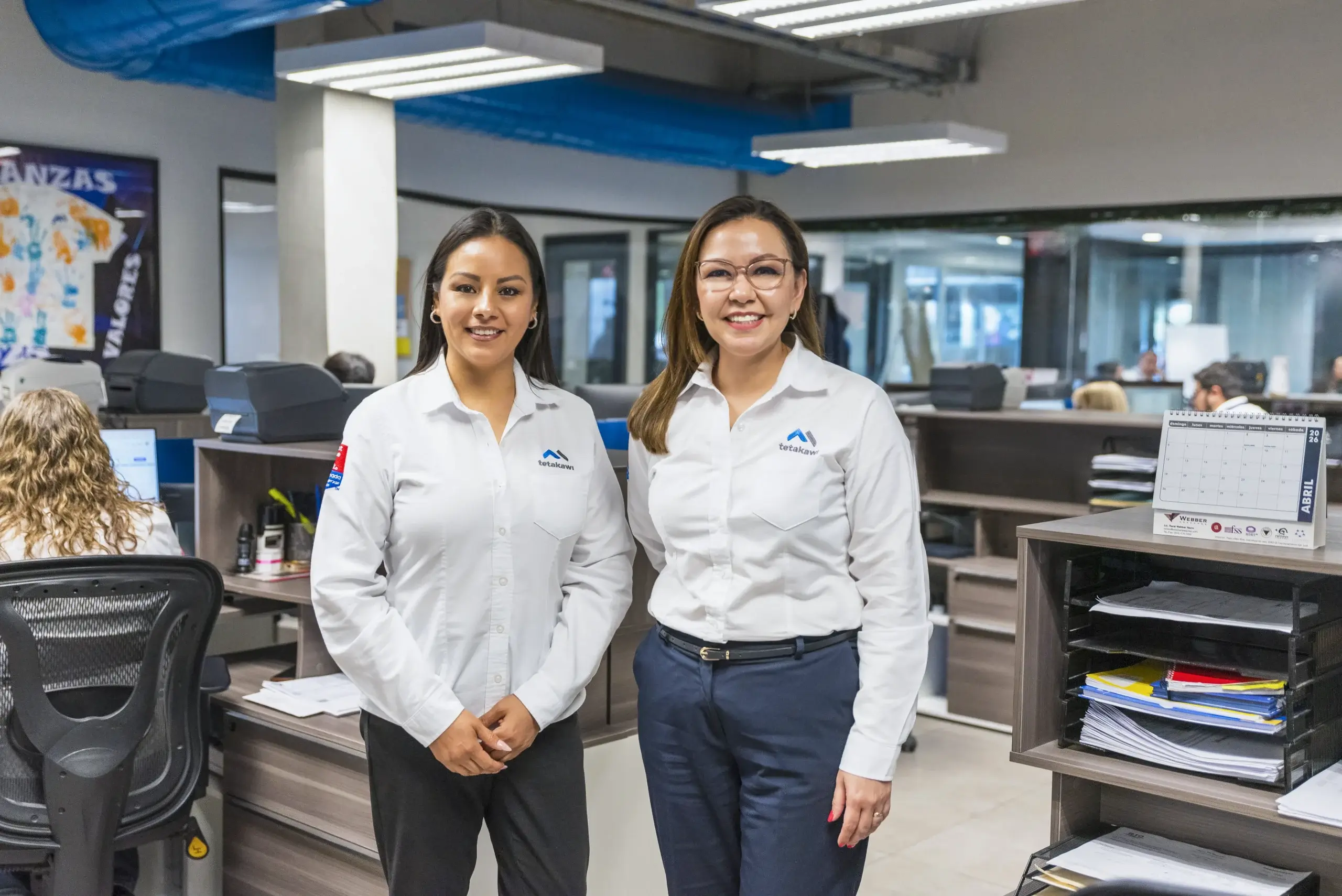
Third, you can launch on a Manufacturing Campus, which builds on the shelter arrangement. A Campus adds established industrial space, shared infrastructure and an on-site support organization. On a Tetakawi Campus, recruiting, employment, payroll and benefits run through Tetakawi’s Mexican operations, and so do trade compliance and regulatory filings. In Mexico, the importer and exporter of record is on Tetakawi’s side of the arrangement; entering the United States, your company is. You control production, process and quality. Tetakawi is not a contract manufacturer.
Six questions to settle before you commit
Your team can answer most of these before the first site visit.
- What will it cost to operate?
- Labor, industrial space, utilities and set-up are laid out, dated and sourced, in Tetakawi’s guide to the cost of manufacturing in Mexico.
- What does your lane cost door to door?
- Price freight from the plant to your customers, crossing included, against the lane you run today.
- Which roles does your process depend on?
- Name them, then check on your first visit where Sonora already trains and employs those people.
- When do you need to produce?
- On a Campus, a launch is typically ready for your equipment in three to six months. New construction takes longer, so raise your timing on the first call.
- Who leads the launch?
- Operators and technicians are recruited locally. Decide which leaders and engineers you will bring, such as a plant manager or a quality lead, and for how long.
- When will your customers approve the site?
- Qualification runs on their schedule. Start it during the fit-out, not after it.
See where your launch fits in Sonora
Bring those answers to a first call. Tetakawi will walk you through its Sonora Campuses, the space available and what your launch would take.
Frequently asked questions
Is Sonora a good place to manufacture?
It is a strong fit if your customers or suppliers are in Arizona, California or the rest of the Southwest. Sonora borders Arizona and keeps the same time as Arizona all year, and about one in five people employed in the state works in manufacturing.
What industries are in Sonora?
Automotive, aerospace and electronics lead. Transport equipment, which covers automotive and aerospace parts, made up 42% of the value Sonora’s factories added in 2023. Ford builds the Bronco Sport and the Maverick in Hermosillo, aerospace parts come from Guaymas and Hermosillo, and electronics and interconnect products from Empalme. Food processing and basic metals are also large industries.
Where are the industrial parks in Sonora?
The main manufacturing hubs sit along Federal Highway 15. Guaymas and Empalme are on the Gulf of California, Hermosillo is in the center of the state and Nogales is on the border. Tetakawi runs Manufacturing Campuses in Guaymas, Empalme and Hermosillo.
Where is Hermosillo, Sonora?
Hermosillo is the capital of Sonora, in northwestern Mexico, about 175 miles south of the Nogales border crossing on Federal Highway 15. It has nonstop flights to Phoenix.
Do I need my own Mexican company to manufacture in Sonora?
No. Besides forming one, you can operate under a shelter arrangement or launch on a Manufacturing Campus. On a Tetakawi Campus, recruiting, trade compliance and regulatory filings run through Tetakawi’s Mexican operations while you run production.
Subscribe to stay up to date with our latest insights