Industrial Parks in Mexico: What a Manufacturing Campus Adds
12 min Read
Key Takeaways
- Choosing an industrial park in Mexico is two decisions: where the factory stands, and who recruits, maintains, imports and files for it afterwards.
- A standard Tetakawi building comes with floor, docks, offices, air conditioning, lighting, and power, water and fiber delivered to the building.
- Compare each building on what it takes to reach the same operating condition, not on the rent per square foot.
- On a Campus the recruiting, maintenance, trade and compliance teams already serve the manufacturers next door, and they stay as the plant grows.
- You control production, process and quality; Tetakawi supports the employment, facilities and administrative work around the plant.
Jump to Section
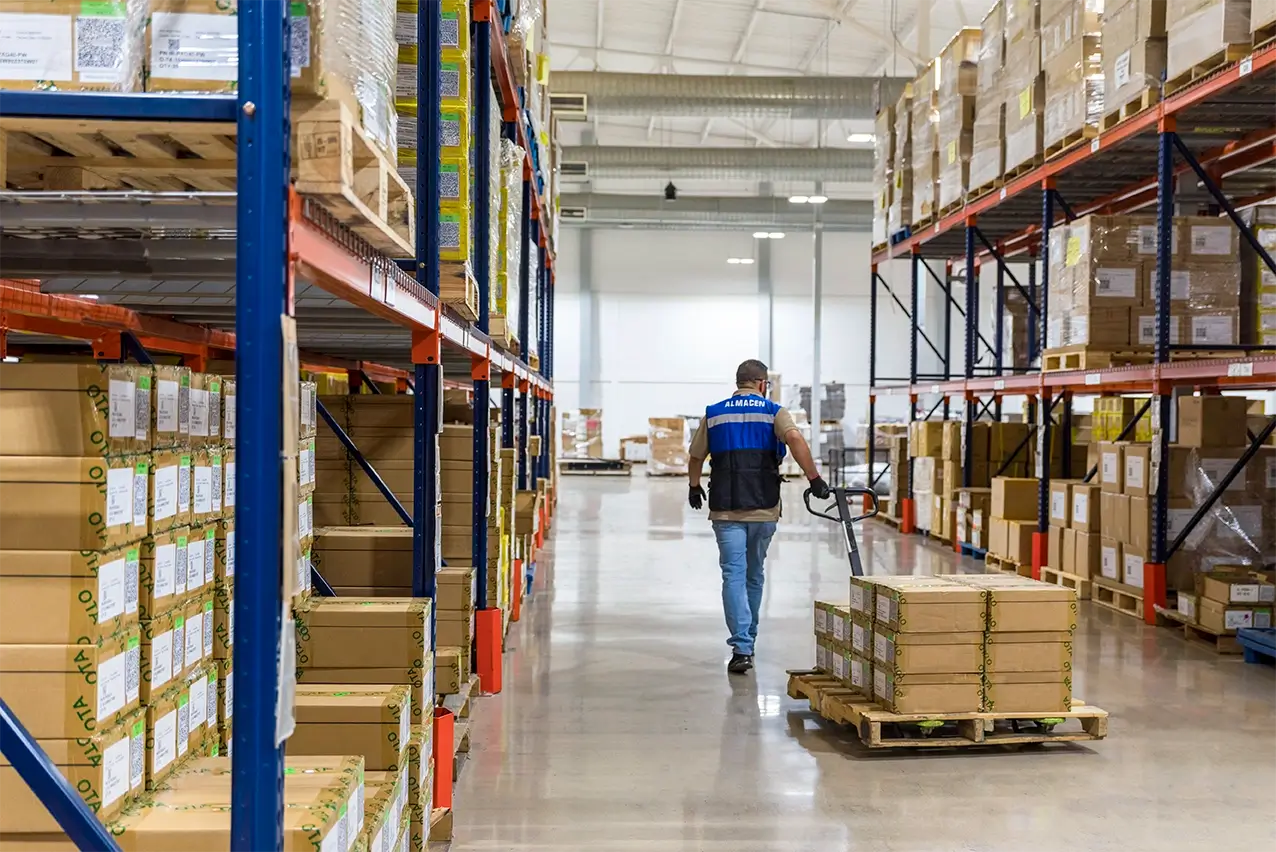
When you shortlist industrial parks in Mexico, you are making two decisions at once: where your factory will stand, and who will support it once it is running. The first is easy to inspect. You can walk the floor, read the electrical capacity and map the route to your customers. The second reaches further. Someone has to recruit the workforce, maintain the building, clear the imports and keep the filings current, and that work continues long after the first shipment.
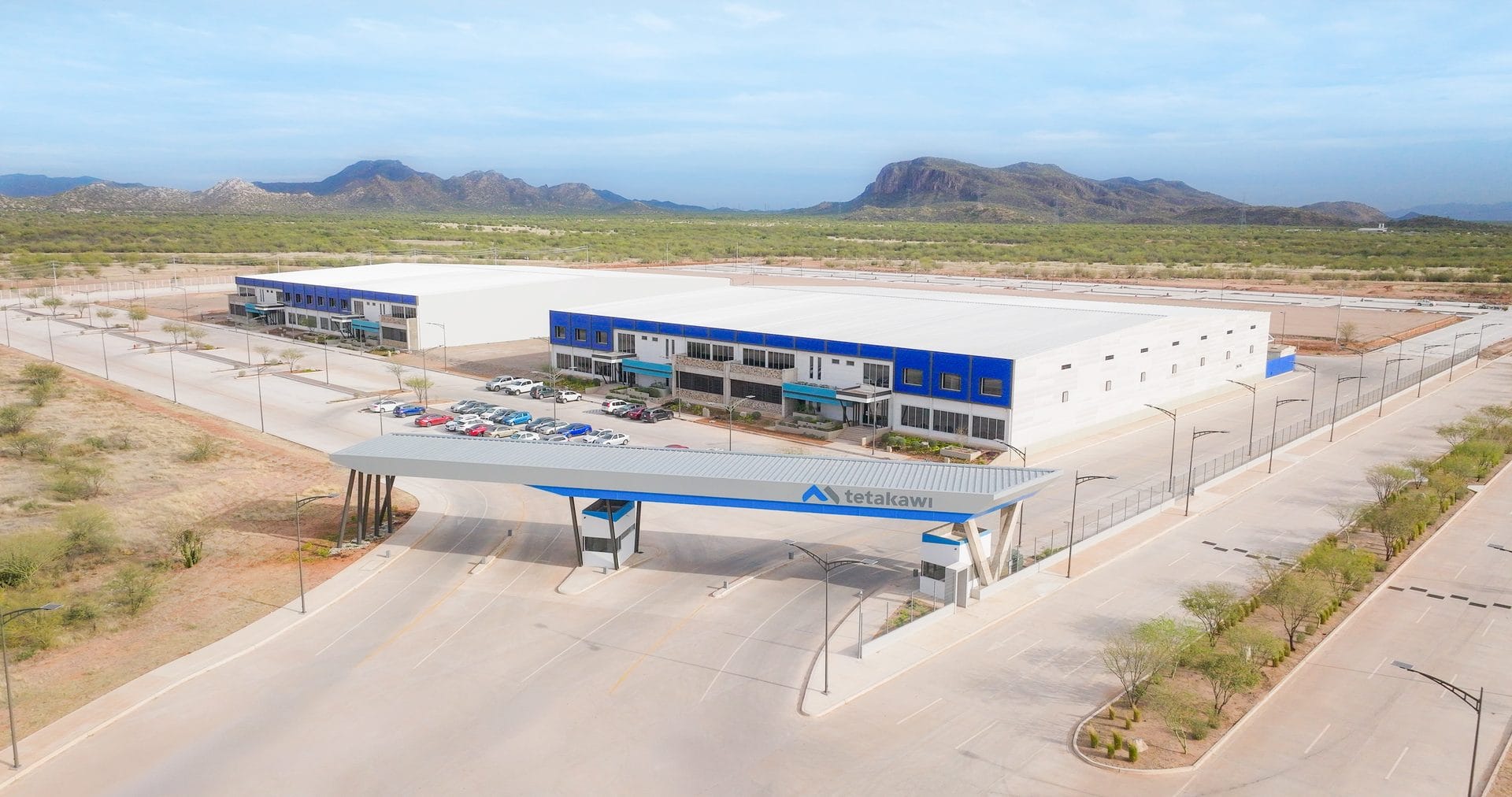
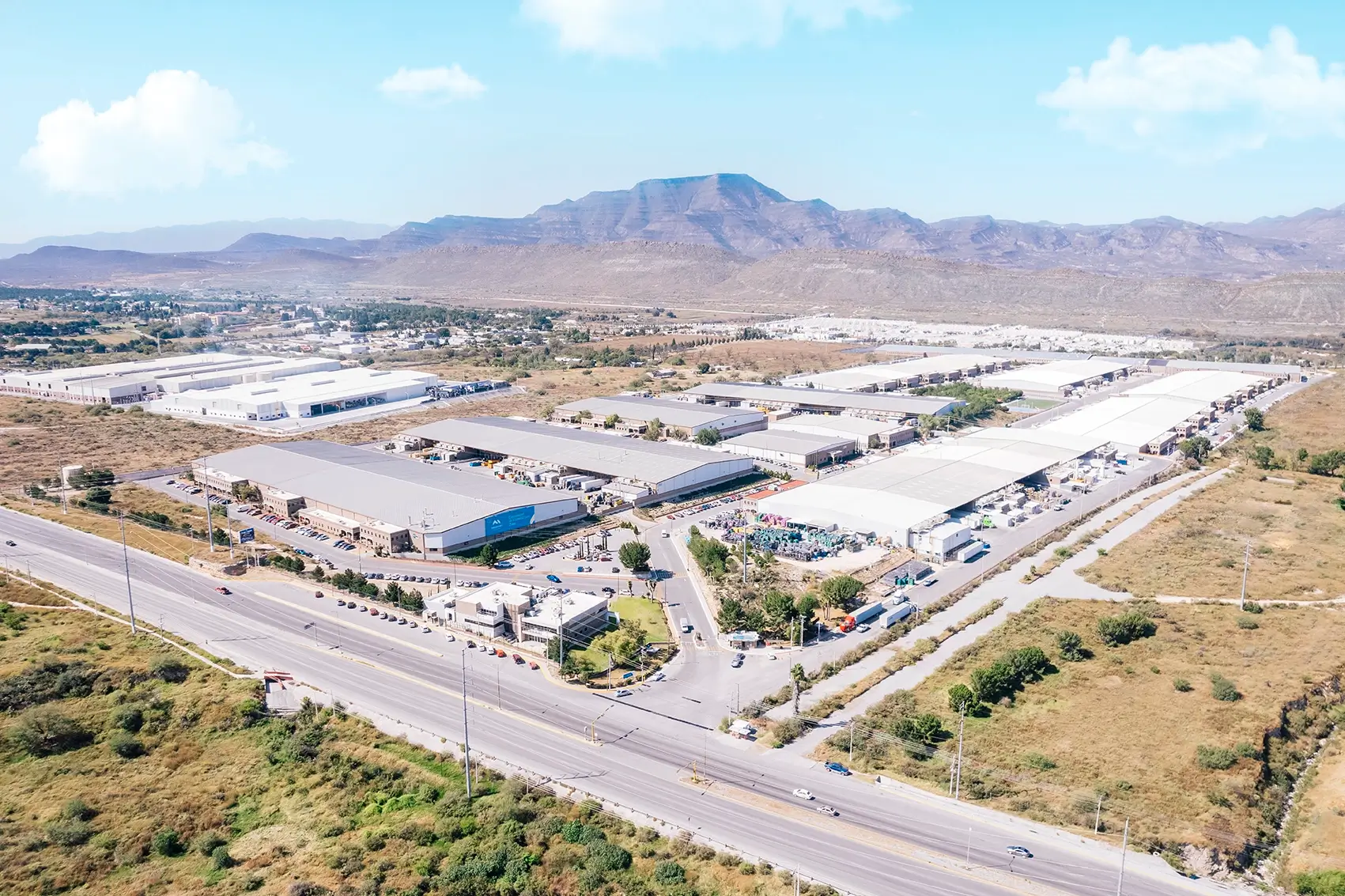
A Tetakawi Manufacturing Campus is an industrial site in Mexico where you run your own factory. A Campus adds established industrial space, shared infrastructure and an on-site support organization. You control production, process and quality. Tetakawi’s teams support the facilities, workforce, logistics and compliance that let the operation take shape and grow.
So the comparison that matters is not the rent per square foot. It is what comes with each building, what remains to be installed, and who will support the operation after move-in.
What is the difference between an industrial park and a Manufacturing Campus?
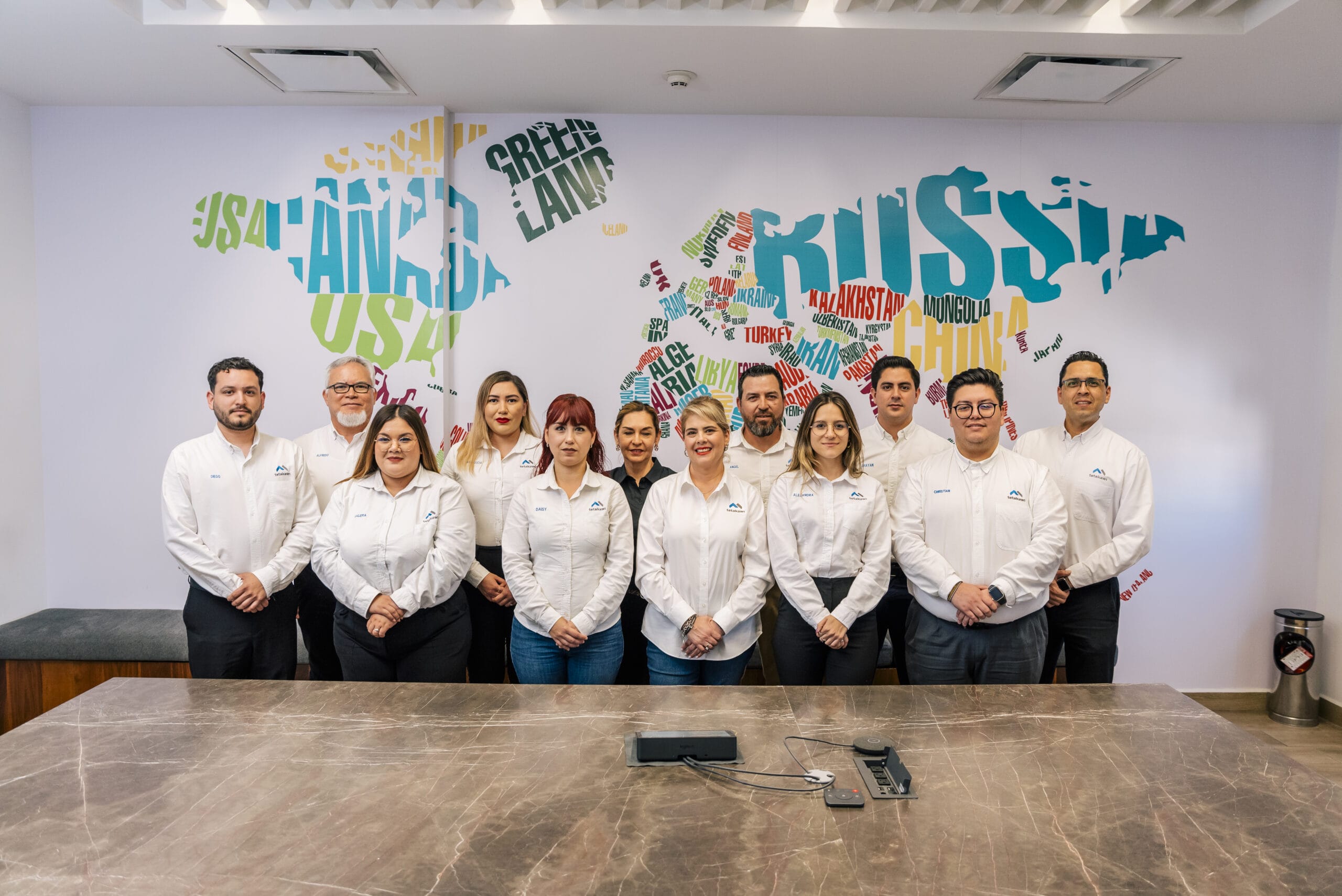
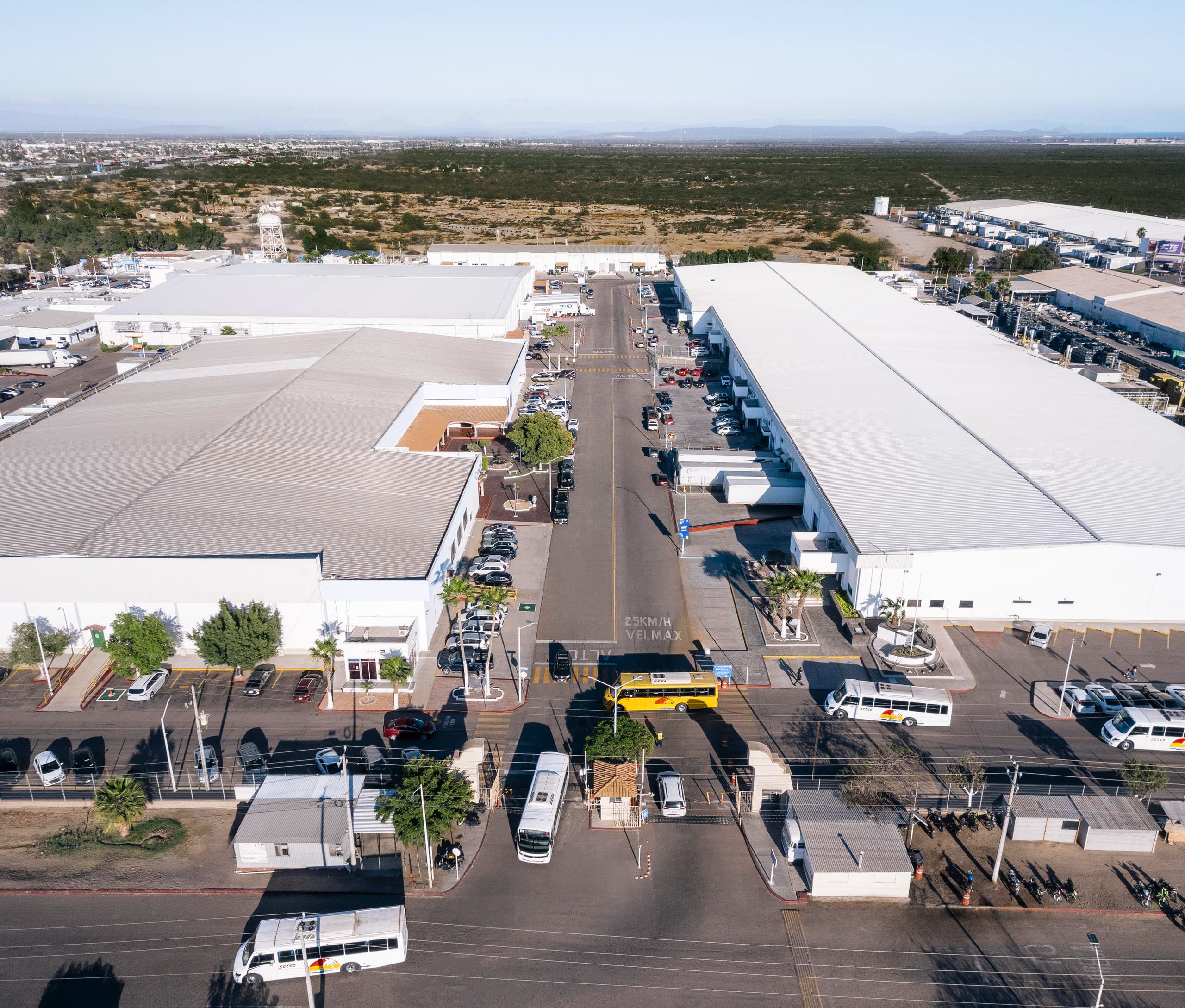
Industrial parks vary in the buildings, infrastructure and services they provide. Manufacturers can assemble additional support through their own teams, outside providers or a shelter arrangement. On a Tetakawi Campus, facilities, recruiting, employment administration, trade and compliance teams already support the manufacturers on the site: five Campuses, in Sonora, Sinaloa and Coahuila, with 60+ manufacturers running their own plants on them. The decision is how much of that operating organization your company wants to establish and coordinate itself.
The building: what comes with it, and what remains to be installed

Two buildings with the same square footage can be very different starting points. What comes with the space decides how much investment, construction and coordination sit between you and the day your equipment can go in. A listing may show air conditioning, ventilation or an electrical substation as items to be configured for the manufacturer; each has to become a scope, a price and a delivery date before that building can be compared fairly with one that already has them.
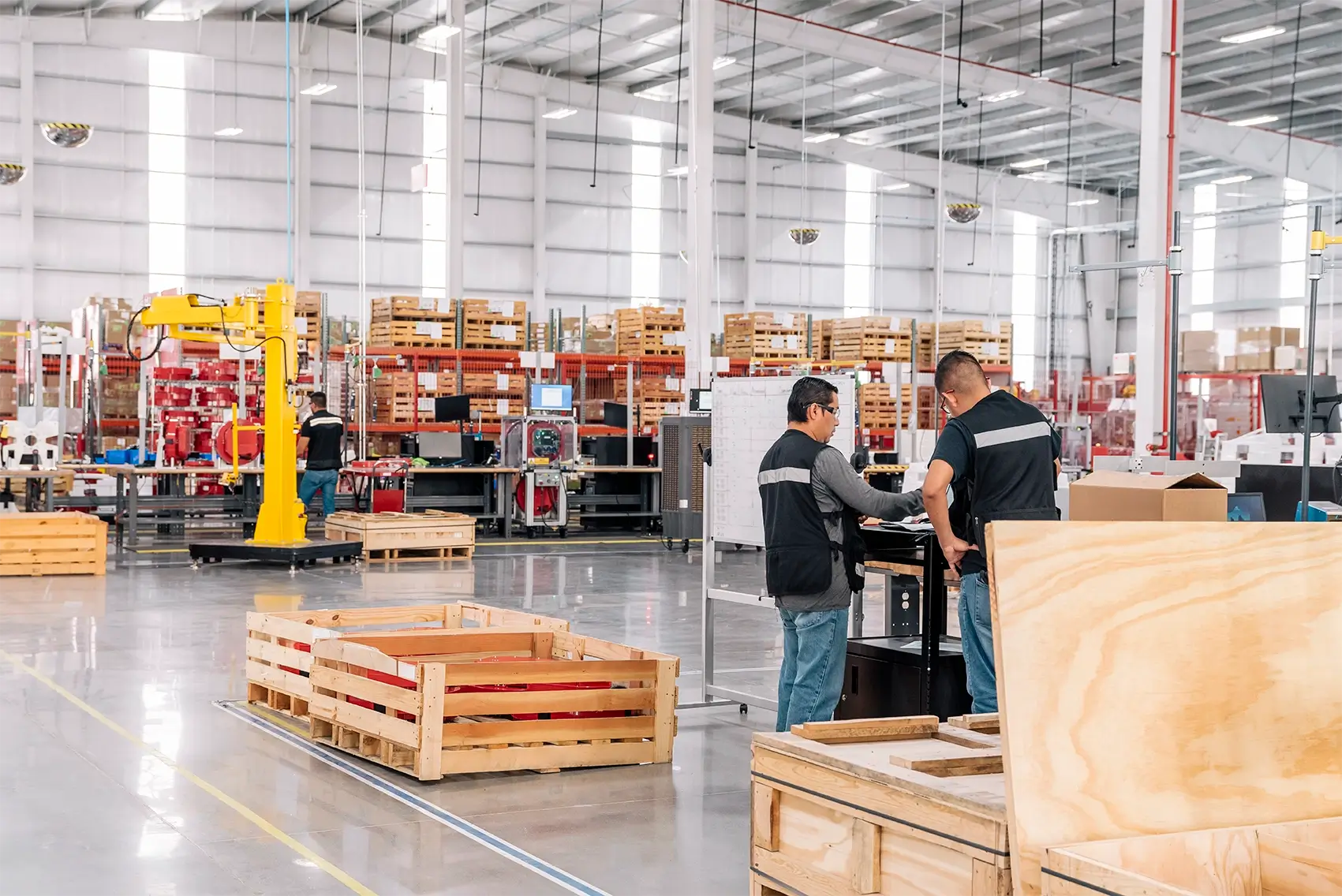
Javier Mockabee, Tetakawi’s Director of Infrastructure, describes what a standard Campus building includes when a client arrives: tilt-up concrete walls and an insulated roof, a reinforced concrete floor, standard loading docks, offices, restrooms and a lunchroom, standard air conditioning and lighting, and power, water, sewer and fiber delivered to the building’s perimeter or main connection point. A standard building runs to about 35,000 square feet. The quantities, coverage and capacity are set out in the specification of the building you select, and that specification is the document to compare.
Power is where the comparison usually turns. Capacity available to a development, capacity connected to a building and power distributed to each machine are three different things. The capacity delivered to a Campus building is a figure in its specification, in kVA; compare it with what your equipment draws, and ask what work connects the two. Connectivity belongs in the same picture: the Campus carries infrastructure for internet, voice and data, and fiber reaches the building, so your IT team plans the plant’s connection to corporate systems around a service that exists.
Then come the improvements specific to your process: a machine’s own power drop, compressed air, extra cooling, a controlled environment. Mockabee’s team scopes and coordinates that work with you and with qualified subcontractors, priced separately, and he puts it at two to four months for a standing building, depending on the complexity of the internal systems and on lead times for items such as high-capacity transformers.
So the useful question for each building on your list is this: what will it take to bring it to the same operating condition? A lower headline rent can arrive with higher fit-out costs and a longer startup schedule. Count both, and the management time to run them. Then ask the question that carries past move-in: who maintains that environment, and who helps you expand in it?
On a Campus the first half of that answer is in place. Tetakawi’s engineers prepare the preventive-maintenance schedules for the base building and send them to you for validation; its technicians, electricians, air-conditioning specialists and plumbers carry out the work, with daily inspections between. Mockabee describes the division of labor with a client’s plant manager in one line: “They focus on the product and we focus on the infrastructure.” Your team stays responsible for its production equipment; the industrial space and facilities page sets out the rest.
This is also why a Campus launch moves sooner into preparing production. Choosing an available, existing building removes the need to construct the factory shell. Included offices, standard cooling and lighting reduce the base fit-out, while process-specific improvements are scoped around your equipment and production requirements. For a well-prepared operation whose requirements fit an available building, a Campus can be ready for your equipment in as little as 30 days; in Tetakawi’s experience, setting up this way typically takes three to six months to that point. When production begins depends on installation, training and your customer’s approvals, and what a Campus already has ready walks through how those milestones fit together.
The workforce: turning a location into production capacity
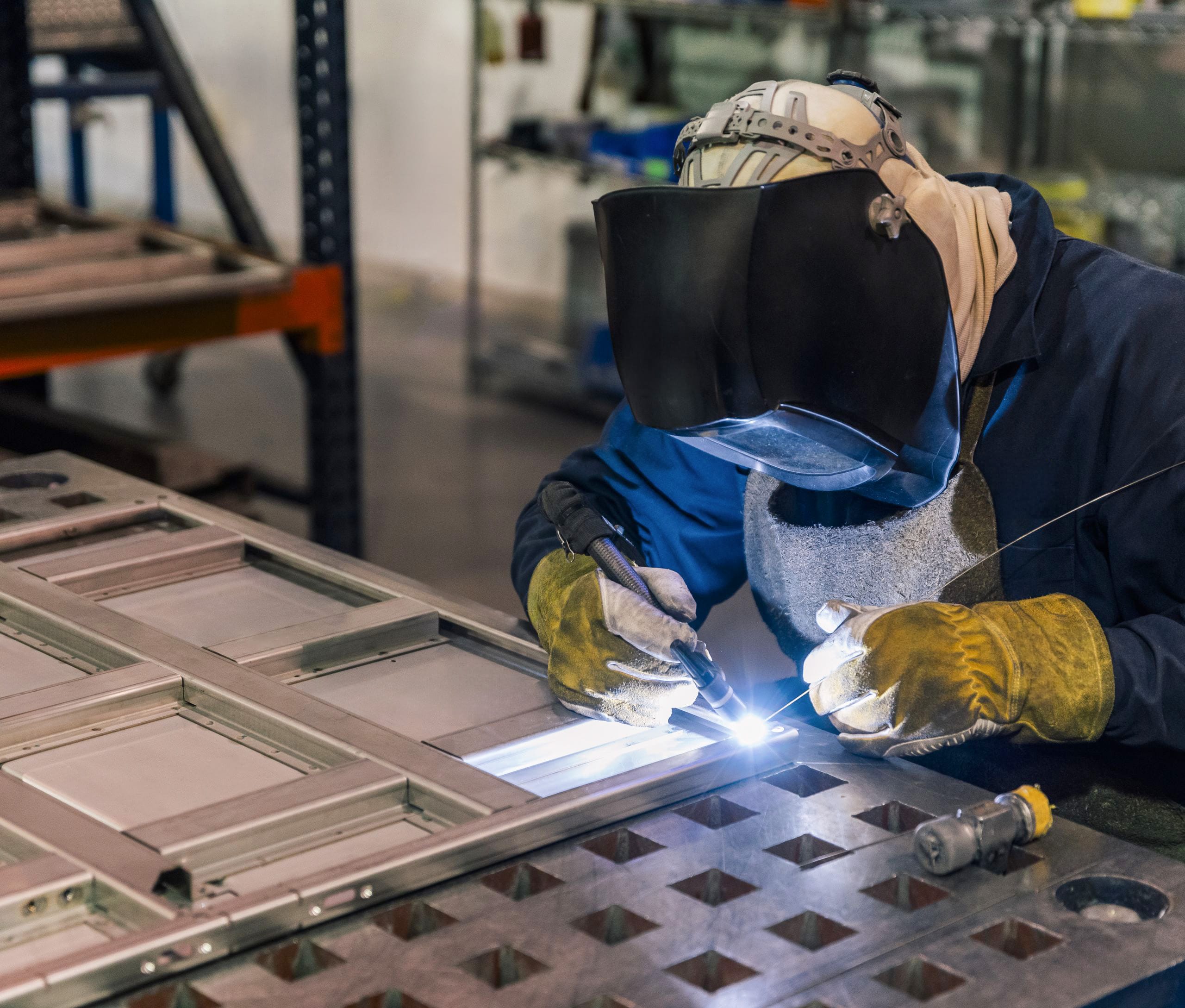
For Consolidated Precision Products the reason to expand was customer demand, and the constraint was people. CPP already ran a standalone plant in Ensenada and a plant on Tetakawi’s Roca Fuerte Campus in Guaymas; when it needed a third site, for non-destructive testing and repair of aerospace and defense castings, its experience in Guaymas informed the decision to work with Tetakawi again.
Jeremy Main, CPP’s Senior Vice President, puts labor availability and access to technical talent at the center of the choice of Mazatlán: less competition for people than in the border cities, and technical schools whose graduates could learn the aerospace work quickly. The building had to support that work too. Main says it was not an open shell: Tetakawi worked with CPP to put the utilities where its specialized processes needed them and to make room for the special equipment it wanted to install. CPP trained its first Mazatlán hires at its own plants in Guaymas, Ensenada and Minneapolis for eight months before volume production began, and those people came back as the trainers for the next group. CPP’s own account tells the rest.
A promising labor market becomes productive capacity through recruiting, training and a building prepared for the work. Tetakawi’s workforce teams bring local recruiting and pay information together with employment administration, Campus buses and preventive medical services, with employment running through Tetakawi’s Mexican operations. Your managers define the roles, interview and select the candidates and direct their work. So alongside population and wage data, ask of any park how the roles you need will be filled, how people will reach the plant, and how hiring will adapt when your production plan changes.
Logistics and compliance: supporting the flow of production
Distance to the border is a starting point. The operating plan also has to account for what moves, how often, and the information that travels with it; a machine arriving for installation has different handling and paperwork from a weekly shipment of components. On a Campus, import and export runs daily under the program and site authorizations the Campus already holds, with the importer and exporter of record on Tetakawi’s side of the arrangement. Your purchasing, engineering and production teams provide the part and shipment information; Tetakawi’s trade team uses it to coordinate movements and maintain the required records. The question for any park is who sits with your team to do that.
Compliance is easier to manage when the people responsible understand the operation before it starts. Your process, equipment and materials decide which requirements apply, and a new activity may need an authorization of its own. On a Campus, Tetakawi’s compliance, EHS and fiscal teams review the activity you plan to run, coordinate the applications it needs and keep the recurring filings current after launch, with the responsibilities set early and people assigned to carry them. Your team supplies the operating information and applies the requirements within the plant, working with Tetakawi’s specialists as the process develops.
An operating organization that supports your next stage of growth
Consider a plant preparing to add a second shift. Recruiting needs the staffing plan. The bus routes have to match the new hours. HR needs the schedule and the employment paperwork. Facilities may have to move its maintenance windows. Higher output changes the volume and timing of shipments. Each department has a task, and someone has to coordinate the decisions between them.
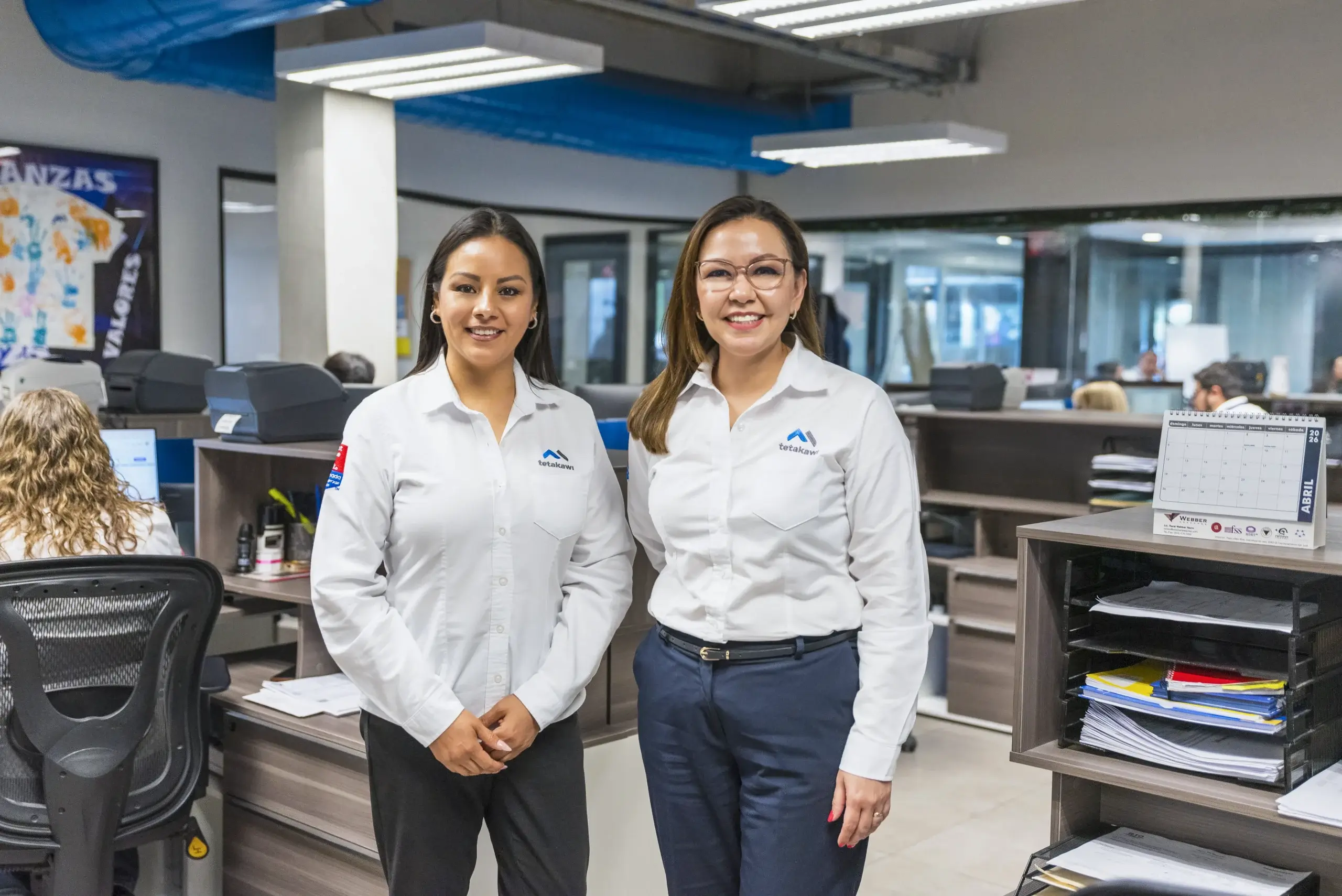
That coordination is what a Campus provides: Tetakawi’s teams work with your managers inside one established relationship, a project leader during the launch and Campus management after it. The economics follow from the same fact. One plant draws on recruiting, trade, facilities and compliance capabilities that serve many operations on the site, so it has the reach of a large organization without building each function from scratch. The result should show in the plant manager’s week: clear contacts, defined responsibilities and more time on production and on developing the team.
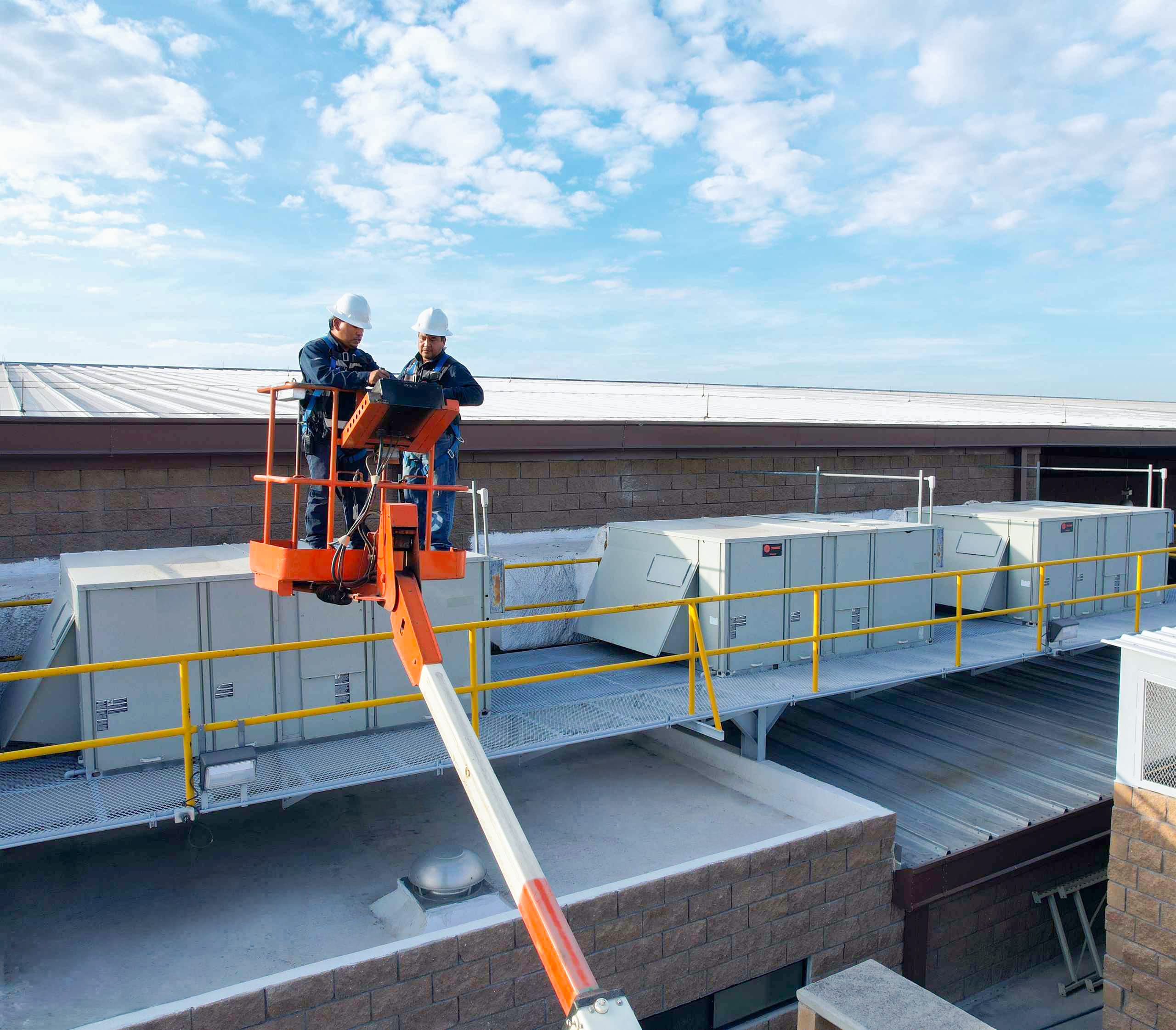
The value keeps compounding when the first building starts to fill. At the Bella Vista Campus in Empalme, TE Connectivity has operated with Tetakawi since 1989 and has grown to three plants. Ricardo Gómez, Director of Operations for TE Auto and Power, describes Tetakawi bringing available buildings to TE’s attention as opportunities to expand, while continuing to support the facilities, the maintenance and the recruiting. When TE needs more people, he says, Tetakawi widens the recruiting as far as 100 kilometers north or south of the plant, with buses and employee services behind it.
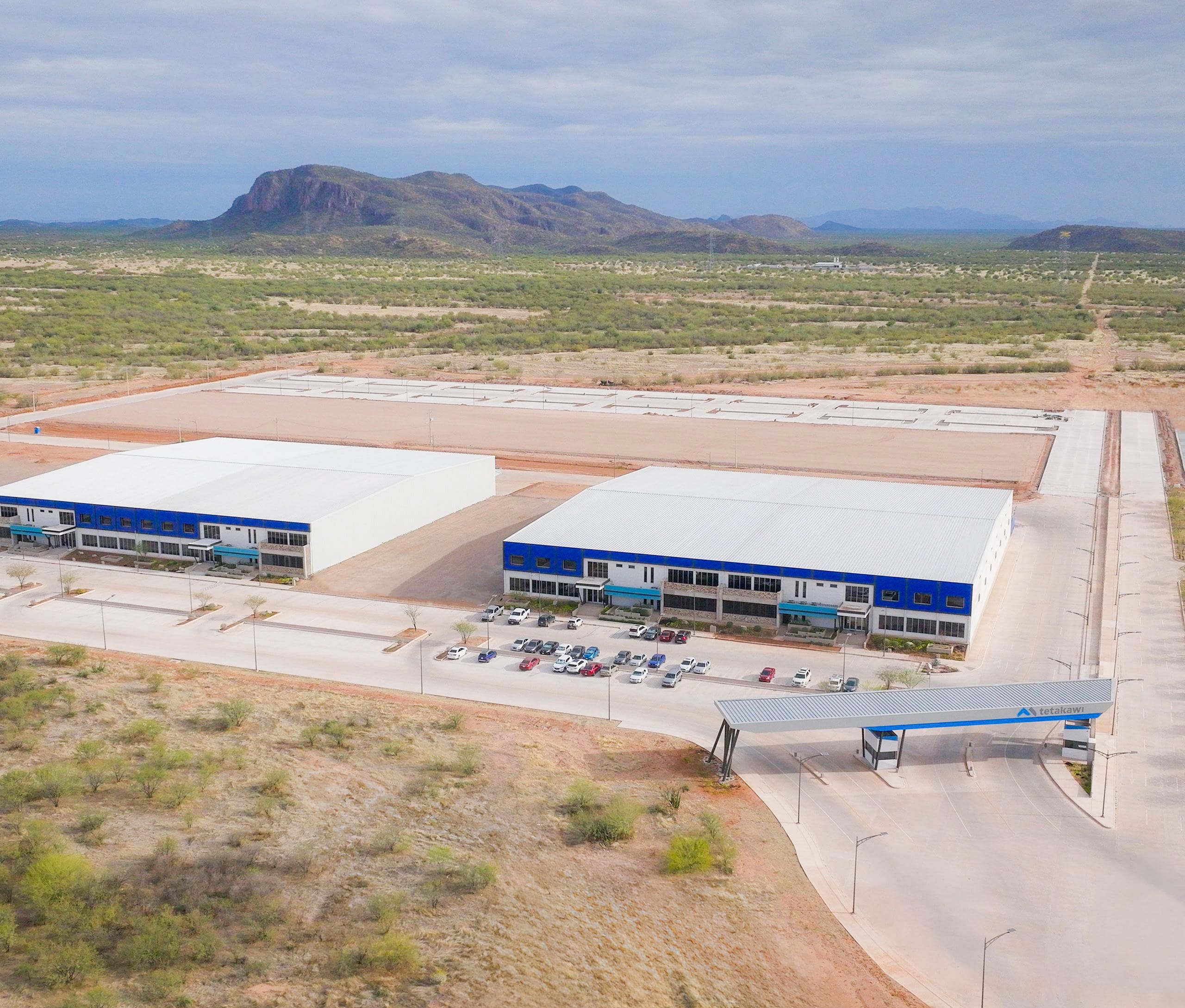
For a growing manufacturer that continuity is the point. Adding capacity on the same Campus means the facilities team already knows the operation, recruiting already knows its roles, and the trade and compliance teams already work with its managers. Expansion still needs a plan, with space, utility capacity, hiring and any process-specific work in it, and the time to raise it is while you evaluate the first building: ask what space options your agreement provides for.
Through all of it your factory keeps its own management and culture. You direct production and own your process knowledge; your team sets the quality standards and develops the capabilities your customers depend on; Tetakawi supports the employment, facilities and administrative work around the plant. A Campus gives your company shared support while the factory inside it develops its own identity and its own way of working.
Compare the complete operating proposal
A price per square foot compares property. A manufacturing location needs a wider view of the work each proposal includes. Put the same production requirements and growth assumptions to each option on your shortlist, and establish the following before you commit.
| Compare | Establish before committing |
|---|---|
| Building and fit-out | Included offices, cooling, lighting and utility capacity; separately priced process improvements; the cost and time to reach the same operating condition |
| Utilities, connectivity and maintenance | Included kVA, water and communications; connection work, recurring charges and who keeps the building up |
| Workforce support | Recruiting, employment administration, transportation, and the team you keep in-house |
| Logistics and compliance | Included activities, the information your team supplies, and any authorization your product or process needs |
| Growth and contract terms | Expansion options, price adjustments and service scope |
Set out this way, a Campus can be weighed against an equivalent scope, and the exercise shows whether your own organization is ready to carry what another option leaves with you. A company with an established Mexican operation and a full local team may need something different from one building its first plant; an experienced manufacturer adding a site may still choose a Campus because it wants the next plant to inherit an organization already in place, which is what CPP did.
Tetakawi runs the Campus model on five Manufacturing Campuses in Mexico: Río Sonora in Hermosillo, Roca Fuerte in Guaymas, Bella Vista in Empalme, Mazatlán and Zapa in Saltillo. Tell us the process, the footprint and the date, and we will show you where it fits. How the Campus compares with the other ways to manufacture in Mexico is set out separately.
Make the site visit an operating discussion. Walk the building with the people who will prepare and maintain it. Meet the recruiting and trade teams. Describe the next product or shift you expect to add and ask how the Campus would support that expansion. You should leave with a clearer view of the factory you can build and the organization that will help you run it.
Common questions
Which industrial parks in Mexico offer shelter services?
Shelter services are offered by companies rather than by parks; some providers hold space in parks they do not run, and some run their own. Tetakawi’s five Manufacturing Campuses in Sonora, Sinaloa and Coahuila are industrial sites that Tetakawi runs, where the building and the support organization come from the same company. You run your own factory and Tetakawi’s teams handle the agreed work around it.
What is included in a standard building on a Tetakawi Manufacturing Campus?
A standard building of about 35,000 square feet comes with concrete walls and an insulated roof, a reinforced concrete floor, loading docks, offices, restrooms and a lunchroom, standard air conditioning and lighting, and power, water, sewer and fiber delivered to the building’s perimeter or main connection point. The quantities and capacities for a particular building are in its specification. Process-specific work, such as machine power drops or compressed air, is scoped and priced separately.
How should I compare an industrial park with a Manufacturing Campus on cost?
Compare the complete operating proposal rather than the rent alone: what each building includes, what you would still install to reach the same operating condition, and who provides recruiting, maintenance, import and export and compliance after move-in. Ask for a cost model built on your own headcount, footprint and process so the options are compared on the same scope.
Which Campus fits your manufacturing plans?
Tell us what you plan to manufacture, the space and workforce you expect to need, and your target timing. We can work through the building requirements, operating support and expansion options with you.
Subscribe to stay up to date with our latest insights