Our Story
Learn our story, leadership, and mission shaping manufacturing in Mexico.


Understand market entry strategies and dive deeper into how manufacturers successfully launch and operate in Mexico.
Getting Started
Starting manufacturing in Mexico can look like one big leap. In practice it is a series of decisions made in order. The first is what the operation has to do: the product, the volumes, the certifications your customers require, and when you need to be producing. The second is the operating model, which decides what you will build yourself and what you will step into. The third is the region and the facility, weighed for workforce, logistics, and stability.
The order protects you. A location chosen before the model may not fit the model you land on, and a facility chosen before the workforce plan can sit in the wrong labor market. Made in sequence, each decision narrows the next, the way a board would expect for any new plant. Everything after that is execution: the legal and trade structure, the building, the people, and the launch.
There are more ways into Mexico than most lists suggest, and they group into five practical operating choices. Each trades control, speed, and internal burden differently, and the useful question is which one fits the way you want to operate.
Contract manufacturing: You contract an existing manufacturer in Mexico to produce for you. It is the quickest route to a finished product and the lightest on investment, and it is also the model where you own the least: process, quality systems, capacity, and improvements live with your contractor, and how much control you keep depends on the agreement, tooling ownership, and inspection rights. It fits manufacturers testing demand or outsourcing products that are not core to them.
Acquisition or joint venture: Buying an existing Mexican operation, or sharing ownership with a partner, brings local experience and often an immediate footprint; a joint venture can also build something new together. The paths are legally distinct, but they share the same trade: you take on an organization you did not build, with its systems, obligations, and culture, and integration takes management attention that a fresh operation does not. They fit manufacturers with acquisition experience and a strategic reason to share or own what already exists.
Standalone operation: You form your own Mexican entity and build every function: legal, tax, customs, facility, workforce, and compliance. It is the model with full ownership of everything, including the schedule, and it carries the longest setup of the five; the timeline section below covers what drives it. It fits large operations with the internal teams to run a cross-border launch.
Traditional shelter: A shelter lets a manufacturer operate under an established Mexican entity that holds the program, so production can start without forming a company or securing authorizations first. It solves the administrative side of operating in Mexico, and for many manufacturers it is the right starting point. What varies by provider is everything around the paperwork. Some providers will set up wherever a client asks, which means the on-site team, the building, the utility and government relationships, and the labor-market knowledge get assembled after you sign, on your schedule and your budget. Questions worth asking any provider: who is on the ground where you will operate, what they run there today, and who else learns alongside you.
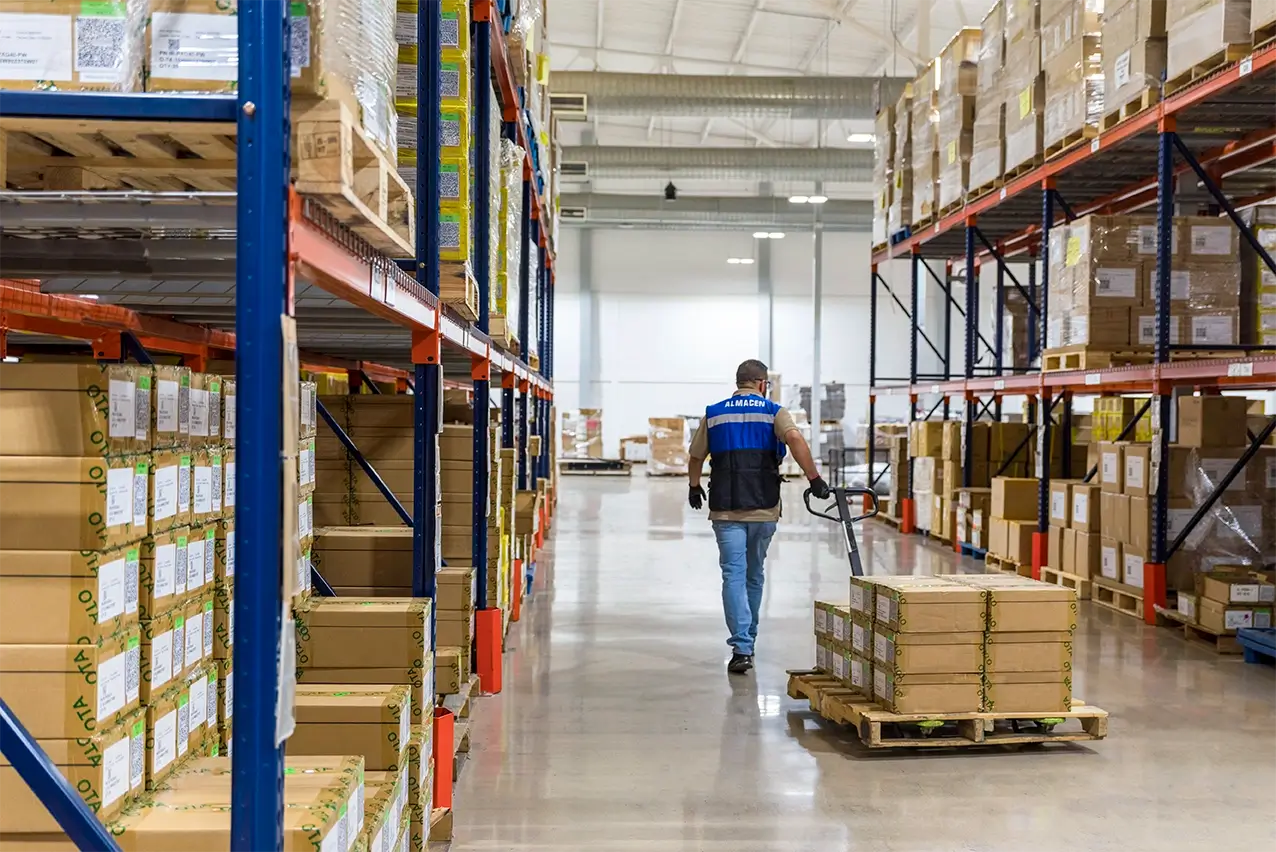
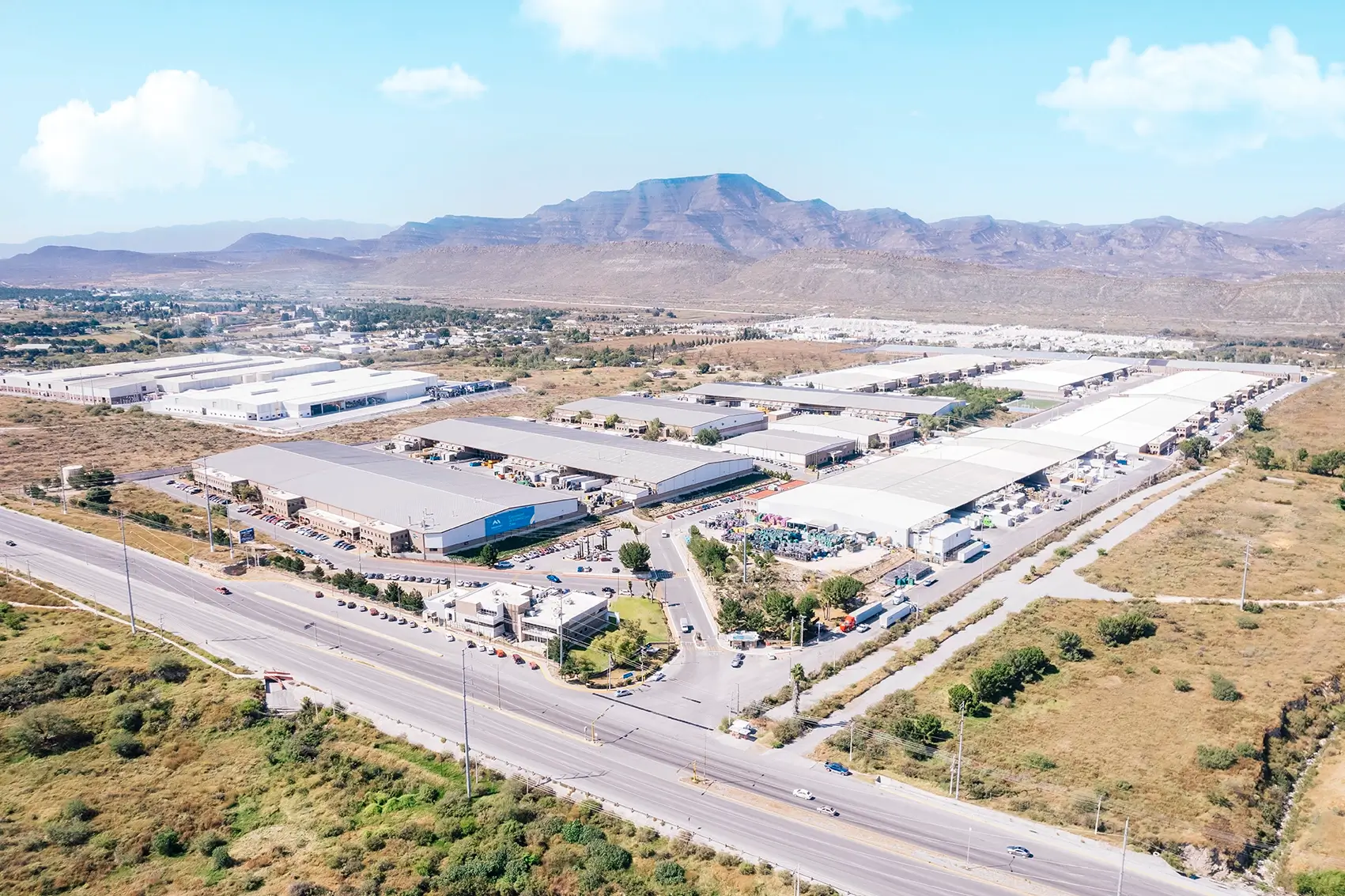
Manufacturing Campus: A Manufacturing Campus is a shelter-based operating model that combines the established entity and program with provider-controlled industrial space and integrated on-site teams: workforce, logistics, compliance, facilities, and security, working where the manufacturers are. You run your own operation, with your own people and processes, inside that structure. Because the provider concentrates in a few regions and operates there at scale, the teams, infrastructure, and relationships exist before you arrive, and their cost is shared across dozens of operations instead of carried by one.
The choice underneath the last two models is between one that can be set up almost anywhere for almost anyone, and one that concentrates in regions chosen deliberately for operational predictability and keeps investing in the communities where it operates. The practical question is how much of your launch’s certainty you want already built.
Choosing where to manufacture in Mexico affects workforce stability, logistics performance, and long-term cost. The factors that matter most:
On the facility side, the questions are whether to build, take existing space, or operate within an established environment, how much room there is to expand as production grows, and the level of operational support on site.
The two decisions travel together. The right building in a thin labor market creates the same problem as a strong region with no usable facility, which is why a good site-selection process weighs them at the same time, against your product and your hiring plan before any general ranking of cities.
The timeline depends on the model you choose. A standalone launch runs three dependent sequences with limited overlap: the corporate and tax identity comes first, the IMMEX program needs a facility and a complete file before its decision clock starts, and the VAT-credit certification can only be requested once the program is active. Each approval looks quick on paper; the months go into assembling what every approval requires. Our advice is to budget 8 to 18 months for a full standalone setup, with the entity at the start and the customs infrastructure, the IMMEX authorization, and the VAT-credit structure at the finish.
Entering through a shelter or a Manufacturing Campus changes the shape of the timeline as well as its length. The entity, the program, and the certifications already exist, so what remains is onboarding your products, your equipment, and your people into a running structure. How long that takes depends on your facility needs and the complexity of the installation, and it should be planned against your specific scope.
The pace of a launch is set earlier than most manufacturers expect, by how well-defined the operation is on paper before anyone signs anything. The essentials:
None of it commits you to a model or a location. It is the homework that makes every later conversation shorter, with a park, a provider, or your own board, and it is exactly what to bring to a first conversation.
Our Ecosystem
You aren’t coming to Mexico to coordinate vendors. You’re coming to launch, operate, and grow. An industrial park hands you an empty building. A Campus hands you a running environment, and the economies of scale that come with it.
Industries We Serve
We help companies expand efficiently, safely, and predictably in sectors with unique operational demands.
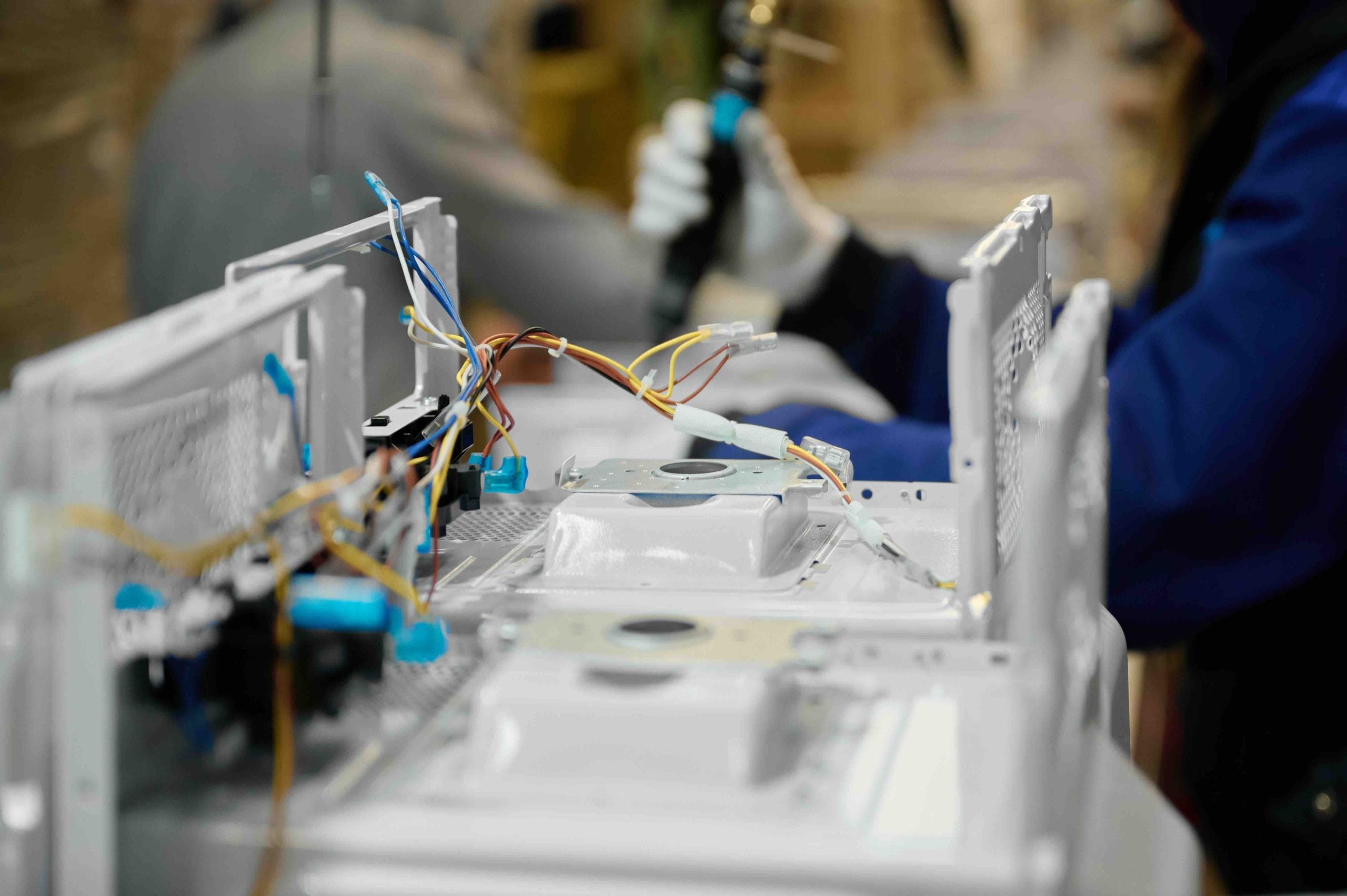
Component and assembly work held to OEM cost targets and safety certifications.
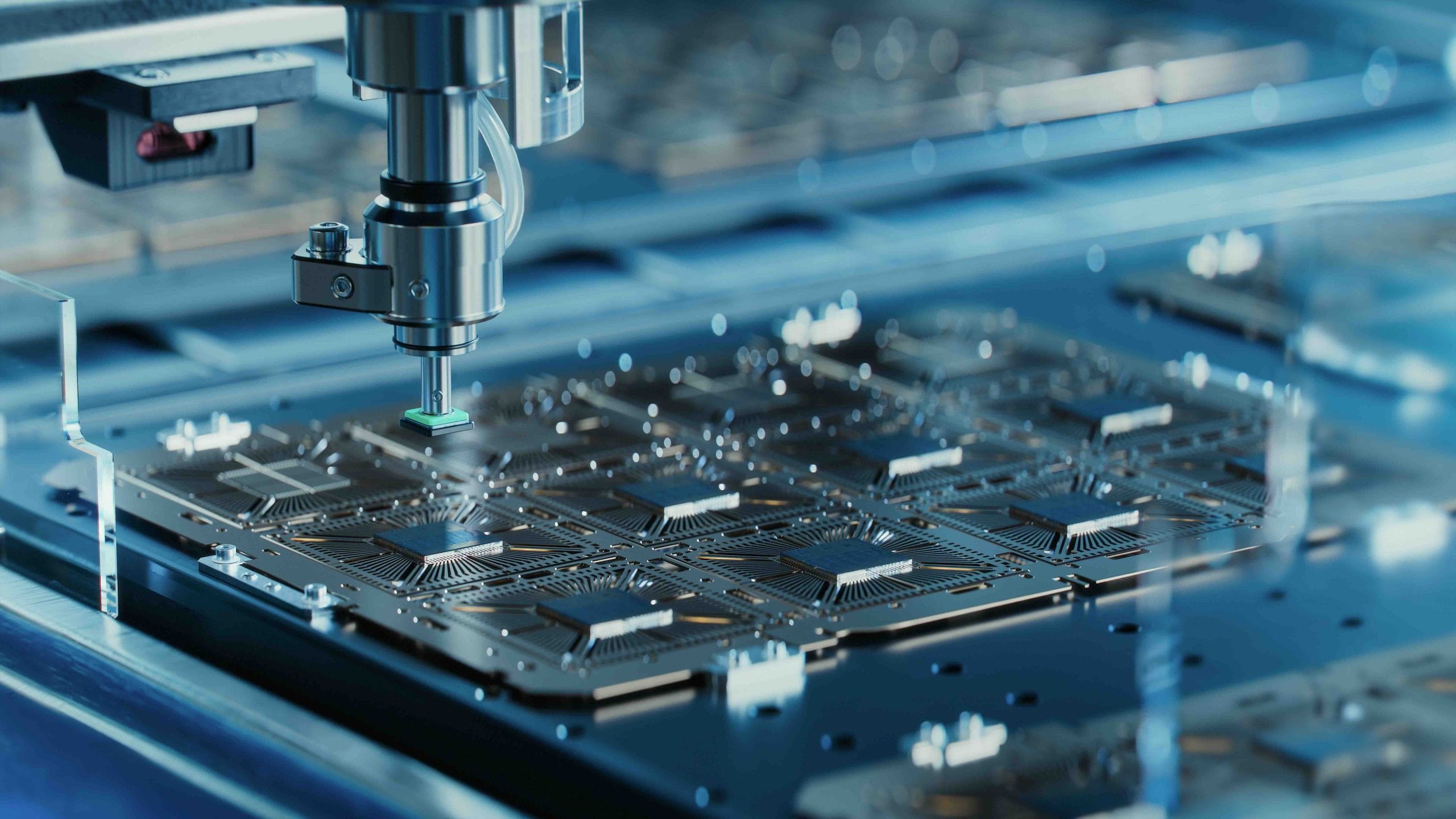
Assembly and test operations requiring tight process control and traceability.

Regulated production requiring validated quality systems and lot traceability.
Testimonials
From mid-sized manufacturers to global multinationals, these leaders asked the same questions you’re asking now. Their answers matter more than ours.
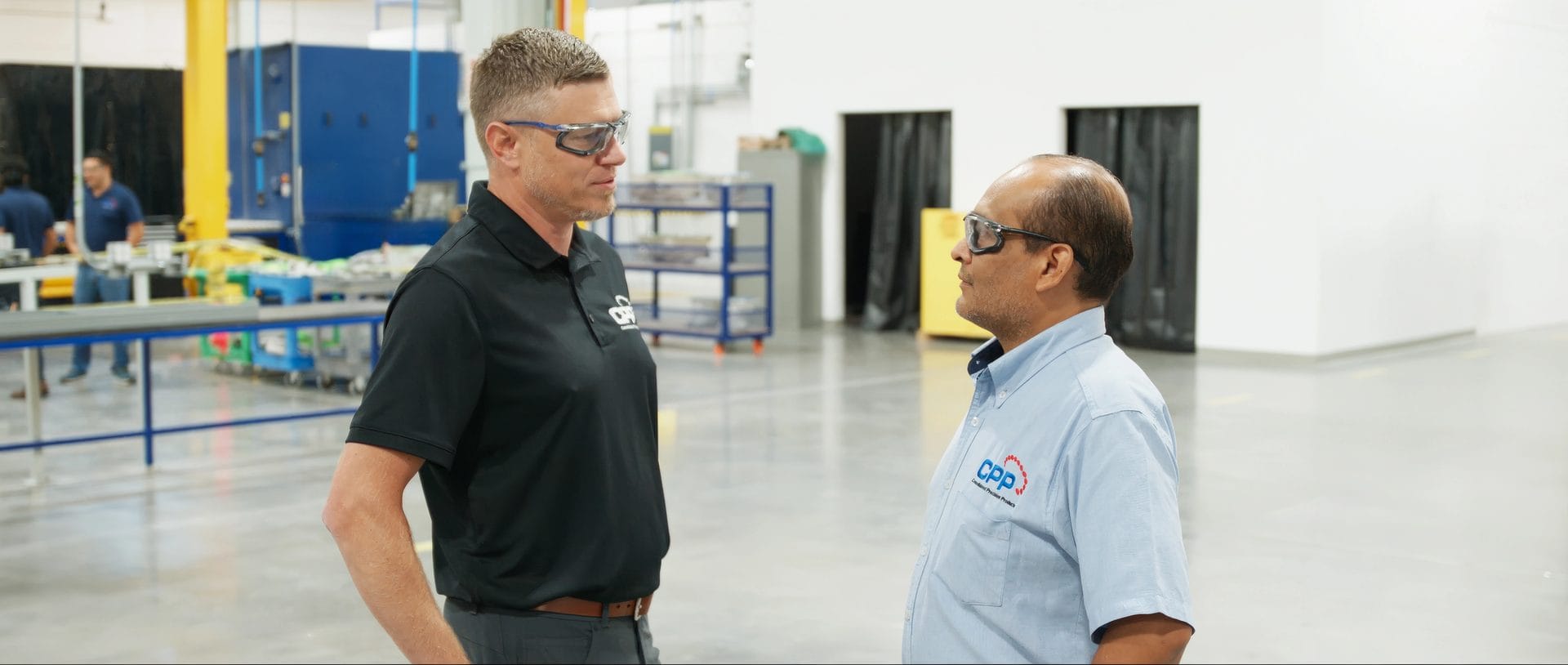

Jeremy Main, Senior Vice President, Consolidated Precision Products
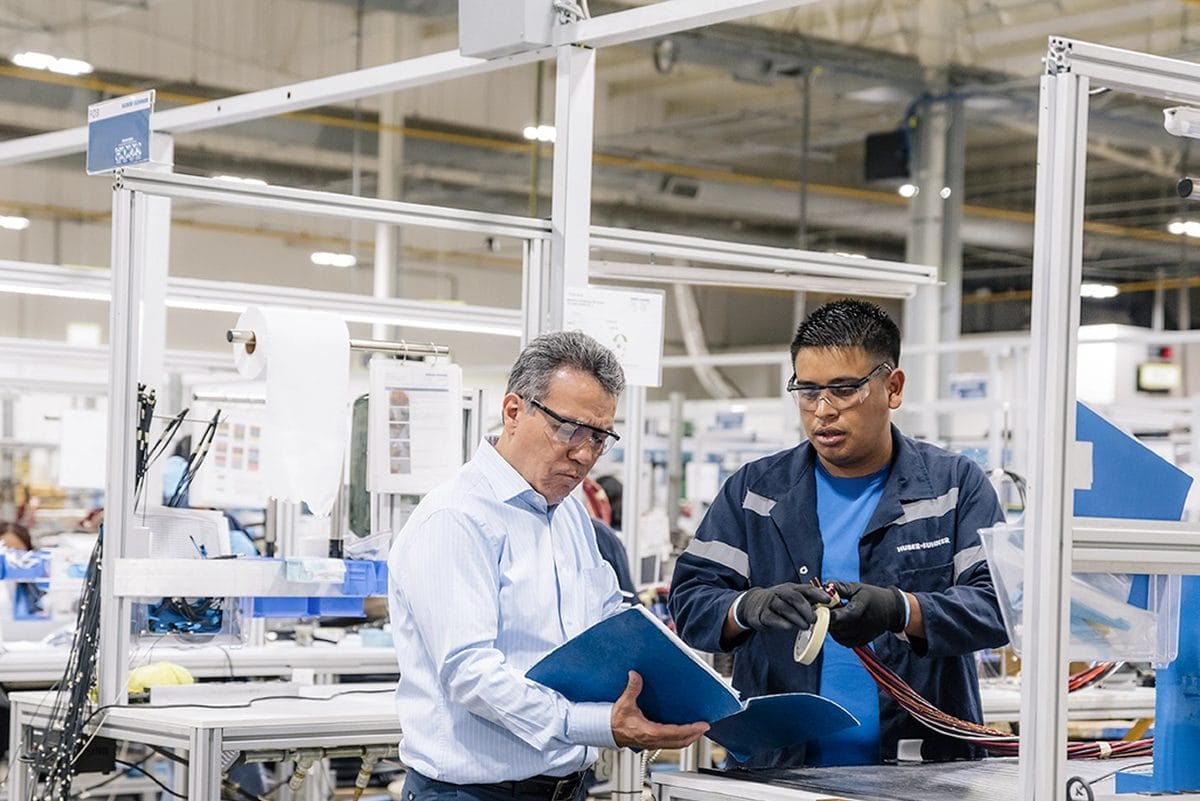

Carlos Rivera, Plant Manager, HUBER+SUHNER
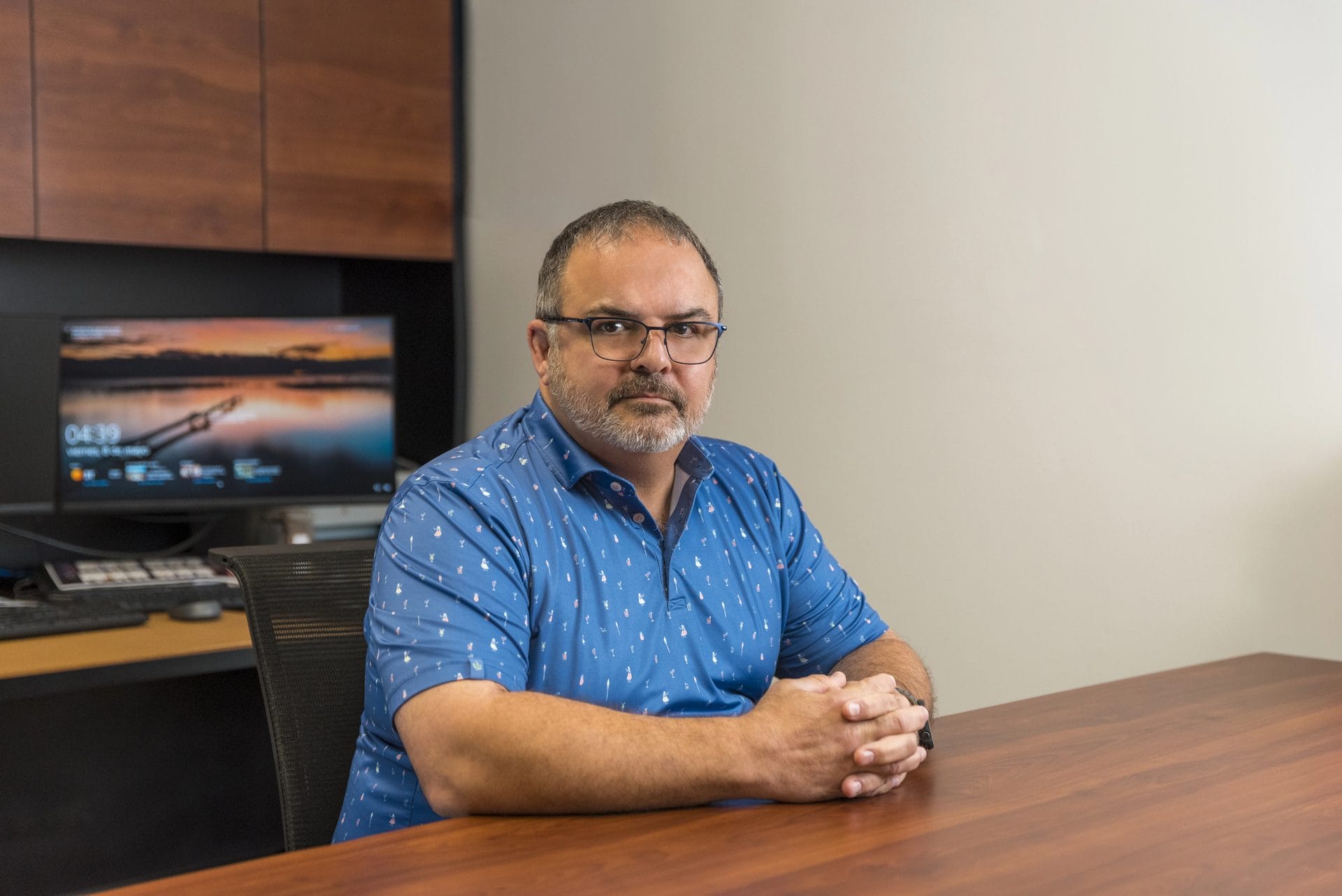

Brian Berich, Director of Operations, BAE Systems
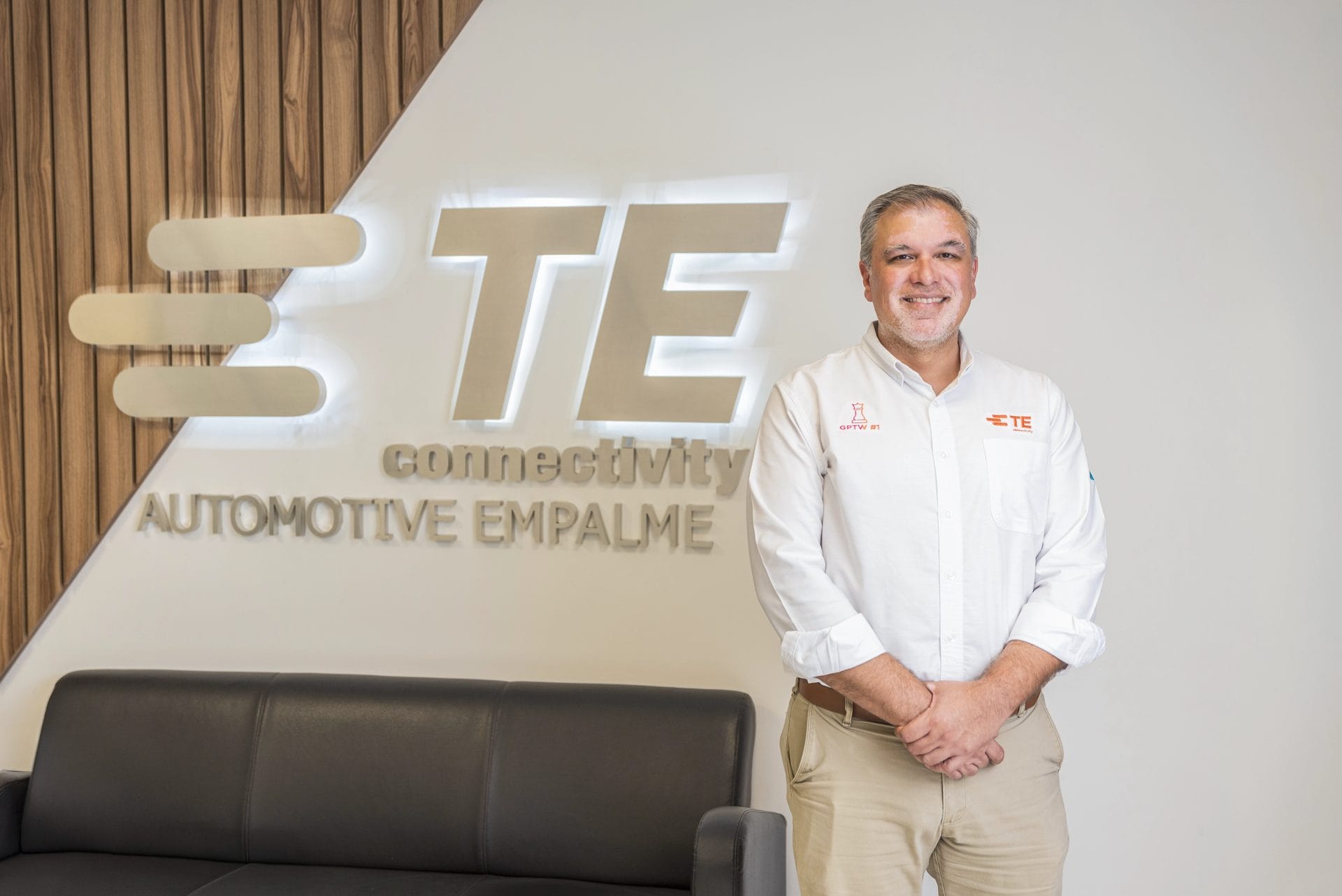
Ricardo Gómez, Director of Operations, TE Connectivity
Mauricio García, Plant Manager, Gemini Group

Jon Jensen, Manufacturing CEO, repeat Tetakawi client since 2001
How It Works
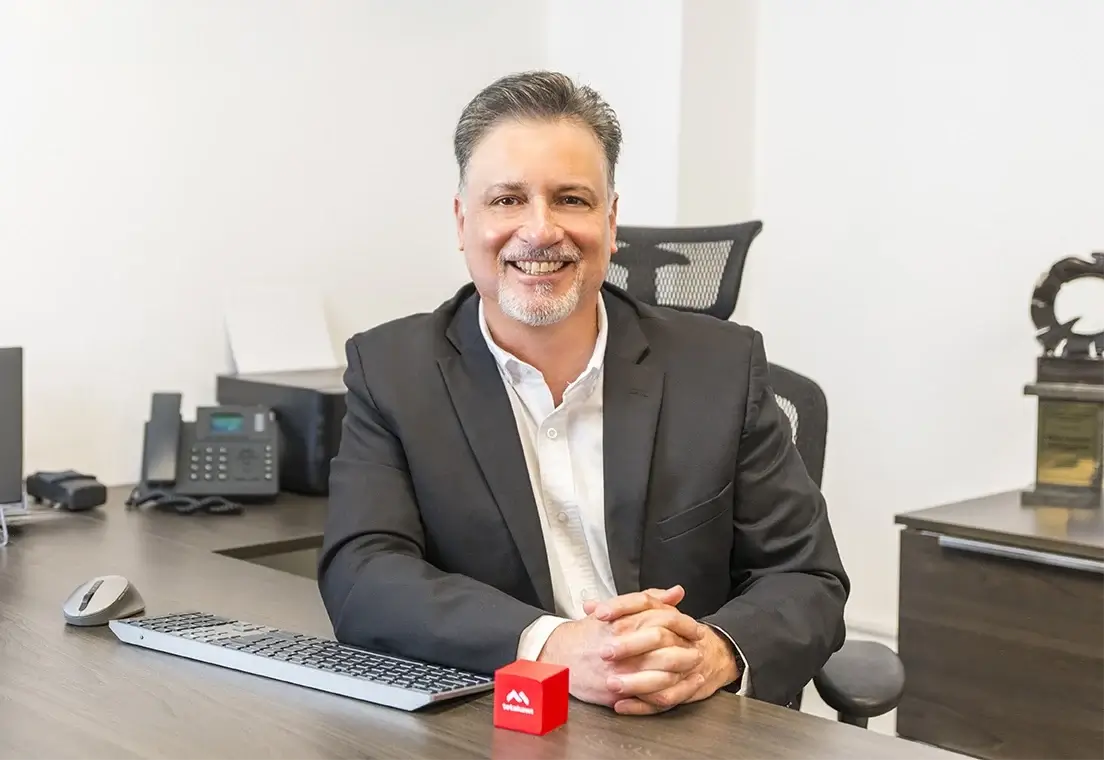
Talk with our team about your goals and questions around manufacturing in Mexico.
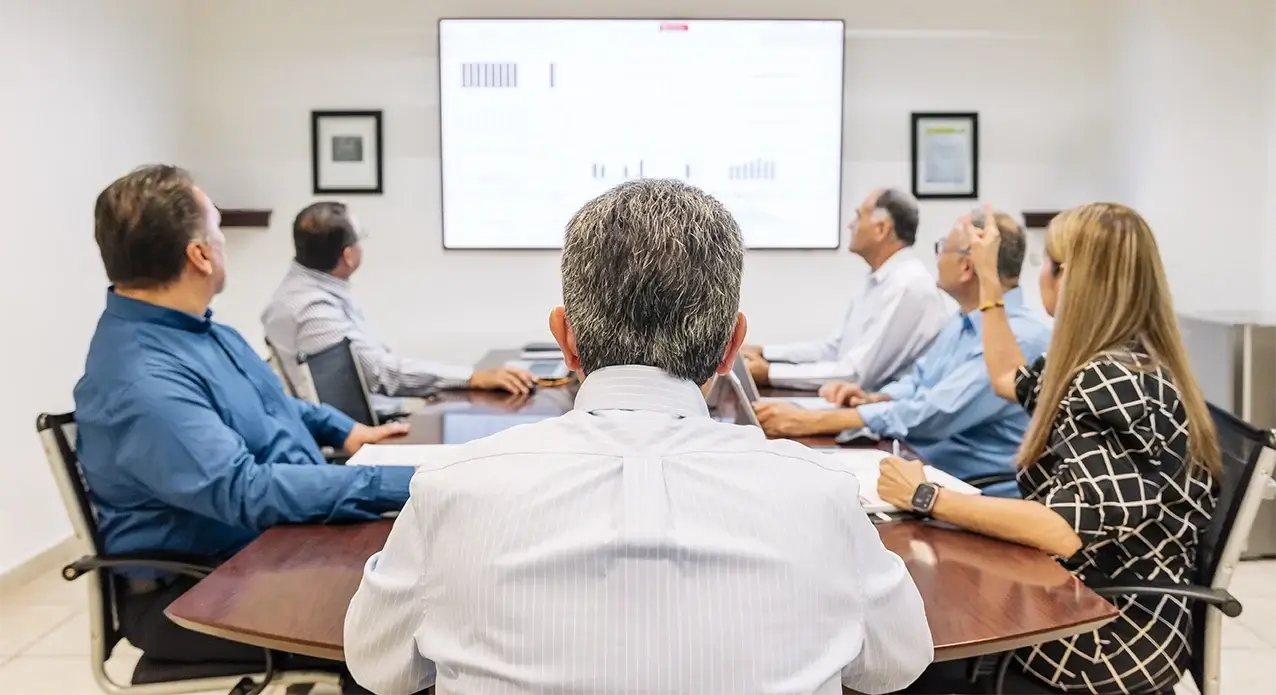
Work with our team to model costs, risks, and operational tradeoffs.
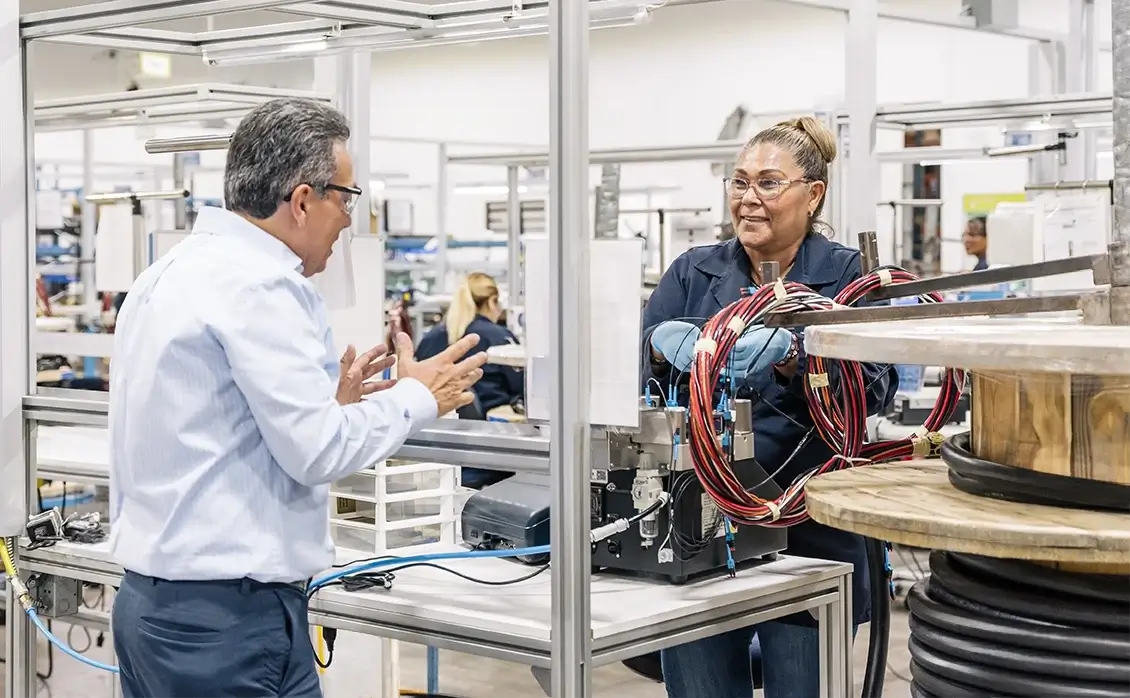
See how workforce, infrastructure, and operations come together on site.
Move forward with a clear plan to launch and scale with confidence.
FAQs
These are some of the most common questions manufacturers ask when evaluating Mexico as a production location and deciding how to enter the market.
Five: contract manufacturing, an acquisition or joint venture, a standalone operation, a traditional shelter, or a Manufacturing Campus.
Contract manufacturing hires an existing Mexican manufacturer to produce for you. An acquisition or joint venture buys into an operation that already exists. A standalone operation forms its own Mexican entity and builds every function itself. A traditional shelter operates your production under an established Mexican entity that holds the program and handles the administrative side. A Manufacturing Campus builds on the shelter’s legal foundation and adds provider-controlled space with on-site workforce, logistics, compliance, and security teams shared across many manufacturers. The models differ mainly in control, speed, and how much you must build yourself.
A Mexican company that already holds an IMMEX program holds the entity and the program your production runs under.
It serves as the employer of record for the workforce you select and direct, holds the import authorizations, and carries the administrative compliance, while you run your own production, processes, and quality. Mexican law recognizes the arrangement as the albergue modality of the IMMEX program, and it exists so foreign manufacturers can produce for export without forming a Mexican company first. Tax treatment for the foreign manufacturer follows its own rules and is worth reviewing with counsel as part of any shelter decision.
A shelter takes care of the paperwork. A Campus adds the building, the on-site people and the shared infrastructure.
A Manufacturing Campus is a shelter-based operating model that combines an established Mexican entity and IMMEX framework with provider-controlled industrial space and integrated on-site workforce, logistics, compliance, facilities, and security systems. The difference from a traditional shelter is the physical and operational layer: a shelter takes care of the administrative side of operating in Mexico, while a Campus starts there and adds the building, the on-site teams, and shared infrastructure in one location, with the costs and the learning spread across the manufacturers operating together. In both models, manufacturers keep their own production, people, and processes.
It depends on the model. Budget 8 to 18 months for a standalone launch; entering an existing structure is shorter.
Any timeline should say where it starts and ends. For a standalone launch, we advise budgeting 8 to 18 months from decision to a fully structured operation: the entity and tax registrations come first, the IMMEX application carries a 15-business-day statutory decision term once the file is complete and the site has been inspected, and the separate VAT-credit certification, formally the IVA/IEPS certification, can only be requested after the program is active, with a 60-business-day decision term of its own.
Entering an existing structure is shorter because those chains are already built. The remaining time is onboarding your facility, equipment, and people, which depends on the scope of your installation and has no standard number.
They solve different problems. Contract manufacturing buys speed; your own plant keeps control.
Contract manufacturing buys speed and low commitment at the price of control: the contractor owns the process, the quality system, the capacity plan, and the pace of improvement, and your position depends on what the agreement grants you, from tooling ownership to inspection rights. Operating your own plant, standalone or within a shelter-based structure, keeps production, quality, and intellectual property under your direct control and asks more of your organization in return. The deciding questions are how core the product is, how much your customers care who makes it, and how long you expect to be in Mexico.
By putting a running Campus behind each decision this page walks through.
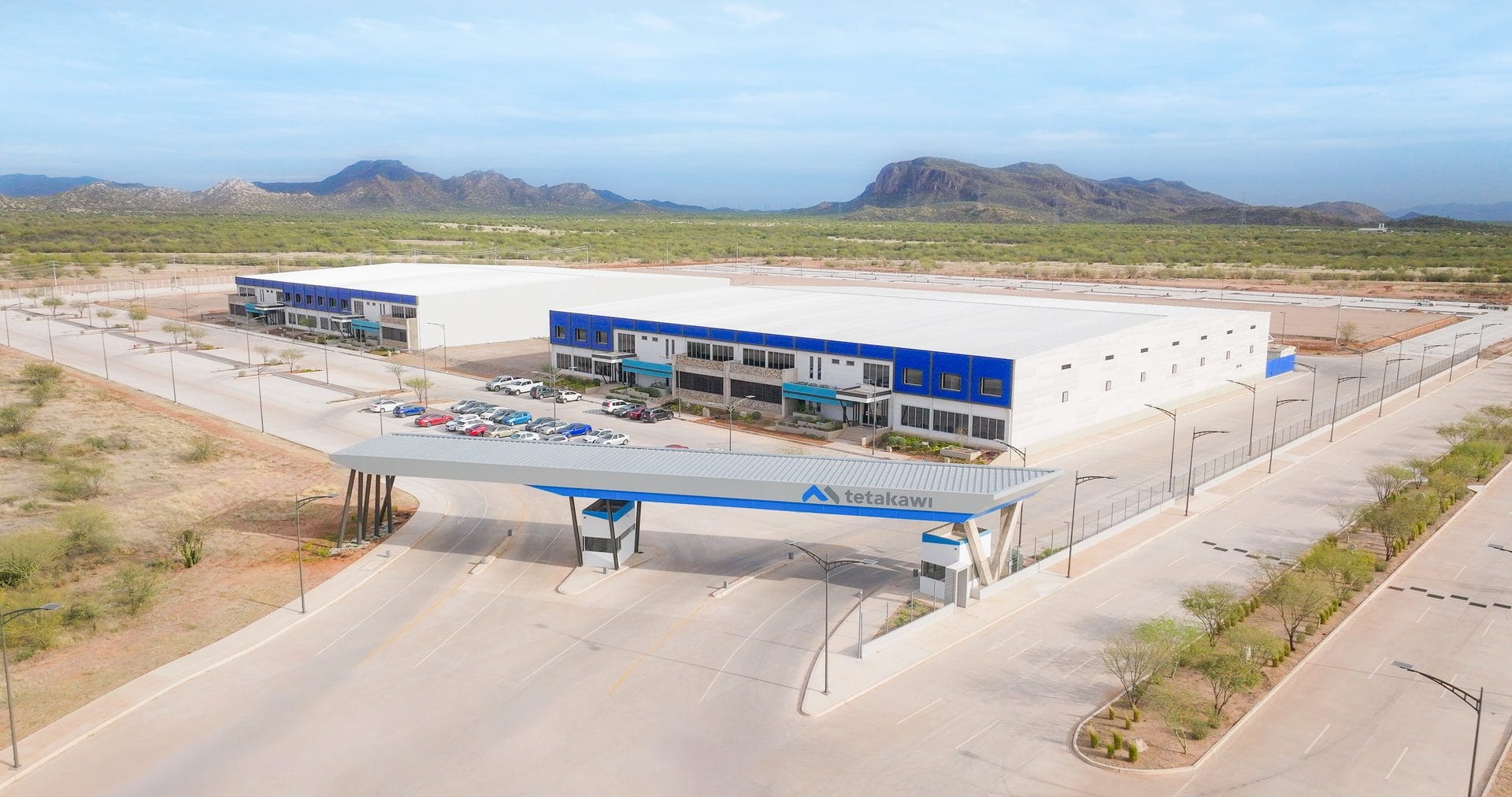
The operating model: on a Tetakawi Campus you run your own plant inside Tetakawi’s Mexican entity, under our IMMEX shelter program and one U.S.-based contract, with the workforce, import and export, compliance and facilities teams already on the property. The location: five Campuses in Sonora, Sinaloa and Coahuila, each chosen for a labor market that can staff you now and keep growing, and for a proven route north. The facility: Class A buildings, move-in ready or adapted to your process, on a standard footprint of about 35,000 square feet, with land for new construction where a Campus has room. The timeline: because the entity, the program and the buildings exist, a well-prepared operation can get started in as little as 30 days, and most are producing within three to six months.
Bring us the homework from the question above: the product, the volumes, the certifications, the equipment list and who will lead the launch. We build the business case with you, put the Campuses side by side, and if standalone or a contract manufacturer is the better fit for you, we will say so.