
Manufacturing Wages in Mexico vs. China (2026)
12 min Read
Key Takeaways
- On employer cost, an unskilled operator on a Tetakawi Manufacturing Campus runs about $1,030 a month and a semi-skilled operator about $1,270, October 2026.
- JETRO's 2025 survey puts a general factory worker with about three years' experience at about $1,130 a month to employ in China.
- Experience and working hours differ between the benchmarks, so a project's staffing plan and expected output are priced individually.
- For U.S.-bound production, the case rests on what a Mexican location changes about replenishment, access to the team and the operation's economics.
Jump to Section
The benchmarks below put monthly employer cost at about $1,030 for an unskilled production operator and $1,270 for a semi-skilled operator on Tetakawi’s Manufacturing Campuses, compared with about $1,130 for a general factory worker in JETRO’s 2025 China survey. These figures make Mexico worth evaluating on production labor cost. Differences in experience and working hours mean that a project’s staffing requirements and expected output still need to be priced individually.
Manufacturing wages in Mexico and China: employer cost per worker
| Benchmark and source | Worker | Employer cost a month, USD |
|---|---|---|
| China, 2025: JETRO survey of Japanese-affiliated plants, 228 responses | A regular general factory worker with about three years’ experience; contract and probationary workers excluded | About $1,130 |
| Mexico, October 2026: unskilled operator | A general production operator; no prior manufacturing experience required | About $1,030 |
| Mexico, October 2026: semi-skilled operator | A production operator in a role that requires prior manufacturing experience | About $1,270 |
Methodology
The Mexico figures are Tetakawi’s October 2026 starting rates, averaged across the five Campuses, at 18.50 pesos to the dollar, based on a 46-hour week, fully fringed: the wage plus the benefits and contributions the employer pays. The China figure is JETRO’s fiscal 2025 employer-cost benchmark, translated at the September 2026 exchange rate. JETRO’s worker has about three years of experience; the Mexico figures are starting rates. That difference is why the table is a benchmark comparison rather than a like-for-like quote.
Source details. JETRO’s FY2025 survey published $12,667 a year at the August 2025 rate of 7.17 yuan to the dollar; at the Federal Reserve’s September 2026 average of 6.71, the same amount is about $13,500, or $1,130 a month. The Mexico figures are $5.19 and $6.39 an hour, about $12,400 and $15,300 a year; a custom analysis returns each Campus separately.
For a manufacturer serving U.S. customers, these figures support taking Mexico seriously even when operator costs are close. The next question is whether producing closer to those customers improves replenishment, access to the production team and the overall economics of the operation. The evaluation can focus on the next line: a new product, a second source, incremental capacity or selected North American volume, placed in Mexico while the China operation continues.
Those are employer-cost figures. China’s official statistics measure something different: gross pay rather than employer cost. The National Bureau of Statistics puts 2025 average gross pay for production personnel in larger manufacturing enterprises at 79,182 yuan a year, about $980 a month at the September 2026 exchange rate, before the employer’s social-insurance and housing-fund contributions. Mexico pays in pesos per day rather than dollars per hour, so any hourly figure is a conversion; how wages are calculated in Mexico walks through the daily wage, the statutory benefits and the employer contributions on a hypothetical day’s pay.
What the workforce would cost: staffing plan, hours and output
The operator rate is one line of a payroll. A plant also carries technicians, engineers, supervisors and the indirect roles. Those lines do not move with the operator rate, in either country. Say a line adds a maintenance crew and two engineers above its operators, for example: those roles are priced on their own rates on each side. So the result for a line is the result for its staffing plan, priced role by role, rather than the operator comparison extended to the whole payroll. The role-by-role Campus figures are on the manufacturing labor costs in Mexico page.
Then output. Labor cost per good unit is the total labor cost attributable to production during a period, divided by the saleable units produced during that same period. Include wages, employer contributions, benefits, overtime and relevant indirect labor, including costs incurred during paid training and downtime. Apply the same cost definitions in both locations. Headcount, staffing mix, paid time, yield and ramp all move the result, so two plants at the same rate can land far apart.
So if you run your own plant in China, start from your payroll: the roles and shifts, the employer contributions in your city, the hours worked and the yield. If you buy from a contract manufacturer, start from the supplier’s price, its commercial terms and the landed cost behind it; the supplier’s wage reaches you only through that price, together with its overhead and margin. If you are placing new capacity for the first time, build the same staffing plan for each location. The published figures help you read any of those numbers. They do not replace them.
Workforce availability over a multiyear investment
Behind the wage sits a second question for an investment that runs ten years: whether the people will be there. For example, UNFPA’s 2025 estimates put 25% of Mexico’s population between the ages of 10 and 24, against 18% in China. Mexico’s working-age share, 15 to 64, is 67%, against 70% in China, which has the higher share today. And 9% of Mexicans are 65 or older, against 15% in China. These are national estimates, and the bands overlap. Mexico has a larger share of its population in younger age groups. For manufacturers considering a multiyear investment, that makes the local pipeline of future workers relevant to site selection. Hiring feasibility still depends on the skills, competing employers, transportation and retention conditions around the specific plant.
And the fit is product by product. Consider a product sold in North America that can meet the applicable USMCA rules of origin and has enough volume to justify its own line: that is one situation in which Mexico may fit. For products sold mainly in Asia, proximity to those customers can favor keeping Asian production, and a product that depends on a specialized process available only in one supplier’s plant has a different first question.
How duties, materials and logistics change delivered cost
Duties. U.S. import duties depend on the product’s classification, origin and applicable exclusions. Chinese-origin goods can face ordinary duties and China-specific Section 301 tariffs. A separate Section 301 measure, effective July 24, 2026, adds 12.5% on covered goods from China and 10% on covered goods from Mexico, subject to exemptions. CBP’s guidance exempts products of Mexico entered free of duty under USMCA from that 10% measure. Section 232 and other applicable duties still need to be checked. Eligibility for USMCA preferences and origin for China-specific Section 301 tariffs are separate determinations; neither IMMEX nor operating on a Campus establishes either. The tariff detail and the country comparison are on Manufacturing in Mexico vs China.
Materials and suppliers. Most manufacturers we support keep their Asian component sources at first and localize over time, and moving final production to Mexico does not remove the lead time on components that stay in the bill of materials. So the input is the BOM: which suppliers and components the project depends on, their quotes, lead times, order quantities and what would need qualifying.
Logistics and inventory. For U.S.-bound production, evaluate what a Mexican location would change about replenishment, plant visits and coordination with the production team. The situations where that matters most are easy to recognize. For instance, are you adding capacity mainly to serve North American customers? Does the operation need frequent visits, production troubleshooting or coordination with a U.S. team? Could selected products, or the next line, go to Mexico while the existing China operation keeps running? If so, compare actual door-to-door routes, border handling and inventory requirements for the same product and destination. Components sourced from Asia still carry their own inbound lead times.
Three common ways to manufacture in Mexico
A manufacturer considering Mexico also needs a practical way to operate there. A company can buy from a contract manufacturer in Mexico, set up a standalone operation, or run its own factory on a Manufacturing Campus, and each assigns the costs and the production responsibilities differently. On a Tetakawi Campus, the company directs its own production, and Tetakawi provides the established space and the employment, administrative, compliance and logistics support around it. That is the answer to a question every evaluation reaches: who helps put the local operation together and keep it running.
- Contract manufacturer
- You control the design, the requirements and the approvals; the manufacturer runs production and sets priorities across its customers. You provide design, specifications, tooling where applicable, customer qualification and purchasing discipline; the manufacturer provides the plant, the people and the schedule. It is priced as a unit price that bundles labor, overhead and margin, plus tooling, logistics, duties and inventory commitments. Launch means finding qualified capacity, then survey, audit, RFQ, tooling and part approval.
- Standalone plant
- You control everything and you provide everything: capital, a Mexican company and its registrations, a building, recruiting, payroll, compliance, permits, local management and time, with advisers and service providers you select. It is priced as the full operating cost plus launch and capital. Building from scratch typically takes eight to eighteen months before you can operate.
- Your own plant on a Tetakawi Campus
- You control production, process and quality: you direct, supervise and train the team on your process. You provide the process, equipment, production leadership, quality system, customer approvals and the capital for the line; Tetakawi provides space on an established Campus, recruiting, employment, payroll and benefits through its Mexican operations, the IMMEX program and site permits, filings and logistics. It is priced as direct and indirect labor by role, space and services, and logistics, plus your own capital and launch. Most operations go from deciding on Mexico to producing in Mexico in three to six months; a well-prepared operation can get started in as little as 30 days, meaning the space is ready for your equipment and the team is being hired.
Contract manufacturing is a genuine strategy at substantial volumes and for companies that do not want to run an operation; Tetakawi vs contract manufacturing sets out who owns what. A standalone operation requires the company to arrange its facility, staffing and administration, directly or through service providers. On a Campus, a company runs its own production inside an operating environment that already exists. A Campus adds established industrial space, shared infrastructure and an on-site support organization. In Mexico, the importer and exporter of record is on Tetakawi’s side of the arrangement; entering the United States, your company is. You control production, process and quality. Tetakawi is not a contract manufacturer. Installation, validation and customer approvals remain project-specific under every option.
What to evaluate before investing
So start from what you pay today: your plant’s delivered cost, or your supplier’s price and the landed cost behind it. Then run the origin analysis on the product to establish whether there is a duty saving and how large it could be. Then price the options on delivered cost per good unit, with the same products, volumes, quality requirements and destinations on each side. At the end of that work, your team should be able to answer five questions.
| Question | What to have in hand |
|---|---|
| What would we save a year? | Difference in recurring delivered cost per good unit multiplied by expected annual volume, with ramp-up and utilization reflected in the calculation |
| What cash does it take, and when does it pay back? | Equipment and tooling, transfer and qualification, training, the months of overlapping production, and working capital, kept separate from the recurring saving |
| Can we transfer the production? | Ownership of tooling and designs, process documentation, engineering knowledge, supplier relationships, customer approvals |
| When do we ship qualified product? | A schedule through installation, validation, customer approval and ramp, beyond space readiness |
| What would break the case? | Lower utilization, a slower ramp, a different origin result, exchange-rate movement, a late launch |
How Tetakawi helps
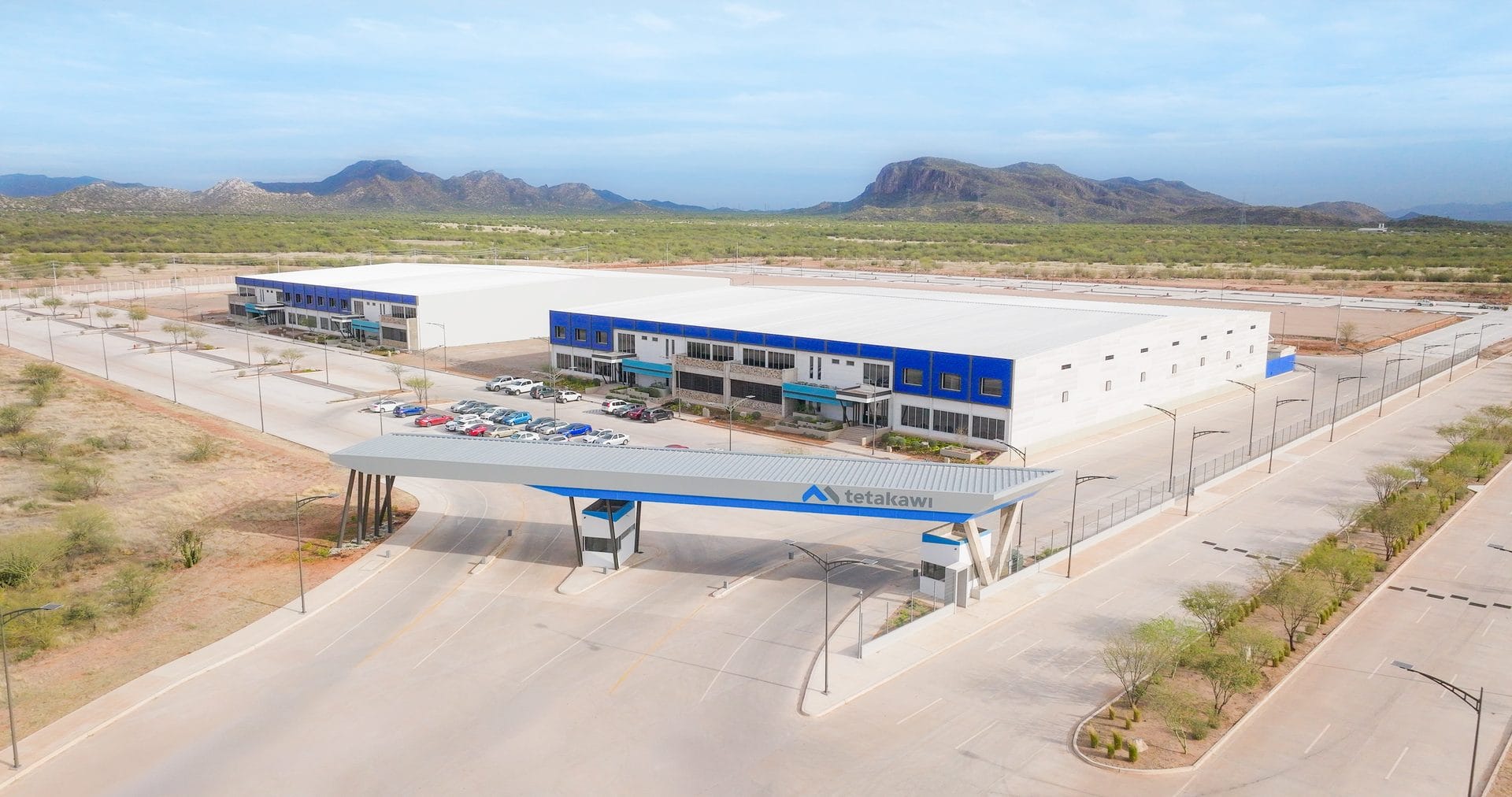
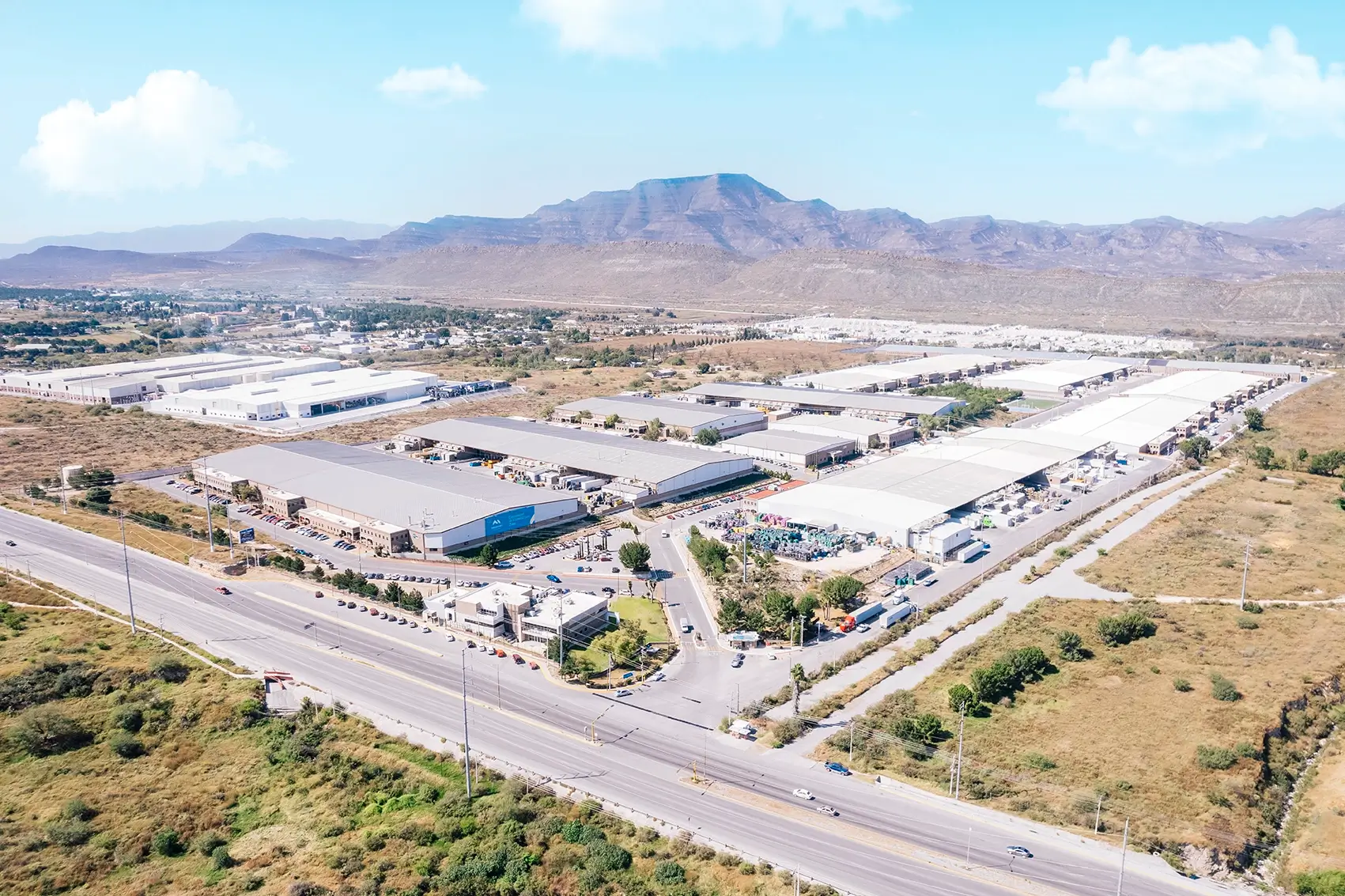
Tetakawi has helped companies manufacture in Mexico since 1986. More than 60 manufacturers run their own plants on its five Manufacturing Campuses in Sonora, Coahuila and Sinaloa, with Tetakawi running the space, the workforce administration, the compliance and the logistics around each line. If you are evaluating Mexico for North American production, the conversation starts with what it would cost to operate on a Campus: the roles you would staff at the current rates, the space, the services and the freight, set against the landed cost you pay today. From there, a customs and rule-of-origin read on the product, the cost model for the full operation, and a visit to walk the Campus and meet the people who would run the account. You control production, process and quality; Tetakawi runs the environment around the line.
Evaluating Mexico for North American production?
The first conversation is to work out whether a Campus operation fits the project. You do not need to have finished the analysis above to start it.
Frequently Asked Questions
Is it cheaper to manufacture in Mexico or China?
On employer cost per production operator, the benchmarks are close: about $1,030 a month for an unskilled operator and $1,270 for a semi-skilled operator on a Tetakawi Manufacturing Campus in October 2026, against about $1,130 for a general factory worker with about three years’ experience in JETRO’s 2025 China survey, translated at the September 2026 exchange rate. Experience and working hours differ between those figures, so it is a benchmark comparison. For a product sold in the United States, duties and freight belong in the same calculation, and both are priced on the product itself. The answer for your product is its delivered cost per good unit under each option.
How much do factory workers make in China in 2026?
The latest annual official figure used here is for 2025: average gross pay of 79,182 yuan a year, about $980 a month, for production and manufacturing personnel in manufacturing enterprises above the designated size, converted at the September 2026 exchange rate. The National Bureau of Statistics release of May 15, 2026 reports gross pay before the employer’s social-insurance and housing-fund contributions. The JETRO benchmark in the main table measures employer cost rather than gross pay, and covers a different survey population.
What is the minimum wage in China in 2026?
China has locally set minimum wages, rather than one national rate. For example, Shanghai’s published full-time monthly minimum, effective July 1, 2025, is equivalent to about $410 at the September 2026 exchange rate. It is a legal floor with locally defined inclusions and exclusions. It is not an average manufacturing wage or the full cost of employing a worker.
Do products with Chinese components qualify for USMCA?
They can. A finished product made with Chinese components must satisfy the applicable USMCA rules of origin and other requirements. Depending on the product, the test may involve a tariff classification change, regional value content or other conditions. USMCA qualification is separate from the origin analysis used for China-specific Section 301 duties. Most manufacturers we support keep Asian component sources at first and localize over time, and both analyses are among the first things we run with a prospective client.
Subscribe to stay up to date with our latest insights