If you are considering a new plant in Mexico, hiring is one of the first questions: can you build the team your operation will need? You may know the products and processes you would bring, while still comparing locations, estimating costs and deciding how much capacity to establish.
Wage figures can help with an initial comparison. The next step is to understand the experience available locally, how you would recruit those people and what preparation they would need for your operation.
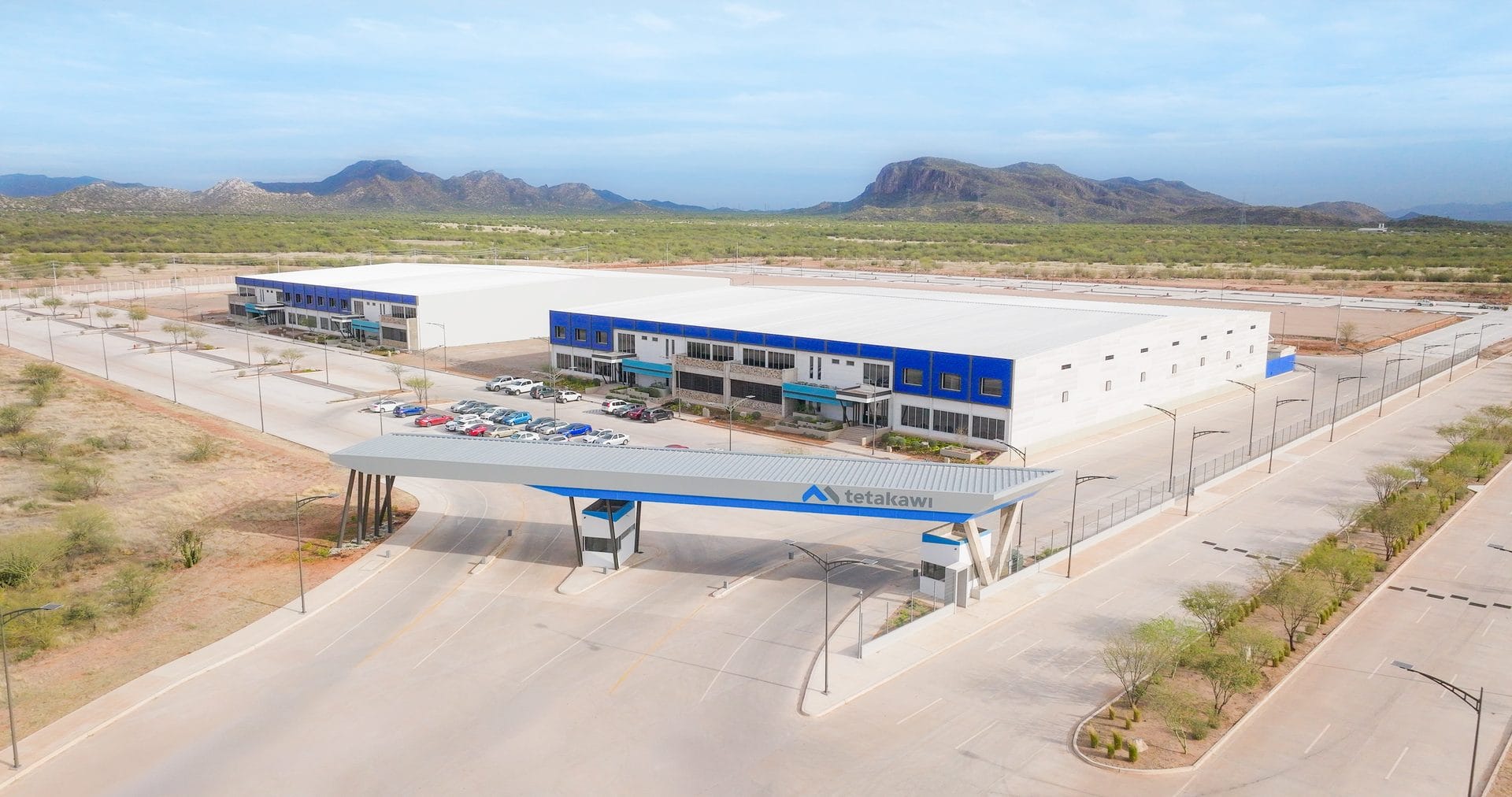
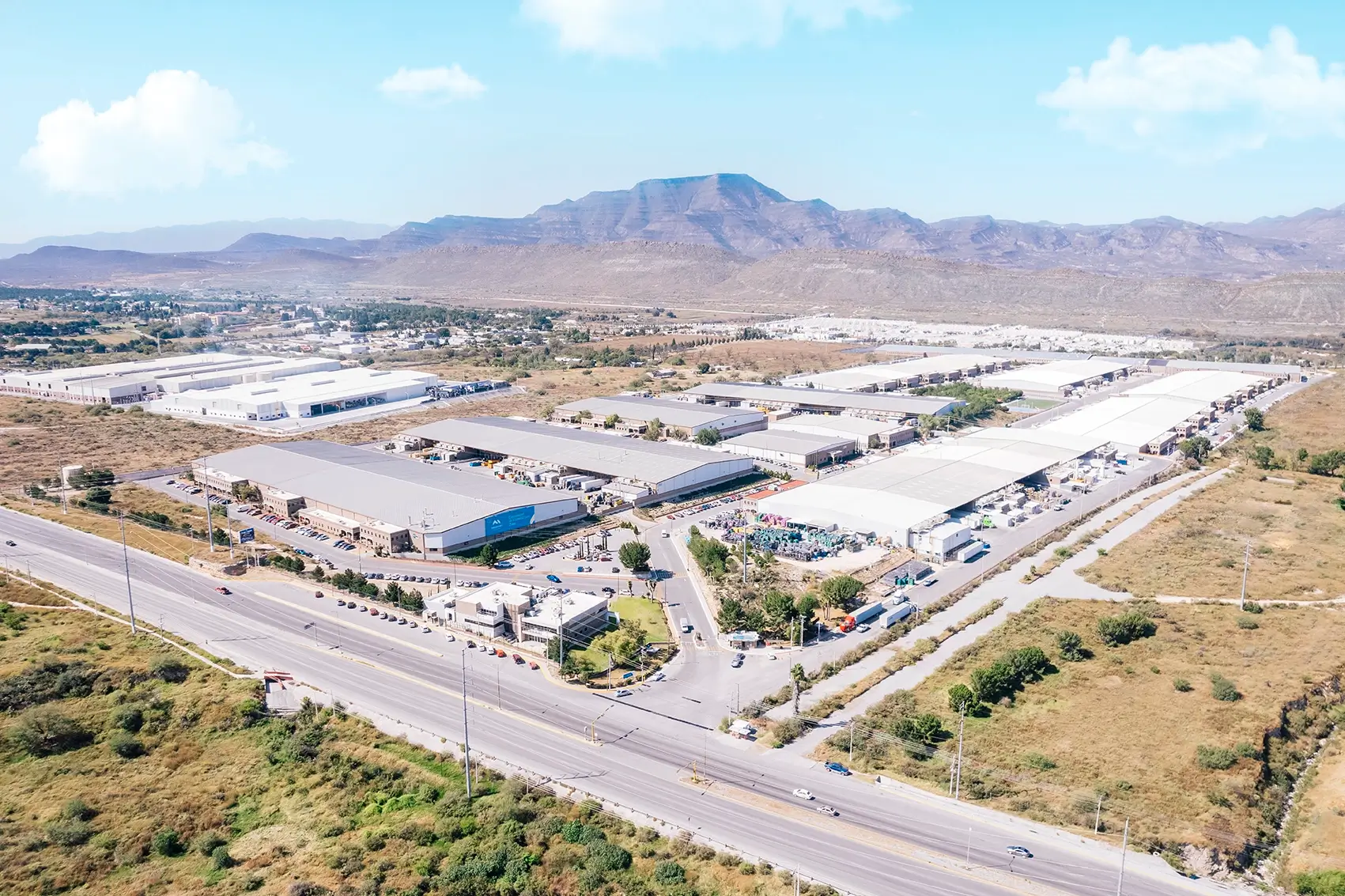
These questions also help explain the value of a Manufacturing Campus. Tetakawi’s recruiting, employment administration and employee transportation services are already operating around the manufacturers on its Campuses. For a company entering Mexico, that provides an established organization to work with as it assesses, recruits and supports its workforce.
The work determines the skills you need
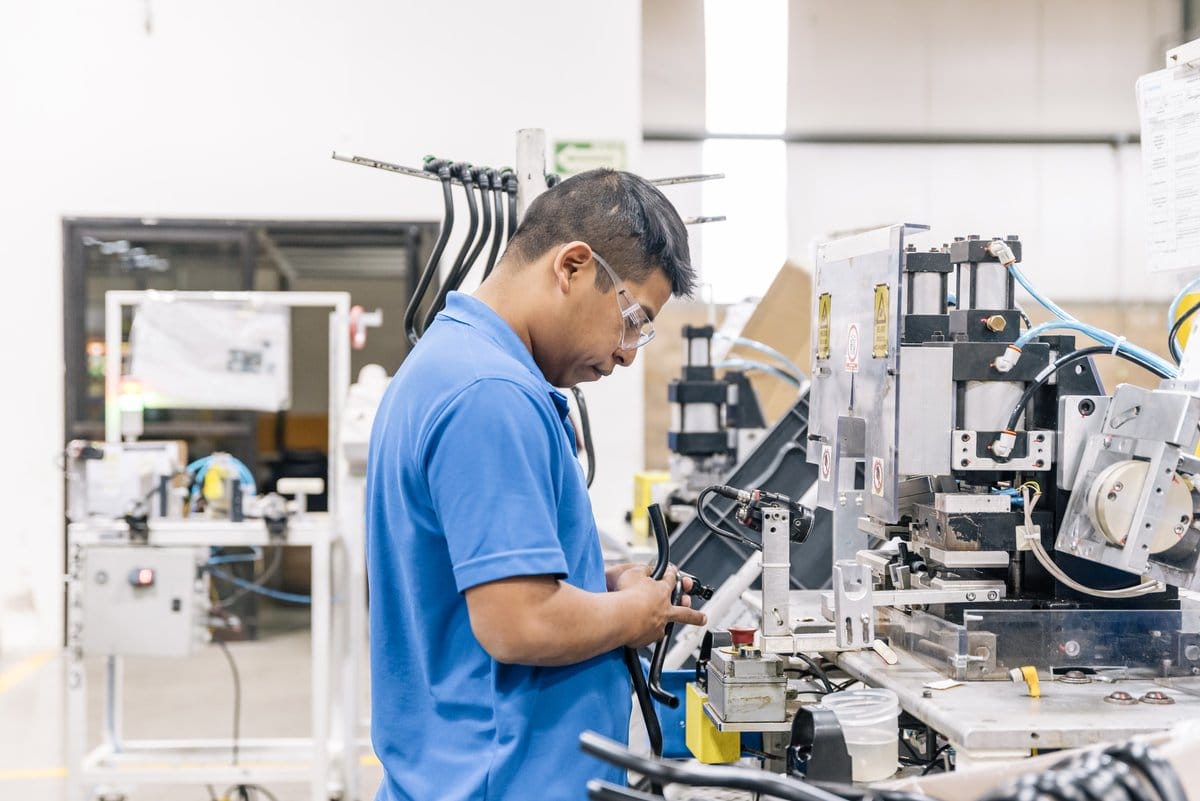
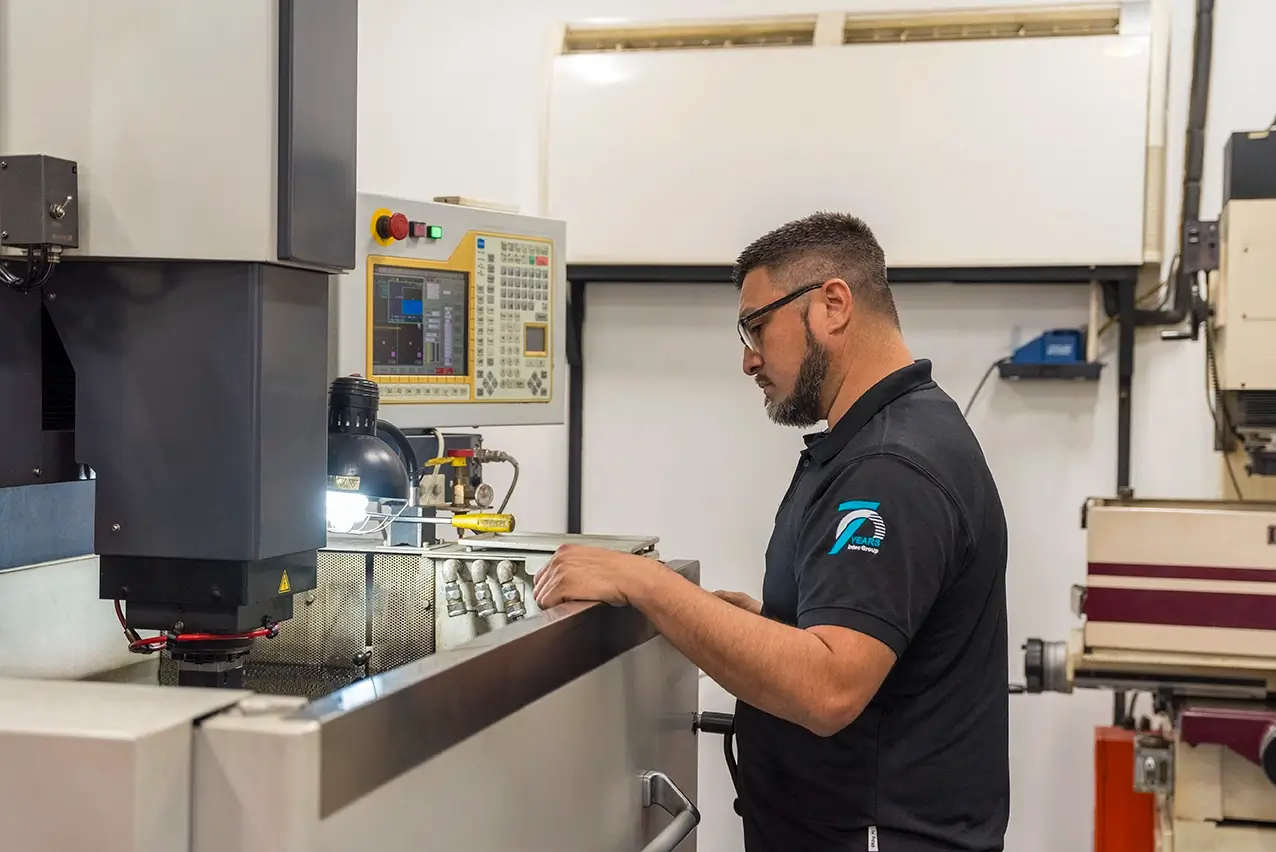
Take a CNC operator. In one plant, that person loads parts and runs an established program. In another, the same title includes setting up tooling, making adjustments and troubleshooting the process. Both jobs belong on a manufacturing floor, but they call for different experience, different pay and different training.
If you need someone who can set up and troubleshoot independently, look for that experience in the candidates you interview. If your team can teach those skills, someone experienced in running an established program may be a suitable starting point. That distinction changes both the recruiting search and the training your launch will require.
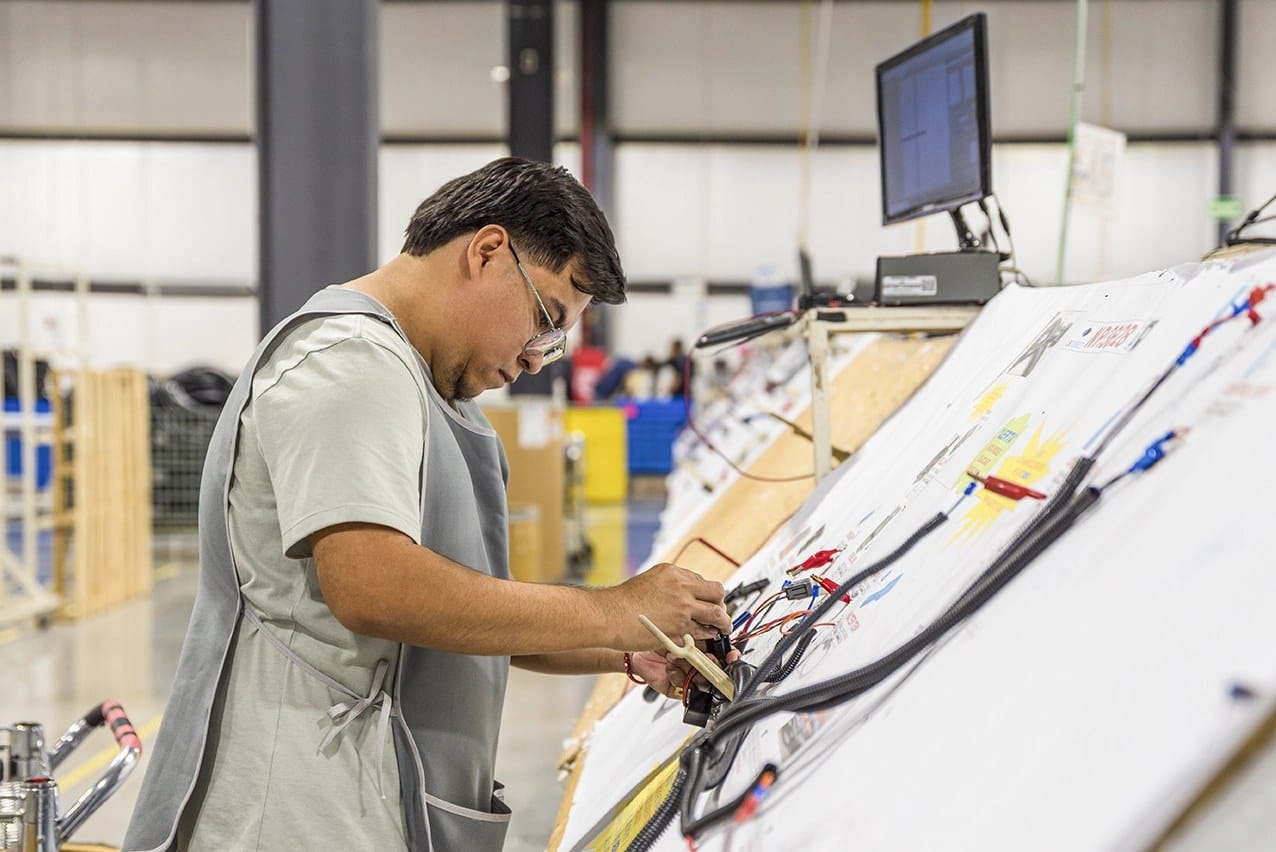
The same distinctions apply to a maintenance technician, a quality inspector or a production supervisor. The responsibilities in your existing plant provide a starting point, and these questions help a recruiting team understand the experience you need.
| Clarify the requirement | What it changes |
|---|---|
| Run an established process, or set it up independently? | The experience you recruit for and assess. |
| Know your exact equipment, or bring transferable skills? | The candidate pool and the training your team must provide. |
| Use English every day, or only during initial training? | Which roles need the language and how instruction will work. |
| Lead people, or serve as the most experienced technician? | The leadership responsibilities and selection criteria. |
Those details give the local recruiting team something specific to search for.
How recruiting works on a Campus
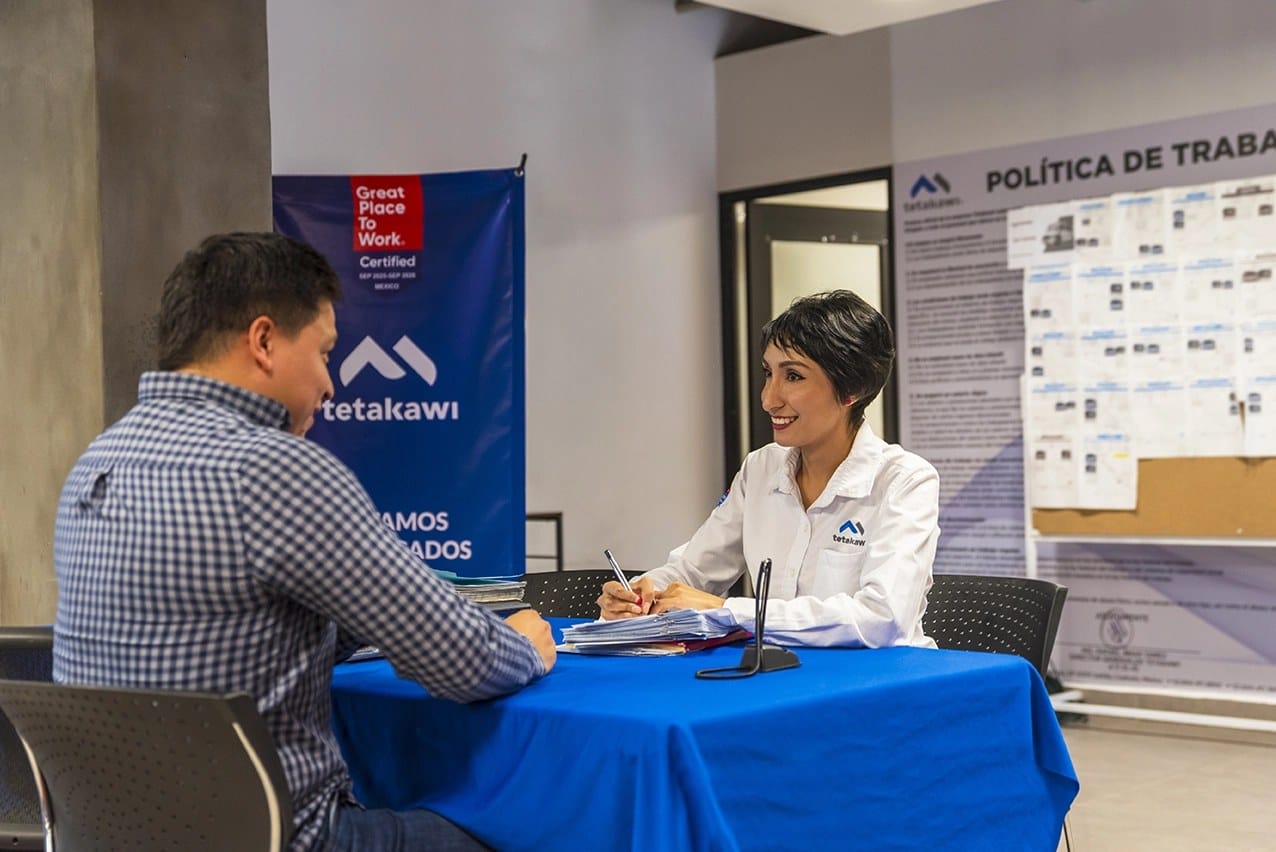
Luis Ávila, Tetakawi’s Human Resources Manager in Saltillo, describes a recruiting process that starts with a requisition: you, supported by Tetakawi’s HR team, describe the activities and responsibilities of each position. Recruiters first consult candidate profiles that record people’s skills and experience, then search through local channels, including recruiting in the community and on social media.
That gives a new manufacturer access to a recruiting operation that is already running. Tetakawi presents candidates against the profile you requested, and you interview and select the people for your operation.
The same role requirements inform compensation guidance. Tetakawi advises on local salary and benefit expectations, and you decide the offer. Tetakawi’s manufacturing labor cost benchmarks can support an initial budget; the actual discussion needs to reflect the responsibilities and experience you are seeking.
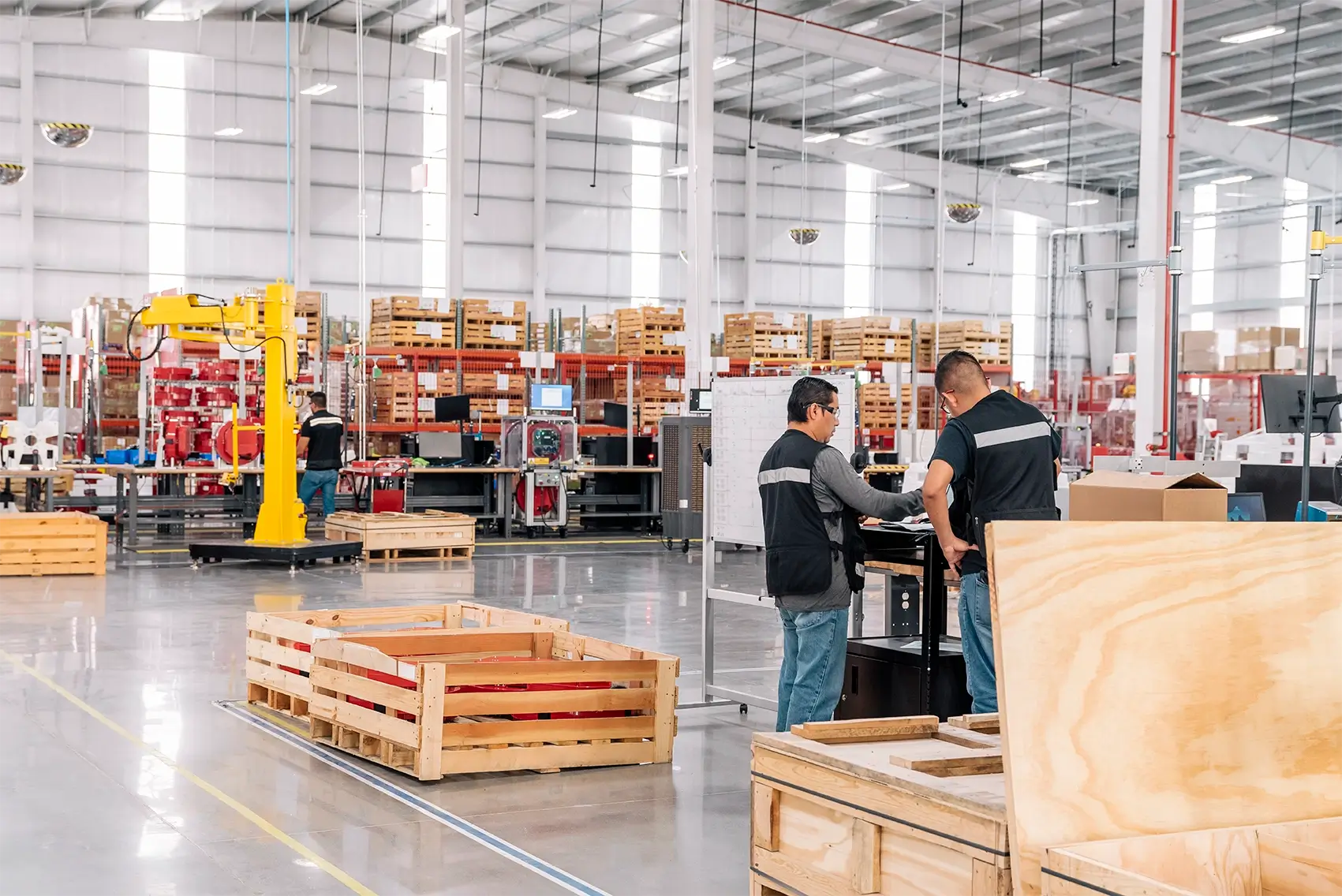
This is the workforce side of the Campus model. On a Tetakawi Manufacturing Campus, you run your own factory. A Campus adds established industrial space, shared infrastructure and an on-site support organization. You control production, process and quality.
Transportation changes who you can recruit
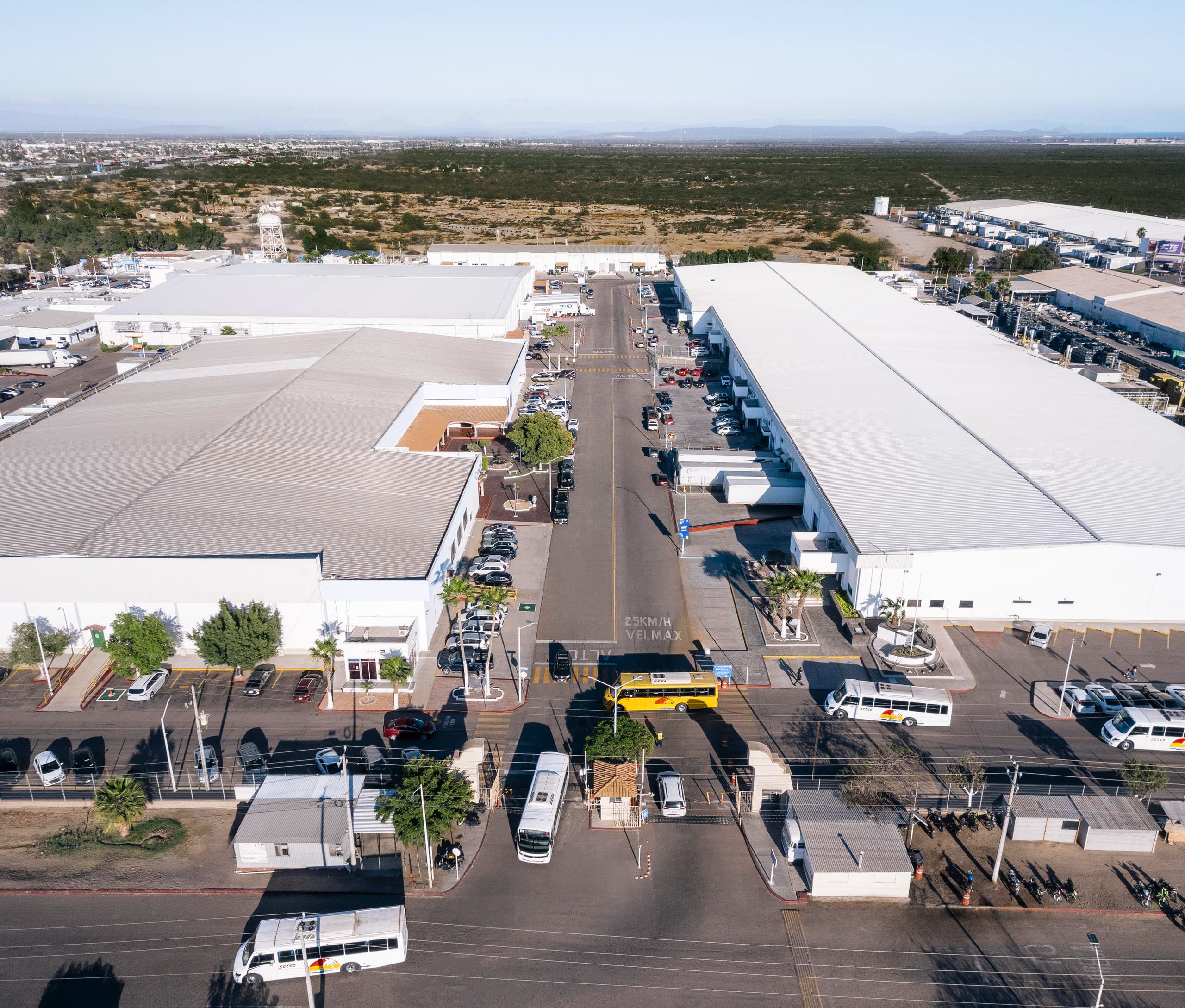
A candidate’s experience matters only if the job is practically within reach. Employee transportation and shift schedules affect that, which is why the transportation around a building belongs in the location discussion.
In Saltillo, Ávila describes a transportation network that extends recruiting reach across Saltillo, Ramos Arizpe and Arteaga. For you, the practical question is how that network fits your proposed shifts. Existing routes may serve some requirements; others may need additional arrangements.
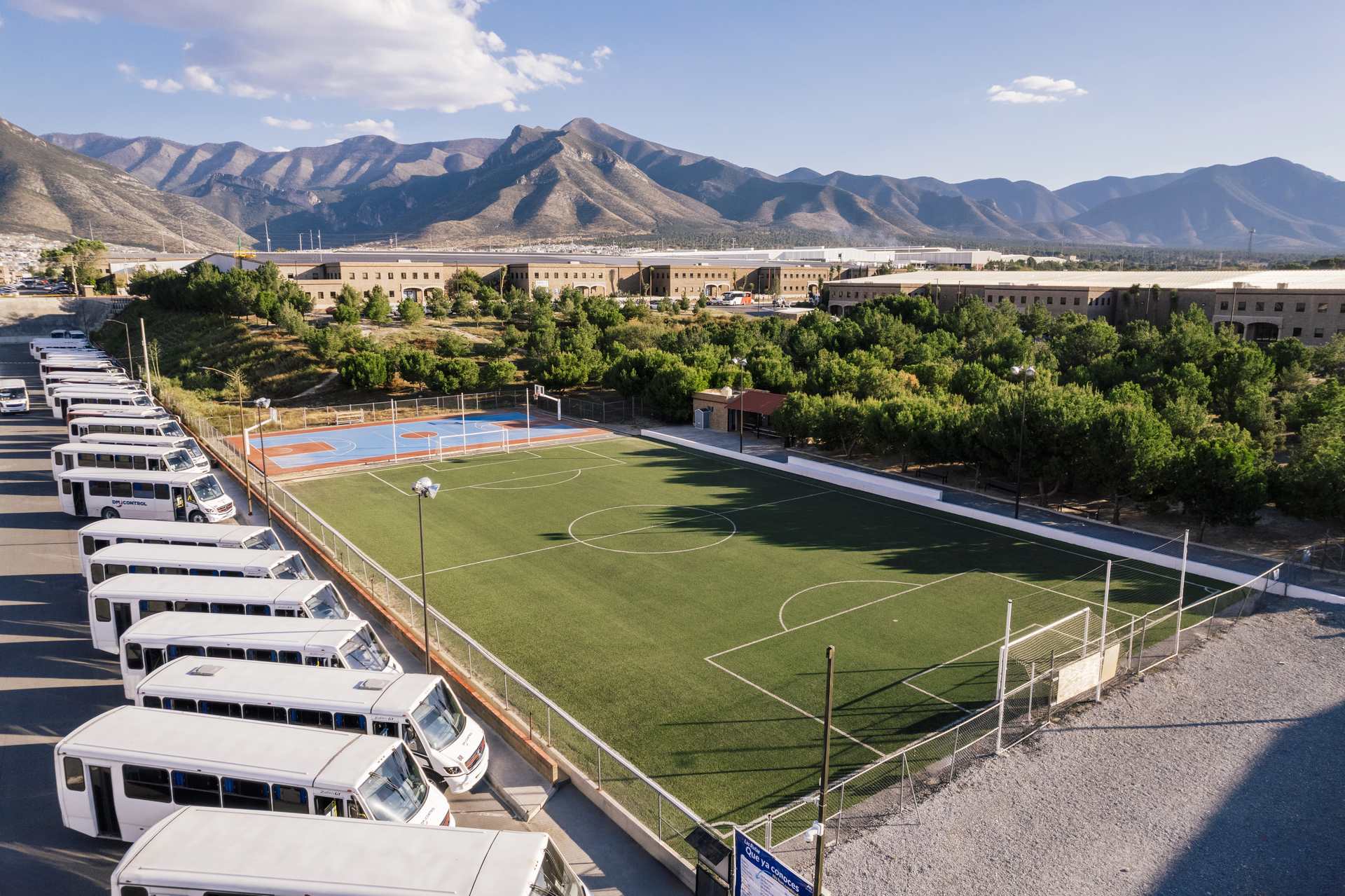
A location’s workforce assessment therefore needs to consider both the candidates’ experience and their ability to reach the plant. A large surrounding population alone cannot establish that fit.
Hiring dates and production readiness are different
The day someone joins and the day they can do the work are separate milestones. A supervisor who needs to learn your process before supporting the first operators has to enter the plan earlier than those operators. That preparation affects the recruiting date, the availability of experienced instructors and the timing of subsequent hires.
Your team provides instruction on your equipment, processes and quality standards. Tetakawi supports recruiting and employment administration and provides induction on employment terms. Plan those activities together so each group arrives when your team can train it.
With those requirements identified, recruiting can work toward the sequence your launch needs, and you can see where your own preparation affects the date people become ready for production. The wider launch sequence, from the building to the equipment, is covered in what a Campus already has ready when you launch.
The support continues as the plant grows
Tetakawi’s HR team supports your operation and coordinates with other Campus departments when an issue needs their involvement. It reviews turnover and absenteeism with your plant’s management, proposes actions and evaluates the results with you. Recruiting reviews also track open positions and whether the offer remains appropriate for the role. Workplace climate surveys give the team another way to identify issues that need attention.
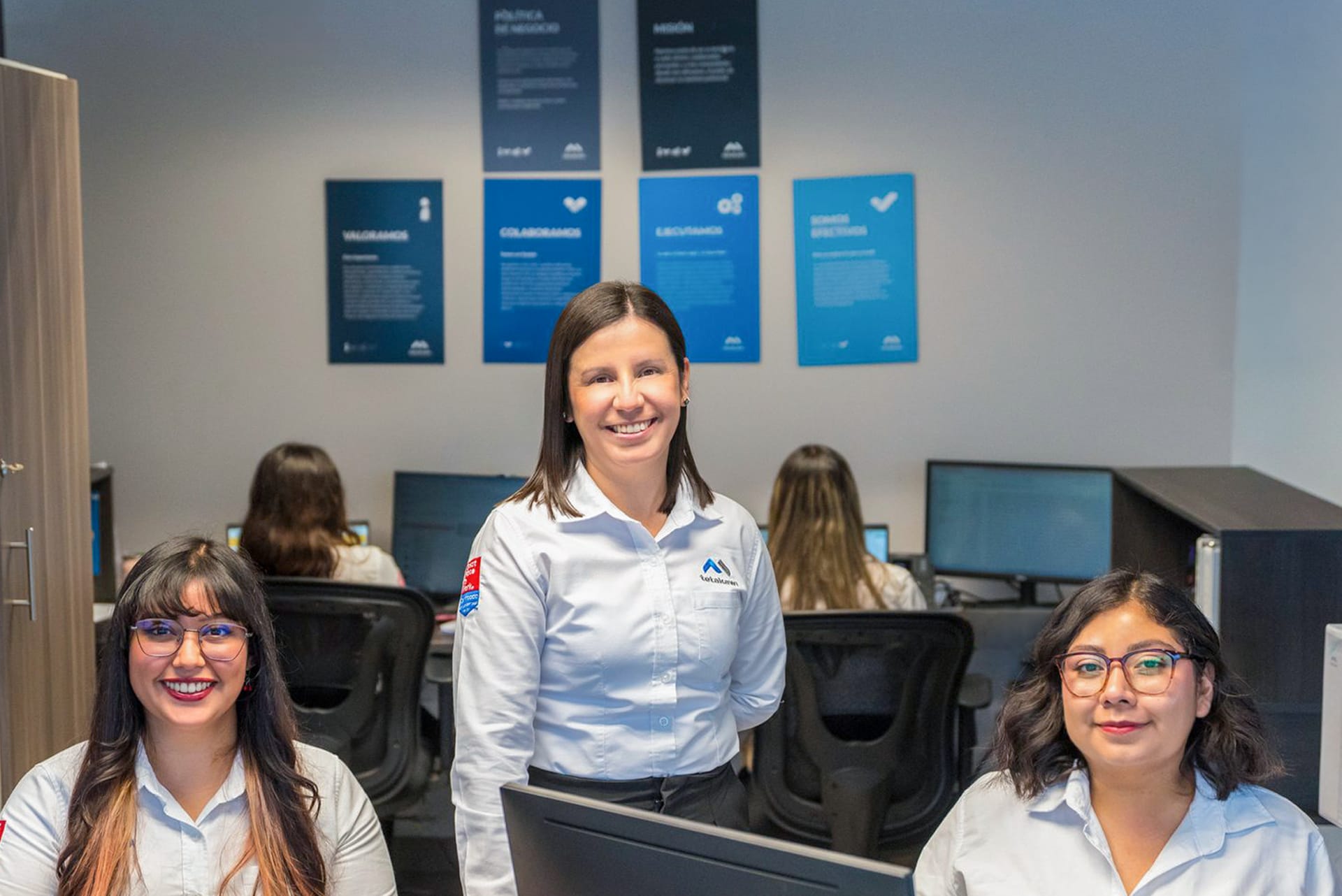
When the plant adds capacity, you can work with the existing recruiting, HR and transportation organization on the additional requirements. Those may include supervisors and technical support as well as operators, together with arrangements for the new shifts.
Recruiting, employment and payroll for the people you select run through Tetakawi’s Mexican operations, as part of its HR and payroll administration. You see and approve the payroll before it runs. You decide who is hired and who stays.
Considering a manufacturing operation in Mexico?
Talk with Tetakawi about the work you would bring, the capacity you are considering and your timing. Those details give us a starting point for discussing the workforce and Campus support your operation would need.