Our Story
Learn our story, leadership, and mission shaping manufacturing in Mexico.

Move materials into and out of Mexico under trade programs Tetakawi holds and answers for, on a Manufacturing Campus where space, workforce, logistics and compliance run as one.
The Problem
In Mexico, reaching the border is not the hard part. Clearing it is, because the declaration, the trade programs behind it, the part-level data and the broker your entry runs through each run on their own timeline.
Manufacturers who ship daily still treat a Mexican crossing like a domestic one, until a lapsed registration holds a load at the border.
Your broker, your carrier and whoever maintains your trade programs answer to different people. When a shipment stops, it belongs to no one.
Mexican customs holds temporarily imported goods to part-level records. Gaps surface later as fines, corrective actions or a suspended program.
Our Solution
Your materials cross under Tetakawi’s IMMEX program and the registrations beneath it, held and kept current by Tetakawi. You control production, process and quality. Tetakawi is the party Mexican customs holds responsible.
Importer and Exporter of Record in Mexico
Shipments into and out of Mexico are declared under Tetakawi’s Mexican entity, which is the responsible party on the Mexican customs declaration. Entering the United States your company is the importer and exporter of record, a broker you select files, and export licensing stays with you.
Trade Programs Already in Place
Before your first shipment, your operation is registered under Tetakawi’s IMMEX program. Beneath it sit the sector registries, the authorizations that lower duty on qualifying inputs, and the special import permits. Tetakawi holds the programs and keeps them current; the permits your products need are filed at launch.
Your Trade Team, and the Broker Who Files
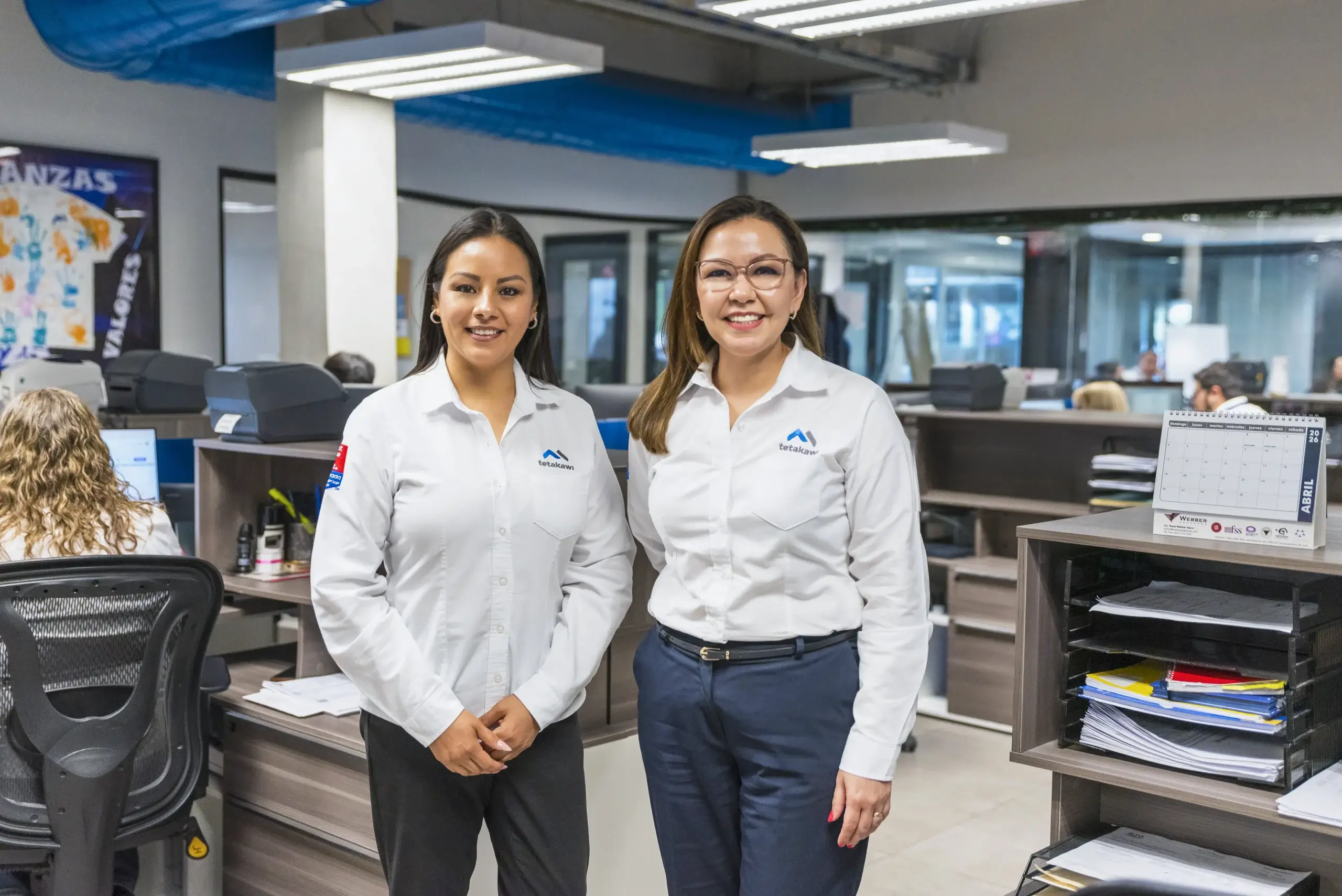
Your entry documents are prepared by a trade team on your Campus, and the licensed Mexican broker that files them is already appointed and already clearing loads for the manufacturers there. Before you sign, that team tells you which of your products need a special permit, because that is what moves your first-shipment date.
Machinery and Equipment Imports
Production assets cross differently from materials. Machinery, tooling and oversized equipment carry their own documentation and handling. Tetakawi has moved those loads onto the Campuses for years, planned with your carriers against the installation date they support. The equipment plan is built alongside the building schedule.
Two U.S. Cross-Docks
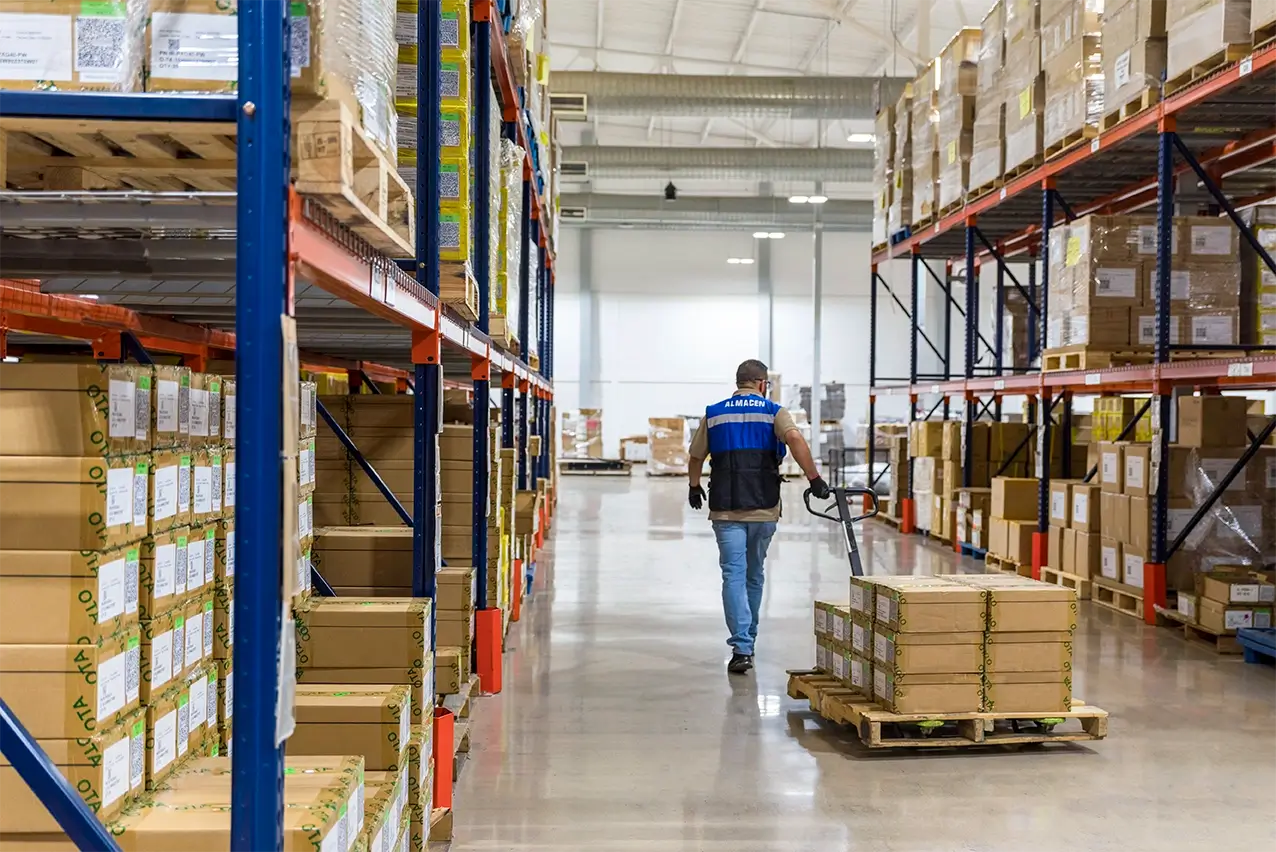
Tetakawi operates cross-docks in Tucson, Arizona and McAllen, Texas, each serving the Campuses nearest to it. Northbound and southbound freight is received, staged and consolidated there, and your U.S. and Mexican carriers hand off between them, which is what lets a partial load travel as part of a full one.
Benefits

Your first shipment crosses under registrations that are already held and already current.
Shipments keep moving after launch because the declarations, the trade programs and the carrier hand-off are coordinated by one team on your Campus.
Onboarding
By the time you sign, the due diligence is done: you have walked the Campus and seen what it will cost to run there. From there it is the same playbook on every Campus: a kickoff, one launch plan and one Tetakawi project lead, with your crossings as one part of it.
One U.S.-based agreement names your project lead and your date. Your operation joins Tetakawi’s trade programs.
You send the part data; the customs record is built and your permits are filed. Your equipment crosses ahead of installation.
Your people declare what ships; the trade team prepares each crossing and answers to Mexican customs. Your carriers move the freight.
A new part, a new product or a new customer comes back to the plan, and the same programs and the same team carry it.
Testimonials
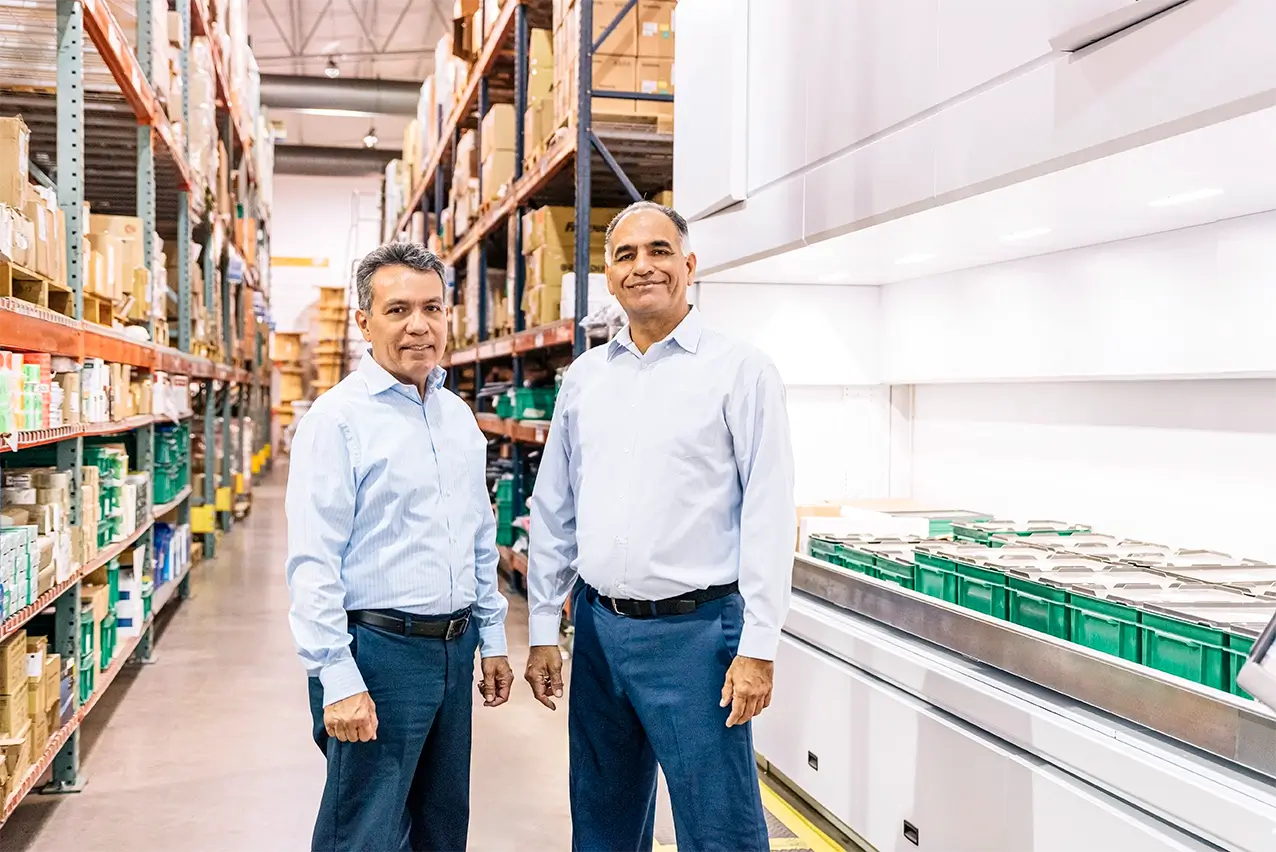
Manufacturers on a Tetakawi Campus, describing the materials side in their own words, from the first shipment through everyday operation.
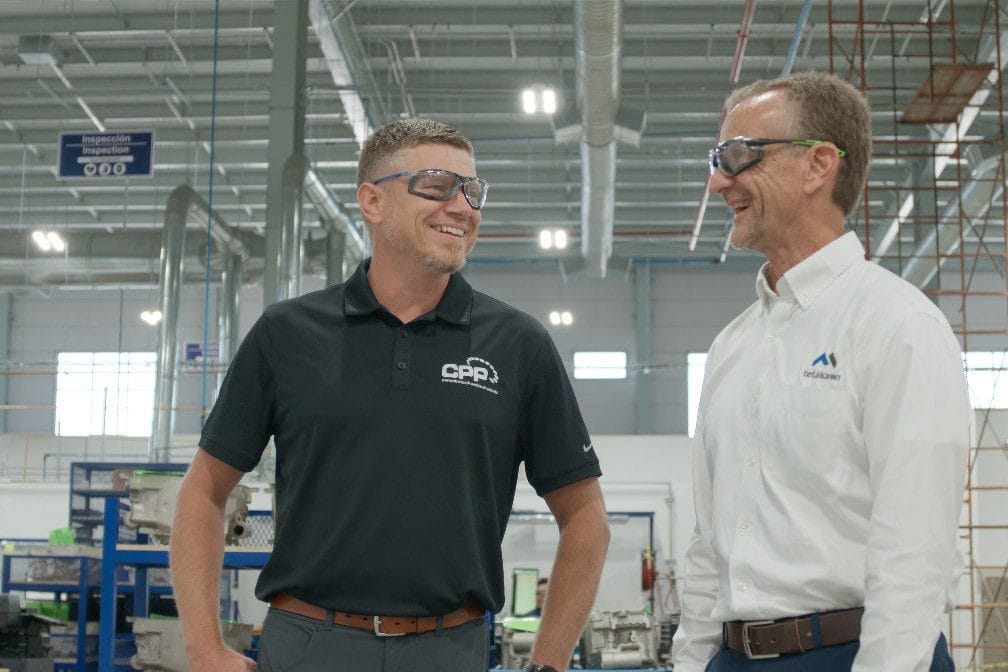

Jeremy Main, Senior Vice President, Consolidated Precision Products
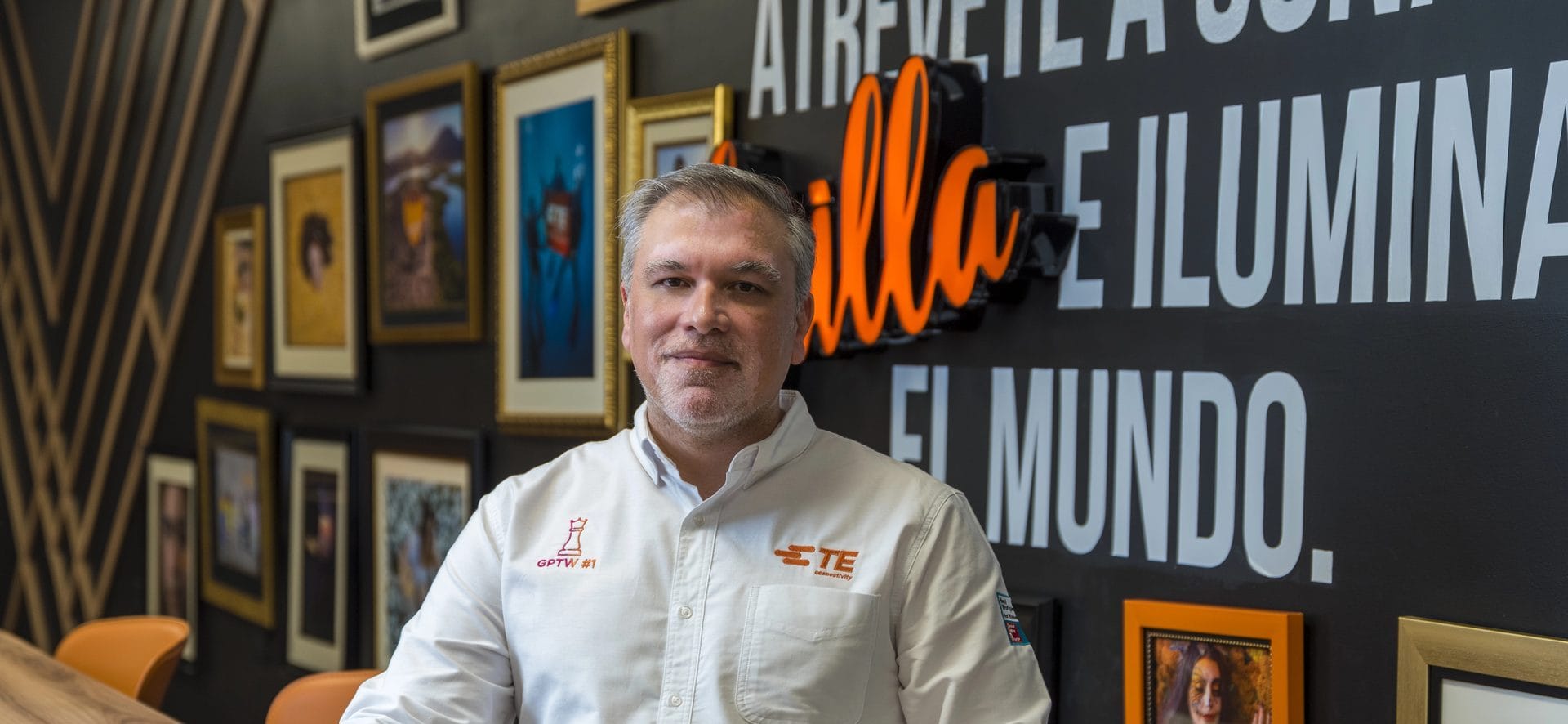
Ricardo Gómez, Director of Operations, TE Connectivity
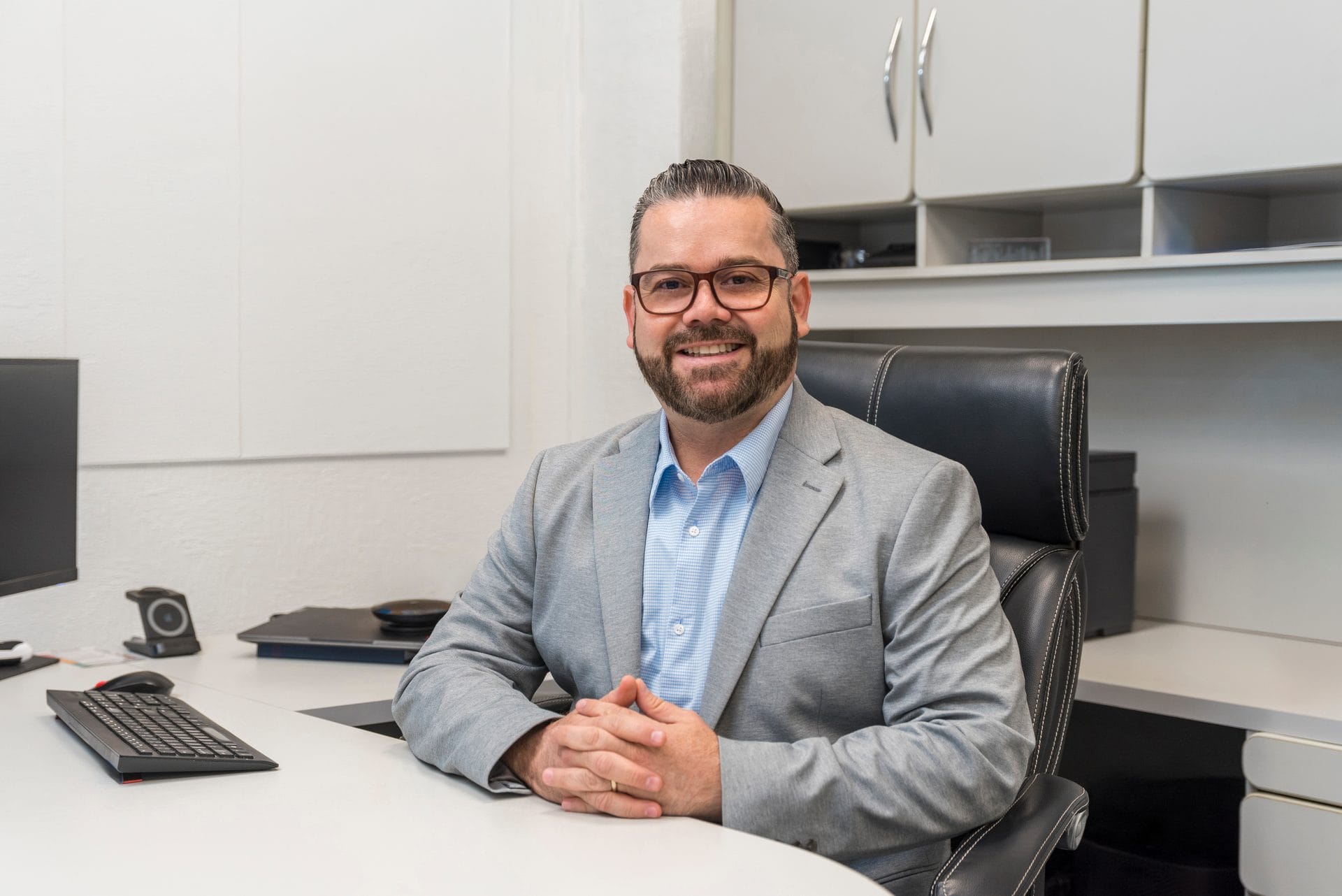
Marco López, Vice President and General Manager, Intec Group
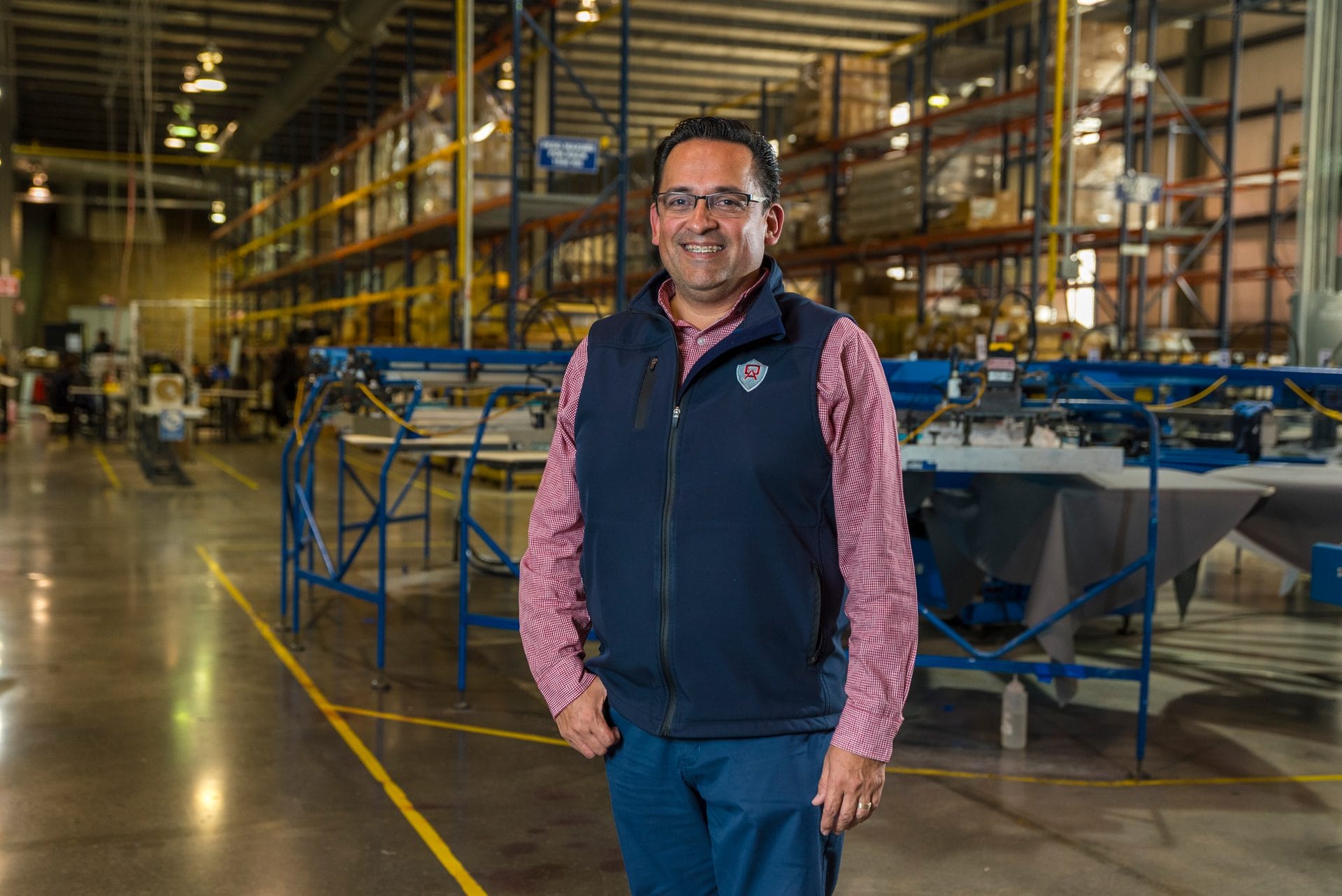
Agustín Mendoza, Plant Manager, Commercial Sewing
The Campus Model
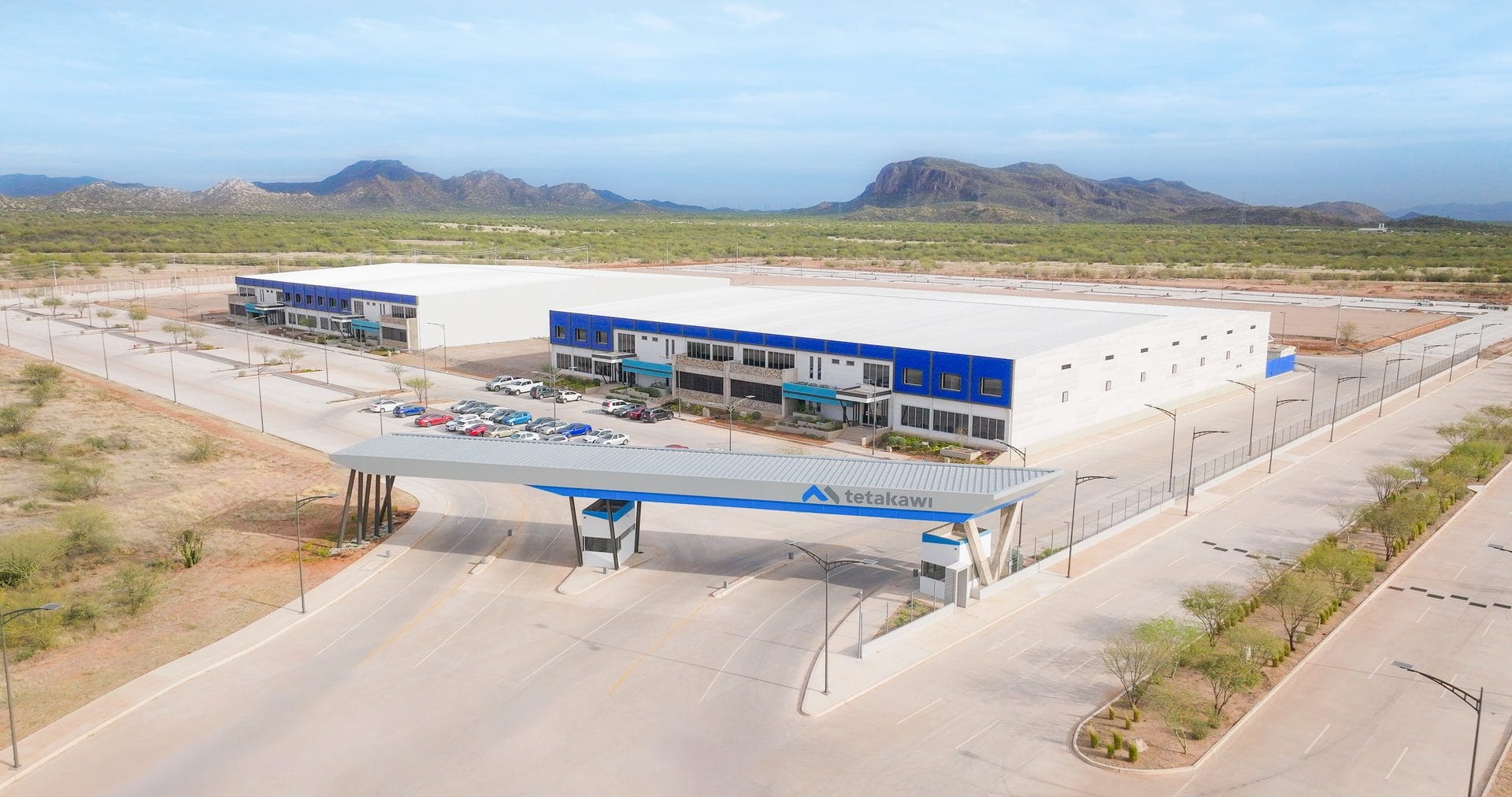
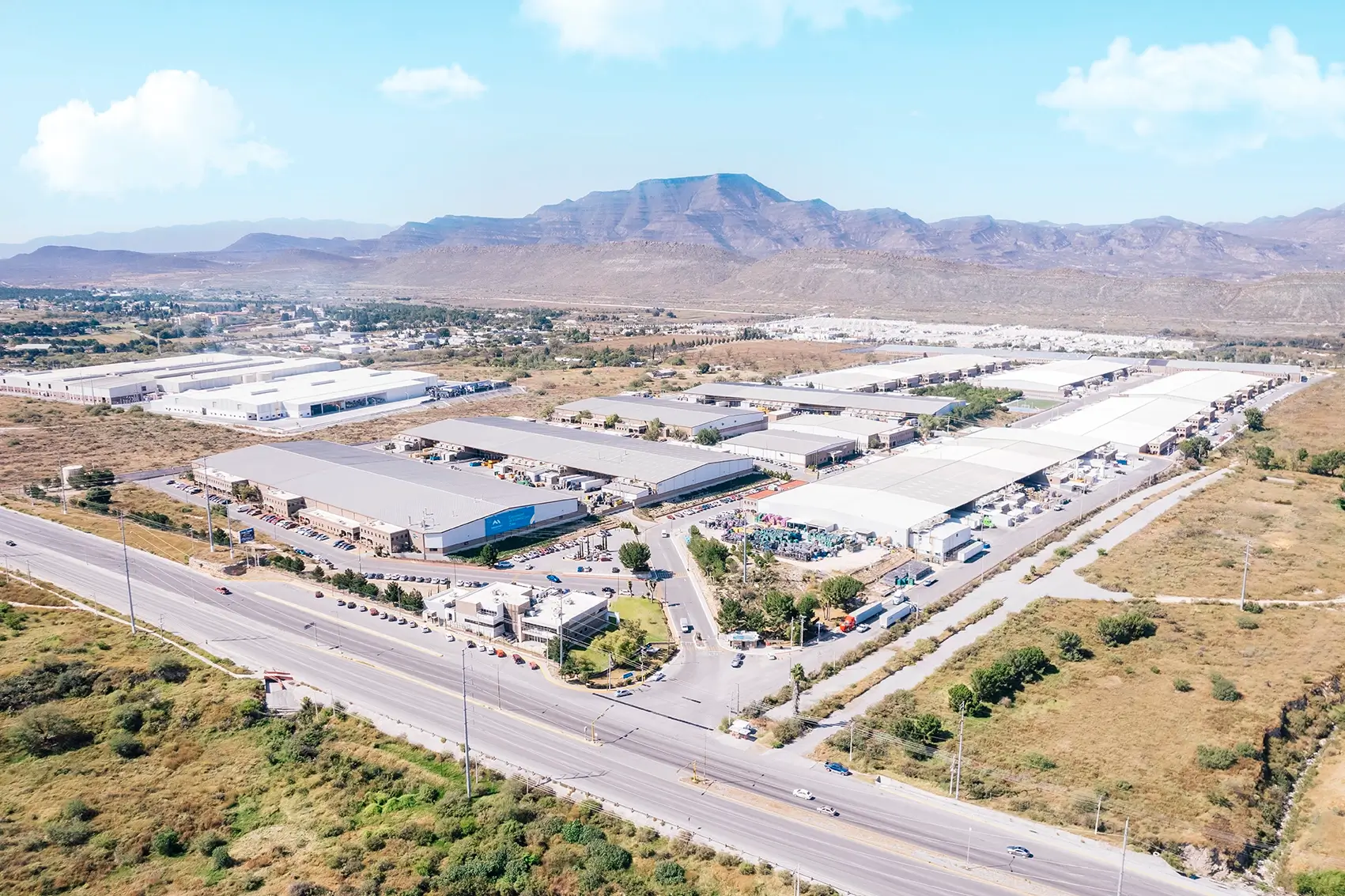
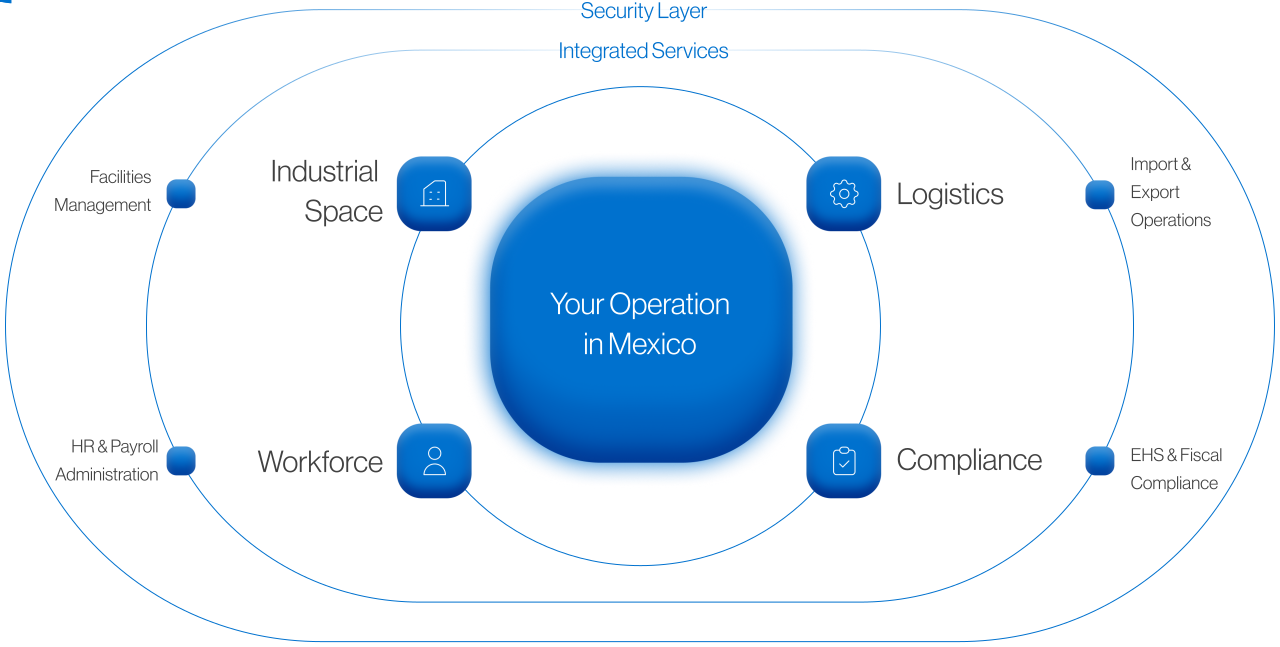
On a Tetakawi Campus, logistics runs on the same platform as space, workforce and compliance, carried by on-site teams. You run your own factory, and Tetakawi runs the Campus around it.
How the trade team handles each crossing: Import and Export.
Move into an operating environment that is already running.
Keep your team focused on production, with on-site support.
Scale space, people, and capacity to match demand.
Integrated Services
Our on-site teams help you launch your operation, keep your building running, employ and pay your workforce, move your materials across the border, buy what your plant consumes, and keep your permits, filings and registrations current.
FAQs
The questions we get most often from manufacturers looking at Mexico.
What is already in place when we sign?
The programs your first load crosses on.
The IMMEX program, the sector registries and the special permits your products need are held by Tetakawi and kept current. A manufacturer setting up alone applies for those, waits for them, and cannot ship until they land.
The trade team that prepares your entry documents sits on your Campus, so the people who know your parts are the people you call.
How long until our materials are crossing?
The registrations are not what you wait on. Your own data is.
We need your part data before anything can be declared, and that is usually the work that sets the pace, so it is the first thing we ask for. The trade team tells you which of your products need a special permit before you choose a Campus, because that is what moves a first-shipment date.
Most operations go from deciding on Mexico to producing in Mexico in three to six months.
Who is the importer of record?
Into Mexico, Tetakawi. Entering the United States, your company.
Shipments into and out of Mexico are declared under Tetakawi’s Mexican entity, the responsible party on the Mexican customs declaration. That is why there is no Mexican company for you to form. Entering the United States your company is the importer and exporter of record, with a broker you select and your own export licensing.
Your goods, your carriers and your part data stay yours, and so do the duties and taxes your goods owe.
What does crossing cost us, and what is extra?
You contract the freight, and the duties your goods owe are yours.
You contract and select the carriers, from those qualified to carry temporarily imported goods. Duties and taxes on your goods stay with your goods, and so do any fines arising from your data or your process.
Goods enter Mexico as temporary imports, and the value-added tax on a temporary import is covered by a certification Tetakawi holds. Treatment is subject to SAT, Mexico’s tax authority.
Before you commit, you see the full landed cost of your freight from a Campus.
How do we start?
Four steps, in order.
1. Get in touch. A conversation about what you are hoping to achieve in Mexico, and why now.
2. Measure ROI. We build the business case with you: the full cost of running your operation on a Campus, the risks and the trade-offs, and which Campus fits.
3. Site visit. Walk the Campus, meet the people who would run your account, talk with manufacturers already operating there, and meet the trade team that would move your goods.
4. Launch and grow. When you give the green light, the same team that helped you build the case guides the launch.