Our Story
Learn our story, leadership, and mission shaping manufacturing in Mexico.

Learn our story, leadership, and mission shaping manufacturing in Mexico.
Explore resources designed to simplify and de-risk your Mexico manufacturing strategy.
Explore By Format
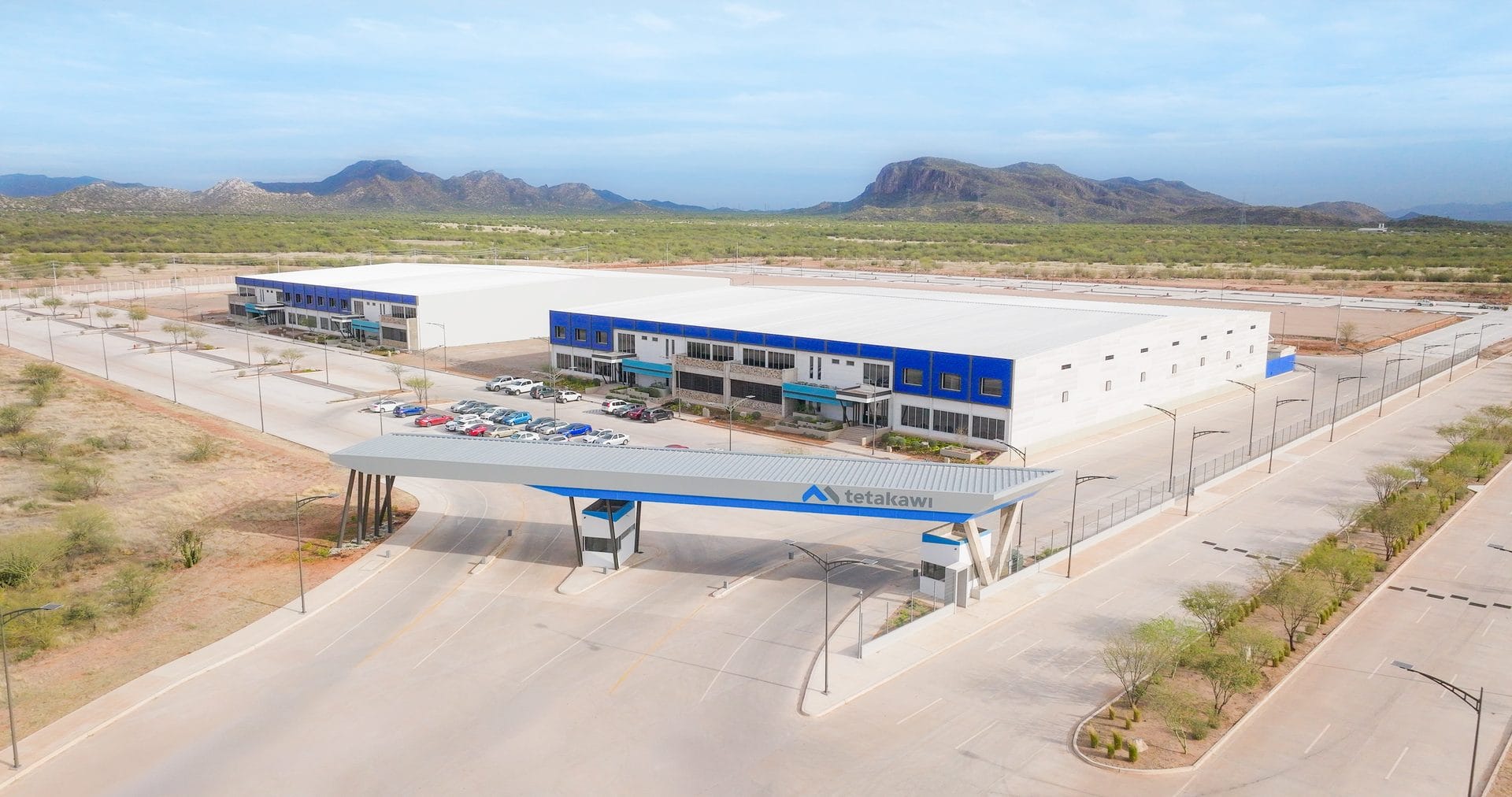
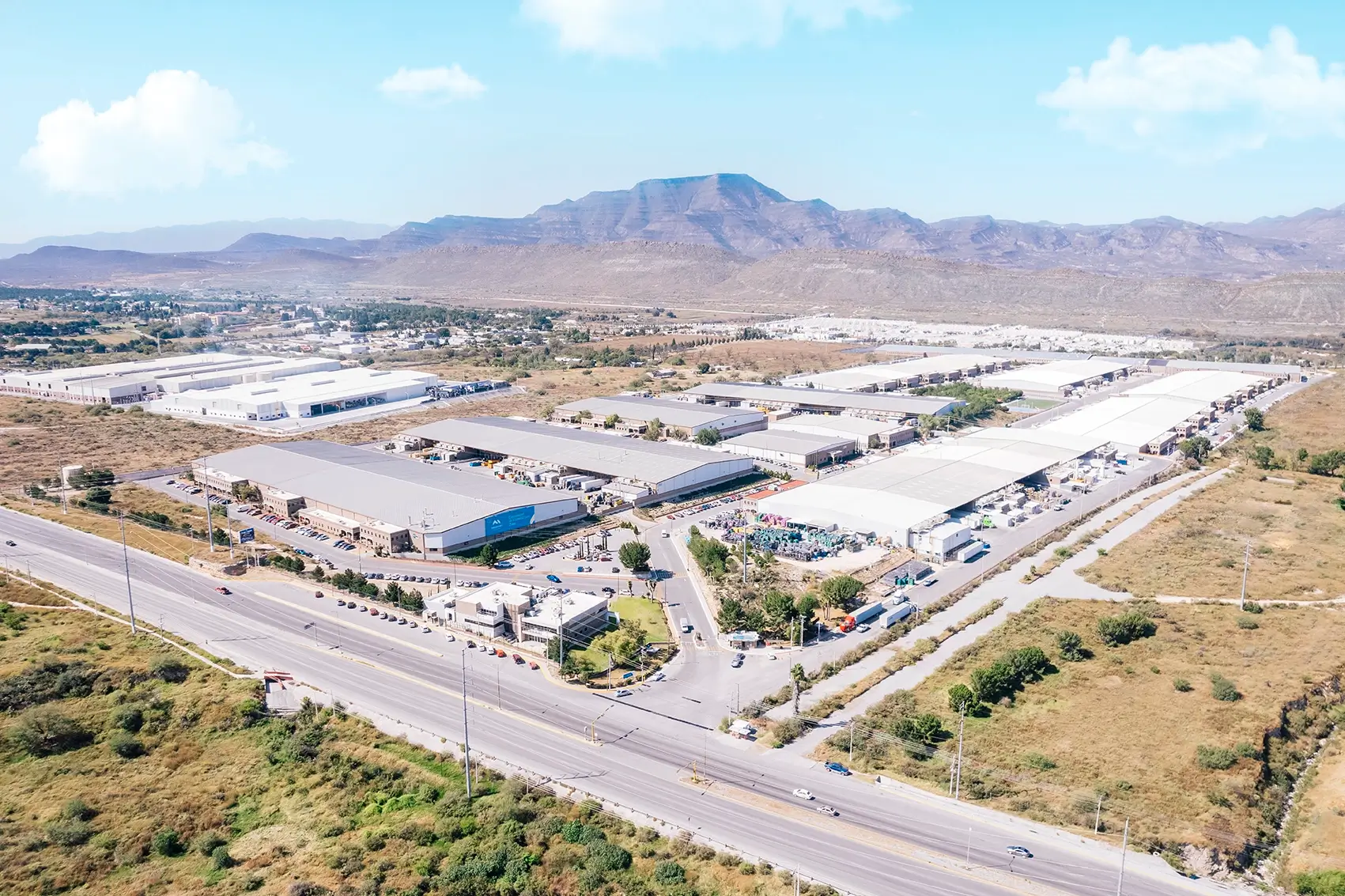
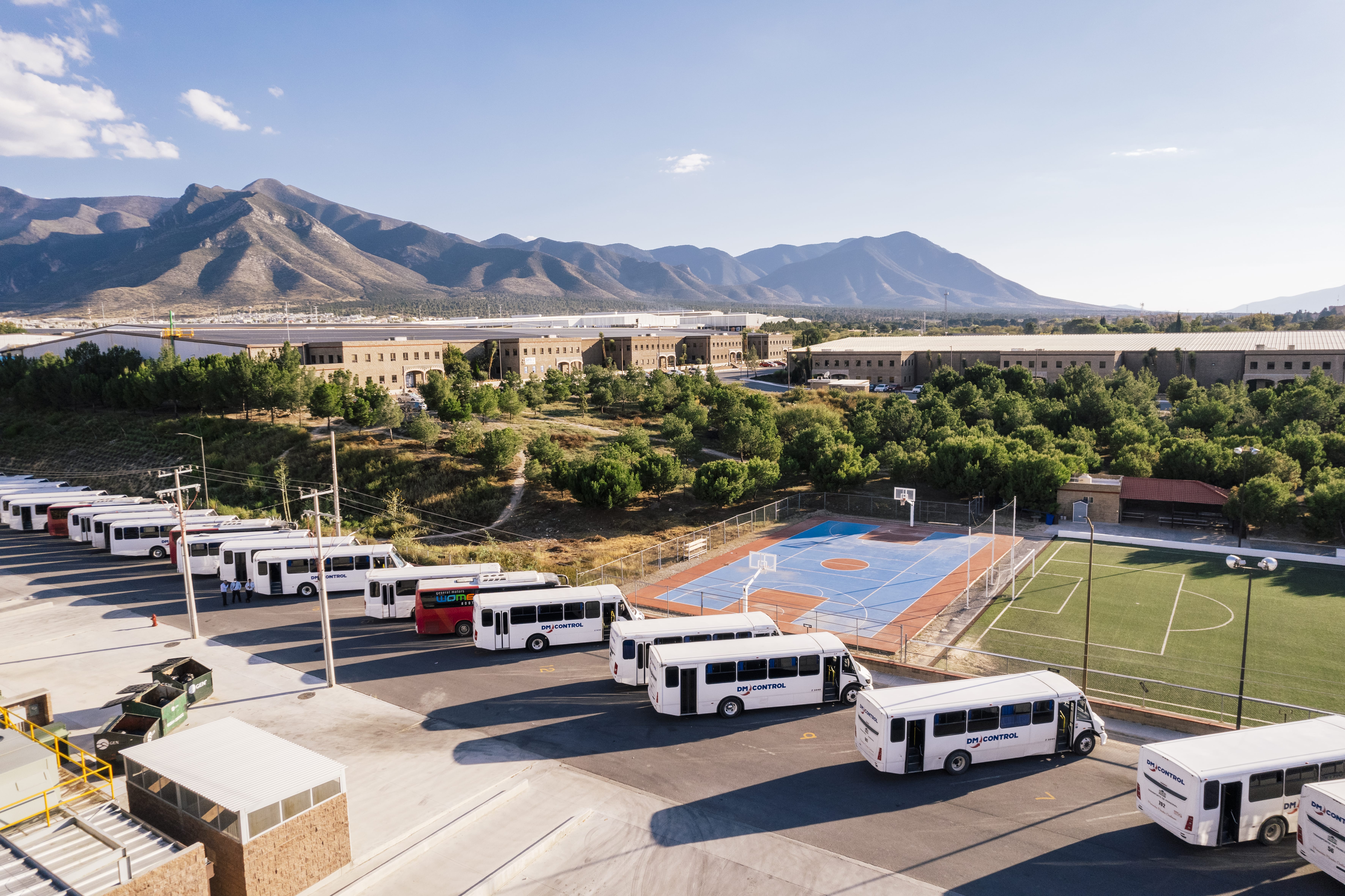
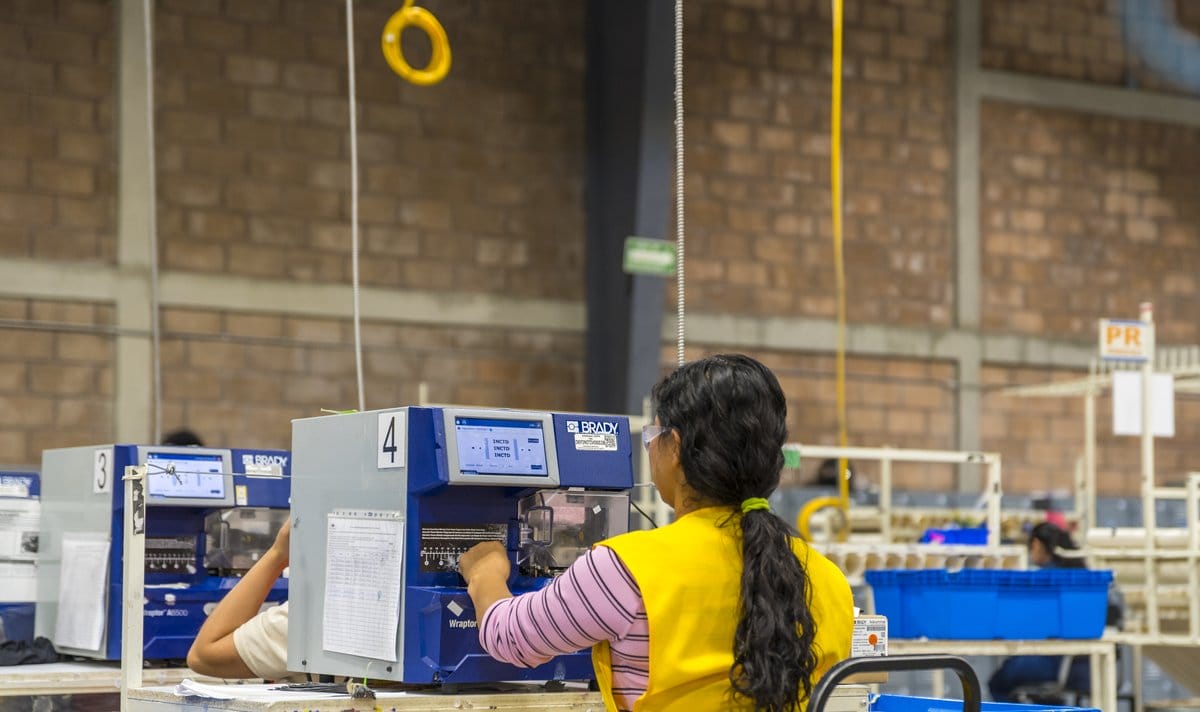
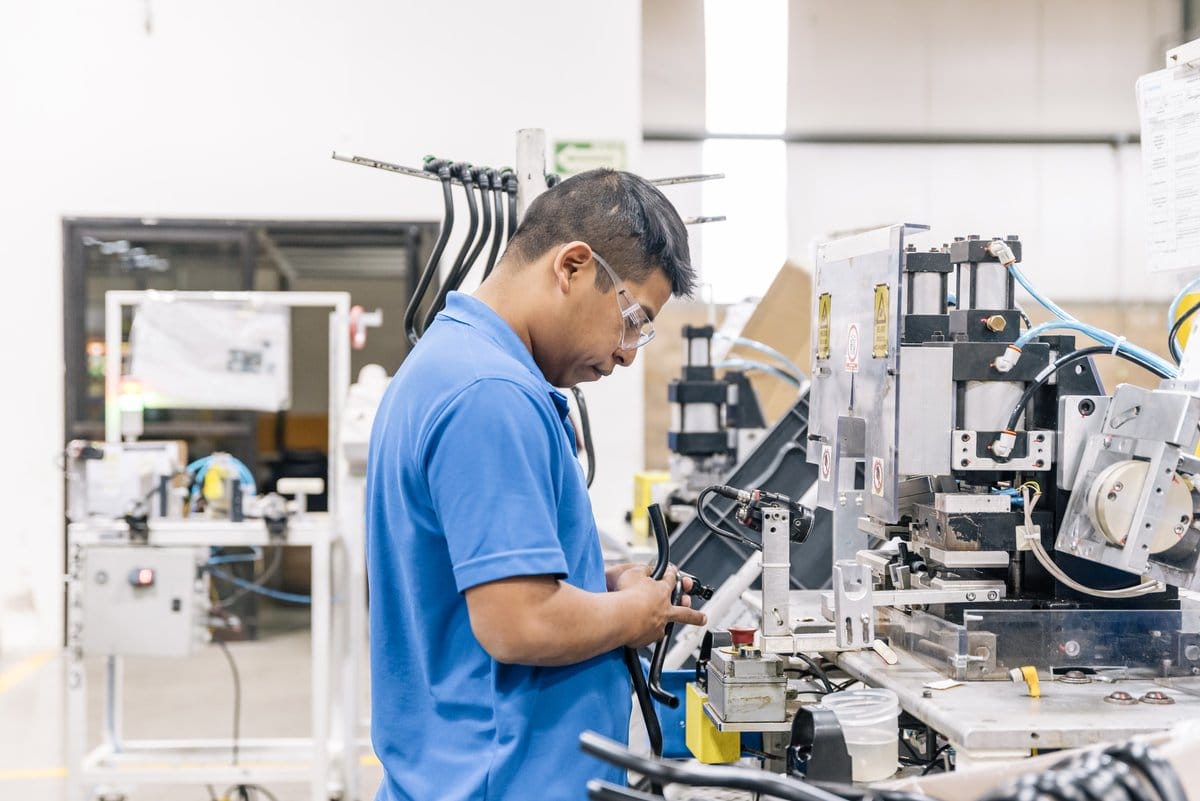
Everything Tetakawi offers is embedded in our Campuses. It’s how we remove the fragmentation and risk that make other setups so unpredictable.
Our Campus Model is designed to eliminate the guesswork of manufacturing in Mexico so you can launch and run your operation without costly surprises.
On-Demand Webinar
Three proven ways manufacturers enter Mexico, and the steps, locations, and labor realities behind each one.
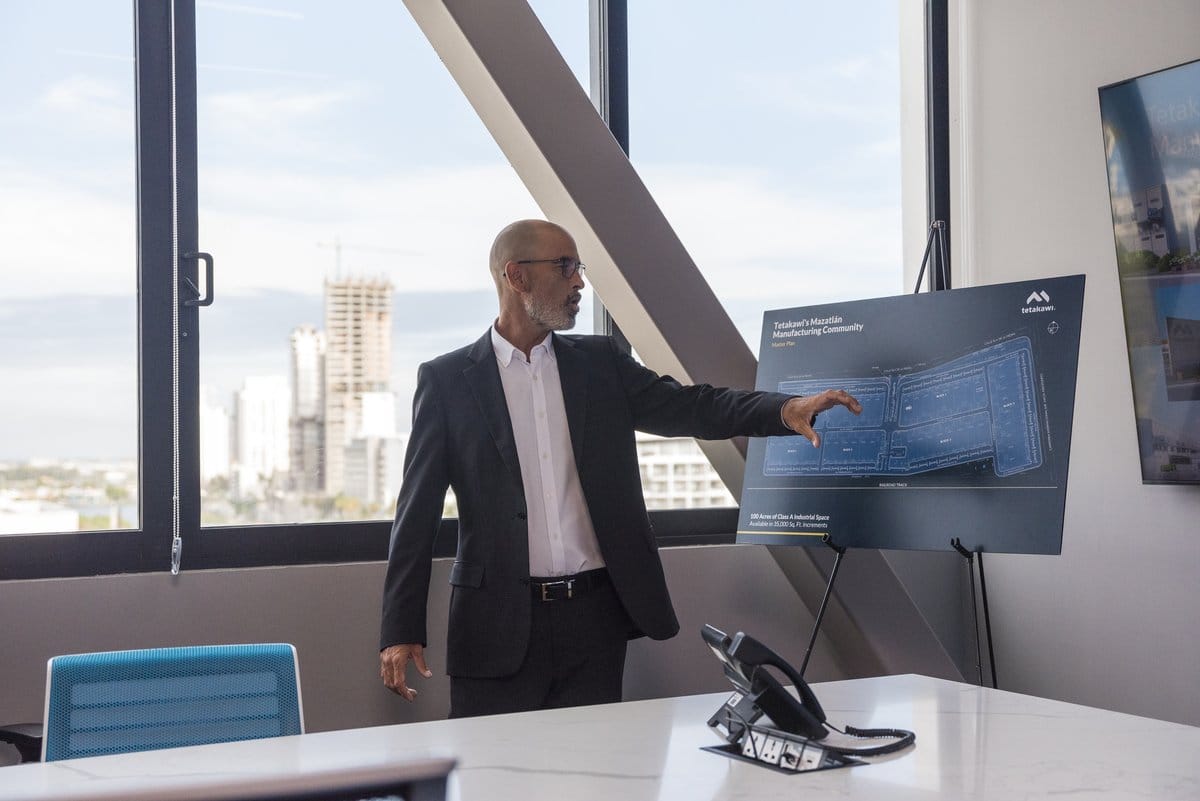
Hello, everyone. While we're just waiting for a few more people to sign in, I want to welcome everyone to Tetakawi's webinar-- three successful manufacturing strategies for Mexico. Before we get started, I just want to go through a couple of things. You will be getting a copy of today's presentation, so you'll be able to review that later at your leisure. Also, we have quite a few people attending today so if you could send questions through the Q&A button, we'll try to answer as many as we can at the end of the presentation. But if you don't get an answer then, we're certainly able to get you an answer later. And you will have our contact information, so if you either don't get the chance to put your question in or think of one later on, you'll have an opportunity to send them to us. So without too much further ado, I think I'll just switch on to my presentation and we'll get started. OK. As I mentioned earlier, welcome to Three Successful Strategies for Manufacturing in Mexico. I am David McQueen. I'm your host today. And I have been a management consultant with Tetakawi since 2012. Most of what I've done is help companies put together business plans for Mexico and help them to launch their operations there. I personally have 40 years of manufacturing experience, much of that at senior executive levels. And my international experience includes planning and launching two Mexican operations as the president of a couple of different manufacturing companies. Tetakawi is a shelter service company, and we'll learn a little bit more about that later in the presentation. But a shelter service company essentially does two things. First of all, they provide a legal framework that's permitted in Mexico, which allows foreign operations to have an operation in Mexico but not have permanent establishments so there's no protection against liability and regulatory requirements. The second thing that they do is provide a pretty wide range of facilities and administrative support services for foreign companies operating in Mexico. We're one of the largest shelter service companies in Mexico. We have over 24,000 people, most of them are in Mexico, most of those people are working under the direction of our clients. We also own and manage over 5 million square feet of industrial space, and we work with third party developers and realtors as well. We're currently supporting the ongoing Mexican operations of 75 companies. At the bottom of the screen there, you'll see some of our sister companies that support us. ILS is a freight and logistics company. Dinisa is our property development arm. And intugo is the brand name that we offer solutions to companies that are office-based as opposed to factory-based. I'm going to talk mostly about manufacturing today, but the model is very similar. So if you do happen to have an office-based operation, our intugo group are a specialist in providing support for that kind of an operation in Mexico. So what we're going to do, we're going to talk about three case studies that are based on real companies. Although I made some changes and we're going to fictionalize them a little bit to protect their confidentiality, but let's start by talking about-- Excuse me, just got to check here is somebody having a problem connecting. Oh, I think we're OK. Let's start with talking about why companies are looking for alternatives. So first of all, in the 1990s, China, and that's the main alternative for low-cost manufacturing-- China emerged as a low-cost manufacturing opportunity or option. And of course, in the beginning, they were-- Yes. Sorry, somebody just asking if we'll be sharing the PowerPoint. Yes, we will. China emerged as a very low-cost option. And initially, there were a lot of problems; the technology was weak, the quality was not always there, and there were communications and delivery problems. But, as we went into the 2000s, performance improved, companies learned how to use Chinese manufacturers-- learning how to help them develop technology and quality, and there was a rapid expansion and an increasing dependency. We got into 2010s, and there started to be wage inflation, political challenges, and trade barriers. We certainly saw under the Trump administration that trade could be used as a serious weapon and that the needs of business weren't always front and center. So that started to happen. We end up in the 2020s, we've got high prices from China is not really a low-cost option for me anymore. And there are supply disruptions and tariff risks. Those supply disruptions extend to things like COVID in addition to the problems that we have with natural disasters and all those sorts of things. So people are looking for an alternative. Is Mexico an alternative? First of all, Mexico is very open to foreign investment, so that's an attractive feature. They allow foreign companies to own Mexican operations in most industries, including most in manufacturing, and to enjoy the same rights and privileges that the Mexican shareholders enjoy. Mexico is part of the USMCA, that's the big factor. They're part of the free trade agreement with Canada and the US, and that opens a huge market. But in addition to that, Mexico has more free trade agreements than any other country. So Mexico is also an ideal platform for either sourcing or exporting to a wide range of countries and regions in the world, wider than any other possible country you could choose. There's a similar business culture, and Mexico is very integrated with the North American environment, so it feels very familiar. A lot of the people are very experienced with the North American business expectations and culture. There's a shared border with the United States, of course, so that's a big asset. And they're very integrated with the North American economy. So in terms of the flow of goods and the supply chain structure, it's a very integrated both in terms of infrastructure and in terms of business practices. So it's very comfortable for those who are operating in that environment. And finally, important point, they have lower costs than China. So let's talk about those lower costs. This is a recent third party study. And first of all, on the unskilled or a fully fringed manufacturing, wage is probably the most important one to most people. Fully fringed wage in China- $6.50, that's all taxes and fringes that the employee would receive in addition to the base wage. And in Mexico, the comparable number is $4.82 US, so you have a 35% advantage for Mexico on basic wages. But that extends up into the professional class. We look at a manufacturing engineer; in China, $3,645 a month, the same engineer in Mexico is going to cost you $2,935 a month for a 24% advantage. Electrical power is similar, but Mexico has a slight advantage, both countries having competitive power rates in the global market. And if we look at shipping-- now these numbers are a few months old and as everyone probably knows, shipping has gone completely out of control lately because of the COVID-related factors that are at play. But in terms of the longer term number, these are still pretty valid, and the gap remains. So a container from China to Chicago $2.63 per cubic foot. Same goods coming from Mexico, $1.26. So a massive difference in logistics costs, not surprisingly. If we take it just to Los Angeles so it's just the container, no multi-modal for the Chinese production, $0.83. In Mexico, the same goods can be landed for $0.59 and it's up 41% advantage. But on top, of course, there's those days of supply. And ground surface routes from China, 36 days is probably optimistic these days whereas for Mexico, you can reach pretty well everywhere in the United States or Canada in two days- so a massive advantage in terms of inventory, response to the market, all those kinds of factors. So I think for most people, it looks good. Mexico looks like a good alternative and it looks attractive and that's probably why you're on the call today. So the first question I'm sure you're going to ask, and our three examples ask the same question, is can you just transfer your contract manufacturing from China to Mexico? If you're already getting something in China, why not just talk to the Mexico? Unfortunately, the answer to that is probably not. Now, why is that the case? Well, first of all, the contract manufacturing environment in Mexico has a smaller base than China, and it's not just population-related. The way that Mexico's economy evolved was by attracting foreign investment, particularly focusing on the top-end assembly of goods. Many of those people in the early days brought their own supply chain with them or vertically integrated. And consequently, unlike China where they dismantled a whole lot of state enterprises and created a bunch of small entrepreneurs who then needed to find someone to supply, Mexico went the other way and so the end result is there just may not be the kinds of suppliers that you currently have in China. There's also less need for marketing and distribution. The Chinese supplier, especially the small Chinese supplier, very much needs the marketing and distribution assistance of North American and European partners. The Mexican company on the other hand doesn't really need that, they could go directly themselves so they put less value on it. Those things translate into higher costs. There's less competition. There's also less need. So in many cases, you'll find a Mexican supplier look for more margin. Simple as that. Something you may not be aware of is there some financing requirements. Financing in Mexico is expensive, and it's relatively difficult for small companies to even access financing. So it's not uncommon for smaller suppliers in Mexico to expect much shorter credit terms and, in fact, and perhaps to expect their customer to support the acquisition of machinery and equipment. So that diminishes one of the key advantages of subcontracting. And finally, you will find in Mexico, because of that huge integration in the North American economy, many of the people that look like potential suppliers are probably foreign-owned and may very well be owned by your competitor. So all that taken together means the same opportunities may not exist. Doesn't mean they won't, and in some cases there are excellent opportunities to subcontract in Mexico, but it's not the same environment. So what do you do? Well, in my view to get the full value out of transferring your manufacturing to Mexico, you need to reconsider your whole strategy. And that way, you'll capture all of the possible benefits. You need to think what should you buy, and where should you buy it. You need to think about what you should make, and where you should make it even if you're not currently making product. So let's move on to our three examples. Our first example-- these by the way, as I said, are hypothetical companies but the data that we use and the experiences that we're talking about are drawn from our client base, so they're real experiences. So Modern Lighting is a smaller company; 80 employees, $40 million in sales, based in California, and they source complete-ready-for-sale products from China. They don't have any internal manufacturing right now, but they do have design and engineering capabilities so they control that aspect of their product and they know what the product is composed of. Newtech Stamping is a different situation. It's slightly larger company; 300 employees, $80 million in sales, they're based in Tennessee, they source a low-cost component and sub-assemblies in China not a finished product, they always do the finished product in the US, and they have US-based manufacturing- so they have the same technology. So unlike Modern Lighting, Newtech Stamping currently does all of the same things that they do in China in the United States. And our final example is Global Automotive. Global Automotive is a larger company but still an SME-- 1,200 employees, $300 million in sales, Michigan-based. They source low-cost complete product and components from China, but they do all of the same technologies in the United States as well, so they have experience and know how everything's put together and can do all of the technologies that they require. So let's go back to Modern Lighting and they're going to start with that question of, well, can we source things the same as we do in China? And so that would start with complete ready-to-ship product. And the answer they find is no, only from competitors in Mexico. So that's not an option. So they have to look at assembling in-house. The next thing they consider is well, perhaps we just do a very, very small assembly operation and get sub-assemblies made outside. Well, in Mexico, the availability of the sub-assemblies is also limited and there's a relatively high cost so this drives them towards saying maybe we should consider assembling in-house. Now the question is components, can they get metal components? They use a lot of sheet metal components, some stamp components, are these available in Mexico? The answer is yes, and they're available at a competitive cost so they can source those components in Mexico. Electrical components maybe available in Mexico in some cases and other cases that looks like they are not or not competitively available, but they decide that the electrical components that it's simpler to leave those in Asia for now and just leave that off their plate until they're ready to look at it again down the road. And then, of course, a big factor is the lamps themselves, probably not available in Mexico. They're going to leave those in Asia probably long-term, but certainly for the foreseeable future. So they're looking at manufacturing; what are the benefits to a company like Modern Lighting of manufacturing? Well, first of all, higher margins and lower costs. They're going to escape from the cost pressure in China, but they're also moving up the value chain with relatively minimal investment in order to establish an assembly operation, and that's going to increase their overall margin. It's also going to give them greater sourcing in terms of flexibility, in terms of sourcing, including the options of importing from other areas, remember those free trade agreements. So it opens up a pretty wide door on how they can import and source products that goes into their assemblies. They're going to protect their technology in their markets, both in terms of the risk that they have in China that they're setting up a competitor but also they're avoiding that scenario in Mexico as well, and it gives them the best return on investment of the alternatives that are available to them. So now let's look at Newtech Stamping. In their case, they weren't sourcing complete assemblies. They were sourcing sub-assemblies. They run up against the competitive situation also in Mexico. Most of the people that they could potentially source sub-assemblies from are potential competitors so they're going to keep that in-house, and that's well within their capabilities, so we're going to do that. Secondary components that they source are things like plastic components and nuts and bolts and those kinds of things. They can store some of them in Mexico, and they're going to look at that as an option. And then there's steel. They used a lot of steel because they're a stamping company. Now steel is a more complex situation they find because steel depends on specifications. Some specifications are available in Mexico competitively and manufactured locally, others are not. But what they find, is that all of the steel they require can be sourced in North America and moved on to the US embassy trade agreement, so they're going to resource their steel in North America and they're going to possibly get it from the US or Canada but they're going to source steel locally. The benefits to them; while they're also looking for higher margins and lower costs, they want to get out from under the cost pressure in China, and this will be a successful strategy to them. They're going to have less risk of competition by avoiding situations in Mexico where they would face greater competition, and they're going to protect their technology and their markets just as Modern Lighting was. Finally, we get to Global Automotive, maybe the most complex situation. So they start with their complete ready-to-ship product and once again, only from competitors in Mexico. So they're going to bring that in-house, and they were expecting that scenario. Same thing on sub-assemblies. But in some cases, there are some sub-assemblies they can realistically outsource. But their decision is ultimately to assemble those in-house because of their capability and that's the most economical arrangement based on the size of facilities they're going to have. Next, they look at stamped components. They're available in Mexico. But because there's a significant investment in the stamping equipment to do any stampings, in Global Automotive's case, they decide to stamp in-house in Mexico as well. The next thing to look at is sheet metal. Those are also available in Mexico and in that case, it makes more sense to outsource it rather than invest in the equipment. Plastic components, they are available in Mexico. In some cases, they're going to do them in-house because the volumes and the size of the components' shipping cost makes sense. In other cases, they're going to outsource in Mexico or perhaps in the US. Bearings are a little more complicated. They're available in Mexico, but they see bearings and also electrical components as global sourcing opportunities. They're going to buy those from the best source anywhere in the world and based on Mexico's free trade agreements, they should be in an ideal position to do that kind of a strategy. So Global Automotive on a sourcing strategy is going to-- they're going to manufacture in-house some significant portions of this and the driver is higher margins. There's also less risk of competition by not sourcing from people who are or could be competitors. And finally, a big attraction to Global Automotive is this actually increases their make-buy decisions and gives them more ways of structuring their product composition in the manufacturing of the product. So let's summarize these manufacturing strategies. Modern Lighting is going to assemble in-house. They're going to keep that as simple as possible. That means relatively little investment in machinery and equipment, really just have to set up an operation. They're going to source metal in Mexico because that seems to be available competitively. They're going to leave the other components in Asia to simplify things and also because it looks like that might be a long-term strategy anyway. And they're going to end up with a facility of about 20 people. They need about 35,000 square feet, and they will need to find some sub-tier sources. Big thing for them is they're going to need to be close to the US border, 90% of their product or more goes to the US, much of it to the West Coast. Newtech Stamping is going to stamp and assemble in-house. They're going to source their steel in North America. They need 60 people and 50,000 square feet in Mexico. They need some room for expansion because they expect to sell progressively more into the Mexican market. They need raw material sources. And right now, they need to be close to the US because they ship a lot North. But they're also going to need to be close to Mexican customers because they supply the Mexican plants and many of their customers as well. Global Automotive is going to stamp, mold, and assemble in-house. They're going to store sheet metal in Mexico, some plastic- but other plastic they're going to make and house, they're going to source their bearings and their electrical components globally, and they need 160 people and 100,000 square feet to start. I didn't mention it, but they'll also need expansion capability. And a big thing for them is they want to be close to the automotive clusters in Mexico because they see this as an opportunity to significantly expand that portion of their overall business. So what do they do after they've got this basic sourcing strategy sorted out? They figured out what they can make in Mexico, what they can't, what they want to make in-house, and what they don't. Well, there's five steps. First of all, you need to decide on your gateway. How are you going to operate in Mexico? Next, you need to think about the location because that drives other factors. You at least to narrow the field to one or two possible locations, ideally one. You need to conform your sourcing strategy once you have a location. Why is that? Well, because the logistics are going to be dependent on what you choose. And if you want local suppliers, are they there or are they not. So there needs to be a cycle back through that sourcing strategy at this point to make sure it holds water. And then from that, you can create a manpower plan because now you've established that yes, my sourcing strategy and my make-buy strategy are right, know where I'm going to be, now- what kind of people do I need, and then you're ready to find a building and consider actually launching. So let's talk about gateways first. There's really two options to manufacturing in Mexico for most companies that are going to be exporting companies, and those are either in a corporation or a shelter. An incorporation or a corporation looks exactly like it does pretty much in the United States; much of the same kinds of responsibilities, the structures, and so on are very similar. And in the case of Mexico, if you are an exporter, you're going to want to be an IMMEX corporation in order to take advantage of the ability to avoid value added tax. We'll talk a little bit more about that in a second. But the other option that's kind of unique is the shelter, and the shelter allows you to avoid permanent establishment and avoid direct liability for a number of things of being the employer record, importer record, so on and so forth. You control the operation in much the same way that you do a corporation but virtually identically. But, you don't have permanent establishment. You can be IMMEX in a shelter. In fact, you have to be IMMEX. What you can't be in a shelter, you can't be non-IMMEX. And in a second, we'll explain how non-IMMEX comes into play. And finally, the shelter is founded on a contract because you contract with a shelter provider who then provides you with that legal entity in Mexico and is recognized by the Mexican government, whereas incorporation, of course, you incorporate a company. So what is IMMEX? Well, first of all, IMMEX is a program that allows exporters to avoid or recover value added tax, that's IVA as is known in Mexico. This is 16% in most areas in Mexico. There's some specific areas in the border where you can access an 8% rate, but the criteria are fairly specific and so generally, you're looking at 16% on all goods and services in Mexico. And so avoiding, it's a big thing. The key to it is being an exporter but you can export both physically outside the country obviously or virtually. So exports between exporting or IMMEX companies also qualify, and this is a key factor in Mexico. Many of the transactions occur that way between IMMEX companies, and the goods are passing within the country, not externally, but they're still IMMEX transactions. To be IMMEX, you have to be IMMEX in legal entity either in a corporation or a shelter, and the invoicing must be from a foreign entity. So how does that work? Well, let's take a look at that. First of all, you have a customer corporation and a supplier corporation. Now the customer corporation has to be outside of Mexico, the supplier can be either a foreign entity or in Mexico. The customer corporation places a purchase order. The supplier corporation uses its Mexican entity to produce the goods, then the supplier either ships them out of the country to the customer's corporation or to the customer's Mexican entity which must be an IMMEX entity, so these are all IMMEX transactions. In all cases, the invoice and payment must occur outside of Mexico. So they must go between entities that are outside Mexico, and that's how the government validates that these are IMMEX transactions. Now, what if you want to sell directly in Mexico but you have an IMMEX corporation? Well, the way to do that is you have your foreign corporation, you have your Mexican corporation, that's an IMMEX operation. It could be shelter, It could in cooperative, but if IMMEX is producing the goods, it sells those goods to the parent corporation outside Mexico. That corporation in turn will then make a definitve importation with a trading company which it owns in Mexico. The trading company is an incorporated company owned by the foreign corporation. It's a Mexican company, doesn't necessarily need to have any staff but it's whole purpose is to be able to make that definitive importation and then to transact with a Mexican customer. The goods go from the IMMEX operation to the Mexican customer. And the invoice, and the transaction for value added tax, occurs between the Mexican trading company and the Mexican customer. This is a very common way of doing business in Mexico, so many of the companies do have an IMMEX operation producing their goods and handling their export transactions, and then they have a trading company which allows them to then definitively import goods and sell them to Mexican customers with value added tax. OK. So the incorporating manufacturing in Mexico, let's talk about how that works. As I mentioned earlier, 100% foreign ownership of manufacturing is permitted. You can have multiple companies. There's no restriction on foreign ownership in that respect. The options are similar to the US so you have limited companies, you have LLCs, you have all the same kinds of structures. But the key thing and we've seen a little bit of this with IMMEX and non-IMMEX activity is that certain activities need special types of companies in Mexico, and the activities of all companies are fairly narrowly defined. So you may find in Mexico that you need more entities in order to provide the same structure in Mexico that you would have elsewhere. So how do you incorporate? Well, you need a permit to incorporate and you need to specify your activities. In school, I did get some Mexican legal help here in terms of how to specify your activities. Then, you go through some incorporation proceedings. They take at least three weeks. Lately, it's been longer so you know you may need to allow six to eight weeks for that. But, historically, it's been around three weeks. You apply to the Secretary of the Economy to become a maquiladora or an IMMEX company. That's a separate application. It takes a couple of weeks usually, maybe a little longer. You need to complete some other registrations or some local and state registrations registering with the social services and so on. They take at least four to five weeks to complete a game. Lately, they've been longer but historically four to five weeks. And then finally there's a step after you've been incorporated to get your IMMEX certification. Prior to having the certificate, you're allowed to recover your value added tax but you have to pay up. Once you get the certificate, there are a number of instances where you do not need to pay the value added tax. You still need to pay it if you're dealing with a small manufacturer or someone that can actually like Walmart, they have to charge a value added tax and recover it. But the certification helps you win a lot of cases. It takes time. You need to operate for a period of time to reach certain hurdles, so six months to a year to get that. The cost can be as little as $5,000 to $10,000 to incorporate a company, it be a lot more, of course, depending on what you need. But it can be done in that range. And it's a relatively small cost to maintain a corporation in Mexico as well. So that's the incorporation option. Let's talk about the shelter. So how does the shelter work? Well, it starts off with again, it must be a non-Mexican corporation. They have a contract with a shelter company. I'll show in the shelter company as a US entity because we are a US entity, but some shelter companies are actually Mexican companies so then it wouldn't be a US contract, it would be a Mexican contract. But the contract forms the basis. It directs the shelter company to use their Mexican IMMEX entity which is a special entity, they have recognized by the Mexican government to provide you with the legal umbrella. And if we click it again, please Ricardo, the Mexican government looks to that shelter company IMMEX entity for regulatory compliance, they don't look to the foreign corporation. The foreign corporation can then set up a manufacturing unit in Mexico, which looks just like any other unit; an incorporated or standalone unit as their policies, their procedures, they control it. And as their signage. It operates as if it had permanent establishment, but it doesn't. And then the Mexican unit looks to the shelter company to complete those actions that he can't do because it doesn't have a legal entity. So the shelter company, for example, must register employees with the social services because the Mexican manufacturing company can to direct them to hire the employees but they don't have the legal structure to register with the Mexican government. So that's how the cycle works, and that's how a shelter works. Next slide, please. So what does a shelter do in addition to that? Well, most shelters are going to provide a range of services. They have to do things because they're the legal entity, but they have, in most cases, expanded that to a whole range of regulatory, administrative and facility services that a foreign entity will require in Mexico. So on the administration side, they usually provide all of the human resource supports and services that you need, essentially, your human resource department in Mexico. They do the same for import/export. They'll provide some local purchasing capability which can purchase orders in Mexico. They'll provide the accounts payable service that relates to those local purchasing activities and they'll make sure you're legally compliant and that the actions are all legally compliant that they do in Mexico so there's no problems there. On the regulatory side, they have a more of an advisory role in that they translate to your operation, the health and safety requirements, the environmental requirements, any taxes and fees that need to be paid. They'll audit the facility and they provide the interaction with the officials if there's any kind of official inquiry or activity that's required inspection, whatever. On the facility side-- sorry, back up please Ricardo. On the facility side, not every shelter operation does this but many of them do. Some shelters have full models in which they will provide buildings, maintenance services, and a bunch of shared services that can be beneficial. For example, a common busing system shared amongst all the people in one of their parks so the cost of busing your employees drops significantly, or shared medical services. They usually bundle security services with that too. OK, let's go to the next one. So a shelter has a number of benefits. First of all, as you can probably all realize, there's no learning curve. The shelter has experts. They have experienced professionals so you get the assistance from the right from the start. Secondly, you're able to subcontract a whole section of your Mexican administration. A bunch of things that you may not know how to do yet, you can subcontract those to the shelter. There's no Mexican legal or regulatory exposure, and you have the option to transition to incorporation. This is an important point; just because you start with a shelter, doesn't mean you have to stay that way. When you've got your legs under you and you want to be independent of that shelter, you can transition to an incorporated entity. So that's always available. There's lower investment and operating costs because the shelter already has its infrastructure in place. And finally, you achieve critical mass more easily. The shelter is spreading many of the costs over a large number of clients, a large number of people, so they're significantly lowering the cost of operating in Mexico and that lowers the critical mass at which you can be successful. So we go to next slide, please. So let's talk about how our three example companies choose to operate. Modern Lighting chooses to be a shelter manufacturer in a park. They're going to be a small operation. They need as much support as they can get. But they are going to need a trading company for local supply because they see some opportunities in the Mexican market. And to exploit those and deal directly with Mexican companies in Mexico and Mexican consumers, they want to have their own trading company. Newtech Stamping is going to be a shelter manufacturer. They're also going to go in a park. They like the idea of the shared services and the economic benefits that brings, so they're going to go into a park as well. Next is Global Automotive. Global Automotive is going to start with a shelter. But Global Automotive sees that they will reach a critical mass of which they won't really require the shelter, so they're going to manufacture as a standalone company, they want a standalone building that will ultimately transition to incorporation, and they're going to use the shelter as a way of launching in Mexico and then ultimately becoming independent of it. They also will need a trading company because they have some customers in Mexico who do require a Mexican invoice. So they'll manufacture as an IMMEX shelter and ultimately an IMMEX corporation but they'll use the trading company to do transactions in Mexico. Next, please. The next question is where to locate, and there are four regions that are frequently considered in Mexico by manufacturing companies. And first of all, there's the border zone which includes places like Tijuana, Nogales, Juarez, Mexicali. The border zone is popular because it's close to the United States, obviously right on the border. So there's excellent access, tends to have a high level of technical competence, good access to services and support. However, the border is definitely more expensive so costs are going to be higher-- 5% to 10% higher than they would be elsewhere. In addition to that, the border typically experiences very high turnover and the border zone has lower security. The Northeast, which is Saltillo, Monterrey, maybe Toreo, and those kinds of areas, is close to the border in the sense that you're 2 or 3 hours drive from the border, so it has the benefit of being relatively close to the United States. Long established industrial area, so very high levels of service and skill in that area. More turnover, lower costs, than the border zone, and a good infrastructure of existing companies who can be clients and suppliers. Sonora on the West Coast or Western part of Mexico is a third option. Been industrialized for a shorter period of time. So skills and services are less. Customers in that area are fewer, but not insignificant. You have the advantage of still being relatively close to the West Coast of the US and certainly close to Arizona in terms of access to the US. Lowest cost of these four areas, turnover is moderate in general. The Bajio, which is a popular area in Mexico for manufacturing, includes several states Aguascalientes, San Luis Potosi, Guanajuato, and Queretaro for what are usually considered as LeMahieu. This is a significant area for manufacturing in Mexico and a significant area for distribution. It's in the heart of Mexico both in terms of industrial manufacturing but also in terms of the Mexican market, so it's very popular for distribution. The turnover varies between cities and states, but there are places where it's low. Costs are relatively similar to the Northeast. Service level's comparable, maybe a little bit lower but similar. The main drawback of El Bajio, obviously, is that it's quite far from the United States, so land transport, for example, is 10 to 12 hours to the border. So what do our companies choose? Well, Modern Lighting opts for Sonora, it's close to California or relatively close to California but avoids the risks of the border zone. They don't think they can handle the turnover. They don't think that they like the security situation. So slightly lower costs and a little bit safer environment appeals to them, so that's where they're going to locate. Newtech Stamping opts for Saltillo, and that's because it's certainly an area where they can find the skills and services that they require. But it's also an area where they are in close proximity to both the US and the Mexican automotive market, which includes the Saltillo area and the Queretaro area. Then there is the Global Automotive option; they choose Queretaro because they're focusing on the Mexican market. I just noticed the question on why not Guadalajara. Just a quick comment on that, Guadalajara is primarily attractive as an electronics and software computer manufacturing area. It is an option. The costs tend to be a little higher than some other areas, but it is an option. But for the three companies we've chosen, it would probably be lower on their list. So that answers that question. Next slide, please. The next thing to look at is sourcing. And a few points here. First of all, all of our vendors choose to do this or all of our examples choose to do this as you want to make use of consultants and advisors to find qualified vendors so many firms in Mexico will help you do this. Why do you want to do that? Because in Mexico, it's not so easy to find and qualify vendors compared to other locations that you might choose. Secondly, you want to provide Spanish language specifications and drawings if you can possibly do that. The reason for that is that even though you will probably encounter English-speaking support people, you want to make sure that as many people in the organization understand what you want to do in order to validate that, that supplier can actually do what you want. You would need to be prepared to modify commercial terms. As I mentioned earlier, you could be in a situation where you need to either shorten your credit terms or perhaps finance some equipment and machinery and that, you need to be prepared to do that. Finally, you need to be aware of overoptimism. Mexican vendors and suppliers are often very eager to do what you ask, and so sometimes what you're hearing is that they want to do it rather than that they can do it. Now that that can be OK provided you're prepared to go through that process but if you're not, you want to make sure that the vendor actually can do what they want to do. If you use the consultants and advisors, they'll make sure that ahead of time and you'll be successful. Next slide, please. Let's talk a little bit about manpower in Mexico. First of all, similar professional qualifications, job titles, and designations in most occupations as you would find in the United States or Canada or Europe. So you'll find it fairly easy to identify the positions that you want to hire. A point though that is different is that there's no certification system for skilled trades, so you are going to be in a situation where you need to validate the skilled trades. People will have learned their job on-- on the job, basically, they'll learn their skills and so there can be gaps. There are some very skilled people in Mexico, it's just that you can't rely on a certificate to validate that they have the skills you need. So that's the point. Next slide. Professionals are mobile, but unskilled workers are not. In fact, unskilled workers in Mexico tend to be very local usually right down to the neighborhood. There are a few places like Queretaro where there is inward migration. But in most cases, direct labor is very much rooted in the community where they are. And so you need to be aware of that. Professionals and managers are readily available with strong English skills, and there's no premium for obtaining them so you should have no trouble with professionals getting people to speak English if that's what you want. Clerical personnel are less so they are available with English but because they're more rare, it comes at a small premium. And the last point is qualifications increase, the pay gap reduces. So the more qualified that the position is, the more likely that the pay gap is going to be less than it is for say, unskilled workers. And in fact, when you get to the general managers level, you're probably looking at similar compensation packages to what you would pay in the United States or Canada or Europe. OK, next slide. So what do our companies do? Well, first of all, Modern Lighting; they choose to have a Mexican general manager. They need to bring in some skill in manufacturing management, and that's a good place to do it. They find that there are plenty of skilled people available on the market that can manage their factory and bring with them the technical knowledge that Modern Lighting currently doesn't have in-house. Similarly, they'll have a production planner in Mexico who can figure out how to sequence the manufacturing because again that's something else they're not experts at. They're going to have an English-speaking clerk, a mechanic, and 14 assemblers and that's the size of their operation. Newtech Stamping is also going with the Mexican general manager. They also find out that there's extremely qualified people available, so there's no real need to have one of their expatriate people manage the operation. They'll need the materials manager, quality manager- both readily available with lots of skill in their business, six engineers. They'll have four clerical staff but they elect only one bilingual person because they don't feel the need to pay the premium needed for a bilingual person for all four clerical staff, quite a couple of supervisors, nine skilled and technical people, and then 36 unskilled or semi-skilled. Global Automotive takes a different approach. They're going to start with an expatriate general manager. They think that they need to transmit that knowledge through somebody who has worked in their organization already. But what they're going to do is hire a Mexican assistant general manager with the view to eventually having that person promoted to the general manager's job in the expatriate manager come home. They need some departmental managers, some engineers. They do something similar to Newtech and that they have eight clerical staff but only two of them are going to be bilingual and receive that premium. They need some supervisors, some skilled and technical people, and, of course, some unskilled people. Finally, on the real estate side, you need to choose a building. We've gone through all the other things and if the model's still valid and the strategy is still valid, then you're ready to look at a building. So a few points about choosing a building. First of all, you need to decide whether you want to shelter park, a third party park, or standalone. In any of those scenarios, you can still have a shelter provider assisting you or not. Of course, in a shelter park, you have to be a shelter. But in the other two options, it's you'd stab a choice of incorporation or a shelter. Typically, industrial buildings have very limited standard features not unlike what you would see in other countries or their buildings. They may not have ventilation, inadequate lighting and probably inadequate power supply. So all of those things become leasehold improvements, which may or may not be financed by the landlord. So important to sort that out when you're looking at buildings; what are you going to need to add and who's responsible for where it's going to be in the lease or you're going to have to come up with that cash ahead of time. Many landlords are going to want the rent in US dollars. Not all, some will either give you an option or will want it in Pesos, but it's not uncommon to lease denominated in US dollars and in fact, paid in US dollars. You need to verify utilities. This is particularly important if you're purchasing a building. But even if you're in a situation where it's make-buy or leaseback situation, you need to verify who's responsible for the utilities and what the capacity is. This is particularly important with both electrical and water. You use process water, you need to make sure the capacity is there if it's not what's it going to cost to install it and how much of that cost are you responsible for. The same with the electrical supply. In most cases, you're going to have plenty of electricity available but you are going to face a demand charge, a one-time demand charge, about $100 kVA for everything over 200 kVAs and most landlords are not going to have that installed ahead of time for you. You need transformers. And in the worst case, you're going to need distribution as well. So very, very good idea to make sure who's responsible for connecting what's available and what capacity do you really need. Finally, you need to decide on whether to lease or buy. I would say most manufacturers choose to lease. In part, that's because of availability. In many markets, there are not a lot of options for buying or building your own building. Many of the people that hold industrial parks or industrial buildings in Mexico prefer the leasing option. So the leasing option is often a more attractive option both in terms of overall cost or lifecycle cost, but also in terms of the availability of buildings. On the leasing side, you will find plenty of options; multi-tenant buildings, standalone buildings, a ton of options in terms of make-buys. It's just plenty of options there in terms of buildings collapsing, industrial buildings of high quality. But make that decision, and then you need to talk to real estate brokers and go forward. So next slide, please. So I'd like to make some recommendations. We've come to the end of where are our cases are, but let's look at some recommendations for manufacturing in Mexico. First of all, as we said at the start, I think you're better to optimize your strategy, not replicate it. There's a lot of opportunity to improve a bunch of things about your business model and take advantage of what the scenario is in Mexico versus China, so it's a good idea, it's a good time to clean sheet things and think your way through. And you may not be able to replicate your strategy, so another reason why it's a good idea to do that. I recommend starting with a shelter if you can. Obviously, we'd like you to start with us. But if not, I still recommend starting with a shelter. It provides you with a significant leg up in terms of the knowledge and the risk that you're going to take on if you do it on your own, and there's no barrier to transitioning later on. So there's no reason not to do it from that point of view. And finally, certainly, while you are under, say, 500 heads, you're going to find a bottom line benefit to using a shelter as well. And that may be a reason to stay with the shelter forever, but it's certainly a reason to start that way to minimize your costs. So that's my recommendation. Choose experienced partners, whether they were talking lawyers, accountants, shelter providers. It's not a good idea to work with a friend of the cousin of somebody who used to work for you who started a plant once in Mexico. This person could be a very good person to be on your project team and probably is, but you want someone that's done this a lot of times. All the problems that have come up, and there are plenty of those people available in Mexico who can provide you with that support. So choose some experienced partners to work with until you get your legs under you. Consider all the location factors. We touched on a few of them that you could spend a whole webinar just on location, but some of the obvious ones are logistics and availability of real estate and manpower. But in addition to that, you need to think about the security. You need to think about the long-term future in that particular market. And you need to think about whether it suits you and the people in your organization. You're going to be traveling back and forth; is it a place that is easily accessible to you and is it a place people are going to want to go? Those are important factors to success as well. Verify those sourcing options. And it's not just what you'd like to do it's-- make sure you really can. We talked a bit about that during the presentation. Optimize the use of Mexican manpower. What I'm really referring to here is there's a lot of skill and a lot of experience available in Mexico, so optimizing those people in your organization and doing as much as you can with them is going to have not only a bottom line benefit but it's going to strengthen your organization. And the last point is an implementation point, is you need to train thoroughly. No matter what you're doing and how you're doing it, when you start another operation, whether it's in the United States or whether it's in Mexico, you're starting fresh. Nobody knows your corporate culture. There's a whole lot of native knowledge or tribal knowledge in your organization. No matter how well documented you are, it's just not available to a new operation. So train thoroughly, train in Spanish and you'll be successful and you'll come up the curve much faster than the experience of our clients. So next slide, please. So we can help in a lot of ways. We'd like to help with a lot of ways. But I also want to mention that you may have questions you think about either today or down the road, or you may want to understand how some of these things apply to your specific case; you're going to have my email address, you're going to have Ricardo's email address. Please send us your questions, we'll try to answer them. If you want to arrange a 15-minute or half-an-hour phone call, I'd be happy to do that and no charge just to this to talk about how this could relate to your organization. And then, of course, if you want our help with something, we will be pleased to talk about that with you as well. So that's it. Next slide, please. Yeah. I think we have time for a few questions here, Dave. OK. So let's start off with one that I think is really relevant to most people who are attending. So Dave, are we able to import components from China for assembly into finished goods in Mexico without tariffs? In many cases, you are. It's a more complicated than simply finding out if you can import them into Mexico because there are rules in the USMCA trade agreements and in some other trade agreements, attribution rules. So it's a question of looking at content and the conversion of the goods, how much conversion occurs. What I would recommend is that you have someone outsource or someone else do a custom study on your goods and tell you for sure. But in many cases, the answer is yes, you can do that. OK. Another question here, can you discuss about labor unions in Mexico, are they prevalent? And if so, what are the differences compared to the USA, and are shelter employees part of a union? OK. So yes. Unions in Mexico divide into two types. There's red unions and white unions, so you've probably heard about. The red unions tend to be-- I mean, it isn't a hard and fast rule. They don't belong to an organization. But red unions are the ones that tend to be more active, more conflict-oriented, whereas the white unions have a history of supporting business. And many of the white unions in Mexico are quite different to any kind of union you would work with in the United States. They are still negotiating for wages when they're negotiating for their employees, but a lot of the kinds of conflict-oriented things that occur with unions in the US or in other countries, simply don't occur with those unions. Their goal is to support both the companies and the employees and they work with the company. So unions are very common. Employees have the right to organize. If there's 20 or more employees in a company, they have the right to organize. One of the things you don't want is you don't want to be vulnerable to a hostile takeover. So another option in Mexico is to invite a union to organize and this in fact is what many companies do. So if you're incorporating, it's a good idea to do that. And by the union to organize, you choose a union that has a good reputation for both pleasing the employees so they won't initiate a hostile takeover and working successfully with the employers. The other thing to know about unions is shelters. Yes, shelters generally are unionized. And in the case of a park, it's commonly one union for all employers. And that has a benefit because the shelter can then restrict people's movement between employers and that helps to reduce turnover. But also, it's important from the point of view of avoiding competitive bidding between the employees within that structure. Now, another thing about unions in Mexico is they tend to be very flexible about work rules and classifications. And this is important because you don't want to be locked into a situation, and it is as common with US unions, where there's a specific classification- this is our work, we won't do anything else. The unions in Mexico tend to be much more flexible. Obviously, they want to make sure their people are paid adequately so they're not going to allow you to use that to manipulate their pay. But in terms of allowing flexibility in the structure to meet the requirements of the employer, they're pretty flexible. And so in general, unions can be very constructive partners. I recommend not trying to be unionized. In Mexico, I recommend instead working with a reputable white union and I think most foreign manufacturers in Mexico would say that's the most successful way to work and it is quite different than it is in the United States. It's not the same relationship at all. OK. Another question Dave, how does working with the shelter service provider impact total landed costs? Well, the shelter manufacturer or the shelter provider is going to provide savings, direct bottom line savings, on all of the services that they provide by providing economies of scale. That's probably the key factor. And how does that translate? Well, there's the obvious things like providing recruiting services spread over say 3,000 or 5,000 employees to a company with a few hundred. Well, obviously, the cost of recruiting is significantly less. That's just one example. Providing things like medical services- there are some requirements to provide medical services, but also centralized medical services provided by a shelter provider will typically mean that employees are not off work as much. So there's benefits there. The busing system is a big factor. You can bus 5,000 employees, it's much more economical than busing 20. So and you do typically have to bus in order to maintain turnover and attract people. You need to transport your employees. If you don't, you're a less desirable employer. This is only the direct labor people. The professionals will have cars, and skilled trades will mostly drive their own vehicles as well. But for the direct labor; if you don't transport them, you're not going to be an employer of choice. You're going to find it harder to recruit, and you're going to find it hard to retain people. So then, being part of a larger group and reducing that cost is significant. There's also, I guess, the question of risk. How much is that worth? Well, that's hard to assess because, of course, to be huge, you could make an error on an importation if you don't have a shelter provider assisting you. And that becomes your error and you're liable for it and it could be significant fines, it could be significant costs, and it could be significant delays. But you might never make an error either. So I think that's the question everybody has to answer on their own is, how much is it worth to me to know that that's going to be done effectively. So I think the big things are the economy of scale, I mentioned as a rule of thumb, 300 to 500 people. After that, the shelter-- if you have more than that, the shelter probably isn't providing significant benefits on the bottom line. They're probably providing some, but they diminish because you can afford to do them yourself. But at anything less than that, and I'm talking in the facility itself, whether your multiple facility is not a factor. But in any given facility, if it's less than 300 to 500 people, then there's critical mass benefits to working with a shelter provider for sure. You're also going to be faster launching with a shelter, and that has some cost benefits. I hope that's covered everything. Thanks Dave. Maybe let's address two or three additional questions. Another one that's been asked multiple times is related to security. Do you mind elaborating a bit on how security is currently being handled in Mexico? Yeah. Well, let's start at the level of the factory. Most factories are going to-- the most common situation is the factory is going to worry about perimeter security only. Some factories will have interior security and depending on the goods that they're producing and the risks that they have in their factory, they might do that. But the majority of companies will very simply build perimeter security. And that's controlled access, perimeter security, probably 24/7 surveillance, and maybe cameras. And certainly, most shelter providers would recommend that, and most shelter parks and some other parks are going to have that security level. So that's the most common. Usually, what you're trying to protect against is theft. The risk of directly being impacted by narcotics violence is relatively low and in fact, in many cases, it's very low. They're not targeting industrial establishments. They're not operating in industrial establishments. They're operating in areas that are more remote from that. And in fact, that security risk tends to be quite localized as well. The narcotics situation that you hear about tends to be quite localized, and not part of the Industrial environment. So that's generally. At personal security, again, it depends-- as it does in most countries, depends where you live. So in some cities, you're going to want to be a little more careful than in others. In some places, you can be pretty relaxed about it as you would be saying kinds of precautions you would take in most cities in the United States. In other cases, it's you want to be careful about where you go when you go. In Saltillo, for example, you want to be a little careful. But if you think of the difference between, say, Detroit and somewhere like, I don't know, Watertown, New York; then there's the same difference occurs in Mexico. Right. Thanks Dave. Another question combining a couple that we have here, is truck transportation available and secure throughout Mexico or some areas more than others? And then also transport between, for example, Queretaro and Canada, would that be handled by truck or by train normally? Either options available. I would say most commonly it's truck, but either option is available. If you've got the time for rail transport, it could be rail transport. And the rail network is integrated, so you have that option. You can ship things throughout North America on the rail network as well. So it really just depends on your own choice as it would say, in Canada or the US. If you're using a truck, in most cases, it is secure. There are routes and there are types of goods that are at more risk as there are in Canada. In US, as well there are types of goods that are at more risk of hijacking and there are routes and times of traffic and so on to be more careful about. So the answer there is it depends. Certainly, the availability is extremely good. What you want to do is work with a reliable provider and listen to their recommendations on what to do based on the cargo that you're going to ship, and much the same as you would do in the US or Canada. But they're certainly available and most of the goods travel that way. The transportation network for trucking is also excellent and very well integrated with the North American transport. You can get on the freeway in Mexico, drive all the way to Montreal if you want. Right. And then one last question here Dave. Can you discuss typical benefits costs compared to the US for employees, for example, retirement, health care, dental. And if you work with a shelter, is that a fee that is paid by the shelter company or it is the shelter clients paying that as a parcel? The way most shelters work is they're going to establish with you what the pay package is. Usually, they will have a bundle of benefits established. But you'll set the wage in consultation with them. They'll add the benefits, they'll add the taxes, and then usually what they'll do is transfer that cost to you, they bill you for it at cost. So this is for the employees that are working under your direction. So you want someone to run a drill press. You tell them this is what-- based on the market, this is the parcel I want. They say, well, that's probably in this pay range. You say OK, or pay on that. Then they're going to make payroll for that person and they're going to build you for that cost with no markup. Their fee is usually separate, the fee for their service is usually separate. So that's the normal way that's going to work. Now, their employees are their problem. So the person that's doing that payroll works for them and that's in their fee and it doesn't get billed to you separately. So that's the usual scenario in a shelter company. There's a few that will mark off each transaction. Or in certain circumstances, they'll do a transactional-based type of fee. But the most common case is what I've just described. So that-- and that's the way most costs are worked, they'll pass them through. So you say, I want you to get from the local Walmart, I want you to get some paper for my office. Well, then, they'll arrange that through their purchasing organization. Whatever the paper cost, that's what they're going to send you a bill for. They're going to make sure it gets delivered to your factory, and there's no additional fee for that service. The guy that did the purchasing works for them, that's covered by the shop. So that's usually how it works. Now, the benefits packages themselves, whether you're standalone or otherwise, there's a work to do there for sure because you want to make sure that your benefit package is delivering good value for the money. There are some similarities to what you would see in the US, but also some important differences. For example, it is not attractive to unskilled workers in Mexico to have life insurance. Their priorities are much more immediate than that and so life insurance to them, the employer may provide it but it's not really a benefit that makes them decide to work for that employer or not decide to work for that employer. On the other hand, paid transportation is a huge one. So for the unskilled worker, whether they're getting a good busing service that's paid for by the employer, whether it's convenient how far do they have to walk to the bus stop, those things really matter and they will change employers in order to get better transportation arrangements. So a difference in the benefits. On the other hand, the professional staff will value something like life insurance and doesn't need transportation. So your engineers, some of your skilled trades, your managers, and your clerical staff, they're probably much more concerned about something like that. Other things are also dependent on where you are in that structure. Medical, for example, Mexico has a social medical system. And so for unskilled people, that's generally sufficient. They generally would rather have cash in hand than have better medical benefits than they get from the state. But, if you're talking about professional people, it's the opposite. They very much want to have better medical benefits than they have with the state. And so for them, you have something much more like the US with a private hospitalization plan and a private drug plan and so on that adds on to the state benefits. So there's variations. Now in terms of how much, I would say the most common is that it varies with market. In some markets like Tijuana, you're going to need a much bigger benefits package than you will in say, Queretaro. But, if we just look at the range, if you have a base wage, the taxes are probably going to add, oh, 20/25% to that wage. The fringe benefits add maybe another 15% or 20%. So that's just a ballpark for a unskilled worker. It's going to be something like that in most markets, but it's going to be more if it's in the border. You're going to need to sweeten out a lot more or you're just not going to attract people. And then some other more remote areas, it might be able to be a lot less. I would say that. Thanks Dave. Do you have a couple more minutes just because we have a-- we still have about 100-- Yeah, I'm OK. OK. Great. So another question that came in was about profit sharing. Do we have to share profits with employees in Mexico? Yes. The profit sharing is an essential part of the social system in Mexico. It has a long history, and it's a very jealously-guarded benefit by employees. So how does profit sharing work? 10% of your taxable income is allocated towards profit sharing. It has to be distributed according to a formula that gives some weight to length of service and some weight to the basic wage, but almost all employees are included. There's a few exceptions for people who are also shareholders and so on. But basically, all of the employees have to share it according to that formula. And one of the key things that the government works on is trying to stop employers from avoiding profit sharing. So the wisest thing to do there is to make sure that you are on the right side of the fence as far as profit sharing if your employees, or the government, or even your shelter provider will be concerned if it looks like there's avoidance going on. Now in the shelter, it works differently usually because in fact, it's the shelter company's profits. So usually in the shelter organization, what they do is sometimes it's possible to say, well, there this company, their situation let's work with their taxable income and sometimes that's a good way to go. But it's also more common or it is common to work out a group benefit and work out-- it's one of the areas where unions can be helpful, it's agreeing on some kind of a stable number that will be in lieu of the actual profit sharing of the organization. So that's often how it's done. But the bottom line is if there isn't some approximately what people expect level of profiteering going on, then you can expect you're going to be investigated and challenged by somebody. So it is part of operating in Mexico. It is something that you just factor in as one of the benefits that employees receive. Perfect. Thanks Dave. And then another question here that I think is important; when using shelter services, is the IMMEX shared with other companies? As I think what they're asking there, does the foreign company use the shelter service provider's IMMEX? And then, are there other companies that are also sharing that same IMMEX? And then, are there other options as well? I guess the last point is yes, there are other options. Yes and no. You can-- most cases, you can do either or shelter companies often do have a situation in which it's a single IMMEX for multiple people. But that works very well when you have a park, because it speeds up the transactions and allows for more rapid transactions to occur. So that's not uncommon in a park to have a single IMMEX for that whole park. But it's also possible to have individual IMMEXs, and not uncommon to set it up that way with a standalone although it doesn't have to be that way. So I realize that doesn't answer the question except to say that there are a number of different options and so if you are looking to shelter the thing you do is talk with your shelter provider about which option makes more sense for you and then settle on that option. If you're setting up your own operation, of course, you have to have your own IMMEX provider. There's no other option for incorporation. But if you say, we're in a park we're operating on an IMMEX with which was shared with other people, and you want to transition out, that's one of the steps that goes on to get a new IMMEX, and the shelter provider would set that up for you and help you do that and convert that IMMEX to your corporation. So it's easily done. Right. So one last question Dave, and this is really a site selection factor. In the areas that you described in the presentation, do any of those cities have issues handling extreme demands in terms of electricity or water? The ones that I described; in Sonora, yes. There are some water issues, although there are areas where you can-- depending on where you are in Sonora, you may not have them. But there are areas that, yes, do have local water restrictions. Now, by the way, industrial users are usually prioritized but one of the problems you can run into is that it isn't necessarily how much water there is in the area, it's how much capacity the delivery system has. So-- and that can occur in Sonora and some places. In Saltillo, I don't think any of the Industrial areas-- I don't think there is an issue in any of the industrial areas there that I can think of. But there may be. If you look at-- it can be property-specific. So you can have an industrial area with lots of water for everybody and then somebody says, yeah, but there's a property on the other side of the city here and whereas that one doesn't. So you need to be specific when you're looking at something like water capacity. Queretaro is pretty good for water, just generally both in terms of supply and distribution. Those are the examples I think we talked about. But it can be just like direct labor. It isn't just the city, it's the local neighborhood that matters. So you need to be-- and sometimes even the property. I've been in industrial parks where there's huge amount of power available everywhere except when inside of buildings. And so you know you need to be a little-- you should ask the question. In many cases, you'll find yeah, there's plenty of what I need available. But in other cases, you need to say, well, maybe not. Perfect. Well that does it for most of our questions. There's some that we were able to address, but again, as Dave mentioned, we'll send out the presentation later today. And if you have a specific question that maybe you didn't want to send with the group, if you want to pick our brains for 20/30 minutes, feel free to reach out to both David and I and we'll be happy to spend time with you. So thanks again. From me, David, thank you as well. Thank you very much. All right. Have a great day, everyone. Bye.
Most manufacturers now agree Mexico belongs on the shortlist. The harder question is how to enter: the strategy you choose shapes your costs, your control, and how fast you reach stable production. This session compares three proven ways in, and the locations, labor conditions, and programs behind them.
Recorded in August 2021. The market has moved since then, so treat the numbers as a guide to the method rather than current figures. Talk to us for today’s data.
Audience
You are weighing how to enter Mexico and want the strategies compared honestly.
You need the pros and cons in hand before the question goes to your board.
You want to see how Mexico stacks up against your current production base.
You need the steps, locations, and labor picture behind a credible plan.
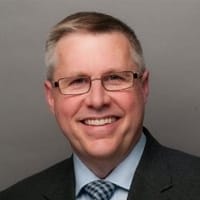
David has more than 30 years of senior leadership experience, in roles including Director, Vice President and President. He has led the launch of multiple manufacturing operations in Mexico.
Since 1986, Tetakawi has helped manufacturers launch and operate in Mexico. Today 60+ manufacturers run inside its five Manufacturing Campuses, which employ 22,000+ people across 6.5 million-plus square feet.