

6 Ways to Manufacture in Mexico
9 min Read
Key Takeaways
- There are six ways to manufacture in Mexico: contract manufacturing, a joint venture, an acquisition, a standalone operation, a traditional shelter, or a Manufacturing Campus.
- You do not necessarily need your own Mexican entity: contract manufacturing and qualifying shelter arrangements allow production without forming a subsidiary.
- Three to six months is typical for a shelter arrangement, and eight to eighteen months for a full standalone setup including entity and authorizations.
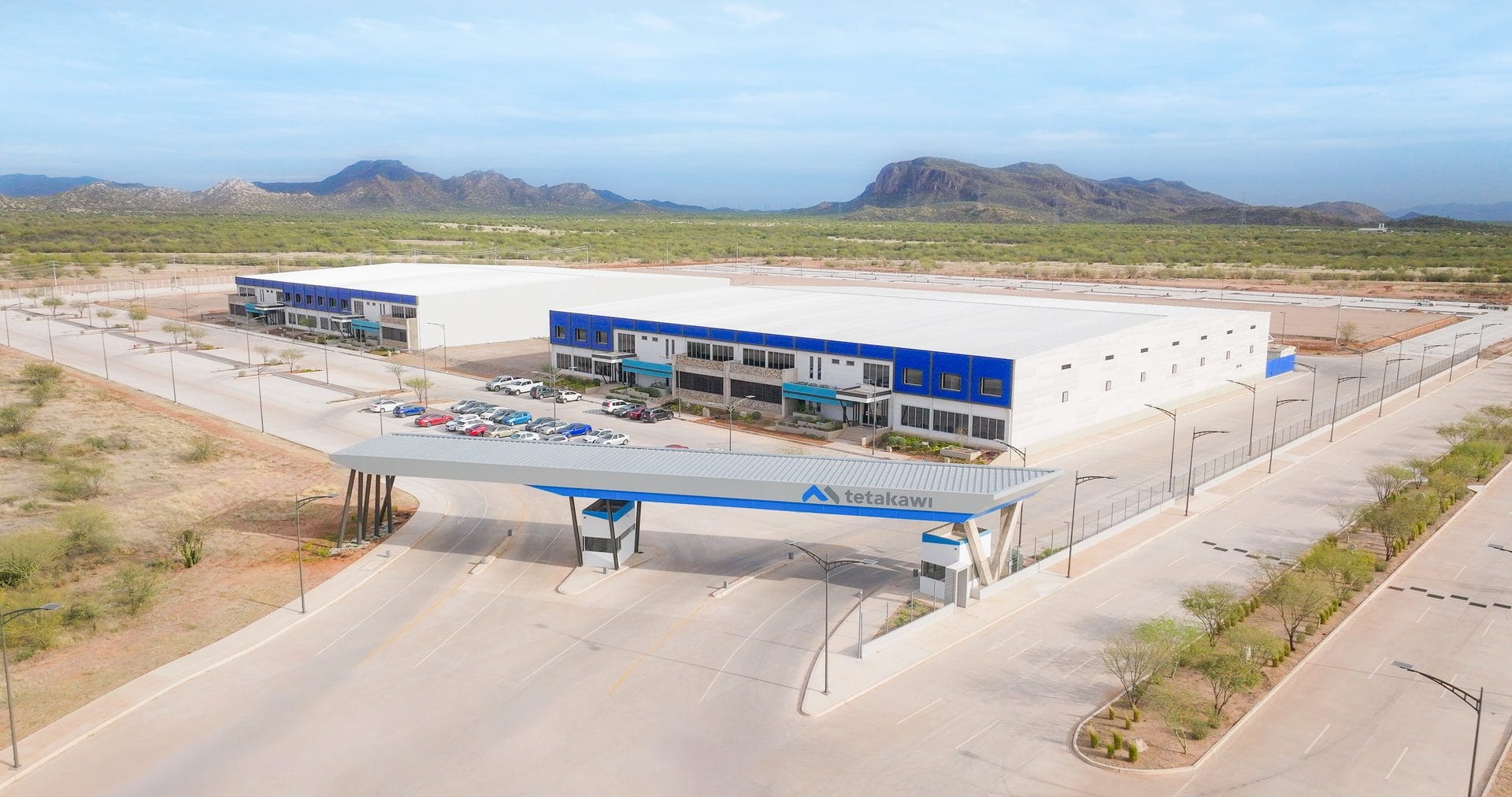
- Tetakawi's Campus model operates under a shelter arrangement at five established locations where space, infrastructure and support teams are already operating.
- A Campus fits only if its available space, utility capacity and local labor market match what you intend to make.
Jump to Section
Choosing how to manufacture in Mexico means deciding who will run production, how much your company will invest, and which responsibilities your own team will manage.
This guide compares the six models of entry: contract manufacturing, joint venture, acquisition or merger, a standalone operation, a traditional shelter arrangement, and a Manufacturing Campus. Each offers a different combination of ownership, operating control and local support.
The six ways to manufacture in Mexico
A contract manufacturer runs production for you. With a standalone operation, a shelter arrangement or a Manufacturing Campus, your company runs production. In a joint venture or an acquisition, operating responsibility depends on the ownership structure and the management arrangements you agree.
| Approach | Who runs production? | Main consideration |
|---|---|---|
| Contract manufacturing | The supplier | Can the supplier meet your specifications, quality requirements and volumes? |
| Joint venture | The management team agreed by the partners | What does each partner contribute, and how are decisions and responsibilities shared? |
| Acquisition or merger | The management team established by the transaction | What capabilities, assets and liabilities would you take on? |
| Standalone operation | Your company | Can your team establish and manage the Mexican company and the functions supporting the plant? |
| Traditional shelter | Your company | What does the provider deliver at your chosen site, and what must be arranged separately? |
| Manufacturing Campus | Your company | Does an established Campus fit your process, capacity, location and support requirements? |
1. Contract manufacturing
A supplier produces goods to your requirements in its own facility. You do not operate a plant in Mexico.
Consider this when you want the product made in Mexico and do not intend to operate a plant there.
What your company controls: the product requirements, the specification and the acceptance criteria. Ownership and permitted use of designs, tooling and intellectual property are set by the agreement, so confirm them rather than assume them.
What your team must evaluate: can the supplier consistently make the product to your specifications, and how will you verify quality?
Tetakawi is not a contract manufacturer.
2. Joint venture
A joint venture gives you shared ownership of a Mexican operation with a partner, often one already producing there.
Consider this when a partner brings capabilities, customer relationships or market access that justify sharing ownership and decisions.
What your company controls: whatever the agreement assigns. Operating responsibility can sit with either party or be divided.
What your team must evaluate: decision rights, investment commitments and operating responsibilities, agreed before proceeding rather than after.
3. Acquisition or merger
You buy an existing business, or its assets, or combine with one.
Consider this when a suitable operation exists and your team has the capacity to integrate it.
What your company controls: the operation, through the ownership and management structure the transaction establishes.
What your team must evaluate: an acquisition may provide an existing facility, equipment and workforce, subject to their condition and readiness. Diligence establishes which staff stay, which permits carry over, what the equipment can actually run, and which liabilities you would assume.
4. Standalone operation
You establish your own Mexican entity and operate through it. On an empty site this is usually called a greenfield build.
Consider this when you want to establish and manage your own Mexican operation, and have the resources to build the local organization around it.
What your company controls: your company owns the Mexican entity and directs the operation, including the functions it chooses to outsource.
What your team must evaluate: incorporation and registrations, the authorizations your operation needs, recruiting and payroll, customs, environmental and safety compliance, and the building. Some approvals depend on earlier registrations, while other preparations can proceed in parallel.
Owning the Mexican entity and the local organization outright is the reason companies choose this route. The time and the resources it takes are the trade.
5. Traditional shelter
Under an IMMEX shelter arrangement, your company directs production while operating through the provider’s Mexican entity and authorized program. The provider manages the agreed local support functions, which may include hiring, payroll, customs administration and regulatory filings.
Consider this when you want to run your own production with a provider managing the Mexican entity and agreed support functions.
What your company controls: production. The agreement defines how the other responsibilities are divided.
What your team must evaluate: which facilities and services the provider delivers at the proposed location, where the support teams work, and what must be arranged separately. Scope varies: some providers focus on administration, while others also offer industrial space and broader operating support.
6. Manufacturing Campus
You run your own production under a shelter arrangement, at a site where the industrial space, the shared infrastructure and the on-site support teams are already established and in use by other manufacturers. Tetakawi’s Campus model works this way.
Consider this when you want to run production at a location where the space and the support organization are already operating.
What your company controls: production. Tetakawi manages the agreed support functions around your operation.
What your team must evaluate: whether the available space, utility capacity, local labor market and authorizations in place fit what you intend to make.
What a Manufacturing Campus adds
You run your own manufacturing operation, under the shelter arrangement described in section five. A Campus adds established industrial space, shared infrastructure and an on-site support organization. Tetakawi has invested in established manufacturing locations, and continues to operate and maintain the buildings and the shared infrastructure around its customers’ factories.
A Campus hands you a running environment, and the economies of scale that come with it.
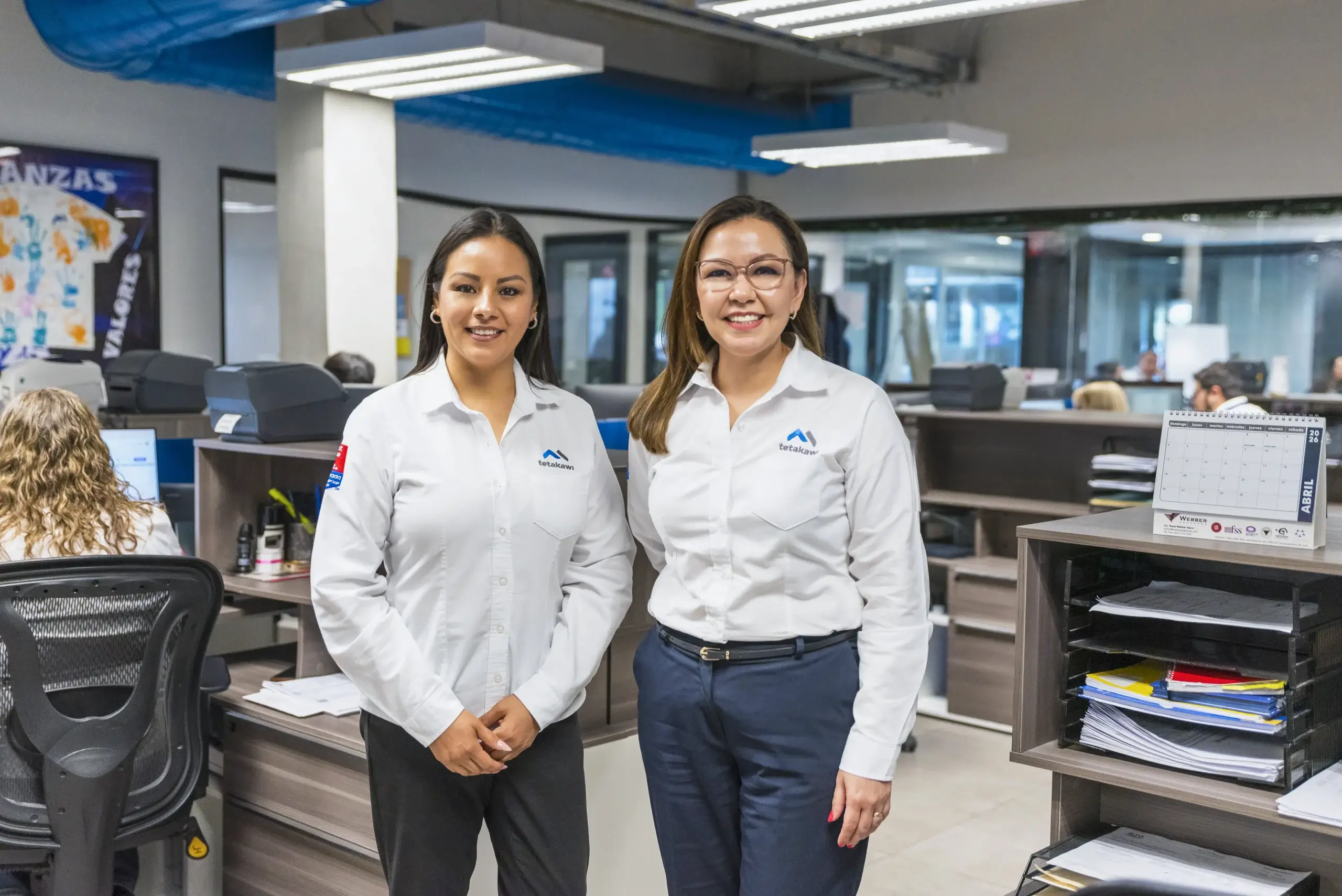
Your company can draw on an existing support organization for recruiting, payroll, benefits administration, customs and regulatory filings. Those functions serve several operations on the Campus, which reduces the local organization your own team has to establish and manage. Available space, capacity and support must still fit your requirements.
Your team leads production setup and customer qualification. You define the manufacturing process and the training it requires. Tetakawi coordinates the agreed facility and support preparations with your team.
Say Manufacturing Campus and people picture a building. What came with it was the whole Tetakawi infrastructure: a support group for whatever pops up, and an execution group that takes the actions required to make a move to Mexico instead of pointing us toward them.
Jeremy Main, Senior Vice President, Consolidated Precision Products | read the full story
The support teams are already on site. Your production workforce is recruited for your operation, and staffing expands as production grows.
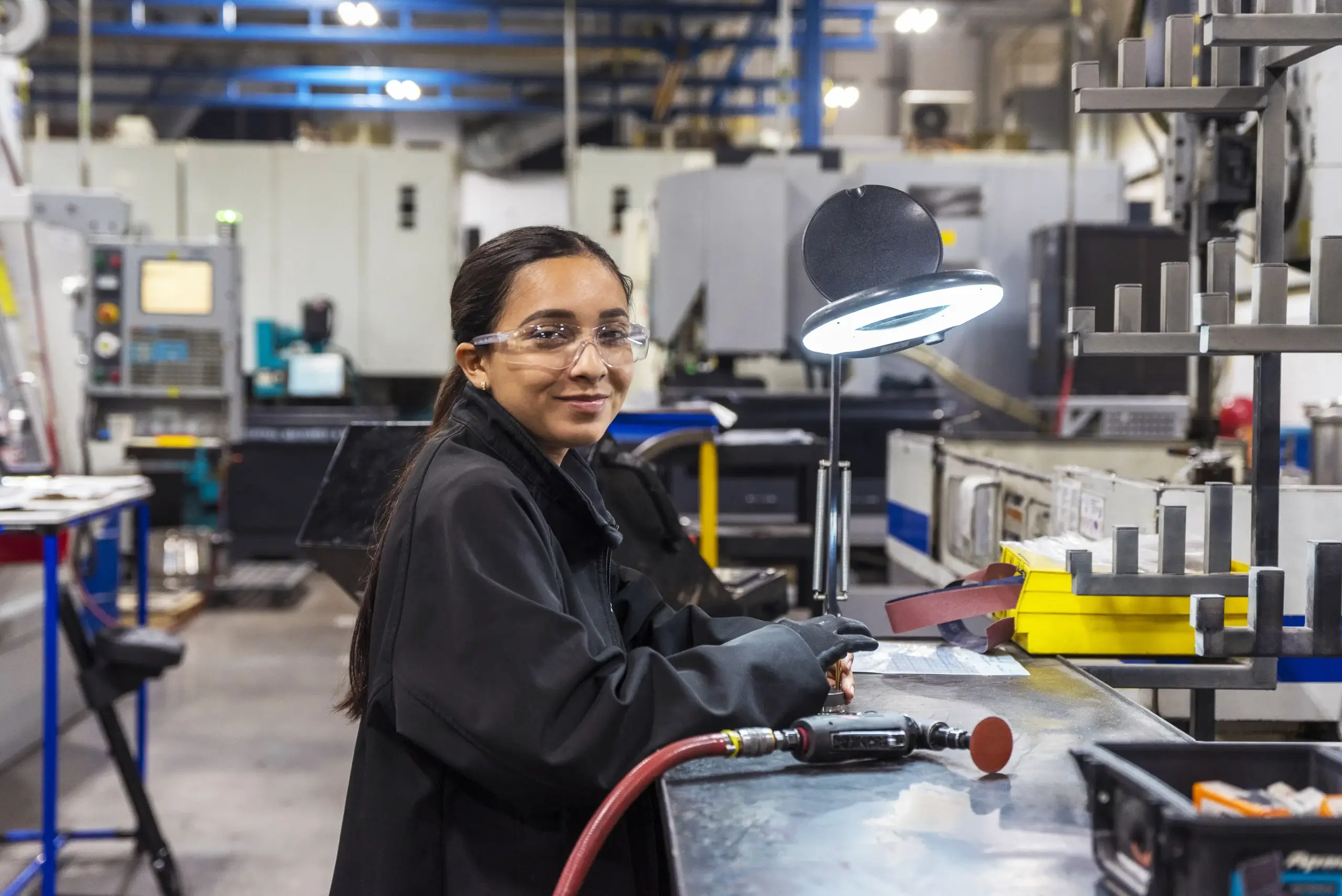
You control production, process and quality.
Your engineering, your process, your quality system, your supply chain, your customers and your systems stay yours.
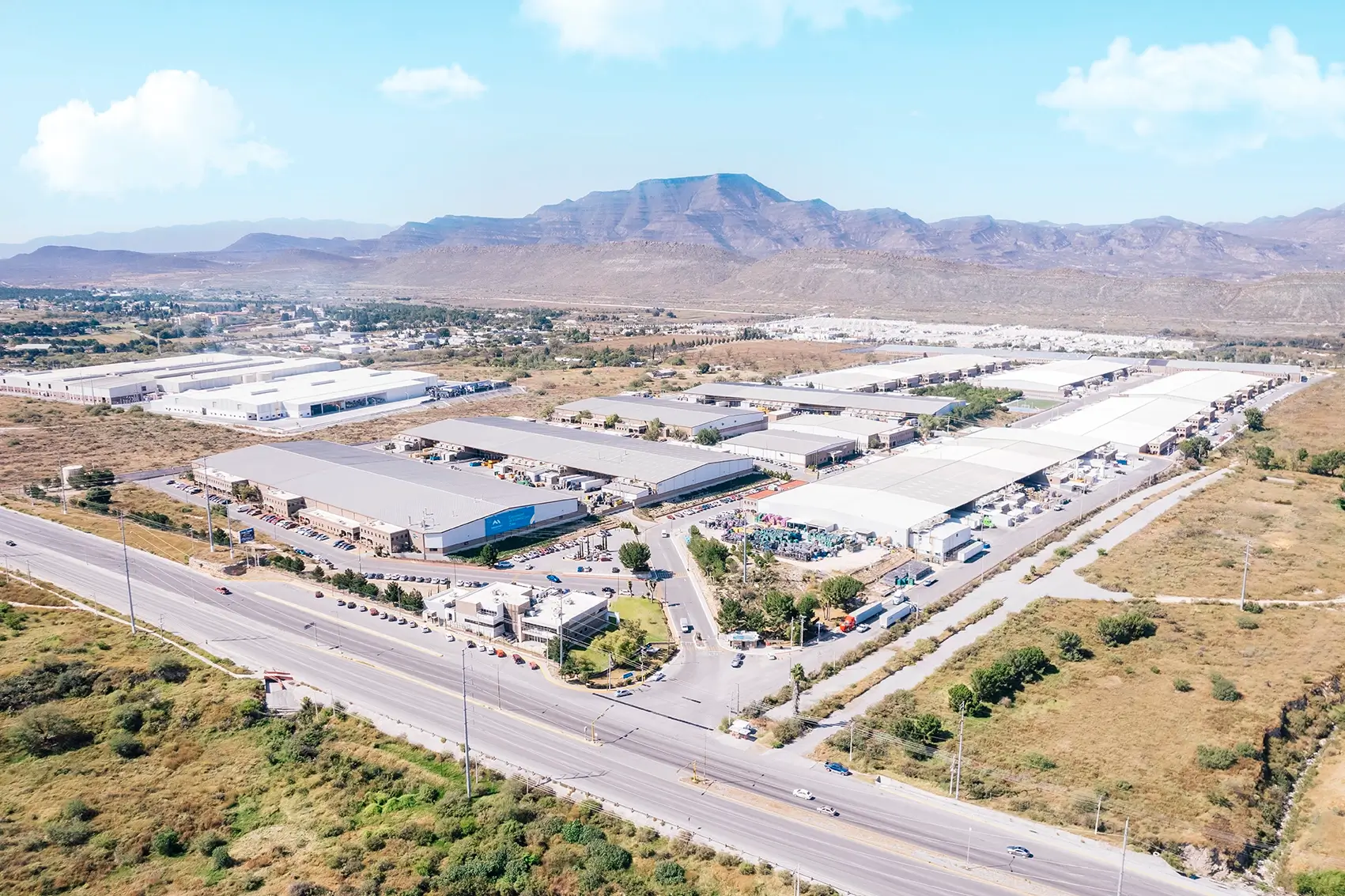
5 Campuses
Built and operating in Sonora, Coahuila and Sinaloa, with support teams on site before a manufacturer arrives.
Campus or a traditional shelter arrangement
Ask each provider what is already operating at the proposed location, what must be prepared for your project, and who will manage each part. Review the scope in the proposal, and confirm the available space and support during a site visit.
One trade-off is location flexibility. A traditional shelter provider may support your operation in a city you have already selected, depending on its coverage. Tetakawi’s Campus model offers five established locations. The right fit depends on whether a Campus can meet your workforce, logistics, facility and process requirements.
For the two set side by side, see Tetakawi versus traditional shelter providers.
Do you need a Mexican entity?
You do not necessarily need to establish your own Mexican company. Contract manufacturing and qualifying shelter arrangements, including Tetakawi’s Campus model, can allow production without forming your own subsidiary. A standalone operation uses your own Mexican entity. Joint ventures may use a new or existing company, while acquisitions can involve purchasing shares or assets.
Obligations that remain
Not forming your own Mexican company is not the same as having no Mexican obligations. Registration, reporting and tax obligations can still apply to your company, and they are covered below.
If the real choice in front of you is a shelter arrangement or your own entity, the shelter model and the standalone model compared sets the two side by side.
Planning your launch timeline
Three to six months is typical for a shelter arrangement. On an established Manufacturing Campus, a well prepared operation can get started in as little as thirty days. Plan eight to eighteen months for a full standalone setup, including the Mexican entity, required registrations and authorizations, facility readiness and the organization supporting the plant.
Ask what “started” means before you compare one schedule with another. Here it means the space, the legal framework and the workforce infrastructure are in place and ready for equipment. It does not mean the first part is approved, and it does not mean production has reached its planned output.
The production schedule then depends on equipment installation, recruitment and training, process qualification, and customer approvals. Agree separate dates for equipment access, trial production and commercial production, and confirm which milestone each proposal’s timeline refers to.
Where this gets complicated
An IMMEX authorization is not required in order to export. Ordinary definitive export procedures exist, and a company producing for the Mexican domestic market may not need one. What the IMMEX program does is allow qualifying temporary imports for export manufacturing.
It does not, by itself, exempt those imports from Mexico’s value-added tax, which is 16% at the general rate. Eligible businesses may apply a VAT credit through a separate certification from SAT, Mexico’s tax authority, or use an authorized guarantee arrangement, subject to applicable requirements. IMMEX authorization and VAT certification are separate. Confirm which entity holds each required authorization or certification, and whether it covers the proposed operation.
Permanent-establishment status affects how a foreign company is taxed in Mexico. Qualifying shelter arrangements have specific conditions, and registration, reporting and tax obligations can still apply to your own company. That treatment depends on the authorizations held and the requirements applicable to the operation, which is a question for your advisors and ours together, early rather than late.
What to do next
Start with your product, manufacturing process, expected volumes, equipment requirements and target production date. Identify which responsibilities your team wants to manage and where it needs local support.
You do not need to resolve every detail before speaking with a provider. Use the first conversation to identify suitable locations, the support your operation would need, and the next steps for evaluating cost and timing.
Locations are judged on workforce, logistics, facility and customer requirements, and where to manufacture in Mexico compares the regions on those terms. For the sequence of work that follows the choice, see how to start manufacturing in Mexico.
Before you shortlist a provider
See whether a Campus fits your operation
Tell us what you plan to manufacture and when you need to start. We will help assess Campus fit and identify the next steps for evaluating space, workforce, cost and timing.
Common questions about manufacturing in Mexico
What is the difference between a shelter arrangement and a Manufacturing Campus?
Tetakawi’s Manufacturing Campus model operates under a shelter arrangement and adds an established operating environment: industrial space, shared infrastructure and support teams already working at the location. When comparing providers, ask what exists at the proposed site, what must be prepared for your project and who will manage it.
Do I need a Mexican entity to manufacture in Mexico?
You do not necessarily need to establish your own Mexican company. Contract manufacturing and qualifying shelter arrangements, including a Manufacturing Campus, can allow production without forming your own subsidiary. A standalone operation uses your own Mexican entity. Joint ventures may use a new or existing company, while acquisitions can involve purchasing shares or assets. Registration, reporting and tax obligations can still apply to your company either way.
What are my options for manufacturing in Mexico?
There are six models of entry: contract manufacturing, a joint venture, an acquisition or merger, a standalone operation, a traditional shelter arrangement, or a Manufacturing Campus. They differ on who runs production, what your company has to establish, and how much local support is already in place.
Can I keep control of my operation?
With a standalone operation, a shelter arrangement or a Manufacturing Campus, your company directs production, your process and your quality system. With a contract manufacturer, the supplier produces to your specification, and the agreement sets how quality is verified.
How long does it take to start manufacturing in Mexico?
Three to six months is typical for a shelter arrangement. On an established Manufacturing Campus a well prepared operation can get started in as little as thirty days, where started means the space, the legal framework and the workforce infrastructure are in place and ready for equipment. Plan eight to eighteen months for a full standalone setup, including the Mexican entity, required registrations and authorizations, facility readiness and the organization supporting the plant. Equipment installation, recruitment and training, process qualification and customer approvals run on their own schedule, and some of them overlap.
Subscribe to stay up to date with our latest insights