Our Story
Learn our story, leadership, and mission shaping manufacturing in Mexico.

Every shelter provider offers the same legal mechanism: you run your own plant under their Mexican entity and IMMEX program. What differs is everything around it. Tetakawi runs five Manufacturing Campuses to one standard, where space, workforce, logistics and compliance sit under one agreement.
The shelter mechanism is sound. But “shelter” is not a standardized product: some providers are administrative-only, some add real estate, some subcontract pieces of the scope. The mechanism is only as strong as the environment around it.

Comparison
Compare integration, infrastructure, workforce and retention, accountability, and location choice.
| Traditional Shelter Providers | Tetakawi Campus Model | |
|---|---|---|
| Structure & Integration | Often assembled from separate vendors and agreements | Space, workforce, logistics and compliance as one system |
| Real Estate & Infrastructure | Real estate may be separate or out of scope | Class A space Tetakawi runs and maintains |
| Workforce & Retention | Often recruiting and payroll administration | On-site recruiting, HR and transportation; Tetakawi employs the team |
| Accountability | Responsibility may be divided across vendors | One accountable partner, under a single U.S.-law agreement |
| Location Choice | Can arrange space across most industrial regions of Mexico | Five Campuses in Sonora, Coahuila and Sinaloa, none in a border city |
Testimonials
One accountable partner, an environment that is already running, and support that holds at year ten. Here is how some of the 60+ manufacturers operating on Tetakawi Campuses describe it.
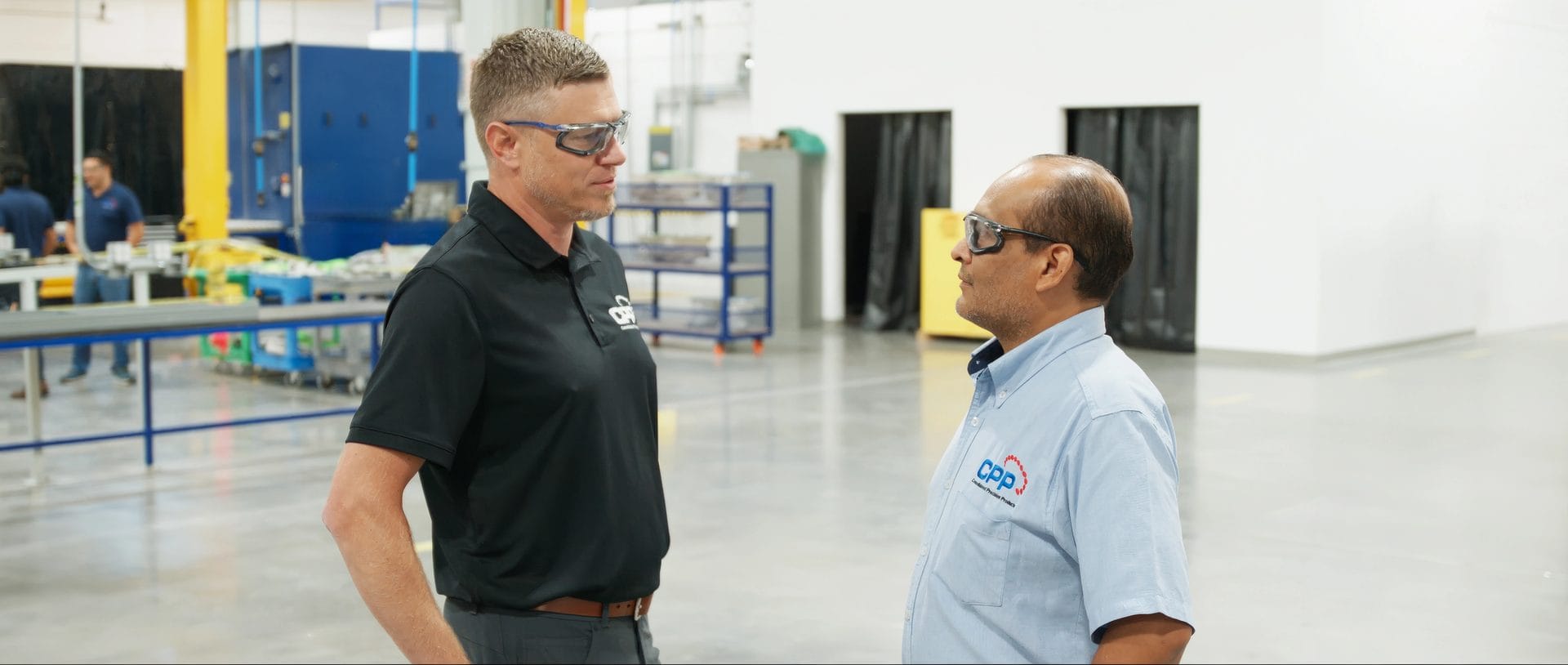

Jeremy Main, Senior Vice President, Consolidated Precision Products

Jon Jensen, Manufacturing CEO, repeat Tetakawi client since 2001
Campus Pillars
Predictable manufacturing in Mexico requires reliable space, people, logistics, and compliance. On a Tetakawi Campus, one partner runs all four, so you don’t have to coordinate a patchwork of vendors.
Industrial Space
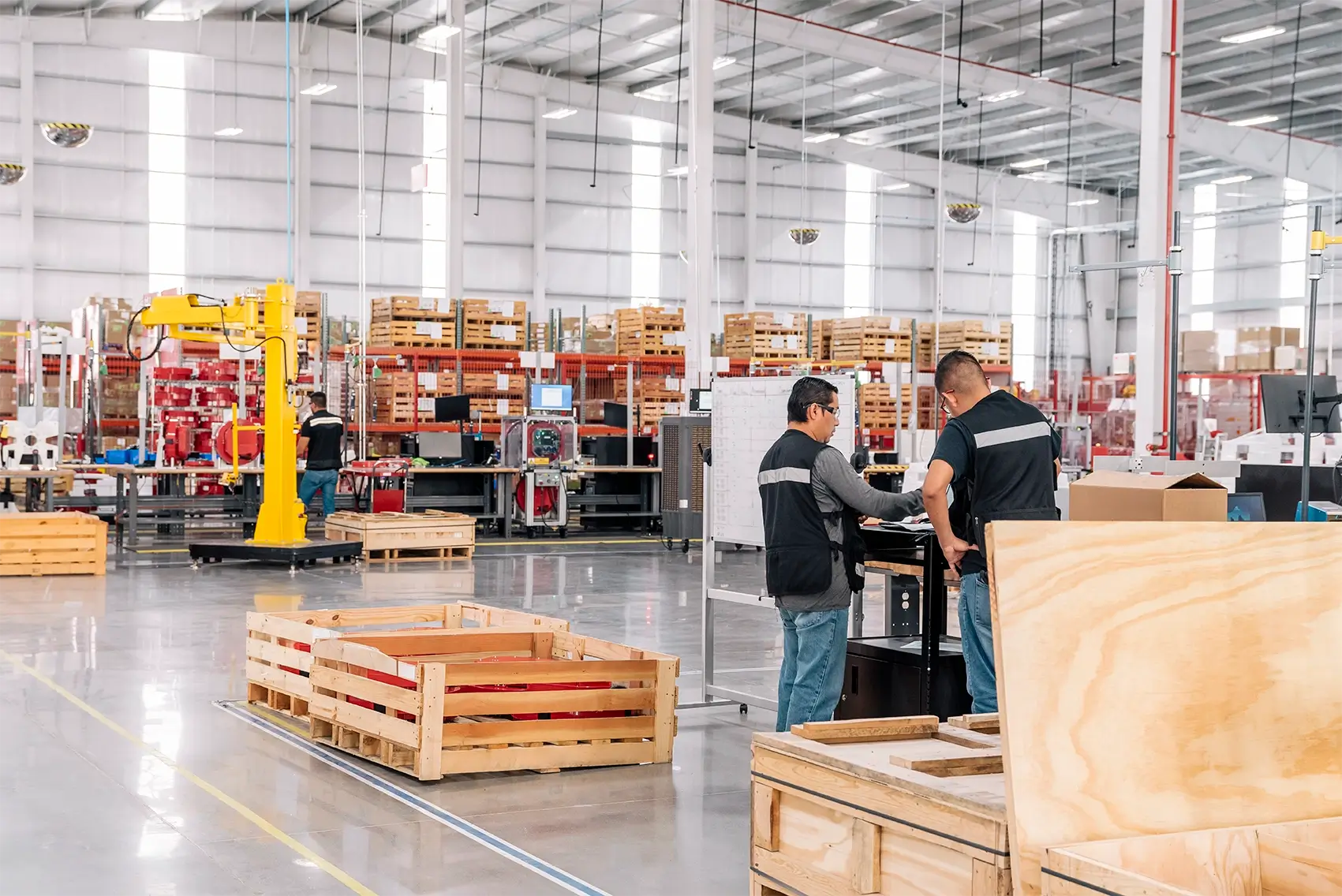
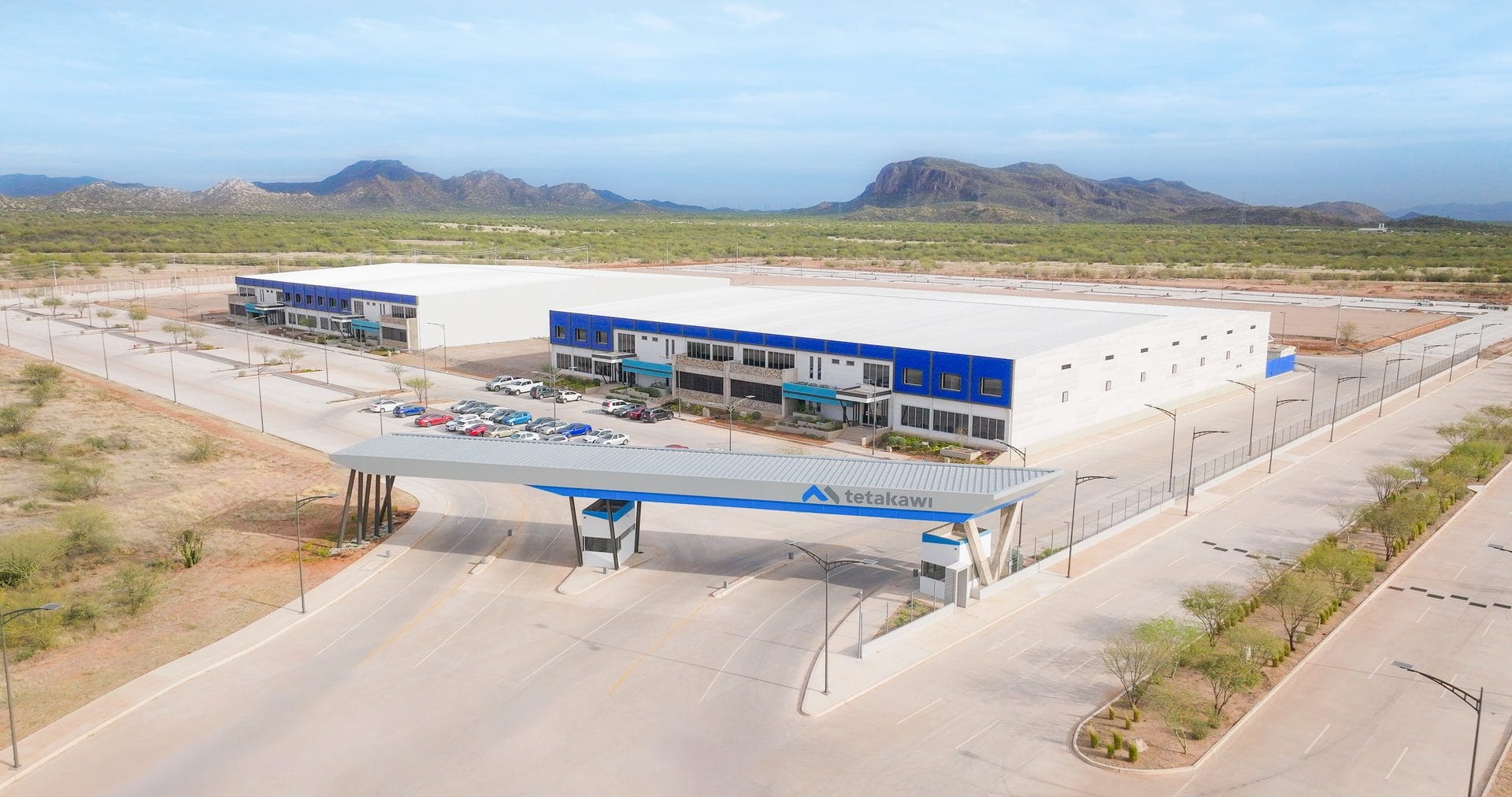
Set up in a Class A building on a Tetakawi Campus, move-in ready or adapted to your process. Tetakawi runs the Campus and maintains the buildings, so the building is never your project.
Workforce
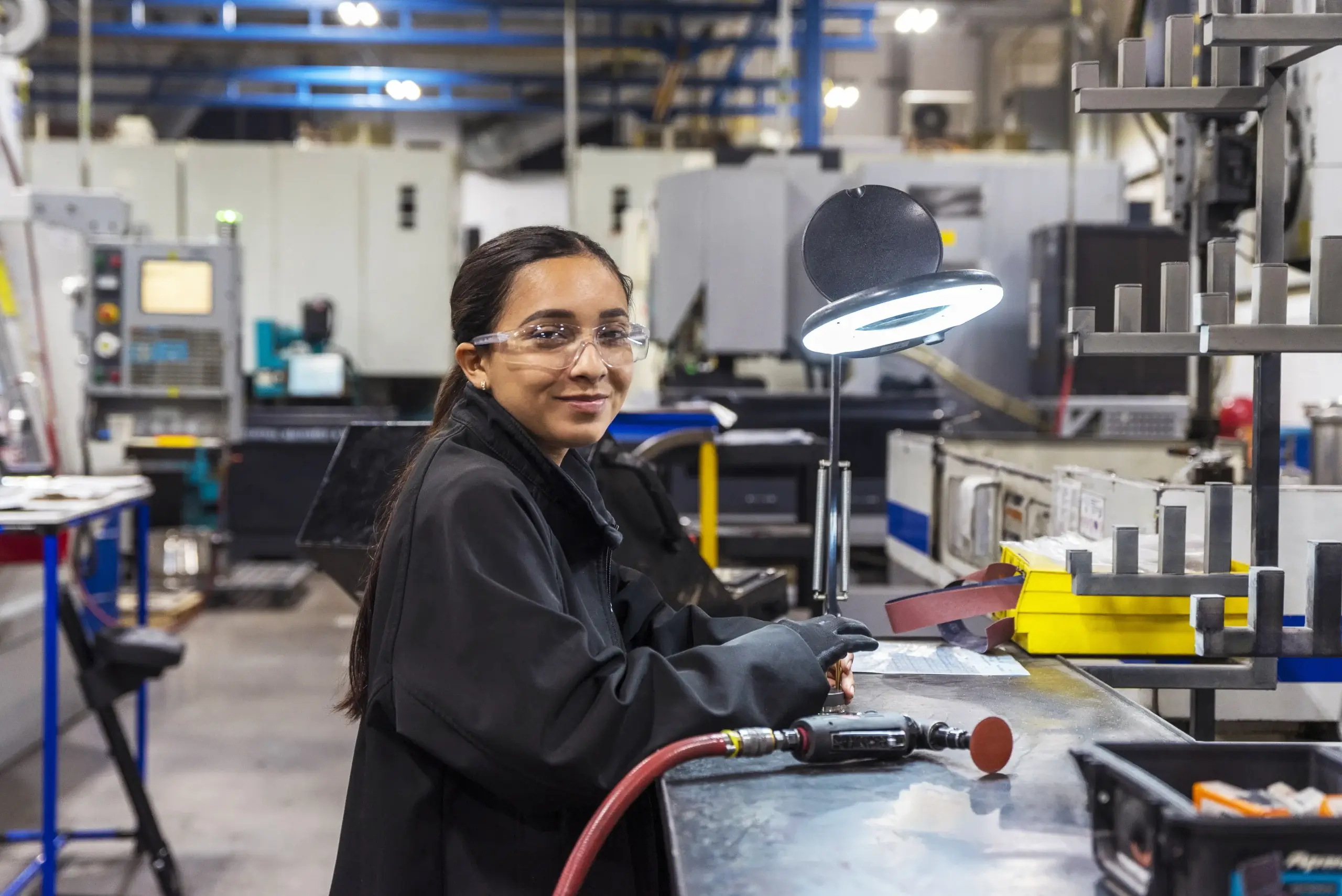
Define the roles and the standards, then run the plant. Tetakawi recruits, hires, and employs the people, runs payroll and benefits, and holds the union agreement, so your managers stay on production.
Logistics
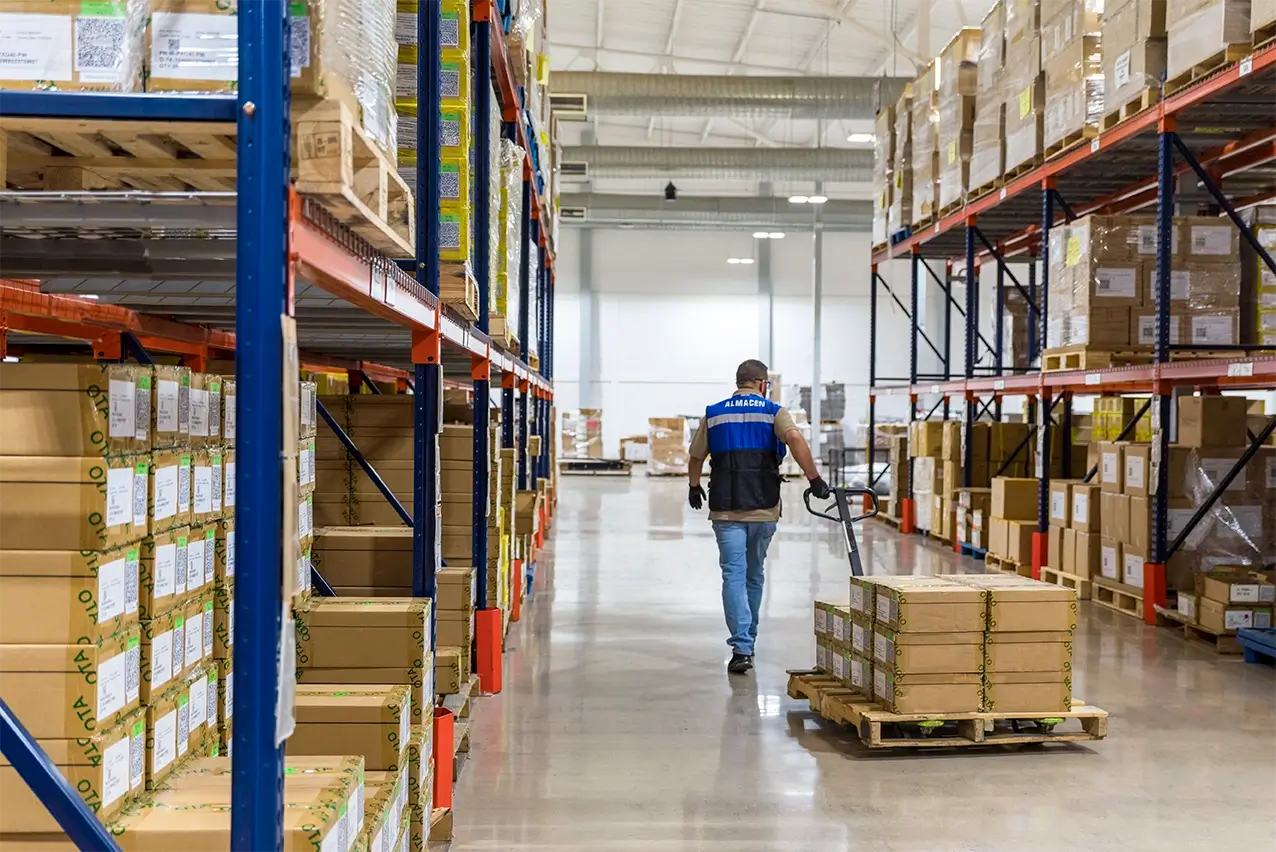
Bring materials in and ship product out with a U.S. broker you select. Tetakawi holds the Mexican import and export permits your shipments move under, and stages your freight at its U.S. cross-docks.
Compliance
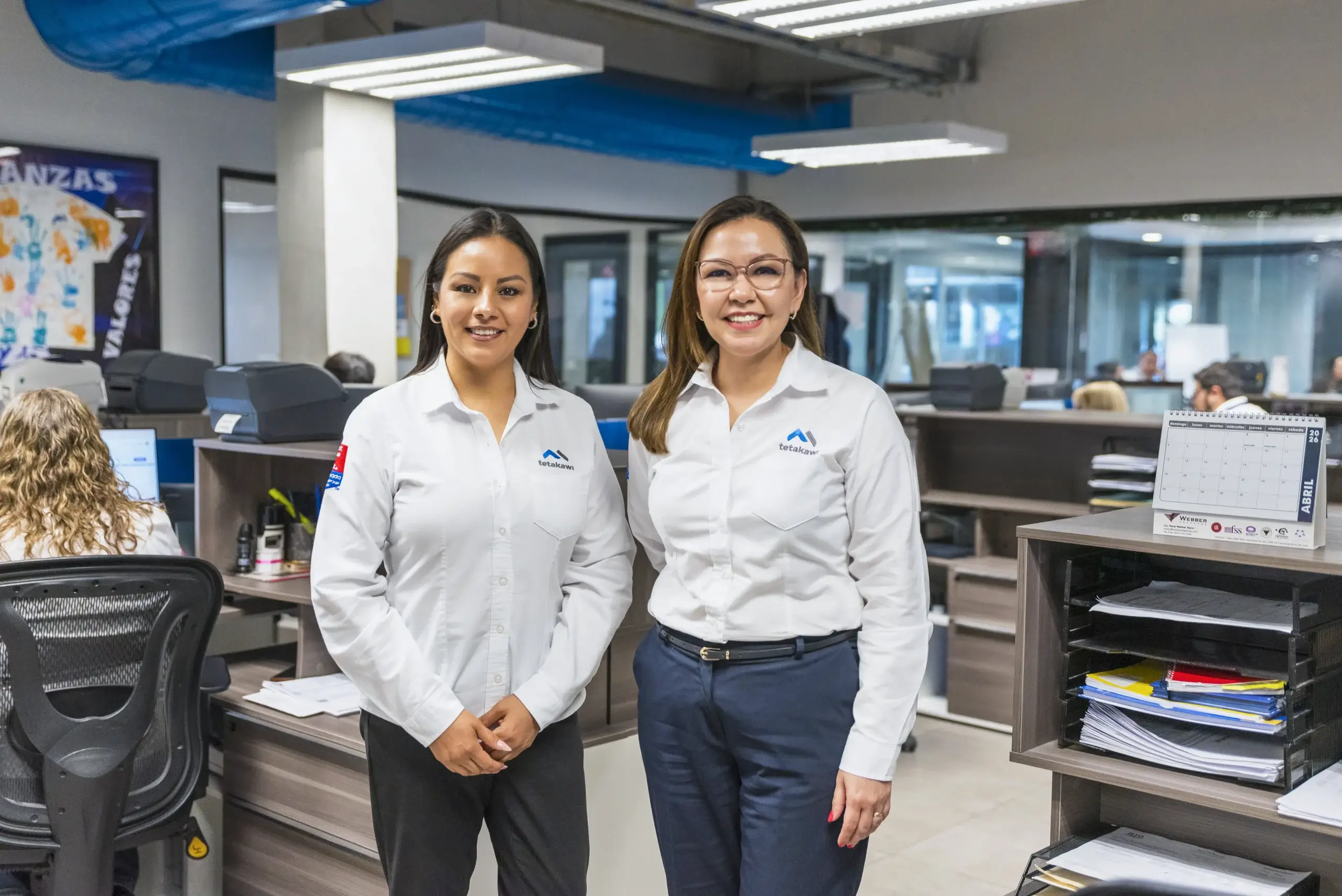
Operate under Tetakawi’s IMMEX shelter program, without forming your own Mexican company. Tetakawi holds the permits and registrations and answers to the authorities for the entity’s filings.
FAQs
Comparing shelter providers in Mexico? The questions we get most often from manufacturers comparing their options.
What is a shelter provider in Mexico?
A Mexican company that holds a legal entity and an IMMEX program, and lets you operate under both.
Mexico’s IMMEX Decree calls this the shelter, or albergue, modality. You keep full control of production, quality and your IP. The provider administers the layer around your factory: recruiting, payroll, import and export, and fiscal filings, so you operate without incorporating in Mexico. What that layer actually covers varies widely from provider to provider.
Is Tetakawi a shelter provider?
Yes. That is the category, not the difference.
Other companies in Mexico offer some version of the same thing. They hold an IMMEX program and a legal entity, and they let a foreign manufacturer operate under both. Tetakawi operates under that same framework, the albergue modality of the IMMEX Decree. That is the category, not the difference.
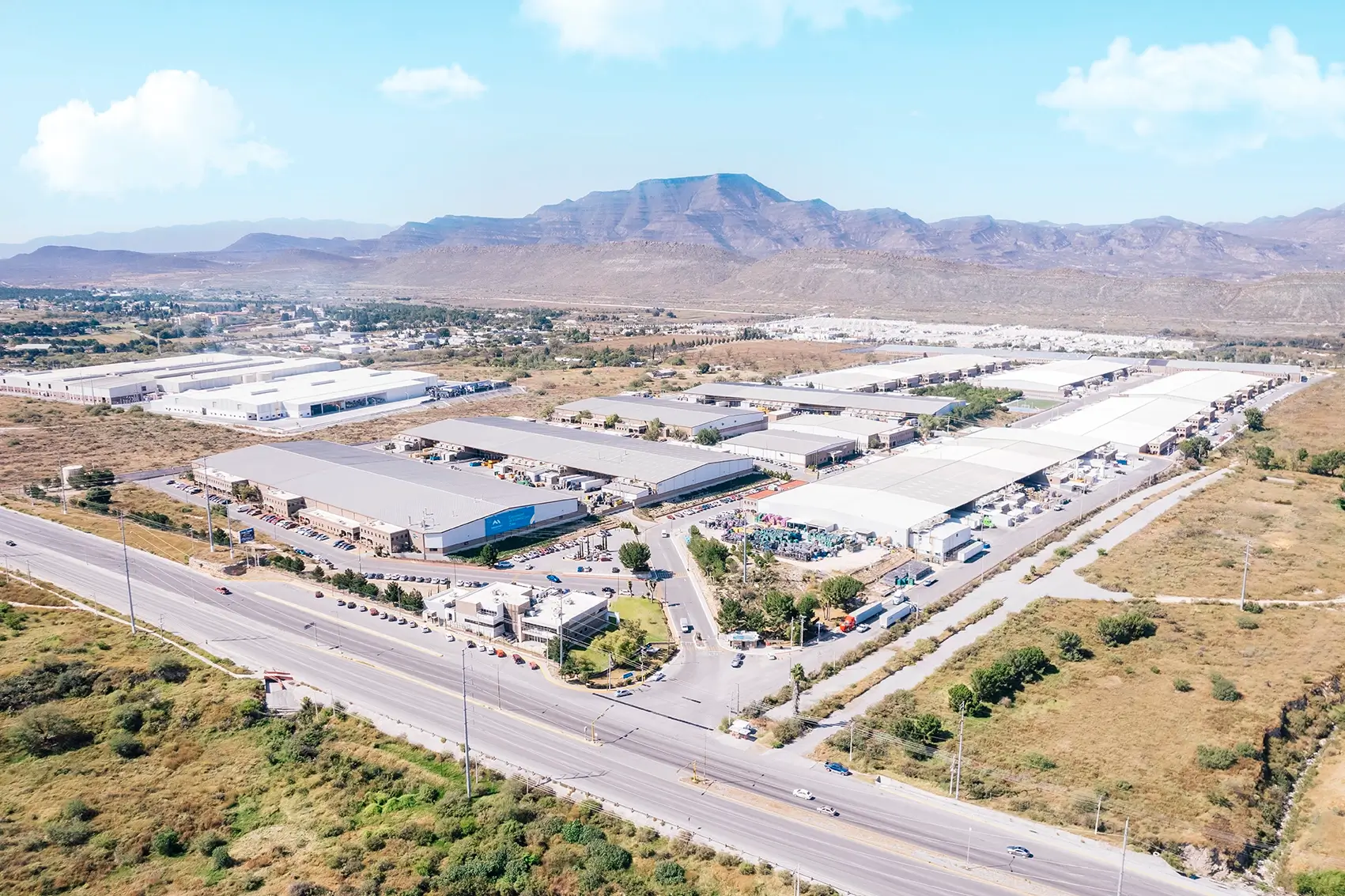
The difference is what has been built around that framework. Tetakawi runs five Manufacturing Campuses in Sonora, Coahuila and Sinaloa, built and expanded over four decades. The HR, import and export, and EHS teams that would run your environment sit on the Campus, on the same property as your plant. 60+ manufacturers operate on that infrastructure today.
You also sign one agreement with a U.S. company, under U.S. law.
How do shelter providers in Mexico differ, and what should we ask any provider?
On two structural axes, more than on price: comprehensiveness and entity structure.
Comprehensiveness: at one end, full administration plus real estate and staffing; at the other, an administrative slice you build the rest around. And entity structure: some form a new Mexican entity, so you wait on incorporation and approvals; others let you operate under entities already running. Ask any provider, including us: who provides the space, which services are subcontracted, where the HR and import and export team that runs your environment sits and who is accountable for it at your location, whether they hold a union agreement where you would operate, who leads your launch, and whose law governs the agreement.
What does a Manufacturing Campus add beyond shelter services?
The environment itself.
Shelter covers the administrative layer. A Campus surrounds your factory with all four pillars and the services that keep a workforce showing up: employee transportation, controlled-access security, maintenance and, on select Campuses, on-site medical care and daycare. On the U.S. side, Tetakawi runs cross-docks in Tucson and McAllen. You sign one agreement with a U.S. company, governed by U.S. law. That does not change the fact that your people are employed under Mexican labor law and your shipments move under Mexican customs law. It puts one accountable party in front of both.
How fast can we be operating, and does the choice of provider change that?
In as little as 30 days on a Tetakawi Campus. Elsewhere, it depends on what has to be created first.
The building, workforce systems and legal framework already exist, so a well-prepared operation can get started in as little as 30 days. Most operations go from deciding on Mexico to producing in Mexico in three to six months. Provider structure changes that calendar: when an arrangement requires forming a new entity or securing a new program approval, the clock starts there instead. Building standalone typically takes 8 to 18 months before you can operate. Ask any provider what already exists and what has to be created first.
What does it take to find out whether a Tetakawi Campus fits?
Four steps, in order.
1. Get in touch. A conversation about the operation you are planning and what you need a partner to carry: space, headcount, timing, and the functions you do not want to build yourself.
2. Measure ROI. We build the business case with you: a full-operation cost model, direct labor by role, real estate, utilities and freight, and which Campus fits. If you are comparing shelter providers, put our model beside theirs line by line.
3. Site visit. Walk the Campus, meet the people who would run your account, and see space, workforce, logistics and compliance running around manufacturers who have been here for years.
4. Launch and grow. When you give the green light, the same team that helped you build the case guides the launch, and the people who run the Campus are a phone call or a short walk away.