



The Advantages of Manufacturing in Mazatlán
12 min Read
- Manufacturing in Mexico
Key Takeaways
Jump to Section
Mazatlán’s formal workforce is growing while manufacturing claims a small share of it. That structure is what separates it from the cities most shortlists carry.
Manufacturing in Mazatlán means operating in a Mexican port city of half a million people where manufacturing accounts for 13.5% of formal employment, a fraction of what border cities carry. You are competing in a market with far fewer manufacturing employers than the major border centers. The city sits outside the northern border free zone, and Texas is a single day’s drive away.
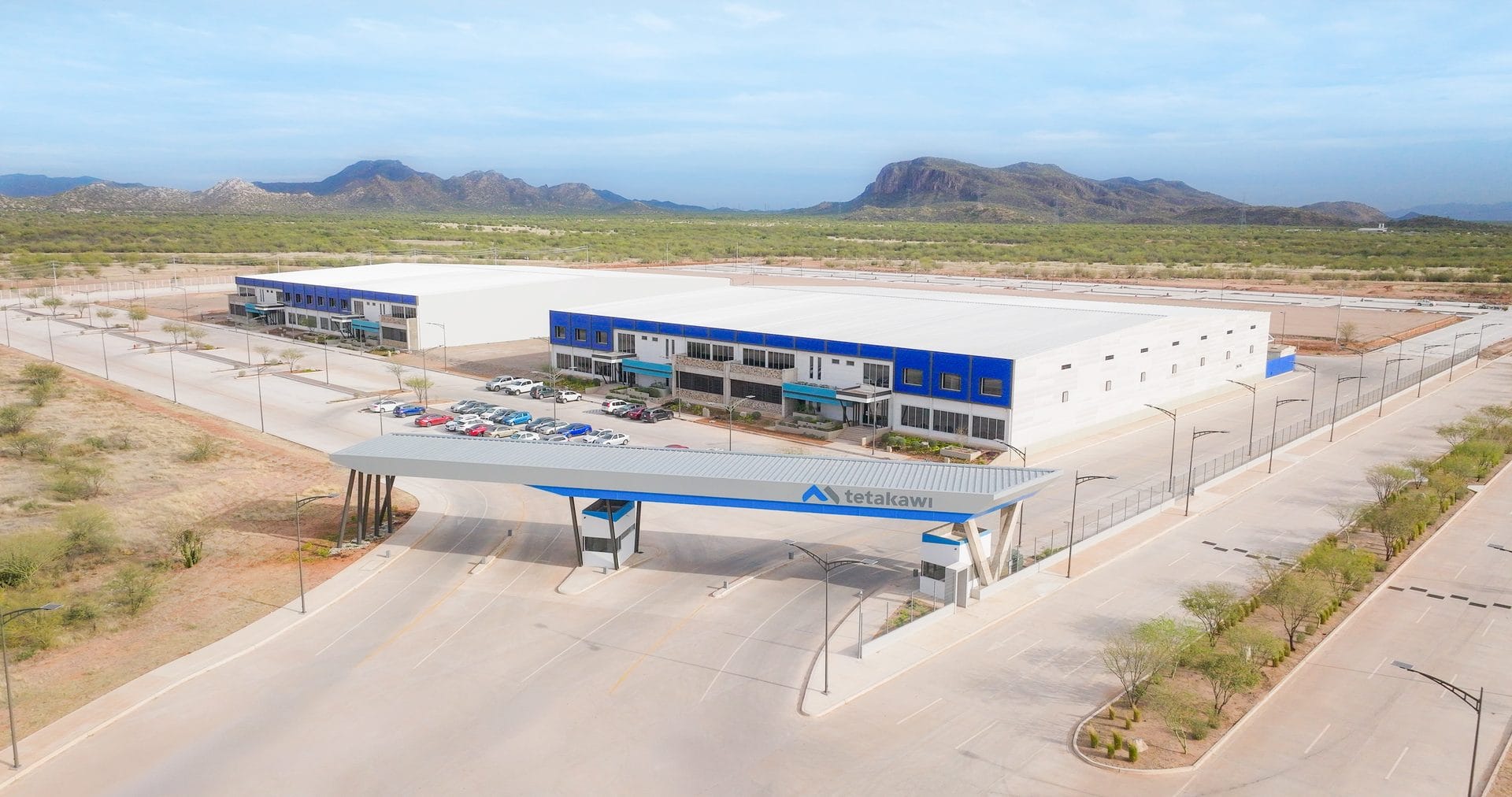
The deep-water port is fifteen miles from the industrial site, the international airport is under a mile from it, and the tolled highway across the Sierra Madre is what makes the one-day drive to Texas possible. Where a figure below is a state number rather than a city number, it says so.
How contested is the manufacturing labor market?
One of the most important labor questions in site selection is how many employers are competing for the same skills. High manufacturing concentration can put pressure on recruiting, retention and wage progression, and Mazatlán starts from a very different position than the major border manufacturing centers.
That labor-market structure is Mazatlán’s strongest differentiator. In Reynosa, about two of every three formal jobs are already in manufacturing; in Ciudad Juárez, six of every ten; in Mazatlán, fewer than one and a half in ten, and the formal workforce is still growing.
A lower share is evidence of lower manufacturing-employer density. It is not on its own evidence that skilled people are abundant, which is why the rest of this post tests it three ways: who else is hiring, whether the training pipeline refills, and what happened when a demanding manufacturer actually tried it.
Who else is hiring for the people you need
Mazatlán has 134,096 workers registered with the Mexican Social Security Institute as of June 2026. Just 18,071 of them work in manufacturing.
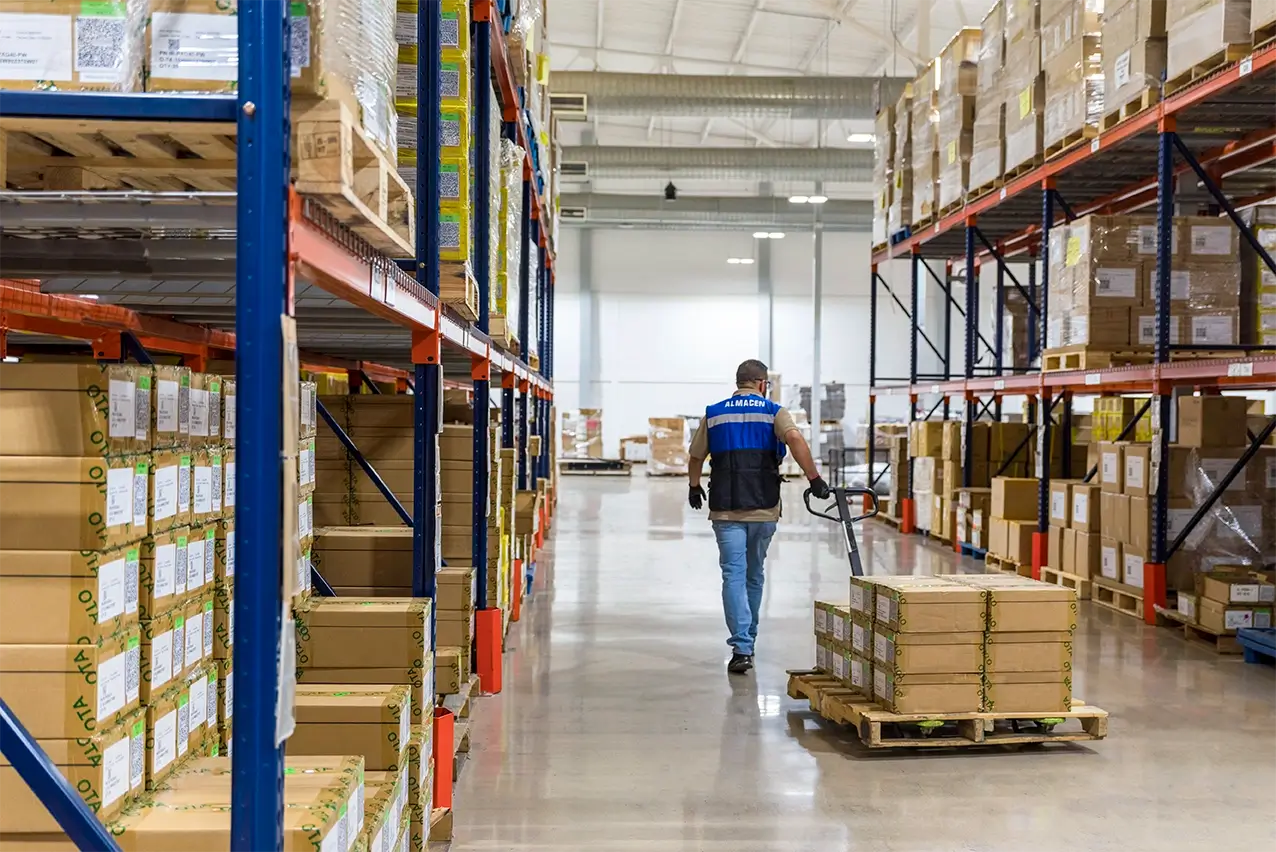
That figure counts the city’s food plants. The rest of the workforce is in services, commerce and the port, and those employers draw on the same unskilled labor pool you will. Manufacturing employers represent a much smaller share of the formal labor market here, particularly for production and technical roles.
134,096
workers formally registered with IMSS in Mazatlán, June 2026
13.5%
of those registered workers are in manufacturing
+5.6%
formal employment growth, June 2025 to June 2026
Put that next to the places you are probably also considering.
| City | Registered jobs | In manufacturing | Share |
|---|---|---|---|
| Reynosa | 227,375 | 148,830 | 65.5% |
| Ciudad Juárez | 475,349 | 290,490 | 61.1% |
| Matamoros | 102,175 | 58,552 | 57.3% |
| Tijuana | 596,997 | 270,456 | 45.3% |
| San Luis Potosí | 319,371 | 133,639 | 41.8% |
| Mexicali | 302,072 | 108,763 | 36.0% |
| Monterrey (metro) | 1,520,390 | 528,644 | 34.8% |
| León | 421,988 | 135,304 | 32.1% |
| Querétaro | 441,697 | 107,841 | 24.4% |
| Mazatlán | 134,096 | 18,071 | 13.5% |
Manufacturing represents a much smaller share of formal employment in Mazatlán than in Mexico’s established manufacturing centers. That means fewer manufacturing employers competing for the same production workforce, which works in your favor on recruiting and retention.
Labor availability is the biggest one. In some of the border towns we struggle to find labor that is available and at less risk of leaving us. There is a lot of competition. In the Mazatlán area, we felt we would be better positioned to take advantage of the labor force, with less competition for it. Jeremy Main · Senior Vice President, Consolidated Precision Products
One thing worth understanding early
About half of Sinaloa’s working population is in the informal economy, a state figure that runs higher here than in the older manufacturing states. Formal-employment statistics are not the addressable recruiting pool. Actual availability has to be tested by role, shift and commute radius, which is what we size per operation.
Whether it scales
Availability is worth nothing if the second hundred people are harder to find than the first. The city has been training technical people for years while the industrial jobs sat elsewhere, so the education system gives manufacturers a recurring technical pipeline in a market where industrial employment is still relatively limited.
From federal education records rather than an estimate: Mazatlán’s technical upper secondary system, the CBTIS, CETIS, CETMAR, CECyTE and CONALEP campuses, enrolled 5,506 students and graduated 1,544 in the 2024 to 2025 school year. The city’s universities separately graduate hundreds of students a year in engineering and manufacturing-related disciplines. What the public record does not tell you is how many of those technical graduates studied a specific manufacturing trade, so ask us for the count in the disciplines you actually hire from. That is the number your staffing plan runs on.
For years, Mazatlán exported most of its talent to more industrialized regions of Mexico. Since we established here, I have been blown away by how many people want to come back now that there are manufacturing jobs. Helio Barriga · General Manager, Tetakawi Mazatlán
What that means for a hiring plan is specific: you are recruiting people with real technical education who have not spent five years in somebody else’s plant, trading a shorter résumé for a shorter list of employers competing for that person afterward. Our operating experience has been that candidates arrive with technical education but limited sector experience, which makes training capability more important here than a finished résumé.
What one demanding operation has proven here
One manufacturer’s experience is not a market, and we will not pretend otherwise. But the manufacturer in question runs one of the hardest processes there is. Consolidated Precision Products opened a plant here in 2024. CPP produces aerospace and industrial castings, a process where training, quality discipline and retention matter enormously. It has operated in Mexico since 2012 and had already run plants in other Mexican markets before selecting Mazatlán.
The kind of manufacturer matters more than the count. Castings for aerospace and defense run on customer approvals and tight process control, and by CPP’s own account the thing capping that business right now is not orders.
Our customers are all knocking on our door asking how much we can produce, and the biggest constraint we’ve got is people. So to grow and meet our customers’ demand, we’ve got to find the people to do it. Jeremy Main · Senior Vice President, Consolidated Precision Products
A company whose growth is limited by hiring, in one of the most process-controlled corners of manufacturing, chose to put new capacity in this labor market.
CPP reports that its Mazatlán plant now leads the company on retention, and it continues adding people and equipment inside the building it has. CPP is a Tetakawi client, so weigh that accordingly: it is one company’s result, not a market average.
What manufacturing labor costs here
Mazatlán sits outside the northern border free zone, which creates a different labor-cost environment from Tijuana, Ciudad Juárez, Reynosa, Matamoros, Nuevo Laredo, Mexicali and Nogales. No municipality in Sinaloa is inside it.
That is structure rather than a rate. What an operation actually costs depends on the job mix, the shift pattern, overtime and seniority, so comparisons belong role by role on a fully fringed basis, not against a headline number. The roles below are the ones an assembly or light-manufacturing operation hires against here.
| Representative role | Starting fully fringed employer cost/hour |
|---|---|
| Unskilled production | about $4.37 |
| Machinists | about $6.10 |
| CNC machinists | about $7.86 |
Third quarter 2026, at 17.5 pesos to the dollar. Starting points rather than market averages. Fully fringed means the base wage plus the employer-paid payroll taxes and the statutory and contractual benefits carried in Tetakawi’s labor-cost model, rather than a worker’s take-home pay. It does not include Tetakawi’s services, overtime or shift premiums, employee transportation, indirect labor, or other project-specific operating costs.
One convention catches almost everyone the first time: Mexican wages are set as a salario diario, a daily rate paid across all seven days of the week whether or not the plant runs on all of them, so a week costs the daily rate times seven, not times five. Two Mexico quotes compared without checking that are usually not describing the same thing.
Run your numbers
What your operation would actually cost in Mazatlán
Tell us your job mix, your shift pattern and your headcount, and we will build the loaded number against current statutory rates rather than a published average.
Why a market like this is still available
If the labor market here is this open, the fair question is why more manufacturers have not taken it. The answer is distance. The Texas border is about 1,050 kilometers away, roughly 650 miles, to the Reynosa and Pharr crossing.
It is a longer haul than a border city in miles. What moved is the transit time: Highway 40D, the tolled route across the Sierra Madre Occidental, cut the Durango crossing from six to eight hours to roughly three, which is why a plant here reaches the Texas border inside a single day’s drive.
Tetakawi operates a cross-dock in McAllen, Texas, at the end of that route.
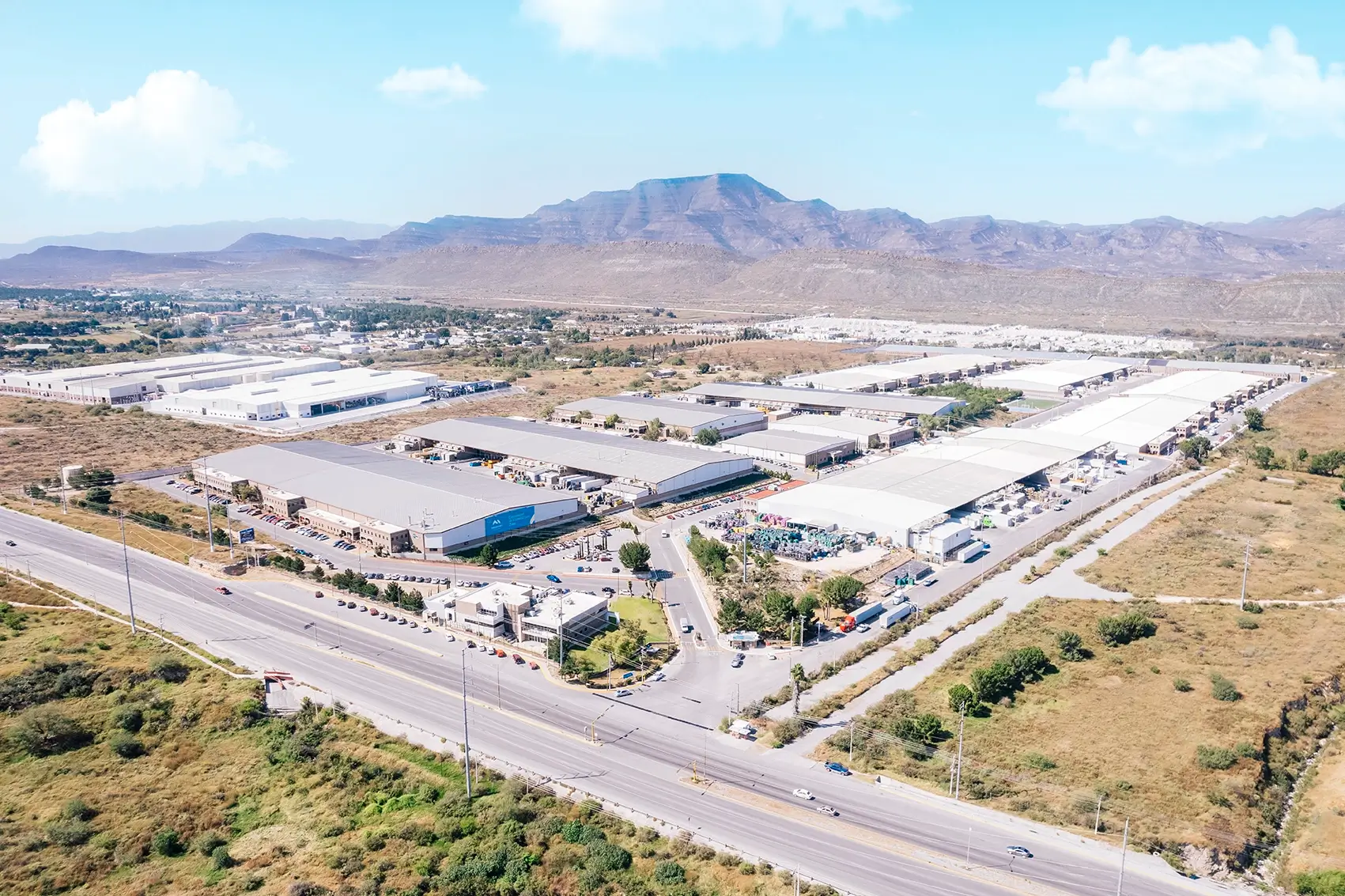
There is more to it than road miles. The deep-water Port of Mazatlán sits fifteen miles from the industrial site. If a meaningful share of your material moves by sea, the arithmetic changes: the port is fifteen miles out rather than a haul to the border and back down. The international airport is under a mile from the site, which matters more than it sounds when your engineers are flying in monthly during a launch.
What Mazatlán does not have
A market with this little manufacturing competition has reasons, and some of them will cost you money. These are the ones we name first.
- Calibration and metrology
- Sourced from other industrial centers rather than locally. Build the travel and turnaround into your quality plan rather than discovering it during your first PPAP.
- Specialized laboratory and analytical testing
- Also out of market. If your process needs frequent third-party testing, price the logistics of it before you price the labor.
- IMMEX-compliant scrap disposal
- Limited locally, and it is a compliance question rather than a housekeeping one. Ask early who handles it and under what registration.
- Hazardous material disposal
- Handled primarily out of market, with the transport cost that implies. Material-intensive processes should model this line specifically.
- Manufacturing consumables
- Niche welding alloys, proprietary lubricants and precision measuring devices come from the larger industrial centers. Ordinary consumables are not the problem; the specialized ones need a supply line.
None of these is a reason not to come here, and all of them are reasons to plan properly. For operations that depend heavily on local specialty suppliers or third-party technical services, those gaps may outweigh the labor advantage, and they should be modeled before Mazatlán reaches the final shortlist.
The Tetakawi Manufacturing Campus in Mazatlán
Mazatlán answers the labor question. The Campus is where an operation lands in it without assembling every piece of a Mexican plant first.
The site is 100 master-planned acres, built out in phases, with a move-in-ready Class A building of 36,000 square feet available now and new construction alongside it. Electrical capacity is 4 MVA available today and 15 MVA planned; planned is not contracted, so put your connected load in front of us early, because interconnection timing can be one of the items that moves a Mexico schedule. Water treatment and storage are on site, the airport is under a mile away and the port is fifteen.
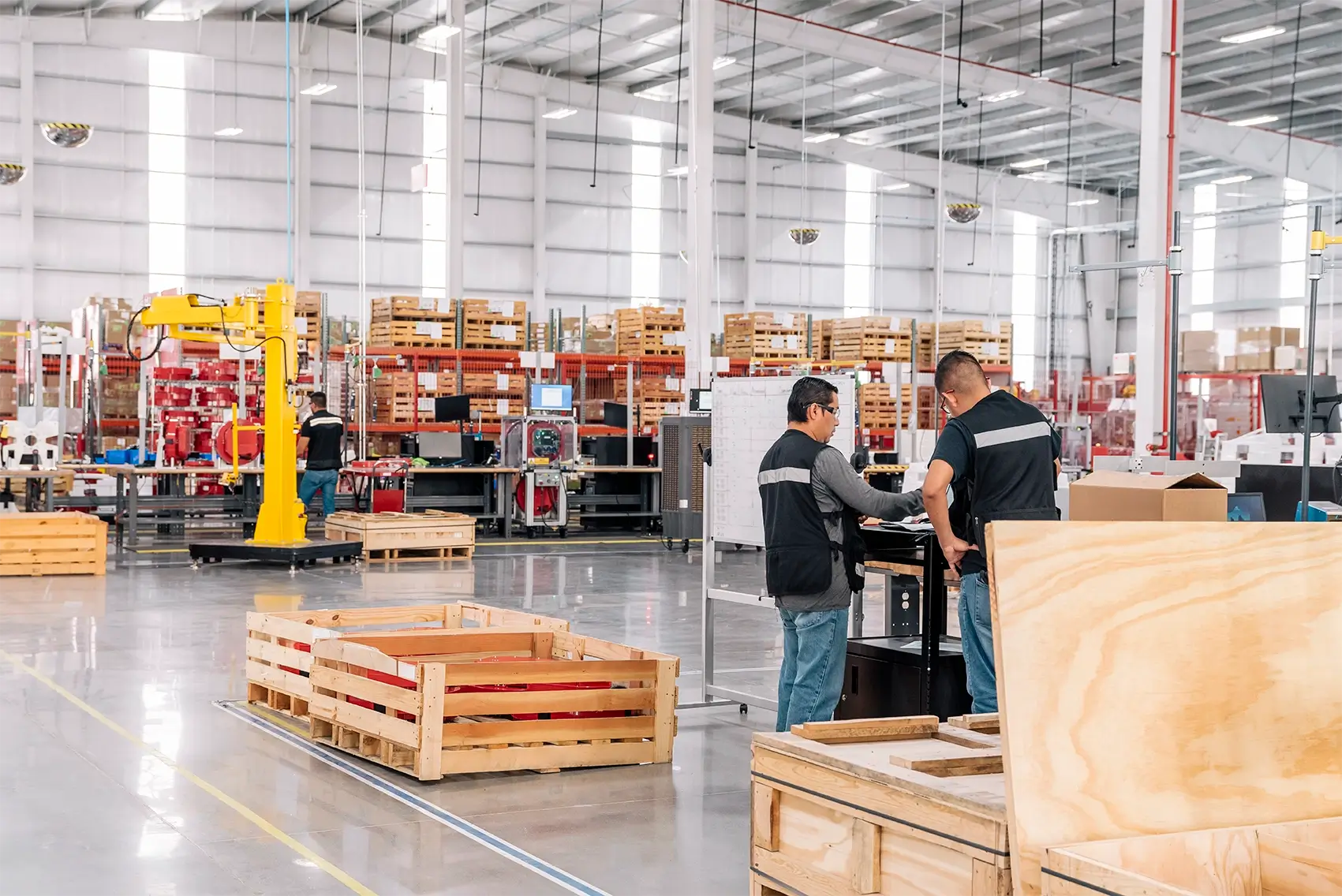
Two milestones get conflated constantly. Under a shelter structure in an existing building, a client operation can be set up in as little as 30 days, the fastest it has been done. Shipping finished product is the other one, set by your equipment installation, validation and customer approvals, and a typical launch runs about three to six months from signing. Ask any provider which of the two they are quoting you.
You run the operation and Tetakawi carries the administrative platform around it; what that covers and what stays yours are set out in shelter services in Mazatlán.
See it in person
Walk the Campus in Mazatlán
Walk an operating plant, meet the team that runs it, and see how manufacturers here recruit, train and keep people. Tell us your timeline and we will arrange the visit.
Common questions about manufacturing in Mazatlán
Is Mazatlán a manufacturing city?
Not in the way a border city is, and that is the point. Manufacturing accounts for 13.5% of formal employment in Mazatlán, against roughly six in ten in Ciudad Juárez and two in three in Reynosa. A manufacturer arriving here competes in a market with far fewer manufacturing employers than the major border centers.
Can you actually staff a plant in Mazatlán?
Yes, and the pipeline is measurable. The city’s technical upper secondary system enrolled 5,506 students and graduated 1,544 in the 2024 to 2025 school year, and its universities produced 703 graduates in engineering, manufacturing and construction, roughly 420 of them in manufacturing-relevant fields. What the public record does not show is how many studied a specific trade, so ask any provider for the count in the disciplines you hire from.
How far is Mazatlán from the United States border?
About 1,050 kilometers, roughly 650 miles, to the Reynosa and Pharr crossing, which is a single day’s drive on Highway 40D. Pharr is the third busiest truck crossing on the border. Mazatlán is farther from the border than a border city and closer to a deep-water port than any of them, so the answer depends on how your material actually moves.
What does manufacturing labor cost in Mazatlán?
Mazatlán sits outside the northern border free zone, which no municipality in Sinaloa is inside, so the statutory floor underneath every quote differs from the border cities most shortlists carry. The floor is where a comparison starts, not where it ends: ask for the fully fringed employer cost per hour by job type, the hours the quote assumes your line runs, what that figure includes and excludes, and the exchange rate and date behind the conversion.
Who already manufactures in Mazatlán?
The market is thin, and the honest answer is that one operation matters more than a roster. Consolidated Precision Products, an aerospace and industrial castings manufacturer that has operated in Mexico since 2012, opened here in 2024 and lists Mazatlán as one of only three Mexican sites. Castings for aerospace is a demanding process with a workforce that takes real time to develop. The useful question for a shortlist is not how many manufacturers are here, but whether anyone has run something hard here successfully.
What is Mazatlán missing as a manufacturing location?
Calibration and metrology, specialized laboratory testing, IMMEX-compliant scrap disposal, hazardous material disposal and niche manufacturing consumables are all sourced from larger industrial centers rather than locally. A supplier base is the one thing a market cannot grow ahead of demand. If your process depends on deep local tiering rather than on people, that is the constraint to model first.
What manufacturing in Mazatlán adds up to
Mazatlán is not the obvious answer, and for most of the last thirty years it was not an answer at all. What changed is that the constraint on a lot of manufacturing plans stopped being the supplier base and became the people.
A formal workforce that is growing while manufacturing claims a small share of it. A statutory floor outside the northern border free zone. A deep-water port fifteen miles out, an international airport under a mile, and a highway that puts Texas within a day. And a castings manufacturer that has operated in Mexico since 2012 and picked this market in 2024.
That describes a market built for an operation whose constraint is people. If keeping the ones you train is what decides your plant’s numbers, Mazatlán answers that directly.
If you are weighing this city against others on a list, the Mazatlán site selection case sets out time to fill by position and why turnover behaves differently here. If the region is settled and the model is the open question, shelter services in Mazatlán covers what a provider handles, what stays yours, and the questions worth asking every one of them.
Subscribe to stay up to date with our latest insights