Our Story
Learn our story, leadership, and mission shaping manufacturing in Mexico.

Both countries earn their place on nearshore shortlists. Mexico’s case is scale and access: a far deeper workforce, overland freight to the U.S., and USMCA access to the U.S. market that CAFTA-DR does not fully match. Costa Rica keeps the edge in specialized medical devices.
Costa Rica supports specialized manufacturing well, and a program that fits the Central Valley should stay there. Most manufacturers do not need to leave Costa Rica: they need a second and third shift somewhere the labor market can staff them.

Comparison
Compare workforce scale, corporate income tax, U.S. trade treatment, logistics, and industry breadth.
| Costa Rica | Mexico | |
|---|---|---|
| Workforce Scale | About 205,000 manufacturing workers | 9.7 million manufacturing workers |
| Corporate Income Tax | Eligible free-zone projects: 0% for 8 years, or 12 outside the metro area | No equivalent holiday; a 30% corporate income tax rate |
| U.S. Trade Treatment | CAFTA-DR remains, but most goods carry an added 12.5% duty | USMCA-qualifying goods pay no ordinary or Section 301 duty; non-qualifying goods pay the ordinary rate plus 10% |
| Logistics | Ocean, air, or a week overland across five borders | One to five days by truck to U.S. markets |
| Industry Breadth | Deep specialization in medical devices | Automotive, aerospace, medical devices, electronics, appliances |
Testimonials
Manufacturers producing in Mexico gain workforce scale, overland access to U.S. customers, and room to add shifts as volumes grow. Here is how some of the 60+ manufacturers operating on Tetakawi Campuses describe it.
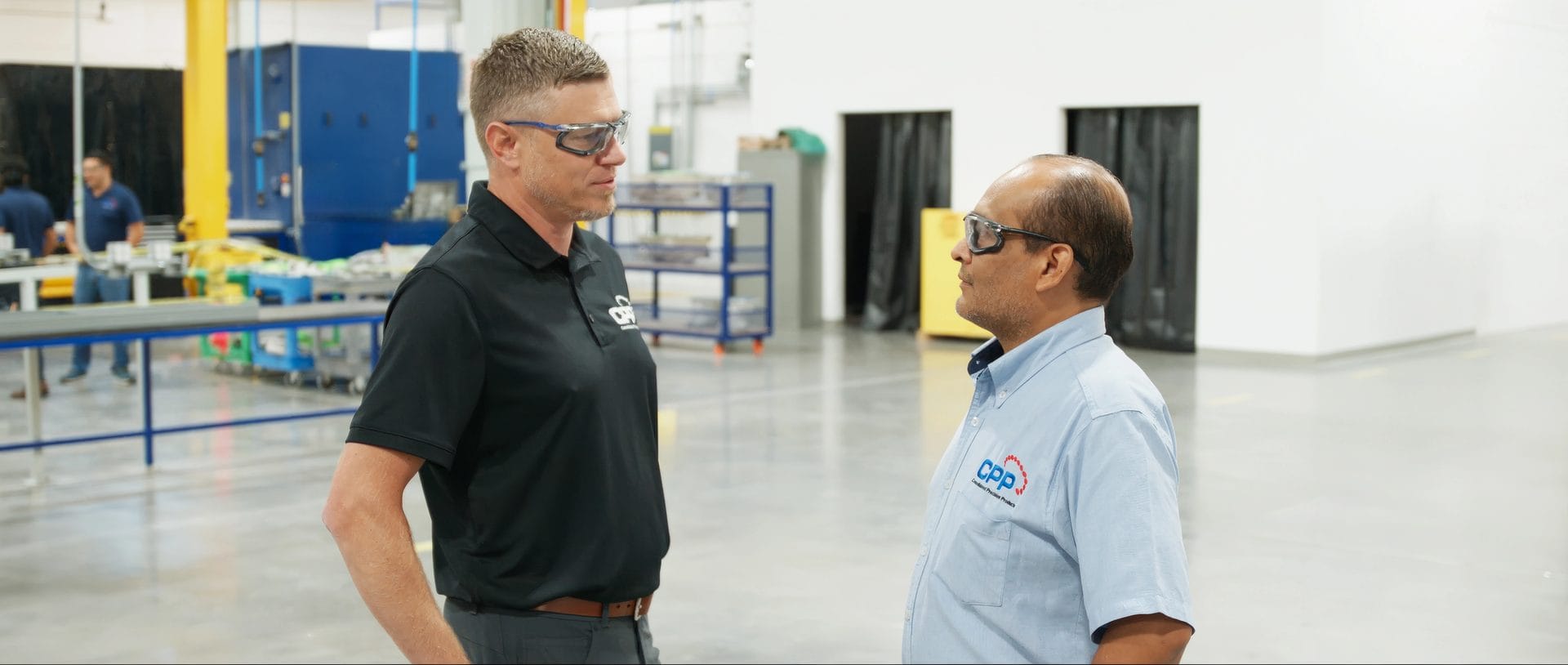

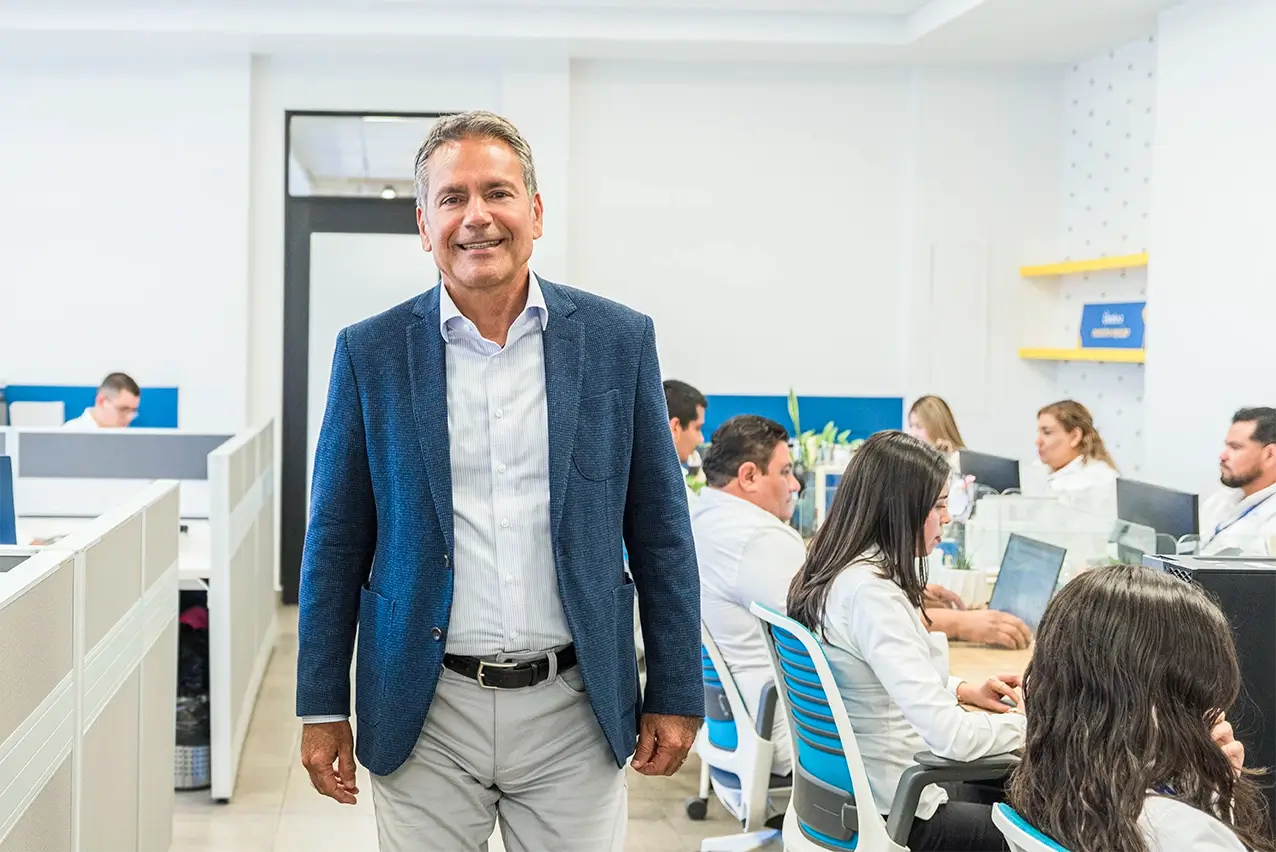
Jeremy Main, Senior Vice President, Consolidated Precision Products
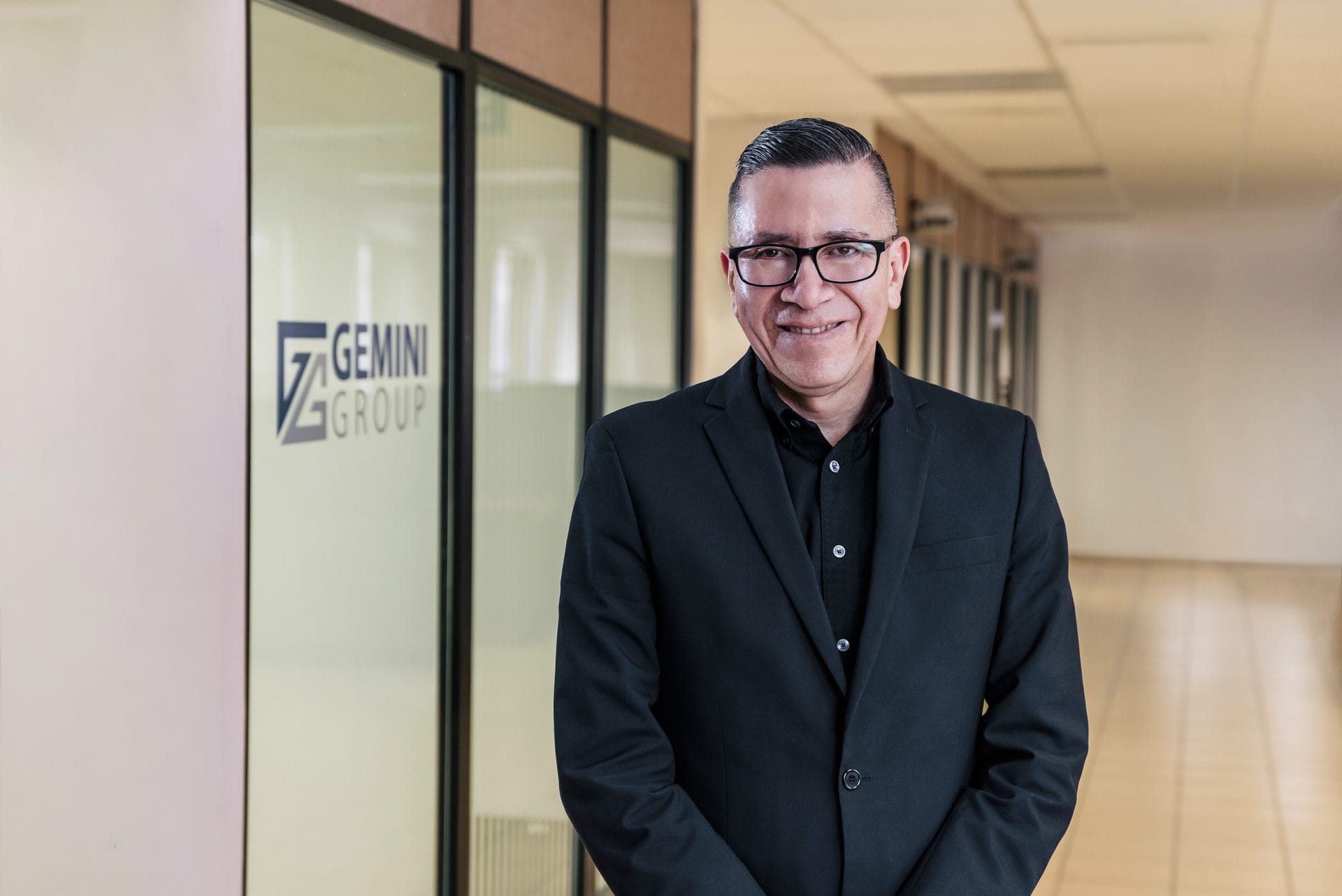

Mauricio García, Plant Manager, Gemini Group
Campus Pillars
Predictable manufacturing in Mexico requires reliable space, people, logistics, and compliance. On a Tetakawi Campus, one partner runs all four, so you don’t have to coordinate a patchwork of vendors.
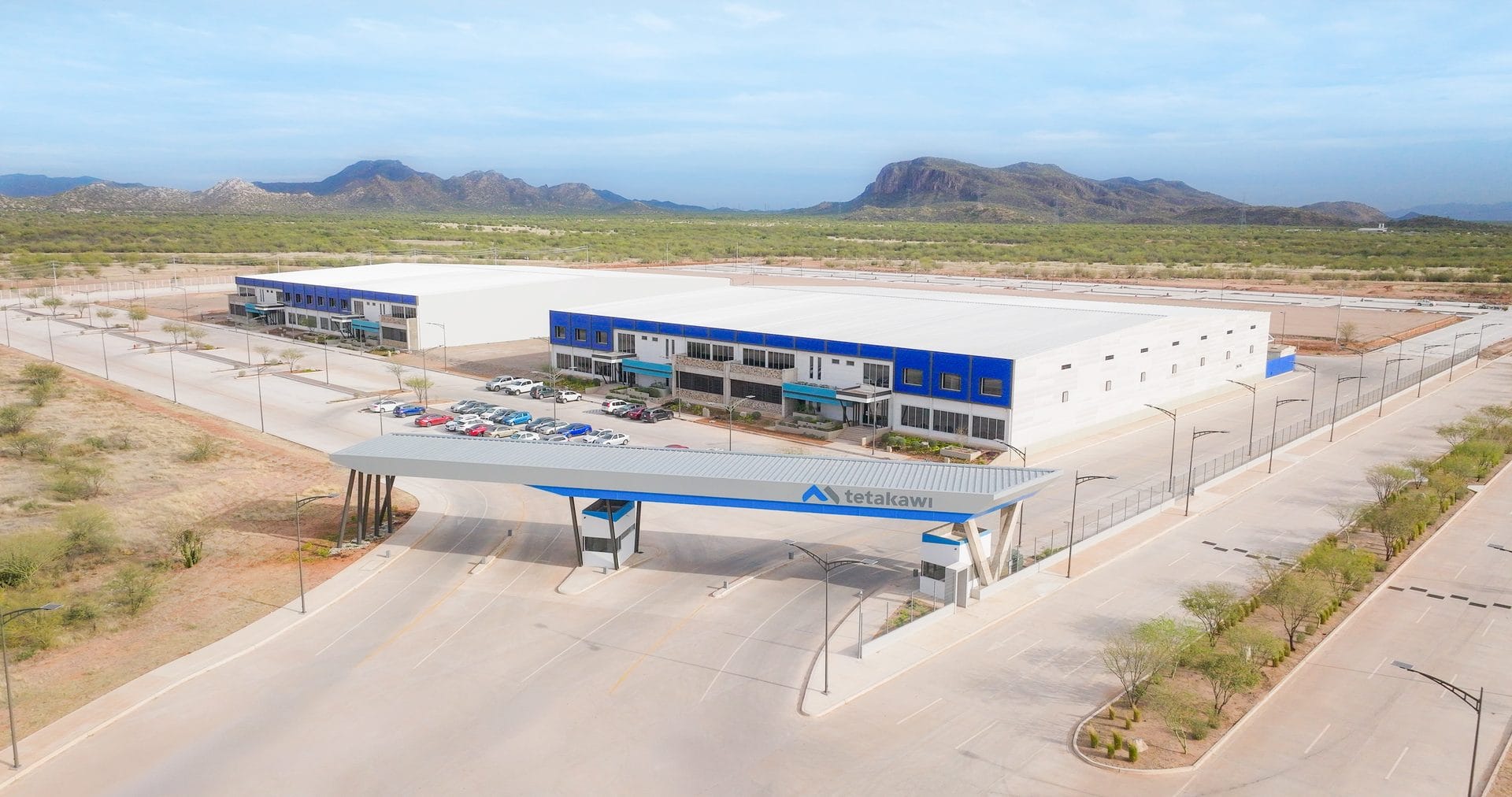
Set up in a Class A building on a Tetakawi Campus, move-in ready or adapted to your process. Tetakawi runs the Campus and maintains the buildings, so the building is never your project.
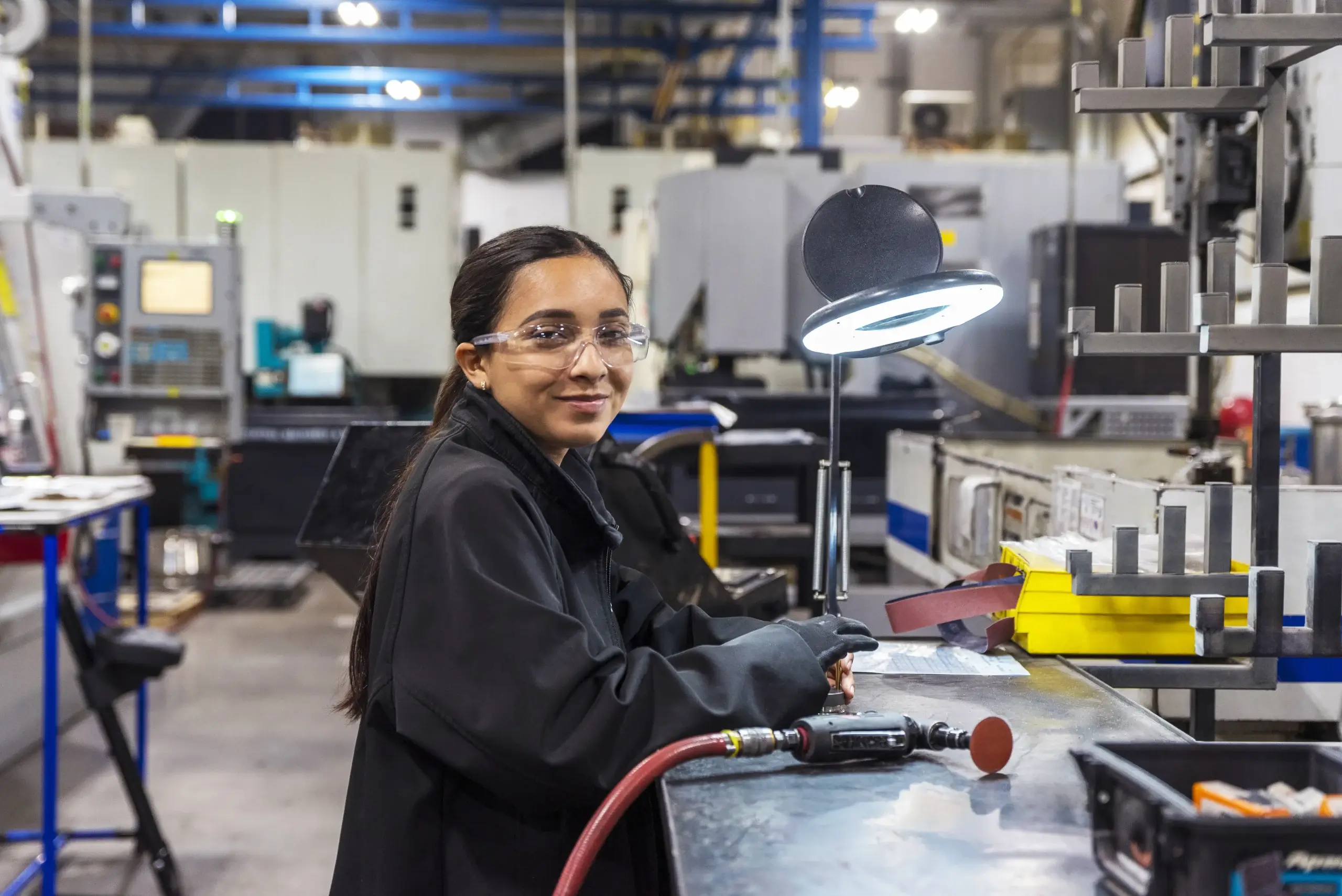
Define the roles and the standards, then run the plant. Tetakawi recruits, hires, and employs the people, runs payroll and benefits, and holds the union agreement, so your managers stay on production.
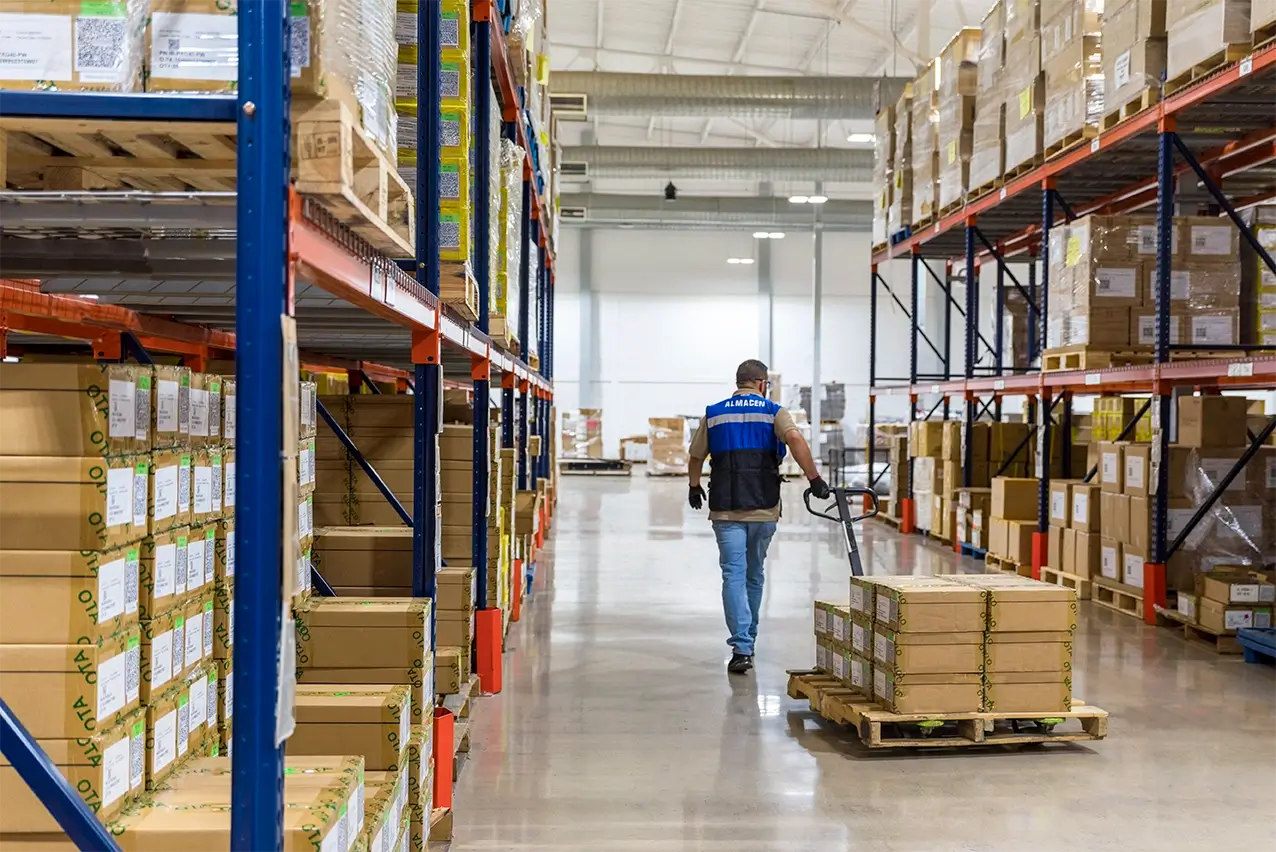
Bring materials in and ship product out with a U.S. broker you select. Tetakawi holds the Mexican import and export permits your shipments move under, and stages your freight at its U.S. cross-docks.
Operate under Tetakawi’s IMMEX shelter program, without forming your own Mexican company. Tetakawi holds the permits and registrations and answers to the authorities for the entity’s filings.
FAQs
Choosing between Mexico and Costa Rica for your next plant? The questions we get most often from manufacturers comparing their options.
For larger-scale programs, generally yes, driven by scale as much as by wages.
Mexico’s manufacturing workforce is 47 times Costa Rica’s, overland freight reaches the U.S. in as little as one day, and USMCA-qualifying goods pay no ordinary duty and no Section 301 duty, while most covered Costa Rican industrial goods face a 12.5% U.S. duty as of July 24, 2026. On corporate income tax Costa Rica wins outright: eligible manufacturing projects can receive an eight-year income-tax holiday, or twelve years outside the Greater Metropolitan Area, subject to category and project requirements. Mexico offers no equivalent holiday; its corporate income tax rate is 30%, and how your own operation would be taxed is a question for your tax advisors. Which one wins for you depends on your role mix, your volumes and your time horizon, so the model has to be built around your headcount before either number means anything.
For a large program, not without competing hard for the same people.
Costa Rica’s manufacturing workforce is about 205,000, concentrated in the Central Valley free zones. The whole national labor force is 2.35 million, against 61.7 million in Mexico, and Mexico’s 9.7 million manufacturing workers are spread across dozens of industrial cities. Which of the five Campus labor markets can absorb your headcount plan is the first question the evaluation answers.
Many qualify for CAFTA-DR, but most industrial goods now carry a 12.5% U.S. duty.
Many qualify for CAFTA-DR base preferences, but most covered Costa Rican industrial goods became subject to a 12.5% U.S. duty in July 2026, a duty from which Mexico’s USMCA-qualifying goods are exempt. Textiles and apparel entered duty-free under CAFTA-DR are exempt from the 12.5% duty; textiles and apparel that do not qualify for, or do not claim, CAFTA-DR pay it. Where your products land under each treaty is one of the first analyses we run with a prospective client.
For a specialized device program, often yes.
Costa Rica is the world’s tenth-largest medical-device exporter and second in Latin America, behind Mexico. Mexico also carries major medical-device production, with far deeper labor pools for scaling, which is often the deciding factor for high-volume programs. If your roadmap needs volume, multi-shift capacity or a broader supplier base, Mexico is usually the better fit. If it does not, Costa Rica is.
In as little as 30 days, on any of the five Campuses.
The building, workforce systems and legal framework already exist, so a well-prepared operation can get started in as little as 30 days. Most operations go from deciding on Mexico to producing in Mexico in three to six months. Building standalone typically takes 8 to 18 months before you can operate. Your timeline depends on your equipment and certifications, and mapping it is part of the evaluation.
Four steps, in order.
1. Get in touch. A conversation about your scale plan: the roles, the shifts, the volumes and the timing you are working to.
2. Measure ROI. Which Campus labor market can staff you at target volume and at your five-year headcount, the cost model for the full operation, direct labor by role, real estate, utilities and freight, and the rules-of-origin analysis for USMCA qualification.
3. Site visit. Walk the Campus, meet the people who would run your account, and talk with manufacturers running at scale there.
4. Launch and grow. When you give the green light, the same team that helped you build the case guides the launch, and the people who run the Campus are a phone call or a short walk away.