Our Story
Learn our story, leadership, and mission shaping manufacturing in Mexico.

For European manufacturers serving North American demand, Mexico combines labor at a fraction of EU cost with USMCA access to the U.S. market. Europe keeps the edge for products serving European demand.
For manufacturers serving North America, European production means longer lead times, higher logistics costs, and slower response to changing demand. Producing in Europe remains logical when the customer base is European; for North American demand, the math favors Mexico.

Comparison
Compare labor cost, U.S. market access, logistics, energy, and who each plant is built to serve.
| Europe | Mexico | |
|---|---|---|
| Labor Cost | Europe About $40 an hour across all manufacturing roles, fully fringed ($56 in Germany) | Mexico Unskilled from about $4.33, skilled trades from about $7.74, fully fringed |
| U.S. Market Access | Europe Most EU goods carry a U.S. duty of at least 10% | Mexico USMCA-qualifying goods pay no ordinary or Section 301 duty |
| Logistics to the U.S. | Europe Weeks door to door across transatlantic lanes | Mexico One to five days by truck to U.S. markets |
| Energy | Europe About $0.18 per kWh, $0.22 in Germany, excluding recoverable VAT | Mexico Manufacturers we support report about $0.12 per kWh |
| Serving European Demand | Europe Inside the single market, beside your European customers | Mexico Duty-free into the EU, but weeks away by sea |
Testimonials
Manufacturers producing in Mexico gain North American production inside USMCA, at labor costs well below European levels. Here is how some of the 60+ manufacturers operating on Tetakawi Campuses describe it.
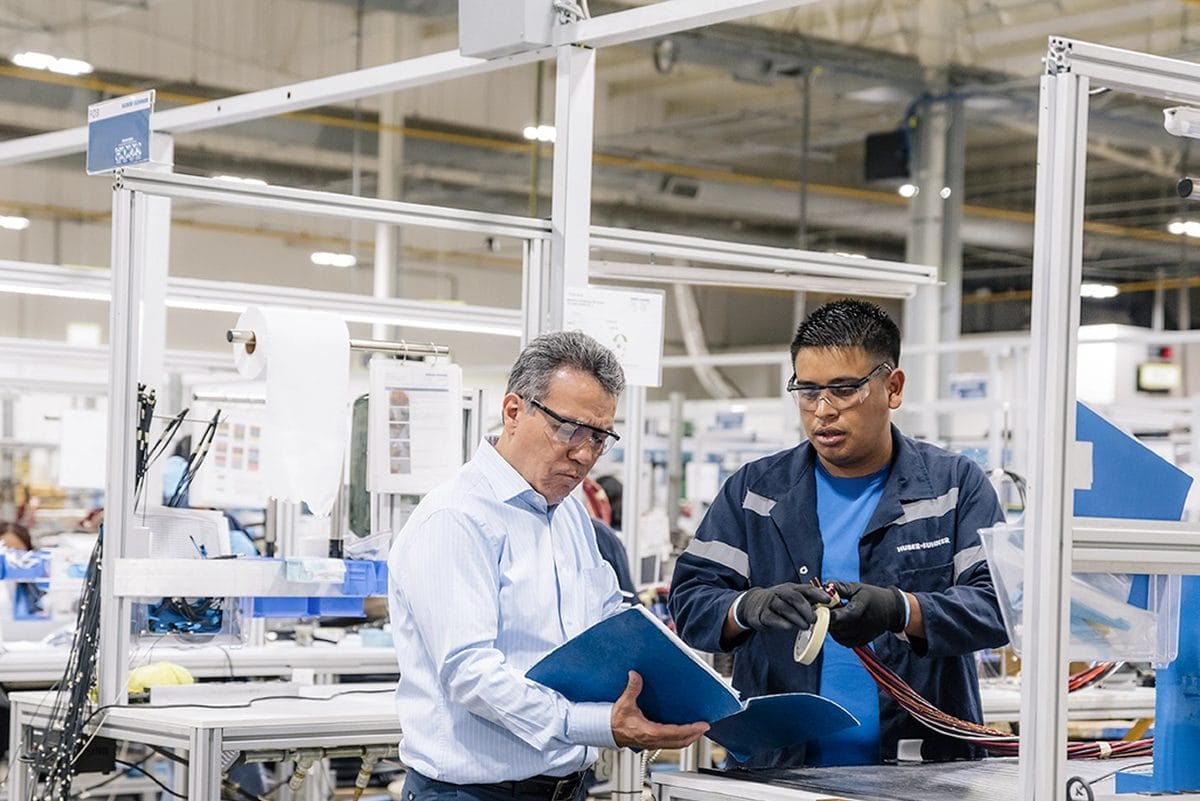

Carlos Rivera, Plant Manager, HUBER+SUHNER
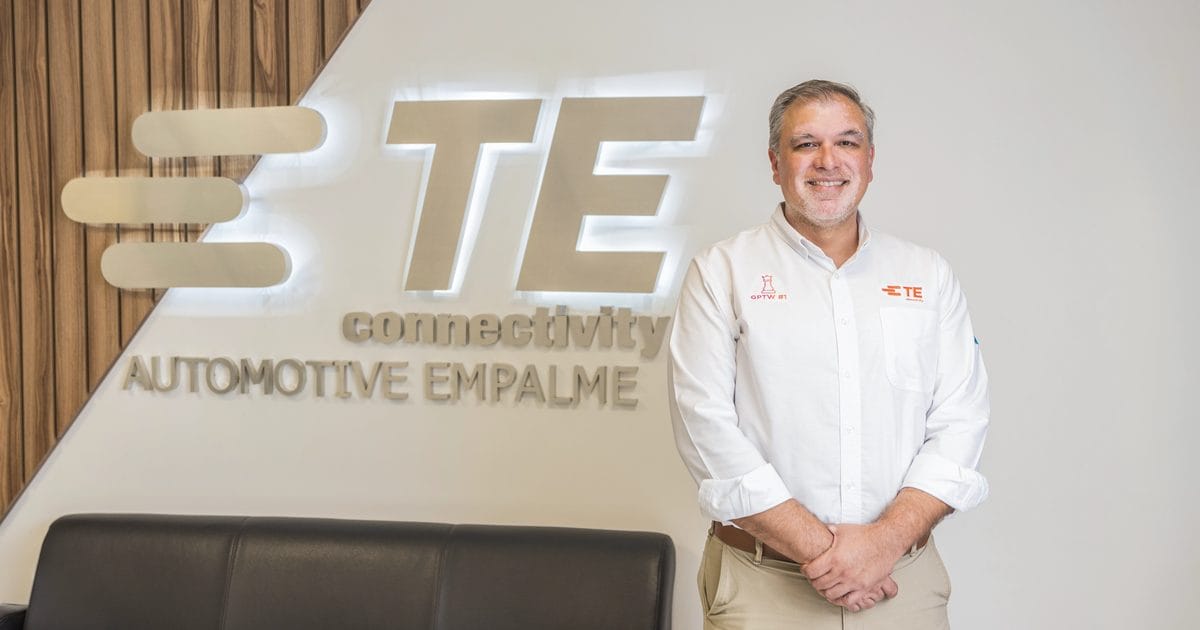

Ricardo Gómez, Director of Operations, TE Connectivity
Campus Pillars
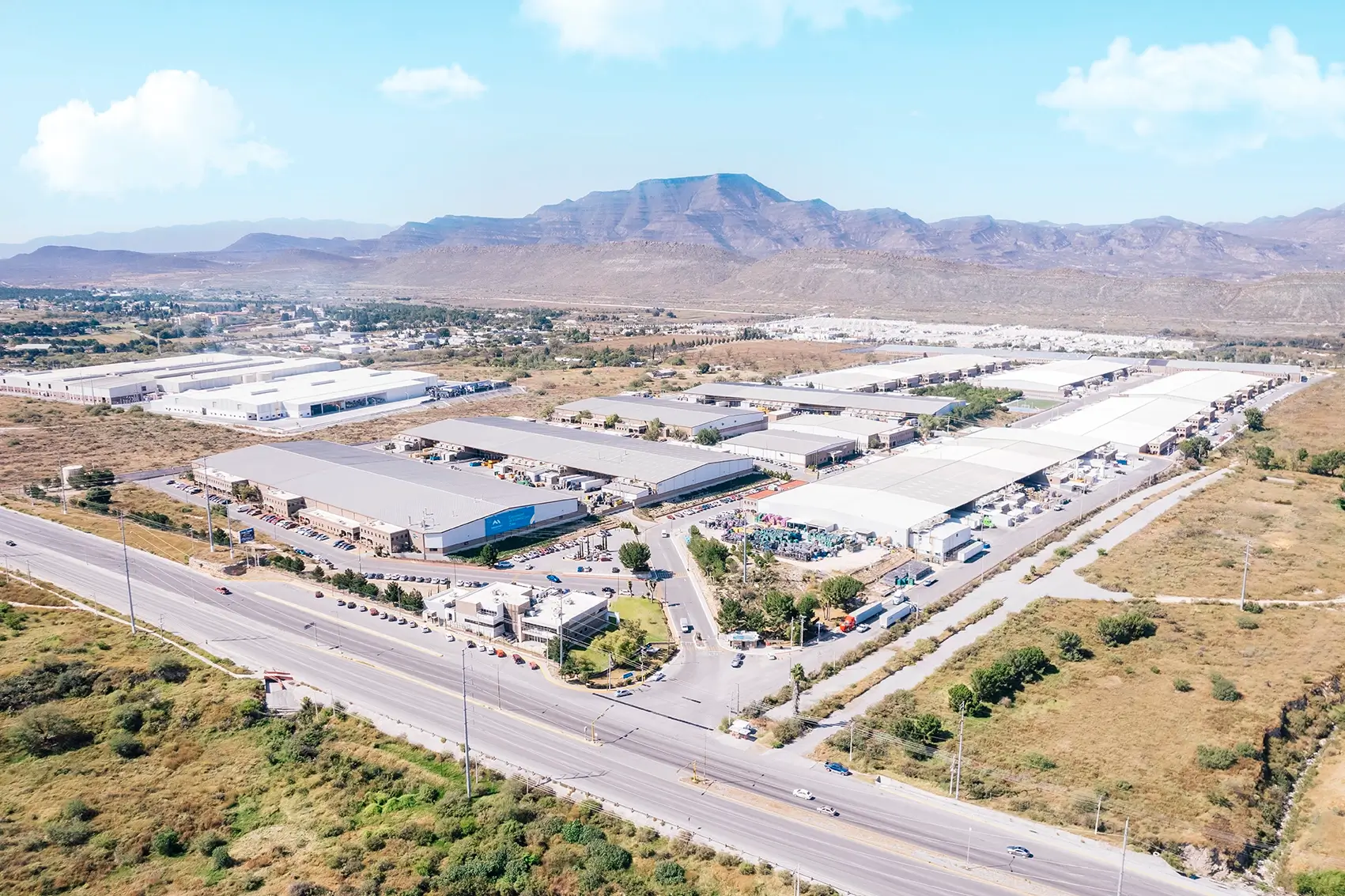
Predictable manufacturing in Mexico requires reliable space, people, logistics, and compliance. On a Tetakawi Campus, one partner runs all four, so you don’t have to coordinate a patchwork of vendors.
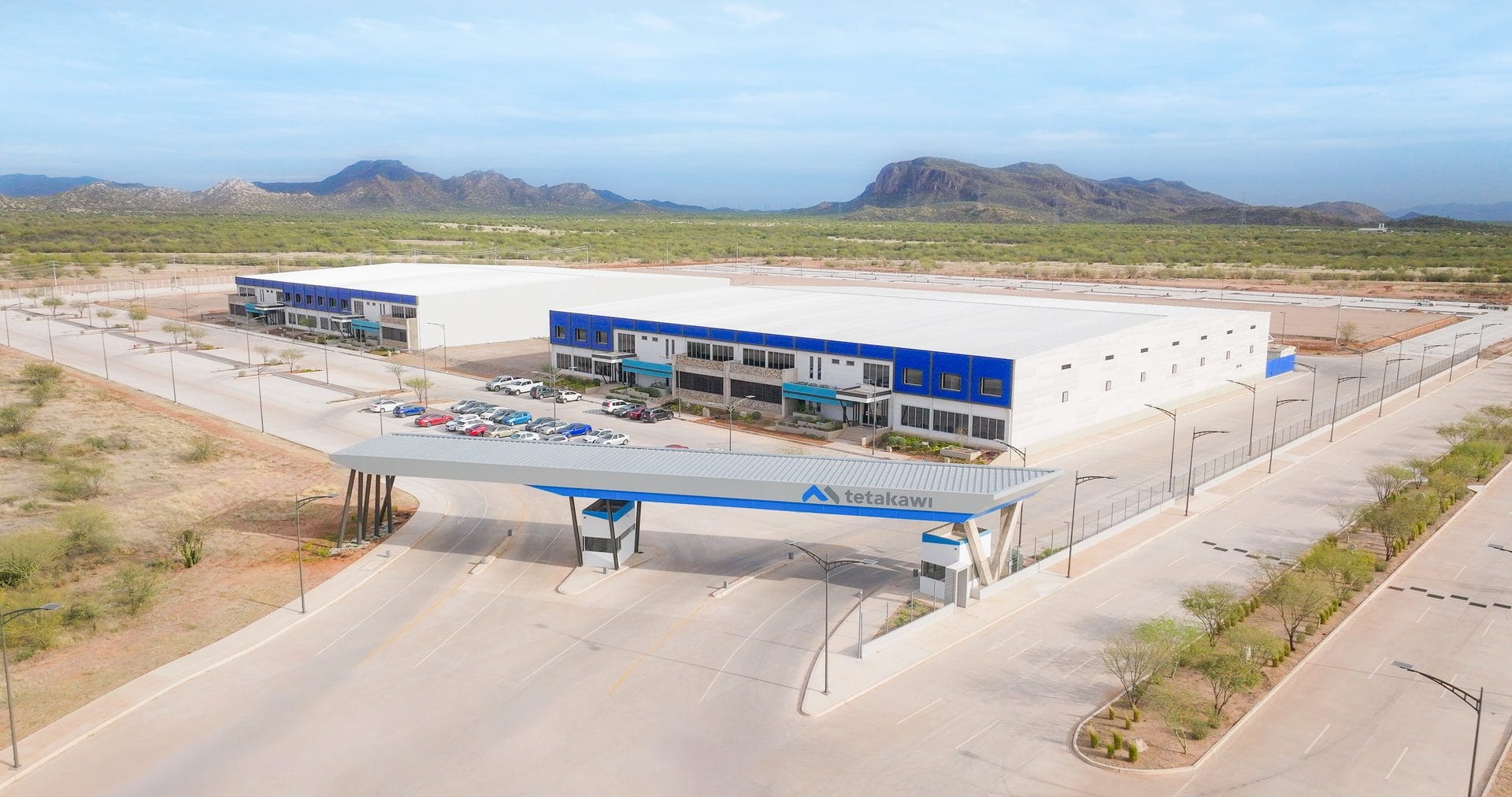
Set up in a Class A building on a Tetakawi Campus, move-in ready or adapted to your process. Tetakawi runs the Campus and maintains the buildings, so the building is never your project.
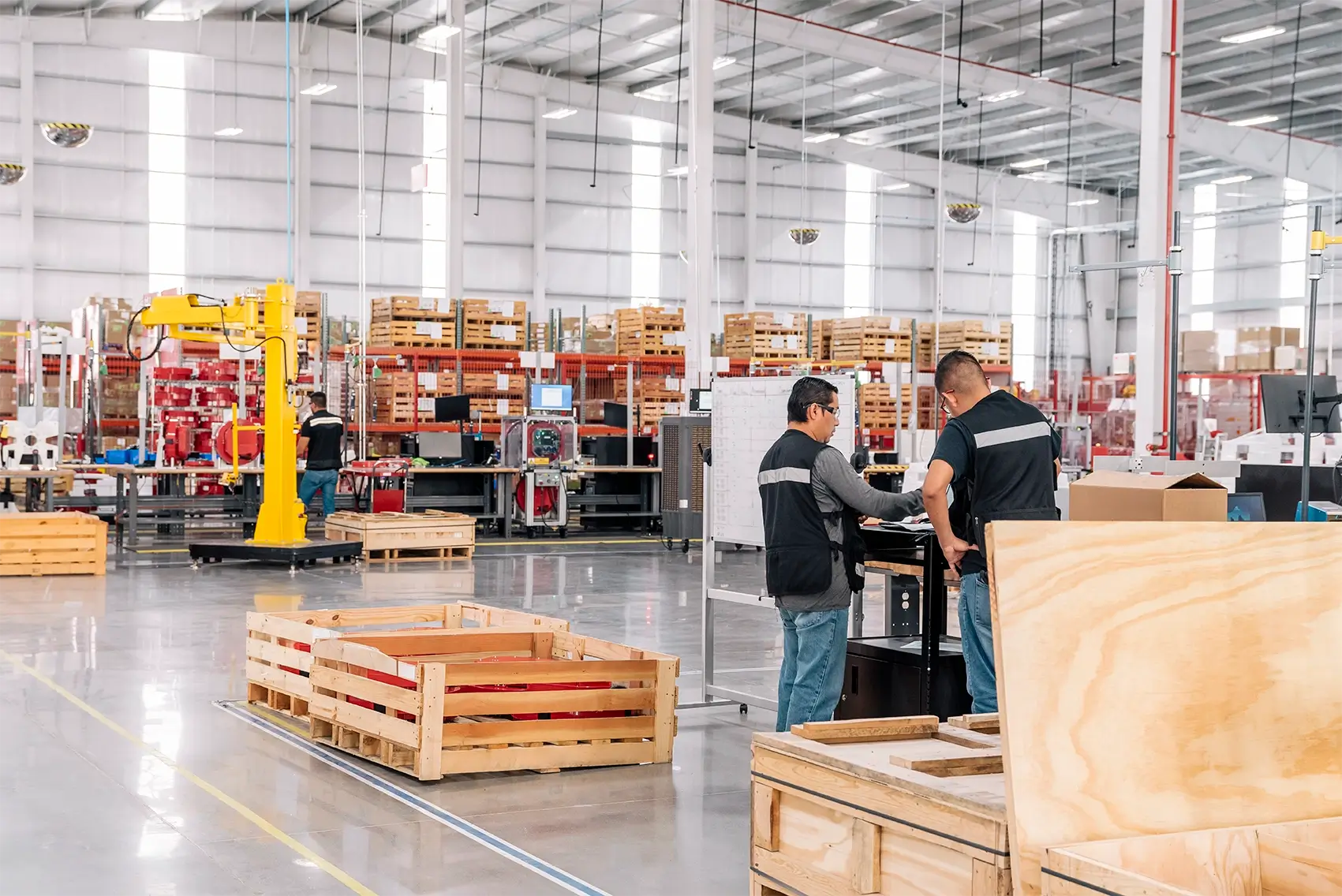
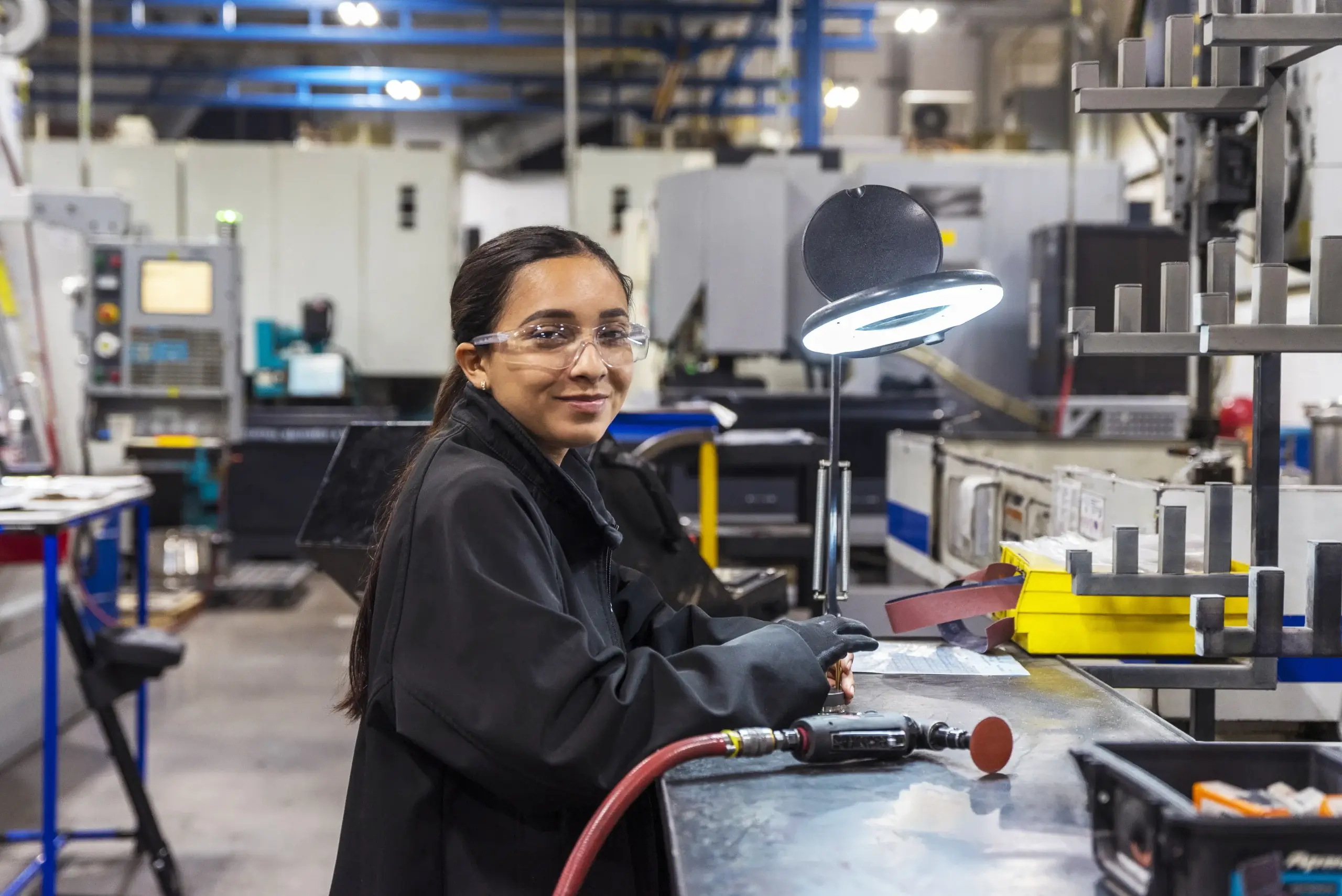
Define the roles and the standards, then run the plant. Tetakawi recruits, hires, and employs the people, runs payroll and benefits, and holds the union agreement, so your managers stay on production.
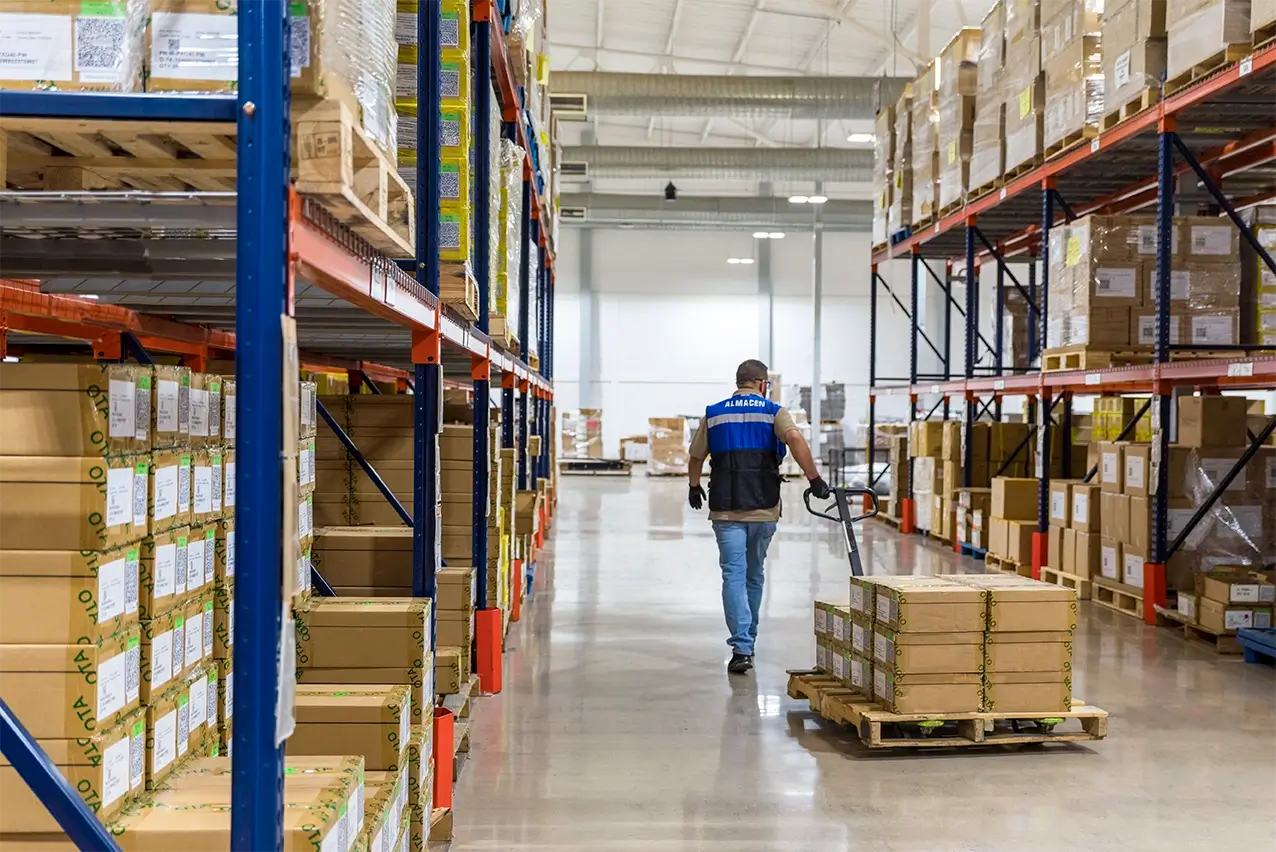
Bring materials in and ship product out with a U.S. broker you select. Tetakawi holds the Mexican import and export permits your shipments move under, and stages your freight at its U.S. cross-docks.
Operate under Tetakawi’s IMMEX shelter program, without forming your own Mexican company. Tetakawi holds the permits and registrations and answers to the authorities for the entity’s filings.

FAQs
Serving North American demand from a European plant? The questions we get most often from manufacturers comparing their options.
On labor, substantially.
Total employer cost per hour worked in EU-27 manufacturing was about $40 in 2025, and about $56 in Germany, at the ECB average exchange rate for 2025. On a Tetakawi Campus, direct labor starts at about $4.33 per hour fully fringed for unskilled positions and rises by role and Campus (at 17.5 pesos per dollar and Mexico’s 48-hour statutory week, the basis our 2026 labor-cost model uses). Both sides include employer contributions. The European figure covers every manufacturing role, including engineering and management, because Eurostat publishes no labor cost by occupation. Its 2022 earnings survey does split manufacturing by occupation: manual workers earned 77% of the manufacturing average in the EU-27 and 81% in Germany. Applying those shares puts the employer cost for production roles at roughly $30 in the EU-27 and $45 in Germany, our calculation from two Eurostat series, not a published Eurostat number. Productivity and automation narrow that gap; freight and duty widen it again for anything shipping to a U.S. customer.
Since July 24, 2026, most EU-origin goods carry a duty that reaches 10%.
Since July 24, 2026, most EU-origin goods carry a Section 301 duty set so that ordinary duty plus Section 301 reaches 10%, with extensive product exclusions; where the ordinary duty is already 10% or more, no Section 301 duty is added and the ordinary rate applies. Section 232 sectoral tariffs of 10 to 50% apply instead on the sectors they cover. Actual duties vary by classification. USMCA-qualifying goods from Mexico pay no ordinary duty and no Section 301 duty; Section 232 sectoral tariffs still apply where they cover the product, and qualification depends on each product’s rules of origin, including for goods built with European components. It is one of the first analyses we run.
Yes, and that is the standard pattern.
European plants serve European demand while a Mexican operation serves North America inside USMCA, with both running under the parent company’s quality systems and standards. And the Mexican plant is not limited to North America: Mexico’s trade agreements reach 52 countries under 14 free trade agreements, including the EU-Mexico Global Agreement in force since 2000, under which most industrial goods trade duty-free, and CPTPP across the Pacific. Mapping which products move where is part of the evaluation.
It depends on the model you choose, not the country.
Under contract manufacturing, a third party runs production and sets the priorities, so control genuinely transfers. On a Manufacturing Campus you keep day-to-day control: you define the roles and the staffing plan, select from the candidates presented, set the standards, and direct, supervise and train the team. Tetakawi hires on your instruction, is the employer of record, and administers the environment around you. Several European manufacturers run their Mexican plants that way today.
In as little as 30 days, on any of the five Campuses.
The building, workforce systems and legal framework already exist, so a well-prepared operation can get started in as little as 30 days. Most operations go from deciding on Mexico to producing in Mexico in three to six months. Building standalone typically takes 8 to 18 months before you can operate. Your timeline depends on your equipment and certifications, and mapping it is part of the evaluation.
Four steps, in order.
1. Get in touch. A conversation about which products serve North America, which serve Europe, and what your European plants would keep.
2. Measure ROI. First your tariff exposure: a customs and rules-of-origin analysis of which products made in Mexico would qualify under USMCA, set against what U.S. duty costs you today. Then the cost model for the full operation, direct labor by role, real estate, utilities and freight, and which Campus labor market can staff your roles. For products serving European demand, a European plant usually still wins, and we will say so.
3. Site visit. Walk the Campus, meet the people who would run your account, and talk with European manufacturers with plants there.
4. Launch and grow. When you give the green light, the same team that helped you build the case guides the launch, and the people who run the Campus are a phone call or a short walk away.